




Selecting the appropriate cutting process is crucial in manufacturing, construction, and design. The two most common types of cutting are laser and saw. Each boasts a distinct set of strengths, opportunities, and application uses. But how do you choose which one will best suit your project? This article will serve as your guide to distinguishing between these two cutting processes in terms of accuracy, effectiveness, economy, and material compatibility. The breakdown will provide helpful insight to both experienced professionals and novices, enabling them to make informed decisions concerning their needs.
Introduction to Cutting Technologies
Choosing the proper cutting process is essential in manufacturing, construction, and design. The two most common types of cutting are laser and saw. Each boasts a distinct set of strengths, opportunities, and application uses. But how do you choose which one will best suit your project? This article will serve as your guide to distinguishing between these two cutting processes in terms of accuracy, effectiveness, economy, and material compatibility. The breakdown will provide helpful insight to both experienced professionals and novices, enabling them to make a well-informed decision with respect to their needs.
Considered the basics among manufacturing and fabrication technologies, these are cutting technologies that employ cutting actions, such as laser cutting and waterjet cutting. For laser cutting, a focused laser beam is used to cut materials with precision, making it suitable for delicate designs and thin materials. Waterjet cutting, by contrast, impels a high-pressure stream of water mixed with abrasive material to cut thicker, harder materials without the application of heat, thereby preserving the material’s qualities. The correct method will depend on the type of material, its thickness, and the level of precision required for the project at hand.
What is Laser Cutting?
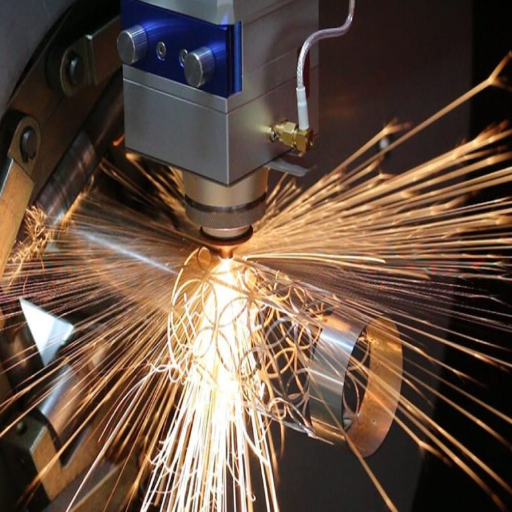
Laser cutting is a manufacturing process that utilizes an intense wavelength laser beam to cut or engrave a material. The focused laser will melt, burn, or vaporize material along a predefined path, ensuring exact and clean cuts. This method is commonly applied to materials such as metals, plastics, wood, glass, and even fabrics.
Laser cutting machines are modern, with software-operated programming and automation, allowing for the production of complex designs at high speed. Industry data indicate that CO2 lasers and fiber lasers are among the most common types of laser cutting machines. Fiber lasers are more efficient when cutting metals, allowing speeds up to three times faster than CO2 lasers with thinner sheets. For example, a 4-kW fiber laser can cut through 6-mm stainless steel at a speed of approximately 14 meters per minute, demonstrating its efficiency in action.
Giving vast credit to the laser for its low waste production, thus confirming it as an ecological alternative to traditional manufacturing processes. As with every other technology, laser cutting evolves over time, gaining new capabilities and expanding its applications in modern manufacturing scenarios.
What is Saw Cutting?
Sawing is one of the most traditional methods for cutting materials through a blade or an abrasive wheel. It is said that the present method is used, or instead considered the standard, for cutting steel, wood, plastic, or other hard materials, gaining industry-wide acceptance with variations here and there. Saw cutting involves various saw forms, each tailored to the material and speed, including band saws, circular saws, and abrasive saws.
Any modern saw cutting method would guarantee higher production with precision. For example, bandsaws are capable of tolerances as low as 0.01 inches, making them an integral part of tasks in industrial settings. The enhanced automation of saw cutting equipment has thus reduced the cost of operations, increased production speed, and improved safety by eliminating the dangers posed by manual operation.
Some recent surveys indicate that saw cutting accounts for nearly 30% of the cutting methods used in manufacturing, as it is widely used and cost-effective. Computer Numerical Control (CNC) automation in saw cutting systems has enabled the generation of complex designs and consistent quality. These improvements reaffirm the prominent position of saw cutting in contemporary manufacturing, from construction and automotive industries to the production of excellent components for medical devices.
Comparison Overview: Laser vs. Saw Cutting
| Aspect | Laser Cutting | Saw Cutting |
|---|---|---|
| Precision | ±0.003 inches tolerance | ±0.01 inches tolerance |
| Material Thickness | Up to 20-25mm (varies by power) | 6-8 inches of steel and beyond |
| Speed | Up to 500 inches per minute | Varies by material and blade type |
| Initial Cost | $8,000 – $1,000,000 | Lower setup cost |
| Energy Consumption | 3-15 kWh per hour | Lower energy consumption |
When comparing saw cutting and laser cutting, one can identify the capabilities and limitations of both methods that are most suitable for specific applications. Laser cutting is renowned for its precision and detail, utilizing a high-powered beam to cut with remarkable accuracy and minimal material waste. This is especially appreciated for delicate, intricate designs in the aerospace, electronics, and jewelry industries.
Conversely, it is a more traditional orange-peel-type method used in industrial manufacturing. The saw cutting allows for a low setup and operating cost, and thus has many applications in construction, automotive, and other industries. Saw cutting is comparatively faster when working with thicker or bulkier materials, like steel bars or large wooden beams. While it cannot achieve the fineness that laser cutting can impart, saw-cutting machines are capable of handling heavy-duty tasks and can work with materials up to an inch or more in thickness.
Benefits of Laser Cutting
- High Precision and Accuracy: Laser cutting offers high precision, maintaining tolerances as strict as ±0.001 inches and making it well-suited for intricate design work and detailed applications.
- Versatility of Materials: A laser cutter can cut a wide range of materials, including wood, metal, plastics, glass, and even fabric. This makes laser cutting machines incredibly suited for numerous industries such as automotive, aerospace, and electronics.
- High Efficiency and Speed: Laser cutting significantly reduces production time, primarily due to the speed of cutting. The CO2 laser can cut at a rate of 500 inches per minute, depending on the material and thickness.
- Clean Cuts and Finish: The laser-scattered beam leaves a clean edge with minimal distortion to the material; in most cases, this means no secondary finishing is required.
- Automation and Reduced Labor Costs: Modern laser cutting machines often feature advanced automation capabilities, including CAD/CAM integration and material feeding systems, which streamline production processes and lower labor expenses.
- Energy Efficiency: Newer laser systems, such as fiber lasers, consume less energy while delivering superior performance, making them a more sustainable option in manufacturing.
- Ability to Handle Complex Geometries: Laser cutting is capable of producing complex shapes and intricate patterns that are often difficult or impossible to achieve with other cutting techniques.
These advantages make laser cutting a preferred choice in industries demanding precision, efficiency, and adaptability.
Advantages of Saw Cutting
- Cost-Effectiveness: Saw cutting is generally considered more cost-effective than laser and plasma cutting in many applications. The equipment usually has a lower initial investment cost, with maintenance activities that are also less complex and less expensive.
- Material Versatility: With saw cutting, you can cut almost all materials: metals, wood, plastics, and composites. It is a great choice, especially for those thicker materials that the other methods may not be able to handle efficiently or at all.
- Simple Operation and Accessibility: Saw cutting machines are straightforward to operate and require less training compared to laser cutting. This makes it an option that is convenient and accessible to a small-scale workshop or industry.
- Efficiency in Straight Cutting: For straight cuts and linear processes, saw cutting excels in providing very accurate cuts that require little to no finishing. Hence, it is suitable for work with clean lines and exact measurements, especially in woodworking and metal structuring.
- High Speed of Cutting for Certain Applications: In some applications, saw cutting can reach impressive speeds, depending on the materials and the type of blade used, which can be considered efficient when working against time constraints. Circular saws, for instance, are speedy in construction and manufacturing.
- Sturdiness and Strength of Equipment: These saw cutting machines are designed for heavy-duty use and can operate effectively in various environments, including outdoor settings or in demanding industrial conditions where precision equipment may struggle.
- Reduced Energy Consumption: Laser cutting may require significant energy usage, resulting in high utility charges during operation, especially for prolonged use.
These practical benefits make saw cutting an ever-reliable alternative, widely used in diverse interrelated fields such as construction, woodworking, and metalworking- a combination where durability, cost-effectiveness, and flexibility are essential.
Disadvantages of Laser Cutting
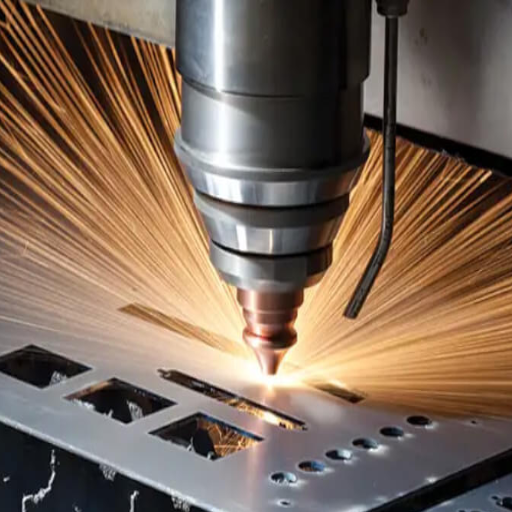
Although laser-cutting processes are well-known for offering high precision, they also have the following drawbacks:
- The initial installation cost of a laser cutting machine is very high, making it unaffordable even for some medium-level operations
- The process claims a high amount of energy and is consequently expensive to operate
- There are problems when the laser must cut certain materials, as some materials reflect the light or heat, which can damage the equipment or produce imperfect results
- Adequate ventilation must be provided to ensure the extraction of fumes and particulates generated during laser cutting, which adds to concerns about additional safety and maintenance requirements
Cost Considerations
When considering the financial aspects of laser cutting, several key factors are essential to consider. For instance, an entry-level laser cutting machine can cost around $8,000, whereas one of the larger models can reach nearly $1,000,000, depending on size, rating, and functionality. Then come the operational costs, the most significant of them being the consumption of energy. Energy costs can add substantially to operations as laser cutting machines consume anywhere from 3 kWh to 15 kWh per hour.
Other costs, such as maintenance, can also add up. The annual maintenance cost could range from $500 to $2,000 for lenses, mirrors, and other components. Depending on the particular materials, special gases used for cutting may increase consumption costs. Additionally, the ventilation system could potentially cost $2,000-$10,000, depending on the requirements.
Material Limitations
The efficiency and applicability of the laser cutting process depend heavily on these material constraints. Even if laser cutting is multi-purpose, not all materials respond in the same manner. Some metals, such as carbon steel, stainless steel, and aluminum, are widely regarded as excellent substrates for laser cutting because they effectively absorb the laser’s energy, allowing for precise cutting. On the contrary, reflective materials such as copper and brass can be counterproductive, as the high reflection may oppose the laser power, reducing efficiency.
Laser processing of non-metallic materials has its limitations, including wood, plastics, and glass. For example, some plastics may generate toxic fumes when cut, thus necessitating a well-engineered ventilation system. Additionally, if a material is too thick or dense, it may be beyond the laser’s ability to cut cleanly, resulting in slower processing times or an imperfectly finished edge.
Technical Challenges
Laser cutting presents a significant challenge in maintaining precision and efficiency when working with highly reflective materials, such as aluminum and copper. Aluminum and copper can cause the laser beam to be reflected, which causes damage to the equipment or cutting inefficiency. Fiber laser technology, for instance, addresses the issue through its advanced ability to offer high absorption rates for reflective metals. Fiber laser energy efficiency can reach up to 40%, whereas traditional CO2 systems typically maintain around 10-15%.
Thermal distortion is another severe problem, mainly during the cutting of thin materials. Process heat can distort or warp materials, leading to defects in quality. The use of improved cooling methods, accurate energy parameters, and techniques such as precise pulse modulation has been implemented to mitigate such issues.
Choosing the Best Cutting Method for Your Project
That being said, it may be challenging to select the most suitable cutting method for your project, as you’ll need to consider the type of material, precision requirements, costs, and project scale. Say, if you need a cheap and simplistic setup, saw cutting is what you would choose for wood and softer metals. On the other hand, laser cutting offers the highest precision and is best suited for intricate designs or cutting hard materials like steel; however, it tends to be more costly in operation.
Speaking of efficiency, laser cutting measures up to 0.01 mm accuracy and thus may get the preference of the aerospace or automotive industry. For larger projects requiring the rapid processing of thick materials, however, a waterjet can cut through 12-inch-thick surfaces while causing minimal thermal distortion.
A cost analysis reveals that saw cutting typically consumes less energy, thereby lowering utility bills in continuous production. However, when materials are sensitive to heat, non-thermal methods, such as waterjet and abrasive cutting, must be employed to maintain the integrity of the materials, although they tend to be more costly with every use.
Applications of Laser Cutting and Saw Cutting
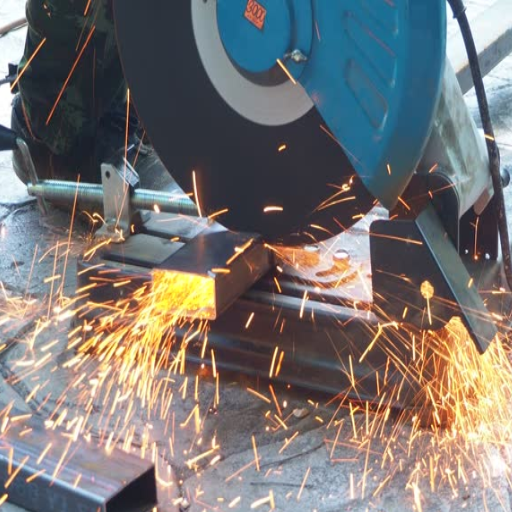
Laser cutting and saw cutting are preferred due to their precision and versatility. Laser cutting finds its domain in manufacturing, automotive, and aerospace industries for designing complex intricacies and lacks precision on metals, plastics, and other types of material. It is most useful when the work requires highly detailed customization or complex-shaped designs.
Saw-cutting, the other option available, is mainly used for the construction and woodworking industries. A saw cut is used for large, thick materials such as wood, concrete, or metal sheets, and is particularly suited for high-volume cutting, with less regard for precision. One complements the other, depending on the application’s needs, the type of material, and the desired output.
Metal Fabrication Using Laser Cutters
Laser cutters are another method for metal fabrication, offering high precision, extreme speed, and incredible versatility. Laser cutters are extremely focused beams of light that cut or engrave metals with great accuracy, often to tolerances as tight as +/- 0.001 inch. Additionally, these machines can cut a wide range of metals, including aluminum, steel, stainless steel, and titanium, making them popular across various industries such as aerospace, automotive, and manufacturing.
There have been recent developments in laser cutting that enhance efficiency and scalability. Fiber laser cutters, in particular, have been widely adopted because they can operate at high power outputs while using up to 50% less energy than CO2 laser systems. Additionally, they cut much faster than CO2 systems, which significantly improves productivity for manufacturers. For example, thin sheets of material can be cut by a fiber laser tool at rates exceeding 1,000 inches per minute nowadays.
Moving to another aspect of laser cutting in metal fabrication, the integration of CNC systems with modern laser machines. CNC programming enables the creation of very complex designs, which are essential for custom fabrication jobs, rapid prototyping, and mass production. Since the process is computer-driven, repeatability is ensured, thereby reducing errors and material wastage.
Wood and Other Materials with Saw Cutting
Saw cutting remains a primary processing method for wood and various other materials, offering the much-desired versatility and efficiency in many applications. Over time, changes have resulted in saw cutting technologies being significantly improved in terms of accuracy, productivity, and material utilization. For example, a CNC saw, due to its computer control, allows for very fine cutting patterns to be executed on the material with minimal wastage, making it especially useful to industries such as furniture manufacturing and other construction-related activities.
According to recent industry trends, the saw blade market is expected to grow steadily, driven by increasing demand for wood processing machinery and the growing popularity of engineered wood. In addition, applications range from wood to plastics, ceramics, and even soft metals, further demonstrating the adaptability of saw cutting methods.
Tube Cutting Techniques
The evolution of tube cutting equipment has undergone numerous changes, with technological advancements supporting various industries, including construction, automotive, aerospace, and medical equipment manufacturing. Many approaches are used, depending on the material and specific requirements.
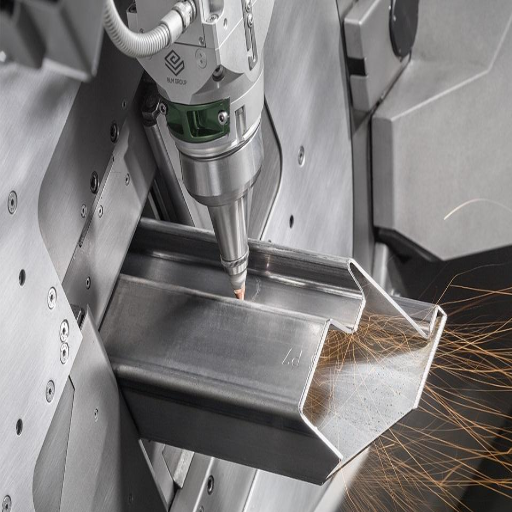
The tube laser cutting method utilizes focused laser beams to produce precise, clean cuts. Particularly for intricate designs, this process allows for tighter tolerances, with accuracy levels of up to ±0.1mm. This process is particularly beneficial for materials like steel, aluminum, and titanium, as it enables the efficient cutting of complex shapes.
Another method of note is rotary cutting. This method is commonly used for softer or more flexible materials, such as rubber tubing or plastics. Rubber tubes are forced through a die, while rotating blades cut the tubes to the desired length, producing smooth edges with no burrs.
In materials with a burr-free finish, abrasive cutting or cold sawing is mostly preferred. Abrasive cutting separates tubes using a thin cutting wheel and is suitable for high-strength alloys or hardened materials. Meanwhile, cold saws utilize cooled saw blades to minimize heat and distortion during cutting, making them best suited for precision applications.
Future of Cutting Technologies
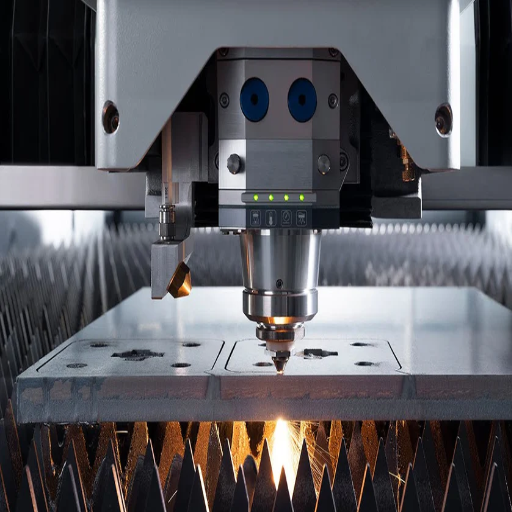
There is less administrative task interference in the cutting technologies of the future. As the efficiency of robots and AI improves, there will be less human intervention and fewer errors. Laser cutting and waterjet cutting will continue to evolve, becoming increasingly accurate and versatile, with the ability to process a broader range of materials. A greater importance of eco-friendly practices will stimulate the development of systems that consume less energy and generate less waste.
Advancements in Laser Systems
Laser systems are experiencing new advances, making them the backbone of many industries for precision, speed, and versatility. Cutting-edge laser-cutting and engraving operations now utilize ultrafast fiber laser technology, offering extremely high rates of material removal while maintaining accuracy. Fiber lasers nowadays commonly operate at powers exceeding 10 kW, enabling them to work with thicker and more challenging materials, such as titanium and composites, at an extraordinary rate.
Laser application is enriched thanks to beam-shaping innovations. Multi-beam processing and variable beam profiles are now some of the techniques used for inducing cutting and surface treatment tailored to specific material requirements. Studies have demonstrated that these technologies can increase production rates by up to 40% in automotive manufacturing and microelectronics.
The conjunction of AI-driven systems has significantly powered the field of lasers. Machine learning algorithms are used to identify cutting patterns and optimize processes, thereby reducing material waste to a maximum of 30%. These intelligent systems also facilitate real-time monitoring to ensure safer operations and reduced downtime.
Innovations in Saw Cutting Technology
The saw-cutting industry has been witnessing fascinating advancements. To name a few, automated cutting systems, laser-guided precision, and AI integration are terms that have revolutionized material processing. An example would be: real-time saw monitoring and adaptive blade speed adjustments, which increase both accuracy and the lifespan of the tools. Apart from that, the use of advanced materials for saw blades has led to increased durability and efficiency, thereby making the tools more reliable than ever before.
Trends in Fabrication and Cutting Work
As technology advances, so do the fabrication and cutting processes, among the most significant trends in automated systems, including CNC (Computer Numerical Control) machines and laser cutters, which provide the precision and flexibility needed for complex designs. Increasingly, these machines are equipped with AI features to enhance optimization, minimize material waste, and lower production costs.
Another critical trend is sustainability. Fabricators are introducing recyclable materials, along with energy-efficient cutting technologies, to protect the environment. For instance, waterjet cuts have gained fame for their ability to cut various materials with minimal environmental impact.
In this case, research in the field involves hybrid manufacturing, where processes such as additive manufacturing and subtractive manufacturing are combined. This way, production quality is improved, production cycles are shortened, and constraints of the single-process methods are avoided.
Reference Sources
1. Underwater Laser Cutting of Thick Stainless Steel for Nuclear Decommissioning
2. Cutting Techniques for Facilities Dismantling in Decommissioning Projects
3. Digital Fabrication in Architecture
Frequently Asked Questions (FAQs)
What are the advantages of laser cutting over saw cutting?
Laser cutting offers the advantages of precision and accuracy over the traditional saw cutting process. A high-energy laser beam is used to cut materials such as wood or metal, with very minute details. It is significantly faster than traditional methods and can work on complex shapes and curves; it is, therefore, much suited to particular applications in fabrication.
What is the most effective cutting method for small businesses?
Depending on the type of materials and projects used by small businesses, the appropriate cutting method may vary. Laser cutting machines offer a solution for various projects, providing cost savings while requiring less maintenance compared to sawing equipment. However, traditional saw cutting may be suitable for simple tasks where precision is not as important.
How is laser cutting done?
A laser-cutting method entails positioning a rapidly moving laser head on a surface and focusing an intense laser beam on the workpiece. Its concentration melts or burns through the material, affording clean edges and less material waste. It is a highly flexible technology, used for both metal and wood cutting.
What are the disadvantages of laser cutting?
The laser cutter, although it has many advantages, may be less effective on thicker materials or certain types of metal. On the downside, however, laser cutting systems require a higher initial investment and may necessitate specialized training for operation. They also need regular maintenance to perform at their best.
Can laser cutting do intricate designs?
Of course, it can cut intricate designs and complex shapes with precision. With its ability to cut curves and elaborate patterns, the laser cutter is preferred for projects that require a high level of laser cutting quality. This capability is handy in areas such as metal fabrication and decorative arts.
What materials could a laser cutter cut through?
Laser cutters are capable of cutting a wide range of materials, including wood, metal, plastics, and fabrics. The choice of materials affects the beam intensity and cutting speed, and determines which one achieves the desired results. Consideration of the materials entails selecting suitable laser cutting techniques for each project.
What about the speed of saw cutting versus the speed of laser cutting?
Let’s look at it in terms of speed. Laser cutting is a faster method of cutting materials and often outpaces traditional saw cutting in speed, especially when it comes to intricate designs. The sawing process can be relatively slow when considering the physical limitations of blade motion; however, laser-cutting systems can quickly produce superior cuts in many instances without requiring further processing.
Can a project include both types of work, laser and sawing?
It certainly is possible to include both laser cutting and saw cutting operations within a single project. This way, the best features of the two processes can be used, where laser cutting is applied to the more intricate areas while the sawing operation is performed on the simpler parts. A knowledge base on the advantages of each cutting technology can help fabricators make informed decisions for their particular projects.

![Machining Inconel & Nickel Superalloys [Practical Guide]](https://antishilathe.com/wp-content/uploads/2026/10/machining-inconel-featured.png)