




Since laser cutting has indeed modernized manufacturing and industrial design by affording unimaginable precision and efficiency on a global scale, it is crucial to understand the various methods of laser cutting when it comes to creating intricate designs, large-scale components, or working with multiple materials. The article will discuss the three main types of laser cutting techniques, followed by their distinguishing features, pros, cons, meaning, and applications. Ultimately, you will have a clear picture of how these technologies can enrich your project and determine which method best suits your specific needs. Stay tuned for a deep dive into the aesthetics and science of laser cutting!
Introduction to Laser Cutting
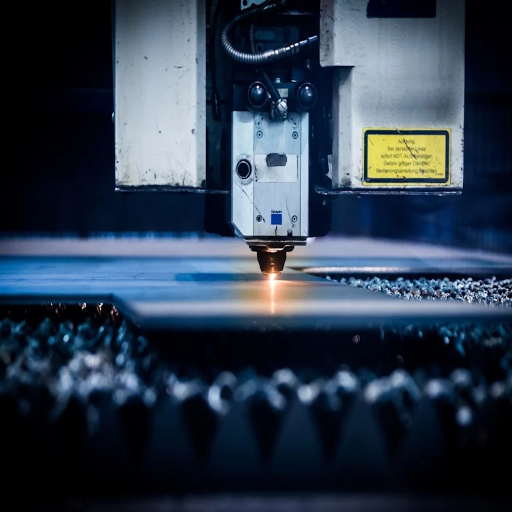
Precisely cutting various substances with a highly focused laser beam is the forte of laser cutting. When the laser energy is focused on the material surface, it melts, evaporates, or burns the material to make clean and accurate cuts. There are three common types of laser cutting: CO2 laser, fiber laser, and neodymium (Nd) laser, each used for specific materials and applications. Due to its speed, versatility, and ability to etch detailed patterns with minimal material usage, the technology has widespread applications in the manufacturing, automotive, and design sectors.
What is Laser Cutting?
Laser cutting is an advanced manufacturing process in which a laser beam is concentrated to cut, engrave, or shape materials with high precision. Being a non-contact process, thermal energy-based, it can make excellent, smooth cuts even in delicate designs. All the advancements in laser cutting technology serve to increase speed and accuracy; thus, it is often the manufacturing choice for aerospace, fashion, and medical devices.
Laser cutting offers the versatility of working with a wide range of materials, including metals such as steel and aluminum, as well as plastics, glass, wood, and fabrics. A well-known example is CO2 lasers, which work best on materials that are not metals, whereas fiber lasers are best suited for cutting reflective metals like brass and copper.
Additionally, laser cutting systems minimize material wastage and reduce the need for secondary finishing, making them highly cost-effective and environmentally friendly. This system can cut materials as thin as 0.1 mm and process at a speed of 20 m/min in some models, making it the most essential tool for realizing high-quality output in numerous applications. A thundering combination of speed, accuracy, and versatility is what brings the laser cutting method to the forefront in contemporary making.
Importance of Laser Cutting in Manufacturing
Over the past few years, groundbreaking research has led to the development of laser cutting processes that serve as a window to nearly all industries, including automotive, aerospace, and consumer electronics. Industry data indicate that the laser cutting market is expected to be worth more than $6 billion by 2027, driven by increasing demand for automation and precision in manufacturing processes. Modern laser cutting machines can have an accuracy of ±0.01 mm, enabling manufacturers to design more intricate cuts with little room for error.
Significant advantages include compatibility with a wide range of materials, including metal, plastic, wood, and even glass. Fiber lasers, for example, are now commonly used for precision cutting of reflective metals such as aluminum and copper. Sometimes, these techniques have even surpassed mechanical cutting in terms of accuracy. Moreover, by employing automated laser cutting systems, production efficiency increases due to reduced human intervention, a lower chance of error, and lower operational costs.
From an environmental point of view, laser cutting promotes sustainability by minimizing material wastage due to its precision cutting capabilities, which virtually eliminate off-cuts. Additionally, with energy efficiency gains, the systems are designed to use significantly less power compared to older models, thereby making the technology more environmentally friendly. Combining speed and accuracy, laser cutting continues to pave the way in modern manufacturing, enhancing productivity and promoting sustainable practices.
Overview of Different Types of Lasers Used
CO2 Lasers
CO2 lasers are highly popular due to their efficiency in cutting and engraving non-metallic materials, such as wood, plastics, and textiles. It uses a mixture of carbon dioxide gas and is mainly applied for tasks that require fine work with smooth finishes. CO2 lasers hold power ranges from tens of watts up to thousands of watts. Hence, they remain highly sought after in tasks related to woodworking, signage, and packaging.
Fiber Lasers
Fiber lasers are renowned for their outstanding beam quality, compactness, and minimal maintenance requirements. These laser sources process metals with high speed and precision by soundly lucid integrating a very rare-earth-doped optical fiber. Processes like automotive manufacturing, electronics, and medical device manufacturing all require fiber laser systems. Fiber lasers can achieve high energy efficiency levels of up to 30% in terms of green technology.
Diode Lasers
Due to their small size and low price tag, diode lasers serve a large number of applications, including telecommunications, medical devices, and barcode scanning. However, these lasers have generally been regarded as low-power lasers as compared to industrial lasers, which has increased their application in engraving and low-power cutting.
Nd: YAG Lasers
Nd: YAG lasers have a versatile application in welding, drilling, and cutting metals. They function in either continuous or pulsed mode, allowing for greater control over the material’s processing. These lasers are utilized in the aerospace, automotive, and tooling industries for their exceptional reliability and rugged performance.
Excimer Lasers
The optical ability of excimer lasers gives them an edge as the ultimate tool in processes demanding ultra-high precision, such as photolithography in semiconductor manufacturing and LASIK eye surgery. A laser can ablate a surface at a microscopic level without thermally damaging the surrounding area.
The laser offers various advantages, enabling manufacturers and industries to tailor solutions to their specific technical and sustainability needs. Being in a constant state of innovation, the efficiencies, precision, and environmental aspects of laser technology continue to improve, thereby increasing its acceptance in multi-domain arenas.
Main Types of Lasers for Cutting

| Laser Type | Best Materials | Key Advantages | Primary Applications |
|---|---|---|---|
| CO2 Lasers | Wood, plastic, glass, non-metals | Efficient, clean cutting, cost-effective | Signage, packaging, and woodworking |
| Fiber Lasers | Stainless steel, aluminum, brass | High precision, speed, and low maintenance | Automotive, aerospace, electronics |
| Nd: YAG Lasers | Thick metals, ceramics | High energy density, versatile | Heavy industry, thick material cutting |
| Diode Lasers | Lightweight materials | Compact, energy-efficient | Fine cutting, small-scale applications |
CO2 Laser Cutting
The laser cutting system utilizes a mixture of carbon dioxide gases to generate an intense laser beam that can cut through materials with precision. Such laser cutting is particularly suitable for materials other than metals, such as wood, acrylic, paper, textiles, and glass. The flexibility and affordability of this method have made it one of the most preferred laser cutting methods in the manufacturing industries.
The CO2 laser, with an approximate wavelength of 10.6 micrometers, is considered suitable for non-metallic substances since they absorb energy. Depending on the power of the laser, laser cutting can be employed on materials ranging from several millimeters to many centimeters thick. In modern times, CO2 laser systems with power ranges of 20 to over 1000 watts have evolved to cater to precision and speed.
Since all the gases involved are inexpensive and readily available, a CO2 laser system would have high efficiency and low operating costs. Most CO2 laser machines today are equipped with automatic controls, integrated cooling systems, and safety features, allowing these lasers to excel greatly in high-volume production where quality retention is crucial. Using advanced CAD software would also allow manufacturers to work on even more complex designs with absolute precision.
They are used in the automotive, electronics, and signage industries to perform complex and high-precision tasks. For example, in the signage industry, CO2 laser cutting ensures that edges are clean and that patterns on materials like plastic and wood are precise, thus significantly reducing after-processing work. The method is also used in the medical industry in manufacturing precise parts for diagnostic equipment and treatment devices.
CO2 lasers stand out as a valuable tool for numerous industries, thanks to their adaptability, profitability, and consistent accuracy.
Fiber Laser Cutting
Fiber laser cutting is one of the highly advanced, high-tech processing operations for a wide range of substances, including metals such as stainless steel, aluminum, and brass. In contrast to CO2 lasers, fiber lasers utilize a solid-state laser source that focuses an intense beam on the material, resulting in faster cutting speeds and higher precision during operation. The energy efficiency of fiber laser technology is a highly acclaimed peculiarity, with conversion efficiencies of up to 45%, which significantly reduces power consumption compared to conventional laser-cutting technologies.
Fiber laser cutting stands out for the precision it offers, with accuracy and tolerances of ±0.1mm, as required in industries such as automotive, aerospace, and electronic manufacturing. For instance, in automotive applications, fiber lasers fabricate intricate components with minimum waste to maximize material utilization. Likewise, in electronics, this technology fabricates micro-sized parts with the best quality.
Fiber lasers have a longer lifespan, sometimes even exceeding 100,000 hours of operation, thus allowing for cost-effective maintenance and increased productivity. Fiber lasers can also efficiently cut reflective materials, such as copper and gold, while CO2 lasers cannot. Considering the continuous advancements in automation and software integration, modern fiber laser cutting machines are equipped with real-time monitoring, adaptive cutting, and scalability features, thereby enhancing possibilities for technical performance and flexibility in industrial applications. These factors continue to promote fiber laser cutting applications across various industries.
Diode Lasers and Their Applications
Diode lasers have established a niche in various industries, primarily due to their efficiency, compact size, and versatility. Acting as semiconductor diodes, these lasers convert electric signals into coherent light and are internationally popular owing to their high durability and energy efficiency. They find applications in communication systems, laser printing, medical equipment, and various sensing devices.
The significant technology-based advancement in diode lasers is their increasing prominence in the industrial sector, particularly for precision welding and cutting. In fact, according to the latest industry reports, diode lasers can emit high-power beams with great precision, making them ideal for working with fine components in automotive and electronics manufacturing. They can achieve over 50% wall-plug conversion efficiency, indicating low energy requirements and cost advantages for users.
Pronounced applications for diode lasers occur in medicine, with dermatology, dentistry, and surgery being the specialties and areas that equally benefit. For instance, in minimally invasive surgeries, diode lasers target the tissue with almost pinpoint precision, thereby limiting the damage to adjacent structures. They are also used for laser hair removal, skin resurfacing, and the treatment of vascular conditions.
Novel advancements in diode laser systems now include state-of-the-art cooling techniques and automated systems, which extend the system’s lifetime and, thus, reduce maintenance requirements for users. This breeds a sustainable and economical solution, whether industrial or geared toward research. The continuous development of technology ensures that they find their way into emerging fields such as quantum computing and next-generation communication networks, which demand high precision and reliability.
Choosing the Right Type of Laser Cutting
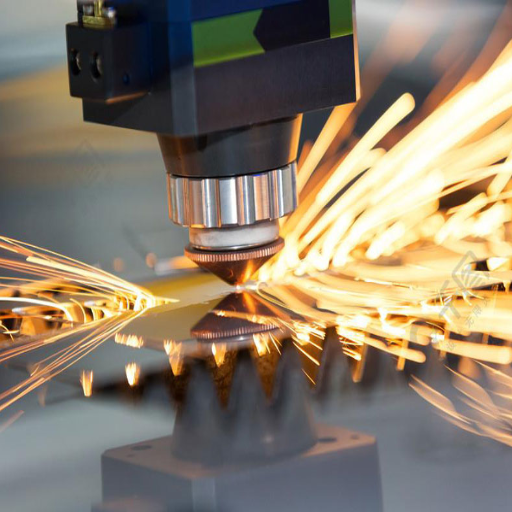
The selection of a suitable laser cutting type will depend on your material, project requirements, and desired precision. Fiber lasers enable high cutting speeds when processing materials such as steel, aluminum, and other metals. CO2 lasers are best suited for non-metallic materials, such as wood, plastics, and glass. Diode lasers offer an option for working on ultra-fine details or reflective materials without risk of damage. Consider the thickness of your material and your budget; both are essential factors that will help determine the best choice. When in doubt, always consider the application; that is the best option one can make.
Factors to Consider When Choosing a Laser Cutting Type
While choosing the right laser-cutting type, never ignore these critical factors:
- Material Compatibility: Consider whether your laser of choice is compatible with the material you intend to use. CO2 lasers tend to work well with non-metallic materials, such as wood, acrylic, and glass, whereas fiber lasers are more suitable for metals like stainless steel and aluminum.
- Cutting Thickness: The thickness of the material determines the required laser power. The thicker the material, the higher the wattage needed for laser cutting; for thin materials or detailed engraving, lower power settings can be used.
- Precision Requirements: When finer detail is required or thin cutting is necessary, diode lasers or high-precision fiber lasers are recommended. They are a better solution owing to their superior accuracy and reduced risk of damaging the material.
- Price: This is primarily dependent on the type of laser and the power selected. CO2 lasers tend to be cost-efficient; fiber lasers, however, can be a bit pricy and more suitable for industrial metal cutting.
- Speed Efficiency: Consider the speed required for your projects. Fiber lasers operate extremely quickly, making them well-suited for a production environment where everything runs at a very high speed.
- Maintenance: Fiber lasers require less maintenance than CO2 lasers and have longer lifespans, which makes them cost-efficient over the long haul.
Taking these factors into consideration, you can proceed to choose a laser cutting system that suits your individual needs, ensuring efficiency and superior results.
Material Compatibility: Metal and Beyond
The laser cutting system is highly versatile, offering a wider range of materials for processing. Fiber lasers are best suited for cutting metal, particularly reflective metals like aluminum, brass, and copper, with very accurate results and minimal thermal effects. On the contrary, CO2 lasers are best suited for non-metallic materials, such as wood, acrylic, glass, and cloth. Hybrid laser systems may also bridge the gap between the two principal technologies by cutting across various material types.
The material thickness and type should be carefully considered when purchasing a laser system for optimal efficiency and quality. Fiber lasers, however, cut metals thinner at a higher speed, whereas CO2 lasers do so for thick non-metal materials. The compatibility of your laser system with the materials used in your production will go a long way in enabling precise and cost-effective digging.
Cost Implications of Different Laser Technologies
There are many factors involved in determining the cost of laser technologies, such as the type of laser system, power, or the application for which it is being used. Fiber lasers generally have higher upfront costs than CO2 lasers, but they are more energy-efficient and require lower maintenance, making investment in long-term operations more cost-effective. CO2 lasers, conversely, have a lower initial price but may require higher maintenance costs due to components that need frequent realignment or replacement, such as mirrors and lenses.
Fiber lasers may use less energy and have a longer working life than CO2 lasers, and thus are more economical in cases of high-speed, repetitive processes. That said, CO2 lasers may still be worthy competitors in terms of investment if they have to cut through thicker non-metal materials or are involved in very intricate designs. At any rate, it is essential to weigh the initial outlay and running costs against your production needs before reaching a conclusion on cost-effectiveness.
Applications of Laser Cutting
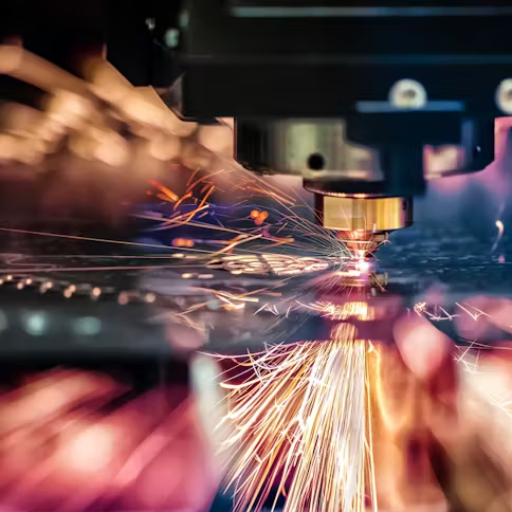
Laser cutting is applied in various industries due to its precision and versatility. Components for the automotive and aerospace sectors remain the most common of all. In the fashion and textile industries, lasers are used to cut intricate patterns. In construction and custom fabrication, lasers cut complex shapes in metal, plastic, and wood. Other functions include electronics, where lasers are employed to cut and engrave circuit boards; and medicine, where they’re used to cut and engrave surgical instruments for precision work.
Industrial Applications of Laser Cutters
In today’s industries, laser cutting has provided precision and efficiency that could not have been achieved any better. The new-age techniques in laser cutting are being utilized in rapid prototyping on one side, while on the other side, they are also employed in large-scale manufacturing activities with precise accuracy. For example, in the automotive industry, laser cutters are used to cut complex geometric shapes for body panels, with tolerances as small as ±0.1 mm to the highest standards of quality. In some ways, the aerospace domain puts laser cutters to process heat-resistant and lightweight materials such as titanium and composites, which are essential for aircraft performance and safety.
Laser technology significantly aids the construction sector, with laser cutters working 30% faster in processing materials than traditional cutting methods. This saves not only the timeline of the project but is also waste-wise. In the medical world, laser cutting produces very intricate devices for heart stents, with the widths of micro-cuts often measured in microns.
In the solar industry, wind turbines and other renewable energy sector applications have lately seen a boom in laser cutting. Such advances are directly linked to the global sustainability initiative, enabling green and efficient means of production. Laser cutters have been continuously gaining traction, serving as the nexus of precision, speed, and adaptability across various established and emerging industries.
Innovative Uses of Lasers in Various Industries
The healthcare industry has been using upper stratospheric-level lasers for precision and minimally invasive procedures. Nowadays, laser surgeries like LASIK eye surgery restore clear vision for millions worldwide. The world of drugs and cosmetics also owes a debt to lasers for their employment in tattoo removal, skin resurfacing, and hair removal – all of which guarantee fabulous outcomes in a short amount of time. In recent years, with the newest developments in medical lasers, a cancer treatment has been improving: photodynamic therapy with laser helps treat cancerous tissues while sparing normal cells in the vicinity.
Lasers are the driving force behind manufacturing processes, including welding, cutting, and 3-D printing, in the automotive industry. In the automotive sector, laser welding increases productivity by joining parts without seams at a much quicker speed. This contributes to the design of light vehicles that promote fuel efficiency. To reinforce the example, laser welding can weld aluminum and steel parts for an advanced vehicle structure, thus supporting the rise of electric vehicles. It is said that the global automotive laser welding market is projected to grow at a CAGR of nearly 5.7% over the next 10 years.
Another industry that has been heavily dependent on laser technology and has witnessed considerable growth is aerospace, particularly in quality control and component manufacturing. Remote laser inspections enable the measurement and validation of the structural integrity of aircraft parts, ensuring safety and thereby reducing maintenance costs. Laser drilling, in the meantime, creates cooling holes for turbines, improving engine efficiency. Therefore, the jet engine manufacturing processes would have been credited with a significant improvement of 50% due to the use of lasers, a critical advancement for the aviation sector.
Lasers forge improvements in consumer electronics, particularly in the smartphone industry. They carve ultra-thin glass for displays and give that last mark on micro-components with unmatched precision, paving the way to sleeker and sturdier gadgets. The laser marking market alone runs into billions of dollars, which speaks to the surging importance of electronics manufacturing.
The presence of applications across industries shows the versatility and ever-evolving nature of laser technologies. Stay tuned to witness even more creative and efficient uses of lasers shaping the future of modern industries.
Future Trends in Laser Cutting Technologies
Laser cutting technology is undergoing a rapid evolution to transform precision, speed, and efficiency from the very beginning. One trend under development is the integration of artificial intelligence (AI) systems into the laser-cutting machines. AI-based laser cutters can optimize cutting paths, minimize material waste, and accommodate unusual designs with minimal human intervention. This kind of automation could reduce production costs while increasing efficiency.
Another significant trend is USP laser systems, which provide ultimate precision in micro-machining and working with delicate materials. Their applications are on the rise in aerospace, medical equipment manufacturing, and electronics industries, where precision and minimal thermal damage are paramount.
In recent years, the use of green lasers for cutting reflective materials, such as copper and silver, has also grown increasingly popular. The shorter wavelength of green-light laser beams enables better cutting of conductive materials, resulting in less reflection. This is a significant trend in the renewable energy sector, where solar panel production is experiencing constant growth.
The laser-cutting technologies, on the other hand, emphasize ecological concerns. By minimizing energy consumption and reducing consumables without compromising performance, manufacturers have developed effective solutions. Such directions are reflected in the drive towards the sustainability of all industrial processes.
Innovations in Laser Cutting
Innovations in laser-cutting technology have revolutionized the way, with the dawn of optimized efficiencies dependent on precision across industries. An industrial fibre laser can cut materials thicker and at higher speeds than CO2 lasers, in a conventional manner. To illustrate, fiber lasers are now considered to achieve cutting speeds approximately six times that of CO2 lasers on thin metal sheets, offering an unparalleled level of productivity to manufacturers. Enhanced beam quality, on the other hand, enables cleaner cuts and requires fewer post-processing procedures.
Another pivotal development is the integration of real-time monitoring systems with laser-cutting machines. Such sensors and software continuously track parameters, including the stability of the beam, material thickness, and cutting speed. Such parameters ensure product quality while minimizing downtime due to errors. The machine laser controllers are receiving an AI and machine learning treatment for self-adjustment, enabling the machines to achieve optimal operation by detecting and accommodating irregularities in materials.
Environmentally, innovations in cooling systems and laser sources have nudged down the carbon footprint of operations. Modern machines consume 30% less energy compared to older ones, contributing to the alignment with sustainability goals in manufacturing.
The increasing trend is the use of hybrid laser systems that combine laser cutting with additive manufacturing. These multifunctional machines enable users to simultaneously cut and build components within a single setup, improving workflow and significantly reducing material wastage. Industries such as aerospace and medical device manufacturing, where precision and speed are crucial, benefit the most from this dual opportunity.
Developments in laser cutting demonstrate the importance of the technique’s evolution in delivering faster and more efficient modern manufacturing practices in a more innovative and sustainable manner.
Future of Laser Technologies in Cutting
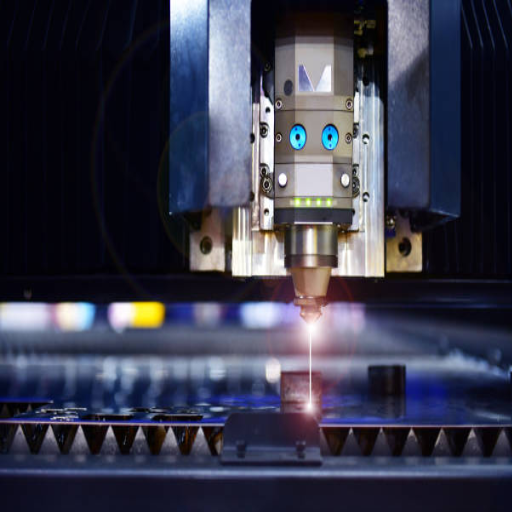
Laser cutting tech is gradually evolving to become quicker, more precise, and energy-efficient. The likes of fiber lasers and ultra-fast lasers enable manufacturers to achieve greater cutting speeds than before, while also handling a wider range of materials, from thin metals to advanced composites. Automation and AI integration are now enhancing production flows, reducing costs, and enhancing precision. As sustainable practices are sought after, from the perspective of laser technology, it is opening up opportunities for reducing energy use and minimizing material waste in line with modern environmental objectives. These advances make it safe to regard laser cutting as a premier tool in the innovative and sustainable manufacturing of tomorrow.
Advancements in Laser Systems
Laser systems are experiencing new advances, making them the backbone of many industries for precision, speed, and versatility. Cutting-edge laser-cutting and engraving operations now utilize ultrafast fiber laser technology, offering extremely high rates of material removal while maintaining accuracy. Fiber lasers nowadays commonly operate at powers exceeding 10 kW, enabling them to work with thicker and more challenging materials, such as titanium and composites, at an extraordinary rate.
Laser application is enriched thanks to beam-shaping innovations. Multi-beam processing and variable beam profiles are now some of the techniques used for inducing cutting and surface treatment tailored to specific material requirements. Studies have demonstrated that these technologies can increase production rates by up to 40% in automotive manufacturing and microelectronics.
The conjunction of AI-driven systems has significantly powered the field of lasers. Machine learning algorithms are used to identify cutting patterns and optimize processes, thereby reducing material waste to a maximum of 30%. These intelligent systems also facilitate real-time monitoring to ensure safer operations and reduced downtime.
Laser technologies today are increasingly geared towards sustainability, thus making energy efficiency an inherent requirement. Green laser diode-based solutions that consume less energy are being widely adopted for precision manufacturing, which helps lower carbon footprints across various industries. These developments accentuate the critical importance of laser systems in defining the future of high-tech manufacturing and sustainable development.
Innovations in Saw Cutting Technology
The saw-cutting industry has been witnessing fascinating advancements. To name a few, automated cutting systems, laser-guided precision, and AI integration are terms that have revolutionized material processing. An example would be: real-time saw monitoring and adaptive blade speed adjustments, which increase both accuracy and the lifespan of the tools. Apart from that, the use of advanced materials for saw blades has led to increased durability and efficiency, thereby making the tools more reliable than ever before. The streamlining of operations and increased productivity, along with a higher degree of sustainability in the manufacturing process, can all be attributed to these developments.
Trends in Fabrication and Cutting Work
As technology advances, so do the fabrication and cutting processes, among the most significant trends in automated systems, including CNC (Computer Numerical Control) machines and laser cutters, which provide the precision and flexibility needed for complex designs. Increasingly, these machines are equipped with AI features to enhance optimization, minimize material waste, and lower production costs.
Another critical trend is sustainability. Fabricators are introducing recyclable materials, along with energy-efficient cutting technologies, to protect the environment. For instance, waterjet cuts have gained fame for their ability to cut various materials with minimal environmental impact.
In this case, research in the field involves hybrid manufacturing, where processes such as additive manufacturing and subtractive manufacturing are combined. This way, production quality is improved, production cycles are shortened, and constraints of the single-process methods are avoided. These trends in fabrication and cutting are now in an evolutionary stage, enabling businesses to meet modern manufacturing requirements effectively.
Environmental Considerations in Laser Cutting
When considering the environmental impact of laser cutting, I focus on minimizing energy consumption and ensuring the proper disposal of waste materials. Energy consumption can be minimized by using laser systems that consume less energy and by using cutting patterns that require less time. Additionally, properly recycling scrap materials contributes to sustainability, along with the safe handling of emissions during these manufacturing processes.
Key Takeaways
- CO2 Lasers: Best for non-metallic materials like wood, acrylic, and glass, with cost-effective operation
- Fiber Lasers: Superior for metals with high precision, speed, and energy efficiency up to 45%
- Diode Lasers: Compact and efficient for fine detail work and medical applications
- Future Growth: Market expected to reach $6+ billion by 2027 with 8% CAGR
- Sustainability: Modern systems consume 30% less energy while reducing material waste
Reference Sources
2. Laser Beam Drilling and Cutting of PMMA
3. Cutting Techniques for Facilities Dismantling in Decommissioning Projects
Frequently Asked Questions (FAQs)
What are the three main types of lasers for cutting?
The three types of lasers available for cutting are CO2, Fiber, and Direct-Diode. Each type of laser has its unique properties and serves different applications. CO2 lasers are well-suited for cutting non-metallic materials, including wood and acrylic. In contrast, fiber lasers efficiently cut metals with great power and speed. Direct diode lasers are comparatively new and find applications mainly in precision-based industrial tasks.
How should I select a laser cutting machine?
When selecting a laser cutting machine, several factors come into play, including the types of materials being cut, their thicknesses, and the desired cutting speed. Each laser cutter has its capabilities; technologically, for example, CO2 lasers excel at cutting non-metallic materials, whereas fiber lasers are more effective in cutting metals. Then there is the power and efficiency to consider when deciding which is best for your particular cutting needs.
So, what exactly distinguishes a fiber laser cutter from a CO2 laser cutter?
Generally speaking, apart from how the laser is generated, the two types differ in the materials they autonomously interact with and the cute factor. Fiber lasers are classified as solid-state lasers that surpass other cutters in terms of metal cutting, enabling very high speeds compared to CO2 lasers. From the other side, a CO2 laser is more suitable for cutting thicker non-metallic materials and, thus, is adaptable to many applications in laser cutting.
Are there different types of laser cutters?
Yes, there are various types of laser cutting machines, including CO2 lasers, fiber lasers, and diode lasers. Each class of laser is applied depending on the specific application or the material being used. For instance, fiber laser cutting machines are commonly used for metal fabrication, while CO2 laser cutting machines are preferred for sheet metal fabrication and woodworking applications. Understanding laser cutting machines can be helpful when selecting the right one for your specific needs.
What must I consider when selecting the laser cutting type?
Laser cutting types must be considered in conjunction with material choice, material thickness, and the complexity of the cut. They must furthermore take into account the cost of operation, maintenance, and initial investment. Every type of laser has its advantages; for example, fiber lasers versus CO2 lasers. Therefore, the choice must cater to the actual requirements of the cutting job.
Can lasers cut thick materials?
That is indeed possible with the right laser. For instance, a fiber laser, with its extremely high cutting power, is capable of cutting metals into thick sheets with great precision. Likewise, a CO2 laser can cut through thick non-metallic materials. However, this always depends upon the laser technology in question and upon the specifications of the laser cutting machine.
What kind of materials can be handled by the laser crystal cutter?
A crystal laser cutter typically refers to fiber laser technology, which is capable of cutting a wide range of materials, especially metals. A fiber laser cuts materials like stainless steel, aluminum, and brass with precision. In some instances, crystal laser cutting processes can be used for cutting non-metallic materials, but their best applications are in metal cutting.
What are the benefits of using a direct diode laser?
These benefit from efficient energy specifications and compact designs. One common application would be cutting precision. Compared to other types of lasers, direct diode lasers have the potential for faster cut speeds, making them more energy cost-effective. They can work on materials from metals to plastics.