




Understanding Machine Safety
Safety: A Key Factor in Milling Operations
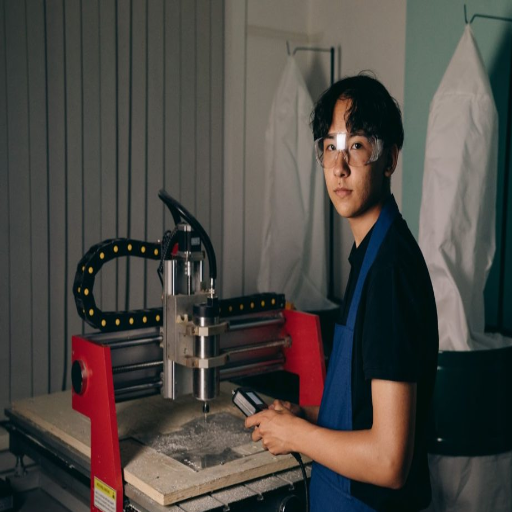
Safety in milling operations ranks first in the mill, protecting operators, preserving equipment, and maintaining efficient workflows. New and improved safety systems, innovations, and designs in modern milling machines help minimize the hazards associated with machining. Complete guarding systems for mills, automatic cut-off systems, and enhancements in software monitoring systems could go a long way toward preventing such incidents.
According to statistics, a significant portion of injuries in the manufacturing industry can be attributed to improper tool handling or negligence in adhering to safety standards.
Following established best practices, such as maintenance checks, operator training, and ensuring the use of PPE, will lessen the hazards. Moreover, ergonomic arrangements of workstations are now favored to create lower fatigue for operators, allowing for greater concentration on safety.
With safety as the forefront priority, today’s machine technologies should be utilized to create a safer and more productive milling environment that is conducive to both the well-being of its operators and the success of the operation.
Common Safety Rules for CNC Machine Use
A number of safety provisions allow CNC operators to safely work and perform their tasks. Before operating CNC machines, an operator has to pass through a training. A completely trained operator will know the working of the machine; he will understand how to program it and perform emergency procedures, thus reducing the possibility of error. In any case, personal protective equipment must always be worn by everybody present in the plant. These include safety glasses, ear plugs, gloves, and steel-toed shoes; all serve the purpose of protecting operators. Other hazards that must be vigilantly avoided by operators include wearing loose clothes or jewelry that can become caught on a moving part, so preventing operators from working in a safe environment.
Another fundamental safety-related activity is reviewing and maintaining CNC machines on a regular basis. Parts that become worn or damaged need to be identified and replaced immediately to prevent failures during operation, which may put operators at risk. It should be an ongoing program for CNC machines to be regularly lubricated and aligned as well as calibrated. Maintenance activities ensure that it operates smoothly and efficiently within safety standards. Next, the work environment should lay out emergency procedure protocols. Whatever it is, isolating power sources or software failure, mitigation of risk will be better carried out, forcing confidence upon the operator.
Last, probably the most emphasized point that deserves mention, workspace hygiene is very essential for CNC machine safety. Prevention of an accident from clutter will see to it that tools are placed where they belong, the floor is swept in that area, and all hazardous materials are kept in their assigned containers. Operators should never get distracted while the machine is running or walk away from it. When this is married to the latest machining technology, teams are formed that view safety and productivity as one, thus making the maximum output while ensuring dignity and well-being for the workers.
An Overview of Operator Safety Considerations
For any industrial or labor-intensive workplace, the safety of the operator becomes the first concern. According to studies, an occurrence of workplace injuries is higher due to the negligence of safety measures and standard procedures; thus, operational efficiency suffers. One primary safety practice in PPE is making sure the employee uses protection suitable for the hazards present at a place. For instance, a work setting involving heavy machinery is usually termed hazardous; hence neck-to-toe protective gear must be worn, considering hardened head protection, safety goggles, gloves, and steel-toed boots.
Training is another key factor in safety, as operators require ongoing training on the use of equipment and emergency responses. It is evident that in workplaces with periodically run training schemes, accidents are reported less frequently than in workplaces without such training. Moreover, the use of additional technology-based safety measures, such as sensors that identify malfunctioning situations in machinery, enhances protection by preventing likely hazards.
An only bit of dust can make a house untidy and a work environment cluttered and disorderly. Working in a neat and orderly environment would prevent someone from tripping over obstacles and thus helps concentration. Safety concern audits and inspections would ensure that the situation maintains current safety standards and, in the meantime, enhance accountability. Complete adoption of all these safety prevention measures results in total safety of the worker, thereby diminishing hazards and nurturing a healthy and productive workforce.
Identifying Potential Hazards

Potential Hazards of CNC Machines
Operating a CNC machine comes with a host of hazards that need to be controlled to make the workplace safe for operators and also to maintain performance efficiency. Among other hazards, mechanical hazards involve injuring one from sharp tools, moving parts, or entanglement from rotating parts. Accidental handling or touching of these moving parts sometimes causes major injuries, and hence must be guarded adequately, and the operators must be trained for safe usage.
Warning: The other major cause of hazard was electric shock, often due to faulty wiring, exposed connections, or defective components. Regular inspection and maintenance of these systems are necessary to eliminate electrical hazards and ensure compliance with electrical safety standards.
Planning of ergonomic risks is challenging: prolonged CNC operation without adjustment or posture considerations leaves one prone to musculoskeletal disorders. The risk can be alleviated by ergonomic workstation design and encouraging regular breaks.
Chemical hazards arise from exposure to coolants or lubricants used in machining processes. These substances can cause skin irritation in people and respiratory health complications if inhaled, making PPE and ventilation essential for hazard control.
Alongside these phenomena are fire hazards caused by an overheating machine part or improper coolant treatment. Fire-resistant materials, proper coolant applications, and fire suppression systems are measures to mitigate these dangers.
Ultimately, a robust and comprehensive approach that combines training programs, inspections, and engineering controls can effectively address all these hazards, resulting in a safer working environment for CNC operators.
Common Risks Associated with Milling Machines
Operators and personnel at the plant have to make sure that safety measures are placed around milling machines and other hazards. The most common hazards might be mechanical, i.e., entanglement with those rotating parts that result in severe injury. Guarding must be provided for the spindle, cutters, and any moving parts to avoid such accidents. Another occurrence could be pinching fingers or hands when clamping with fixtures if lock-out/tag-out procedures are not implemented during maintenance or during set-up.
Another great danger consists of airborne entities, such as metal chips or misting coolant, which may, after a very long time, cause some kind of respiratory problem. Adequate ventilation, along with the use of PPE such as respirators, will minimize exposure to these dangerous particulates. Noise generated from machining operations is also a threat to hearing, and hence hearing protectors are required in such areas.
Electrical hazards arise from poor installation practices and inconsistent grounding. The hazards, however, can be diminished by diligent inspections of the equipment as well as strict application of agreed safety rules and regulations. In terms of ergonomics, these hazards subject operators to adverse work postures of long durations while performing machining processes, thus inducing fatigue and possible musculoskeletal disorders. Such improperly laden operators can be saved from such a scenario through the use of adjustable workstations and allowances for periodic breaks.
By integrating prevention measures, including operator training, routine machine inspections, and the adoption of newer technologies, as well as other preventive measures, an establishment can create a secure working environment, maintain productivity, and reduce injury risk.
Identifying Safety Risks in Machine Tools
Machine tools offer peculiar hazard situations and require always being considered and mitigated for the workers’ welfare. The greatest danger is accidental contacts by the moving parts, which can cause very serious-injuring death-impacts. Proper guarding must be installed, whether fixed or interlocked guarding, to thwart such incidents from happening. Incidents may happen as flying debris or projectiles during the operations of these machines. Sufficient protective barriers must be present along with the application of PPE like safety goggles and face shields.
One more big problem springs forth from breakdowns arising from an insufficient combination of maintenance and mechanical wear. Periodic inspections, alignment check-ups, and lubrication are performed to prevent sudden breakdowns or failures that may directly endanger operators. Another hazard to be considered is noise, because generally, these machines can be quite loud. If exposed to high-level noise for an extended period due to the continuous operation of heavy or fast machinery, this condition may lead to hearing loss. Hence, a majority of working environments should look into ear protection and methods for noise reduction.
These hazards are quite important since repeated movements or prolonged unhealthy postures result in chronic injuries among the operators. Trades could instead go on installing adjustable-height workstations, installing handles designed for ergonomic use, and putting-nanti-fatigue mats in place. While these preventive measures support productivity if coupled with education of the highest safety standards and constant safety training, that will build into the safety culture of these highly machine-oriented industries.
Safety Features of Milling Machines
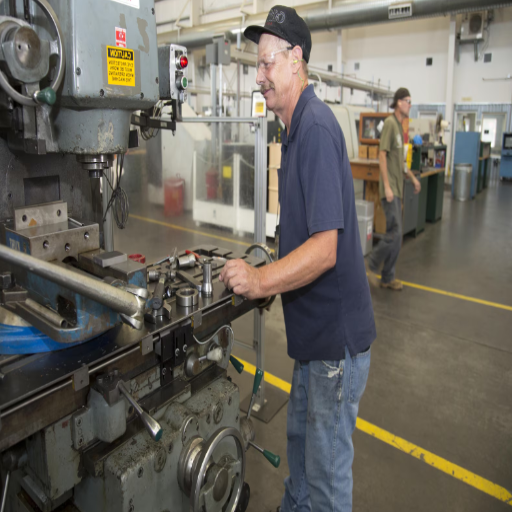
Key Safety Features on CNC Machines
Since the CNC (Computer Numerical Control) manufacturing is a modern invention of the technological era, CNC machines have gone through further enhancements to provide safety to operators, and to maintain safety standards within the working environment.
- Emergency Stop Buttons: Newer CNC machines come equipped with E-Stop buttons designed to be placed in strategic locations. In the event of a malfunction or operator error, one should not hesitate to stop operations immediately, thereby preventing accidents or damage to the equipment.
- Interlocking Guards: Interlocking guards are devices, either mechanical or electronic, that prevent access to hazardous areas of the machine while it is in operation. Should an attempt be made to open or otherwise tamper with the guard, the CNC machine stops immediately, thereby preventing accidental contact with moving parts.
- Automatic Tool Measurement and Monitoring: Advanced CNC machines come with automatic systems for measuring and monitoring the condition of cutting tools. Such features reduce the likelihood of tool failure or breakage, which can be a significant safety hazard at high speeds.
- Mist Collection and Filtration Systems: CNC operations often generate mists or metal particles that are hazardous if inhaled. These systems maintain cleaner air by collecting particles in the form of an oil mist in the air; however, they also pose a fire hazard.
- Collision Detection Systems: Collision detection systems utilize sensors and advanced software to stop machine operations upon detecting a potential collision between the tool, spindle, or workpiece. These minimize not only damage to equipment but also risks to human safety.
- Automatic Shutdown for Overloads: The CNC machines typically possess overload detection features that automatically shut down operations when abnormal stress or overheating arises in the system. It minimizes the risk of a fire and safeguards the operator and the machine.
- Training and Software Limitations: In many CNC machines, the software controls limit the speed and functions of operations based on the user’s access level and competence. This feature restricts an unskilled operator to work only within safe limits.
- Real-Time Monitoring Systems: Thanks to innovations in IoT, real-time monitoring systems provide live updates on the health and operational parameters of a machine, allowing operators to identify any abnormalities and take preventive actions to prevent accidents.
Safety energy remedies can protect the operator against hazards and also reduce downtime caused by accidents, as well as damage to equipment and the consequent monetary losses. Manufacturers should periodically inspect CNC machines and update them to ensure top-level safety, while also equipping personnel with proper safety training.
Enclosures and shields are essential
Risks can be posed to operators and hazards created in the clutter of the workspace, which enclosures and shielding devices prevent by containing debris and chips and from ejection of coolant-like fluids during operations. And modern enclosures help attenuate noise and regulate temperature to give a somewhat better performance from the sampling.
If anything, modern vitrines will thereby be made from materials stronger than durability under the theory that extreme visibility shall be ensured through protective panels. Newer options allow operators to use transparent polycarbonate windows or thick, reinforced glass and maintain al uninterrupted view inside the machine operation, thus ensuring safety. Interlocks in doors and automatic shutdown will cause the machinery to instantaneously halt after any attempt to cross the safety barrier, drastically cutting down on the chance of severe injuries.
Statistical Benefit: Statistical data reveal the merit of implementing sturdy enclosures that are well-maintained and properly maintained. For instance, in industries requiring heavy machining operations, injuries occurring in the workplace could be reduced by up to 40% by properly securing the machinery.
Furthermore, the enclosures act as a shield for sensitive components from dirt and moisture, which serves to increase their lifespan and retain their working ability over time.
Should the machine be equipped with reliable enclosures and shields, it would mean that safety for the workers has been given due consideration, whilst operational efficiency and quality assurance meet industry standards. Careful servicing of this feature would ensure the maximization of protective capabilities and compliance with statutory regulations, thereby promoting safety.
Coolant Safety in Milling Operations
Safe handling and management of the coolant during the milling process is rewarded with worker safety and extended equipment lifespan. In fact, coolants keep the tools from getting heated during the abrasive action, lessen the friction, and smoothen the tools’ finish in high-abrasive machining operations. While working with coolants, an operator has to make sure that the type of coolant used is suited for the operation of the milling. It can be water-soluble type coolant, synthetic type coolant, or straight oil type coolant; all of which come with their own advantages, depending on the materials being worked on and the cutting condition.
Proper care and correct maintenance of cooling systems are critical in preventing hazards. Regularly checking the concentration of any coolant and other parameters, such as pH, ensures excellent performance and also diminishes corrosion possibilities, bacterial growth, or an abrasive effect on the operators’ skin. Apart from using a coolant mist containment system, appropriate personal protective equipment must be worn to restrict exposure, thereby protecting air quality in the working area.
The disposal of used coolants, so to speak, must revolve around an environmental law, and it must be disposed of in the ultimate form. The treatment which maximizes the utilization of a given coolant and which minimizes the amount of waste will be filtration. Today, automation schemes along with sensor systems provide coolant-level and status checking in real-time and with improved safety features, downtime, and work flow processes. By following such procedures and giving a practical insight into operational gains, the manufacturers will preserve a safe and productive working environment for their teams.
Best Practices for Operating CNC Machines

Safety for New Operators
CNC machine operators must prioritize safety concerns to ensure their own safety and the safety of the machines. One of the initial steps is to ensure that operators are trained and familiar with the machine they will be operating. Training must include set-up, operation, and shutdown in case of an emergency.
Safety equipment is always needed: safety glasses, steel-toed boots, and hearing protection are commonly mandatory in many establishments. Do not permit loose clothing, jewelry, or long hair anywhere near moving parts to avoid entanglement, which might lead to serious injury.
Maintenance of the machinery is an essential aspect of safety. Inspecting the periodic maintenance of tooling and components for wear or damage is of great concern; worn-out components, if not replaced, can cause their own malfunctions. Safety shields and CNC enclosures must be used and secured properly to minimize exposure to moving parts and flying debris during operation.
Another element is establishing an orderly workspace. Coolant spills, stray tools, and bits of debris all constitute a trip hazard and may even impede proper functioning of the machine itself. A cleanup routine thus guarantees a better and safer working atmosphere.
Lastly, fresh operators should be encouraged to report any hazards or irregularities encountered promptly. A proactive approach to safety, supported by proper supervision, reduces the risk of accidents while fostering a culture of accountability and care within the workshop.
Guidelines for Experienced Machine Users
Above a basic understanding of how an expert machine operator achieves operational excellence, continuous improvement, exactitude, and the application of technological advancements are habits on his path. Regular recalibration of machines is an absolute necessity for achieving precision and efficiency; a misaligned tool can cause intolerance in production, material wastage, or damage to the machines themselves. Advanced users are also expected to examine machine data analytics, including efficiency rates in operations, performance trends, and maintenance records, to preempt any potential issues that may arise.
Perhaps there are other activities that can hugely improve productivity and reduce downtime if one gained enough experience with automatic monitoring or predictive maintenance. An expert user could then improve processes with these enhancements and prepare their teams for benchmarking against themselves. In addition to this, a continuous review of safety requirements and procedures could be maintained in line with new industry standards or equipment upgrades. Experienced machine operators would ensure the maintenance of good practice so that their workshops are kept accurate, safe, and ever at the industry forefront.
Training and Safety Certifications
In this regard, training and certification remain important to maintaining safety at work. These days, safety programs come with practical workshops, written manuals, and e-learning courses designed to meet specific learning needs and styles. OSHA or any other industry-related certification mandates that operators are aware of the present dangers and emergency procedures.
Training Impact: Recent reports display data that emphasize a significant decrease in accidents and downtime in workplaces with operating technicians, which has contributed to increased productivity.
Furthermore, ongoing training cycles are implemented to acculturate teams to technological and regulatory changes, ensuring they maintain awareness, accountability, and continuous improvement. The availability of updated certification programs, alongside incentives to engage in these training programs, will ensure that every worker is up-to-date, qualified, and prioritizes safety as their top concern.
Maintaining Machine Safety
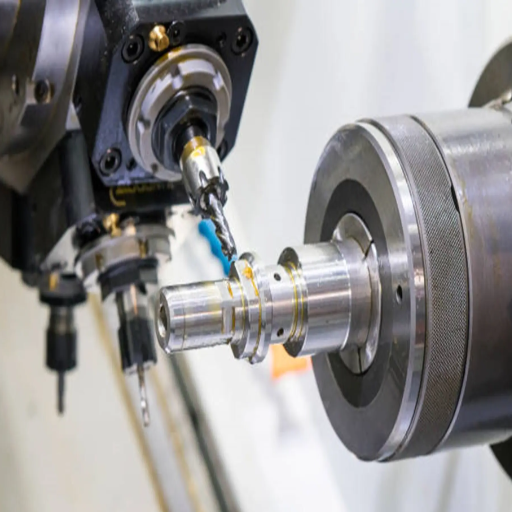
Regular Maintenance Checks for CNC Mills
When discussing CNC mills, such inspections become paramount for guaranteed consistent operations and the ensuing safety of the operator. Scheduling inspections on time makes me catch some issues, which can include worn tools, misalignments, or inadequate lubrication, which, when left unaddressed, could evolve into a situation of costly repairs or machine downtime. This, in turn, keeps the machine dependable and least interfering with the productivity process.
I ensure that checks are conducted on essential components, including drives, belts, tool holders, and other critical parts. These procedures, aided by proper lubrication and the removal of dust or chip refuse, provide the best operation and also extend the machine’s life. Calibration remains equally important to ensure processes remain accurate, which is necessary for producing high-quality outputs.
At any rate, I keep records of all mechanical workings, which include regular checks, repairs, and replacements of parts. The records act as account books, while the backlog forecasts future maintenance requirements so that the budget can be prepared for the purchases of replacements. With these considerations, I am very convinced of the long-term performance, safety, and reliability of CNC milling machines that are in my care.
Implementing Safety Protocols in the Workplace
My primary goal has always been to ensure safety is implemented in our company so that all are assured of a safe and efficient working environment. I carry out risk assessments to establish hazards brought about by our tools, equipment, or processes, thus giving me the opportunity to set forth safety instructions relating to our operations. For example, I make it a prime emphasis that anyone using machinery such as a CNC mill should have adequate training and that periodic refresher courses be given to maintain this high level of awareness. I also ensure all employees are fittingly issued and adhere to the use of the required PPE as per regulations.
Communication is often said here to have maintained safe working environment. I am an advocate of maintaining an open-door policy, which means everyone can approach me with safety concerns or improvements whenever they want, though it is not made a demand of them. Safety best practices are reinforced during scheduled meetings, along with all updates pertinent to attendees; hence, members are made aware of any changes in the protocol when necessary to meet current needs or when they are faced with an entirely new set of safety instructions. I decided to implement additional safety measures by installing visual aids like signs and checklists that specifically engage and remind the team about their safety instructions and standard operating procedures.
Lastly, I consider that leading by example is crucial: my own adherence to these safety protocols serves to set a tone of shared responsibility and vigilance. All in all, my intention through these acts is to build a culture where safety becomes a vital part of our everyday lives.
Safety Goes Beyond Compliance: A Cultural Approach
Fostering an authentic safety culture means looking beyond regulatory compliance. It is my view that safety must be built into the fabric of an organization as a truly cherished value and not merely a name on a piece of paper. It starts by keeping safety awareness alive through ever-green communication reinforced by safety principles. When safety enters the conversations, be it the agenda of a scheduled meeting or a casual comment shared among colleagues, that’s how we become the organization, the everyday-life-activity.
Education and empowerment must be other leading steps. I wish that when every team knows not just the rules but the reason behind them, they feel motivated to claim their portion in securing the environment. During these training days, they might go to practical workshops or receive constructive feedback that may help them build skills and confidence in recognizing a threat and responding to those threats. Being able to cast safety concerns in the open without blaming people will keep the team alert and ready to respond.
Education and empowerment should be the other big concern. Hopefully, after every team member has learned about the rules and truly agreed with the reason behind them, the individual will feel ownership over securing the environment. Regular training, hands-on workshops, constructive feedback- these are all ways to foster a skill set and confidence in each person toward the effort of recognizing threats and doing something about them. Think about creating an environment free of blame where safety concerns can come up so the team remains vigilant and reactive.
Reference Sources
-
MILLING MACHINES AND CNC MILLS: Safety Precautions – University of Washington
Provides a detailed focus sheet on safety measures, including securing guards and maintaining safe distances. -
The Most Important Milling Machine Safety Precautions – CNC Masters
Highlights critical safety practices, such as keeping hands away from moving tools and knowing the location of emergency stops. -
Safety Tips for CNC Machinists – Universal Technical Institute
Provides practical guidance on maintaining machine doors closed and ensuring safe operation during machining cycles. -
CNC Machine Safety Essentials: Our Best Tips – Fictiv
Discusses safety hazards in CNC machining, including mechanical risks and moving parts.