


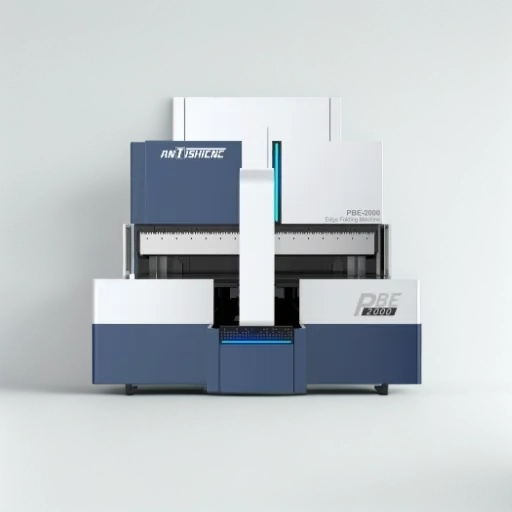
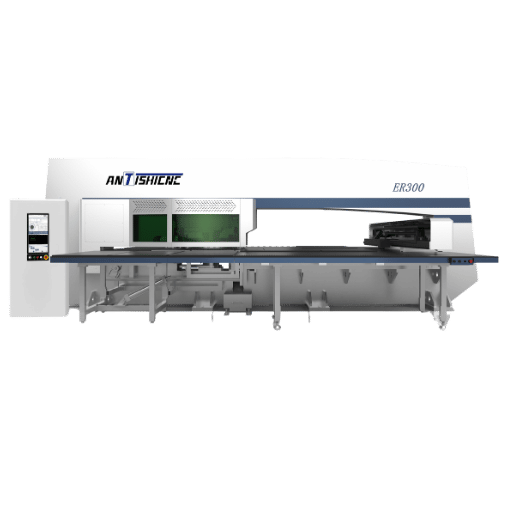
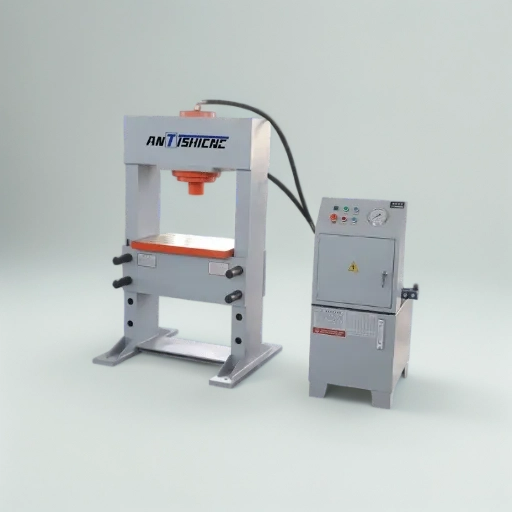


The CNC panel bender machine is a must-have for any sheet metal workshop. If your goal is to purposefully expand technology on your production line or even if you are just venturing into the world of CNC, grasping the creativity behind this machinery can bring forth efficiency and incredible versatility. This guide aims to provide comprehensive knowledge of CNC panel benders, helping you select the right machinery, understand their technology, and explore how they can enhance your metal-bending system. From this guide, you will obtain practical knowledge of these machines, their functions, benefits, and how to get the best for your requirements. I would advise you to prepare yourself to explore the world of CNC panel bending, as it enables business growth like no other.
Understanding the Panel Bender
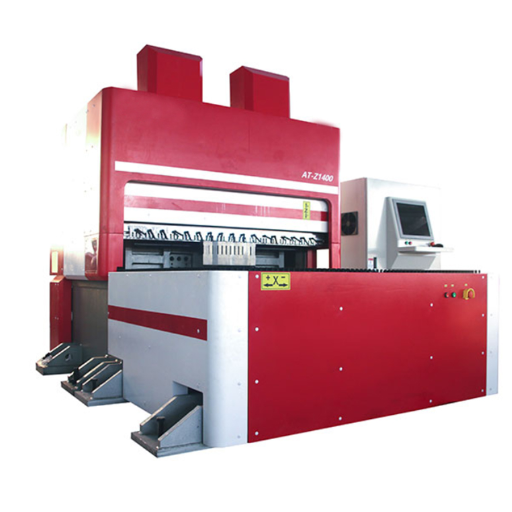
A panel bender refers to a specific type of machinery used for the precise shaping and bending of sheet metal. This type of machine enables the sheet to be automatically gathered and positioned along with the application of calibrated force. Panel bender machines are best suited for large-scale production processes as a result of the speed, adaptability, and complexity of the designs they are able to produce with very little manual interference.
What is a Panel Bender?
A panel bender and a former sheet metal equipment are a step beyond basic equipment. It is designed to work efficiently and with great precision with sheet metal, as required by the automotive, aerospace, and construction industries. Today’s panel benders are also able to utilise modern technology, such as CNC (Computer Numerical Control) systems, which are explicitly designed to control bending machinery. With this type of automation, accuracy is guaranteed, and both production time and waste are significantly reduced.
Key Capabilities: Panel benders can work with a variety of materials, such as aluminum, stainless steel, and galvanized steel. With their varying thickness, which depends on the manufacturer and model, they can range from 0.5 mm to 3 mm. Their speed, coupled with the ability to make intricate bends, makes them suitable for mass production. For instance, the most advanced panel bender models can achieve an accuracy of up to 0.2 mm and produce hundreds of bends per hour.
Moreover, these machines offer features such as automated tool changing, sophisticated safety protocols, and compatibility with other manufacturing equipment, which further enhance their operational efficiency and adaptability. Owing to sustained developments in technology, panel benders are evolving to become smarter by embedding IoT (Internet of Things) capabilities and enabling real-time analytics for production optimisation. Such advancements guarantee sustained quality while fulfilling the requirements of today’s precision manufacturing.
How Panel Benders Work
Operators of panel benders specialize in advanced sheet metal fabrication processes and technologies. These experts are vital for increasing the operational efficiency of manufacturing units. Their work begins with the operator loading the panel bender with flat sheets. The sheets are securely held in place by a clamping system. Following this, the bending blades operate on the sheet metal, folding it at multiple angles and radii.
Modern panel benders utilize advanced servo-electric or hydraulic drives, which enable high-quality and repeatability in bending. Depending on the model, these machines can also work with a variety of materials, including stainless steel, aluminum, and galvanized steel, with thicknesses ranging from 0.5 mm to 3.0 mm. Leading panel benders thus make use of incredible precision, generally within a tolerance of ±0.1 mm, which is essential for the aerospace, automotive, and appliance industries.
Another essential factor to consider is the automated integration of supplementary systems, such as robotic arms for loading and unloading, which reduces idle time and improves overall efficiency. These devices, which can be monitored in real time, optimize process data, enhance predictive maintenance, and enable performance tracking. These machines ensure nearly error-free continuous production, allowing manufacturers to meet shrinking lead times and adhere rigorously to quality assurance standards.
Key Components of a Panel Bender
- Press Unit: The press unit is the key piece of equipment on a panel bender. During bending, the correct amount of force must be applied to the workpiece, which is achieved through sophisticated hydraulic or electric systems. Modern press units feature a built-in servo system that ensures the force applied is correct and steady at all times, saving energy while also enhancing the quality of the work, particularly when producing complex shapes.
- Bending Tools: The tools come with upper and lower bending blades designed to cater to different material thicknesses and sizes. The blades typically feature a modular design that facilitates easy switching or adjustment to meet the varying bending needs. The blades are made of high-strength materials to ensure durability and enable the tools to withstand prolonged operations.
- Manipulator System: The inquiry system handles the positioning of the sheet metal and places it in the exact correct position for bending. Its advanced robotics enable the system to achieve incredible repeatability, reducing the amount of waste material to nearly zero. The manipulators decrease the chance of mistakes caused by manual handling, which also makes the system safer to use.
- Material Feeding System: The feeding system must be reliable to ensure uninterrupted and glitch-free operation. More modern designs, featuring conveyor belts and automated feeders, can be adjusted according to the material’s dimensions and weight. Better handling of materials enhances system uptime and streamlines processes.
- Control Unit and Software: The control unit is the panel bender’s central component, as it is equipped with a high-end processor and a graphical user interface. The advanced software enables the operator to set and program bending sequences, run simulations, and analyze production data. With AI-driven algorithms, the system can automatically fine-tune the bending operations, perform them with greater precision, and minimize the use of unnecessary material.
- IoT Connectivity and Sensors: Integration of IoT enables constant communication between the machine and external monitoring systems. Multiple sensors continuously monitor parameters such as force, alignment, and tool wear, which aid in predicting maintenance needs and sustaining optimal performance. IoT connectivity also improves the capabilities for remote diagnosis and repair.
- Safety Features: The latest panel benders come equipped with safety features such as light curtains, emergency stop systems, and collision sensors. Such features shield the users from unforeseen accidents and help meet the required safety regulations.
Panel benders offer a solution that is crucial in today’s metal fabrication industry, as they enable the performance of multiple tasks with high efficiency and accuracy. In metal fabrication, a panel bender is very useful because it offers a solution that is essential in contemporary metal fabrication.
The CNC Panel Bender Explained
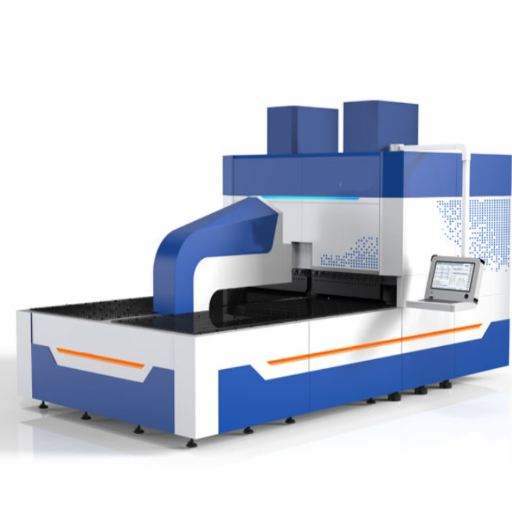
The CNC panel bender is a specialized CNC machine developed for the specific purpose of efficiently bending sheet metal. Thanks to CNC technology, the CNC panel bender can be programmed and operated fully automatically. The sheet metal is bent into the required form using bending tools and clamping mechanisms. The panel bender can deliver complex bends with thin materials that cannot be produced with ordinary press brakes. The panel bender is best suited for producing large quantities because it can bend the same sheet metal components multiple times while maintaining high accuracy and minimal material waste.
What is CNC Bending?
CNC bending advances the shaping of sheet metal and similar materials into specific forms with the help of computer-guided machinery. The acronym CNC stands for Computer Numerical Control, marking the use of programmable software to guide the bending machinery. This technique relies on CNC press brakes or CNC bending machines equipped with the necessary clamping systems and bending tools.
Precision & Industry Impact: Efficiently achieving intricate designs and meeting stringent tolerances are among the primary advantages of CNC bending. Punches and dies work in unison on a standard CNC bending machine to shape the material with a single pass, preserving the material’s durability and achieving the required shape. The CNC method also reduces the number of mistakes compared to hand bending, as advanced methods achieve a precision of ±0.1 mm.
The automotive, aerospace, construction, and electronics industries depend on CNC bending for producing complex parts. Modern CNC bending machines can exert forces ranging from 40 to 1000+ tons, depending on the material thickness and the desired shape. Additionally, some solutions offer multi-axis programming, enabling the creation of more complex designs.
As highlighted by industry analytics, there is an increasing need for CNC bending machines, driven by the demand for accuracy and efficiency. The global sheet metal market, valued at $265 billion in 2022, is projected to increase, primarily due to innovations in CNC technology. This change highlights the impact of CNC bending in improving efficiency, reducing scrap, and promoting economical manufacturing.
The industries have been transformed by CNC bending, as it enables accuracy, speed, and automation in metal fabrication. Companies can now increase the volume of products they produce while adhering to strict quality standards.
Working Principle of CNC Panel Benders
CNC panel benders combine automation, accuracy, and efficiency to perform metal bending in a single complex mechanism. CNC systems, combined with automated bending tools, define the working principle of the benders and guarantee the achievement of uniform and precise outputs.
The process begins with securing the metal sheet in the machine. As a result of the advanced algorithms and the software, the CNC system can direct the bending instruments to perform the necessary, accurate bends on the material. Like automated panel benders, press brakes do not offer quality automated material handling. As a result, more manual work is required, which leads to an increase in errors. Bending blades, which form the sheet to the desired angles and shapes, can move vertically and horizontally to bend the sheet.
Technical Specifications
Contemporary CNC panel benders can handle various metals, such as aluminum and stainless steel, with thicknesses of up to 0.12 inches (3 mm). They can process panel lengths ranging from 20 inches to 300 inches (500 mm to 7,620 mm), making them ideal for both small and large production runs. The incorporation of servo-electric or hydraulic systems into the bending mechanism has also enhanced energy efficiency and reduced operating costs.
Notably, these machines feature an interface that enables operators to import design files and set parameters for executing intricate bends, making the operation significantly easier. Additionally, CNC panel benders can accommodate various batch sizes, performing both short runs and mass production with minimal setup time. Industries such as automotive, aerospace, and construction benefit from reliable metal fabrication solutions that these CNC-fabricated panel benders provide.
Advantages of CNC Panel Bending
Industries such as automotive, aerospace, and electronics require stringent standards because their products depend on precision parts. In meeting these needs, CNC panel bending proves to be very beneficial. First and foremost is the unmatched accuracy. Modern CNC panel systems provide a ±0.1 mm precision. Such fine precision is ideal for both smaller and larger production runs, as it helps maintain consistency, preserve materials, and reduce wastage.
CNC panel-bending machines also stand out in terms of their efficiency and speed. In comparison to older manual methods, cycle and setup times are significantly reduced with the automated processes of a CNC panel bender. Turning to high-volume production, these systems can bend panels by the hundreds per hour – a feat that is sure to increase productivity. Furthermore, they can adaptively switch between different designs. This makes CNC benders suited for both mass and custom production.
CNC panel-bending machines stand out in terms of their versatility. These machines can work on a wide range of materials, including aluminum, stainless steel, and high-strength alloys. Depending on the machinery, materials can be between 0.5 mm and more than 5 mm in thickness. This adaptability enables the production of complex shapes that would be either very difficult or impossible with manual methods.
CNC panel benders enhance safety in the workspace by minimizing manual labor during the bending operation. Modern safety devices, such as sensors and safety shields, ensure the protection of the operator as the machine operates at high speeds.
Industry 4.0 developments bring in the possibility of tracking and analytics in real-time during the CNC bending process. Using these advanced technologies, manufacturers can fine-tune their production methods, forecast when maintenance is needed, and improve their efficiency, saving money and reducing downtime. CNC panel bending is invaluable in modern manufacturing due to its numerous advantages.
Choosing the Right Bending Machine
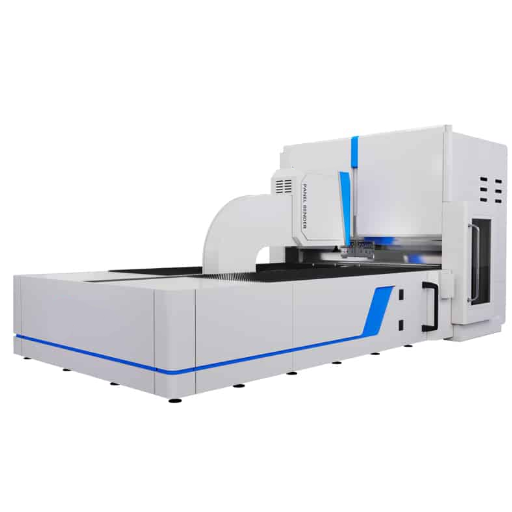
Key Factors to Consider:
- Material Type and Thickness: The machine should process the materials and thicknesses you use most.
- Production Volume: Choose a machine that fits your production, be it low- or high-volume.
- Precision and Complexity: Pick a machine that can meet the needed precision and perform complex bends if required.
- Automation Level: Based on your processes, decide if the machine should be manual, semi-automated, or fully automated.
- Budget and Long-term Costs: Consider the purchase price, as well as operating, maintenance, and energy costs.
- Manufacturer Support and Training: Look into the technical support, training, and spare parts offered by the manufacturer.
With these points in mind, you can focus your search and select the machine that best suits your needs.
Considerations for Selecting a Bending Machine
Selecting a bending machine requires careful consideration of detailed metrics for the machine’s intended operations, along with the latest proven industry data and innovations for efficiency and performance. Below are additional critical considerations:
- Precision and Repeatability: As discussed, CNC (Computer Numerical Control) systems improve the operation of modern bending machines. As a case in point, CNC press brakes used in aerospace and automotive industries, where tight tolerances are demanded, achieve precision and repeatability of up to ±0.01 mm.
- Material Compatibility: It is essential to understand the mix of materials your business intends to process beforehand. For instance, if your company produces high-tensile steels and alloys, you will require a machine that can apply appropriate force. There are machines available that can exceed 1000 tons of pressure, guaranteeing the processing of the most strenuous materials.
- Energy Efficiency and Sustainability: Energy-efficient bending machines, such as electric press brakes, use significantly less power than hydraulic press brakes. Studies indicate that electric systems can cut energy use in half, which supports both cost- and environmentally efficient production objectives.
- Software and Connectivity Features: The latest phase of Industry 4.0 has brought in advanced connectivity in bending machines. Many systems are now IoT-enabled, which enables predictive maintenance, real-time performance tracking, and remote diagnostics. Wasting less time improves productivity by as much as 30%.
- Production Speed and Cycle Times: Cycle time is one of the most critical metrics in high-output manufacturing. The ability of some advanced bending machines to change tools automatically, along with their adaptive controls, allows them to reduce setup times by 70%, thereby increasing the speed of production cycles and throughput.
- Safety Standards: It is standard for modern machinery to come equipped with contemporary safety mechanisms, such as laser light guards, automatic collision detection systems, and emergency shutoff mechanisms. Verifying that they follow safety compliance, such as ISO 13849 or OSHA, is mandatory in the selection process.
In light of the considerations listed above and the emerging features of bending machines, manufacturers have a better chance of streamlining their production, minimizing losses, and protecting their return on investment associated with the purchase of the bending machine.
Comparison of CNC Panel Benders and Press Brakes
To choose the right machine for your manufacturing needs, it is essential to understand the differences in capabilities, efficiencies, and use cases of CNC panel benders and press brakes.
| Aspect | CNC Panel Benders | Press Brakes |
|---|---|---|
| Speed and Automation | Advanced automation with minimal operator intervention. Efficient batch processing with complex bending tooling adjustments. | Better suited for low-volume, high-mix production. Requires manual setup of tooling, significantly lengthening cycle times. |
| Accuracy and Consistency | Superior accuracy for intricate patterns requiring multiple bends. Advanced systems enable automated tolerance verification. | High accuracy achievable through operator skill, but prone to variation in low production runs or with inexperienced operators. |
| Material Compatibility | Excel in bending thin to medium-thickness materials where speedy and accurate bending adds value. | More flexible to different materials and thicknesses. Better equipped to handle thicker materials beyond CNC panel bender capabilities. |
| Investment and Maintenance | Higher initial investment due to technology and automation. Reduced labor costs and improved operational efficiency. | Less expensive initially. Higher costs associated with labor, maintenance, and setup downtime. |
| Applications | Ideal for electrical enclosures, appliance parts, and HVAC panels requiring consistent geometry. | More flexible for multiple sectors producing brackets, channels, and structural components. |
| Production Output | Excel in mass production with 30% better throughput and consistency in suitable manufacturing setups. | Advantageous for medium and small order jobs and single-piece projects that are efficiently produced. |
From this information, it is clear that the strengths of each metal forming machine are well defined and complementary. By considering a manufacturer’s production needs, the nature of materials to be formed, and the budget, the optimal machine can be determined.
Automation in Bending Machines
Automated bending machines have revolutionized the metal shaping sector, enhancing precision, efficiency, and scalability of operations. The latest systems integrate multiple advanced technologies, including robotics, sensors, and AI-based programming, to further enhance productivity. As an illustration, robotic arms in CNC panel benders require no supervision to complete intricate bending tasks, which mitigates the opportunities for mistakes and unnecessary material expenditure.
Performance Benefits: Current research indicates that automation can increase production speeds in bending operations by up to 50% compared to manual processes. In addition to this, automated machinery frequently comes equipped with real-time monitoring tools that observe machine operation and identify issues, which in turn reduces downtime by more than 25%, including the time related to maintenance and unexpected malfunctions. Additionally, these machines can perform consistent quality production in high-mix, low-volume runs, which is a growing market requirement.
Moreover, automation helps address the labor and skill shortages prevalent in the manufacturing sector. Less dependence on hands-on operations means a leaner manufacturing workforce that can be redirected to more critical value-add activities, such as design and quality checks. In addition, newer software packages enable operators with no specialized technical training to bend machines through simplified graphical user interfaces.
Ultimately, automation provides scalability and long-term cost savings, while also making machines more efficient to operate. By adopting these technologies, manufacturers are making a strategic bet in an increasingly competitive market.
Applications of Sheet Metal Bending
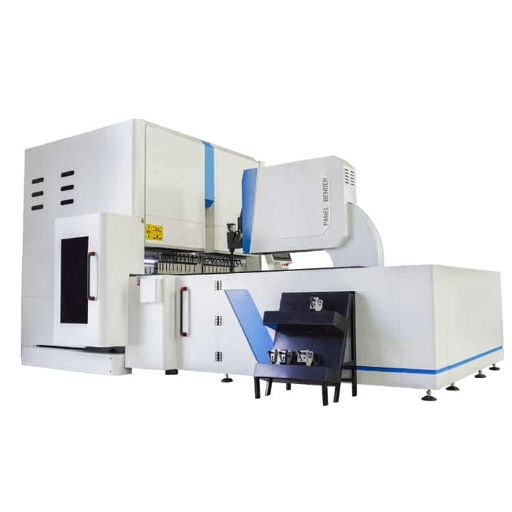
The bending of sheet metal is crucial in many fields because it is flexible and efficient. For instance, the aerospace sector can be used as:
- The automotive sector for the production of frames, panels, and brackets
- The construction sector for the production of structural elements, roofing materials, and brackets
- The electronics sector for the manufacturing of enclosures, casings, and heat sinks
- The furniture manufacturing sector for the production of metal furniture frames. Additionally, the industries that use sheet metal bending display their importance.
Industries that Utilize Panel Benders
Thanks to the automation available in panel benders today, their use cuts across many industries. The automation ensures that metal sheeting is shaped and bent with efficiency and precise repeatability. This is what one can expect a modern panel bender to handle, and below are the details regarding the specific uses of these machines in various industries.
- Automotive Industry: Thanks to these machines, fully functional vehicle body panels, brackets, and structural components can be designed and manufactured. With advancements in electric vehicles and lightweight materials, the global automotive sheet metal market is expected to grow at a 4.2% CAGR in 2030.
- Appliance Manufacturing: The production of enclosures, panels, and decorative parts for both household and industrial appliances has a well-known use of these machines. The increasing demand for energy-efficient appliances has heightened the need for precision engineering, which in turn has led to a greater reliance on panel benders to meet the stringent performance and design requirements.
- Aerospace and Defense: The aerospace industry cannot function without panel benders, as these machines craft lightweight yet strong critical components. They help in making fuselage and wing parts, as well as other necessary components. With increased global air travel and heightened defense spending, panel benders are becoming increasingly in demand due to advanced forming technologies.
- Electrical and Energy Sectors: Panel benders are used in the electrical industry to manufacture transformer housings, control panels, and enclosures. The renewable and wind energy sectors utilize panel benders to manufacture wind and solar structural supports, as well as component housings.
- Architectural and Construction Sector: The bending of sheet metal, along with its forming and fabrication, enables the creation of functional and aesthetically pleasing architectural elements, such as cladding, decorative panels, and even support structures. The continuous expansion of the construction sector, particularly in urban infrastructure, along with the steady increase in bending demands, has served as a strong driver for the adoption of dependable bending solutions.
The surge in the use of panel benders is attributed to recent advancements in the field of smart manufacturing and automation technologies. Panel benders stand out as one of the most preferred machines in different industries, at least for now, because they guarantee precision while minimizing waste and can process huge volumes.
Sheet Metal Bending Techniques
Sheet metal bending is an essential fabrication operation that allows you to fold and curve flat sheets into specific shapes with no change in the metal’s properties. The most common methods of sheet metal bending include:
V-Bending
This is the most commonly used form of sheet metal bending. It uses a V-shaped die into which the sheet is pressed. Due to its ease of use, it can be applied to both acute and obtuse angles. V-bending is appropriate for small- to medium-sized production batches.
Air Bending
Air bending is a punch and die method in which the sheet can be bent to different angles by adjusting the punch depth. Bending in this manner requires the least force, is the most flexible, and has the lowest tooling cost.
Bottoming (Bottom Bending)
This technique bends the sheet by pressing it into the die. The method requires more force but yields a bend that has greater precision, consistency, and repeatability. Bottom bending also ensures less springback. This method is ideal for precision angles and applications where repeatability is required.
Roll Bending
Roll bending uses multiple rollers to shape and curve the sheet metal over time. This technique helps create gentle bends in structural and architectural components, as well as in implementation designs.
Wipe Bending
Wipe bending is when a sheet is held in place on a die, and a punch bends the sheet over the edge of the die. This type of bending is used for simple bends and is the easiest form of bending; however, there is a risk of material scratches.
In each case, the bending method used comes with its constraints and benefits based on the type of material used, the bend radius, and the volume of production. The efficiency of cost and output can be optimized when the appropriate bending method is applied.
The Role of Intelligent Flexible Panel Benders
Advanced flexible panel benders utilize cutting-edge technologies, such as automation and AI, to enhance the accuracy and productivity of metal bending. They intelligently adjust to different materials and dimensions, reducing setup times and maintaining quality while requiring minimal hands-on adjustment. They can streamline production, minimize scrap, and easily execute complex designs thanks to self-adjusting software, real-time tracking, and equipment control. This type of equipment is ideal for industries that require personalization and high output, such as car manufacturers and aerospace companies. Being able to perform detailed bending operations without increasing costs demonstrates the remarkable evolution of fabrication technology.
Ensuring Bending Accuracy
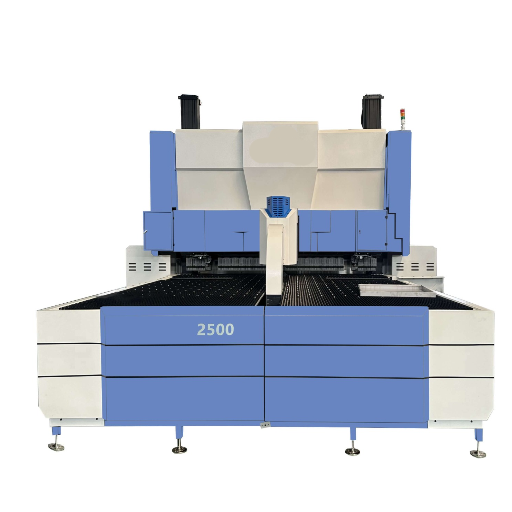
Bending is performed with a high level of accuracy in mind, and to achieve this, equipment performance must be regularly calibrated, and appropriate measurement tools must be used. A consistent application of pressure, proper die selection, accurate material positioning, and proper material handling are equally important. Additionally, the high performance of every task undertaken is guaranteed through real-time monitoring and correction systems, which enable the detection of errors and the rapid implementation of necessary changes.
Calibrating Your CNC Panel Bender
When you adjust your CNC panel bender, precision is maintained, and optimal functionality is ensured. Begin by scrubbing the machine to remove any debris or residue that could damage its functioning. Check the bending tools for alignment and make the necessary adjustments to ensure uniform positioning. As a general rule, ensure that the sensors are functioning correctly to support accurate measurements. Run a test on the sample material to determine the pressure and angle, and adjust accordingly. Lastly, follow the mariner’s guidelines, as there are proper calibration procedures and intervals, to ensure the machine’s lifespan and output quality are maximized.
Common Issues Affecting Bending Accuracy
Primary Accuracy Challenges:
Material inconsistency, including variations in thickness, hardness, and grain direction, is a common cause of bending inaccuracy. I also observe that inaccurate bends are associated with worn tools and improper tool selection. The problem is further compounded by errors in setup and calibration, such as incorrect angles, pressures, or other related settings. Significant improvements in bending can be achieved by routinely servicing the machines and diligently observing the factors above.
Improving Bending Precision with Technology
Improving the accuracy of the bending process requires implementing specific technologies and practices. To begin with, Computer Numerical Controlled (CNC) press brakes with automated controls enable precise angle and pressure specifications, thereby reducing errors. Next, laser measurement systems and digital angle gauges allow for consistent and timely monitoring and reporting of the bending process. Thirdly, material waste and setup problems can be significantly reduced by simulation tools that enable operators to test and visualize bending operations before production. In addition, using IoT (Internet of Things) enabled devices for monitoring machinery enables advanced detection of service and maintenance needs, thus guaranteeing machinery runs with fewer breakdowns. The use of the tools above can significantly enhance the accuracy and effectiveness of metal bending techniques.
Conclusion
The CNC panel bender represents a revolutionary advancement in sheet metal fabrication technology. By combining precision, automation, and efficiency, these machines have transformed how manufacturers approach metal-bending operations. From understanding the fundamental components and working principles to selecting the right machine for your specific needs, this comprehensive guide has covered the essential aspects of CNC panel bending technology.
As manufacturing continues to evolve with Industry 4.0 technologies, CNC panel benders will undoubtedly play an increasingly vital role in meeting the demands for accuracy, speed, and cost-effectiveness. Whether you’re expanding your current production capabilities or venturing into automated fabrication for the first time, investing in the right CNC panel bender can provide the competitive edge necessary for success in today’s demanding manufacturing landscape.
The future of sheet metal fabrication lies in intelligent, automated solutions that deliver consistent quality while maximizing efficiency. By embracing CNC panel bending technology, manufacturers can position themselves at the forefront of this technological revolution, ensuring sustained growth and competitiveness in an ever-evolving industry.
Reference Sources
Frequently Asked Questions (FAQs)
What is a CNC panel bender, and how does it function?
A CNC panel bender is commonly used in sheet metal operations where it automatically bends parts to a specific shape. It utilizes CNC technology for automatic part positioning and can perform multi-step bends, which significantly improves the production speed compared to traditional bending machines. It also uses advanced software and high-precision tools to maintain the stability of the bending operation, as well as to achieve the correct bending angles.
How do I choose the right panel bender for my needs?
To select the right panel bender, you must first identify the panel shapes you wish to produce and determine the level of automation and bending speed that best suits your purposes. You then evaluate the bending accuracy and tube shapes it can productively accommodate, its tonnage capacity, and its ability to produce and bend complex shapes. The bending speed, the service life of the panel bender, and the maintenance requirements will also provide insight into the long-term efficiency and stability of the panel bender.
What are the key components of a CNC panel bender?
A CNC panel bender comprises several essential components, such as the worktable, automatic positioning system, bending tools, and control software. The worktable acts as a holding platform to keep sheet materials in place. During the bending process, the automatic positioning system enables precise adjustments. To ensure high precision and reduce scrap, high-quality bending tools are required. To facilitate efficient and effective programming of the bending operations, control software is also required.
What impact does CNC bending have on operational efficiency?
The CNC bending process reduces manual labor and human errors, thereby boosting operational efficiency. The results are ready on time and are of high precision. CNC panel benders are equipped with automatic and closed-loop controls, enabling high-precision bending and consistent results. The machinery not only speeds up the bending process but also enhances product quality and curtails operating expenses through optimized material usage and scrap.
Can a CNC panel bender handle complex geometries?
Indeed, a CNC panel bender is made to accommodate complex geometries and profiles. Traditional bending machines may not be capable of completing such work, but with advanced programming, intricate bends can be achieved. CNC panel benders can produce detailed workpieces by utilizing advanced tooling and intelligent, flexible panel technology, along with exceptional machining accuracy.
What advantages do modern CNC panel benders offer over traditional bending machines?
Compared to traditional bending machines, modern CNC panel benders offer increased production efficiency, improved bending accuracy, and lessened labor intensity. Their processes are automated, allowing for speedy transitions from one bending task to another, thus offering production flexibility. Moreover, CNC panel benders can maintain high-quality production while providing customization for bending operations, which is why they are favored in the manufacturing industry.
In what ways can lubrication influence the CNC panel bender’s performance?
Without adequate lubrication, the CNC panel bender and its tools will be unable to perform optimally or last for a long time. Adequate lubrication reduces the friction of moving parts, which directly correlates with the machine’s efficiency. A well-lubricated panel bender will also undergo less wear and tear of its key parts. In addition, lubrication contributes to smooth operations, which in turn makes precision easier and helps maintain the desired bending speed. Maintenance, which includes lubrication, must be conducted on a scheduled basis to help keep the machine’s stability and dependability.
What is the significance of bending accuracy in CNC panel benders?
As bending accuracy is significant in CNC panel benders, it can have a massive impact on the quality of the workpieces. It is essential to note that as industries demand strict quality standards, high-precision bending can help meet all specifications and tolerances. With improved bending accuracy, the quality of the product can be enhanced, scrap can be minimized, and the manufacturing process can be made more efficient.