




Since Slotting CNC machines have flooded the manufacturing industry, they have come to offer accuracy so OK and efficiency so great, while providing keyways, grooves, and wonderful details in a wide range of materials. From aerospace to automotive to industrial machinery, knowing this type of machine is crucial for improving one’s manufacturing processes and, in turn, enhancing product quality. This article provides an overview of what Slotting CNC machines are, how they operate, and the various applications they serve across different industries. Ultimately, you will gain a comprehensive understanding of why these machines are crucial in today’s manufacturing and how they can elevate your projects to a new level. Stay tuned as we explore the features and benefits of Slotting CNC technology.
Introduction to Slotting CNC
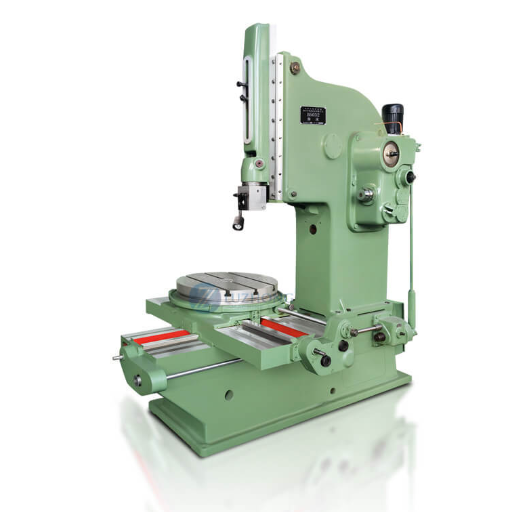
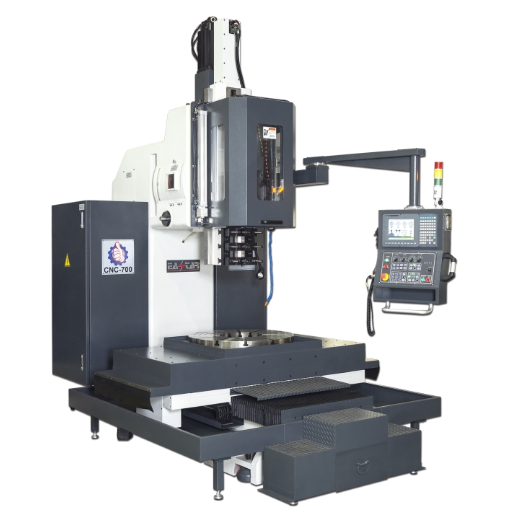
A slotting machine uses specialized cutting tools to cut slots, grooves, and keyways in metal, wood, or plastic. These machines utilize CNC technology to automate and direct the cutting process, achieving high levels of accuracy and consistency. Their primary purpose is to cut designs or shapes that are too complicated to be completed manually. The CNC slotting machine finds its application in the automotive, aerospace, and manufacturing industries due to its efficiency in precisely handling complex jobs.
Definition of CNC Slotting
The term CNC slotting refers to the process of shaping slots, grooves, or other complex geometries in work materials using computer numerical control with extreme precision. Ordinarily, the slotting process involves a vertically reciprocating tool that removes material from a defined area of a workpiece. These machines are ideal when utmost accuracy and repeatability are required, making them one of the pillars of the modern manufacturing industry.
High-nest CNC slotting machines feature automated programming, real-time monitoring, and multi-axis control. For instance, with a positional accuracy of just 0.0004 inches, these machines ensure that detailed designs are made to exact specifications. Such machines find applications in the folding of transmission components in the automotive sector, the manufacturing of highly specialized parts in the aerospace field, and the production of industrial equipment.
According to industry data, it can be observed that CNC slotting machines increase productivity and can reduce production time by up to 40% under certain circumstances, compared to manual labor. These machines are compatible with various materials, including steel, titanium, aluminum, and some plastics, providing versatility for diverse production needs. The incorporation of automation and precision techniques ensures that the outputs are always as desired, making CNC slotting synonymous with quality and efficiency in the machining industry.
Comparison of CNC and Traditional Slotting Machines

| Aspect | CNC Slotting Machines | Traditional Slotting Machines |
|---|---|---|
| Precision | Incredible precision with tolerances from hundredths to thousandths of an inch | Relies on operator skill with manual manipulations |
| Consistency | Highly consistent results with minimal errors | Inconsistent when handling complex designs |
| Production Speed | 30-50% faster for intricate cuts | Slower production process |
| Versatility | Programmable for complex geometries and various materials | Limited capabilities, requires manual adjustments |
| Initial Cost | Higher upfront investment | Lower initial costs |
| Long-term Cost | Lower due to reduced labor and material waste | Higher due to maintenance and skilled operator requirements |
CNC slotting machines and traditional slotting machines exhibit considerable differences in terms of quality, efficiency, and versatility. CNC slotting machines, for example, utilize computer-controlled systems to cut with incredible precision and detail, from a few hundredths to even a thousandth of an inch in tolerance. Such acceptable tolerances ensure that the typical component meets stringent specifications, minimizing cut errors and thereby avoiding material wastage.
Typical slotting machines, meanwhile, rely primarily on the skill of the operator working with manual manipulations. Such machines are best suited for performing low-budget or straightforward operations, but become inconsistent when handling complex designs or when the production time scale is very tight. The CNC, for instance, takes only a mere fraction of time to perform intricate cuts that, if done by manual slotting, should have increased the production process by about 30-50%.
Here is another significant difference in versatility. CNC slotting machines are programmable and can be used for complex geometries, repetitive operations, and working with different materials such as hardened steels or alloys. In contrast, conventional slotting machines have limited capabilities and often require manual adjustments or changes to accommodate new operations. Furthermore, CNC machines have the added advantage of getting integrated with CAD/CAM, thereby making the process flow from design to production much smoother.
For industries seeking precision, power, and efficiency, CNC slotters are the ultimate solution. Traditionally, these machines are employed for individual applications; however, they are increasingly becoming obsolete as the automated CNC machines develop in versatility.
Applications of Slotting in Manufacturing
Due to their versatility and precision, slotting machines, particularly CNC slotters, are utilized in a wide range of manufacturing applications. Another common application is in the automotive industry, where slotting machines are used for producing internal keyways, splines, or slots in gears. These components are crucial for the smooth and reliable operation of vehicle transmission systems. Therefore, CNC slotters perform their job accurately and consistently, thereby minimizing material wastage and saving production time.
Engineering manufacturing represents yet another huge field of application. Aircraft components typically require very complex grooves and profiles, which slotting machines can readily produce for turbine discs and engine parts. With such stringent demands for performance quality, there is no room for error in the sector; hence, an advanced CNC system ensures its parts pass strict quality standards.
The energy sector is also oriented toward slotting, which is particularly relevant for electrical motors and generators. Rotor and stator components are manufactured using intricate designs that facilitate the efficient operation of energy generation and transmission. CNC-driven modern systems have increased production speed and shortened the lifespan of these components.
Key Industries Using CNC Slotting:
- Automotive: Transmission components, gears, keyways
- Aerospace: Turbine discs, engine parts, complex profiles
- Energy: Motor rotors, generator stators
- Industrial Machinery: Various precision components
On the other hand, according to recent industry reports, the global slotting machine market is poised for significant growth in the near future, driven by the increasing adoption of automated machining technologies. CNC slotters, along with 3D modeling software and other advanced tools, are further pushing the limits of diamond precision machining in all industries. Such growth speaks of the increasing dependence of modern manufacturing processes on this technology.
Components of a CNC Slotting Machine
A big, heavy steel frame that holds the entire machine together and ensures stability during operation.
Holds the cutting tool and moves it up and down to cut slots precisely.
A table on which the workpiece is clamped securely for machining.
The computerized unit that controls and automates machine operations according to programmed instructions.
Smooth tracks that guide the tool head movements with precision and consistency.
Drives the movement of the tool and ensures the smooth operation of the machine.
It reduces friction and wear to the moving parts of the machine, resulting in better performance and life span.
Key Parts of the Machine
CNC Controller
The CNC controller serves as the brain of the CNC machine, converting complex instructions into mechanical motion. Modern controllers are equipped with highly advanced algorithms to enhance precision, minimize machining errors, and enable multi-axis operation. Many systems are now IoT-enabled, allowing for remote monitoring and diagnosis. The best CNC controllers can process up to 2,000 program blocks per second, resulting in a significant speedup of high-speed machining operations.
Guideways
To obtain precise and stable linear movement of the tool head during operation, guideways must be considered. Guideways are generally made from materials such as hardened steel that essentially reduce vibrations and inaccuracies in the machining process. Linear motion guideways are used in almost all modern machines. They have a lower coefficient of friction and can carry up to 30% more load than traditional sliding guideways. Being well-cared-for, the machines last an extended period under wear-and-tear circumstances.
Motor
The motor ensures the movements of the CNC machine, while the enhancements are designed for reduced energy consumption and increased torque output from the motors. Servo motors are widely used in CNC machines, providing precise control of speed and positioning. There are advanced motors that rotate at speeds above 20,000 RPM, enabling fast and highly detailed machining. Additionally, these motors can be equally utilized in regenerative braking systems, where energy consumption is reduced by harnessing the heat produced during braking.
Lubrication System
A simple lubrication system does a good job of minimizing wear and tear, decreasing friction, and preventing the overheating of its moving components. The automatic lubrication system has taken over, reaching critical zones with precise control of the lubricant amount applied. Successful lubrication can reduce maintenance costs by 30% and extend the life of the specified machinery by several years. Eco-friendly formulations of lubricants are now trending, whenever possible, in the direction of promoting environmental sustainability.
Role of Tools in CNC Slotting
The tools are of vital significance when it comes to the efficiency and precision of CNC slotting. The selection of tools will determine the quality of the machined slots, the production rate, and the ability to withstand wear. CNC slotting tools are usually made from HSS and tungsten carbide, materials that provide the best durability and wear resistance. The chances of tungsten carbide tools being used in work-intensive applications are higher due to their three to five times longer tool life compared to HSS tools, resulting in a high degree of cost efficiency when used in high-volume operations.
Tool geometry plays a crucial role in minimizing cutting forces and achieving a smooth surface finish. Enhancements in modern coating techniques, such as titanium nitride (TiN) coating and diamond-like carbon (DLC) coating, provide greater hardness and thermal resistance to tools, resulting in approximately a 50% increase in tool life. These coatings enable the efficient dispersion of heat generated during high-speed machining and reduce friction between the tool and the workpiece.
A 20% reduction in manufacturing times can be achieved by employing the best tooling strategies, such as dynamic stock removal with chip evacuation systems, which minimize wear on tools and the machine. For optimal productivity, manufacturers often utilize advanced tooling with CNC software upgrades that incorporate adaptive machining methods, enabling extreme accuracy under various material conditions.
When coupled with considerations for tool material, geometry, and coating, modern machining strategies have transformed CNC slotting. These advancements help make industrial applications far more accurate, quicker in downtime, and cost-efficient when compared.
Understanding the Geometry of Slotting Tools
The geometry of a slotting tool is essentially the parameter that determines the cutting performance in the most effective manner. Design features considered necessary are the rake angle of the tool, the relief angle of the tool, and the shape of the cutting edge. These features contribute to the efficient material removal of the tool while minimizing its wear and heat generation during machining operations.
Positive rake angles for slotting tools, for instance, reduce cutting forces. These would be beneficial when working with soft materials such as aluminum or plastics. Tools with neutral or negative rake angles, on the other hand, are best suited for harder materials, where strength and durability at the cutting edge are paramount.
The number of flutes is yet another critical parameter. Fewer flutes allow for smoother chip evacuation and are the preferred choice for deep slotting. Conversely, more flutes improve surface finish and stability but require coolant application to keep chips from clogging.
Data suggest that the coating applied to carbide tools provides them with cutting efficiency and durability performance that is up to 50% superior to that exhibited by uncoated ones in high-speed machining. The coatings of titanium nitride (TiN) or aluminum titanium nitride (AlTiN) offer enhanced resistance against heat and wear processes; therefore, the coating of these materials is preferred for applications involving high temperatures or complex substances.
Combining cutting-edge design geometries with top-performance coatings, modern slotting tools offer excellent precision, extended tool life, and lower machining costs across all major industrial sectors. Having a basic understanding of their types would empower manufacturers to select tools suitable for a specific application and type of material.
Operational Parameters in CNC Slotting
- Cutting Speed: This refers to the speed at which the tool moves and cuts through various materials, influencing both surface finish and tool wear. Choosing a proper cutting speed, based on the hardness and type of materials involved in the machining process, is essential.
- Feed Rate: This is the distance by which the tool is advanced for one revolution of the machine. A proper feed rate would remove material efficiently without sacrificing accuracy in form or size.
- Depth of Cut: The depth of cut refers to the depth of engagement between the tool and the work material. The accuracy and stability of machining are affected by this parameter. More minor depth cuts are taken for finer finishes.
- Tool Selection: Selecting the proper tool geometry and coating for a material/application should yield the best results.
- Coolant Use: Proper use of coolants reduces the heat generated by the cutting operation, thereby extending the tool’s life and preventing material deformation.
When properly adjusted, these parameters ensure durable, accurate, and cost-effective CNC slotting operations.
Depth of Cut Considerations
The depth of cut during CNC machining is considered a significant parameter that determines machining efficiency, surface finish, and tool life. In selecting a suitable depth of cut, several factors must be considered, including the material type of the workpiece, the strength of the cutter, the rigidity of the machine tool, and the cutting speed. A smaller depth of cut is typically employed in finishing to achieve a good surface finish, whereas a larger depth of cut is used in roughing to achieve faster material removal rates.
It has been found that, for harder materials such as titanium alloys, depths of cut between 0.5 and 1 mm are effective in keeping tool wear low and maintaining precision. Conversely, softer materials like aluminum permit deeper cuts and can even go up to 5mm without being detrimental to tool life or surface finish. In addition, aggressive cutting can be effectively addressed using modern cutting tools with advanced coatings and optimized cutting geometries, thereby reducing machining time.
While optimizing performance, one can consider balancing the depth of cut with other parameters, e.g., feed rate and spindle speed. The greater the depth of cut, the greater will become the cutting forces, vibration, and heat generation, which will eventually lead to failure of the tooling or a poor surface finish of the machined part. On the other hand, if the depth of cut is too shallow, it will prolong the machining cycle time, thereby reducing productivity. Operators are advised to regularly check the cutting conditions and utilize available simulation tools to optimize them, thereby achieving better results.
Feed Rate and Its Impact on Performance
The parameter called feed rate is the rate at which the cutting tool advances into the material, and it is very important in terms of machining efficiency and the quality of operation. When sufficiently optimized, the feed rate ensures smooth material removal while prolonging the tool life. However, a high feed rate can compromise the surface finish; excessive wear can be put on cutting tools; and even the material flow can be damaged due to overloading. Conversely, when the feed rate is too low, moisture removal will be scant, leading to a reduction in productivity due to the elongated machining cycle.
According to recent data, the feed rate, when balanced against other variables such as coffee, material type, and machining conditions, has a significant impact on production. For aluminum machining, it is common to use feed rates of 0.002 to 0.005 inches per tooth in high-speed operations to maintain precision while minimizing tool wear. Slower feed rates, in the range of 0.001 to 0.003 inches per tooth, are often favored for harder materials, such as stainless steel, to maintain tool life and consistency.
Furthermore, modern CNC machines are now equipped with dynamic control systems that automatically adjust the feed rate in real-time, depending on the tool wear state, prevailing cutting conditions, and the workpiece geometry. Such development prevents errors and increases energy efficiency, thus lowering operational costs. These tools should be used extensively, while constantly monitoring machining parameters to achieve better results.
Clamp Setup for Optimal Slotting
Achieving an optimal slotting requires a precise clamp setup to minimize vibration and prevent workpiece deformation. The clamping system should be selected with due consideration for the nature of the materials and the geometry of the workpiece. For example, hydraulic and pneumatic clamps are best suited for materials that require equal pressure distribution, whereas mechanical clamps may be more suitable for applications where rigid support is needed, particularly for smaller workpieces.
Having clamping arranged with stability in mind is the best configuration. One may keep the clamps as close to the cutting zone as possible to minimize deflection and maintain consistency of the cutting depth throughout the slotting. One study reports that insufficient clamping increases machining errors by up to 30%. Therefore, the workpiece must be securely fastened.
Also, check that clamps are free of debris or damage, as contaminants can cause undesirable movement of the piece under high cutting forces. Soft jaws or special clamping inserts should be used to protect soft workpieces while providing a firm grip. Regular upkeep leads to an increased lifespan of the clamping tools and a better quality of machining. The effort put into the proper setup of clamps will save time and money, particularly in terms of slotting accuracy and production rate.
Benefits of CNC Slotting over Traditional Methods

Key Advantages
- Precision and Consistency: CNC slotting is highly accurate and repeatable, hence less prone to errors than manual methods.
- Efficiency and Speed: CNC machines offer faster speeds and reduced setup times, thereby enhancing overall productivity.
- Complex Geometries: With CNC machines, intricate designs and complex slotting tasks can be performed, which would otherwise be difficult, if not impossible, to accomplish by hand.
- Reduced Material Waste: Greater precision as produced by CNC slotting results in less material wastage, which translates into cost savings.
- Automation Potential: Automation is achieved through the CNC system, allowing it to operate continuously and thereby reducing the amount of manual labor required.
Due to these advantages, CNC slotting has become a crucial part of modern manufacturing.
Precision and Accuracy in Machining
Precision and accuracy are key components of modern machining operations, ensuring that all parts, as closely as possible, remain within tight dimensional tolerances and meet all performance specifications. Depending on the application, CNC machines and other advanced machining systems accomplish tolerances of ±0.001 inches or better. This level of precision enables the manufacture of intricate geometric shapes for various high-quality industries, including aerospace, automotive, and medical device manufacturing.
Machining with high accuracy ensures that machining defects are minimized, thereby reducing material wastage and ensuring that parts fit together properly in assemblies, most importantly in critical industries. In aerospace engineering, even a slight error can significantly impact performance or pose potential safety hazards. Contemporary CNC machines incorporate sensors and feedback systems that monitor and maintain machining accuracy throughout the process.
Additionally, automation in CNC machining reduces human error and facilitates the repetition of an identical process across multiple production runs. Industry figures indicate a 30% increase in efficiency and reductions in production costs due to maximized resource utilization and lower rates of rework when precision machining is employed, as opposed to the traditional method. These advances demonstrate an increased focus on precision and accuracy in crafting dependable, high-performance components.
Efficiency and Production Speed
The question of productivity and efficiency is highly posed by industries that strive to meet rising consumer demands and remain competitive. CNC machining and robotics, among other technologies, have significantly increased production rates while maintaining high quality standards. These setups in advanced robotics can operate continuously for 24 hours, reducing downtime and improving overall production throughput. Automated systems, for example, have seen a production increase of up to 40% compared to manual operations in factory environments.
Additionally, the lean manufacturing setup has made workflows more efficient, resulting in faster turnaround times. Production cycles are expedited even further through various efficiency strategies, such as just-in-time inventory management, which reduces waste. Hence, top manufacturers claim up to 25% cost savings and a decrease in lead time by as much as 50%. Therefore, such advancements demonstrate the potential for technology and process optimization to revolutionize production landscapes on a global scale.
Deburring Processes in CNC Slotting
Within CNC slotting, deburring processes are crucial in maintaining precise production and ensuring the component performs its intended function. During CNC machining, burrs or minute irregularities may form along the edges of slots and cuts, potentially compromising the functioning and, in some cases, even safety, if left on the parts. To address this problem, manufacturers apply various deburring techniques in CNC slotting.
Robots and specialized tools facilitate the uniform and efficient removal of burrs during the automated deburring process. This minimizes manual work. Thermal deburring, also known as the thermal energy method, is a technique that utilizes combustion to remove burrs from inaccessible areas of intricate slot designs. Researchers have demonstrated that processing times can be improved by over 40% through the use of thermal energy methods compared to conventional methods. Equally, electromechanical deburring ensures super precision and can be used for delicate or complex pieces, for which maintaining tight tolerances is critical.
The cryogenic deburring method attracts attention due to its excellent results on softer materials, such as plastics or flexible metals. In cryogenic deburring, a workpiece is exposed to extremely low temperatures, making the burrs brittle so that they can be easily dislodged by mechanical agitation. Recent reports indicate that freezing deburring can reduce defect rates by up to 60%, thereby enhancing product quality and minimizing material wastage.
The procedure for any deburring technique is directly dependent on the material used, the complexity of the slot, and the required accuracy. Improvements in CNC processes, combined with new deburring techniques, are paving the way for enhanced surface finishes, increased productivity, and extended lifespan for machine components, in response to the growing needs of the aerospace, automotive, and medical manufacturing industries.
Trends in CNC Slotting Technology
Currently, trends in CNC slotting techniques emphasize automation, precision, and sustainable measures. The concept of automation has been extensively promoted by AI and machine-learning entities, enabling machines to self-correct, optimize workflows, and enhance productivity. A very modern sensor and IoT integration can enable real-time monitoring and predictive maintenance, significantly decreasing downtime. Precision and accuracy can take advantage of the high-speed cutting capabilities offered by the software and machine, complementing intricate designs. It becomes even more crucial to prioritize sustainability through the use of environmentally friendly machines and the optimization of material usage to minimize waste. All of these advances together enable CNC slotting to remain one of the leading innovative manufacturing technologies.
Conclusion and Future of CNC Slotting

CNC slotting is evolving due to the need for higher precision and efficiency in various industries. Its future is mainly oriented towards technologies such as AI-assisted programming, automated tool adjustments, and real-time monitoring systems to better track the tool path and its deviations from the actual cutting. These would lead to remarkably high accuracy, faster production cycles, and reduced operational cost. Additionally, the integration of sustainable methods and material-efficient techniques will be prioritized to meet environmental demands. CNC slotting, when equipped with these capabilities, will remain a key manufacturing process that can address the complex challenges facing modern industry demands.
Final Thoughts on Machine Evolution
Well, from my viewpoint, the transformations in machines have been nothing short of remarkable. The convergence of advanced technologies, high-speed tools, predictive maintenance, and sustainability has revolutionized manufacturing. Each new invention builds on the other to emphasize more efficient, precise, and environmentally responsible ways. We will certainly see how these changes will shape the rest of the future.
Reference Sources
“A Modular Design Concept for Shaping Future Wireless TSN Solutions” (2021)
“A Flexible Manufacturing System Based on Virtual Simulation Technology”
“Estimation of Quality Indicators of Ecological Thermoplastic Fiber Materials”
Frequently Asked Questions (FAQs)
What is a CNC Slotting Machine?
With the name “computer numerical control slotting machine” implying its nature, it is used for machining slots, keyways, and other geometries in a wide variety of materials. It is a machine tool that is controlled by a computer to carry out accurate and repetitive operations that require minimal human intervention.
Where is the CNC slotting machine applied?
These machines are used in various machining operations to create slots and keyways in ferrous and nonferrous materials of different types. They require the production of several identical parts efficiently and are generally used in the automotive, aerospace, and machinery industries.
How does the CNC slotting achieve the reciprocating motion?
The reciprocating motion in CNC slotting machines involves a tool that moves back and forth along a linear path, facilitating easy chip removal and accurate machining of slots. Programming parameters for the desired depth of cut and feed rate control this motion.
What are the tooling options for CNC slotting?
There are numerous tooling choices available for CNC slotting, including various types of tools suited for specific applications. Selecting the appropriate tool based on the material to be machined and the given specifications will ensure an excellent surface finish and avoid wear during operation.
How does CNC slotting lead to greater productivity?
With faster operation and its ability to produce complex shapes and sizes quickly and accurately, the CNC slotting machine is highly productive. High-tech CNC slotter machines are equipped with advanced features, enabling them to optimize cutting parameters and chip removal, two aspects crucial in batch manufacturing.
The need for programming to operate a CNC Slotting Machine:
Programming to operate a CNC slotting machine is significant, as it controls the movement of each component of the machine, including the speed of the ram and the depth of cut. An easy-to-use interface allows machinists to enter the required specifications and execute the program quickly.
The final finishing operation of deburring in CNC slotting removes the burrs or sharp edges formed on machined slots. This, in turn, renders its surface with the best possible finishing quality, which improves product quality and, most importantly, makes it ready for safe assembly or use.
Can CNC slotting machines be customized to meet specific manufacturing requirements?
Yes, CNC slotting machines are highly adaptable. They can be configured to meet specific manufacturing requirements, depending on tooling options, programming parameters, and operational settings, taking into account the material domain and production requirements for optimal performance.