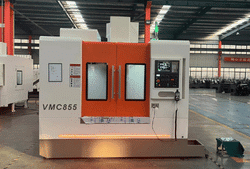





CNC vertical milling machines represent state-of-the-art manufacturing, offering unmatched precision and efficiency that enable them to thrive in rapidly changing industrial environments. Whatever it is—an elegant aerospace part or a thousand-piece production run of consumer items —a machine helps guarantee quality that surpasses all benchmarks and consistency. We will explore the various aspects of CNC vertical milling machines, including their operation, applications, and how they are revolutionizing the manufacturing industry. And by then, you will become deeply acquainted with their capabilities and applications, and appreciate them better in the manufacturing realm.
Benefits of CNC Vertical Milling Machines
- High Precision – The CNC vertical milling machines ensure high accuracy, allowing for the consistent production of small, intricate, and detailed components.
- Efficiency – The machines reduce the production time and processes by automating and minimizing any manual adjustments.
- Versatility – These machines are capable of working with a wide range of materials and complex designs, serving a diverse array of industries, including aerospace, automotive, and medical manufacturing.
- Cost-Effectiveness – By reducing material wastage and speeding up production, the overall manufacturing costs are reduced.
- User-Friendly Operation – The machines are easier to program and operate, thanks to advanced software systems and user-friendly interfaces, which increase productivity.
Precision Engineering with CNC Technology
CNC is the lifeblood of modern manufacturing, where precision is combined with automation to meet the contemporary demand for efficiency and innovation. Definitive proof from integrated systems and the real world has shown that CNC machinery consistently produces at a high-quality level, after which rare errors occur in manual work. Some further advanced features that industries working with CNC Technologies start integrating include AI-based predictive maintenance and real-time monitoring systems. These features enable manufacturers to reduce downtime, enhance workflow, and respond to global trends toward innovative and sustainable production processes.
Efficiency in Production Processes
Computer-integrated manufacturing of various types is seen as a significant opportunity for achieving greater efficiencies in production processes. There is an upsurge in the popularity of terms like smart manufacturing and AI in production. The spotlight is thus laid on improving productivity and reducing wastage. Industrial facilities are minimizing downtime and optimizing resource utilization through real-time monitoring and predictive maintenance. These measures reflect a growing demand for sustainability, where industries position themselves to address global challenges and maintain a competitive edge.
Cost-Effectiveness for Manufacturers
The cost-effectiveness of manufacturing is being increasingly influenced by the integration of AI, automation, and the Industrial Internet of Things (IIoT). AI-powered automation can reduce operational costs by 20 to 30 percent, depending on efficient resource allocation and minimizing system downtime. Predictive analytics help manufacturers prevent machine failure, thereby reducing repair costs and extending the equipment’s lifespan.
Real-time data sharing across systems is made possible by the application of IIoT, thereby enhancing supply chain efficiency and minimizing waste. Studies highlight how organizations using these technologies can reinvest the savings into innovation, which in turn makes them more competitive. Thus, by harnessing advances in technology with data-driven decision-making, manufacturers can stand to save significantly while meeting the growing expectations for sustainability and productivity.
Applications Across Various Industries
The Industrial Internet of Things (IIoT) has numerous applications across various industries, enabling them to build efficiencies and drive innovation.
- Manufacturing: The IIoT enables predictive maintenance, minimizing downtime and optimizing machinery performance.
- Healthcare: Connected devices improve patient monitoring and hospital operations.
- Agriculture: Smart sensors enable precision farming techniques that enhance crop yields and optimize resource utilization.
- Energy: IIoT manages the smart grid to facilitate the distribution and consumption of energy.
- Transportation: Real-time tracking and fleet management systems help optimize logistics and reduce costs.
These examples demonstrate that, across various industries, IIoT enhances productivity, reduces waste, and ultimately leads to the development of sustainable solutions for these industries.
CNC Vertical Milling in Automotive Manufacturing
Carving out precision automotive parts demands accuracy, efficiency, and minimal waste, all of which are achieved through CNC vertical milling in the automotive manufacturing process. In other words, CNC vertical milling is used to create automotive parts, such as engine blocks, transmission components, and specialized fixtures. The use of advanced CNC systems enables manufacturers to maintain tight tolerance levels and replicate a design repeatedly, which is a sine qua non in the automotive industry.
There is a growing interest in how CNC vertical milling supports sustainability initiatives in the automotive manufacturing industry. Aided by IIoT innovations such as real-time monitoring and predictive maintenance, CNC vertical milling enables manufacturers to cut materials, reduce energy consumption, and minimize downtime—all of which fosters productivity and establishes eco-friendly manufacturing practices increasingly demanded by the automotive industry.
Aerospace Industry Use Cases
CNC vertical milling is instrumental in the aerospace industry as it must promise precision and reliability while fabricating the highly complex parts that aircraft require. These machines shape lighter materials, such as aluminum and titanium, to reduce aircraft weight and improve fuel efficiency on the mountain top. By allowing the infusion of recent technology, such as real-time monitoring through an IIoT, manufacturers can ensure the reliability of processes while reducing rejection and energy consumption.
Furthermore, CNC vertical milling enables the fast prototyping and manufacturing of parts crucial to the aerospace industry, such as turbine blades, engine housings, and structural assemblies. This stands for serving the demand for innovation and accelerating the development of modern aircraft. With continuous growth in automation and data-driven decision-making, CNC vertical milling remains indispensable in meeting the rigorous safety and performance standards of the aerospace industry.
Electronics Manufacturing Solutions
With the presence of modern technologies in manufacturing, the electronics manufacturing industry has been streamlined on the client side and improved efficiency on the manufacturer side. Production techniques, such as surface-mount technology (SMT), assembly, and inspection using automated optical inspection (AOI), ensure that the components meet all performance requirements. The Industry 4.0 movement has supported electronics manufacturing, utilizing machine learning and real-time monitoring to enhance supply chain reliability and reduce downtime. These innovations address the growing demand for very tiny, highly performing handsets, wearable technology, and medical equipment. Combining advanced manufacturing with assured quality extends into electronics, providing solutions that support technological advancement and connect the world.
Comparison with Other Types of Milling Machines
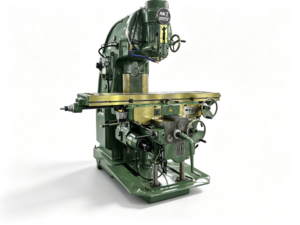
CNC milling machines, compared to conventional milling machines, are more accurate, embarrassingly automated, and versatile. A CNC milling machine, unlike an ordinary manual milling machine, performs operations with great accuracy and repeatability under computer control, thereby eliminating human error in the fabrication process. They also enable complex designs and intricate cutting, which would be difficult, if not impossible, to achieve using conventional milling methods. The multifunctional capabilities of CNC machines often combine the features of both vertical and horizontal machines, thus offering versatility and higher efficiency in machining. While manual machining is relatively cheap when compared to CNC for simple jobs, CNC becomes indispensable in industries where high rates of production and quality must be maintained.
Horizontal Milling vs. Vertical Milling
Horizontal milling machines are better for heavy-duty, deep cuts and multi-angle machining, while vertical milling machines are more versatile, cost-effective, and suitable for smaller, precise tasks.
|
Parameter |
Horizontal Milling |
Vertical Milling |
|---|---|---|
|
Spindle |
Horizontal |
Vertical |
|
Tool Geometry |
Short, thick |
Long, thin |
|
Cut Depth |
Deep |
Shallow |
|
Material Removal |
High |
Low |
|
Versatility |
Limited |
High |
|
Cost |
Expensive |
Affordable |
|
Chip Evacuation |
Efficient |
Less efficient |
|
Operator Skill |
Hard to find |
Easy to find |
|
Applications |
Heavy-duty, grooves |
Prototyping, engraving |
|
Space |
Large |
Compact |
Advantages of CNC Vertical over Horizontal Milling
- Lower Initial Cost
CNC vertical milling machines generally have a lower upfront purchase cost compared to horizontal machines, thus making them an affordable option for smaller enterprises or workshops looking to invest in CNC technology.
- Smaller Footprint
Vertical milling machines are often more compact in their design, occupying a smaller footprint in a given facility. Hence, in a workspace-limited situation, the smaller floor area becomes an added advantage.
- Ease of Operation
Due to their construction, vertical CNC machines are generally easier to set up and operate. In vertical machines, the workpiece is more accessible as it is placed vertically, making it easier to maintain or adjust during the milling process.
- Versatility in Applications
Vertical milling machines can perform a range of operations, including drilling, boring, and cutting, with minimal setup changes. These qualities render it a versatile choice for work that demands frequent mode changes.
- Enhanced Visibility of the Workpiece
By a vertical setting, operators can view the workpiece during machining operations, which improves accuracy and reduces the need for intervention time if processes require adjustments during machining.
Limitations of Vertical CNC Machines
- Limited Workpiece Size
Another area of performance for vertical CNC machines is the size of workpieces they can handle. Due to the vertical setting, a larger and firmer one may be ranked higher in setup steps; therefore, a different machine may be considered, which can affect efficiency.
- Reduced Cutting Capacity for Hard Materials
They may encounter difficulties when cutting tough materials, such as titanium or hardened steel—the vertical setup limits spindle power and stability, resulting in reduced efficiency and shortened tool life.
- Slower Material Removal Rates
Material removal rates for vertical machines are slower than those of their horizontal counterparts. This means an increase in the machining times required for large-scale jobs or high-volume production, further reducing overall productivity.
- Chip Removal Challenges
Because of its vertical position, it can cause chips to accumulate around the workpiece and cutting area. Such a condition will certainly obstruct the machining process and may require frequent cleaning to maintain a favorable situation or to prevent any damage.
- Less Suitable for Large Batch Production
Generally speaking, vertical machines are great for smaller batch production or even single work. Horizontal machines, on the other hand, leverage high-automation processes and fast cycle times, and are therefore considered more productive for large-batch work.
Maintenance Tips for CNC Vertical Milling Machines
- Regular Cleaning
Keep the machine clean from any chips, (foreign) debris, or coolant buildup. In the absence of such cleaning, the equipment may fail or critical components may get damaged owing to smooth operation.
- Lubrication Checks
Verify that moving elements are sufficiently lubricated to prevent wear, thereby extending the machine’s lifespan. Lubricate according to the manufacturer’s recommendations for the specified intervals.
- Monitor Tool Wear
Check tools regularly and replace worn-out tools to maintain accuracy and prevent damage to the workpiece or spindle.
- Inspect Belts and Gears
Inspect belts and gears for signs of wear, tear, or damage. Change them if necessary to ensure steady performance.
- Calibrate Periodically
Calibration should be performed periodically to ensure the machine consistently produces accurate results. Therefore, good alignment and calibration are the basics of quality machining.
- Examine the Coolant System
Check on the coolant levels and filters at regular intervals. Periodically clean and flush the cooling system to avoid clogging and ensure thorough cooling.
Strict and close adherence to all recommended maintenance procedures will keep the CNC vertical milling machines functioning at their peak and ensure a long operational life.
Regular Cleaning Protocols
A smooth and uniform cleaning regimen is indispensable to ascertain the longevity of CNC vertical milling machines and guarantee their best operational status. To begin with, cleanup operations should include chips and debris on the machine surfaces and work area after the machine has been put into use. Use a small soft brush or an industrial vacuum; micro-scratches or particulate matter deposition should be avoided at all costs. Clean the spindle and chuck of the machine with care to prevent contamination that may compromise machining accuracy. Wipe surfaces with lint-free cloths and solvents approved by the machine manufacturer to remove grease and other residues. Ensure that you clean the vents and fans as well, so that dust cannot block them, leading to overheating.
Integrating these cleaning steps into the daily regime will drastically reduce wear and tear as well as contribute to enhanced reliability and precision of the machines over time.
Lubrication Techniques for Longevity
Proper lubrication is crucial for smooth operation and the extended lifespan of machinery. The decision on which lubricant to use in any particular machine part is the first step in reducing friction and wear, and maintaining full efficiency. Manufacturers generally recommend the use of high-quality lubricants, which are specifically tailored to the application being considered: synthetic oils for high-temperature environments, and greases for heavy-duty parts. Equally important is adherence to a good lubrication schedule; over-lubrication generates heat, while under-lubrication causes early failure.
The latest trends, according to data studies, show that automated lubrication systems are increasingly becoming quite popular, thereby making applications safer, reducing human error, and saving considerable time. Other benefits would be optimal use of lubricant and the highest assurance of performance. Ensuring regular inspections of seals, bearings, and other critical components for leaks or excessive lubricant accumulation is also a valid condition for further reliability. By combining best practices with emerging technologies, operators can considerably increase the life of their machines, resulting in significantly reduced downtime and maintenance costs.
Importance of Software Updates
Software updates act as a vital means for securing the functionality, protection, and performance of digital systems. They mediate troublesome patches with vulnerabilities, allowing devices to shield themselves from malware and cyber-attacks. Fittingly, many users become victims of security threats owing to new exposures in malicious attacks, with them preferring not to update their software. Furthermore, updates typically also introduce new features and improvements that enhance user experience, optimize compatibility with newer technologies, and increase overall efficiency. If you’re concerned about the security of your data against impending threats while aiming to unlock the full potential of your device, then you should be aware of software updates.
Factors to Consider When Purchasing a CNC Vertical Milling Machine
- Machine Size and Work Area
Ensure that the size of the machine and table capacity correspond to the further dimensions and weight typically used in standard projects. Larger work areas may be necessary, especially for hefty components.
- Precision and Accuracy
Determine whether the machine can operate within tight tolerances, thereby providing consistent accuracy. Look for teams of excellent quality with features such as rigid construction that will provide better precision.
- Control System
Consider the ease of use and capabilities of the control system. Less complex control systems will require less training, thus increasing the operator’s efficiency.
- Spindle Speed and Power
The spindle speed and power should be selected based on the material you wish to work with.
- Maintenance Requirements
Lower maintenance, with spare parts and many interchangeable components readily available, results in less downtime and the lowest possible operating costs.
- Cost and Budget
Balance your budget with the present machine’s features so that you can invest in a machine that will meet your current needs and possibly even future requirements.
Budget Considerations
My purchasing process begins with budgeting according to the features I believe the machine should have. I appreciate options that offer a good balance between initial cost and operating cost, efficiency, and reliability. In this respect, I consider possible future upgrades that might arise if I want to add new features, should my requirements change.
Specific Manufacturing Needs and Applications
To meet a particular manufacturing demand satisfactorily, the primary needs and applications must be listed systematically. Here is the detailed description of the five primary considerations:
- Production Volume
-
- Details: Determine the expected production volume, batch sizes, and frequency of production runs.
- Data: Monthly production estimate: 10,000 units; peak capacity requirement: 15,000 units.
- Material Compatibility
-
- Details: The machine and its processes must support the manufacturing of materials, including metals, plastics, and composites.
- Data: Example materials: aluminum, ABS plastic, and stainless steel.
- Precision and Tolerances
-
- Details: The tolerances for the parts must be determined to reflect the required accuracy.
- Data: Tolerance: +/- 0.01mm critical component.
- Cycle Time Efficiency
-
- Details: The time required to complete manufacturing cycles must be examined to achieve optimal throughput.
- Data: Cycle time: 5 minutes per unit.
- Integration with Other Systems
-
- Details: Relevant technology must be compatible with automation systems.
- Data: Example: CAD software compatibility and real-time IoT monitoring setup.
Size and Compatibility with Existing Systems
The interplay between physical dimensions and technical requirements is one that directly concerns determining proper sizing and compatibility of a system. Upon receiving the system, it must match the existing pieces of equipment, ensuring no disruption from design to workflow. With instant IoT monitoring systems and CAD software compatibility being the new standard, it is clear that the new system must support these platforms. Approximately 70 percent of manufacturing plants report efficiency improvements when they ensure their systems are fully compatible with automated and digital monitoring platforms. This highlights the importance of maintaining integration and adaptability to new technologies to ensure long-term operational success.
Reference Sources
-
Design and Structural Analysis of CNC Vertical Milling Machine Bed
Read the paper on Academia.edu -
Design and Analysis of a Small-Scale Cost-Effective CNC Milling Machine
Access the thesis on IDEALS (University of Illinois) -
Design and Fabrication of a Portable CNC Milling Machine
View the document on Academia.edu - Top CNC Vertical Milling Machine Suppliers in China
Frequently Asked Questions (FAQs)
Q: What is a CNC vertical milling machine?
A: A CNC vertical milling machine is a type of machine tool that uses computerized controls to drive the machining process. It features a vertical spindle that holds the cutting tool, allowing for precision milling of various materials. These machines are commonly used in manufacturing for producing complex parts and high-precision components.
Q: How does a vertical machining center differ from a horizontal machining center?
A: A vertical machining center (VMC) has a vertically oriented spindle, while a horizontal machining center (HMC) features a horizontally oriented spindle. VMCs are typically favored for their versatility in handling a wide range of machining applications. They are ideal for machining intricate geometries, whereas HMCs are preferred for large workpieces and high-volume production due to their efficient chip removal.
Q: What are the advantages of using a 5-axis CNC machine?
A: A 5-axis CNC machine offers significant advantages over traditional 3-axis machines, including the ability to machine complex parts with intricate geometries. With simultaneous machining on multiple axes, a 5-axis machine can reduce setup times and enhance precision, making it ideal for high-speed machining and producing high-precision parts.
Q: What is the role of automation in vertical CNC milling machines?
A: Automation enhances the efficiency and productivity of vertical CNC milling machines by incorporating features such as tool changers and automatic workpiece loading. This enables continuous operation and reduces the need for manual intervention, thereby optimizing cycle times and throughput in machining processes.
Q: What types of materials can be machined using CNC milling machines?
A: CNC milling machines can handle a wide range of materials, including metals like aluminum, steel, and titanium, as well as plastics and composites. The choice of cutting tools and milling heads is crucial for achieving optimal results based on the material being machined.
Q: How do I choose the right CNC vertical machining center for my machine shop?
A: Choosing the right CNC vertical machining center involves considering factors such as the size of the workpieces, the complexity of the parts to be machined, desired precision, and budget. It’s essential to evaluate the machine’s vertical milling capabilities, spindle speed, and the type of control system, such as Fanuc or Haas, to ensure it meets your machining needs.
Q: What are the typical applications for CNC vertical milling machines?
A: CNC vertical milling machines are utilized across various industries for applications such as aerospace component manufacturing, automotive part production, and creating precision molds. Their versatility allows them to perform a wide range of machining operations, making them suitable for both prototype development and large-scale production runs.
Q: Can I find used vertical milling machines for sale?
A: Yes, many platforms and machine tool manufacturers offer used vertical milling machines for sale. Purchasing a used machine can be a cost-effective solution for machine shops looking to expand their capabilities without the investment of a new machine. It’s essential to verify the machine’s condition and performance history before making a purchase.