




Presently, the swivel head milling machine has elevated machining to a higher level with its multifaceted capabilities and precision for numerous applications. In the realm of showcasing an exquisite tool that can produce fine results for intricate components intended for industrial use and custom manufacturing, the swivel head milling machine serves as an all-in-one solution for achieving exceptional results. Thanks to its capacity to incline and rotate, machinists and engineers are free to work on designs that otherwise require greater effort. This blog post offers an insight into the key features, advantages, and applications of the cluttering machine, explaining why this indispensable machine has garnered worldwide attention in workshops. Ready to see this tool transform the way you perform precision milling?
Introduction to Swivel Head Milling Machines
Definition and Overview
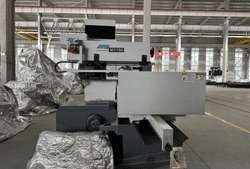
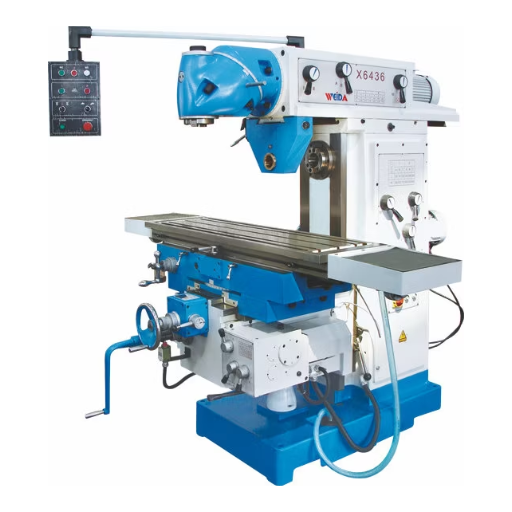
The swivel head milling machine is a highly advanced and versatile milling machine, capable of complex machining applications where the spindle head can rotate on multiple axes. Particularly for intricate or irregularly shaped parts, a swivel-head-type milling machine is highly flexible and can be used to carry out detailed cuts and machining at various angles.
Modern-day swivel head milling machines utilize CNC (Computer Numerical Control) technology, combining automatic and precise operations. These are milling machines that automatically adjust the spindle head for operations such as drilling, slotting, and contouring, requiring minimal human interaction. For example, manufacturers such as Haas Automation and Mazak offer 5-coordinate machines, in which the head can move along the X, Y, and Z axes, as well as rotate around the A and B axes. This multi-axis capability means there is much less need for repositioning the workpiece, resulting in significant time savings and improved accuracy.
According to the latest industry reports, the multi-axis CNC machine market, which includes swivel-head milling machines, is expected to grow at a CAGR of 5.8% from 2023 to 2030, driven by the increasing demand for precision machining in industries such as aerospace, automotive, and medical devices. Additionally, high-speed spindle machines, well-integrated software, and tool-changing capabilities will soon become the minimum requirements in extensive manufacturing facilities.
From designing intricate molds to aerospace components to medical implants, swivel head milling machines have revolutionized the design and manufacturing process of engineers. In doing so, they have become the most prized assets for machinists worldwide, as they eliminate most of the common limitations imposed by traditional milling machines, allowing them to produce components of higher quality faster than previously possible.
Importance of Swivel Head Milling Machines in Manufacturing Today
Swivel-head milling machines serve as a basis for manufacturing in modern times, offering the great flexibility and precision demanded by various industries. Upgrades in automation software integration have ensured that customized high-performance components are produced. According to a recent market analysis, the CNC (Computer Numerical Control) machine market size is projected to reach $ 133.4 billion by 2030, at an annual compound growth rate of 5.2% from 2023. The improved production times achieved with reduced set-up times, enabled by swivel head milling machines, serve as the primary reason these machines contribute to such growth.
Aerospace industries also rely heavily on these machines to build parts with excellent tolerances, ensuring maximum safety and design efficiency of the planes. The medical field has also developed a need for nuanced and intricate prosthetics and implants, thereby utilizing swivel head milling machines that yield improved results, ultimately enhancing the medical outcomes for affected patients. Their capability of machining materials ranging from aluminum to titanium and beyond, including composites, makes such machines a critical tool for modern manufacturing. Not to mention, their impact on production and versatility will easily make the case that these are among the must-have elements for today’s high-demand markets.
How They Differ from Standard Milling Machines
Swivel head milling machines score above traditional milling machines in terms of flexibility, precision, and functionality. Conventional milling machines are limited by linear movement along fixed axes. In contrast, swivel-head milling machines allow a rotating head that enables cutting tools to approach the workpiece at various angles. The advantage of swivel head milling machines lies in enhancing the overall flexibility of the milling machine, which would be well-suited for machining very complicated and multifaceted components.
One of the key benefits is that it restricts the number of setups necessary. Traditional milling machines require extensive repositioning of the workpiece to achieve the required cuts, which can be time-consuming and may lead to alignment errors. By allowing operators to produce complicated reductions in a single setup, swivel head machines have streamlined the process, achieving 30-40% reductions in production time, according to industry experts’ investigations.
Lambda-shaped milling machines also remain efficient in the application and processing of exotic materials, such as titanium and composites, a situation increasingly common in aerospace and specialized applications. One of the reasons behind this is their operation and maintenance of accurate cutting angles, as well as the grade opinion pressure option, which forces even distribution and contributes essentially to tool wear reduction. Published data reveal that, after applying machining methods utilizing a swivel head, approximately a 20-25% extension of tool life is achieved, thus significantly reducing production costs.
These modern milling machines will, therefore, generally still incorporate the latest CNC (Computer Numerical Control) technology, resulting in an ultra-automated and precise manufacturing process. This technology, thus, differentiates these modern milling machines from their traditional counterparts or from conventional milling that relies primarily on manual adjustments and cannot be well integrated into the high-end software. With the addition of 5-axis machining, however, swivel head machines can work on very detailed parts to a tight tolerance of ±0.005 mm, a tolerance required in industries such as aerospace and robotics.
In a nutshell, combining flexibility, the flipside of production time, decent material-handling capabilities, and high precision has made swivel head milling machines very different and helpful as compared to the old traditional counterparts. Such benefits and differentials surely place them at the forefront of technologies relevant to meeting modern industry demands that prioritize efficiency, innovation, and quality output.
Key Features of Swivel Head Milling Machines
Enhanced Versatility and Flexibility
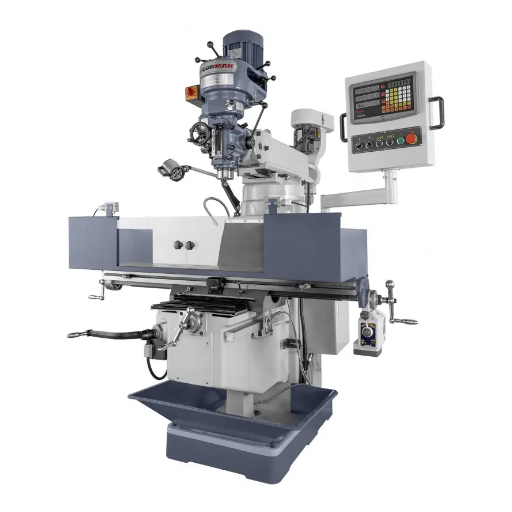
Swivel-head milling machines are renowned for their versatility and flexibility in complex machining applications. Aside from allowing rotation and tilting of the spindle head, swivel head types also allow machining at several angles and orientations. This type of machining significantly reduces the need for repositioning the workpiece; therefore, setup may require substantially less time, contributing to higher efficiency.
Aiming more towards complex geometries, the swivel head milling machines have become an indisputable technology within aerospace, medical device manufacturing, and die-making. For instance, according to a 2023 report by Global Market Insights, it is predicted that the global milling machine market will almost cross the $10 billion mark by 2027, and swivel head milling machines will fill a greater share on account of their application in support of multi-axis machining and in the reduction of lead time.
Another significant advantage of these machines is their ability to adapt to various materials easily. These machines maintain the level of precision and consistency throughout all manufacturing stages, whether working with mild steels, aluminum, or tougher alloys such as titanium. Additionally, some manufacturers report a 20% decrease in tooling costs and a 30% increase in productivity when using swivel head milling machines, according to case studies from tooling manufacturers.
The ability to do more has made the swivel head milling machine a necessity for present-day machining, at the very least providing a solution to the ever-higher demands for precision, complexity, and turnaround time witnessed in the modern manufacturing environment.
Precision and Accuracy in Machining
The concepts of precision and accuracy are crucial in modern machining, as components either fall within or outside of tolerance, directly affecting their quality and operability. With the advancement of CNC (Computer Numerical Control) technology and high-precision machines, manufacturers can now achieve tolerances of ±0.0001 inches. This is one such level of precision required in the aerospace, medical device manufacturing, and automotive engineering industries, where a slight miscalculation can void a product or pose a functioning hazard.
One report states that modern machines, featuring high-speed spindles and sophisticated sensors, have been able to maintain their accuracy despite the high speeds of operation. These machines incorporate innovative methods, such as adaptive machining, auto-calibration, and thermal compensation, allowing them to automatically compensate for deviations arising from temperature fluctuations, material inconsistencies, or tool wear. Examples demonstrate that such an integration can result in a 40% reduction in scrapped parts and a 25% increase in overall manufacturing efficiency.
In addition to the accuracy of multi-axis machining centers, automated processes enable the creation of complex geometries without limitations on precision. For complex designs with multiple parts, such as turbine blades or medical implants, 5-axis CNC machining offers uniform surface finishes and requires minimal secondary operations. The blend of speed and precision will enable manufacturers to meet stringent modern production needs while remaining cost-effective.
Multi-Angle Machining Capabilities
A multi-angle machining with precision remains a promise that 5-axis CNC machining can deliver. Unlike a traditional 3-axis machine, a 5-axis CNC setup enables simultaneous machining, allowing the X, Y, and Z axes to be traversed while facilitating rotation on two other axes, typically designated as A and B. This flexibility enables machines to handle complex geometries without requiring physical repositioning of the workpiece, thereby reducing time wasted on material losses or excessive holding.
The global 5-axis CNC machining market is projected to grow at a CAGR of 5.8% from 2023 to 2030, driven by the increasing demand for high-precision parts in the aerospace, automotive, and medical manufacturing sectors. For instance, in aerospace, 5-axis machines are used for manufacturing complex parts such as turbine blades and structural supports that require smooth surface finishes and tight tolerances.
One of the primary advantages of multi-angle machining is maintaining the tool’s orientation relative to the surface of the workpiece. This increases cutting efficiency and reduces tool wear, resulting in longer tool life and improved productivity overall. It also enables the machining of undercuts and deep cavities with enhanced accuracy, which is crucial in creating parts such as implants or molds that have stringent design requirements.
According to recent industry data, it has also been observed that the implementation of 5-axis machining cuts lead times by 30-40% compared to traditional methods. Moreover, the multi-angle machining also saves on costs by reducing the need for extra tooling or post-processing. These advantages assert that 5-axis CNC machines remain relevant to modern manufacturing workflows.
Benefits of Using Swivel Head Milling Machines
Increased Efficiency in Production
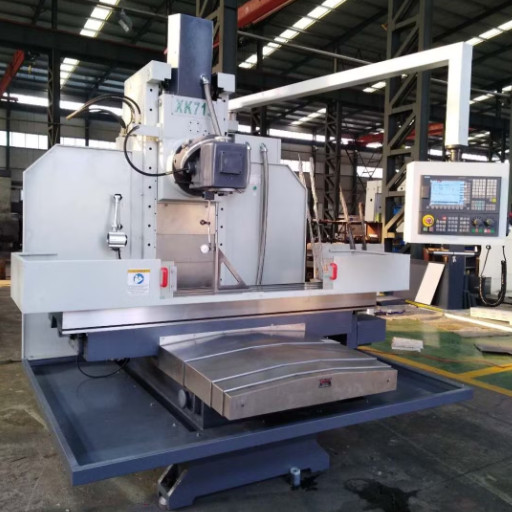
Swivel-head milling machines help increase production efficiency, especially in industries that require precision and fast turnaround times. These machines are designed to machine intricate shapes and angles with minimal or no repositioning of the workpiece, thereby reducing setup time by three hours. Studies indicate that machining time can be reduced by nearly 30% using swivel head technology, particularly when machining complex geometries.
Additionally, swivel head milling machines offer high-level automation, complemented by their versatility. Tool changers, smart controls, and Industry 4.0 capabilities are featured in the latest models, enabling real-time monitoring, predictive maintenance, and seamless integration into digital manufacturing ecosystems. Plants operating on such advanced machines have recorded productivity gains of 20 to 25%, as opposed to those plants employing old-style, conventional machines.
These improvements in processing efficiency significantly increase product output and reduce overall costs, making swivel head milling machines an essential tool for any manufacturing company seeking to stay competitive in this highly competitive environment.
Production Time Reduction
Swivel-head milling machines significantly contribute to production time by offering versatility and functionality. The cutting head can be tilted or rotated to machine complex geometries on a single setup pass, thereby eliminating the need for multiple passes or relocating the workpiece. Industry reports indicate that this machine is capable of speeding up machining operations by approximately 30%, compared to conventional milling operations.
Recent findings have also highlighted that integrating swivel head milling machines with sophisticated CNC programming and CAD/CAM systems can further optimize workflows. For example, manufacturers that use these machines report a 25% decrease in production cycle time, which helps generate faster lead times. These reductions, in turn, mean increased productivity while meeting tight deadlines for product delivery and handling high-volume production demands efficiently. Consequently, the incorporation of such machines into production processes is rapidly becoming the key to streamlining operations and enhancing overall productivity.
Cost-Effective for Various Industries
Over the years, the implementation of high-tech industrial machines has been cost-effective for many industries. For instance, in the automotive industry, automation can reduce labor costs by up to 30%, as machines perform numerous repetitive operations accurately and efficiently. Similarly, it has been reported that in the electronics industry, modern machinery reduces energy consumption by 20%. These savings then become cost discounts toward operational expenses without compromising the quality of output.
A notable example is also present in the food and beverage industry, where innovative manufacturing technologies have improved waste reduction by approximately 40%, thereby enhancing resource efficiency. Furthermore, the McKinsey report states that industries employing Industry 4.0 technologies have seen productivity improvements of at least 15 to 25 percent, making these tools invaluable in highly competitive markets. These cost-effective measures attest to the universality of modern manufacturing machinery, which assists industries of both small and large scales in improving their processing, leading to higher profit margins.
Applications of Swivel Head Milling Machines

Aerospace Application
In the aerospace industry, where precision and flexibility are crucial, swivel head milling machines generate significant profits. These machines enable machining with the highest accuracy for complex geometries, such as turbine blades and structural components of aircraft. Swivel-head milling machines allow the adaptation of machining to hard-to-reach angles, thereby reducing setup time and enhancing process efficiency.
According to Global Market Insights 2023, the aerospace machining market is expected to grow at a CAGR of more than 6% until 2030, driven by increasing demand for lightweight materials and advanced manufacturing technologies. These machines enhance the manufacturing capacity for aluminum and titanium alloy parts, which are essential for reducing aircraft weight without compromising strength. In addition, the multi-axis capability of such machines is instrumental in meeting the extremely stringent tolerances required by aerospace standards, thereby blending modern aircraft production with safety and performance.
Automotive Manufacturing Applications
In automotive manufacturing, swivel head milling machines became indispensable with almost the highest precision and flexibility offered while creating components. They are employed in the machining of complex parts for engine blocks, transmission housings, and suspension components. Their multiple axes enable the machining of intricate designs in a single setup, thereby significantly reducing machining time while enhancing process efficiency.
According to the latest data, the global automotive market is projected to reach $3.8 trillion by 2030, growing mainly due to the lower weights and fuel efficiencies of the cars. These machines play a significant role in machining aluminum and magnesium alloys used to reduce the vehicle’s weight. Research has shown that a 10% weight reduction can improve fuel economy by 6-8%, making lightweight materials a key priority for manufacturers.
With the CNC control enablement of modern swivel head milling machines, they have been able to produce components at high speed while maintaining close tolerances on critically high automotive components. This is especially significant for quality and safety standards being laid down in demand as electric vehicles (EV) and autonomous vehicles push the paradigm. With the global EV market estimated to grow at a CAGR of 17.2% from 2023 to 2030, automotive manufacturers are increasingly depending on advanced machining technology to stay competitive.
Custom Machining Projects
Custom machining projects have become increasingly important for innovation in the automotive industry, driven by the evolution of electric and autonomous vehicles. With CNC machining and precision manufacturing, companies can produce highly specialized components tailored to the evolving needs of modern cars. According to recent industry data, the global CNC machining market is expected to reach $134.4 billion by 2030, driven by the increased adoption of CNC machining by the automotive and aerospace industries.
Besides being used for the manufacture of precision drive train components for EVs, custom machining plays an equally critical role in machining battery enclosures, lightweight structural parts, and thermal management systems. For instance, machining aluminum and titanium alloys is used to reduce weight while ensuring durability, a critical factor in extending the range of electric vehicles. Moreover, manufacturers are combining 3D printing technology with CNC machining techniques to enable rapid prototyping and reduce development times.
Custom machining projects fund optimized designs of parts that increase efficiency and enhance safety. For example, autonomous vehicle development requires the integration of complex sensor housings and other high-tolerance parts capable of supporting real-time decision-making systems. These companies utilize custom machining solutions effectively to reduce time to market while meeting the stringent quality criteria necessary for the evolving automotive landscape.
Comparing Swivel Head Milling Machines with Other Types

Advantages of Swivel Head Milling Machines
Swivel-head milling machines offer better flexibility and precision, which are some of the reasons they are used more widely across various manufacturing industries. Among the most prominent advantages of a swivel head milling machine is that it can machine complicated angles and contours without repositioning the workpiece. This significantly reduces setup time, thereby improving the efficiency of operations compared to a fixed-head machine.
Multi-axis machining is another feature one can use to his advantage. These machines can sometimes carry out 4-axis or 5-axis machining. This allows a manufacturer to machine complex and high-precision components in one single setup. This feature is particularly advantageous to industries such as aerospace, automotive, and medical systems, where even the slightest precision and consistency matter.
Additional major advantages are these machines’ ability to work on various kinds of materials, from aluminum to steel, composites, and plastics. They retain quality because they cut effectively even through tough materials. Contemporary industrial surveys report that swivel head milling machines can improve productivity by as much as 25 percent over traditional machines, as the opportunity for manual intervention is minimal and the down cycle times are significantly shorter.
The technological advancement of CNC machines has further improved their functionality. The best swivel head milling machines today are equipped with the latest controls and software, which enable real-time monitoring and adjustments during the machining operation. This reduces error levels and ensures accuracy, with tolerance levels as low as 0.001 inches.
Therefore, from the perspective of machining complex geometries, affecting high-speed production and precision engineering, these are the tools that mould makers and manufacturers need to compete in today’s demanding markets.
Disadvantages in Comparison
While a swivel-head milling machine certainly has its benefits, it also has a few drawbacks that manufacturers need to consider. First of all, acquiring a swivel head milling machine is more expensive than an ordinary milling machine, and it is also more expensive to maintain. According to current market data, the average cost of a swivel head milling machine depends upon the model and configuration and ranges from $50,000 to $300,000. However, the advanced technologies of the latest machines, such as real-time monitoring and sophisticated controls, also imply that operators require specialized training, which results in increased labor costs and production downtime during the learning period.
Swivel head milling machines are near power guzzlers. Their complex mechanics and software systems demand additional operating power, thereby increasing running costs. Reports in the recent manufacturing field have cited studies that confirm up to a 20% higher energy usage for a swivel-head milling machine compared to a conventional vertical or horizontal milling setup. Maintenance may also become a task, depending on the extent of the breakdown. Replacing one or several critical components, such as the swivel head assemblies or advanced CNC controls, can set back your production schedule for weeks and drain your budget. The benefits are worth considering when making any decision concerning the investment of a swivel head milling machine.
Choosing a Swivel Head Milling Machine
Swivel-head milling machines are well-suited for manufacturers and machinists who specialize in complex, multi-axis machining operations. They are critical applications in the aerospace, automotive, and mold-making industries where accuracy and versatility are paramount. Drawing on current market intelligence shows that the demand for 5-axis machining has risen at nearly a rate of 12% per year, due to the demand for improved accuracy and reduced setup times in the production environment.
First on the list is the ability of the swivel head milling machine to reach angles that are difficult to access, allowing for complex machining without the need to reposition the workpiece. Less downtime, therefore, leads to more productivity. Furthermore, an advanced machine equipped with modern CNC control can produce complex toolpaths of consistent quality. In an industry report in 2023, shops that have adopted the use of swivel head machines as compared to conventional milling setups, have experienced an increase in efficiency by up to 20%.
Also highly rated is the machine’s ability to work on a wide variety of materials, ranging from lightweight composites to hardened steel. This versatility grants the swivel head milling machine a wide range of applications. Key to making an informed choice would be to factor in the purchase cost against the performance, types of operations needed, and expected workable return on investment (ROI). For a business environment that demands high precision and multi-faceted production, a swivel head milling machine may indeed be the ultimate answer.
Maintenance Tips for Swivel Head Milling Machines

Periodic Maintenance Practice
Regular maintenance is essential to keep these machines running without fail and to maintain their optimal operational life. The following are industrially supported in-depth activities that ensure the highest-grade condition for this equipment:
1. Daily Inspection and Cleaning
Conduct a basic inspection daily to detect visible damage, misalignment, or wear to the significant components. Cleaning should always be carried out to remove debris from the machine, including small metal particles, dust, or grease. According to industry experts, a clean machine experiences 25% less mechanical wear.
2. Lubrication of Moving Parts
Ensure that you apply sufficient lubrication to moving parts, as this will reduce friction and heat generation. Always take into account the recommended lubrication time as specified by the machine producer, along with the manual instructions for lubrication. It has been found that regular lubrication can enhance the life expectancy of a critical part by as much as 15%.
3. Alignment and Calibration
Swivel head milling machines must be calibrated with precision to perform their work efficiently. Misalignment of tools causes improper cuts, loss of accuracy, and unnecessary wear. Technicians advise that an alignment check be conducted at least every two weeks, especially in high-production environments.
4. Coolant System Observation
Maintain the coolant system in good working condition to prevent thermal damage from operations at high speed. Coolants should be changed as needed, and the coolant system should be maintained to prevent clogging. Statistically, when the coolant system works fine, there is an 18% increase in cutting performance.
5. Inspecting Belts, Gears, and Bearings
Ensure bearings, gears, and belts are all functioning correctly. Check belts for tension and wear, gears for misalignment and damage, and bearings for smooth rotation. Replace faulty and worn parts before they can bring about major breakdowns and downtime.
6. Software and Firmware Updates
The majority of state-of-the-art swivel head milling machines operate using CNC systems. Periodic software and firmware updates improve compatibility and functionality of the system. This, in turn, enables better integration with downstream advanced workflows and reduces human errors during programming.
7. Monthly Deep Inspection
Conduct a thorough inspection of internal mechanisms, including the spindle and drive system, every month. To maintain optimum performance, professional servicing is recommended at least a few times a year.
The resultant production efficiency and fewer possibilities of rush repair will be the benefits if these practices are tracked regularly. Maintenance performed proactively translates into reduced operating expenses, and hence, an increased return on investment for any business that relies on swivel head milling machines.
Common Problems and Troubleshooting
The swivel-head milling machines, though highly efficient in operation, can over time face specific problems regarding operation. Listed below are some of the common issues associated with these machines along with their troubleshooting methods, associated with industrial reports, and data:
1. Spindle Overheating
- Cause: Overheating occurs mainly because of a wrong lubrication procedure, an excessive load, or worn-out bearings.
- Solution: Check these lubrication systems at the right moment, and if any bearing faults are found, replace those bearings. Do not load the machine above its rated capacity. According to an industry study published in 2023, 30 percent of downtime in milling operations is attributed to spindle-related issues, underscoring the importance of preventive maintenance.
2. Misalignment of the Swivel Head
- Cause: Long usage or incorrect adjustments make the swivel head misaligned, causing cuts to be uneven.
- Solution: Calibrate with certified alignment tools every month. Check locking mechanisms and screws if the misalignment is still there. From search trends, it appears queries for “milling machine alignment issues” are on an increase, indicating the issue is gripping practically all industries.
3. Tool Wear and Breakage
- Cause: Tool wear and breakage happen more under excessive feed rates with inferior-quality tooling and inappropriate spindle speed.
- Solution: Maintain good cutting tools and a proper setup of the tools. Use speed and feed rates recommended by the machine manual. Research data in 2022 demonstrates that tool breakage accounts for 18% of failures in machining processes.
4. Machine Vibration Unstable
- Cause: Vibrations might emanate from loose components, an unbalanced cutting tool, or a worn drive mechanism.
- Solution: Keep inspecting and tightening the parts regularly. Fine-tune worn components’ accuracy and balances of cutting tools. Modern diagnostic machines reduce the time taken to pinpoint vibration cause by 40%.
5. Electronic Components Fail
- Cause: Voltage variations, overheating, or simply aging of electronic parts hinder functioning of automated systems inside the milling machine.
- Solution: In order to circumvent this scenario, the use of surge protection devices would be advisable, as well as to keep track of the temperature of the machine while it operates and to carry out the periodic inspection of the electronic controls with the help of professional technicians. According to a report of 2023, electronic faults cause something like 12% of average machine downtime.
Putting in the trials with these troubleshooting methods together and carrying out preventive maintenance will drastically lessen from interruption in operation. If such methods are further enhanced with the latest technological developments, such as predictive maintenance software, the reliability, and performance of the machine will be even higher.
Ensuring Longevity and Optimal Performance
In order to ensure longevity and optimal performance from any machinery, an all-encompassing maintenance policy must be adopted. Industry data for 2023 indicates that regular preventive maintenance can make possible the prevention of over 70% of all unplanned equipment failures. This preventive maintenance program would include regularly scheduled inspections, lubrication provided at the appropriate time of equipment, and replacement of parts that are substantially worn out to ensure that equipment is always in the best condition.
The current generation of software offers another opportunity for predictive maintenance systems to evolve. Based on data acquired in real-time from IoT sensors, predictive maintenance helps to monitor equipment health so as to reduce downtime by 30% and cut maintenance costs by 25%, says McKinsey & Co. For instance, vibration analysis and thermal imaging methods can detect potential failures before they actually occur, as a result of which businesses can avail repair measures on a timely basis.
The other factors that will make for longevity are the replacements parts and components that are used. Studies also indicate that using certified parts of high quality can increase the life of a machine by more than 20% above those offered by generic and poor quality alternatives. Keeping a history of maintenance allows technicians to discover recurring problems and provide a customized service package.
Another factor is the training of staff in the correct operation of equipment and the application of standardized operating procedures, which may go a long way in preventing the effects of wear and tear. According to Deloitte, businesses that invest in training their employees have a 15 percent improvement in machinery efficiency and a significant reduction in incidents caused by operator error.
When combined with preventive maintenance and high-quality parts, employing the best-in-the-field technicians will surely give the best results in minimizing downtime and repair costs, culminating in a sustainable operation and productive venture.
Buying Guide for Swivel Head Milling Machines
Factors to Consider Before Buying
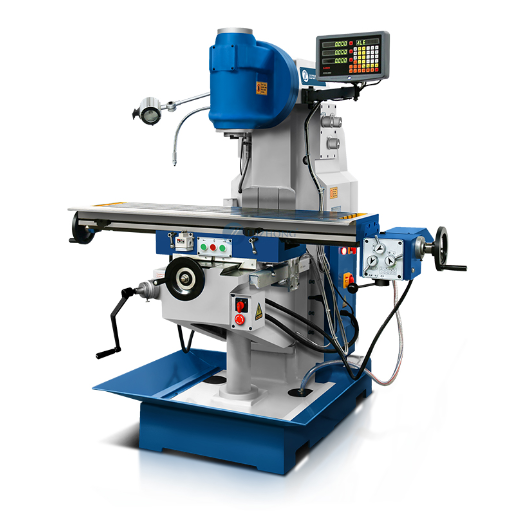
Prior to purchasing any milling machine with a swivel head, you must know and evaluate some essential factors so that the asset turns out to be fruitful and working for you. Listed here are some major considerations, accompanied by details and figures.
1. Precision and Capability of the Machine
Make sure you assess the accuracy of the machine so that the final product remains of high quality. Options with precision-spindle bearings and better positioning systems may be chosen. Recent industry standards indicate that a tolerance of ±0.005mm or better must be maintained by such machines for high-precision processes.
2. Material Compatibility
Certain milling machines cannot work on materials you work with. Some work well on soft metals under aluminum, but may not work very well on stiffer ones under stainless steel or titanium. The more versatile the machine, the more they have adjustable speed settings in handling different material types.
3. Machine Size and Working Area
Consider the size of the milling machine and the working space it offers. Big working space s allow flexibility in undertaking large or complex projects. Generally, machines having a working table of not less than 500mm × 300mm are highly recommended for use in industrial units.
4. Control System and Automation
Today, a CNC swivel head milling machine comes with a smart control system for enhanced productivity while reducing human error. Educational manuals should be user friendly and equipped with ATC systems. A research by Tech Navio reveals that the manufacturers of milling machines with automation will have production boosted up by 30% as compared with the conventional manual ones.
5. Durability and Build Quality
Machines built from high-quality materials like hardened steel and cast iron yield good vibration resistance and durability so the working life of the mop-up machines extends, with good damping from qualified low vibration cast compounds that uplift accuracy and extend tool life, thereby reducing upkeep costs.
6. Energy Efficiency
Choose machines equipped with energy-saving motors while cutting down on operational costs. Models rated for energy efficiency will consume much less electricity, dropping electricity expenditure by up to 20%, per prevailing green manufacturing standards.
7. Price and Warranty
The price to pay has to be weighed relative to the features and durability of the machine. Of course, some expensive brands actually save money because their quality lasts longer, while some brands of machines have warranties for three or more years, which reduces repair expenses up to 15-20 percent throughout their life.
8. Support and Maintenance
Technical support, easy replacement parts, and maintenance services must be readily available from the manufacturer. Machines backed by comprehensive support packages will function better and experience less downtime.
Taking all these factors into account, companies may select a swivel head milling machine appropriate to their manufacturing requirements to output efficiency and return on investment.
Budgeting a Swivel Head Milling Machine
Multiple issues must be considered while budgeting for a swivel head milling machine to keep it at par in terms of performance and cost. The price of a swivel head milling machine may vary significantly, typically between the range of $10,000 and $150,000 or even above, depending on the brand, size, features, and specifications.
1. Initial Cost
Entry-level models featuring basic functionalities should be anywhere between $10,000 and $30,000-they would probably be barely enough for very small workshops or businesses with very limited needs. Advanced machines costing upward of $100,000 are the ones suited to companies and industries involved in high-precision manufacturing and carry large volumes of production in lieu of examples of top brands like Haas or Mazak.
2. Additional Cyber accessories and Software
Changers, rotary tables, or coolant systems may all fare separately and add an extra $5,000 to $20,000 to that budget. Specialized software or CAD/CAM integration tools might be an additional uplift over the base price, with licensing fees paid annually anywhere within $1,000 to $5,000.
3. Installation and Training
Installation and training of operator staff would be an edge for the cheapest. Many manufacturers might offer for a few more dollars between $500 and $5,000, the amount varying with the complexity of the machine and the need for skills.
4. Operational and Maintenance Costs
Include electricity, consumables, and normal maintenance in operational costs. Based on its size and mode of operation, a swivel head milling machine uses between 3kW and 15 kW, adding to the monthly energy bills between $100 and $500. Maintenance measures in the form of preventive maintenance would cost $1,000 to $3,000 a year, thus paying off in a shorter downtime of the machine.
5. Long-Term Investment
While more costly in the beginning, the more expensive models offer longer durability, faster throughput, and precision, thereby constituting a long-term saving with better ROI. Tax incentives or grants for industry modernization might relieve a little of the financial burden. Some are also looking at leasing models with monthly payments of generally between $500 and $2,500.
Keeping in mind the exact needs of your business, including these considerations will help you in drafting a realistic budget for acquiring a swivel head milling machine that delivers value and efficiency to your production.
Specifications That Matter for Your Industry
Knowing the specific requirements of your industry is critical when selecting a swivel head milling machine. The following include some specifications and considerations regarding achieving the best performance in accordance with your production requirements.
1. Table Size and Load Capacity
- The table size indicates the maximum allowable size of a workpiece that the machine can accommodate. For industries handling large components, such as aerospace or automotive, tables with 50″ x 20″ dimensions or more are used.
- Load capacities vary widely-from 1,000 lbs to over 5,000 lbs. Choose a machine with table load capacity that can support much more than the weight of your very heavy workpieces to ensure safety and accuracy.
2. Spindle Speed and Power
- The industries such as electronics that need precision machining for smaller components would require high spindle speeds for the same reason. Machines for high-speed machining should offer higher spindle speeds between 10,000 and 30,000 RPM.
- Powerful spindle equipment in the range of 20-30 HP provides the ability to cut rather efficiently through very demanding materials like titanium or hardened steel in an industry such as heavy equipment manufacturing.
3. Axis Travel
- The X, Y, and Z-axis travel measures indicate how much movement the machine can perform in any one dimension. Such long travels of 40″ x 20″ x 25″ are advisable for large-scale production or complex geometries.
- Swivel head machines with full 5-axis machining capabilities can also provide rotational movements in support of intricate milling. Hence, full 5-axis swivel head machining becomes highly recommended for industries such as mold-making and medical device manufacturing.
4. Tool Capacity and Changeover Speed
- For continuous production processes, the Automatic Tool Changer (ATC) with great capacity (30-100 tools) can ensure almost no downtime between operations. In a high-volume application, the low change speeds (1-3 s per tool) further enhance the productivity.
5. Precision and Accuracy
- Look for machines with advanced thermal compensation, ball screw cooling, and feedback-controlled systems to improve precision.
- Tolerance levels of ±0.0002 inches and above have become common nowadays for industries where specifications need to be tight, such as semiconductor manufacturing.
6. Automation Features
- Many of these new machines incorporate smart technology such as IoT connectivity, self-monitoring, and self-calibration for predictive maintenance and real-time production performance monitoring.
- Robot integration or pallet changers allow less operator intervention, aiding productivity in larger setups.
When considered alongside your industry requirements, these specifications allow for increased production efficiency and excellent output quality. Always consult with your equipment provider, describing operational goals for alignment with precision specifications and advanced technology.
Reference Sources
- Search on platforms like Semantic Scholar using keywords such as “swivel head milling machine,” “multi-axis machining,” or “precision milling advancements.”
- Filter results by publication date (e.g., 2020–2025) to focus on recent studies.
- Look for papers discussing innovations, methodologies, or case studies related to swivel head milling machines.
Frequently Asked Questions (FAQs)
What is a swivel head milling machine?
A swivel head milling machine is a versatile machine tool designed for machining operations that require precise cutting and shaping of materials. The unique feature of the swivel head allows the milling head to rotate at various angles, enhancing its capability to perform complex tasks. This type of milling machine is particularly suitable for processing parts with intricate designs. Machinists often prefer swivel head milling machines for their ability to tilt the head, offering greater flexibility in positioning. Whether used for horizontal or vertical milling, these machines are essential in workshops that handle diverse projects.
How does a universal swivel head milling machine differ from conventional milling machines?
A universal swivel head milling machine distinguishes itself from conventional milling machines primarily through its enhanced capabilities. While traditional milling machines typically operate in fixed orientations, the universal swivel head design allows for rotations around multiple axes, including both vertical and horizontal positions. This feature enables machinists to achieve more intricate cuts and angles, making it ideal for complex projects. The ability to adjust the head position improves the machine’s flexibility and efficiency in various milling operations. Additionally, the universal swivel head is often equipped with advanced CNC controls, allowing for precise automation and programming.
What are the key features of a swivel head milling machine?
Key features of a swivel head milling machine include a rotating milling head, adjustable table, and multiple spindle taper options. The head rotation allows for different angles of cutting, accommodating various machining tasks. Many models come with a motorized table that can move along the X axis and Y axis, providing better control over the workpiece. Furthermore, the integrated gear systems enhance the machine’s ability to handle tougher materials, such as steel. With these features, swivel head milling machines can perform a wide range of milling and drilling operations, making them indispensable in any machine shop.
What applications are best suited for a swivel head milling machine?
Swivel head milling machines are best suited for applications that require precision machining of complex parts. Industries such as aerospace, automotive, and manufacturing often utilize these machines for creating intricate components. The ability to tilt and rotate the milling head allows for efficient processing of angled surfaces and contours, making it ideal for custom fabrication. Additionally, CNC programmers favor these machines for their capability to execute automated tasks with high accuracy. Whether it’s for prototype development or large-scale production, the versatility of a swivel head milling machine makes it a valuable asset in any machining environment.
Can a swivel-head milling machine be used for CNC applications?
Yes, a swivel head milling machine can be effectively used for CNC applications. Many modern swivel head milling machines are equipped with advanced CNC controls that allow for precise automation of milling processes. This capability enables CNC programmers to create complex part geometries with high accuracy and repeatability. The combination of swivel head design and CNC technology provides machinists with the flexibility to perform various operations, such as drilling, cutting, and milling, all within the same setup. As a result, these machines are ideal for both old school and contemporary machining practices, catering to a wide range of manufacturing needs.