






Introduction: In machining and metalworking, grinding wheels are the primary tools used for these processes. However, with the passage of time, the efficacy of its action tends to wear off. Due to constant usage, it accumulates dirt and abrasive particles, which may dull the surface, thereby compromising accuracy and sometimes resulting in a poorer finish. Dressing the grinding wheel is a maintenance process that restores the cutting capability of the wheel, improves performance, and thereby extends the wheel’s life. This is a basic guide to grinding wheel dressing, explaining what it is, why it is necessary, and how to perform it, to ensure your grinding wheels are continuously operating at their peak. The mastery of these basic elements is the key to an excellent output, whether you are an expert or a novice.
Understanding Grinding Wheel Dressing
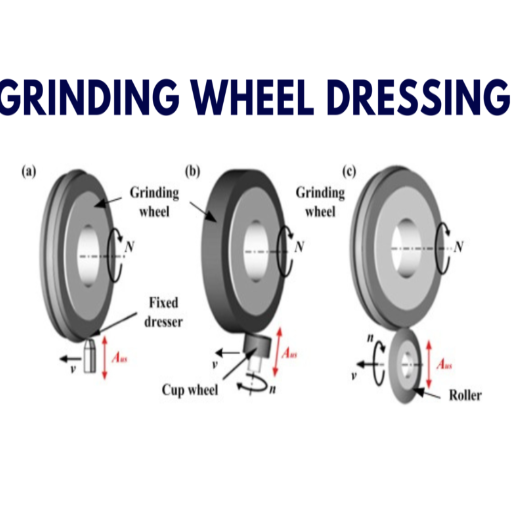
Grinding wheel dressing is meant for cleaning, shaping, and restoring a grinding wheel. Over time, grinding wheels can get obstructed with particles, lose their grinding edges, or develop an uneven surface. The dressing process removes impurities from the grinding wheel, exposes fresh abrasive particles, and ensures that the wheel’s surface remains uniform and effective. It is in maintaining the performance of the grinding wheel that dressing ensures the accuracy of the grinding process, reduces wear, and increases safety during operation.
What is Grinding Wheel Dressing?
A grinding wheel is essential for machining processes that require fine finishing of parts. Once glazed under use, the grinding wheel loses its cutting ability while generating heat that may damage the workpiece or equipment. Regular dressing can restore grinding efficiency up to 98%, depending on contaminant removal and wheel surface reshaping.
Key Benefits of Dressing:
- Improving surface finish quality
- Reducing grinding cycle times with faster cutting action
- Increasing wheel life
- Operating with almost no vibration, resulting in higher precision
- Improved workplace safety
Industry-standard dressing intervals are determined by the workpiece material, wheel type, and grinding speed, ensuring reliable and cost-effective performance.
Importance of Wheel Dressing
It is believed that wheel dressing finds its ubiquitous applications in grinding processes because it is necessary to restore the cutting action of the wheel and to ensure satisfactory grinding. Research has shown that grinding efficiency can be improved by up to 30% by properly dressing a grinding wheel, mainly by lowering the grinding forces and energy consumption. Dressing further enhances the precision of material removal, which is of utmost importance when extremely tight tolerances are mandated by industries such as aerospace and automotive.
Based on various grinding applications, it has been observed that consistent dressing reduces surface roughness by up to 40%, thereby achieving a smoother finish on the workpiece. This is of utmost importance to parts that require a high degree of precision and polish, such as gears, bearings, and medical appliances. Moreover, repeated dressing minimizes thermal damage to both the grinding wheel and the workpiece, thus prolonging the service life of tools and ensuring long-term maintenance of high-quality production standards.
One can also consider how emerging automated dressing technologies have made the process more time-efficient and reliable. Such equipment offers exact control over various dressing parameters such as depth and speed, which in turn creates a highly uniform abrasive cutting. This certainly minimizes downtime and maximizes productivity in manufacturing operations. When wheel dressing is applied as part of preventive maintenance, industries can benefit from decreased costs, the highest safety levels, and improved product quality.
Types of Dressing Tools
Stationary Dressing Tools
Stationary dressing tools, such as single-point diamond dressers and blade tools, shape and profile the grinding wheel. They are inexpensive and straightforward to use for various, less intricate dressing operations. Single-point dressers consist essentially of a diamond tip mounted on a shank, allowing for high-accuracy dressing of straight and simple profiles.
Rotary Dressing Tools
Rotary dressers have a rotary mechanism embedded with diamonds, offering a strong solution for rough and exact applications. Such tools are best suited to maintain consistent wheel profiles during heavy applications. The rotary action makes dressing faster, while diamond abrasives make the tool durable. The rotary tool finds its great use in high-volume output.
Form Rollers
Form rollers complete the instrumental universe of shaping and profiling grinding wheels into various contours. These tools can be made to copy detailed forms and are used where complex geometries must be processed, such as in the aerospace and automotive industries. With the level of machining precision they offer, these are lifetime-extending for grinding wheels and maintaining part quality. Diamond form rollers are generally preferred because they carry high tolerances.
Diamond Dressing Rolls
Diamond dressing rolls are advanced tools capable of ultra-precise and automated dressing. With diamond grains affixed to the roll surface, these rolls enable the replication of complex profiles with great accuracy. They find applications in many areas that demand tight tolerances and perfect finishes, such as the medical device industry. Studies have shown that diamond dressing rolls can reduce cycle time by as much as 30% compared to the conventional dressing method.
Electroplated Tools
Electroplated knives are high-performance tools with a single-layer diamond or CBN coating. These tools are prized for their sharp dressing action and long life. Electroplated dressing tools are best suited for dressing superabrasive grinding wheels, thereby facilitating precision machining applications.
Note: Each type of dressing tool has its characteristic advantages and specifications. Hence, industries select an appropriate type depending on their material, profile, and precision levels of grinding processes. If the tool is chosen correctly, it will provide grinding efficiency and reduce downtime, resulting in a fine surface finish.
Methods for Dressing Your Grinding Wheel
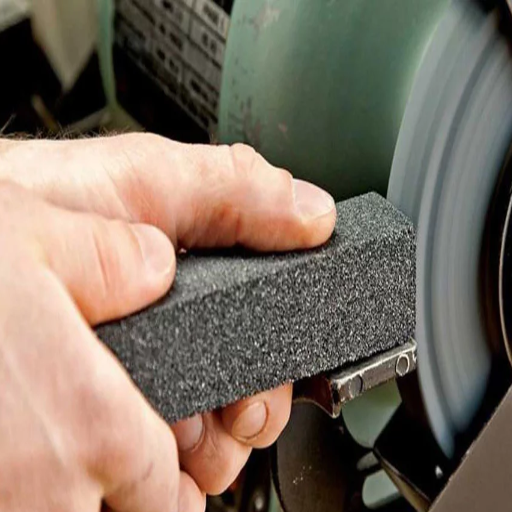
The wheel is dressed in several ways, each method more adaptable to specific needs:
- Diamond Dressing Tools – These tools are preferred for exact applications and can very efficiently reshape and sharpen grinding wheels.
- Star Dressers – Best for general-purpose dressing as they easily remove debris and restore the wheel’s cutting ability.
- Rotary Dressers – Widely used in industrial applications, they dress for high precision and maintain the shape of the wheel.
- Stick Dressers – Clean and accurately the surfaces of grinding wheels manually and are simple and effective to use.
Choosing the correct method ensures optimal performance and, in turn, extends the life of your grinding wheel.
Diamond Dressing Tools
Diamond dressing tools hold paramount importance for the performance, efficiency, and precision of grinding wheels. Considered an industrial mission, the diamond allows for the dressing and cleaning of grinding wheels, enabling them to be properly sharpened. Diamond dressing tools come in several varieties:
- Single-Point Diamond Dressers – The single-point diamond dresser is used for quick and straightforward dressing actions for removing material from the grinding wheel.
- Multi-Point Diamond Dressers – This tool, featuring an array of diamond points, provides maximum wear and is suitable for very heavy-duty tasks or complex machines.
- Chisel Diamond Dressers – These are essentially chisel-backed diamond tips that give accurate dressing operations for exact contouring.
Important: When selecting the appropriate dressing tool, the primary factors to consider are the type of grinding wheel, the work material, and the desired level of precision. Using your diamond dressing tools properly will help improve the grinding operation and prolong the life of your grinding wheels simultaneously. It is advisable to follow the manufacturer’s instructions to obtain good results.
Types of Dressing Techniques
Truing
Restoring the original shape and correcting the uneven surface of the grinding wheel is the truing operation. This operation assures the wheel is properly balanced and efficient for precision grinding tasks.
Profiling
Profiling refers to shaping the wheel to a specific contour or design. This method is used in special jobs that require complicated forms and ensures that the grinding wheel matches the required profile exactly.
Sharpening
In sharpening, the cutting edges of the grinding wheel are restored by removing worn and dulled grains, thus exposing a new set of sharp grains underneath. As the cutting ability of a grinding wheel becomes dull, sharpening restores its actual cutting efficiency.
Cleaning
When cleaning, the cleaning of the wheels means that it removes dust, chips, or everything embedded within the grinding wheel so that it can work efficiently without clogging, which, over time, works against the grinding quality.
Each dressing technique is performed for a specific reason and is selected based on the grinding operation, material complexity, and the precision required.
Step-by-Step Guide to Dressing Your Grinding Wheel
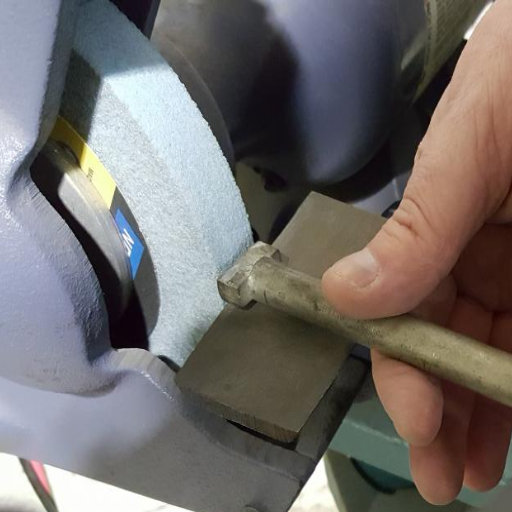
- 1
Wheel Inspection
Inspect the wheel for visible damage, wear, or uneven surfaces. If it is cracked or excessively worn, discard it. - 2
Prepare the Work Area
Ensure the work area is clean, well-lit, and free from hazards. If applicable, ensure that all tools and equipment are functioning correctly. - 3
Tighten the Grinding Wheel
Ensure that it is properly installed, mounted, and securely tightened to the grinder. Follow the manufacturer’s installation instructions. - 4
Safety Precautions
Wear adequate PPE: safety goggles, gloves, and at least a dust mask. - 5
Choosing the Dressing Tool
The selection of dressing tools depends on the type of grinding wheel. For instance, you may use a diamond dresser or dressing stick. - 6
Dressing
Start the grinder. Allow it to reach full operating speed. Hold the dressing tool gently and apply pressure consistently to the grinding wheel’s surface, moving the tool from end to end to ensure the entire surface receives attention, resulting in a fine, sharp edge. - 7
Check Wheel Condition
If the wheel is correctly dressed, it should be perfectly smooth, balanced, and devoid of any damage. In case it is not, repeat the procedure. - 8
Clean The Area
After dressing is complete, clean the grinding wheel and the surrounding area of any loose debris to avoid hazards during future use.
Result: This would go a long way to keeping your grinding wheel in top condition, helping with performance, and prolonging its service life. Follow the manufacturer’s instructions and safety precautions.
Preparing the Grinder
Proper grinder preparation sets the stage for efficient and safe operation. First, inspect the grinder to confirm that all parts are in working order. Verify that everything is secure and in place. Refer to the manufacturer’s manual to ensure that the grinding wheel is compatible with the grinder. Note the size, RPM rating, and material specifications.
The spindle and flanges must be cleaned before installing the grinding wheel. Any residual dust can cause an imbalance during operation. Mount the grinding wheel carefully, tightening it to the torque specified in the instructions; do not overtighten, as this may damage the wheel. Recent studies have further shown that an unbalanced wheel produces excessive vibrations, reducing grinding efficiency by 30% and causing accelerated wear on the machine.
At no-load speed, run the machine speed test for at least 30 seconds to confirm stability and the absence of vibration or unusual noise. For safety reasons, attach a protective guard to shield against possible fragments. A well-lit and uncluttered workspace becomes an advantage that minimizes hazards and enhances operational precision. Such steps set the stage for excellent grinding performance and tool life.
Choosing the Right Dressing Tool
Choosing the dressing tool is crucial in maintaining the performance and precision of grinding equipment. Several dressing tools are available, including diamond dressers, rotary dressers, and stationary dressers, for various applications.
Diamond dressers, for example, are aggressive and give a higher degree of precision. Single-point diamond dressers excel in simple dressing operations, whereas multi-point diamond dressers and impregnated dressers are more suitable for complex operations and high-volume jobs. According to the data, when used properly, these tools can increase the life of the grinding wheel by up to 30%.
Whereas rotary dressers are typically used in high-accuracy settings, such as those found in automotive or aerospace manufacturing. This tool provides the required consistency, especially when dressing wheels with complex profiles. In recent years, new research on extra dressing processes has shown that rotary dressers can increase efficiency in high-precision work by minimizing downtime through mechanized operation of the dresser.
Stationary dressers with abrasive stick dressers tend to be more affordable, suitable for lighter use or smaller-scale operations. Being less sturdy than diamond or rotary counterparts, however, their simplicity and cost-effectiveness make them a good alternative for light or occasional work.
The dressing tool varies with different factors. These are the hardness of the grinding wheel, the desired finish, production volume, and, more importantly, the properties of the material being worked on. The right type of dressing tool enhances productivity, therefore assuring consistent and precise results over time.
Executing the Dressing Process
The dressing process involves several vital steps, aimed at maintaining the grinding wheel’s shape, sharpness, and performance. To start, the grinding wheel must be installed on the machine and the proper balance ensured to prevent vibration. The choice of dressing tool varies depending on the grade of the grinding wheel and the specific application. For example, a single-point diamond tool may be suitable for precision wheels, whereas multi-point or rotary dressing tools may be suitable for coarser, abrasive wheels.
Next come typical dressing operations, which consist of setting the dressing depth and feed rate. Implying that to remove materials efficiently without destroying the wheel, the dressing depth by common levels lies between 0.01 and 0.03 mm for each pass, depending on the types of grinding wheels and materials being ground. Meanwhile, feed rates varied yet were mostly kept within 50 to 200 mm/min for most occasions to ensure consistency.
During the dressing phase, the coolant represents another factor of significant importance. Adequate flow of high-quality coolant reduces friction and heat buildup, thereby minimizing thermal damage to both the grinding wheel and the workpiece. Research indicates that adequate cooling can prolong the wheel’s life and improve its surface finish by up to 30%.
Finally, the grinding wheel should be inspected after its dressing to ensure that the desired contour and surface condition have been achieved. Specific measuring tools can be used to confirm this, with either a dial test indicator or a laser profiling system. Continuous monitoring during dressing not only increases accuracy but also reduces operational downtime, thereby increasing productivity.
Maximizing Grinding Efficiency and Quality
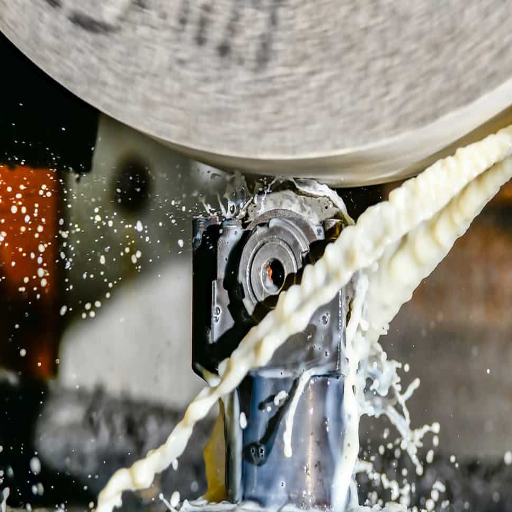
For efficiency and quality in grinding, heed these three points:
- Choosing the Right Wheel: Selecting grinding wheels depends on both the material being applied and the desired finish. This ensures the highest material removal rates and best surface finish.
- Maintenance of the Wheel: Dress and balance the wheel so that it wears evenly against the rest; this reduces vibration and allows consistent performance.
- Process Adjustment: Adjust speed, feed rate, coolant flow, etc., according to job requirements. This minimizes errors and maximizes efficiency and quality.
The application of these practices could guarantee grinding with trust and quality.
Truing vs. Dressing
Truing and dressing remain two primary operations that serve to maintain the grinding wheel and ensure efficiency and precision. Though they perform distinct functions, both remain crucial in promoting wheel performance.
| Aspect | Truing | Dressing |
|---|---|---|
| Purpose | Restores the original shape and corrects eccentricities | Exposes fresh abrasive grains and removes debris |
| Function | Corrects wheel geometry and imperfections | Sharpens the wheel and restores cutting action |
| Tools Used | Truing tool or diamond cutter | Dressing tool or stick |
| Result | Proper wheel balance and geometry | Enhanced cutting capability |
Thus, truing is meant to restore the correct geometry of the grinding wheel, while dressing serves to enhance its cutting action. Both operations serve to conserve the grinding wheel for greater productivity while maintaining accuracy.
Impact on Wheel Performance
The performance of a grinding wheel largely depends on truing and dressing. Truing ensures that the wheel operates with correct geometry, thereby reducing vibrations and balancing the wheel for better precision during use. Dressing unlocks the wheel’s cutting action by exposing new abrasive grains and removing debris from the surface, allowing material removal to proceed rapidly while maintaining uniform surface finishes. Failure to maintain the grinding wheel’s truing or dressing will result in uneven wear, inefficient cutting action, or even damage to the grinding wheel or workpiece. Keeping the wheel accurately and properly dressed will maintain its optimal conditions, extending the wheel’s life for various applications.
Best Practices for Grinder Wheel Maintenance
The utmost importance is attached to proper grinding-wheel maintenance, ensuring their safety, performance, and longevity. Below are some detailed best practices that can be key to improving grinding wheel efficiency and durability:
Inspect Often and Regularly
Before using a grinding wheel, an inspection must be conducted to check for visible cracks, chips, or any other damage. A damaged wheel may grind unevenly or pose a threat to an operator’s safety. The ring test is a reliable approach for detecting cracks inside a wheel. Tap the wheel, lightly, with a nonmetallic object; if you hear a clean, metallic ring, the wheel is free of cracks, whereas a dull sound could suggest the presence of a crack.
Assure Appropriate Wheel Mounting
Always ascertain that the wheel is correctly mounted on the grinder spindle, with correct flange supports in place. An improperly mounted wheel can cause harmful vibrations, reduce grinding efficiency, and pose a safety hazard. Use the mount procedures recommended by the manufacturer, and ensure that the spindle speed does not exceed the safe maximum speed indicated on the wheel.
Keep the Work Area Clean
Debris and grinding dust that may pile up can affect performance and pose safety concerns. Make it a point to clean the grinder and the surrounding area regularly to minimize contamination, while allowing proper airflow to the grinder’s motor.
Apply Dressing and Truing Technique
Dressing and truing are vital for maintaining wheel roundness and exposing sharp abrasive grains capable of efficient material removal. Industry reports claim that cutting efficiency can increase by up to 30%, and the cutting cost is subsequently reduced if the wheel is kept well-dressed through regular truing. Preserving precision with diamond-tipped dressing instruments is recommended.
Choose the Right Wheel for the Material
In any case, selecting an appropriate grinding wheel for a particular material is absolutely vital. Grain types, bond materials, and grit sizes all have a bearing on performance. For example, aluminum oxide wheels are best suited for grinding ferrous metals. Silicon carbide wheels are preferred for grinding non-ferrous metals such as aluminum and brass. Always refer to your manufacturer’s instructions on compatible materials.
Maintain Ideal Speeds
The recommended speed range should ensure the wheel operates efficiently and safely. Most grinding wheels are marked with maximum permissible speed; any speed higher than this will mark dangerous conditions and might even fail the wheel. Tachometers and similar tools are used to measure the rotation speed of the grinder, preventing it from operating under unsafe conditions.
Wear Proper PPE
There will be sparks, dust, and noise to consider during operation that may harm the operators. Standard PPE should include safety goggles or a face shield, gloves, earplugs or muffs, plus a dust mask or respirator. Statistics are demonstrating that the proper use of PPE during grinding operations reduces the incidence of workplace injuries.
Storage and Handling Procedures
This implies putting grinding wheels in a clean, dry atmosphere with temperature control to prevent warping or damage. Also, do not stack wheels directly, as racks or shelves will need them in their original shape. Avoid heavy impacts on grinding wheels; even the slightest damage could affect their integrity.
Conclusion: Adherence to these fine measures within routine maintenance procedures allows operators to drastically extend the life of their grinding wheels, thereby achieving greater efficiency and safer working conditions.
Choosing the Right Dressing Tool for Your Grinder
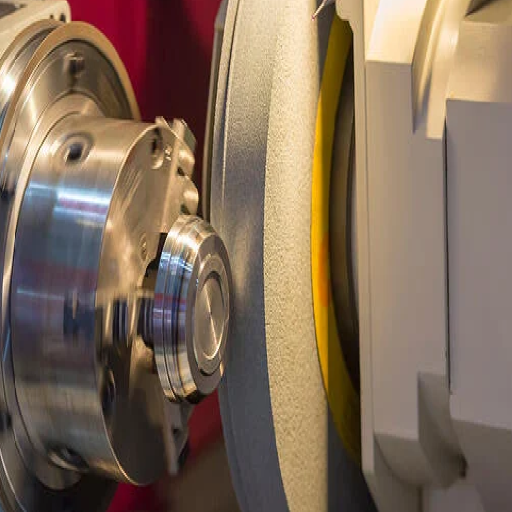
When selecting a grinding wheel dresser, use the grinding wheel and the specific application as your guides. Diamond dressers are fine for precision shaping and are generally attrition-resistant; hence, they apply to harder wheels. For general-purpose use, a single-point or multi-point dresser is sufficient. The size and style of the dresser must match the grinder and the requirements of the operation to achieve better performance and longer life.
Comparison of Dresser Types
| Dresser Type | Best For | Advantages | Applications |
|---|---|---|---|
| Diamond Dressers | Precision work | High durability and accuracy | Hard and abrasive grinding wheels |
| Star Wheel Dressers | General-purpose applications | Quick debris removal and sharpening | Soft grinding wheels, routine maintenance |
| Multi-Point Dressers | Large surface areas | Balanced precision and durability | High operating speeds, consistent performance |
| Blade-Type Dressers | Coarse dressing | Affordable and effective | Quick reshaping requirements |
Diamond Dressers
Diamond dressers are high-precision tools used for shaping and truing grinding wheels. They are used to work with hard and abrasive grinding wheels with greater durability and accuracy. Diamond dressers are available in single- or multi-point forms. The single-point Dresser is used in woodworking for highly detailed and precise work, while the multi-point Dresser is more efficient for higher-volume passes.
Star Wheel Dressers
Star Wheel Dresser is an old favorite for general-purpose applications. They consist of rotating discs that abrade or cut away from the grinding wheel surface to restore it with the necessary texture. While less precise than diamond dressers, these wheel dressers excel at removing debris and sharpening the wheel quickly, especially for soft grinding wheels.
Multi-Point Dressers
Multi-point dressers are fitted with several small diamonds in the tool. These dressers strike a balance between precision and durability; therefore, they are best suited for large surface areas and high operating speeds. Due to this even wear of the diamonds, they deliver consistent performance across many grinding applications.
Blade-Type Dressers
Blade-type dressers are a particular set of tools, mainly used for coarse dressing. Their functionality emphasizes reshaping grinding wheels, but is less about fine-tuning diamond or multi-point options. These tools are more affordable and operate effectively for quickly meeting dressing requirements.
Selection Tip: Choosing the appropriate dresser for the required accuracy, the material being ground, and the intensity of the application should provide efficient and durable grinding performance to operators.
Factors to Consider When Selecting a Dressing Tool
When selecting a dressing tool, several primary parameters must be considered for optimal performance. First, depending on the level of precision required by the application, I check for the type of dresser: single-point, multi-point, or even rotary. Second, I consider the grinding wheel material when choosing a dresser that is compatible with it. Lastly, I believe the intensity and frequency of the application are key factors in selecting a tool that suits either high-intensity work or routine tasks. Choosing correctly yields efficient and precise grinding results.
How to Use a Diamond Wheel Dresser
When using the diamond wheel dresser, care and precision are essential to achieve optimal grinding wheel performance, including extending its lifespan. Here’s a short guide:
- 1
Check Grinder: Ensure the grinding wheel is securely mounted and the power is off. Safety precautions include wearing safety goggles and gloves. - 2
Position the Dresser: Hold the diamond wheel at the required angle. The normal position would be at one right angle to the grinding wheel surface. Maintain a firm grip. - 3
Start Dressing: Turn the grinder on and gently press the diamond dresser against the wheel’s surface. Move slowly and evenly across the entire width of the wheel to remove debris, true, and sharpen it. - 4
Do Not Apply Heavy Pressure: Use light pressure, as heavy pressure might damage the grinding wheel or the dresser. Excessive force can cause uneven wear or reduce tooling life. - 5
Inspect the Wheel: After dressing, the grinding wheel must be checked for cleanliness and proper reshaping to ensure it is ready for efficient use.
Final Note: Proper and timely wheel dressing increases the grinding wheel life, improves accuracy, and ensures consistent performance. Always follow the manufacturer’s recommendations for best results.
Conclusion
Grinding wheel dressing is an essential maintenance practice that significantly impacts the performance, efficiency, and lifespan of grinding operations. Through proper understanding and implementation of dressing techniques, operators can achieve up to 98% restoration of grinding efficiency, reduce surface roughness by up to 40%, and extend wheel life by 30% or more.
The key to successful grinding wheel maintenance lies in selecting the appropriate dressing tools, following proper procedures, and maintaining consistent practices. Whether using diamond dressers for precision work, rotary tools for high-volume operations, or simple stick dressers for routine maintenance, each method serves a specific purpose in maintaining optimal wheel condition.
By incorporating regular inspection, proper mounting, appropriate tool selection, and adherence to safety protocols, operators can ensure their grinding wheels operate at peak performance while maintaining the highest standards of workplace safety and product quality. The investment in proper dressing techniques pays dividends through reduced downtime, improved precision, and extended equipment life.
Remember: Always prioritize safety by wearing appropriate PPE, following manufacturer guidelines, and maintaining a clean, well-organized workspace. Proper grinding wheel dressing is not just about performance—it’s about ensuring safe and efficient operations for years to come.
Reference Sources
“Surface quality after grinding VACO 180 tool steel using different cutting conditions”
Frequently Asked Questions (FAQs)
What is the dressing of grinding wheels?
Dressing is the restoring operation of the grinding wheel surface to enable accurate grinding. A dressing tool removes the worn layer of abrasive from the wheel, exposing fresh diamonds and thereby improving its cutting capacity.
How do you dress a grinding wheel?
When dressing the grinding wheel, it is desirable to stop the grinding wheel from rotating. Select the grinding-application dressing tools that apply diamond dressing or rotary diamond so that the material is removed from the face of the grinding wheel. Move the tool back and forth across the face of the wheel, applying steady pressure until the wheel stops rotating.
What is the use of dressing a grinding wheel?
The importance of grinding wheel dressing lies in maximizing operational efficiency. The duty of dressing allows the grinding wheel to be protected from damage, provides a better surface finish, and achieves maximum grinding efficiency, enabling the cutting tool to perform optimally.
What types of dressing can be applied to grinding wheels?
It may be considered standard dressing, a taper or straight dressing, or a special dressing. Specific application limitations exist for each type, mainly dependent on the desired output and wheel condition.
What is meant by a diamond grinding wheel?
A diamond grinding wheel is a type of grinding wheel with its abrasive surface embedded with diamonds, presenting a cutting and grinding action on hard materials. Dressing a diamond grinding wheel is crucial in maintaining its working capacity and extending its lifespan.
How can we improve the efficiency of a grinding wheel?
Dressing the grinding wheel regularly will maximize its performance. This involves using the wheel dressing tool to dress the wheel face, ensuring the wheel is dressed to the correct radius or form, and adjusting the grinder settings for the material being processed.
Can I use a multi-point tool for dressing?
Indeed, a multi-point tool can be used to dress grinding wheels. Such tools can offer an efficient method for restoring the wheel surface and can be even more effective if used on a larger wheel or if a larger contact area needs to be established for the dressing.
What considerations shall I take into account when choosing a dressing tool?
When selecting a dressing tool, consider the type of grinding wheel being used, the material being ground, and the specific dressing requirements that apply. Diamond dressers are usually preferred since they offer long life and can dress the wheel surface well; a rotary dressing diamond would be employed when a more complex dressing is needed.
How often should I dress the grinding wheel?
The frequency at which one must dress his/her grinding wheel depends on the extent of use and the type of material being ground. Ideally, for optimal performance, the wheel should be dressed every time it is used. You can watch the wear on the wheel face to help establish whether it needs dressing or not.