





Master the Art of Precision Machining with Proper Wheel Maintenance
Diamond grinding wheels are a handy tool in precision machining, providing unmatched performance and durability. Nevertheless, even the best diamond wheels must be adequately maintained to perform optimally in their application. Dressing the wheel is the process that restores it so that it can cut efficiently, corrects any shape distortion, and removes debris buildup. In this article, we will discuss everything related to diamond grinding wheel dressing, including why it is required, the processes involved, and tips to make the operation effortless. Whatever your level of expertise, this guide will help you keep these diamond grinding wheels in perfect shape, thereby ensuring their optimal performance and longevity.
Understanding Diamond Grinding Wheels
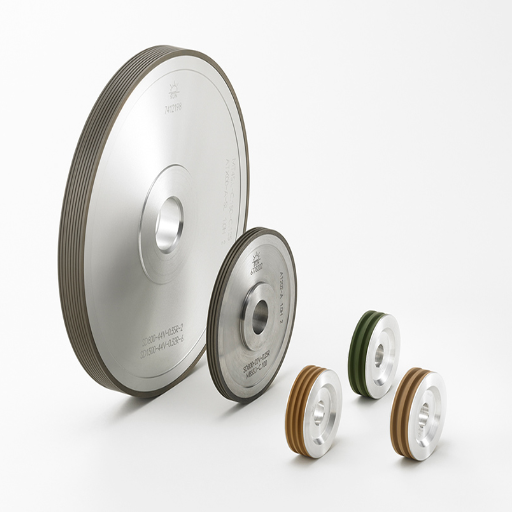
Diamond grinding wheels refer to a specialized set of tools used for grinding, cutting, or shaping hard materials, such as stone, concrete, or metals. With abrasive diamond particles embedded in the surface of the tool, these wheels allow a precise and efficient removal of materials. Thus, these wheels are highly durable and give a better finish compared to other grinding tools. Choosing the diamond grinding wheel depends on the material being worked on and the application involved, ensuring it performs reliably in use for a reasonably long time.
What is a Diamond Grinding Wheel?
Diamond grinding wheels are exceptionally accurate tools for the grinding and shaping of objects made of tough materials, particularly ceramic, metal, concrete, and natural stone. They harness industrial diamond crystals as their chosen abrasive to cut through hard surfaces with efficiency and precision. Generally, the diamond crystals are fixed onto the face of a wheel using either metallic bonding, resin bonding, or electroplating, each of which is suitable for a specific type of application.
!
Key Classification Factors
- Shape: Various geometries for different applications
- Grit Size: Fine-grit for polishing, coarse-grit for material removal
- Bond Type: Metallic, resin, or electroplating bonding systems
Diamond-grinding wheels are classified according to their shape, grit size, and bond type, making them adaptable for various applications. For instance, fine-grit wheels are used for polishing jobs, whereas coarser-grit wheels are used for significant material removal. Since diamonds are rigid and thermally stable, diamond grinding wheels remain highly durable and thus far longer compared to conventional abrasive wheels. Some specialized wheels find specific uses; for example, cup wheels are used for surface finishing, while segmented diamond wheels are used for cutting and grooving operations.
Furthermore, the operational efficiency of diamond grinding wheels depends on various factors, including their material composition, rotation speed, and feed rate. For instance, resin-bonded diamond wheels are used to grind carbide in toolmaking, whereas metal abrasives are preferred in precision engineering industries.
The development of new features in diamond grinding wheels is driven by technological advancements in their manufacture. These features can offer, for instance, better heat resistance for high-speed grinding and enhanced bonding technologies for greater efficiency. Offering universal customizations, diamond grinding wheels are increasingly necessary in modern industrial applications that demand the highest precision and cost-effectiveness.
Applications of Diamond Wheels
Due to their extreme durability and precision, diamond grinding wheels are used in a wide range of industries. These wheels are used in the automotive sector to grind components such as crankshafts, camshafts, and gears, offering tolerances and finishes that surpass those obtainable with conventional grinding methods. Diamond wheels are equally crucial in the aerospace industry, as they enable the machining of high-strength materials such as titanium alloys and composites, thereby providing critical components with the best accuracy and reliability.
Electronics & Semiconductors
Essential for wafer slicing and grinding, producing ultra-thin wafers for advanced microchip fabrication.
Construction Industry
Extensive applications for cutting and shaping hard materials like granite, marble, and concrete.
In electronics and semiconductor manufacturing, diamond wheels have become almost indispensable for wafer slicing and grinding, producing ultra-thin wafers for advanced microchip fabrication. Likewise, these wheels have extensive applications in the construction arena for cutting and shaping hard materials like granite, marble, and concrete, thereby rendering the entire cutting/construction process more efficient and productive.
Recent Technological Advancements
- Vitrified-bonded diamond wheels: Enable high-speed grinding with ~30% productivity increase
- Medical device applications: Precision sharpening of surgical instruments and complex prosthetics
- Self-sharpening technology: Provides highly reproducible performance
Recent advancements in diamond wheel technology indicate innovation and development in material processing. For example, vitrified-bonded diamond wheels that allow high-speed grinding permit an approximately 30% increase in productivity. To be more specific, with the rising demand for precision manufacturing, diamond wheels have found applications in the fabrication of medical devices, such as sharpening surgical instruments or machining complex prosthetics. These wheels are typically used in high-precision applications because they are virtually self-sharpening and provide highly reproducible performance.
Currently employed in all forms of industries, stretching from high-tech to traditional, these grinding tools drastically increase productivity while saving costs due to their long life and superior grinding performance. The diamond wheels are hence in continuous development and serve as a forefront in enhancing capabilities and interventions in numerous demanding applications.
Benefits of Using Diamond Grinding
Nowadays, there are numerous diamond grinders offering a wide range of services to various industries, making them indispensable for precision machining and surface preparation. One of the significant advantages is its abrasive qualities. Diamond grinding wheels are composed of industrial diamonds, the most complex natural form of matter, thereby giving the grinding wheels their longevity and, in turn, eliminating the replacement for a very long time. This makes it very cost-effective in high-volume production environments.
Other benefits of diamond grinding are a better surface finish and greater precision. The surfaces are highly accurate and smooth, which needs to be considered by industries such as aerospace, semiconductor manufacturing, and medical equipment manufacturing, among others. For example, during concrete pavement restoration, diamond grinding can be used to increase road safety texture by improving skid resistance and reducing hydroplaning.
Diamond grinding addresses surface irregularities, thereby extending surface life. Also, the process of reflective cracking is minimized. Different research has revealed that diamond grinding can extend the life of concrete by at least 10 to 15 years compared to an untreated surface.
At other times, diamond grinding can minimize damage due to heat generation while material machining is in progress, protecting against any damage that occurs in thermally sensitive materials, such as ceramics and composite materials. This process also ensures higher operational efficiency by promoting higher rates of material removal with precision, resulting in increased productivity across all sectors.
All in all, with technological advancements, diamond grinding has found new applications, maintaining itself as one of the most cost-effective yet highly efficient industrial processes. The user base still relies on its reproducibility, which is demanded by heavy machining and finishing operations.
Importance of Dressing a Diamond Grinding Wheel
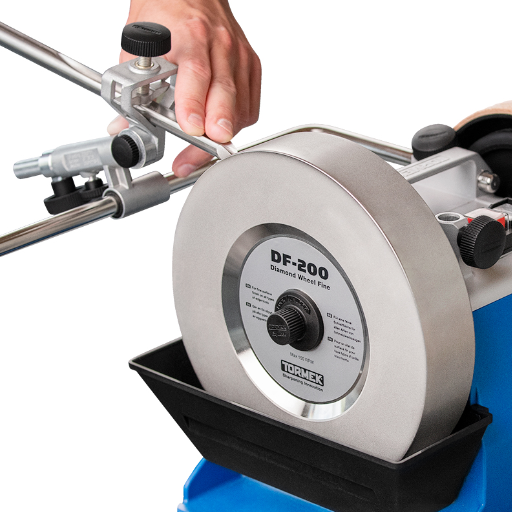
Dressing of a diamond grinding wheel is performed to maintain its sharpness, precision, and performance. Over time, a grinding wheel loses its capability; it also collects debris, resulting in a loss of efficiency and accuracy. Dressing exposes fresh abrasive grains to restore the cutting action of the wheel. Any buildup on the wheel is also removed, assuring more uniform results, less excessive heat generation, and a longer life for the wheel. Frequent dressing will ensure the grinding wheel operates at its best and provides that little extra edge in finishing quality.
Why Wheel Dressing is Necessary
Enhanced Cutting Efficiency
Dressing grinding wheels basically sharpens the wheel by revealing new abrasive grains, which affects the cutting performance. Against a dirty and dull wheel surface, resistance is very high, so less motion is transferred to the material being cut; in other words, more work is done in removing material, and the machining time is low.
Improved Surface Finish
The freshly dressed grinding wheel produces a better surface finish on the workpiece. By removing worn-out grains and grit, dressing removes irregularities from the wheel’s surface that would otherwise be transferred to the workpiece.
Reduced Heat Generation
When an old or dull grinding wheel is used, excessive friction sets in, on account of which heat is generated that damages the workpiece or causes thermal deformation. Dressing the wheel reduces such risks by restoring its cutting action, thereby preventing overheating.
Extended Wheel Lifespan
Over time, grinding wheels accumulate wear marks or become contaminated, which can lead to a loss of their cutting ability. Dressing helps the wheels by refreshing their cutting ability. This reduces the frequency of replacement, thereby decreasing the OR costs.
Consistency of Quality
Consistency is what matters for precision processing and manufacturing high-tolerant components. Dressing ensures that the grinding wheel remains consistent throughout its working life, resulting in predictable and reproducible machining results.
Frequent dressing of the wheel is an essential component in grinding operations that considerably uplift efficiency, accuracy, and cost. Modern practices go further to include automated wheel dressing, which ensures the most precise, ergonomic, and repeatable dressing that the manufacturing sector practically demands.
Effects of Neglecting Wheel Dressing
⚠️ Consequences of Poor Maintenance
- Wheel clogging and glazing: Limits cutting potential and causes uneven wear
- Surface quality deterioration: Poor finishes and dimensional inaccuracies
- Increased machinery loads: Higher power consumption and potential machine damage
- Rapid wheel degradation: More frequent replacements increase operational costs
- Productivity impact: Significantly affects precision and profitability
The consequences of neglecting wheel dressing in any grinding activity are disastrous. Over time, however, wheels tend to clog or glaze, limiting their cutting potential and causing uneven wear. Hence, surface finishes on the workpiece deteriorate, dimensional inaccuracies emerge, and a decline in production quality ensues. It also means that the undressed wheel subjects machinery to higher loads, resulting in even more power consumption and possible machine damage. Ignoring maintenance also leads to the rapid degradation of the wheels; eventually, these are replaced even more frequently, thus further increasing operational costs. In the final analysis, since neglected wheel dressing significantly impacts productivity and precision, it ultimately renders the manufacturing process an unprofitable endeavor.
Optimal Performance through Dressing
A well-dressed grinding wheel supports grinding balance and efficiency. As the research shows, cutting precision improves with a regularly dressed wheel; simultaneously, it also reduces surface roughness and increases the life of both the grinding wheel and the machine. For example, studies suggest that a well-dressed wheel would reduce grinding forces by 20%, thereby saving power and reducing operational strain on the machines. Similarly, irregular wear is minimized through frequent dressing, setting aside issues of performance and a finer finish.
According to the data, neglecting wheel dressing may lead to increased maintenance downtime in some industries, with maintenance intervals up to 30% longer when dressing is appropriately carried out. By keeping the abrasive grains sharp and clean, operators can achieve higher material removal rates and thereby increase production efficiency. The use of advanced dressing tools, coupled with automation, creates better performance in dressing than manual dressing, with precision, reducing manual intervention to a bare minimum in support of cost-effective and reliable manufacturing processes.
Methods to Dress a Diamond Grinding Wheel
🔧 Mechanical Dressing
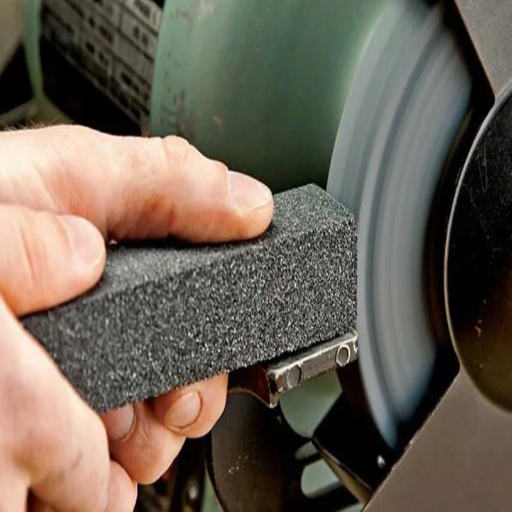
This method refers to the use of a dressing tool (such as a dressing stick or abrasive brick) to perform the actual dressing, by which the wheel’s material is removed and it consequently becomes sharper. It is a relatively simple, manual, and basic method for dressing, depending on the level of maintenance required.
🔄 Rotary Dressing Method
The rotary diamond dresser is used to dress a grinding wheel. Due to the accuracy and consistency it provides, this method is best suited for industrial work that requires tight tolerances.
⚡ Stationary Dressing
The stationary diamond tool is positioned against the grinding wheel to impart the required profile and sharpness. This is an effective method for precision grinding, ensuring consistent and good results.
⚡ Wire EDM Dressing
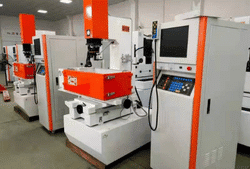
Electrical discharge machining (EDM) involves the use of a wire electrode to shape the grinding wheel. This non-contact method is beneficial for fine profiles and provides excellent accuracy.
Selection Criteria: In addition to the type of grinding wheel, the method and requirements depend on the application and desired results for optimal efficiency and precision.
Using a Dressing Stick
📋 Dressing Stick Application Process
- Preparation: Ensure the dressing stick is appropriate for your grinding wheel type
- Positioning: Hold the dressing stick firmly against the spinning wheel surface
- Application: Apply light, even pressure to remove glazing and clogged debris
- Coverage: Move the stick evenly across the wheel surface for uniform wear
- Safety: Always wear protective gear during operation
A dressing stick is a straightforward tool used for cleaning and restoring the grinding surface of a grinding wheel. The dressing stick is held lightly against the spinning wheel surface, which removes glazing and clogged debris from the wheel, thereby exposing fresh abrasive grains for optimized performance. It is ideally suited for maintaining wheel sharpness and improving cutting accuracy. The dressing stick tool must always be firmly held when in use and applied evenly across the wheel surface to ensure uniform wear. Regular dressing with a stick greatly enhances the life of the grinding wheel and the finish of the workpiece. Always wear protective gear when riding.
Employing a Dresser Tool
🛠️ Professional Dresser Tool Guidelines
- Angle Control: Hold dresser tool at prescribed angle against rotating wheel
- Pressure Management: Maintain uniform pressure for consistent results
- Fresh Particle Exposure: Reveals new abrasive particles for precision cutting
- Manufacturer Guidelines: Follow recommended intervals and procedures
- Safety Protocol: Use gloves, safety goggles, and face shield protection
In-dressing a grinding wheel with a dresser tool will keep it sharp and in good condition, enabling it to perform its intended function effectively. The dresser tool is held at the prescribed angle against the rotating grinding wheel surface, maintaining a uniform pressure to cut away impurities and level the irregularities. As a result, this improves the grinding wheel’s performance by exposing fresh abrasive particles capable of precision cutting. Dressing should be carried out according to the manufacturer’s instructions and at the recommended intervals. Safety should be observed during the dressing procedure. It is advisable to wear gloves, safety goggles, and a face shield to protect against any injury that may be caused by flying debris. Proper and periodic use of the dressing tool will extend the lifespan of the grinding wheel and ensure maximum grinding performance.
Truing Techniques for Diamond Wheels
The truing process is vital for maintaining the shape, balance, and performance of diamond wheels. It entails removing any irregularities or distortions that may have occurred on the working surface, allowing the wheel to grind accurately and consistently. Typically, truing is performed using specialized truing devices or stationary tools, such as diamond dressing blocks or brake-controlled truing devices.
Among these are brake-controlled truing devices, which are highly effective and standard devices that utilize a rotating truing wheel to dress and thus true the diamond surface at all times. This technique allows for greater control over wheel geometry and is therefore mainly adopted for high-precision operations. According to some studies, using these devices in the truing process could improve wheel life considerably (by almost 30%) and cutting performance, especially when complex jobs demand precision.
Alternatively, electroplated diamond tools have instead well earned their place among many others because they allow for high rates of material removal whilst resisting wheel degradation. These tools facilitate the rapid and efficient restoration of the wheel’s cutting edge, a significant requirement for medium- to heavy-duty grinding applications.
⚙️
Critical Operating Parameters
- Truing Speed: Maintain between 300-600 RPM for optimal results
- Feed Rate: Carefully monitored for consistent performance
- Coolant Application: Sufficient flow to prevent temperature rise
- Pressure Control: Avoid excessive wear of both wheels
During operation, speed, feed rate, and coolant application must be carefully monitored. The scientific community has aimed to keep the truing speed neither too high nor too low—generally between 300 and 600 RPM—and to ensure that there is sufficient coolant flow to prevent any rise in temperature, which could lead to excessive wear in both the truing wheel and the grinding wheel.
With consistent daily truing practices, operators maintain the tools’ long-term performance, reduce operational costs, and achieve greater machining quality. This is particularly important in demanding industrial environments.
Choosing the Right Dressing Tool
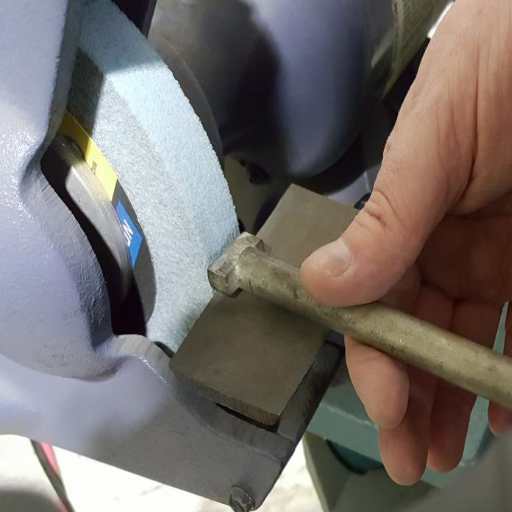
The dressing tool must be selected according to the grinding wheel in question and the desired output. For vitrified and resin-bonded wheels, single-point diamond dressers yield excellent precision. For mass dressing, rotary dressers give good efficiency and consistency. Ensure the tool’s hardness and durability match the material on which it will be used; otherwise, it will wear out prematurely. Lastly, in terms of cost, ensure that you do not overpay for a dress if the same result can be achieved with a less expensive option.
Comparing Different Dressing Tools
Single-Point Diamond Dressers
✓ Advantages:
- Excellent precision for fine profile grinding
- Lower initial cost
- Ideal for low to medium production
✗ Disadvantages:
- Faster wear in high-usage scenarios
- Limited to specific hardness materials
Rotary Dressers
✓ Advantages:
- High-volume production efficiency
- Long tool life and consistency
- Minimal downtime for tool changes
✗ Disadvantages:
- Higher initial investment
- Complex setup requirements
Multi-Point Dressers
✓ Advantages:
- Extended tool life through wear distribution
- Cost-effective for medium production
- Versatile for rough and fine adjustments
✗ Disadvantages:
- Less precision than single-point
- Complex replacement procedures
Knowing the characteristics and applications of each type allows one to make an informed selection of dressing tools. Single-point diamond dressers are employed for precision in fine profile grinding and maintaining standards in grinding wheel geometry. They are generally applied in low to medium-production situations where precision is of utmost consideration. Data tends to support the initial lower cost of single-point diamond dressers; however, they may wear out faster depending on how hard they are used and the hardness of the material.
Rotary dressers are suitable for high-volume production, where long tool life and consistent performance during dressing are required. They are employed in complex and repetitive jobs, thus ensuring that good surface finish quality is achieved and downtime for tool changes is kept to a bare minimum. Although larger initial investments are required for the purchase of rotary dressers, the price paid for the tools will be a wise investment, given the tools’ longevity and the resulting savings in production time.
Alternatively, multi-point dressers might be worth considering since they spread wear over multiple points, thereby preserving tool life and making for a cost-effective option in medium-production jobs. These tools are highly versatile and can be used for both rough and fine adjustments of grinding wheels, which is why they are popular in many industrial settings.
Moving on to the next advancement in dressing tools, diamond rolls and electroplated dressers offer enhanced performance for specific grinding operations. These tools are built with the latest engineering advancements, coupled with the highest wear resistance, so they can consistently deliver results even in more demanding applications. By matching the dressing tool with the grinding requirements and production scale, further optimization can be achieved in terms of performance vs. cost.
Factors to Consider When Selecting a Dressing Tool
A properly selected dressing tool is a basic necessity for the efficient and precise grinding process. Once selected, the dressing tool is subjected to the following considerations:
🔗 Material Compatibility
The dressing tool should be compatible with the material of the grinding wheel in question. For example, harder materials, such as cubic boron nitride (CBN) or diamond grinding wheels, require complex dressing tools, like diamond dressers, to achieve optimal performance.
⚙️ Type of Grinding Operation
Depending on the type of grinding operation, different types of dressing tools are required. Single-point diamond dressers are applicable for surface grinding with very high accuracy, while the production environment may require rotary diamond rolls for faster dressing and longer life.
💪 Durability and Wear-Resistance
A high level of wear resistance enables the dressing tool to be used for a longer period, thereby reducing the frequency of tool replacements and making it a more economical option. Dressing tools that have undergone specialized engineering with top-grade materials such as polycrystalline diamond (PCD) are reputed for handling severe wear over extended hours.
📐 Shape and Finish Requirements
According to shape and finish requirements, dressing tools would therefore be required with varied geometry and precision. Thus, for intricate profiling needs, rotary dressers would be appropriate, while for simple straight dressing, a single-point tool may suffice.
💰 Production Scale and Cost
For efficient operation, high-volume productions would require automated dressing solutions such as a CNC-controlled rotary diamond dresser. Although this may appear to be a high investment for dressing purposes, it is believed to have a significant return on investment in reducing downtime and errors. Thus, for small-scale production, manual dressing tools might just suffice.
📊 Cutting Performance Metrics
Performance metrics of utmost importance include the material removal rates, dressing speed, and surface finish. It has been established that matching the dressing tool and grinding wheel properly ensures uniform abrasiveness, thereby prolonging the life of the grinding wheel.
🌱
Environmental Considerations
Sustainable considerations in the selection process are gaining utmost attention. Eco-friendly manufacturing processes, or those that require fewer replacements for dressers, contribute to greening the manufacturing process.
In conjunction with specific production requirements, evaluating these factors enables manufacturers to make a suitable selection of the dressing tool that enhances grinding performance at minimal costs, maintains the required levels of quality, and reduces operational costs.
Popular Brands and Their Features
When considering dressing tools for grinding operations, several renowned names emerge as top choices due to their reliability, cutting-edge technology, and customer satisfaction.
1. Norton Abrasives
Known worldwide, Norton Abrasives offers high-quality dressing tools designed for precision and durability. Their diamond dressing tools are renowned for their long life and accuracy in material removal.
2. Winter Diamond Tools (Saint-Gobain)
This company provides diamond dressing tools at the highest level, engineered toward dressing for high-performance applications. Winter tools are renowned for their manufacturer’s patented innovative bonding technology.
3. Meister Abrasives
Meister Abrasives takes pride in its patronage for ultra-precision dressing tools for demanding industries such as aerospace and medical manufacturing.
4. Radiac Abrasives
Aic Rayc Abrasives is a well-known name for dressing tools under the Tyrolit Group. Radiac tools combine state-of-the-art technology with sturdy construction for a wide range of grinding applications.
5. 3M
3M’s dressing solutions are famous for their advanced abrasive technology and industry versatility. Durable materials, environmentally friendly manufacturing processes, and waste reduction promote a good balance of quality and sustainability.
Thus, a manufacturer can compare these brands based on their features, innovation, and environmental friendliness to make a more informed choice about which dressing tools might best serve their plant’s operational needs and ecological responsibilities.
Best Practices for Dressing Diamond Grinding Wheels
🏆 Guide to Effectively Dressing Diamond Grinding Wheels
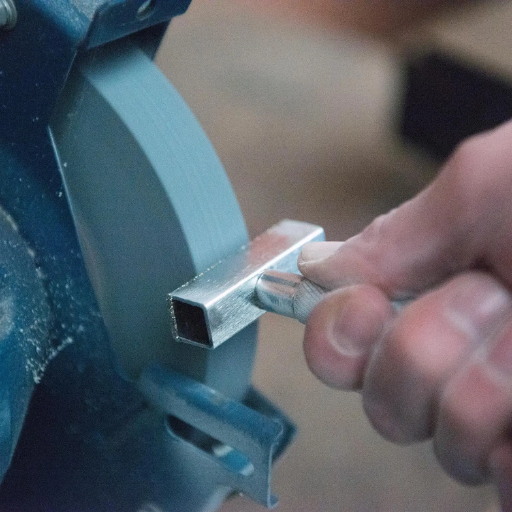
🤏 Use Light Pressure When Dressing
Excessive force may damage the wheel. Therefore, light, consistent pressure is always best.
⚡ Maintain Correct Speeds
Allow the grinding wheel and dressing tool to operate at correct speeds; this guarantees proper dressing and also prolongs the life of the wheel.
🧹 Clean the Wheel Regularly
Remove debris and buildup from the wheel on a regular basis to maintain optimal performance and prevent excessive wear.
🔍 Inspect the Wheel
Check the wheel for damage and excessive wear before and after dressing to ensure it is always in a safe condition for use. Replace it if deemed necessary.
Following these practices will increase the operational efficiency, safety, and life expectancy of diamond grinding wheels.
Step-by-Step Guide to Dress a Diamond Grinding Wheel
-
1Gather Tools and Equipment: Ensure you have a diamond wheel dresser, safety equipment such as goggles, gloves, and a dust mask, and a clean workspace, so you can carry out the job safely and effectively.
-
2Secure the Grinding Wheel: Install the Diamond Grinding Wheel on the grinding machine as per the manufacturer’s instructions. Check one last time to ensure that it is absolutely tight so it cannot shift during dressing.
-
3Turn on the Machine: Start the grinding machine and keep the wheel turning at its operational speed. Ensure that the guards are set correctly.
-
4Position the Dresser: Holding the diamond wheel dresser against the rotating wheel at the proper angle is essential. The given angle should be taken from your wheel manufacturer for the best results.
-
5Use Light Pressure: The dresser has to be pressed gently against the wheel surface while moving evenly across the entire face of the grinding wheel. Do not apply pressure for too long to avoid overheating or damage.
-
6Repeat as Necessary: Grinding wheel dressing must be continued until the wheel surface is completely smooth, without any clogged or uneven patches. The grinding wheel is usually checked intermittently during the dressing to ensure its evenness.
-
7Clean the Wheel: After completing the dressing, the grinding wheel is cleaned by brushing off all debris, ensuring its surface is prepared for use.
-
8Check the Results: Carefully inspect the grinding wheel to see if any cracks, chips, or uneven areas were developed. When it does, repeat the dressing process. If the wheel is too worn or damaged, replace it.
Following these steps will ensure that your diamond grinding wheel remains efficient, precise, and safe during your applications.
Frequency of Dressing and Maintenance Tips
📅 Maintenance Schedule Guidelines
The frequency of dressing your diamond grinding wheel will be dependent on the material you are working with and the amount of use. I typically evaluate the condition of the wheel after every major grinding operation and dress it if I notice that it has lost cutting efficiency or exhibits uneven wear. Routine maintenance, such as cleaning the wheel and inspecting it for any damage that may have occurred, will ensure optimal service and extended life. I maintain this schedule based on my usage and adhere to the manufacturer’s recommendations for specific usage.
Common Mistakes to Avoid When Dressing
❌
Over Dressing the Wheel
This is one of the most common errors: overdressing the grinding wheel, which leads to excessive material being pulled away and a short lifespan for the wheel. Dressing should be done lightly and in a manner that keeps the wheel profiling and working efficiently.
❌
Using the Wrong Dressing Tool
A defective or substandard dressing tool may not dress the wheel appropriately and could also damage it. Use a dressing tool according to the type and specification of the wheel as recommended by its manufacturer.
❌
Not Keeping the Wheel Free of Contaminants
Dressing when you could have contaminants, such as debris or embedded material, can be counterproductive. Ensure that you clean the wheel well thoroughly before dressing for the best results.
❌
Applying Improper Pressure
Excess pressure during dressing will ruin the surface of a grinding wheel. One needs to treat the grinding wheel with a soft and even hand.
❌
Failing to Hold the Wheel Firmly
Untightened grinding wheels are dangerous to dress and can cause undesired dressing tools or incidents. Ensure the wheel is fully mounted and tightened before dressing begins.
✅ Best Practice Summary
Avoiding the above mistakes and implementing best practices will ensure the optimal performance and lifespan of your grinding wheel. It is best to consult the manufacturer’s recommendations for additional tips specific to your type of equipment.
🎯 Conclusion
Mastering diamond grinding wheel dressing is essential for achieving optimal performance, precision, and longevity in your machining operations. By following proper techniques, selecting the right tools, and maintaining regular schedules, you can maximize efficiency while minimizing costs. Remember that quality dressing practices not only extend wheel life but also ensure consistent, high-quality results in your precision manufacturing processes.
For more specific guidance tailored to your equipment and applications, always consult your manufacturer’s recommendations and consider professional training programs to enhance your expertise in grinding wheel maintenance.
Reference Sources
2. Grinding Performance of Laser Cladding WC/Fe Coatings by Different Adding Methods of WC Particles
3. A Comparative Analysis of the VIKOR Method and Its Variants
Frequently Asked Questions (FAQs)
What is the dressing process of a diamond grinding wheel?
Dressing a diamond grinding wheel involves removing worn areas of the wheel with a dresser to expose a fresh abrasive layer. This will give the best grinding action to accomplish efficient grinding operations.
What types of dressing can be applied to diamond grinding wheels?
Proper dressing of diamond grinding wheels can be done by a diamond dresser, dressing stones, or grit dressing sticks. Depending on the application and the material being ground, any of the three can be used to resurface the wheel’s face and regain its cutting ability.
Is it possible to use a dressing stone on my diamond grinding wheel?
Yes, dressing stones can be employed on diamond grinding wheels; they are typically used for truing and dressing operations, thereby maintaining the wheel’s form and surface finish. One would need to take precautions when choosing a dressing stone to match the wheel’s make.
What is the difference between dressing and truing a grinding wheel?
Dressing removes dulled abrasive materials from a grinding wheel’s surface to expose fresh abrasive material, and truing relates to the reshaping of the wheel so that it rotates uniformly. Both of them need to be performed to keep diamond grinding wheels working with the highest degree of efficiency.
How to make grinding more efficient using a diamond grinding wheel?
Some of the key factors for effective grinding include correct dressing with diamond grinding wheels, optimal spindle speed, and accurate feed rates tailored to the job. Another factor that affects performance is the type of bond, whether it’s a vitrified or resin bond.
What are some advantages of the rotary-type diamond dresser for dressing operations?
Advantages include producing repeatable results efficiently to dress the wheel surface, even on more complex shapes, and avoiding overheating of the wheel, which may occur with other sandwiches.
Does the wheel need to be stopped during the dressing process?
Usually, stopping the wheel during dressing is needed to ensure the safety of operators and to apply the dressing tool with precision. Stopping the wheel will also prevent the wheel from being damaged during cutting and make it possible to do proper dressing.
What materials can be used for dressing a diamond wheel?
Materials commonly used for dressing a diamond wheel include silicon carbide, aluminum oxide, and specialized diamond dressing tools. The choice of materials depends on the type of grinding operation and on the diamond wheel being dressed.