








The most dominating power tool in any woodwork, building, or DIY project is said to be a circular saw. With just so many brands on the market, how can anyone even tell which one compliments their needs? From the workshop or weekend wise, it is every type and its particular application-working for you. This complete guide will walk you through the kind of circular saws, describing each of their features so you know exactly what to pick for your next job. Let’s cut through the confusion and go out and buy the circular saw!
Circular Saw Basics

What is a circular saw?
A circular saw is a quick-working round saw with teeth mounted on its outer edge to cut solidly through wood. The circular saw can cut all kinds of materials; construction projects, woodworking, and flimsy metal sheets usually call for it. The saw can be designed to run on AC power, batteries, or even fuel in some of the more industrial designs.
Industrial Fact: According to recent statistics, circular saws are among the most used types of power tools all over the world. They excel in straight cut, rip cut, and crosscut. They generally offer blade sizes ranging from 6½ inches to 12 inches, with 7¼ inches being fairly widely accepted for general residences or professional sites.
A modern construction tool usually comes with many safety features such as blade guards, electric brakes, and even handles ergonomically designed in such a manner as to augment user experience and lessen the chances of accidents. Industry sources maintain that if the saw is fitted with an electric brake, then within merely 2 seconds after the operator-induced brake has been released, the blade will stop moving, which Howe’s really good safety enhancement for the saw during its use.
How a circular saw works
A circular saw is basically a motorized tool with a very fast-spinning blade that makes neat, precise cuts on material like wood, metal, or plastic. As a voltage is given to the motor from the power supply, it spins the blade anywhere from about 3,000 to 6,000 RPM, depending on the model and intended use. The correctly chosen tooth profiles of the saw blade shear through the material efficiently and make very clean and neat cuts.
Technological Advancement: Quick advances are now being observed in cordless circular saws power-driven by lithium-ion batteries, some with cutting power as much as 50% greater than earlier designs. Such batteries with increased life allow the operator to perform long-length jobs without frequent charging breaks.
Key components of a circular saw
A circular saw has various components working in tandem for accurate cutting along a mark or line. One needs to know these parts for proper handling and for realizing full value from the saw:
Blade
The cutting tool in the saw that cuts into the material. A modern carbide-tipped blade can easily last six times longer than the conventional steel blade and so is mostly preferred by professionals in the industry.
Motor
This motor drives the blade and determines how efficiently the cutting is performed. Majority of circular saws are equipped with potent electric motors ranging from 10-15 A. Incorporated into high-end models, brushless motors can even add more efficiency and life to the tool.
Base Plate(Shoe)
Flat base acting as the support during working operations. Most adjust for bevel angles up to 45 degrees and, whether magnesium or aluminum, tend to be lightweight.
Blade Guard
Protects the blade when not in use. Most modern designs feature spring-loaded blade guards which automatically retract when the saw is in use and instantly return after performing the cuts.
Grips and Triggers
These offer grips and controls, and ergonomically speaking, these enhancements reduce fatigue when the saw is held for long periods.
Safety Features
Include electric brakes, dust ports, laser guides, and LED lights, which contribute to making the saw safer for use and more accurate for the task at hand.
Types of Circular Saws
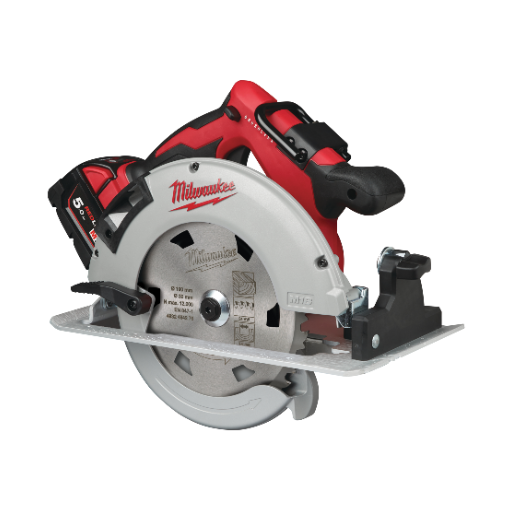
Standard Circular Saws
The most common types of circular saws are general-purpose saws, most versatile for various cuts. They are fitted with a rotating circular blade that can cut through anything from wood to metal, plastic, and masonry, depending on the type of blade chosen.
Market Growth: According to recent reports, the global circular saw market is slated to grow at a CAGR of 4.5% from 2023-2030, thus giving these products enduring popularity among the professionals as well as the DIY workers.
Key Features:
- Portable and easy to handle
- Blade sizes 5½ inches and 7¼ inches are more common
- Bevel settings adjustable for angles up to 45º
- Fast motors of 10-15 amps
- Speedwise the normal working capacity of 5,500 RPM
- Safety-wise anti-kickback mechanisms, electric brakes, and sturdy guards
Worm Drive Circular Saw
The worm drive circular saw is specially made for heavy-duty work, providing more torque and power versus standard counterparts. The motor is positioned parallel to the blade, contributing to higher torque transfer compared to direct-drive saws.
| Feature | Worm Drive | Standard Drive |
|---|---|---|
| Motor Position | Parallel to blade | Perpendicular to blade |
| Torque | Higher | Standard |
| RPM Range | 4,400-5,300 | 5,000-6,000 |
| Best For | Heavy-duty, thick materials | General purpose |
| Maintenance | Oil lubrication required | Minimal |
Ideal Applications:
- Dense and thick materials (hardwood, concrete, metal)
- Large construction projects
- Professional contracting work
- Extended heavy-duty use
Cordless Circular Saws
With cordless circular saws, mobility and convenience have seen their great revolution in the woodworking and construction industries. These power tools are battery-operated, with rechargeable lithium-ion batteries that have been rapidly advancing in capacity and efficiency.
Performance Data: High-end units such as DeWalt 20V MAX and Milwaukee M18 Fuel can attain maximum blade speeds of up to 5,000 RPM and cutting depths of 2 inches against 2×4-hardwood.
Advantages:
- Maximum portability and freedom of movement
- No power cord limitations
- Compatible with battery ecosystems (drills, impact drivers)
- Brushless motors for enhanced runtime and longevity
- Smart technology for battery life monitoring
- Performance comparable to corded versions
Suitable Materials:
- Wood and lumber
- Plastic materials
- Light metals (with appropriate blade)
- Composite materials
Choosing the Right Circular Saw

Motor Power and Performance
Motor power should be the primary factor for optimizing the tool’s use for intended tasks. Most modern circular saws are powered by brushless motors that offer high efficiency, longer runtimes, and less maintenance than traditional brushed motors.
| Battery Voltage | Suitable Applications | Performance Level |
|---|---|---|
| 18V-20V | General woodworking, softwood | Standard |
| 20V MAX | Hardwood, pressure-treated lumber | High |
| 36V-40V | Heavy-duty professional use | Maximum |
| Dual Battery | Extended runtime, maximum power | Professional+ |
Blade Size and Type
Blade size and type are crucial for performance and versatility. Common blade sizes range from 5½ inches to 7¼ inches, with the latter being most popular for general-purpose woodcutting.
| Blade Type | Material | Tooth Count | Best Use |
|---|---|---|---|
| Carbide-Tipped | Wood, Laminate | 24-80 | Durability, General Purpose |
| High-Speed Steel (HSS) | Soft Materials | 18-40 | Cost-Effective, Basic Tasks |
| Diamond-Tipped | Concrete, Brick, Tile | Varies | Masonry, Heavy-Duty |
| Low Tooth Count (24) | Wood | 24 | Fast, Rough Cuts |
| High Tooth Count (60-80) | Wood, Veneer | 60-80 | Smooth, Finishing Cuts |
Weight and Ergonomics
Weight and design for ergonomics affect both productivity and user comfort. Most circular saws weigh from six to fifteen pounds, depending upon materials and engine power.
Ideal Weight Considerations: The latest reviewed data confirm the 8-10 pound group weight as best for the compromise between portability and stability. Ergonomically formed tools incorporating damping materials design help reduce operator fatigue by approximately 30%.
Ergonomic Features:
- Rubberized grips for comfort and hold
- Balanced design for ease of manipulation
- Pivoting handles for natural wrist positioning
- Adjustable levers for comfort
- Vibration-damping technology
Circular Saw Blade Options

Types of Circular Saw Blades
Circular saw blades come in various options, each designed for specific applications and materials:
Rip Blades
Designed for fast cuts with wood grain, featuring fewer teeth and large gullets for quick material removal in rough carpentry.
Crosscut Blades
More teeth and smaller gullets for clean, smooth finishes when cutting across the grain.
Combination Blades
Versatile blades that perform both rip and cross-cutting well. Ideal for general woodworking projects.
Plywood/Laminate Blades
High tooth count with steep bevel to reduce splintering on thin or delicate materials.
Metal-Cutting Blades
Designed for steel or aluminum with carbide or steel alloys and fine teeth configuration.
Masonry Blades
Diamond-segmented blades designed for highly efficient cutting through concrete and masonry materials.
Popular Choice: Trend data shows that combination blades were among the highest searched terms online, which signifies that the demand is for versatile tools that can be used in various home improvement and professional projects.
Using a Circular Saw Safely

Essential Safety Tips
- Put On Proper PPE
Safety goggles are to prevent wood dust or splinters from entering the eyes.
Hearing protection (ear plugs or earmuffs) must be enforced since the noise from the saw exceeds 85 decibels.
Strong grip gloves will prove useful in better material handling. - Check the Saw and Blade Before Use
- Examine for damage or wear
- Ensure blade is sharp, aligned, and fastened tightly
- Note: Dull blades cause kickback – a major cause of injuries
- Secure Your Materials
- Fix material to work surface with clamps
- Prevent workpiece movement or shaking
- Maintain Proper Positioning
- Stand beside the cutting line, never behind the saw
- Reduces injury risk from kickback or loss of control
- Adjust Cutting Depth Properly
- Set blade approximately ¼ inch deeper than material thickness
- Minimizes blade exposure while maintaining control
Common Mistakes to Avoid
| Mistake | Consequence | Prevention |
|---|---|---|
| Skipping User Manual | 40% of tool-related incidents | Read and understand all functions |
| Improper Blade Installation | Uneven cutting, kickback risk | Follow installation procedures exactly |
| Neglecting Blade Maintenance | Binding, overheating, danger | Regular inspection and replacement |
| Unstable Work Surfaces | Hazardous shifting during cuts | Always clamp workpieces securely |
| Forgoing Protective Gear | Eye, ear, and respiratory damage | Consistent use of proper PPE |
Maintenance for Longevity

Cleaning Your Circular Saw
Proper maintenance ensures maximum performance and extends the life of your saw. Dust and debris buildup can also be dangerous and harmful to the efficiency of your power saw.
Step-by-Step Cleaning Process:
- Unplug the power source. – Either unplug the corded saws or take out the battery for cordless versions.
- Separately clean the blade.- Soak it in a mild cleaning solution and scrub with a wire brush.
- Use compressed air.- Clear out the fine sawdust inside the motor housing and motor vents.
- Clean surfaces.- Wipe the outside and the base plate with a damp cloth.
- Lubricate the moving points.- Points of pivot and adjustment mechanisms need to be lubricated with machine oil.
- Inspect components.- Carbon brushes, laser guides, and safety features should all be inspected.
Maintenance schedule: Experts suggest that after every 8 to 10 hours of use, the blade should be cleaned for optimal use and lasting capacity.
Sharpening and Replacing Blades
Maintaining razor-sharp blades is essential for precise cuts and efficient operation. A dull blade causes rough edges, burn marks, and motor strain.
| Blade Condition | Signs | Action Required |
|---|---|---|
| Slightly Dull | Requires more pressure, minor burning | Professional sharpening |
| Moderately Worn | Rough cuts, significant burning | Sharpening (3-4 times max) |
| Severely Damaged | Missing/chipped teeth, warping | Complete replacement |
Frequently Asked Questions
What is the best circular saw for absolute beginners?
For beginners, go for corded saws when one needs consistent power and, of course, not to worry about the batteries, or cordless models when mobility comes into play. Important considerations have to do with blade guards, weight, and safety features. The thing is that it all comes down to what you will do with the saw and when you feel comfortable and confident with the kind of setup.
How to rightfully pick a circular saw blade?
There are many variables upon which a blade type depends-“material” and “finish quality” being the prominent considerations. Combination blades are versatile and ideal for general purposes. Consider tooth count (more teeth = smoother cuts), blade diameter compatibility, and specific designs for material for optimal performance.
What type of circular saw is best for home use?
The types that most of the home consumers usually consider include corded (unlimited power, best for large projects) and cordless (which offers portability to do quick jobs). Handheld circular saws are good choices for most DIY projects, while mini circular saws prove to be more suitable for confined spaces.
What are the differences between corded and cordless circular saws?
| Feature | Corded | Cordless |
|---|---|---|
| Power Source | Continuous AC power | Rechargeable battery |
| Mobility | Limited by cord length | Complete freedom |
| Power Output | Generally higher, consistent | Variable, battery dependent |
| Runtime | Unlimited | Battery life limited |
| Best For | Workshop use, heavy-duty tasks | Outdoor projects, portability |
A final recommendation: It really depends on the specific requirements, project types, and working environment when choosing between corded or cordless. Primary use case should be placed in consideration for the decision.
After studying this complete guide well, one will certainly be in a better position to choose, use, and maintain the best circular saw for their projects. Safety should be on top of the priority list, and having this in place will help maintain and sustain for many years to come the validity of this investment.
Reference Sources
-
Circular Saws and the History of Technology
This article explores the historical development and technological advancements of circular saws, providing valuable context for their evolution.
Link to the source -
Dynamic Response of a Guided Circular Saw
This study examines the dynamic behavior of circular saws, focusing on their use in the wood products industry and the role of guide pads in minimizing vibration.
Link to the source -
Development of a Monitoring System for Guided Circular Saws
This paper investigates monitoring systems for circular saws to identify and address operational issues, ensuring optimal performance and quality.
Link to the source -
Small Sawmill Operator’s Manual
This manual provides insights into the applications and limitations of twin-circular saws, particularly in small-scale lumber production.
Link to the source -
Surface Acoustic Wave (SAW) Sensors: Physics, Materials, and Applications
While not directly about circular saws, this paper discusses the physics and applications of SAW sensors, which could be relevant for advanced monitoring systems in saw technology.
Link to the source