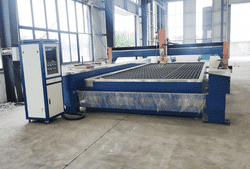
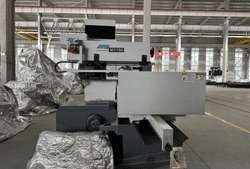


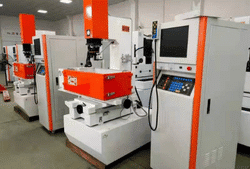
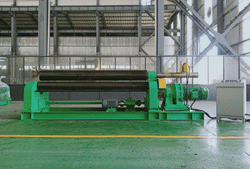

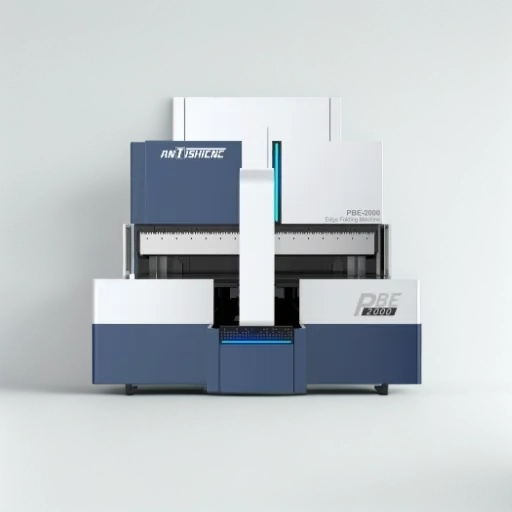
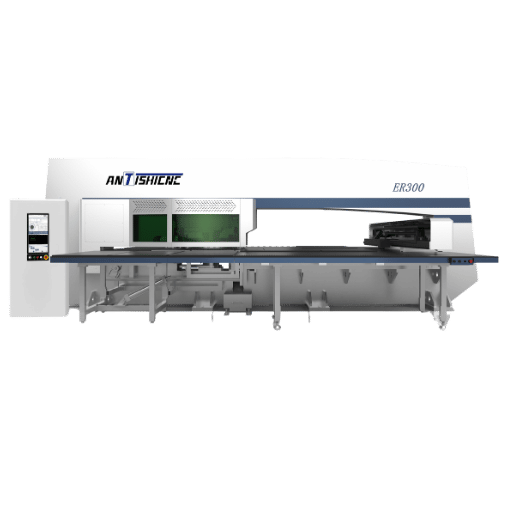
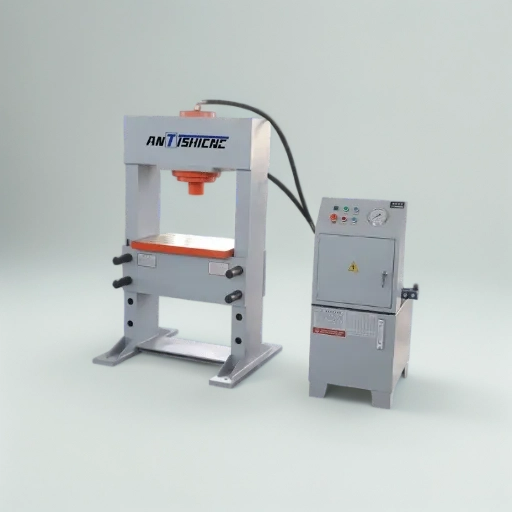


A grinding machine, viewed from the lens of manufacturing and metalworking industries, stands out as a rare machinery that carves out precision and efficiency in shaping and finishing materials. Whether the user is a highly skilled machinist or just starting in the industrial tool arena, the different types of grinders and their use must be looked at for the best results to be achieved. The article examines the marvelous world of grinding machines, focusing essentially on the shadows of surface and cylindrical grinders. From the concept of unique features to spying on industries that rely on them daily, you will get an insight into why enthusiasts and machines consider them essential. Prepare yourself for the basics, benefits, and technicalities that place these machines right at the center of modern production processes.
Types of Grinding Machines
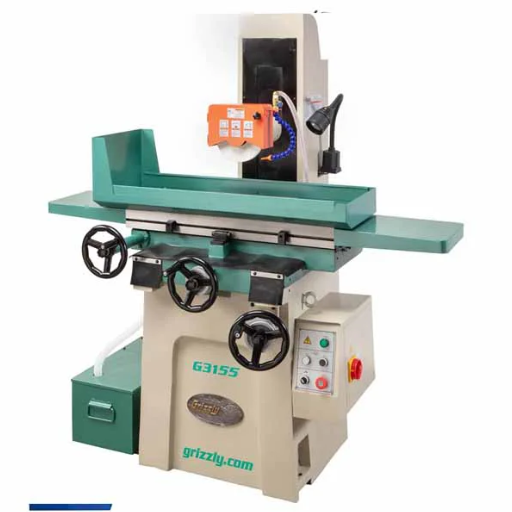
Surface Grinders
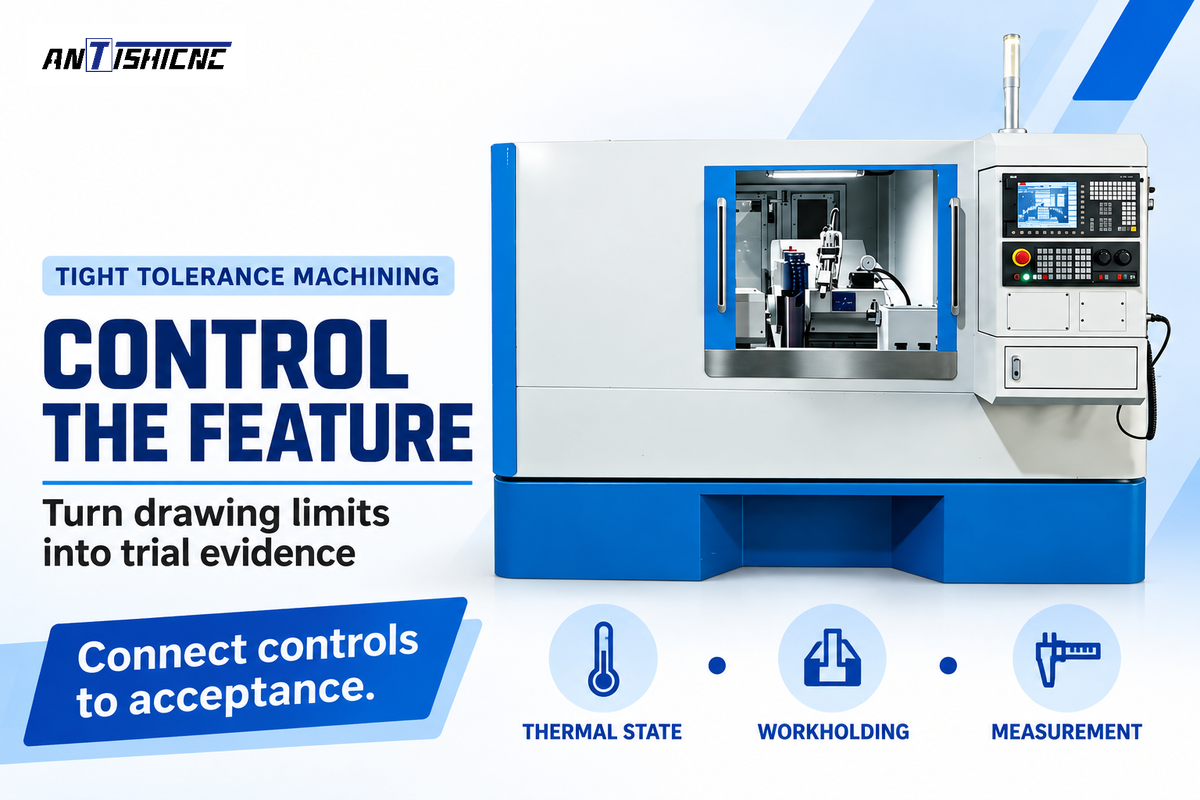
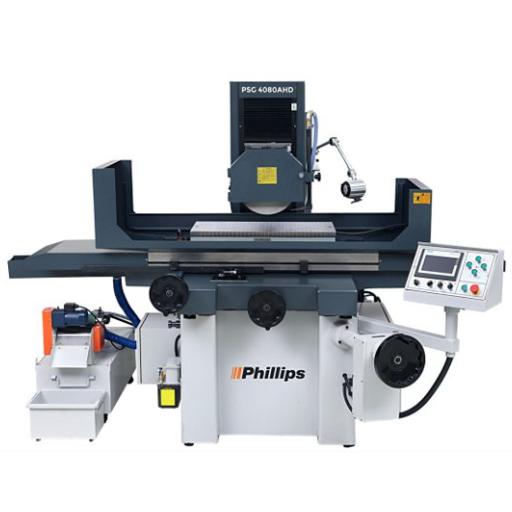
Surface grinding machines are precision machines used to provide an extremely smooth finish on flat surfaces. The machine uses an abrasive spinning wheel to cut off materials from the workpiece to give a better finish within close tolerance. Surface grinders are built in different designs, including horizontal-spindle and vertical-spindle grinders. The table carrying the workpiece may either be stationary or reciprocator-type, depending upon the type of grinder.
New-age surface grinders employ technology in some form to enhance the productivity and accuracy of the grinding process. For instance, the latest generation of surface grinders is provided with CNC features that allow an operator to automate the process, eliminate human errors, and ensure consistent results. With advances in machine technology and the rise in demand for precision machining from the automotive, aerospace, and manufacturing sectors, an industry report predicts the global grinding machine market to hit a revenue of $5.83 billion by 2027, growing at a CAGR of 4.6%.
Surface grinders have a wide scope of applications; they sharpen tools and machine components for complex assemblies. Their functional higher degree of precision has made them important in industries where consistently smooth and accurate surfaces matter. With developments in abrasive materials and software integration, the evolution of surface grinders continues to enhance productivity and cut operation costs.
Cylindrical Grinders
Cylindrical grinding machines are precision engineering instruments capable of carrying out extreme control on external or internal surfaces of solids of revolution. They are widely used in automotive, aircraft, and heavy machinery industries. These grinders can grind any type of material-from metals, plastics, or composites, thus having vast applicability in various manufacturing processes.
A modern cylindrical grinder is computer-numerically-controlled (CNC) equipment giving it yet more precision and automation. On the fact that there is a growing need for high-precision components from all sectors, market data indicate that the global cylindrical grinding machines market is expected to grow greatly. Recent advancements include hybrid grinders that combine additive manufacturing and grinding, very much increasing productivity and cutting production cycles.
Cylindrical grinders also manufacture crankshafts, camshafts, and a variety of precision shafts that define engine performance and industrial machinery. With IoT and smart technology integrated, this equipment now brings with it real-time monitoring capability, predictive maintenance, and optimization of operational efficiency – an answer to modern manufacturing’s evolving needs.
Centerless and Tool and Cutter Grinders
Centerless grinding is an indispensable tool in modern engineering processes for finishing cylindrical parts having high accuracy. The centerless grinding process eliminates the need for centers, or any fixture to hold the workpiece during the grinding, hence keeping its cost down and increasing efficiency. These machines suit mass productions and have been commonly employed for shafts, rods, and tubes. Higher precision, less operation, and better energy efficiency have become the standard for modern centerless grinders with improvements in servo drive technology and automation.
Tool and cutter grinders are specialty grinders used for sharpening and regrinding cutting tools like drills, endmills, and turning tools. Keeping cutting tools sharp and properly ground is essential to maintain the productivity and life of tools that are used in high precision manufacturing such as aerospace and automotive. Equipped with the best CNC controls, modern tool and cutter grinders allow grinding of helical tool forms and multi-flute geometries. Many also integrate with tool management software to further enhance productivity and eliminate errors.
According to recent market data, through 2030, the global grinding machine market will grow at a CAGR of 5-6%, as precision components are increasingly being demanded from the automotive, aerospace, and electronics sectors. The manufacturing arena is being reshaped with the use of AI-powered analytics, IoT-enabled predictive maintenance, and 3D simulation modeling, giving a further push to the functional capabilities of centerless grinders and tool and cutter grinders.
Applications of Grinding Machines
Automobile Sector
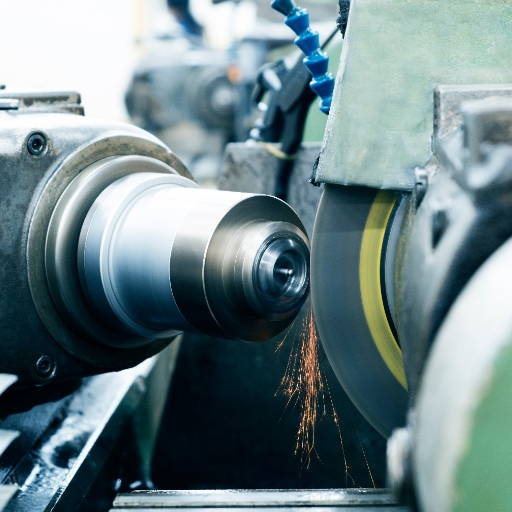
Grinding machines are valuable equipment in the automotive sector during the casings of components that require highest precision for the engines, transmissions, braking systems, and so on. Another factor that has increased demand for grinding machines is the rise in the electric vehicle trend for manufacturing battery casings and motor shafts and drive systems with minute tolerances. Development in grinding technology is therefore being driven by the growing electric vehicle market, with the market forecasted to record a CAGR of 23.1% during the forecast period 2023-2030.
Other types of centerless grinding machines are also used for making high-performance engine parts, such as camshafts and crankshafts, whereas precision tool grinders are for sharpening the cutting tools employed in automation production lines. The combination of CNC grinding machines and AI-aided process optimization speeds up cycle time while keeping the process and product consistent, thus further improving the production efficiency. This application of advanced technology ensures automotive manufacturers can hold on to their edge in a very dynamic industry, and all safety and performance requirements are met.
Applications in Aerospace
Unlike other industries, the aerospace industry requires a different scale of finesse and reliability, addressing turbine blades, engine parts, and structural elements. Further advancements have been made for grinding materials such as titanium alloys and carbon composites; grinding processes have now adapted to process these challenging materials efficiently.
Cutter grinders equipped with CNC and adaptive intelligence technology are used to accurately manufacture tools that can shape and machine complex aerospace parts. The aerospace tool grinding market is expected to grow at a CAGR of 6.5% in 2023, with increasing commercial aviation demand and next-gen aircraft production. Moreover, integrating AI and ML into grinding machinery enables the real-time process optimization that reduces tool wear while adhering to aerospace tolerances with minimal variance.
With these innovations, production of the most critical engine and airframe components ensures the highest standards of performance and safety. For instance, grinding accuracy enables tight tolerance and high-precision improvements in jet engine turbine blades that, in turn, help achieve fuel cost savings and reduce emissions-a top priority for industry toward sustainable aviation. Therefore, the advancement of the aerospace sector in technical terms is fostered by the type of established cutter grinders coupled with sophisticated technologies as it continues to meet stringent aerospace standards while working on future innovations.
Construction and Manufacturing
The swift evolution of construction and manufacturing industries is being fostered by an intersection of precision machinery and technology. Modern construction relies on CNC machines and automated fabricating systems to enforce the requirements for maximum accuracy and productivity. Laser cutting equipment used in steel making, a real-time application, allows precision cutting of structural elements and cuts material wastage by about 20 percent, leading reports from reputed industry analysts suggest.
Carbon-neutral manufacturing processes are coming into being with regulations and sustainability targets. Recent data show 39 percent of world carbon emissions are made by construction, forcing companies to seek better materials such as low-carbon concrete and modular components for prefabrication. These construction materials reduce the environmental effects as well as project timetables, with modular construction reducing building times by almost 50 percent.
Biotechnology and 3D printing pave a very different scenario. A robot-assisted bricklaying system can lay bricks by the thousands every day with exactness never matched before, and then large-scale 3D printing has entered the stage to build entire buildings in days! These emerging technologies stand as examples of the amalgamation of high-precision technologies in construction and manufacturing to ensure the realization of safer, faster, and greener projects in the future.
Maintenance Tips for Grinding Machines
Cleaning and Maintenance Management
Essential Maintenance Practices:
For maintenance to be given due importance for grinding machines, it should be done appropriately to enhance their performance, extend lifespan, and assure safety. Basically, cleaning is the initial and most important step of maintenance. It is important to know that metal shavings, dust, or grease deposited here and there in the grinder hinder or lessen the efficiency of machine operation over time. After every use, several surfaces ought to be wiped down thoroughly with a clean cloth-wiping was especially important in those areas adjacent to moving parts and grinding wheels. Alternatively, if materials are caked on, the use of cleaning solutions that are specifically designed for industrial machinery can be availed of.
Critical Insight: Studies reveal that incorrect utilization of coolant can lead to a 30% drop in grinding efficiency. Coolant levels must be watched at every instant and changed or filtered when required, as per the recommendations of the manufacturer.
Coolant management holds equal importance. Coolants reduce heat generation, keep the temperature constant, and help in increasing the life of the grinding wheels. Also very importantly, the coolant must be fit for use with a particular grinding machine and the type of workpiece being considered. Over a long period, the coolant would be contaminated by fine particles and oils; hence, a good investment into filtration equipment will really make the machine more reliable and increase intervals between breakdowns.
Such cleaning and coolant management strategies will, therefore, help reduce machine downtime and maximize operational efficiency while extending grinding machine life and thus form an integral part of any scheduled maintenance.
Testing and Replacement of Parts
To maintain the efficiency and accuracy of grinding machines, periodic inspection and timely replacement become necessary. Abrasion of critical components like grinding wheels, bearings, and belts reduces operational efficiency; should they be critically ignored, the machine may suffer sheer failure. Industry data have reported that downtime of grinding machines due to ignored and worn-out components stands at roughly 30%, which highlights the need for regular surveillance.
| Component | Inspection Frequency | Key Warning Signs | Replacement Impact |
|---|---|---|---|
| Grinding Wheels | Daily | Glazing, dishing, cracks | Restores cutting efficiency |
| Bearings | Weekly | Unusual vibration, noise | Prevents spindle damage |
| Belts | Monthly | Fraying, stretching | Maintains power transmission |
| Coolant System | Weekly | Contamination, low levels | Improves tool life |
Replacement of worn parts will help maintain or restore the grind machines’ efficiency, accuracy, and reliability and, hence, will help preserve their life. The worn parts might be inspected either visually for cracks or wear, by measurement of tolerances for critical parts, or by diagnostic tools to detect impending problems and treat them before such problems aggravate into serious ones. For example, the grinding wheels might be examined for signs of glazing or dishing, which tend to reduce cutting efficiency. The bearing replacement, too, is an important activity and should be carried out at the slightest evidence of failure to prevent heavy damage to the spindle or other associated parts.
Recently, the process has become more accessible due to technological innovations. Sensor-based monitoring systems aid maintenance teams in getting feedback in real time about the condition of parts so that they may plan and replace accordingly. According to the latest manufacturing reports, predictive maintenance combined with the technologies can indeed cut unplanned downtime by 40 per cent.
Commonly conducted maintenance, when partnered with machine technology, ensures coarser operations with enhanced product quality, extending the lifespan of grinding machines.
Calibration and Precision Maintenance
Calibration and precision maintenance constitute the cornerstone for the dependable function of grinding machines. In short, the calibration of equipment always means the adjustment of the equipment to a certain tolerance level. Therefore, this procedure is essential for assuring product quality. Recently, it was brought to our attention that when misalignment arises as a consequence of a lack of calibration, a 30% reduction occurs in machine efficiency, and wastage is experienced in great quantities.
Laser calibration systems and digital micrometers are possible to be used in highly modern technologies, assuring utmost precision. At the very least, manufacturers can track calibration cycles in real-time and remedy any deviation through cloud-based predictive algorithms. Furthermore, bearing precision maintenance yields an operational output boost of 20-25% and a significant reduction in defects as claimed by new studies.
Now-a-days, the uptake of automated calibration systems using AI to analyze historical data of machine performance and recommend the best calibration schedule is being increased, and its systems largely reduce manual intervention and enhance required precision for high-accuracy manufacturing environments. By incorporating these advanced technologies, manufacturers have been able to uphold their quality standards while drastically cutting downtime and operational costs.
Advancements in Grinding Technology
Automation in Grinding Processes
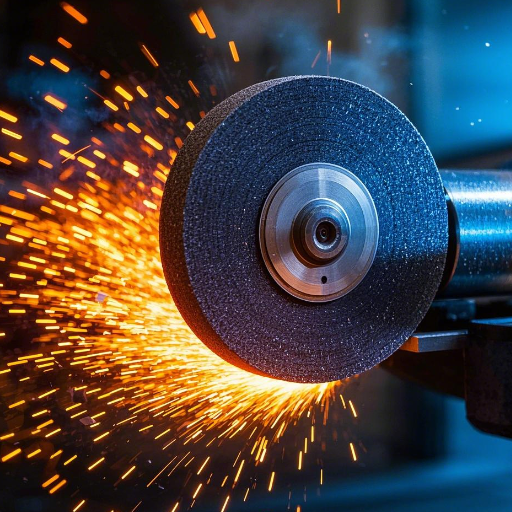
Charging levels of extraordinary precision and efficiency into manufacturing, automation has completely metamorphosed the grinding spirit. At their best, an automated grinding system employs state-of-the-art robotics, and on-the-fly AI-enabled monitoring and adjustments to ensure consistent quality for an entire production cycle. According to a market study by Grand View Research in 2023, grinding machine sales, trending up due to automation, will reach $6.73 billion by 2030.
Sensor technologies embedded in grinding systems represent the modern edge of this process. Sensors measure temperature, vibration, and tool-wear, pass that information onto AI algorithms to analyze, and consequently alter parameters including feed rate and spindle speed to optimize production. Along with production optimization, the system also maximizes tool life, thus leading to a reduction in costs.
Workflow design has been further enhanced by fully automated loading and unloading systems that barely require any human intervention, with robotic arms or conveyors carrying parts for processing. This capability facilitates uninterrupted operations in high-volume manufacturing. Thus, automating precision grinding on complex parts radically benefits automotive and aerospace industries in terms of speed and precision.
Industry-4 Benefits: Consequently, Industry 4.0 accepted the idea of interconnected grinding machines communicating through IoT networks, thereby opening possibilities for predictive maintenance wherein, even before an issue is faced, machines or operators are alerted about the coming issue, thus reducing unforeseen downtime. According to Deloitte, predictive maintenance can reduce incidence downtime by approximately 30 percent and cut maintenance costs by 25 percent.
AI and robotics, combined with IoT into automated grinding systems, stand as a dynamic trio in the maintenance of modernization in manufacturing, keeping high production rates, stringent tolerances, and sustainable operations. Such developments continue to unfold how automation is evolving ever more towards integrity, efficiency, and sustainability.
Integration of Smart Systems
With the advent of intelligence systems, automation in the manufacturing setup converted industrial processes into efficient, reliable, and data-based processes. Smart systems use advanced technologies of AI, IoT, and real-time analytics for optimization in each phase of product realization. For example, IoT-enabled sensors acquire huge data flows from connected systems, AI algorithms process these data to predict a failure even before the event occurs. According to McKinsey in 2023, the highest increment of 40% was seen in manufacturers who incorporated AI and IoT into their processes.
Meanwhile, these systems make sure of machine communication to synchronize work processes, minimizing human intervention. For instance, smart grinding machines enabled with IoT sensors and predictive analytics can automatically correct underpinning parameters to attain precise tolerance for both product and process. Data from such sources indicate that industries employing automated processes with smart systems reported a 20% drop in material-related wastes, thus reinforcing the sustainability aspect.”
Also, the cloud platform adds definite values to the flexibility and scalability of smart systems. With remote monitoring of their dispersed operational centers and drawing of insights in real-time, manufacturers guarantee efficiency scattered across locations. As advancements for smart systems’ technologies revive, we are steadily approaching a newly defined level of power, precision, productivity, and flexibility within the industry.
Innovations of Precision Engineering
These days, precision engineering supports industries’ building future by giving systems for highly accurate and efficient process control. More recent research had shown that with improvements of computer-aided designs, additive manufacturing, or ultra-precise machining, these have rendered enormous production capabilities to exquisite precision. For more perspective, nanotechnology-enabled fabrication processes go within the levels of tolerances of nanometers and have grown more crucial in aerospace, automotive, and electronic industries.
Global Market Insights had issued a report claiming that the precision engineering market would be growing at a CAGR rate of 7% from 2022 to 2030 since demands for custom-made, complex parts were increasing within manufacturing industries. Innovative new materials have been improving precision and durability for engineered components- from carbon-reinforced composites to titanium alloys.
These technologies are also becoming greener. For instance, laser machining creates little waste at all; while energy-efficient precision equipment minimizes its own power consumption, thereby reducing operational costs and environmental impact more than traditional equipment. Digital twins and simulation software allow engineers to model prototype designs in digital space, thus saving resources from being wasted in the actual development process.
The interplay of data-driven approaches and advanced technologies makes precision engineering a pivotal cause for industrial change over the next 10 years.
Frequently Asked Questions (FAQ)
What is a grinding machine, and how does it work?
Grinding is a catching term that setups purposes in removal of materials from any service article. For example, such a machine may use rotating wheels to sharpen cutting tools and to grind flat surfaces at high speeds. A grinding machine shows different types, like surface grinders and cylindrical grinders for their variations in the working method or the construction. Now, considering construction, some machines are built to manually run while some others can be CNC-controlled to provide high precision in grinding.
What are the different surfaces of a grinding machine?
The surface grinding machines can be manual,various automatic or CNC variants. The very common are horizontal surface grinders and vertical surface grinders. Vertical surface grinders go for flat surfaces, whereas the horizontal ones go for heavy workpieces. Tool-and-cutter grinders are the special ones designed for sharpening cutting tools. Each kind is employed for different industrial purposes and applications to ensure an ideal outcome.
Explain how a cylindrical grinding machine works.
Cylindrical grinding machines are employed for grinding outer surfaces of their workpieces. The rotation speed of the workpiece is decreased by its grinding wheel which removes material from it to obtain the correct diameter and very smooth finish. Essentially, it is a process to give very high precision to a cylindrical workpiece. Internal grinding may also be done utilizing some special attachments in certain cases. Its application is harsh on the names of different parameters during grinding, but repeatable results can be obtained if the feeding rates and speed of rotation of the workpiece and grinding wheels are controlled severely.
What does it do?
Bench grinders sharpen, shape, and finish materials, usually metals. They comprise two abrasive wheels on a horizontal spindle, enabling the operator to use two types of abrasive wheels for different types of grinding. Bench grinders are the standard grinding tools found in all machine shops, mainly used to remove burrs from edges, thereby helping in the preparation of workpieces for machining. They are suitable for very small projects and maintenance work where fast grinding to a sharp edge is needed.
What is the comparison between tool and cutter grinding and traditional grinding?
Tool and cutter grinding is a specialized method of grinding, concentrating on the sharpening and upkeep of cutting tools, viz., drills, end mills, and other machining tools. Traditional grinding could be tools for shaping or finishing the workpieces while tool and cutter grinding requires a higher degree of control under the grinding operation, often complicated by the geometry involved. These grinders incorporate fixtures to hold cutters of diverse types, and excellent-quality abrasive wheels to attain the required sharpening and surface finish.
Reference Sources
- Recent Developments in Grinding Machines – This paper explores advancements in grinding machine technology, focusing on high accuracy and unique features like dressing devices.
- A Survey of Machine-Learning Techniques for Condition Monitoring and Predictive Maintenance of Bearings in Grinding Machines – This study examines the use of machine learning for predictive maintenance in grinding machines, highlighting its role in automated production lines.
- An Online Monitoring Methodology for Grinding State Identification Based on Real-Time Signal of CNC Grinding Machine – This research focuses on real-time monitoring of CNC grinding machines to improve process efficiency and accuracy.
- Modelling and Simulation of Process: Machine Interaction in Grinding – This article discusses the interaction between grinding processes and machine structures, providing insights into modeling and simulation.
- Principles of Modern Grinding Technology – This book offers a comprehensive overview of grinding technology, including applications, machine tools, and process advancements.