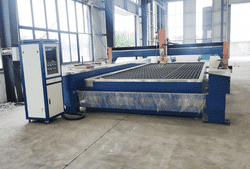
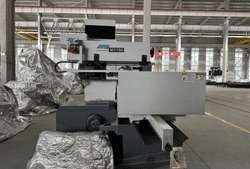


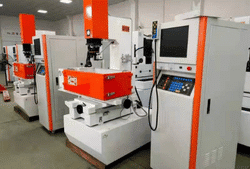
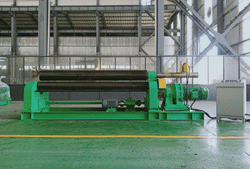



With the processes in manufacturing and metalworking so dynamic, the universal shaper is an engineering design with the full intent of precision and versatility in industrial applications. It is shaping, cutting, or forming all kinds of materials, installed in workshops and factories worldwide; this makes the universal shaper machine a very essential tool. So, is there something particularly special about the universal shaper machine? How does it enhance speed and performance across industries? In this comprehensive material, we shall discuss the main features, working principles, and the numerous applications of the universal shaper machine. To gain an appreciation for this versatile machinery product, an industry professional will find it worthwhile to read this paper, as will anyone who wishes to stay updated on current manufacturing innovations.
Introduction to Universal Shaper Machines

What is a Universal Shaping Machine?
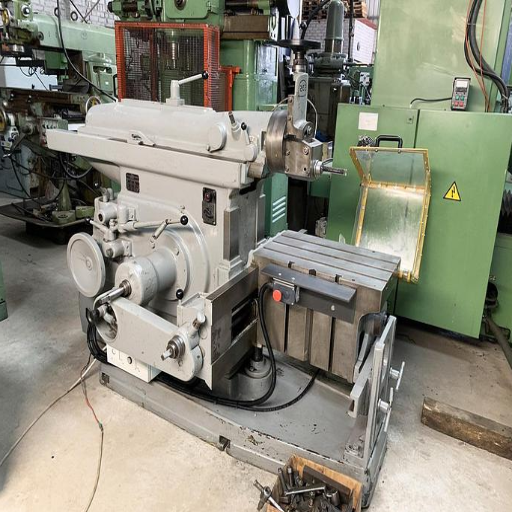
The universal shaping machine is a very versatile tool that accepts the shaping and cutting of metal or such materials into exact forms. The cutting tool of the machine operates in a reciprocating motion, that is, it moves linearly across the work surface of the workpiece. The machine features a heavy table that can be swiveled, tilted, or rotated to accommodate unusual geometries and angles.
Capable of handling any machining operation such as contouring, slotting, or straight cutting, the first and foremost advantage springs from the diversity it holds. Universal shaper machines sometimes operate mechanically or hydraulically with all the working power, achieving full efficiency. These have high precision and are used wherever repeatability is required in the production of automotive, aerospace, and tool and die industries. They became efficient with automation techniques and CAD/CAM integration for further processing.
Importance in Industrial Applications
Being extremely versatile and very accurate, these universal shaper machines find major applications in modern industrial setups. The machines are used for producing flat surfaces, angled cuts, and more complicated pieces, which proved to be vital in automotive, aerospace, and machinery manufacturing industries. These can work on materials ranging from metals to solids for the use of the industries. New technologies together with CAM help universal shapers in producing better toolpath generation and improve manufacturing efficiency. Therefore, production lead time has greatly shrunk according to some reports, which might be a good factor in the popularity of universal shaper machines when optimizing for workflow and productivity. Time during which the machine is working is also added as an advantage. On the other hand, repair downtime, if ever required, is also very minimal, hereby cutting down operations cost and hence improves operations.
Explanation of Shaping Machines
The integration of advanced technology in contemporary shaping machines is done so that they serve the particular needs of different industries. Contemporary profile persons to consider an idea toward development with CNC (Computer Numerical Control) systems, imparted to the fine-tuning of operations and complex designs. Another approach may include intelligent interfaces coupled with real-time monitoring systems so an operator can efficiently handle tasks with fewer errors and higher output quality.
The essence of today’s shaping machines includes an energy-efficient motor and a design that emphasizes sustainability, given its newfound consciousness toward green manufacturing. For instance, studies have revealed that an automatic shaping machine equipped with an optimized drive system can reduce energy consumption by up to 30 percent compared to a conventional one.
The aerospace, automotive, and manufacturing industries are the primary beneficiaries of these inventions, with shaping machines helping create intricate parts of very strict tolerances. The data currently suggest yet another rising trend of modularization in shaping machine design—the feature increases customizability and eases servicing, hence reducing downtime and increasing the equipment’s lifespan.
Finally, from a purely technological viewpoint, shaping machines, owing to higher efficiency, accuracy, and sustainability, still gave manufacturing a competitive edge.
Types of Shaper Machines
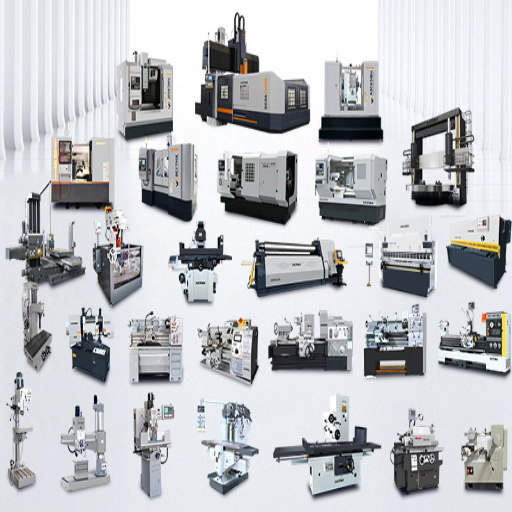
Different Types of Shaper Machines
The shaper machines are classified depending upon their functional mechanisms, design, or the purposes for which they are used. Here are the primary types of shaper machines, each with its characteristic features and advantages:
Horizontal Shaper Machine
Among the shaper machines, these are probably one of the most widely used owing to the fact that they find applications in a variety of tasks. In the case of a horizontal shaper, the ram moves horizontally; thus, it is mostly used for creating flat surfaces. The horizontal shaper is used in industries to machine long workpieces or where accuracy is must.
Vertical Shaper Machine
Contrarily, in a vertical-shaping machine, the ram moves up and down. They are suitable for machining internal surfaces that include slots, keyways, and other complicated details. Due to their flexibility and accuracy, vertical shapers are generally used in toolrooms and heavy machining operations.
Standard Shaper Machine
This is the most basic type of shaper, intended for fairly general machining operations, with its specialty being to cut straight and linear surfaces—that is all. Hence, they are suited for small industries or repair workshops that perform the most straightforward manufacturing work.
Geared Shaper Machine
The gear system allows the ram to be controlled. The geared-shaper machine performs heavy work and provides high-speed processing with consistent output results. The highest productive industries use these machines.
Hydraulic Shaper Machine
These shapers utilize hydrostatic pressure for ram movement, rather than mechanical linkages. This significantly enhances the machine’s control and provides smooth and quiet operation. Hydraulic shapers are typically used for operations that require the most incredible precision and constant accuracy.
Crank Shaper Machine
Equipped with a crank mechanism, these machines are suitable for lighter jobs and medium workloads. They operate by converting rotary motion into linear motion, allowing them to reliably machine flat surfaces at moderate speeds and with moderate precision.
Universal Shaper Machine
True to their name, universal shapers are highly adaptable machines that can perform a wide range of tasks. They accommodate swivel worktables, allowing operators to shape workpieces at various angles. This usefulness makes universal shapers highly sought after in applications where flexibility and customization are extremely demanded.
The manufacturer can take advantage of the unique attribute feature of each particular type of shaper machine and select for operations demanding either precision or efficiency, or even both.
Universal vs. Specialized Shapers
Studying the prospective capabilities and limitations of universal and specialized shapers will inform a choice, given some specific operational requirement. The universal shaper, being very versatile, can perform almost every kind of work with its variable parts, one such being the swivel table that can work at angles. This sort of environment would be ideal for workshops that undertake custom jobs or small-batch production where the focus is on versatility rather than speed of processing at large volumes.
Special shapers, on the other hand, are employed only for a very particular operation and cutting of a certain profile concerning a specific application or mass-scale production process. They are built for an application in absolute precision and productivity. Such machines often provide the special tooling, special automation, and enhancements in workflow. Pragmatically, with uniformity and mass production needs, specialized shapers are worth a sizeable stock-in-trade time and money saver.
Research shows that universal shapers are best utilized in repairs and prototyping, where operators require the flexibility to vary their tasks. On the other hand, notable shapers are most commonly used in the automotive and aerospace manufacturing sectors, where precision and replicability are essential at any cost.
Special considerations relating to a particular operation, such as the complexity of the task, volume, and tolerances, enable a manufacturer to ascertain the generalist applications of the universal shaper or the specialist efficiency focus of one model.
Choosing the Right Type of Shaper Machine
Become an expert in knowing which machine to pick for shaper operations with functionality, efficiency, and cost-effective alternatives coming into the bargaining party. Universal shaper machines are loved for their versatility because they can perform a broad number of tasks related to different industries. Therefore, they work well for workshops and other adaptations where small- to medium-scale operations are prominent. However, specialized operations call for a more specialized shaper machine, which offers utmost precision and are probably more common in highly competitive industries where thorough evaluation and performance measurement are mechanisms like aerospace and automotive, deterministically.
Several important factors need to be considered. For example, data indicates that industries requiring complex profiles or tight tolerances usually benefit from specialized machines that reduce waste and improve consistency in production, sometimes outperforming universal machines under very demanding circumstances. However, universal shaper machines might hold an advantage in situations where flexibility and cost savings are primary considerations, especially in environments with a diverse range of jobs.
Considering various aforesaid elements, on productivity enhancement, production volume, type of material, tolerances required, and financial constraints are the key considerations. Also, modern developments have increased the performance and convenience of the two types of shaper machines, incorporating automation features and computers. The careful study of these considerations enables industries to procure equipment that fits their working requirements for the present, including an accommodation for growth and changes to operations in the near future.
Working Principle of Shaper Machines

How Does a Shaper Machine Work?
The shaper machine is meant to provide a reciprocating cutting action to shape or cut material from the workpiece. Normally, it is a single-point cutting tool, which moves straight over the surface of the workpiece, removing material layer by layer, to give the required shape or surface. There are major parts in a shaper machine such as a ram, tool head, worktable, base, and clamping arrangements that ensure that the machine is working with precision.
There are various improvements made in the modern shaper to enrich accuracy and efficiency. For instance, ram operations are now equipped with a quick return system to boost productivity by shortening the idle time of the return stroke. This adjustment facility hastens complex machining, while CNC is an interesting feature of such machines to handle even more complex operations. Uniformity in working of various materials and workpieces is ensured with controlled cutting speeds and feed rates, which make the shaper machines suitable for a wider range of applications, viz., tool manufacturing, and general metalworking.
Main Components of the Working Mechanism
Ram
In the shaper machine, the ram provides linear back-and-forth movement. The power transmission could be either mechanical or hydraulic, carrying with it the motion to effect material removal by the tool. More contemporary ram designs may even allow for the adjustment of stroke length and speed to meet different machining requirements.
Tool Head
The cutting tool is held in the tool-head assembly, which shapes the workpiece with precision. It provides adjustments for vertical or angular movements, enabling machining of diverse shapes and cuts that include intricate, multi-directional cuts. Modern machine tool heads are modular and allow for tool changes to be rapid.
Worktable
The worktable clamps the workpiece firmly during the working operation. Movements of the worktable in the vertical, horizontal, and transverse directions can be adjusted to whims of the operator for machining the workpieces of various sizes and shapes. It also has slots for clamping structures and other fixtures in different adjustable positions.
Feed Mechanism
The system also allows the steady and controlled displacement of the workpiece to the cutting tool. Various options are possible: manual or automatic feeds, depending on the task that demands a higher degree of precision. The automatic feed provides higher rates of production since it involves movement with fixed accuracy and repeatability.
Clapper Box
The clapper box is mounted on or in the tool post, allowing the cutter to lift off the work during the return stroke, preventing it from rubbing against the workpiece. This reduces tool wear and subsequent damage to the material.
Base and Column
These are therefore helping the machine to be structurally strong and capable of providing stable service. While the base absorbs vibrations, the column supports the ram and its associated mechanisms to ensure good and accurate performance.
Drive Mechanism
The movement of the ram is controlled by either a belt drive, a gear drive, or even contemporary motor systems. These systems are designed for efficiency and variable speed to manage varying materials and cutting situations.
By combining precision engineering with contemporary advancements such as CNC integration and automated feeding systems, today’s grading machines achieve the highest accuracy, reliability, and productivity across a wide range of machining operations.
Understanding the Shaping Process
Shaping is one of basic machining processes that remove material by successive strokes to render the work into the required shape. The process involves holding a single cutting tool against a workpiece securing it to impart a particular form by linear movement. Feed rates and depth of cut may be varied for coarse and fine adjustment of material removal, depending upon the nature of the metal- aluminum being soft and steel being hard.
Cutting-edge modern technologists build upon the capacity of refinement and accuracy. Many machines accept/apart automated devices that hold steady speeds, finishing the job evenly and generating very little heat during cutting. Furthermore, CNC-implemented shaping machines can program complex patterns and dimensions reproducibly for production quality with a lot less human intervention. Using such facilities, manufacturers require tolerance in microns, thus improving outputs from construction to aerospace.
Significantly, the shaping procedure offers total versatility: from cutting flat surfaces to creating grooves and cuts at angles, versatile shaping machines can handle a wide range of operations while minimizing material waste.
Shaper Machine Operations

Everyday Operations Performed by Shaper Machines
Shaper machines perform a variety of essential operations to suit individual requirements of manufacturing. Typically, these operations include:
Surfacing
Shapers are more efficient when working with flat surfaces formed by removing excess material from massive workpieces. This operation is generally employed for producing base parts of machinery, with utmost consideration for accuracy and surface finish.
Grooving
Grooving is the process of creating grooves of varying sizes and depths on a workpiece. This process is crucial in keyways, slots, and channels through which applications in mechanisms like gears and shafts can be very diverse.
Contouring
Contouring enables precise shaping and creating profiles with perfect accuracy. The ability is most needed in complicated designs for use in aerospace, medical devices, and the custom tooling industry.
Angular Cutting
Angular cutting is the procedure of creating angular or inclined surfaces, filling a need for layouts that must be realized with specific slopes or tilts. Industries that depend on these custom fittings often utilize this process for precise machining.
Slotting
Slotting is primarily a procedure to make well-defined slots or recesses in metallic or non-metallic materials. The assembly of mounting brackets and machine components, among other products, requires slotting in interlocking structures for these types of products.
The shaper machine, thus, carries significant responsibilities in modern manufacturing by enabling dependable precision and an adaptable nature for both routine and complex uses. The pitfalls of undertaking manual operations have been eliminated with the advent of trends like automation and AI integration, leading to faster output while adhering to strict tolerance limits.
Setup and Tooling for Effective Operations
With the machinery performing its shaping tasks, any industrial operation must be based on the premise that the machines are correctly set for optimal performance and accuracy. Every machine in these industrial operations that performs shaping must be set up for execution, working in conjunction with the need for all parts to be aligned, the workpiece to be clamped tightly, any inaccuracies to be avoided, and safety hazards to be prevented from entering the machining operation. The appropriate selection of cutting tools is of extreme importance among various requirements; tools made of high-speed steel or carbide are generally used due to their capability to perform multiple cutting operations with the advantage of time efficiency.
A knowledge of the materials featuring work is essential: it basically implies the choice of feed rate and cutting speed as well as tool geometry for the process. Being more rigid, the stainless steel should be worked at smaller speeds with copious coolant volume so that the wear of the tool will be less and overheating will not be promoted. Use of precision instruments, such as dial indicators and micrometers, help ensure the workpiece will retain its dimensional accuracy during the different stages of shaping every time.
With custom-made parts, a shaper machine with working capacities exceeding those of the ordinary iron is being called for. Manufacturers are now embracing the modern concept of AI-based computer applications to provide adequate automation of tool positioning and machine operation. Therefore, CNCs, along with ordinary shaper tools, can be used and dependent upon greater repeatability in addressing setup times. Machinists can manually position tools or set such positioning automatically, change machining parameters dynamically, enhance processing time, and, in the wake of all that improvement, ensure a better surface finish. In this way, a proper maintenance schedule, including gear inspection and lubrication of such moving parts, will assure constant performance and thus long life for the machine.
Maintenance Practices for Optimal Performance
An effective maintenance plan is one that combines the predictive and routine checks to increase equipment uptime. Under predictive maintenance, condition monitoring instruments are used to check vibration, temperature variation, and noise signature for any measurable events that are potential causes for downtime. For example, based upon data generated by sensors, the operator could be warned of some level of misalignment, worn components, or degradation in lubrication and undertake corrective measures in time. Visually, there are wear belts, seals, and gears, which allow one to address some minor issues before they worsen. Cleaning debris out of moving elements sustains their free movement by preventing any mechanical obstructions.
Maintaining a detailed maintenance log is also recommended. In such a way, recording activities performed in maintenance, parameters of machine performance, and repair activities enable teams to identify recurring problems and optimize the maintenance schedule. The awareness, combined with variable calibration at regular intervals, keeps the machines in good working condition, yielding accurate and reliable results over time. Not dedicating time to this takes away from productivity, while dedicating time to it is just what extends the life of the equipment.
Applications of Universal Shaper Machines in Industry
Applications in Mechanical Engineering
From the desk of my practical experience, shaping machines enjoy high esteem in the field of mechanical engineering for prestige in versatility and accuracy. Shaping machines would mainly work for shaping and cutting steel and metals into intricate forms that enter into further processing for making gears, bracketry, and tools. From my point of view, a universal shaping machine is indeed versatile in that it can shape materials of different hardness-it can shape steel and aluminum, and so is good for formulation in the fields of automotive and aerospace engineering. I consider very detailed applications in prototype development to be somewhat important because it allows engineers to fabricate parts quickly and accurately.
By themselves, the machines in question, due to their flexibility, can exert a significant influence on the die-making and tooling applications I have experienced. Universal shaper machines are best known for machining molds and dies, which are essential in the mass production process. Any of these elements would be suitable for use on a production assembly line, as long as they are made with high-quality materials. Likewise, these machines can accommodate repair applications, such as re-grinding worn parts, thereby avoiding excessive downtime and resource wastage. From my experiences, a well-built, flexible machine should be in every mechanical engineering shop that considers itself in development and operational excellence.
Shaper Machines: Tool Room Applications
According to me, shaping machines are timeless tools in tool room applications. They are generally versatile, especially for precision tooling, production of small batch components, and prototype creation. By meaning of shaping some hard materials, be they metals or plastics, the tool rooms can make custom features that contain grooves, slots, and keyways to an accurate finish. Whenever that job requires a tool that is unique or non-standard, the shaper machine comes into aid to ensure that the workshop can follow the design intent without having to outsource.
Besides, I have found these machines convenient in repairing and rebuilding worn-out machine parts. This capacity is crucial in tool rooms, where operational efficiency should not be compromised and where interruptions in production should be avoided. For instance, a damaged gear or shaft can be reconditioned using a shaper machine; either way, time and money would be saved. Their ease of use and precision likely make them more popular with both experienced machinists and trainees who wish to hone their skills with the machines in a less pressured atmosphere.
In conclusion, shaper machines serve as agents of versatility, precision, and efficiency in any toolroom application. They not only help achieve high-quality results in manufacturing custom tooling and restoring parts, but also improve the overall productivity of any manufacturing process. This long-standing service remains a vital part of any mechanical workshop, aiming to foster precision and innovation.
Innovative Applications Across Industries
Having been thrust into numerous industries on account of versatility and inventiveness, shaping machines find application today in grading coaxial types of parts in aerospace manufacturing wherein they demand extreme precision, tight tolerance, and reliability, for they operate in very adverse conditions. In contrast, in the automotive sector, these are used for the manufacture of gears and parts of utmost complexity which greatly contribute to the vehicle’s operational efficiency and longevity. Because they have the flexibility of extremely tight tolerances together with excellent finishes, they are almost indispensable in the making of precision parts.
Now, that is an observation I made-the impact these machines have in heavy machinery and tooling production, where there is intense dependence on them to restore worn components or, in some cases, to provide a custom tooling solution for very specific needs. Such versatility comes in handy in smaller production activities or designs that may prove impractical by way of any other process. Hence, having shaper machines in workshops serves industries with precision and productivity. One cannot but marvel at how the ancient manufacturing methodology continues to remain relevant by evolving with the times as the technologies advanced.
Reference Sources
-
Shaper Machine Guide: Principles, Types & Applications – CNC WMT
Explains the principles, types, and applications of shaper machines, with a focus on their robust and cost-effective design. -
An Essential Guide to Shaper Cutters – Tools Today
Discusses the role of shaper cutters in shaping materials and their importance in precision work. -
Shaper Machine: A Full Explanatory Guide for Buyers – Linquip
Provides a comprehensive overview of shaper machines, including their parts, working principles, and types.
Frequently Asked Questions (FAQs)
What is the working principle of a shaper machine?
A shaper machine has the reciprocating action of the ram that carries the cutting tool as its principle. The tool shall cut the material upon the ram completing the forward stroke, shaping it to the desired contour. The machine follows the principle of a quick return motion where the time for the return stroke is less than that for cutting stroke, leading to an enhanced rate of production. In contexts of mechanical engineering, shaping flat surfaces or producing keyways on shafts are the main work given to shaper machines. The tool in question for cutting may be a single-point cutting tool held in a tool head. It is very important to have this platform open and clear for anyone to use shaper machines more proficiently for different applications.
Different types of shaper machines?
Now, there are many shaper machine types, such as plain shaper, hydraulic shaper, and crank shaper. Each of these have somewhat different features, and by that, these would be able to carry out a different aspect of the working procedure. For example, generally, plain shapers are used for horizontal flat surfaces, whereas hydraulic shapers act through fluid power to produce increased cutting force. The crank-type shaper probably gets its name from the quick return mechanism in the working table on these machines, which suits them for high-speed operations. If you understand various types of shaper machines, you can select the appropriate machine according to the needs of the project and the object to be worked on.
What are the parts of a shaper machine?
A shaper machine primarily consists of several chief components: the ram, tool head, machine table, and clapper box. The ram is important as it holds the cutting tool and moves it across the workpiece. The tool head also holds the cutting tool and can be adjusted for depth of cut. The machine table holds the workpiece and can be adjusted either vertically or horizontally to position the workpiece exactly under the cutting tool. The clapper box permits the tool to be lifted away from the workpiece during the return stroke, thereby preventing wear on the cutting edge. Knowledge of the different parts of the machine is essential for the efficient operation and maintenance of the shaper machine.
How is a shaper machine used in mechanical engineering?
Developed primarily for shaping and finishing operations on workparts in mechanical engineering, the shaper machine has many other applications, including the making of flat surfaces, grooves, or keyways on shafts. It truly requires a high degree of precision and accuracy in the shaping operation, as it mates a single-point cutting tool. Sometimes, it is joined with other machine tools, such as the lathe, to make more complex shapes or profiles. Its utility and efficiency dictate that the presence of the machine is almost universal in workshops wherever shaping work is being done.
What is the price of a universal shaper machine?
In an ordinary shop, it would be rather difficult to imagine anyone casually mentioning any universal shaper. Prices will purely depend on the hardware characteristics, size, and manufacture, ranging from a few thousand dollars to tens of thousands of dollars, depending on the capacity and precision offered. Hydraulic features, automation, and other accessories may also affect the price. While buying a shaper machine, the buyer must ascertain his needs such as the type of concrete work pieces that will be worked on, to invest in the one most suitable for the job.
What is a machine diagram for a shaper machine?
A machine diagram for a shaper machine illustrates the components of the machine and their arrangement. This diagram is essential for understanding the machine’s operation, the ram’s motion, and the placement of the workpiece. Different parts are labeled, including the ram, tool head, machine table, clapper box, etc. From the machine diagram, operators can also gather that the ram has a reciprocating motion and how the workpiece is involved in that. Such knowledge, therefore, becomes crucial in identifying any issues with the machine and optimizing its performance for various shaping operations.