


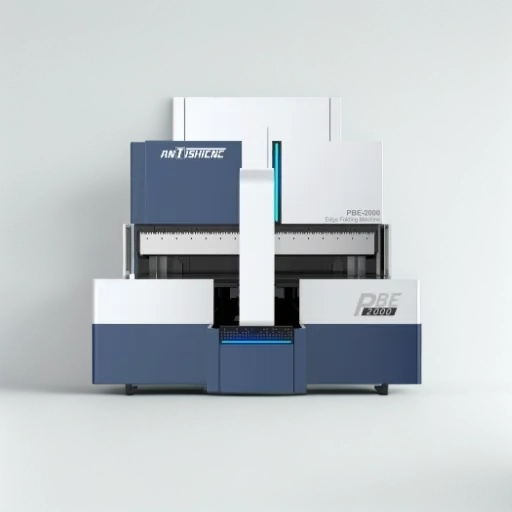
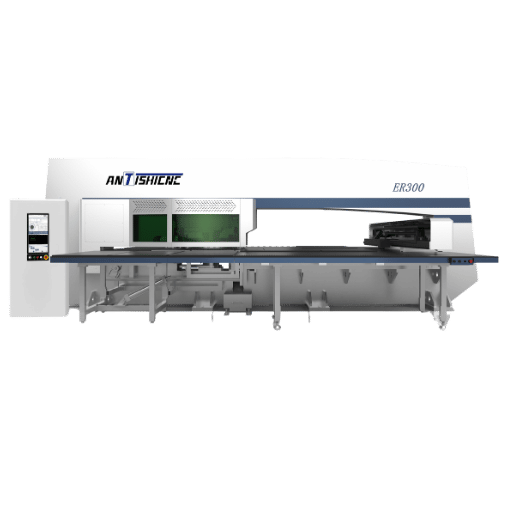
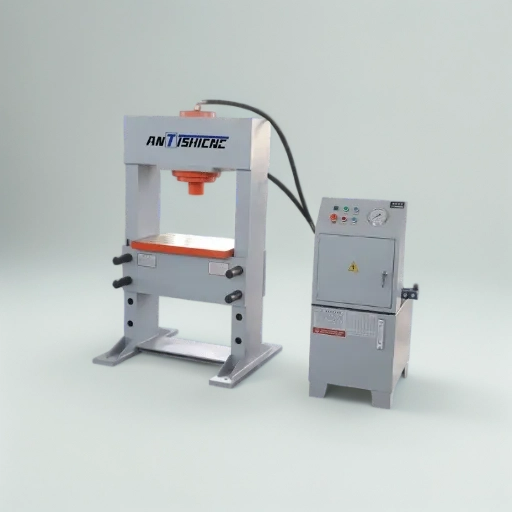


Vertical turret milling machines have always been considered essential machinery for the manufacturing and machining industries, offering precision, versatility, and a wide range of applications. Among the various models, the M3, M4, and M5 types have consistently been trustworthy choices for both experienced users and newcomers.
This comprehensive guide provides detailed information about the features, operation, and differences among these three models, helping you make an informed decision that suits your specific machining needs.
Overview of Vertical Turret Milling Machines
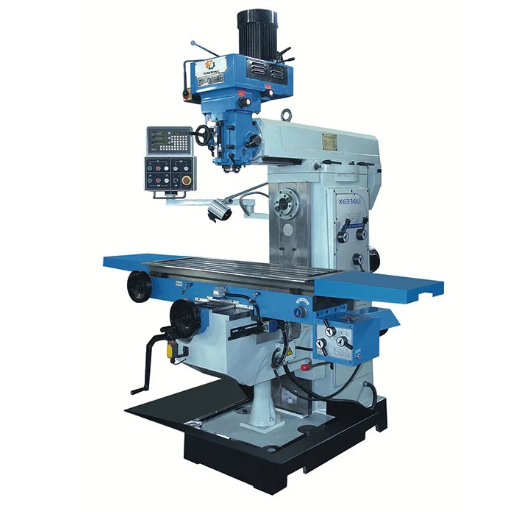
What is a Vertical Turret Milling Machine?
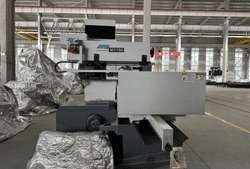
Vertical turret milling machines are ideal oversized milling machines found in factory environments. They are designed to perform a broad spectrum of milling operations and are considered critical for precision cutting and shaping of metal or other solid materials. The defining characteristics include:
- Vertical spindle axis for optimal cutting performance
- Turret system to move and rotate the spindle for machining complex parts
- Three-axis table control (X, Y, and Z) for total flexibility
- CNC capability for advanced automation
- Digital readouts for enhanced accuracy
Key Specifications of Typical Vertical Turret Milling Machines
| Specification | Range | Application |
|---|---|---|
| Table Size | 9″ x 42″ to larger | Accommodates various workpiece sizes |
| Spindle Speeds | 60 to 4,500 RPM | Optimized for different materials |
| Horsepower | 3HP to 5HP | Industrial-grade performance |
| Travel Distance (X/Y/Z) | 30″/12″/16″ | Extensive machining capabilities |
Key Components of a Vertical Milling Machine
1. Column and Base
The vertical structure that supports the milling head and provides stability against vibration during operations. The base ensures rigidity and precision as the backbone of the machine.
2. Milling Head
Houses the spindle, motor, and machining mechanisms. Can be tilted to different angles for angled cuts and features variable-speed control with digital displays.
3. Spindle
The rotating axis that holds and drives cutting tools, with speeds ranging from 60 to 6000 RPM depending on the model and application requirements.
4. Work Table
Features T-slots for securing workpieces and fixtures. Modern tables include CNC control for precise X and Y axis movement, with some offering vacuum clamping systems.
5. Control System
Many machines integrate CNC systems for programming complex operations with high precision, featuring touchscreens, IoT connectivity, and real-time monitoring.
Applications of Vertical Turret Milling Machines
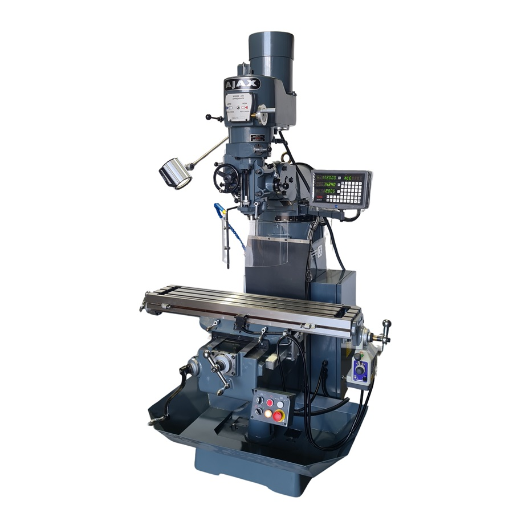
Industry Applications
1. Aerospace Industry
Essential for machining high-precision components like turbine blades and structural frames. Modern machines have reduced aerospace component production time by approximately 30% through increased cutting speed and automation.
2. Automotive Sector
Used extensively for machining engine components, gears, and custom tooling. CNC and AI integration enables micron-level accuracy for stringent quality standards.
3. Tool and Die Making
Perfect for mold manufacturing and custom tool production. High-speed spindles and multi-axis capabilities have increased productivity by approximately 25% compared to older systems.
4. Education and Prototyping
Widely used in educational institutions and research facilities. Approximately 40% of machine shops now use smaller vertical mills for rapid prototyping between concept and full-scale production.
5. Energy Sector
Fabricates wind turbine components and complex piping systems. Advanced mills can now machine tougher materials like titanium and composites for renewable energy applications.
Features and Benefits of M3, M4, and M5 Models
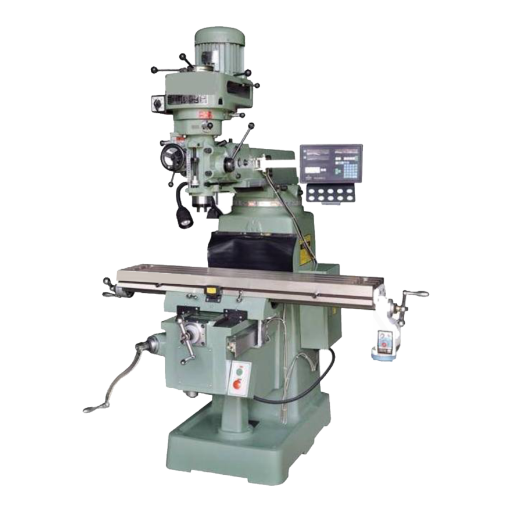
M3 Model
Entry-level precision machine
- Table Size: 9″ x 49″ (229mm x 1245mm)
- Spindle Speed: 60-4200 RPM
- Motor Power: 3 HP
- Load Capacity: 650 lbs (295 kg)
- Head Tilt: 90° right/left, 45° front/back
- Heavy cast iron construction
M4 Model
Advanced automation features
- IoT-based monitoring system
- Repeatability: ±0.005 mm
- Multi-axis machining capability
- 20% energy savings vs. competitors
- Predictive maintenance alerts
- Customizable interface
M5 Model
Premium industrial solution
- 25% energy reduction vs. older models
- 99.9% accuracy in high-demand environments
- Modular and scalable design
- Industry 4.0 compliance
- Self-diagnostic system
- Advanced safety mechanisms
Operational Instructions
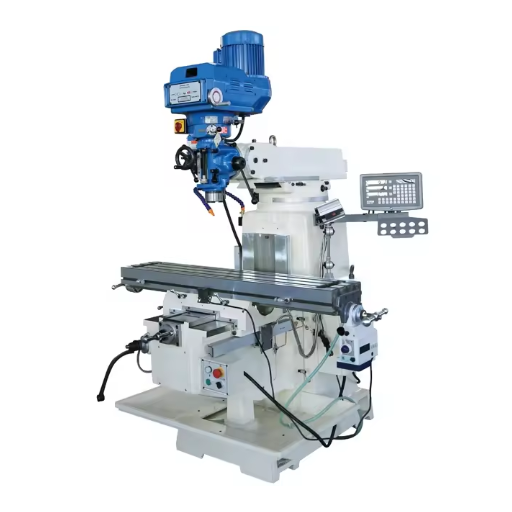
Step-by-Step Operating Procedures for M3
- Preparation Before Starting
- Ensure stable, flat surface placement
- Connect to grounded power outlet
- Wear appropriate PPE (safety goggles, gloves, ear protection)
- Perform visual inspection for damage or wear
- Powering On the M3
- Locate main power switch on side panel
- Turn switch to “ON” position
- Wait for control panel boot-up and self-diagnostic
- Setting Operational Parameters
- Access control panel interface
- Configure speed, material type, and operation mode
- Double-check and confirm all settings
- Material Loading
- Place materials in input section
- Ensure proper alignment to prevent jamming
- Secure with material clamps if applicable
- Starting Operations
- Press “Start” button when ready
- Monitor performance on control panel
- Watch for alerts or error notifications
How to Use M4 Effectively
Pre-Installation and Calibration
- Inspect M4 for defects during unpacking
- Connect to stable, grounded power source
- Perform automatic calibration (takes approximately 3 minutes)
- Download latest software from manufacturer website
- Update firmware before first use (increases efficiency by 15%)
Material Configuration
- M4 accepts materials from polymers to high-strength alloys
- Use material guide in software package for compatibility
- Proper configuration reduces wastage by 25%
Enhanced Features
- Power-saving mode saves 18% energy consumption
- Advanced AI for automated repetitive tasks
- Smart interface alerts every 100 hours of operation
Operational Tips for M5
Key Performance Optimization
- Energy Efficiency: Operates at highest efficiency when loaded between 75-90%
- Training: Proper operator training reduces downtime by 20%
- IoT Integration: Real-time monitoring cuts unexpected breakdowns by 30%
- Maintenance: Regular inspections and software updates essential
Maintenance Tips for Long-Term Performance

Regular Maintenance Checks
| Component | Check Frequency | Key Actions | Impact |
|---|---|---|---|
| Moving Parts | Weekly | Inspect belts, pulleys, bearings for wear | Prevents 50% of equipment failures |
| Electrical Systems | Monthly | Check wiring, connectors, panels | Reduces unplanned downtime |
| Cleanliness | After each use | Clean filters, vents, surfaces | Increases energy efficiency by 20% |
| Sensors/Controls | Every 6 months | Calibrate sensors and controls | Maintains accuracy over time |
Lubrication and Care for Milling Heads
- Use Correct Lubricants: Follow manufacturer recommendations for high-performance oils or specialized greases
- Regular Schedule: Check and reapply lubrication every 40 operating hours for daily use
- Monitor Contaminants: Prevent dirt, metal particles, or moisture from entering the system
- Heat Consideration: Use heat-resistant lubricants for high-temperature operations
- Automated Systems: Consider CMMS-recommended automated lubrication systems
Troubleshooting Common Issues
Common Problems and Solutions
| Issue | Cause | Solution | Prevention |
|---|---|---|---|
| System Overheating | Poor lubrication, excessive workload | Inspect coolant systems, use proper coolant | Regular maintenance, automated lubrication |
| Tool Wear/Breakage | Incorrect feed rates, wrong materials | Follow manufacturer cutting conditions | Real-time tool monitoring systems |
| Vibration/Chatter | Poor alignment, loose workpiece | Check alignments, secure clamping | Vibration-monitoring technology |
| Chip Build-up | Inadequate chip removal | Clean chip removal systems regularly | High-efficiency chip conveyor systems |
When to Seek Professional Assistance
- Recurrent System Failures: Frequent breakdowns may indicate deeper issues
- Complex Upgrades: System integration requires specialized knowledge
- Unskilled Personnel: Advanced diagnostics need experienced professionals
- Regulatory Compliance: Non-compliance can result in significant penalties
- New Technology Adoption: IoT, AI, and cloud solutions require expert implementation
Comparative Analysis
Performance Comparison with Other Vertical Milling Machines
| Feature | M-Series (M3/M4/M5) | Competitors | Advantage |
|---|---|---|---|
| Spindle Speed | 6,000-10,000 RPM | Up to 8,000 RPM | Higher material removal rates |
| Positioning Accuracy | ±0.005 mm (M4/M5) | ±0.01 mm | Superior precision for aerospace/medical |
| Vibration Reduction | 15% less than competitors | Standard levels | Better surface finishes |
| Table Length | Up to 1,500 mm | Limited configurations | Larger workpiece capability |
| Energy Efficiency | 20% less consumption (M5) | Standard consumption | Reduced operational costs |
User Experience and Feedback
Customer Satisfaction Metrics
- Overall Rating: 4.7 out of 5 stars across major review platforms
- Cost Reduction: Users report 15% decrease in operational costs
- Energy Efficiency: Significant improvement in workplace comfort due to quieter operation
- Service Quality: Fast response times and effective solutions build customer trust
Frequently Asked Questions
The M3, M4, and M5 are primarily used for machining operations including cutting, shaping, and drilling various materials such as steel and cast iron. These machines offer excellent precision and versatility, making them suitable for industries ranging from small workshops to large production lines. Their adjustable milling heads enable flexible operations for complex machining tasks.
The main differences lie in specifications and capabilities. The M3 is the entry-level model at $18,000, while the M4 ($25,000) provides enhanced features including IoT monitoring and multi-axis capabilities. The M5 ($35,000) offers superior performance with Industry 4.0 compliance, advanced energy efficiency, and modular design suitable for heavy-duty industrial applications.
Manual machines offer cost-effectiveness and greater operator control over machining processes. Users can manually adjust speed and feed rates for tailored operations, enhancing machinist skills and understanding. They typically require less maintenance compared to CNC systems and are ideal for small-scale operations requiring precise manual adjustments.
Consider the supplier’s reputation and industry experience, product range including M3/M4/M5 models, competitive pricing, warranty and after-sales support, customization capabilities, and customer reviews. Look for suppliers offering comprehensive service packages and technical support to ensure minimal downtime and maximum productivity.
Pricing varies based on specifications, features, and capabilities. Entry-level M3 models are more affordable for smaller workshops, while advanced M4 and M5 models cost more due to enhanced capabilities. Consider long-term value, efficiency gains, and operational cost savings when evaluating total cost of ownership. Compare prices from multiple suppliers for competitive rates.
Reference Sources
- Purdue University: CNC 8055 Installation Manual – Technical details for CNC systems
- Boston University: MILLPWR 3-Axes Operation Manual – Detailed M3/M4/M5 command instructions
- University of Florida: CNC Applications and Programming Lectures – Comprehensive programming guidance