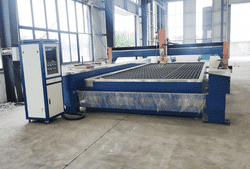





Water jet technology has revolutionized the way industries view precision and efficiency in cutting materials. One of the revolutionary innovations in the development of newer generation machines, coupled with the highest precision, is the high water pressure cutting CNC machine. This article details how this revolutionary technology is influencing industries, helping productivity, and enabling intricate design work on an array of materials. If you want to know about how it works, what it is used for, or the advantages of these machines over conventional cutting methods, this blog post will be your guide through the major impact high water pressure cutting CNC machines have on manufacturing nowadays.
Introduction to Water Jet Cutting

In waterjet cutting, water is forced through a small orifice at ambient temperature at a velocity reaching 600m/s. Because of that velocity, the cutting power depends on the flow rate and pressure available. It has versatility in cutting metals and glass, and ceramics by preventing heat formation and surface damage. It is often used in precision and fast prototyping and production in aerospace, automotive, and architectural industries for applications requiring clean edges without compromising the material integrity.
Overview of High Water Pressure Cutting Technology
High water pressure cutting technology, also called waterjet cutting, offers several advantages that have made it a popular choice in many industries. Cutting with high precision is one of the primary benefits. It is capable of cutting materials with an accuracy of ±0.005 inches. It also does not generate an HAZ, unlike conventional methods, making materials sensitive to heat, such as plastics, composites, and tempered glass, retain their structural integrity. The cold-cutting nature further reduces the chance of warping or altering material properties.
Another important factor for this method is that it is eco-friendly. Water and, in certain cases, biodegradable abrasives are used, with minimal waste being generated, whereas laser or plasma cutting would cause the emission of noxious gases. Recent studies indicate that modern waterjet systems recycle about 70-85% of the water they use, thereby further adding to their sustainability.
An equally important factor is its wide range of applications in water jet cutting machines. Cutting systems, such as a water jet machine, can cut through all thicknesses, as the industrial-level machine may cut up to 12 inches thick, depending on the material type and speed desired. These systems are used extensively in aerospace to cut titanium and composite materials with an extremely fine degree of precision, and in the automotive sector for fabrications and prototyping, while being used by architects for designing exquisite patterns on stone and glass.
The water jet cutting processes respond to alterations in the CAD/CAM system in real time, giving the machine table enhanced versatility. CNC programs allow for intricate patterning and complex geometries, which minimize downstream finishing operations and reduce production cycle times. The high water pressure cutting persists as one of the finest cutting technologies in today’s manufacturing processes, owing to its consistent quality, utmost accuracy, and minimum environmental impact.
Importance in Modern Manufacturing and Precision Industries
Being versatile, accurate, and able to cut almost anything means waterjet cutting is a modern manufacturing process with versatile applications. In research conducted based on this process, waterjet was proven to achieve a tolerance of ±0.003 inches. The same must be considered when going into industries where specifications are so tight that the job has to be done exactly as indicated, in aerospace, automotive, and electronic manufacturing. Moreover, the waterjet cutting process does not produce heat, hence there are no heat-affected zones created in the materials; the materials retain their strength. It is worth mentioning that up to 90% of the water used in the waterjet cutting system is recycled to keep the environment clean and reduce wastage.
The abrasive waterjet cutting technique has further widened the array of materials that can be processed to include metals such as stainless steel and titanium, composites, stone, glass, and ceramics. This capability allows manufacturers to satisfy the complex requirements of industries that demand very fine precision. According to market data from recent industrial reports, the waterjet cutting machine market can grow at a CAGR of more than 6%, driven by automation, demand for customized parts, and the preference for eco-friendly machining solutions. These reasons make waterjet cutting a must-have for modern manufacturing.
What is High Water Pressure Cutting?
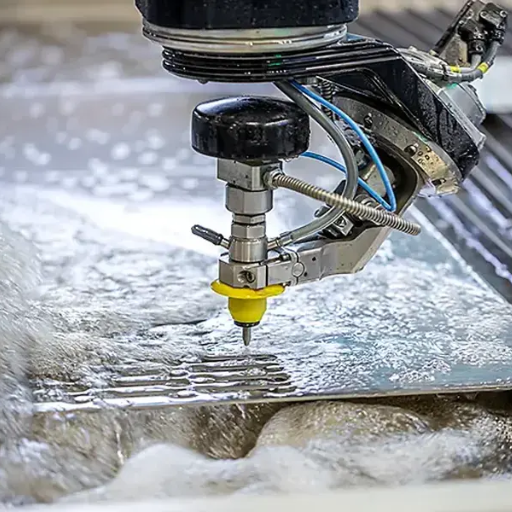
High water pressure cutting, alternatively referred to as waterjet cutting, is a machining method that uses a high-pressure water stream to cut materials. Since the cutting action by just water is not effective on hard materials, they are mixed with abrasive substances for added cutting ability. It is very precise, having no heat-affected zones and being able to cut through any materials ranging from metal to glass, stone, and composites. Industries that need detailed and accurate cuts in a manner that does not damage either the material or the finish readily use this method.
Explanation of the Technology and How It Works
Waterjet cutting entails taking water and, with the aid of a pump, accelerating it to the highest speeds possible and then discharging the same through an extremely narrow orifice. For cutting abrasive materials, an abrasive material such as garnet would be introduced into the water stream, thus making the cut more effective. Since this is a cold cutting method, besides being unaffected by heat, no heat-affected zones can arise, or the material can undergo some slight warping. Hence, this technology is very versatile and efficient, inasmuch as it can cut almost every kind of material. It is extremely versatile and can produce detailed and accurately cut objects without compromising the integrity of the workpiece.
Difference Between Pure Water Jet Cutting and Abrasive Water Jet Cutting
Pure water jet cutting and abrasive water jet cutting are different processes designed for different applications and materials requirements. Pure water jet cutting uses only high-pressure water to slice through softer materials, such as rubber, foam, textiles, and certain types of food products. It is highly efficient for marking precise cuts without additives, being suitable for industries wherein a material needs clean and smooth cuts, without harming delicate or lightweight materials.
While abrasive water jet cutting employs abrasive particles, such as garnet, with high-pressure water, the addition of abrasives greatly increases the cutting power and thus affords the machine precise cutting abilities through hard materials of metals, stones, glass, and ceramics. Abrasive water jet cutting is known for its almost daily cutting of dense or thick materials for aerospace, construction, or manufacturing.
| Cutting Method | Pressure Range | Materials | Tolerance |
|---|---|---|---|
| Pure Water Jet | 30,000 – 60,000 psi | Rubber, foam, textiles, food products | Standard precision |
| Abrasive Water Jet | Up to 90,000 psi | Metals, stones, glass, ceramics | ±0.003 inches |
Giving a data perspective on the difference, pure water jet cutting works with pressures generally between 30,000 and 60,000 psi, whereas abrasive water jet systems are usually higher, upwards of 90,000 psi for tough materials. Abrasive cutting, moreover, can allow for up to ±0.003 inches in tolerance, hence categorized as one of the most precise cutting technologies available. The abrasives will add an extra cost that plain water machining does not entail, but that price allows for unmatched precision and versatility for a very large range of applications, which must be dealt with today in modern engineering and fabrication work.
Key Features of High-Pressure CNC Machines
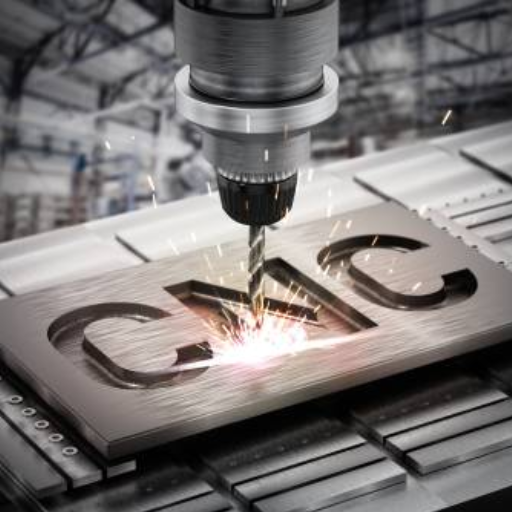
- Cutting Precision: Waterjet CNC machines operate under high pressure, allowing micron-level tolerances of ±0.003 inch to be met, thus providing accurate and repeatable results.
- Versatility: It is used to cut different materials such as metal, composites, or even glass; therefore, it serves a lot of purposes.
- Abrasive Quality: By injecting abrasives, the capability to cut harder and thicker materials is increased.
- Powerful: At jet pressures of 90,000 psi, these machines can take on and execute the challenge quickly.
- Wet and Clean Process: Utilizing water as a primary cutting medium minimizes thermal distortion and, in most cases, completely eliminates any post-processes.
High-Pressure Pump Systems for Clean and Precise Cuts
Due to the force required to cut through various materials with precision, accurate, and clean cuts, high-pressure pump systems in water jet machines must be in perfect working condition. Systems that keep pressure constant correct the problems of efficiency, reduce wastage of materials, and guarantee a perfect cut, and thus they are one of the must-have things in a CNC machine these days.
Compatibility with a Wide Range of Materials
Using CNC machines with advanced cutting technology means they are capable of working with different kinds of materials, thereby catering to the demands of multiple industries. They carry out precise operations on metals like aluminum, stainless steel, and titanium. Moreover, they are also well-equipped to cut materials that are non-metallic, such as variations of plastic, wood, ceramic, and composite materials, to meet special application needs. Aerospace parts necessitate hard materials like titanium alloys, whereas woodworking depends on precision-cut hardwoods and CNC water jet technology for the same purpose. Depending on the setup, CNC machines can effortlessly handle materials varying in thickness, from a fraction of an inch to a few inches. Recent enhancements in abrasive waterjet cutting systems have enhanced their configuration for cutting diverse materials. According to several studies, a waterjet system can cut materials roughly up to 10 inches of thickness with a tolerance of about ±0.005 inches. This capacity ensures that even heat-sensitive organizations such as tempered glass can be processed without any damage, thanks to the minimal heat-affected zone. CNC machines thus provide the flexibility and reliability for all types of manufacturing, maintaining high and consistent quality over a wide array of materials.
Advanced Control Systems for Accuracy and Efficiency
Modern CNC machines are integrated with the newest generation of control systems, allowing enhanced precision and productivity. Engineers developed these advanced systems that incorporate monitoring in real-time and adaptive control methods in CNC water jet applications that modify parameters regarding cutting speed, tool path, spindle orientation, etc. For example, intelligent controllers facilitate high-speed machining, which improves surface finish quality and reduces cycle time by 30%. Closed-loop feedback systems are among the recent innovations where sensors are employed continually to correct positioning errors to tolerances of ±0.001 inches.
Artificial intelligence and machine-learning models further advance manufacturing automation. Based on data analysis, AI predicts faulty equipment maintenance in CNC water jet systems, thus avoiding downtime of 20%. In addition to maintaining and optimizing workflows, these smart systems adapt machining processes dynamically to material characteristics and environmental states. Thus, manufacturers can benefit from these modern technologies to meet demands for efficiency and precision in competitive environments.
Advantages of High Water Pressure Cutting

Given that there are advantages imparted by high water pressure cutting or waterjet cutting:
- Precision: Waterjet cutting assures receiving highly accurate cuts with minimum wastage of materials.
- Versatility: It will decide on the properties of materials to be cut, such as metals, plastics, glass, and composites; if it is susceptible to thermal damage, one-way waterjet cutting is best applied.
- Environmentally friendly: The system does not produce any hazardous gases or massive amounts of solid waste.
- No Heat-Affected Zones: Contrary to many cutting operations, with waterjet cutting, the structure of the material is never distorted due to heat.
- Less tool wear: When waterjet cutting is used, since most of the hard tools are subject to non-contact cutting, the damage and wear to tools are greatly reduced, which therefore reduces the maintenance cost.
Utilizing these benefits makes cutting with high water pressure in a definitely manufactured application an efficient, precise, and sustainable process.
Precision and Smooth Cutting Edges
The waterjet cutting process offers two essential features: unparalleled precision and smooth, fully worked cutting edges. This makes it possible to have tolerances within ±0.003 inches for highly detailed applications in industries. This level of precision is indispensable in aerospace, automotive, and electronics, where small cutting-part deviations could affect overall functionality. Thus, water jet cutting produces a smooth finish, which requires no polishing; secondary polishing would have been a concern with cost as well as time. This process also differs from others in its ability to precision-cut intricate shapes with perfectly clean edges, free from burrs and imperfections, in both fragile and rigid materials.
No Heat-Affected Zones (HAZ) for Material Integrity
Waterjet cutting is very special as it enables materials to be processed without creating any Heat Affected Zones. This exclusive feature remains because waterjet cutting depends solely on jetting water at very high pressures, possibly with some abrasives, instead of heat. The structural qualities and original properties of materials are said to be retained in the case where not-too-high temperatures are maintained. Herein, it is essential that this factor comes into play for aerospace and medical applications where strength and precision may not be diluted. However, conventional means of cutting, such as plasma or laser cutting methods, have been proven to cause thermal stress on the substrates, producing undesirable microcracks, warping, or even hardening of the substrate edges. Waterjet cutting does not impose such dangers; hence, it guarantees a perfect, uncompromised output. Furthermore, the process deals with countries that differ from thin composite layers to thick steel plates without disturbing the material composition, making it a major manufacturing tool.
Versatility in Cutting Various Materials
Waterjet cutting stands out above all because of its superior versatility when dealing with materials. Soft materials such as rubbers, foams, and plastics can be cut by this method, while hard and dense materials like titanium, granite, and steel can also stand the cutting action of the process. The waterjet system operates well when cutting slags; the system can offer a pressure of around 6000 bars of water, allowing stainless steel cuts to a wooden board of about 12 inches through a CNC water jet cutting machine at tolerances of about ±0.005 inches. On the other hand, damage to the materials occurs with heat-based cutting of composites, such as carbon fiber and laminates. Damage can be avoided by using waterjet systems because no heat is generated, so there will be no distortion or delamination. From aerospace to construction, waterjet cutting is in constant use for jobs requiring both accuracy and flexibility, bearing testament to it as the ultimate tool for material processing.
Challenges and Limitations
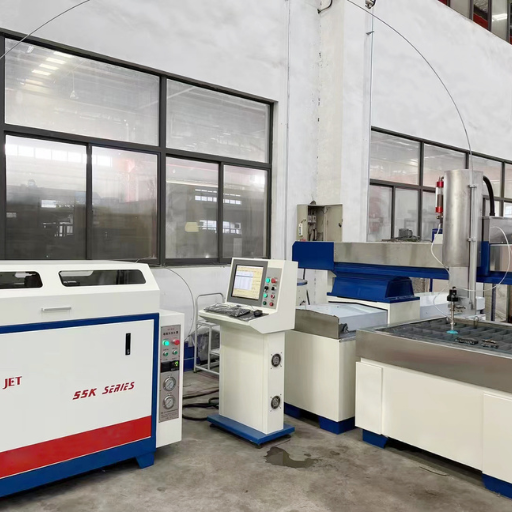
Certainly, it may be worthwhile to note some limitations present in waterjet cutting as a versatile and precise technique. One major disadvantage that comes to mind is the slightly slower cutting speed compared with laser technologies for thin materials. And in terms of energy consumption, it might be less efficient. This is actually a matter of nature, which requires the water to be pressurized to very high levels. It is also worth noting that systems need very careful maintenance to work perfectly; if any part, such as a nozzle or a pump, is lost or worn out, the quality of cuts may be seriously affected. Precision cutting with very hard and brittle materials requires specialized abrasives that raise complexity and cost. These considerations must be taken up in-depth before opting for waterjet cutting in a particular service.
Initial Investment and Maintenance Costs
The waterjet cutting system is in the range of $50,000 to $300,000. Depending on whether it is small or big, the cutting system varies in cost. The price may also depend on other features available. Generalists and high-precision, advanced-controlled systems, like water jet cutters, are generally on the high end of the scale. Maintenance costs, however, are an important consideration following the initial purchase price. Pumps, nozzles, and other components do wear out over time due to the very high pressure and high level of abrasiveness associated with the procedure. The cost of replacing these components can reach several thousand dollars per year, just for abrasives alone, which are about $15 to $30 per hour of use. Power and water use, on the other hand, continue to account for operational costs. Despite these costs, industries that demand complex cuts on versatile materials continue to inquire; waterjet technology is unrivaled in precise cold-machine cutting.
Limitations in Cutting Extremely Thick Materials
This orientation is thus adaptable with some constraints while handling very thick materials. Generally, waterjets cut materials of thickness up to 12 inches, but this depends on factors like the type of material, the abrasive used, and the power of the waterjet machine. Cutting very thick materials loses immense precision due to beam divergence, i.e., the water stream becomes unfocused with increased depth penetration. It also increases the time required to cut, ultimately increasing the operational cost. For instance, a speed reduction beyond 6 to 8 inches of steel is significant in terms of an increase in production time, heavily affecting production efficiency. Greater wear of machine components adds another maintenance cost over time. Nevertheless, pushing limits with waterjet technology ameliorates some of the hardships facing thicker material solutions.
Choosing the Right High-Pressure CNC Machine
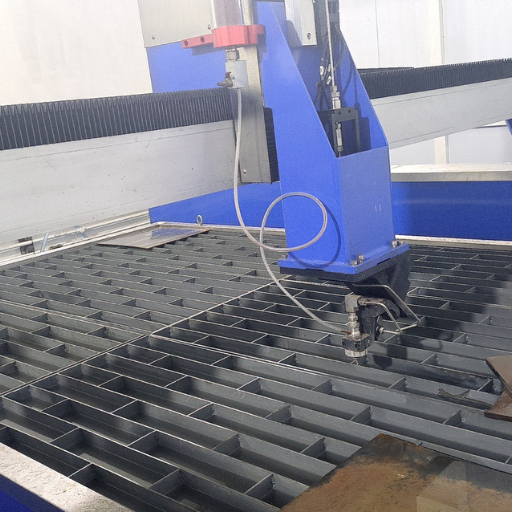
Selection of a high-pressure CNC machine must consider the following factors:
- Material Thickness and Type: Check if the machine’s capacity suits the variety of materials and thicknesses you usually deal with. High-pressure-rated machines will cut through thick or hard materials efficiently.
- Precision Requirements: Check for the application’s required accuracy. Machines with software and control systems, such as CNC water jet cutters, would generally provide a higher level of precision.
- Operating Costs: Electricity, wear of components, and maintenance must fit your budget and operational needs.
- Software and Compatibility: It is best practice to go with a system that provides easy-to-use software while remaining compatible with your existing tools or workflow. Such choices reduce training time and increase employee efficiency with advanced CNC water jet cutting machines.
- Support and Reliability: Go for a brand that is well-known for reliability and excellent customer support, with an assurance of replacement parts availability, so you can expect minimal downtime.
By focusing on these criteria, the user will be able to select the CNC machine that creates the cut according to their requirements and that is cost-effective during the performance of that application.
Future Trends in High-Pressure Cutting

The high-pressure cutting sector is experiencing advancement with the imperatives of precision, time, and environmental sustainability. Alongside these, key trends include weaving automation and AI into the process for enhancing accuracy and reducing human intervention. Additionally, newer waterjet cutting technologies are being developed to secure cutting power while striving to reduce water consumption, along with energy consumption. Material science-based techniques are also being developed to enable types of cutting for harder and more materials for delivery with enhanced speed and efficiency. All such developments arise from the needs arising from an increasing market that seeks value-for-money cutting solutions meeting the demands of various industrial sectors.
Innovations in Pump Technology and Cutting Efficiency
Advancements in pump technology in recent times have contributed a lot to enhancing the performance and abilities of waterjet systems. The modern pump designs pressure to levels above 90,000 psi, enabling faster and more precise cutting with less waste of materials. Direct-drive pumps, for example, have received more acceptance than traditional intensifier pumps because they deliver constant pressure with greater efficiency. With 20-40% less energy consumption, such pumps provide a more environmentally sustainable alternative for manufacturers.
Cutting accuracy has also been improved with new developments in abrasive flow control. While precision flow monitoring assures constant abrasive delivery, edge quality is made better so that industries like aerospace and automotive manufacturing can cut down on secondary finishing. If abrasive usage is done in a proper manner, operation grounds could be reduced by up to 30%. Therefore, these developments being environmentally good also prove to be economically good.
Contemporary software integrations simultaneously enhance workflow automation, lessening human interface, and subsequently eliminate errors. Real-time monitoring tools keep operators abreast of the system’s health by detailed diagnostics to cultivate predictive-maintenance strategies, which in turn cut down downtime by about 25 percent. The major advantages that these innovations have created with increased productivity have successfully changed the perception of waterjet cutting as a prime solution that is highly reliable, precise, and cost-effective for present-day manufacturing needs.
Integration with Automation and AI for Smarter Operations
Waterjet cutting processes have experienced a transformation with the advanced introduction of automation and AI, ensuring that smarter operations are carried out efficiently. The AI systems optimize cutting paths in real-time, achieving up to 85% material utilization, and thereby creating wastage of around 15%. Through machine learning algorithms, some historical performance data is inspected to predict instances of system failure, allowing preventive maintenance, which protects increased equipment lifespan and productivity instead. Automated control systems help with task execution in multiple workstations so that throughput achieves a 30% rise in modernized setups. Manufacturers can thus meet tighter deadlines, further reduce the cost of operations, and precisely maintain cutting criteria to keep these technologies relevant in this ever-changing industry.
Reference Sources
- Kharkiv National University of Urban Economy: Development of an Algorithm for the Technological Process of Forming High-Pressure Pipes on CNC Machines – Discusses the technological processes and algorithms for high-pressure CNC applications, particularly in the context of CNC waterjet cutting machines.
- IEEE Xplore: Control system for the waterjet cutting machine – Explores the application of CNC systems in waterjet cutting machines, including high-pressure pump integration.
- Top High Water Pressure Cutting CNC Machine Suppliers in China
Frequently Asked Questions (FAQs)