



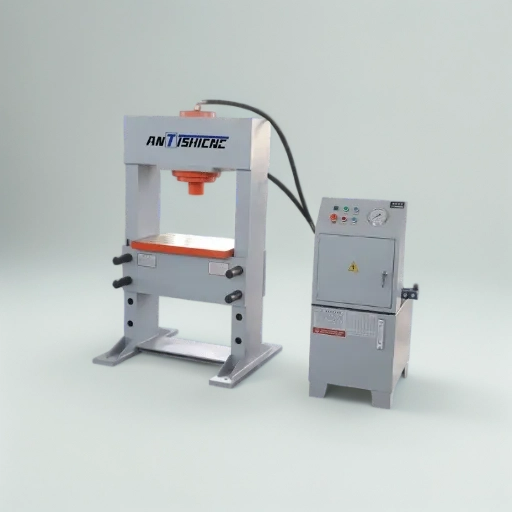


Hydraulic Press: Innovations and Solutions for 12 Ton Applications
Hydraulic presses have, in fact, been a bedrock of many industrial applications requiring precision and power for high-pressure operations measured in pascals. Because these include multifarious applications, 12-ton hydraulic presses are considered extremely versatile machinery providing efficiently and reliably working procedures in different fields of manufacturing and automotive repair, this exhaustive guide focuses on presenting the latest developments and solutions that 12-ton hydraulic presses are now equipped with and how these developments aim to address conventional challenges in the industry, such as efficiency, strength, and versatility.
Overview of Hydraulic Press Machines
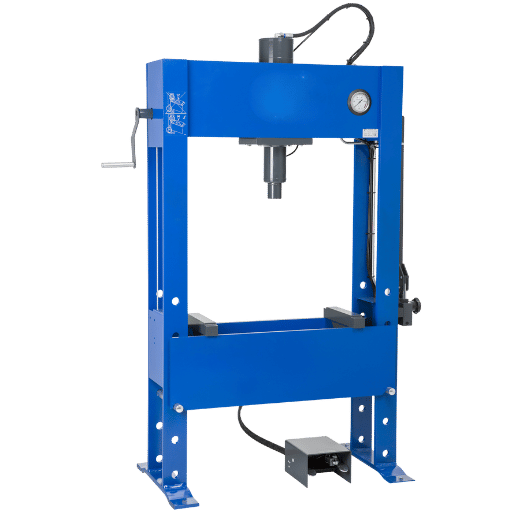
Hydraulic presses are mechanical devices that apply thrust on a workpiece by means of hydraulic fluid acting under pressure. They find their application in a wide range of industrial activities such as forming, molding, stamping, and forging. The main advantages of using a hydraulic press shall be extremely accurate, consistent performance, and generation of large thrust with very little effort.
Definition and Basic Functionality
Industrial machines, such as hydraulic presses, apply forces under controlled magnitudes on materials to shape, form, or assemble components. Fundamentally, there are various ways to convert input energy, which generally consists of hydraulic or mechanic systems, into a precise and consistent output force. These machines are highly accurate; hence, the adaptability made with their applications is very much crucial.
Basic Components of Hydraulic Press Solutions
Provides structural support and ensures the stability of the machine during processes. Frames are usually made from reinforced steel to resist very high levels of force.
The main actuator that produces the pressing force by turning hydraulic energy into mechanical motion.
Represents the combination of the hydraulic pump, motor, and the reservoir, which supplies the necessary hydraulic pressure for effective operation of the press.
The press control system regulates pressure, speed, and position. Modern presses often use PLC for exact control and automation.
The platen is a flat pressure-bearing plate on which the workpiece or material stands during the press operation.
Common Applications of A 12 Ton Hydraulic Press
A 12 ton hydraulic press is a highly versatile tool widely used in industries requiring high pressure and precision. Its major uses include:
Latest Innovations and Trends in Hydraulic Press Technology
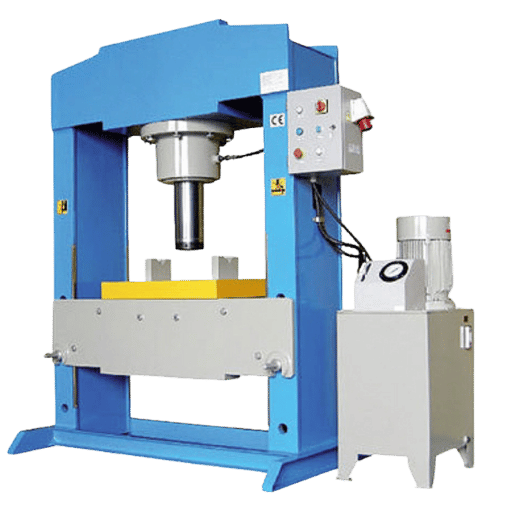
AI Integration for Enhanced Performance
The AI technology integrated with a hydraulic press design enhances the system’s efficiency, accuracy, and reliability. Artificial-intelligence-powered systems are paired with pressure-control systems to make real-time adjustments, ensuring constant output. Predictive maintenance now employs machine-learning technologies to reduce downtime by identifying problems before they occur.
- Real-time pressure adjustments for consistent outputs
- Predictive maintenance algorithms to reduce downtime
- Enhanced safety features through anomaly detection
- Adaptive systems that meet modern manufacturing needs
IoT-Enabled Monitoring for Efficiency
The merging of IoT with hydraulic press systems has indeed elevated operational efficiency and monitoring. IoT sensors provide real-time data on the key performance parameters such as pressure levels, temperature, energy consumption, and machine cycles.
Key Benefits of IoT Integration:
- Real-time monitoring of critical performance parameters
- Remote alert systems for immediate intervention
- Energy consumption optimization
- Industry 4.0 compatibility for data-driven operations
Hybrid Electric-Hydraulic Systems
In hybrid electro-hydraulic systems, energy-efficient electric actuation is combined with power-dense and coarser hydraulic components. Designed to serve ever-changing industry needs with better energy efficiency and performance.
Advantages of Hybrid Systems:
- Energy Efficiency: Up to 50% reduction in energy consumption
- Reduced Noise: Quieter operation compared to traditional systems
- Lower Maintenance: Fewer mechanical components to service
- Real-time Diagnostics: Advanced control software for system reliability
- Environmental Benefits: Smaller carbon footprint while maintaining high output
Portable Hydraulic Presses for Small Workshops
Portable hydraulic presses offer small workshops the most compact and efficient systems for a wide range of pressing tasks where adequate industrial facilities are unavailable. These machines are highly versatile, owing to their ability to apply forces to scrap or bend, or apply force to straighten materials in capacities ranging from 10 to 50 tons.
Modern Portable Press Features:
- High-grade steel and aluminum alloy construction
- Collapsible frames with integrated hand pumps
- Electric motor drive systems
- Adjustable working height
- Interchangeable press heads
- Precision pressure gauges
- Overload protection systems
Digital Twin Technology in Manufacturing
Digital Twin technology is causing a great upheaval in the manufacturing industry, where exact virtual representations of actual assets, systems, or processes are being generated. These digital twins enable manufacturers to simulate, predict, and optimize operations in real-time with greater efficiency and lower costs.
Key Benefits of Digital Twin Technology:
- Operational Insights: Real-time analysis of equipment condition
- Predictive Maintenance: Identify failures that could occur
- Product Lifecycle Optimization: Optimize the complete lifecycle from design to manufacture of products
- AI Integration: Predictive analytics and autonomous decision-making
- Smart Manufacturing: Generator of hybrid of physical and digital worlds
Key Applications Across Industries
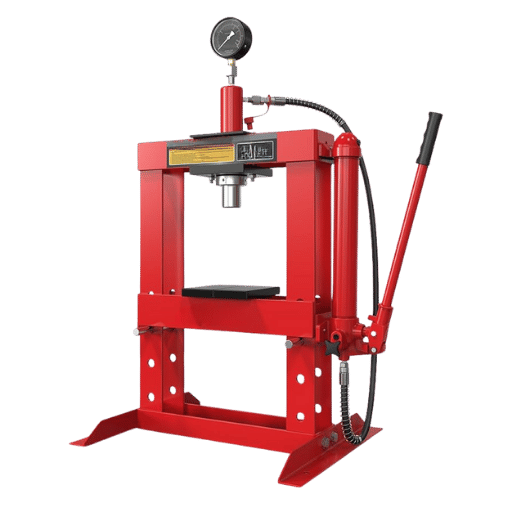
Automotive Applications of Hydraulic Press Machines
Hydraulic press machines have various applications in automotive manufacturing, driven by the demand for precision, efficiency, and versatility. Such machines are used to manufacture high-grade components, enabling manufacturers to meet stringent industry standards.
Primary Automotive Applications:
- Metal Fabrication and Forming: Chassis frames, engine parts, and transmission housings
- Forging Operations: Forging of heavy components like crankshafts and connecting rods
- Assembly Operations: Pressing bushings, bearings, and fasteners into position
- EV Component Manufacturing: Battery housings and structural components from lightweight materials
Aerospace Precision with Hydraulic Cylinders
Working within the aerospace oil-hydraulic industry, hydraulic cylinders must adhere to the highest standards possible in terms of precision and reliability. These cylinder-body systems find application in landing gear, flight control surfaces, and cargo bay doors.
Modern Aerospace Hydraulic Advancements:
- Lightweight alloys and high-strength composites
- Advanced sensor technology integration
- Real-time monitoring of pressure, temperature, and positioning
- Enhanced corrosion and fatigue resistance
- Precision forming of titanium and carbon composites
Construction and Heavy-Duty Components
Construction largely depends on hydraulics for execution; hence, hydraulic systems are essential. Hydraulic methods provide heavy force to move heavy objects, dig foundations, and precisely erect structures in excavators, bulldozers, wheel loaders, and cranes.
Construction Hydraulic Benefits:
- Load-sensing technology for optimal power management
- Electronically controlled pumps for precise operation
- Environmentally friendly hydraulic fluids
- Robust cylinder design for high-stress environments
Advantages of Hydraulic Press Machines
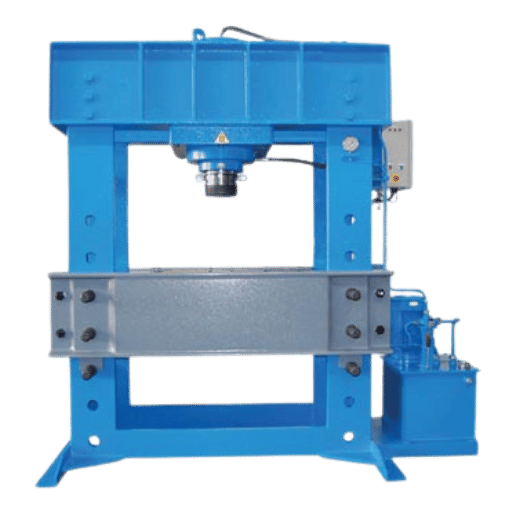
Precision and Consistency in Manufacturing
Hydraulic presses, which are responsible for providing ultimate accuracy and consistency, are interdependent components in a modern manufacturing process. It is capable of applying a force equally for various purposes, such as metal forming, molding, assembly, and so forth.
- Programmable Logic Controllers (PLCs) for real-time monitoring and adjustment
- Advanced sensors for precise process control
- Reduced material rejection through consistent quality
- Mass production repeatability for automotive, aerospace, and electronics
Energy Efficiency Compared with Traditional Machinery
Modern manufacturing is very efficient in terms of potential energy utilization compared with its older counterpart. State-of-the-art energy equipment, such as VFDs, intelligent sensors, and energy recovery systems, ensures minimal power consumption.
Energy Efficiency Features:
- Variable Frequency Drives (VFDs) for motor speed adjustment
- Smart monitoring solutions for energy loss prevention
- IoT sensors to detect system inefficiencies
- Reduced operational costs and carbon emissions
Flexibility in Multi-Material Compatibility
Advanced industrial machinery is now characterized by its flexibility in handling multiple materials without compromising efficiency or finish quality. Advanced machinery can smoothly switch from metals, polymers, and composites to bio-based alternatives.
- Interchangeable components for different material properties
- Minimized downtime during material changeovers
- Reduced material waste through optimized processing
- Quick adaptation to market trends and customer preferences
Maintenance Tips for Optimal Hydraulic Press Performance
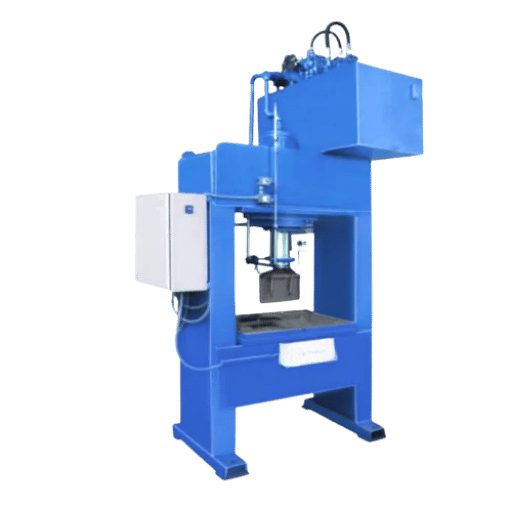
Routine Inspections and Maintenance Checks
Maintenance and inspection are crucial for hydraulic presses to maintain optimal performance and extend their lifespan. The basic steps of a routine inspection involve comprehensive monitoring of the system.
Essential Inspection Checklist:
- Hydraulic Fluid Levels: Check for leaks and maintain proper fluid levels
- Hose and Seal Inspection: Look for cracking, bulging, or deterioration signs
- Filter Condition: Replace clogged ones to allow clean fluid to flow through
- Pressure Gauge Accuracy: Confirm reading for early detection of problems
- Moving Parts Alignment: Confirm alignment to prevent uneven wear
Monitoring Oil Quality and Sensor Calibration
Oil quality plays a vital part in ensuring the performance and durability of hydraulic systems. Any contamination by water, dirt, or metallic particles reduces system efficiency, leading to wear, corrosion, and ultimately, equipment failure.
Oil Quality Monitoring Best Practices:
- Regular Oil Sampling: Conduct Tests for Viscosity, Particle Count, and Moisture
- ISO Cleanliness Standards: Utilize Reference Standards for Acceptable Levels of Contamination
- Sensor Calibration: Schedule predetermined intervals for pressure, temperature, and flow sensors
- Advanced Diagnostics: Utilize diagnostic toolsets for accuracy verification
Predictive Maintenance Strategies
Predictive maintenance utilizes advanced technologies and data analytics to anticipate and prevent expected equipment failures, thereby ensuring maximum system availability while minimizing downtime.
Predictive Maintenance Technologies:
- Vibration Analysis: Early detection of mechanical issues
- Ultrasonic Monitoring: Identification of potential failures
- Thermal Imaging: Temperature-based system assessment
- Oil Analysis: Detection of contamination and wear particles
- IoT and AI Integration: Real-time data collection and processing
Frequently Asked Questions (FAQs)
A: A hydraulic press is equipment used for applying pressure on materials such as metal, plastic, or composite. A hydraulic pump injects hydraulic fluid into a cylinder to generate pressure, which is then used by a ram or a piston to form or press an object.
A: A Custom hydraulic press is designed and fabricated to meet particular application requirements, wherein considerations of design, i.e., capacity, size, and operating pressure, are accounted for to allow maximum versatility of the work when standard configurations do not serve satisfactorily.
A: Shop presses find various uses, including forging, molding, and straightening materials. Bearing installation, metal shaping, plastic compression, and numerous other tasks are performed in small industries using this essential fabrication tool.
A: A 20-ton hydraulic press can generate approximately 40,000 pounds of pressure, given that 1 ton equals 2,000 pounds. The actual pressure depends on the design and type of hydraulic fluid used in the press system.
A: Hydraulic presses vary in price based on model tonnage capacity, choice of brand, and features. The entry-level models typically start at a few hundred dollars, while more advanced, heavy-duty models can cost several thousand dollars.
A: The pump creates pressure of hydraulic fluids by drawing the fluid in and forcing it into the hydraulic cylinder, increasing pressure in the system. Then, the hydraulic ram can exert a powerful force on the materials being worked on.
A: Smaller models of hydraulic presses, such as a benchtop press or an H-type press, are very suitable for home garage use. Such presses are best for DIY projects, auto repairs, or any other fabrication jobs.
A: Safety measures include using personal protective equipment such as safety glasses and gloves. Avoid interference in the work zone while the press is operating. Remain attentive and follow the manufacturer’s instructions to prevent accidents.
A: Maintain your hydraulic press by regularly checking hydraulic fluid levels, inspecting seals and hoses for leaks, and cleaning debris from press plates. These measures ensure smooth functioning and an extended machine lifespan.
Conclusion
Hydraulic presses, especially 12-ton models, continue to evolve, with the introduction of advanced technologies such as AI integration, IoT monitoring, and hybrid electric-hydraulic systems. These innovations have enabled unprecedented levels of precision, efficiency, and reliability, previously unattainable in the industry, particularly for the automotive, aerospace, and construction sectors. When well-maintained and taken care of by new developments, hydraulic presses can provide manufacturers with the best return on investment while staying competitive in the harsh manufacturing world.
Reference Sources
- Hydraulic Press – Environment, Health, and Safety (University of North Carolina) – Safety guide for working with hydraulic presses
- HYDRAULIC PRESS | High-Performance Materials Institute (Florida State University) – Hydraulic presses for testing mechanical properties of materials