




Machining is a theme of precision; hence, speed and accuracy are supremely important. Embodying modern innovations, the CNC VMC 1160 Vertical Machining Center has been designed to address the increasing needs of manufacturing. This article attempts to describe how performance, unlike any other, is imparted to this advanced machine, wherein precision, speed, and versatility do the work to increase the efficiency of production processes. For those who are experienced in machining or are simply beginning to explore CNC, follow along to learn about the key features, applications, and benefits that set this model apart for manufacturers everywhere.
Introduction to the VMC 1160
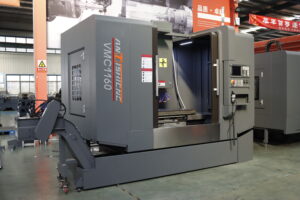
The VMC 1160 was conceptualized by and for precision, efficiency, and adaptability in various fields of manufacturing. It constitutes:
- High Performance: he machine possesses a strong spindle to keep cutting accuracy and speed constant.
- Large Working Area: A Wide range of tables supports various projects and material sizes.
- User-Friendly Interface: Facilitates users of various experience levels.
- Durable Build: Made of high-grade materials of the best quality, which makes it reliable for a long time and requires almost no maintenance.
Due to these features, the VMC 1160 finds its place as a reliable and versatile solution to ensure enhancement in production results.
Overview of CNC Technology
In contemporary industrial settings, Computer Numerical Control technology is perhaps the most important technology for precisely making things. CNC machines use pre-programmed software to control the movement of tools and machinery to carry out tasks with absolute precision and consistency.
Considerably improved productivity has resulted from the use of CNC technology. For instance, CNC machining is able to process complex geometrical designs with a high level of precision, at tolerances of ±0.005 inches or even tighter, depending on the capability of the machine. Furthermore, CNC systems can handle different materials, of which some are metals like aluminum and stainless steel, and are versatile enough to work with plastics and composites as well.
One major benefit of CNC technology is automation, making it less dependent on human operation. An automated system giving increased efficiency operates production processes with the CNC technologies. Having been developed further in the so-called 5-axis machining, CNC systems can now carry out complex cutting, milling, turning and even drilling operations in a single set-up, thereby hugely decreasing the time and cost of manufacturing.
CNC machinery is instrumental in quality control. They have integrated inspection systems whereby the machines detect defects in the manufacture and conserve wastes at the same time, ensuring uniform output quality. Meanwhile, data of inspection are given to the operators, allowing them to constantly monitor and improve performances.
Applications range in CNC tech from aerospace engineering (where precision parts are usually frosted), automotive manufacturing, medical equipment production, and even the making of custom consumer goods. The global market for CNC machines continues to expand, with innovations such as AI integration and IoT connectivity improving efficiency, scalability, and adaptability.
CNC technology is not just about putting things together-it works with the industrial demand to develop a cutting-edge approach just think this is going to be the foundation of smart manufacturing.
Importance of Precision in Machining
Machining precision is thus essential for high-quality components that meet the very fine demands of today’s industries. It ensures that components fit perfectly, preserve integrity, and work within other assembly systems. Machined parts with tolerances of up to 0.0001 inches are required in the aerospace industry to guarantee safety and performance under extremely adverse conditions. Likewise, the medical field requires precision for the manufacture of prosthetics and surgical tools so that the manufacture of these tools with deviations may influence their utility or may even jeopardize patient safety.
The other side of the economic implication of precision is waste minimization by machining, which cuts down on costs and remains conducive to green manufacturing. Special cutting equipment, such as 5-axis CNC machines, can perform their activity on complex geometries faster than older methods, without compromising precision. According to the latest independent industrial reports, the precision machining market is forecasted to grow at a CAGR of more than 7% through 2030, on account of surging demands from industries like electronics, automotive, and healthcare.
Precision machinery may cost anywhere from Rs 3 crore to Rs 10 crore. A heavy investment in high-precision machinery and skilled labor is needed to comply with industry standards, producing a competitive position in the global arena. Companies putting into practice, for instance, error detection with the aid of AI, set new standards for excellence and reliability in their machining processes. When we talk about technological changes, precision forms the core of innovative activities and is used to build the components of a future concept.
Key Features of the VMC 1160
The made-to-order vertical machining center is prepared to handle the highly technical demands of modern industry. Some of the features include a rather large worktable measuring 1160mm x 550mm. This provides more than enough room for working with huge workpieces, thus ensuring great precision. Being specially fitted with very powerful spindles, the VMC 1160 is subjected to speeds of almost 12,000 RPM, therefore generating the greatest accuracy and surface finish in the very high-speed machining applications.
The machine is provided with linear guideways that contribute to the smoothness of the motion as well as the reduction of vibration, maintaining the life span of the cutting tools and giving more accurate dimensions during the machining operations. Then comes the 24-tool ATC (Automatic Tool Changer) that supports the rapid tool changes, increasing productivity during machining operations requiring tool changes. Last but not least, the VMC 1160 features on-board CNC control systems equipped with easy-to-use interface programs capable of being customized by the operator to wield their full potential.
Ensuring high rates for metallic removal and with high thermal stability, the VMC 1160 is solely built for top efficiency and reliability, hence preferred by aerospace, automobile, and medical parts manufacturing firms. Smart diagnostics and service-alert interfaces aid in keeping downtimes low, hence smooth continuity of operation, thus calling for the greatest performance rating among vertical machining centers.
Advanced Capabilities of the VMC 1160

The VMC 1160 offers several advanced capabilities designed to optimize machining processes:
- High Precision: Providing high accuracy, the linear guides and structure satisfy all requirements for precise machining.
- Enhanced Productivity: High cutting speeds and rates of metal removal facilitate high-speed processes in the plant.
- Smart Diagnostics: Maintenance alerts and integrated diagnostics increase the reliability of operations while reducing downtime.
- Versatility: From aerospace to automotive to medical manufacturing, it finds applications in a wide variety of industries.
- User-Friendly Interface: Intuitive controls enable the operators to easily program and operate the machine.
Such considerations make the VMC 1160 an eminent CNC traveling column mill for shops that demand precision, efficiency, and reliability.
High-Speed Spindle Performance
The VMC 1160 is provided with a high-speed spindle, which can go up to 12,000 RPM, bringing superb precision and efficiency to even the most demanding production processes. The motor design in the spindle yields smooth and consistent performance whilst also ensuring minimum vibration and a better quality surface finish. It can provide a maximum torque of 120 Nm and can withstand the grinding of all kinds of stock, varying from soft aluminum to hard steel, without losing speed or accuracy. The cooling system, therefore, was designed optimally to ensure the least heat production, thereby preserving spindle life and sustaining machining performance. Hence, industries putting advanced production capabilities and reliability above all will really find the VMC 1160 a gem.
Multi-Axis Machining Explained
Multi-axis machining involves computer numerical control machines that combine the movement of tools or parts on four or more axes. While 3-axis machining generally involves movement across the X, Y, and Z axes, multi-axis machining introduces some rotational motion around one or more of these axes. Common rotation is defined as an A-axis rotation, and an alternative form as a B-axis rotation. This provides greater freedom to machine complex surfaces and components with fewer setups, which translates into manufacturing efficiencies.
For example, arguably the most well-known processes are 5-axis machining, allowing the cutting tool to approach the workpiece from virtually any angle, best suited to manufacture high-precision complex parts in aerospace, automotive, and medical fields. Data suggest that with demand growing for improved accuracy in production and lower turnaround time, the global market for multi-axis CNC machines is set to register growth at a rate of over 6 percent annually.
Some of the key benefits arising from multi-axis machining include improved surface finish, reduced production time, and less manual intervention. To add, the tools being capable of working from multiple directions open manufacturers to much higher details and a lesser margin for error, even in highly detailed or curved geometries. For this reason, multi-axis machining is now one of the key technologies in advanced manufacturing worldwide.
Comparison of 3 Axis, 4 Axis, and 5 Axis Configurations
When you are looking at three-, four-, and five-axis configurations, you can obviously distinguish the capability to apply. A 3-axis machine moves through the X, Y, and Z axes, making it best suited for simpler geometries and machining tasks. A 4th axis of rotation is introduced in the X axis, allowing for more complicated workpieces, such as cylindrical ones. The 5-axis configuration is the most versatile, since two more rotational axes increase access to complicated geometries and curved surfaces, minimizing repositioning and enabling greater accuracy. Each has a different requirement, and hence the choice depends on the complexity of the parts and production needs.
Applications Across Industries

As CNC machining holds precision and efficiency as its pillars, it sees heavy industrial applications. The aerospace domain utilizes CNC machining for manufacturing lightweight components with tight tolerance requirements. In the automotive industry, CNC machining goes into engine parts and other elaborate components. Surgical instruments and implants are made with CNC machines in medical applications. Yet, CNC machining is also used in the electronics industry and general manufacturing for intricate parts and rapid prototyping. This versatility allows CNC to find usage in mass production and one-off projects alike.
Aerospace Industry Uses
The ability of CNC machining to produce high-precision components that comply with stringent safety and performance standards has rendered it of paramount importance within aerospace industries. Typical aerospace parts produced with CNC machining include turbine blades and engine parts made out of titanium or aluminum alloys, which are preferred for their strength-to-weight ratio. As the global market for aerospace CNC machining continues to grow, its direct witness to importance can be corroborated by the escalation of titanium usage in aerospace applications, largely on account of demands placed on materials being light and corrosion-resistant. Moreover, CNC also finds usage in rapid prototyping of aerospace parts, thereby assisting quicker development cycles of new aircraft models. The CNC machining precision allows the adherence to stringent regulations while improving the reliability of these crucial components, thus rendering CNC machining barbarically indispensable to aerospace industries.
Automotive Manufacturing Enhancements
The introduction of Computer Numerical Control (CNC) machining in automotive manufacturing has fully revolutionized manufacturing processes, allowing them to attain high efficiency and precision. Modern cars are high on performance and safety, and therefore cannot accommodate CNC technology designs that are inaccurate. CNC machining ensures dimensional accuracy for engine parts to optimize fuel economy and minimize emissions in line with sustainability being promoted in the industry.
It is about the fast launch in CNC adoption for making EVs. Forecasts indicate that global EV sales will jump from 8.1 million units in 2022 to 39 million-plus units in 2030, thus injecting huge demands for CNC machined parts like battery enclosures and chassis materials that are lightweight. Another advantage of CNC systems is that automation decreases production times and eliminates labor costs, which further improves production scalability across manufacturing lines. Such a collective factor of tinny precision, swift operation, and affordable price underscores why CNC machining is considered to be the cornerstone in automotive innovation.
Electronics and Medical Equipment Production
The CNC machining process loses nothing in terms of precision and smallness when it comes to supporting the development of complex components of electronics and fine medical equipment. The global electronics manufacturing market is anticipated to grow due to consumer demand for electronics such as smartphones, wearables, and high-end computing devices. CNC machining carries out heat sink, connector, and enclosure fabrication that ensures very high-grade application and durability.
The industry of medical services cannot function without CNC machining for manufacturing surgical instruments, implants, and diagnostic equipment to very tight tolerances. For example, the medical device market is expected to burgeon in excess of $800 billion by 2030 while being propelled by such things as technological advancements and an aging population. CNC machining empowers manufacturers to comply with very rigid regulatory requirements while allowing for precision and repeatability. Also, the possibility of using biocompatible materials, such as titanium and stainless steel, provides additional importance to this process in delivering life-saving equipment and innovations.
Empowering Professionals with the VMC 1160

VMC 1160 possesses a level of muscle and power for the work. The VMC 1160 combines a rugged structure with an intuitive interface, offering the power to overcome complex machining challenges. Industries that need precision and efficiency would likely find that the VMC 1160 suits their needs. The technologically advanced VMC 1160 would make it easy for the professionals to achieve consistent results toward production goals.
Role of CNC Operators
CNC operators oversee machinery, constituting the base of modern manufacturing, such as the VMC 1160. Their responsibilities include interpreting technical blueprints, setting up machining equipment, and checking on production to ensure that specifications are followed to the letter. They must monitor machines carefully, make adjustments to keep tolerances usually within ±0.001 inches, and avoid errors that would lead to faults.
Recent industry statistics cite CNC operators as being essential in fulfilling the goal of optimizing production to reduce the amount of material waste, with a chain of testimonies giving an estimated efficiency improvement of 40% in an automated machining environment. They also curtail downtime by conducting preventive maintenance and fixing mechanical failures. More precision components are demanded in fields like aerospace, automotive, and medical device manufacturing, thereby on the other hand-lead to a consideration of a generalized role for CNC operators and have brought on continuous upskilling to keep abreast of changes in machining technology.
Impact on Manufacturing Engineers
In the age of automation, robotics, and artificial intelligence, manufacturing engineers became straddled with the responsibility of designing workflows that incorporate state-of-the-art machinery to improve productivity and reduce wastage. In other words, smart manufacturing is considered to be a system where IoT (Internet of Things) devices collect real-time data for actionable insights, thereby enabling engineers to optimize factory operations. Reportedly, factories using IoT and AI-driven systems realize up to 20% better output efficiency. Also, the thirst for sustainability has given importance to engineers employing earth-friendly processes such as energy-efficient equipment and recyclable materials in production. These trends exemplify how rapidly modern industrial aches are pushing manufacturing engineers to adapt.
Benefits for Production Managers
- Improved Decision-Making
Advanced analytics and IoT systems provide real-time data, enabling production managers to make informed decisions quickly. For instance, predictive maintenance tools can reduce downtime by up to 30%, ensuring smoother operations.
- Enhanced Productivity
Automation and AI-driven processes streamline production workflows, minimizing human error and bottlenecks. Reports show that factories implementing automation see an average productivity increase of 25%.
- Cost Efficiency
By adopting energy-efficient technologies and reducing waste, production managers can significantly cut operational costs. Studies suggest that energy-efficient systems can lower energy expenses by 15-20%.
- Better Quality Control
AI-powered sensors and monitoring systems allow for precise quality control, reducing defective products. Data reveals that leveraging such systems can improve overall product quality by 18%.
- Sustainability Goals Alignment
Sustainable practices, such as using recyclable raw materials and optimizing resource utilization, position companies favorably in environmentally conscious markets. Research shows a 10-15% rise in customer satisfaction among companies that prioritize eco-friendly production.
- Workforce Optimization
By integrating collaborative robots (cobots) and training employees to work alongside them, production managers can enhance workforce efficiency while reducing strain on human workers. Cobots have been shown to boost workforce productivity by 20-30%.
It is important to stress the significance of modern technologies and innovations in providing production managers with the levers needed to meet evolving industrial demands.
Choosing the Right Supplier for Your VMC 1160
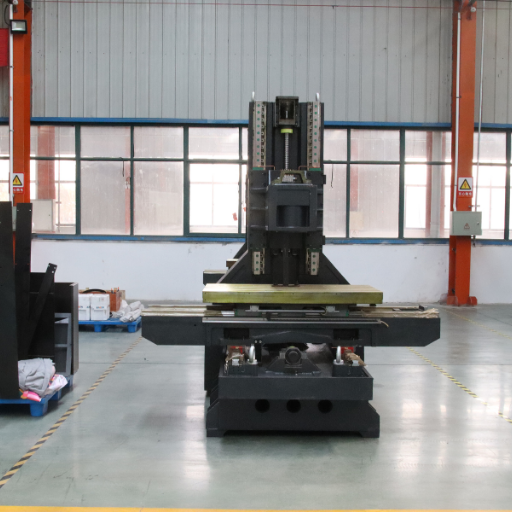
Ensuring your VMC 1160 is provided by the right supplier is the key to assuring the quality and performance of your production processes. Here are a few steps with which you can go about making this choice:
- Assess Reliability
Choose suppliers with a reliable track record for providing high-quality machinery and dependable after-sales services.
- Check Customization Options
Ensure they can cater to specific requirements or tailor the machine and plant to suit your production needs.
- Evaluate Support Services
Check whether installation, training, and maintenance services are arranged beforehand to prevent production downtime.
- Compare Pricing
Request quotes and compare the prices with the value offered, such as warranties, contracts for services, and so on.
- Read Reviews and Testimonials
Look for customer reviews regarding their experience to measure satisfaction and unearth potential areas of concern.
With the help of these principles, you can select a supplier fitting your operational objectives who would also be able to render long-term value.
Factors to Consider in a CNC Machine Supplier
While choosing a CNC machine supplier, staying ahead of industry trends and technological advancements ensures an adequately balanced decision to be made. A few key factors drawn from current information and updates are:
- Technological Advancements
Modern CNC machines with AI-assisted operations combine advanced features, IoT connectivity, robotics, etc. to improve productivity and precision. Industry statistics reveal that nearly 60% of manufacturers now prefer CNC machines equipped with smart technology to streamline the production process.
- Energy Efficiency
Energy-efficient CNC machines have been gaining in popularity due to the increasing emphasis on sustainability and cost savings. When CNC machines are manufactured for lower power consumption, they would be able to operate with much cheaper costs of about 15-20% annually, therefore making them attractive to companies aiming for greener operations.
- Customization and Compatibility
A dependable supplier may offer customization options for meeting the production needs unique to a firm. The next important thing is the compatibility of the machines with systems that are presently in use and with existing software. Research suggests that companies that have invested in compatible CNC setups have gone through 30% fewer issues and downtime connected with system integration.
- After-Sales Support
Full-on customer support is increasingly considered a critical factor for business, with the providers supplying technical support throughout the whole day and night, training, programs, and quick replacement service for customer value beyond purchase. Those companies that give precedence to great aftersales service usually have a far smoother working experience and higher productivity.
If analyzed carefully, depending on your particular business requirement, this may enable you to make an educated decision toward achieving growth and operational efficiency.
Evaluating Quality and Service
Considering suppliers’ quality and services, certifications, and standing on certain industry regulations are verified. Certification, such as ISO 9001 for quality or ISO 14001 for environmental management, attests that the generic supplier is working under an accepted international framework. Data show that when businesses work with certified suppliers, they report quality-related disruptions in operations 40 percent less than with uncertified suppliers.
Customer Feedback and Ratings
Customer reviews and satisfaction rating analysis can provide insight into various aspects of the supplier’s performance. Research indicates that suppliers that have received consistently high ratings from customers tend to maintain higher levels of reliability in their services and quality in their products. For instance, client companies with suppliers rated at 4.5 stars and above have seen a 30% improvement in delivery efficiency and less downtime associated with defective products.
Response Time and Scalability
The speed with which the supplier can respond to demand and scale services alongside your business growth is critical. Data show that businesses that work with solutions providers with an average response time of less than 24 hours report at least a 25% increase in operational agility. Further, a scalable supplier allows the organization to better adjust to market dynamics, supporting its long-term growth.
When these detailed aspects of quality and service come to mind, Canberra businesses choose partnerships that apply for present needs and, perhaps, for future expansion and assurance.
Long-term Support and Maintenance
The investment targeted at the long-term support, maintenance, and upgrades of systems and processes is essential to keep them delivering at set targets for life. It has been found that companies that implement planned maintenance programs, which include predictive analytics and condition monitoring, can reduce downtime by 45% and increase the longevity of equipment by 20-40%. Besides, companies are at less risk of a possible failure and can take a step ahead with the assistance of their partners, who provide 24-hour support and periodic system updates. After tracking in detail the performance and running pre-established audits, it would be possible to maintain through time the optimization of the operation, promoting the continuous optimization of resources and the reduction of unexpected expenses. A systematic and coordinated approach will surely be a strength for the organization’s resilience and flexibility in facing operational challenges in the future.
The Future of Machining with VMC 1160
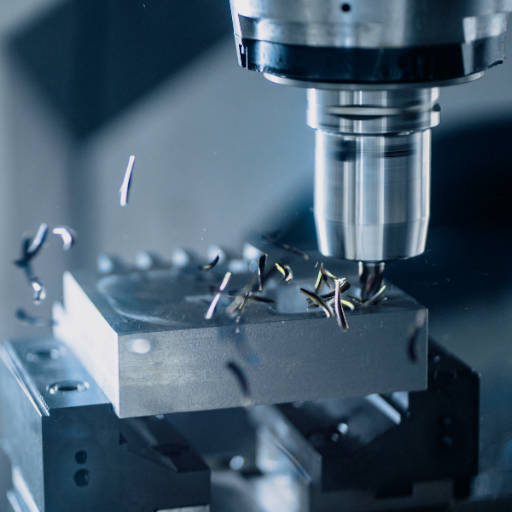
Vertical Machining Centers (VMC) like the VMC 1160 represent the future of machining by offering higher levels of precision along with increased efficiency and versatility. They are able to handle difficult processes with ease, greatly reducing time to manufacture, while still maintaining a high level of accuracy. With advanced controls and automation, manufacturers using the VMC 1160 can respond to the changing demands of industry, thus improving productivity and reducing the cost of operations. The design approach taken in making this machine-proves that it will not fail-even for a very long time-giving it to the modern machining industry focused on quality and scalability as an invaluable asset.
Staying Ahead in Industrial Innovation
Modern manufacturing is heavily driven by automation, AI, and precision engineering. For instance, with the worldwide marketplace of industrial automation said to stretch beyond $200 billion in 2023, this just goes on to show how the fast-paced growth of automated systems is evident across sectors. Technologies are improving manufacturing processes and productivity: CNC machining, IoT-based integration, and robotics.
In the same vein, 5-axis CNC machines and the like deliver precision to a degree unimaginable before, limiting defects to less than one percent within precision-demanding areas such as aerospace and medical instrument manufacturing. Innovations have also been brought in material science, with advanced composites and metals now being utilized to create lighter, stronger, and more durable products.
Using this set of technologies, industries not only achieve efficiency improvements but also set new standards inside the field of sustainable manufacturing. Today, energy-efficient machines and closed-loop production systems are common, keeping in line with the sustainability goals on giving the industrial carbon footprints a downgrade.
Investing in Efficiency and Productivity
An efficiency, and productivity-focused investment is key in preserving the competitive edge and sustainability of industries in a changing global market. Hence, various industries engage in the implementation of automation technologies, robotics, and AI for achieve efficiency gains. For instance, up to a 20% increase in operational efficiency is observed in industries using AI-enabled systems. Smart factory implementations, such as IoT-based sensors for real-time monitoring and predictive maintenance, are also set up to avoid downtime by approximately 30%.
Energy efficiency remains an important aspect. For example, energy-efficient lighting and HVAC systems in manufacturing plants have been shown to save up to 40% on energy consumption. Additionally, many organizations have begun the transition towards renewable energy installation growth from solar and wind by 15% per annum worldwide. These initiatives serve to further decrease operational expenses, besides fostering the global sustainability agenda for reduction in greenhouse gas emissions.
The analytics of data are another important field where immense productivity gains are being achieved. Through data analytic methods in production processes, industries can locate bottlenecks and optimize workflows, thereby winning a 25% output increase for certain sectors. Hence, such a data-driven approach guarantees the utilization of resources in the best way, augmenting cost reduction and environmental sustainability in tandem.
Industries thus lay the groundwork for sustained growth by investing in these innovations, all while aiding a green-efficient future.
Final Thoughts on the VMC 1160 CNC
The VMC 1160 CNC is a big machine that has an immense force and versatility to meet the challenges put forth by modern-day manufacturers. A large work table and the heavy-duty spindle allow for an exquisite degree of precision and high efficiency in machining different components and assemblies for aerospace, automotive, and medical purposes. This machine offers great performance in both high-speed machining and heavy-duty machining when the spindle is set at a maximum speed, which often can be 12,000 RPM, or the cutting feed rate is 10 meters per minute.
Moreover, advanced control systems such as FANUC or Siemens make it user-friendly and amplify automation, cutting the downtime and further spiking productivity. There have been reports suggesting that the machining time reduces from 20 to 30% after VMC 1160-type machines are taken onboard, while horizontal micromilling tolerances can be maintained as low as ±0.005 mm.
There is also, according to sustainability standards, a reduced power consumption rate, which takes the VMC 1160 CNC alongside finishing into the arena of the eco-friendly concept. It truly seems like a green initiative. It has efficient cooling systems that are a step further toward energy saving and these systems also ensure that the equipment lasts longer, having a less environmental impact over its lifespan. With a balance of accuracy, efficiency, and attention to sustainability, the VMC 1160 CNC machine is a worthy investment for a futuristic manufacturer.
Reference Sources
-
Implementation of Intelligent Elements in Vibration Diagnostics of CNC Machines
This study involves vibration diagnostics on a CNC machine, specifically the PINNACLE VMC 1160, providing insights into its dynamic effects and performance.
Read more here -
Optimization of CNC Face Milling Process Parameters for Inconel 718 Using Taguchi Method
This review discusses CNC milling processes and optimization techniques, offering valuable context for understanding CNC machining capabilities.
Read more here -
Thermal Investigations on a CNC Lathe Fitted with a Dynamically Enhanced Steel-Reinforced Epoxy Granite Bed
This research explores the application of advanced materials and structures in CNC machines, including VMCs, to enhance performance.
Read more here - Top VMC 1160 CNC Suppliers in China
Frequently Asked Questions (FAQs)
What is a VMC 1160 CNC machine?
The VMC 1160 CNC machine is a vertical machining center designed for precision milling and machining operations. It features a robust structure, high rigidity, and advanced numerical control systems to enhance productivity and accuracy in machining processes.
How does a CNC vertical machining center work?
A CNC vertical machining center operates by using computer numerical control to automate the movement of tools along multiple axes. This allows for precise machining of metal and other materials through processes like milling, drilling, and tapping.
What are the benefits of using a VMC1160 CNC?
The VMC1160 CNC offers several advantages, including high positioning accuracy, a tool magazine for efficient tool changes, and the ability to handle complex geometries. Its high rigidity ensures stability during heavy-duty machining tasks.
What types of machining operations can be performed with the VMC 1160?
The VMC 1160 is versatile, allowing for various machining operations such as vertical milling, horizontal machining, and even rotary machining. Its capabilities make it suitable for both prototype and production runs in metal milling.
What is the tool change time for the VMC1160?
The tool change time for the VMC1160 is optimized to enhance productivity. Depending on the specific configuration and tool magazine capacity, the tool change can be completed in a matter of seconds, significantly reducing downtime.
Can the VMC 1160 be used for 5-axis CNC machining?
Yes, the VMC 1160 can be equipped for 5-axis CNC machining, providing greater flexibility and precision in machining complex parts. This capability allows for simultaneous movement across multiple axes, improving the efficiency of the machining process.
What should I consider when buying a VMC 1160 CNC machine?
When purchasing a VMC 1160 CNC machine, consider factors such as the machine’s rigidity, accuracy of the machine tool, and the specific machining applications you plan to perform. Additionally, evaluate the support and service offered by the supplier.
How does the positioning accuracy of the VMC1160 compare to other CNC machines?
The positioning accuracy of the VMC1160 is generally higher than many other CNC machines due to its advanced control systems and robust construction. This high-precision capability is essential for achieving tight tolerances in machining operations.
What is a CNC horizontal machining center, and how does it differ from the VMC 1160?
A CNC horizontal machining center operates with the spindle oriented horizontally, allowing for different machining techniques and setups. Unlike the VMC 1160, which is a vertical machining center, horizontal centers are often preferred for specific applications like heavy-duty metal milling and large workpieces.