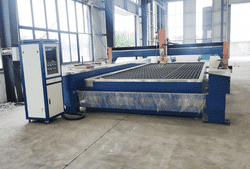





The laser cutter is a fabulous tool that has affected industries ranging from design to manufacturing. The reason for their precise cutting of almost any fabrication and engraving on virtually any material is that they can be used for nearly any application. Well, not everything can be safely or effectively cut with a laser cutter. Knowing which materials to avoid is helpful not only in maintaining safety precautions for your device but also in working towards the best outcome in your projects. In this article, we will examine materials unsuitable for laser cutting, the associated hazards, and the available alternatives. This knowledge base leads right past the seasoned pro, helping to ensure anyone new to laser cutting knows the limitations that will free them to exploit this technology maximally while maintaining a distance from expensive errors.
Introduction to Laser Cutting
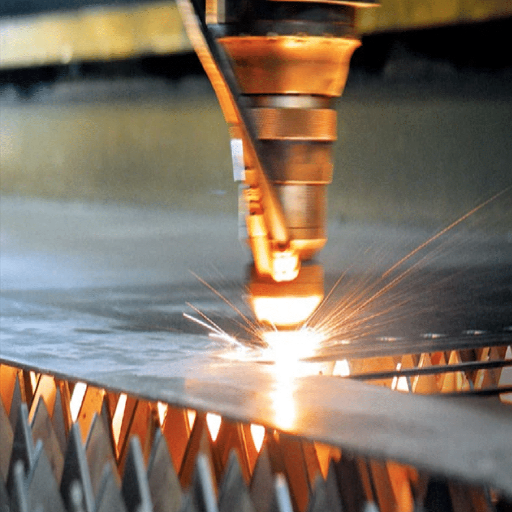
Laser cutting is an exact and flexible technology used for cutting or engraving materials, depending on the laser beam being focused on the surface. The process affords great accuracy, enabling users to create intricate designs with clean edges on various materials, including wood, acrylic, plastic, and metal. However, it is essential to know what laser cutting cannot do and which materials are unacceptable for laser cutting to ensure safe operation and optimal productivity.
Understanding Laser Cutting Technology
Laser Cutting Compatible Materials
Laser cutting technology is compatible with a wide variety of materials, but it is essential to know which ones are more suitable. The most common materials include woods, acrylics, and plastics such as ABS, which offer immaculate and accurate cuts. Metals, including stainless steel and aluminum, are also widely used, primarily from an industrial standpoint. Certain types of fabrics and paper can be cut without issue, making this technology highly flexible in both artistic and commercial applications.
Materials to Avoid
Some materials are definitely not suitable for laser cutting. PVC and polycarbonate, when cut, release toxic fumes that pose serious health hazards to the environment. Wastage of cutters and damaging effects on operators result from the presence of chlorine or other harmful chemicals in materials; therefore, such materials should not be used. Ensuring that the right material is used would significantly enhance the safety factors of the equipment.
Factors for Efficiency Considerations
For best results, consideration shall be given to the factors such as material thickness, type, and power setting of the laser. Thin, uniform materials require less intensity and produce cleaner cuts. Ventilation and safety measures implemented during execution contribute to efficiency and safety. Consult the manufacturer’s recommendations when machining any particular material to ensure the best results are achieved within safe working parameters.
Common Applications of Laser Cutters
Laser cutting machines are recognized for their precision in various industrial fields owing to their high level of versatility and efficiency. Some pertinent applications could be:
Manufacturing and Prototyping
Laser cutters are among the leading equipment used in manufacturing for cutting and engraving materials such as metals, acrylics, and wood with high precision. Intricate designs, from custom individual parts to prototypes, are regular applications for laser cutting. According to recent statistics, the global market for laser cutting is sustaining its growth, propelled by the demand from sectors such as automotive and consumer electronics for high-speed and highly accurate fabrication.
Architecture and Design
Architects and designers use laser cutting technology to fabricate detailed models, custom fixtures, and decorative elements. For instance, laser cutters help them create intricate lattice designs as well as scaled building models using materials such as plywood or cardboard.
Healthcare Industry
In medicine, laser cutters are used with surgical instruments for exact work or with various medical instruments. They also develop components requiring high accuracy for advanced diagnostic instruments and prosthetics.
Jewellery
Historically, laser cutters have been utilized in jewelry making, engraving, and etching metals with delicate designs. The technology thrives on being able to laser engrave minute details without affecting the integrity of the object.
Apparel and Fashion
Laser cutters in the fashion industry cut fabrics, engrave leather, and create patterns for customization-an application that provides greater production efficiency and creative freedom.
Signage and Marketing Materials
Laser cutters are commonly used in the manufacturing of custom signs and the production of custom advertising materials. The machines work with acrylics, wood, or any other material to construct promotional products that can withstand the passage of time, remain visually appealing, and feature precise detail.
Education and DIY Projects
Laser cutters have provided independent learning opportunities for educational institutions and hobbyists alike, as well as the necessary DIY projects. Thus, design concepts and fabrication are taught using lasers in makerspaces and schools, which fosters creativity while nurturing technical skills.
Laser cutting marks an essential manufacturing stage in modern manufacturing and creative worlds, with both scalability and cost-effectiveness in mind. With technological evolution, this trend is likely to continue creating an even more innovative array of uses across various fields.
Importance of Material Selection
In laser cutting, material selection significantly impacts the product’s finish, accuracy, and production efficiency. Each type of material—metals, plastics, wood, or cloth—reacts differently to the laser, based on properties such as density, thermal conductivity, and melting points. Metals such as stainless steel and aluminum are industrial workhorses because they can be cut with high precision and are durable. Meanwhile, acrylic and plywood have found their place in the creative industries due to their versatility and aesthetic appeal.
Studies indicate that improper material selection can lead to issues such as scorch marks, improper cutting, or increased wear on machinery. For example, materials such as PVC release harmful fumes during cutting, which can affect health and safety, and also damage the laser equipment. It is essential from an industry standards perspective to select materials based on those that are compatible with laser wavelengths and have predictable behavior under conditions of exposure to high-intensity light.
Modern material technology presents opportunities, such as advanced composite materials designed for enhanced laser cutting performance. This enables faster production cycles with reduced waste and is highly application-specific, for example, in aerospace, automotive, and biomedical device fabrication.
Materials That Are Not Suitable for Laser Cutting
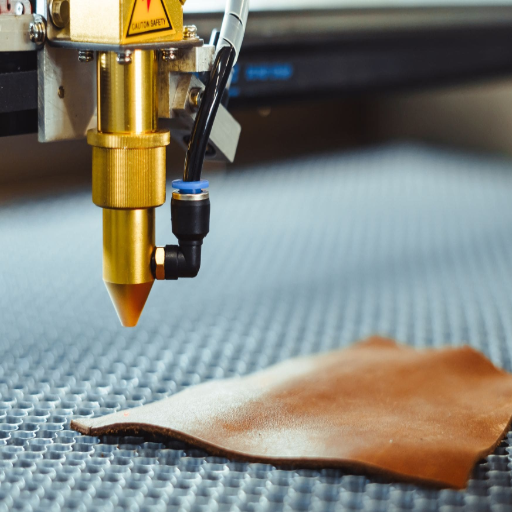
Certain materials are not suitable for laser cutting due to safety hazards, the nature of the materials, and the potential production of toxic fumes. For instance:
| Material | Issue | Hazard |
|---|---|---|
| Chlorinated Plastics (PVC) | Releases harmful chlorine gas | Health risks and equipment damage |
| Polycarbonate | Poor cutting quality | Dangerous fumes |
| Foam-Core Boards | Fire hazard | Soot and uneven finish |
| Fiberglass | Toxic fumes from epoxy resin | Equipment damage and health risks |
| Thick Metals | Exceeds laser capacity | Ineffective cutting |
Select materials carefully to ensure safety, thereby contributing to precision and protecting the machinery.
PVC and Its Hazards
Commonly used synthetic plastic polymers include Polyvinyl Chloride (PVC), which speckles life into almost every product from pipes and floorings to wires and packaging materials. However, several hazards are posed by its use in laser cutting or engraving processes. PVC under the exertion of high heat during laser operation gives off hydrochloric acid (HCl) and other poisonous gases. Hydrochloric acid vapors corrode the metal parts of the laser apparatus, which is harmful to operators and the environment.
One concern related to dioxins is their potential release into the atmosphere. Dioxins are highly toxic and associated with significant risks to human health, including carcinogenicity, reproductive disruption, and immune impairment. Such factors persist in the environment for a long time, contributing to severe environmental pollution.
From an industrial perspective, the burning of PVC will result in the generation of excessive smoke and soot, leaving irregular markings and stains on machinery optics. Furthermore, improper disposal or burning of PVC is believed to contribute to greenhouse gas emissions and air pollution.
In laser machine operations, PVC is considered most undesirable from a safety standpoint. Materials such as acrylic, wood, or laser-safe plastics are safer due to their emission of noxious fumes, and are also safer for workers and equipment.
Other Plastics That Don’t Perform Well
While vinyl is well-known, many other plastics fall short in terms of performance, safety, and sustainability. Taking polystyrene as an example, it is used for food packaging and single-use containers, with little biodegradation potential and has therefore been under scrutiny. It is estimated that polystyrene can persist in the environment for hundreds of years, contributing significantly to the global plastic waste crisis. In the meantime, production and disposal release certain chemicals that are hazardous to humans, such as styrene, which is classified as probably carcinogenic to humans.
Similarly, polyethylene terephthalate (PET), the very property of which makes it the standard product for containing water, faces numerous challenges, not the least of which is recycling. PET plastic is probably the least well-recycled plastic, and data suggest that merely 9% of the plastic waste produced globally has ever been recycled. The rest of the plastic wastes find its way into landfills or the ocean, adding pressure to environmental problems. In addition, the thermal degradation of PET due to improper disposal may release toxic compounds into the air and soil.
Another problematic plastic material is polycarbonate, which is deemed durable and transparent but raises health concerns due to the presence of bisphenol A (BPA), which has been linked to hormonal disruptions and adverse health effects. This is why many manufacturers have now ceased using BPA in favor of BPA-free substitutes, although concerns remain that these substitutes may carry similar risks.
Now, all such cases call for the search for alternative materials and improved waste management strategies to combat the widespread presence of high-impact plastics, which harm human life and the environment.
Specific Materials to Avoid
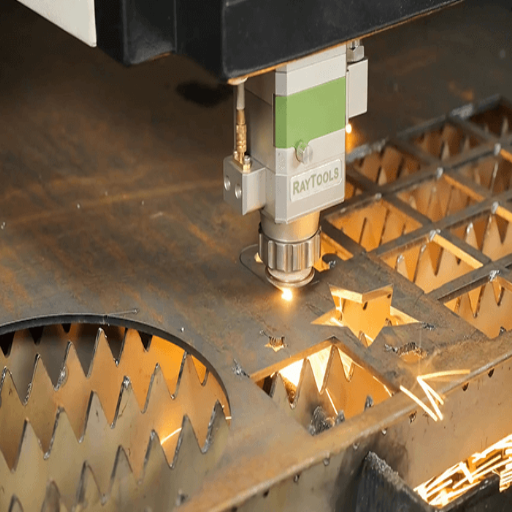
- Polyvinyl Chloride (PVC) – From packaging to toys and building materials, PVC is a potential source of hazardous chemicals such as phthalates and dioxins, which might pose a risk to human health and the environment.
- Polystyrene (PS) – Primarily used to manufacture foam products and food containers, polystyrene products are challenging to recycle and can leach styrene, which has been implicated in potential health concerns.
- Polycarbonate (PC) – The term polycarbonate stands for plastics that have BPA in their formulation; therefore, these plastics are regarded as hormone-disrupting chemicals with further health implications.
- Non-Recyclable Plastics – Watch for plastics labeled 3, 6, and 7, as they are considered less environmentally friendly or more challenging to sort within most recycling systems.
Fiberglass and Its Drawbacks
Farbe is a composite formed from resin reinforced with glass filaments. Being its strength and lightness act as double-edged swords, they make it widely applied in civil engineering, automobile manufacturing, and shipbuilding due to its corrosion resistance. However, considering them to be the most compelling attribute disregards the drawbacks that do exist.
One environmental issue associated with fiberglass is that it cannot be broken down by natural processes and is complicated to recycle, making it commonly used as landfill material. Recent researches indicate that the manufacturing and landfilling processes of fiberglass will increase pollution; these processes even release harmful substances known as styrene into the air. Styrene, a compound found in fiberglass resin, is considered a possible human carcinogen and is a hazard to both environmental and human health when its disposal is not handled correctly.
Additionally, the production of fiberglass poses specific health hazards. During fabrication, cutting, or any other similar process, fiberglass particles may become airborne. These microscopic particles, being sharp, can irritate the skin and eyes in direct contact, while inhaling them can induce respiratory irritation. On a chronic basis, the prolonged inhalation of fiberglass dust has been linked with respiratory health problems and other concerns. Workers in industries that utilize fiberglass often require special protective gear to prevent exposure.
Because of its widespread use, however, the problems with recycling and handling fiberglass point toward greater efforts being directed at the search for a substitute or at alternative processes that might minimize the material’s environmental impact. Hence, scientists and engineers alike are working toward finding bio-based alternatives and greener approaches to counterbalance the shortcomings of this celebrated material.
Coated Carbon Fiber Issues
Coated carbon fiber presents, however, specific challenges that need to be considered. One significant challenge is the recycling of foams, which tends to inhibit fiber recovery and reuse. The second problem with coatings is that they can compromise the performance of the substrate under extreme conditions, such as elevated temperatures or chemical exposure, depending on the type of coating. Environmental concerns are also present, as their manufacturing and disposal contribute to carbon emissions and waste.
Since then, coating researchers have been devising solutions, such as thermoplastic coatings, to enhance recyclability and adopt sustainable practices in manufacturing with reduced environmental impact. In the collaboration between industries and academia, a driving force for technological innovation in coatings is created to develop more durable, environmentally friendly, and functional carbon fiber materials. Therefore, advances intend to address coated carbon fiber issues concerning performance without disregarding its environmental and practical aspects.
Epoxy Resins: A Risky Choice
Epoxy resins are substances that find use in many manufacturing operations due to their extraordinary ability to bond surfaces, their strength, and their resistance to chemical corrosion. However, their large-scale use poses a significant threat to the environment and human health.
From an environmental perspective, epoxy resins are created from fossil fuels, which adds to their carbon imprint. They are not biodegradable and are polluting materials if treated as waste. For health concerns, exposure to unreacted components of epoxies, such as Bisphenol A (BPA) and epichlorohydrin, can cause skin irritation and respiratory problems, while prolonged exposure may even lead to carcinogenesis. Additionally, the curing process emits VOCs (volatile organic compounds), which contribute to further air pollution. Despite their utility, all these factors make epoxy resins a matter of dispute; hence, the necessity of safe and sustainable industrial applications.
Understanding Laser Cutting Limitations
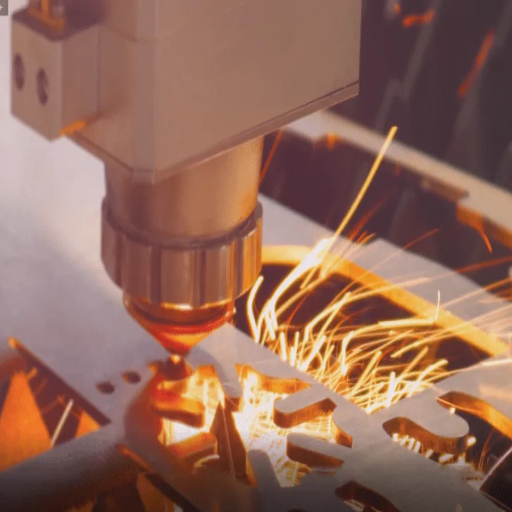
Lasercutting is an exact and efficient way of working, but it has restrictions to consider. Some metals, particularly those that are highly reflective, tend to reflect the laser beam poorly, resulting in a poor-quality cut. Furthermore, extremely thick materials can prove problematic, as excessive heat causes irregularities or stray marks on the surface. Such a process consumes energy and requires specialized, expensive equipment. Proper safety measures must protect operators against noxious gases and exposure to high-intensity laser beams; therefore, a location having adequate ventilation and granting basic safety must be made available during process operation.
Why Some Materials Cannot Be Cut
Certain materials are incapable of being cut using laser technology due to their physical and chemical properties, which may interfere with a smooth cutting process or pose safety hazards. For example, polycarbonates tend to absorb the energy from the laser rather than allowing clean and precise cuts. The result would typically be a bad edge finish with heavy discoloration or melting. On the contrary, the use of materials such as PVC is prohibited because chlorine gases are released upon exposure to high-intensity laser beams, which are corrosive to equipment and pose serious health risks.
Being highly reflective metals, such as copper and aluminum, pose some problems when it comes to cutting. The surfaces reflect much of the laser energy, thus reducing cutting efficiency and possibly damaging the laser. In addition, some types of ceramics and glasses are so brittle that, rather than cutting cleanly from heating at the laser focal point, they crack or shatter. The successful cutting of these materials will thus either require alternative methods or modifications to the tooling. The restrictions are primarily due to the complex interaction of laser heat with material properties, such as reflectivity, heat resistance, and chemical composition; hence, it calls for careful consideration of the materials to be selected for laser processing.
Effects of Laser Settings on Material Integrity
The parameters that control power settings, focusing conditions, speed, and frequency govern the laser cutting operation and its potential effects upon material integrity. For instance, a high power level would result in increased cutting power for thicker and denser materials, but might cause burning in materials such as plastics and thin metals, or a large heat-affected zone (HAZ). On the other hand, lower power levels may sometimes work well for more delicate materials, where they minimize thermal damage.
A study observes that an improper beam focus results in unequal cuts and rough edges when the focus is set too high or too low above or below the surface of the material. Setting the optimal focal distance ensures that energy is delivered precisely, resulting in a uniform energy distribution for cutting.
Speed is another critical variable: on the one hand, if the cutting speed is too fast, it might shrink the quality of the cut and leave jagged edges or no edges at all; on the other hand, if it is too slow, it might cause overheating, which results in deformation of the material.
Frequency also plays a role, especially in pulsed laser systems. Higher frequencies facilitate smoother cuts through thin materials, but can also heat sensitive surfaces in the process. For better results on materials, all these settings are finely controlled in tandem with real-time feedback and monitoring systems. For example, cutting stainless steel typically requires a power range of 500 to 2,000 watts at a moderate speed of 20 to 50 mm/s to achieve smooth edges and minimal thermal distortion.
These variables underscore the critical need for laser parameters to be independently adjusted, ensuring that the material is both preserved and accurately cut in clean applications. Typically, manufacturers examine an experimental setup to calibrate or analyze pre-calculated data sheets, thereby optimizing parameters for each item and thickness.
Diode Laser Limitations
While the versatility and range of applications make diode lasers so favorable, their list of limitations truly should not be underestimated. Since the beam quality is lower for diode lasers compared to other sources, such as fiber or CO₂ lasers, this fact often becomes a barrier to finer, oriented thin cuts on thick or highly reflective materials.
Another limitation is that they produce only a limited amount of power. The working power of these lasers is not in a very high range and is suitable for most standard applications, ranging from 10 to 200 watts. Less power also means that they cannot adequately cut or process thick materials, which favors more powerful lasers. It is certified that diode lasers struggle to efficiently process metals like steel and aluminum for thicknesses above 2-3 mm without compromising edge quality.
Moreover, diode lasers have wavelength limitations and typically emit light within the range of 800–980 nm, or around this specific range; this feature can pose limitations when it comes to compatibility with the materials. For example, certain materials, such as copper or brass, tend to reflect these wavelengths, whereas absorption tends to decrease, thus limiting processing efficiency.
Thermal management is another challenge, as diode lasers tend to generate significant amounts of heat during operation. A laser’s performance can degrade with time when cooling methods are inappropriate, significantly impairing its longevity and possible reliability. Heat dissipation should be maximally efficient to avoid any problems arising from heat buildup.
In particular, scenarios where the enhanced precision of a device or modification of its capabilities is required for creation may already impose constraints on the simple price of a laser system and its maintenance. Advancements in laser technology contribute to solving some of these limitations; knowing these limitations is instrumental to exploiting diode lasers in the right areas.
Best Practices for Material Selection
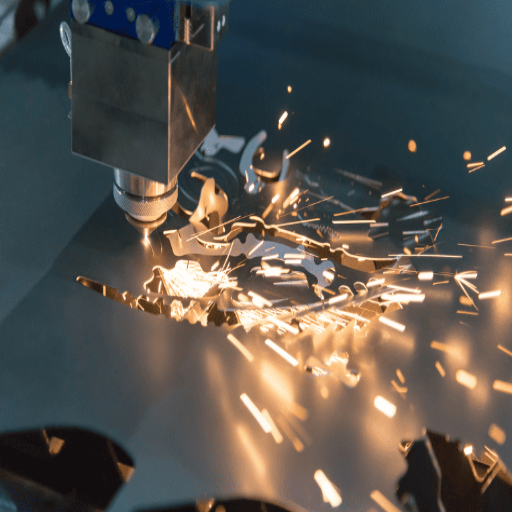
When selecting materials for diode laser systems, priority should be given to thermal conductivity, optical efficiency, and durability. Materials with heat-conducting capabilities are recommended for managing heat dissipation to prevent overheating, such as copper or aluminum. Optical components that are optically transparent and have low absorption, such as fused silica or sapphire, are good candidates for maintaining the efficacy of the laser. Additionally, materials should be corrosion-resistant and sturdy enough to ensure long-term reliability in harsh environments. Always verify that the materials are suitable for the application to maximize performance and longevity.
Identifying Suitable Laser Cutting Materials
Proper identification and compatibility assessment between the material and laser technology must be done before laser cutting procedures. The most frequently used materials are metallic substances, such as stainless steel, mild steel, and aluminum, due to their precision in cutting and versatility. Stainless steel, for example, is better suited for projects requiring corrosion resistance and durability, with cutting performed anywhere from 0.5 mm to 30 mm in thickness, depending on the laser’s power.
Nonmetallic materials, including acrylic, wood, and certain plastics, are also widely used in laser cutting because they produce clean edge finishes and offer greater freedom for creative design. Acrylic provides clear visibility and longevity, making it an excellent choice for use in signs and display products. Wood, on the other hand, enjoys extensive popularity among craft industries due to its natural appearance. Typically, the thicknesses of these materials in laser manufacturing range from 1 to 25 mm.
With advancements in laser technology, more complex materials, such as composites and coated substrates, can now be processed. However, when working with certain materials, such as PVC, fume hazards or uneven cuts may need to be considered. Laser types must be chosen appropriately; for example, CO₂ lasers are primarily used for non-metals, whereas fiber lasers work well with metals, providing a high level of precision and speeding up processing time.
By knowing factors such as the material’s reflectivity, absorption, and thermal conductivity, the user can optimize the laser settings for precision and efficiency in cutting. The present stages of development allow, with higher-wattage lasers configured specifically, enhanced processing of thicker and reflective materials. From a selection of materials, determine conclusively allied qualities, speed, and dependability of the laser-cutting process, whether it is for industrial components or artwork designs.
Testing New Materials for Laser Cutting
When I try new materials for laser cutting, I go through the process of testing their compatibility with the laser by considering different power levels, speeds, and focal points to find the best quality. I begin with smaller trials to observe the material’s reaction to heat, such as edge quality, burn marks, and precision. This way, I can pinpoint the best settings and also determine if an excellent result can be achieved with that material.
Consulting Manufacturer Guidelines
Consulting the Manufacturer’s Guidelines is essential for safe and effective laser cutting. They provide valuable information about the material’s composition, laser specifications, and safety measures. First, you will need to find suggestions for specific power and speed settings related to the material from the manufacturer. Several guidelines may also mention limitations on the thickness of particular materials or hazards that can be produced during cutting, such as fumes released from specific materials. They even consider some of the wisest ways to obtain clean cuts without damaging the laser equipment. Combining knowledge from reliable resources can significantly assist in making informed decisions when working with new materials.
Reference Sources
2. Fiber Laser Cutting of Alumina Substrates for Electronic Applications
3. Research on Precision Machining Technology of Thin-Walled Parts
Frequently Asked Questions (FAQs)
What materials are suitable for laser cutting?
Laser cutting can work with a wide range of materials, including CNC wood, acrylic, paper, and certain types of plastic. It is highly advisable to understand the limitations of your laser cutter and the materials being considered to ensure proper and safe cutting.
Can the CO2 laser cut PVC and vinyl?
It is not advisable to use a CO2 laser to cut PVC and vinyl, as these materials tend to emit toxic fumes, including chlorine gas, during the cutting process. Hospitalization due to chlorine gas, which is considered hazardous to humans, is also detrimental to these machines.
Why should I not cut polypropylene using a laser cutter?
When polypropylene is heated, it can emit toxic fumes that are hazardous to humans. These fumes can also corrode several parts of a laser cutter, thereby damaging it and increasing maintenance expenses.
What happens when the halogen-containing matter is cut?
Materials such as PVC, which contain halogens, can release corrosive gases, including hydrogen cyanide, when cut using lasers. These serious safety hazards must be avoided by all means.
Are acrylic and ABS plastic safe for use with cutting tools?
Acrylic and ABS plastic are usually safe substances for laser cutting. They tend to produce clean-cut edges, and they do not pose the risk of harmful fumes being discharged. However, for commonly used specifications such as power and material thickness, adjustments to the laser cutter will be necessary for the best-quality cut.
Can fiberglass be laser-engraved?
Yes, given careful consideration to the power settings. Cutting of fiberglass is dangerous since fumes are produced, and therefore, it is of utmost importance to work under extraction to protect oneself.
What are the risks of making cuts using a diode laser?
Every laser-cutting procedure is defined by a set of limitations, the most common being power and material thickness. Depending on the thinness and lightness of the material in question, a laser shaft may perform well or struggle, resulting in poor cutting quality and an increased risk of fire.
Classes of materials to avoid on fire-risk grounds?
Materials such as polystyrene foam and various plastics are susceptible to ignition when exposed to the laser cutter. We generally prefer to avoid working with such materials due to concerns about fire risk and the need for a safe working environment.
What about food cutting?
Food cutting can be a bit tricky. The cutting releases fumes that may not be safe for consumption, and machines must be thoroughly cleaned and maintained to avoid any contamination.