




Working with various materials in manufacturing, construction, or DIY projects, you must understand the difference between cutting and grinding. Those two seem similar, but they serve different objectives and employ different techniques and tools. Cutting is intended to slice through a material, resulting in a clean separation. Grinding has a more elaborate purpose of treating, shaping, or smoothing surfaces. So, how will you exactly choose which process to employ for your needs? This article will explore the key differences between cutting and grinding, including their applications, the tools used, and tips for achieving optimal results. Whether you’re an old hand or a beginner driven by curiosity, this will help you make informed choices for your upcoming project.
Table of Contents
Introduction to Cutting and Grinding
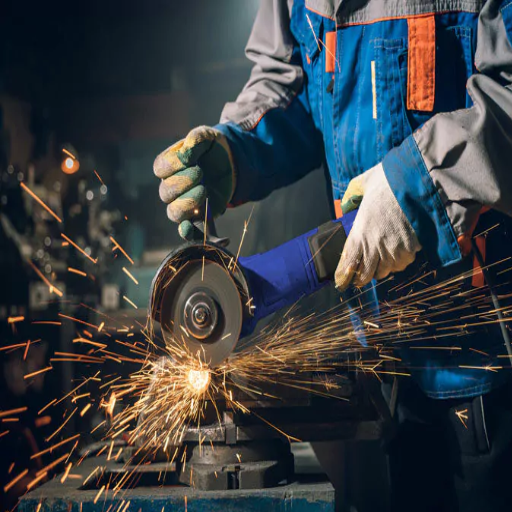
Cutting and grinding are essential processes for shaping and preparing materials. The cutting process typically divides a material into separate sections, using saws or plasma cutters to achieve a clean and precise separation. Grinding is considered a finishing process that removes imperfections, smooths surfaces, or sharpens edges, usually with abrasive wheels or discs. Cutting will result in distinct sections, while grinding performs the refinement and detailing. Getting the goal of your project and the material involved will guide you in your decision.
Defining Cutting and Grinding
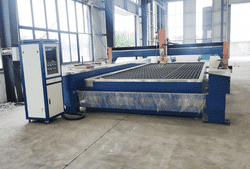
Cutting and grinding are fundamental operations; depending on the application or material, each may behave differently. Cutting methods include laser cutting, waterjet cutting, plasma cutting, and others. Namely, laser-cutting methods can be employed for high-precision cutting of metals, such as stainless steel or aluminum, with a tolerance of only a few thousandths of an inch, ±0.005 inches. On the other hand, waterjet cutters are often used with materials like glass and composites that require an abrasive finish done by high-pressure water streams.
Key Technical Specifications
- Laser cutting tolerance: ±0.005 inches for stainless steel and aluminum
- Grinding surface finish: Ra value as low as 0.1 micron
- Precision tolerances: 0.001 mm or less for super-fine finishes
Grinding is a material removal process used for either refining surfaces or finishing, with tolerances that fall into the super-fine spectrum. With today’s technology, it is possible to attain surface finishes with a Ra value as low as 0.1 micron. This also makes grinding processes suitable for special treatments of precision components in the aerospace and automotive industries, where engine parts require precise machining. Furthermore, with advances in grinding wheel materials, such as CBN, the performance of grinding has dramatically improved, typically enabling the cutting of harder metals with reduced wear and heat.
Depending on the method used, as per the material property, thickness, or final requirement, catheterization and grinding take the lead in fulfilling the need for complex manufacturing processes.
Importance of Understanding the Difference
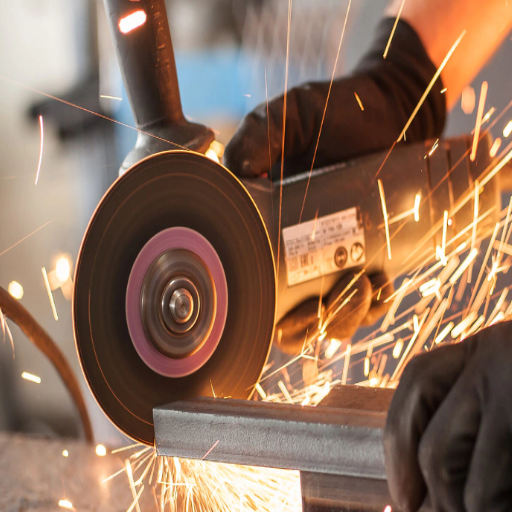
Understanding the difference between cutting and grinding is essential so that manufacturing processes can be made more efficient or to have them exert an effect on a given project. Essentially, cutting is a direct process of slicing away material, while grinding applies abrasion to the surface to improve the shape of that material. Thus, grinding is used for super-fine finishes that require tolerances of 0.001 mm or less in settings where precision is paramount, such as in aerospace and medical device manufacturing. On the other hand, processes like laser cutting are preferred for splitting materials rapidly in steel fabrication, as the speed can vary from 20 m/min, depending on the laser power and material thickness.
✅ Benefits of Proper Selection
- Increased manufacturing efficiency
- Reduced material waste
- Better quality outcomes
- Cost optimization
⚠️ Consequences of Wrong Choice
- Process inefficiencies
- Increased costs
- Raw material wastage
- Poor surface quality
The data shows that improper tool or method selection can cause inefficiencies, increase costs, or simply waste raw materials. Studies demonstrate that the energy consumption of cutting and grinding processes is significantly different, with grinding being approximately 40% less energy-efficient when working with dense metals. But grinding is preferred as a post-process to remove burrs or ensure surface qualities, which can contribute to the performance and lifespan of an item. When these processes are combined adequately for a given application, manufacturers can produce their goods in less time while ensuring their longevity and meeting stringent quality standards.
Applications in Various Industries
There are various methods and tools for grinding and cutting, each industry utilizing these processes for its specific purposes and applications.
🚗 Automotive Sector
Utilizes grinding to achieve precise finishing on engine parts, gears, and braking components, ensuring high performance and safety.
⚙️ Grinding Tools
Angle grinders, bench grinders, and die grinders are used for material removal and surface finishing. They use abrasive wheels or discs, which are specifically designed for various tasks.
🛡️ Safety Equipment
Essential equipment such as safety gloves, goggles, and ear protection ensures operator safety during cutting and grinding operations.
Tool selection essentially depends on the material type, thickness, and precision required for the jobs at hand.
Types of Cutting Discs
Cutting discs serve as fundamental tools in both industrial and DIY applications that demand precision and speed while cutting into materials. The primary types of cutting discs and their characteristics are discussed below:
⚠️Important Selection Criteria
- Material compatibility: Match disc type to workpiece material
- Blade diameter: Ensure compatibility with your cutting tool
- Maximum RPM: Never exceed rated speed for safety
- Thickness selection: Thin for precision, thick for durability
🔷 Abrasive Cutting Discs
These are the most commonly used. They are made of bonded abrasive grains and are excellent for cutting metals, including steel and stainless steel. They come in various thicknesses: thin discs (1-1.6mm) for close, accurate cuts and thicker discs (2.5-3mm) for applications requiring high durability.
💎 Diamond Cutting Discs
Diamond discs offer superior performance for hard materials, including concrete, granite, and tiles. They feature a diamond coating, offering enhanced cutting capability and longer lifespan. They are further divided into segmented (rough cuts in concrete), continuous rim (precise reductions of tile and stone), and turbo rim (a balance of speed and precision).
⚡ Cut-Off Wheels
Cut-off wheels are those cutting discs made with reinforcements and are very versatile in slicing through fine profiles of steel, aluminum, and other metals. They have wide industrial applications due to the speed and efficiency they offer. Data has shown that the majority of cut-off wheels come in diameters ranging from 4.5 inches to 7 inches, allowing them to fit standard angle grinders.
🔄 Flap Discs
Forming the last step, somewhere between cutting and finishing, flap discs work in two ways. The abrasive flaps overlap to cut the workpiece and smooth out its edges, making them a good choice for metalworking applications that require smooth and fast performance.
🧪 Resin Fibre Discs
These discs are resin-bonded for softer metals and plastics. They are inexpensive and multi-purpose, operating well wherever a smooth cut is needed to prevent surface damage.
🔧 Multi-Material Cutting Discs
Thanks to design innovations, multi-material cutting discs are now manufactured for a variety of materials, including wood, plastic, and metal. These discs offer versatility and durability, making them particularly useful in environments where a wide range of tools is required.
Importantly, when selecting a cutting disc, you must consider factors such as material type, blade diameter, thickness, and maximum RPM, as these are essential for ensuring compatibility with your cutting tool and meeting your performance needs. Additionally, modern advancements in cutting disc development have ensured safety, efficiency, and reduced environmental impact, providing better choices to consumers, whether they are professionals or hobbyists.
Grinding Tools and Superhard Materials
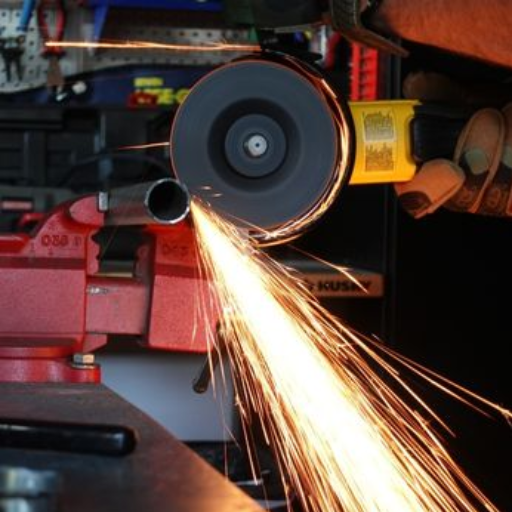
Grinding tools are necessary for machining operations that require a high degree of precision and polishing, particularly when working with superhard materials such as diamond, CBN, or carbide. The tools are specifically designed to withstand extreme cutting forces and resist wear, making them crucial in the aerospace, automotive, and tooling industries.
💎 Superhard Materials Properties
Synthetic Diamonds
Hardest material with excellent heat conductivity
CBN (Cubic Boron Nitride)
Ideal for ferrous materials with thermal stability
In general, synthetic diamonds are the hardest and best heat conductors, imparting these unusual properties to grinding wheels for specialized uses that also demand precise execution, such as in the production of cutting tools and high-precision optical elements. In contrast, CBN is widely used for grinding ferrous materials, where thermal and chemical stability are required.
The last few years have witnessed an evolution that is promoting greater efficiency and sustainability in grinding tool technology. For instance, newer grinding wheels utilize advanced bonding systems, such as vitrified bonds or resin bonds, to provide a better cutting action for the tool and a longer working life. It is projected that in the coming years, a surge in demand for superabrasive grinding wheels worldwide will be seen, driven by the growing emphasis on precision manufacturing processes.
Furthermore, laser-structured grinding wheels and high-speed grinding technologies are reducing production cycle times and enhancing surface finishes. With these advances, the grinding tools evolve to deliver increased precision, reduced wastage, and improved cost efficiency, addressing the challenges posed by modern manufacturing needs.
Choosing the Right Tool for the Job
Material type: The Type of grinding instrument is determined by the substance type, surface finish required, and production demands. Grinding with diamonds and CBN grinding wheels is more effective for harder materials, such as ceramics or hardened steel. Diamond wheels are particularly used for more accurate cutting and longer tool life, thus allowing more time between replacements.
✅ Benefits of Proper Selection
- 20% reduction in production costs
- Increased output levels
- 10x increase in material removal rate
- Enhanced productivity and precision
🎯 Selection Factors
- Grit size (fine vs. coarse)
- Bond type (resin vs. vitrified)
- Material hardness requirements
- Surface finish specifications
The latest trends emphasize the importance of selecting the correct grit size and bond for specific application requirements. Fine grit is used for the finest surface finish, while coarse grit is used for high-speed material removal. Resin-bonded wheels are preferred due to their flexibility and shock resistance, whereas vitrified bonds provide rigidity and thermal stability.
World machining data indicate that the quality selection of grinding wheels can safeguard production costs by 20% and also increase the level of output. For example, in modern times, high-speed grinding has enabled a tenfold increase in material removal rate, highlighting the importance of tool selection in contemporary machining in terms of productivity and precision.
Key Differences Between Cutting and Grinding
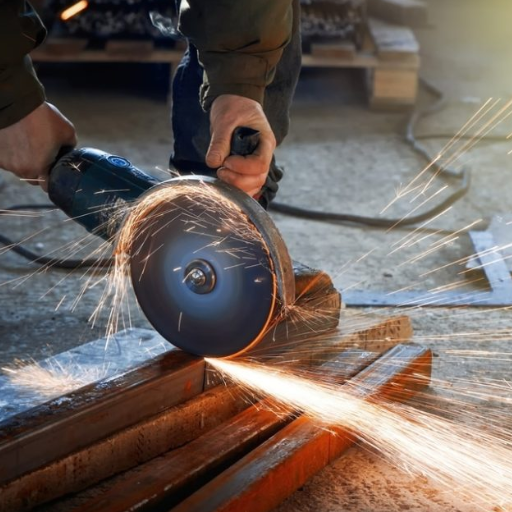
Cutting and grinding are different processes of material removal:
Difference Between Cutting and Grinding: Techniques
🔪 Cutting Techniques
By using sawing, plasma cutting, or laser cutting tools, cutting directly removes material. These cutting tools operate on the principle of applying force or heat while top-facing separation, and therefore enable faster and sometimes rougher shaping of the workpiece.
⚙️ Grinding Techniques
Grinding uses abrasive wheels or abrasive belts to slowly wear down the surface of a piece, ensuring a smooth finish and good execution.
The significant difference here is that cutting is fast and can be pretty rough, making it ideally suited for shaping or resizing materials, whereas grinding works best for surface refinement and achieving tight tolerances. Furthermore, cutting produces jagged edges that may require further processing, while grinding yields a fine, smoother finish. Both offer some lovely finesse depending on the outcome and the kind of material intended.
Difference Between Cutting and Grinding: Equipment
In terms of cutting and grinding, the equipment varies considerably in design and function. For cutting, one generally thinks of saws, cutting wheels, or plasma cutters designed to cut the materials as swiftly and efficiently as possible. They are all about precision and require minimal effort to achieve. Alternatively, grinding utilizes abrasive wheels, discs, or a belt grinder that will gradually wear down material to a smooth finish. Speed is generally a hallmark of grinding equipment, across the board, not unlike the abrasives-aluminum oxide or diamond grits-that score a surface of interest. Depending on the material selected, the type of finish and precision required, and the equipment involved, the type of equipment may vary.
Difference Between Cutting and Grinding: Outcomes
🎯 Expected Outcomes
Cutting Results:
- Clean, sharp edges
- Accurate tolerances
- Minimal material loss
- Defined cuts or sections
Grinding Results:
- Smooth surface polish
- Close dimensional control
- Desired texture finish
- Imperfection removal
Another distinction is that cutting systems come in different finishes, and their intended applications are also different. Cutting separates the material into distinct pieces with very accurate tolerance. Usually, the process is designed to produce clean and smooth, sharp edges with minimum material loss. It is more useful where defined cuts or sections are required, such as in manufacturing or metal fabrication. Grinding is used to finish work on the surface and shape the material. It smoothes or removes imperfections and can perform within acceptable tolerances on surfaces. The results of grinding include either a very smooth polish or close dimensional control, which is needed for processes such as tool sharpening, weld cleaning, or the desired texture. Ultimately, the process is selected based on whether the purpose at hand is separation or refinement of the materials.
Choosing Between Cutting and Grinding
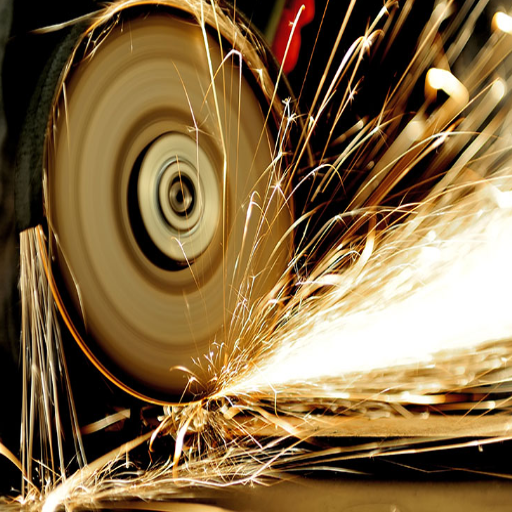
The purposes of the two processes must be taken into account when choosing between cutting and grinding. Cutting is applied when the primary objective is to divide the material into smaller parts or specific shapes and sizes. Tools used in cutting include saws, lasers, and plasma cutters, which provide the fastest and cleanest separations. On the contrary, grinding processes are particularly efficient for surface refinement, improving surface appearances, and achieving desired surface textures. Sometimes grinding is required to get smooth finishes or adhere to tight tolerances. Assessing material type, desired finish, and efficiency shall result in using the procedure most suited to your needs.
🎯 Decision Making Guide
Choose CUTTING when you need:
- Fast material separation
- Specific shapes and sizes
- Clean, defined edges
- Rapid material removal
Choose GRINDING when you need:
- Surface refinement
- Smooth finishes
- Tight tolerances
- Precision dimensional control
Factors Affecting the Decision
There are a few key factors that influence whether a given job is best done by cutting or grinding:
🔧 Material Type
The nature of the working material holds much weight. A metal like aluminum, being soft, will likely be best cut, whereas steel is better suited to precision finishing by grinding.
🎯 Level of Precision Desired
If the project requires clean cuts and sharp edges, then a laser cutter or similar instrument would be ideal. Grinding is preferable when the surface needs to be smooth or has an intricate shape, requiring further refinement.
⏱️ Time and Efficiency
It is generally faster to cut materials for separation, while grinding will take longer, and polishing and rendering the particular finishing details will require additional time. The timeframe for the specific needs should guide this decision.
💰 Cost Considerations
The lower initial cost of grinding may prove to be more expensive over time, particularly in terms of maintenance and tool replacement costs. Setting up cutting tools like lasers and waterjets is costly; however, in return, they provide faster and higher-quality results.
🛡️ Health and Safety
Grinding or cutting is always accompanied by dust and sparks, so noise is another factor. To mitigate hazards, it is advisable to choose the method that presents the fewest hazards to the particular environment. In any case, suitable protective wear and ventilation must be employed.
The joint consideration of all these will help you decide efficiently and adequately for the job at hand.
Cost Considerations
💵 Cost Analysis Framework
Initial Investment:
- Grinding: Lower initial cost
- Advanced cutting: Higher setup cost
Long-term Costs:
- Grinding: Higher maintenance costs
- Advanced cutting: Better ROI
From my perspective, cost considerations encompass both equipment and operational costs, including maintenance and consumables. Theoretically, grinding methods would be cheaper in terms of initial investment; however, if the precision and efficiency offered by advanced options, such as laser or waterjet cutting, outweigh the initial investment, then these more expensive methods become more advantageous for the client. That would be the balance that needs to be made between quality and affordability. Hence, the project is to be awarded the better value.
Performance and Efficiency
⚡ Speed & Efficiency
- Cutting: High speed, potential waste
- Grinding: Slower, less waste
- Laser/Waterjet: High precision, minimal waste
🎯 Accuracy & Quality
- Basic cutting: Good speed, less precision
- Grinding: Excellent surface finish
- Advanced cutting: Superior accuracy
Performance and efficiency considerations must include speed, accuracy, and material wastage. Processes like grinding or cutting provide good speed for easy jobs, but result in more material wastage and less precision. Laser and water cutting tools, however, allow for greater accuracy and less waste, and thus are more efficient for working on complex or highly valued jobs than the less expensive ones. Therefore, one has to choose the method that suits their requirements, such as the type of material, the tolerance required, and the scale of the project. An admitted system involves speed, accuracy, and sustainability.
🎯 Key Takeaways
✂️ Choose Cutting For:
- Material separation and shaping
- Fast production requirements
- Creating defined sections
- Initial material processing
⚙️ Choose Grinding For:
- Surface finishing and polishing
- Precision dimensional control
- Achieving tight tolerances
- Final quality enhancement
🎯 Success Factors:
- Match process to material type
- Consider time and cost constraints
- Prioritize safety requirements
- Plan for quality specifications
🚀 Ready to Start Your Project?
Understanding the differences between cutting and grinding is the first step toward successful material processing. Choose the right method, select appropriate tools, and always prioritize safety for optimal results.
Reference Sources
2. Analysis of the Cutting Fluid Influence on the Deep Grinding Process with CBN Grinding Wheel
3. Determination of the Average Size of Preliminary Grinded Wet Feed Particles in Hammer Grinders
Frequently Asked Questions (FAQs)
How is material separated during grinding?
Grinding achieves material separation through abrasion. Grinding wheels are made from abrasive materials of high hardness, such as diamond or other abrasives, which work at high speeds on the surface of the material to be worn away. These methods are beneficial for achieving higher precision and a finer finish on hard materials, enabling better dimensional accuracy than cutting alone.
Which tools are used for cutting?
The working tools in cutting operations are saws, chisels, and knives, designed to cut in a straight line or shape into various materials. The cutting tools may be prepared from various raw materials, such as high-speed steel or carbide, depending on the required hardness or application.
What advantage does diamond grinding have?
Diamond grinding offers a myriad of advantages, starting from high accuracy and reduced surface roughness, to the quick cutting of hard materials. They can grind hard metals and composites effectively, as the diamond grains are the hardest.
How is surface grinding different from other types?
Surface grinding is a general type of grinding in which flat surfaces are produced. It uses a flat grinding wheel to remove material from the workpiece to a smooth and even finish. This method is used for applications requiring high-dimensional accuracy, and it is primarily employed in the manufacture of parts that require precise fitting.
What is the Importance of Hardness in Cutting and Grinding?
Hardness is indeed beneficial for both cutting and grinding. In the cutting process, harder materials can sustain more forces without deforming, and in grinding, the hardness of the abrasive means the effectiveness of grinding. Generally, tools with extreme hardness are made from materials like polycrystalline diamond (PCD) or polycrystalline cubic boron nitride (PCBN).
Depending on the material’s thickness, which process is better suited: cutting or grinding?
Depending on the thickness of the material being considered, one might lean towards cutting or grinding. Thinner materials tend to be more amenable to cutting, as they can be cut swiftly with minimal deformation. Harder metals and composites for the thicker ones may need grinding in the finishing stage to meet the dimensional requirements.
Customization of cutting and grinding for different applications
Yes, cutting and grinding operations can be specifically tailored according to application requirements. This may include selecting specific tools, adjusting machine parameters, or utilizing specialized abrasive materials to achieve exact results, such as a superior surface finish or enhanced dimensional accuracy.