




Considered a field of machining where the gears are produced by cutting, the gear manufacturing division strongly emphasizes accuracy and innovation. Gear shaping and gear hobbing are the two most commonly utilized methods in this particular field. Despite a somewhat similar goal of manufacturing functioning gears, significant differences exist, ranging from the approach itself to the use and benefits they bring. The difference becomes essential for a manufacturer or engineer in choosing the best option in a given situation. This article then provides a brief overview of gear shaping and hobbing, compares their applications and advantages, and, most importantly, highlights the factors that influence the choice between the two. Perhaps you are a seasoned engineer or are very curious about the fascinating world of gear manufacture. Thus, this article should help you understand and explore the nuances of these critical manufacturing processes.
Introduction to Gear Manufacturing
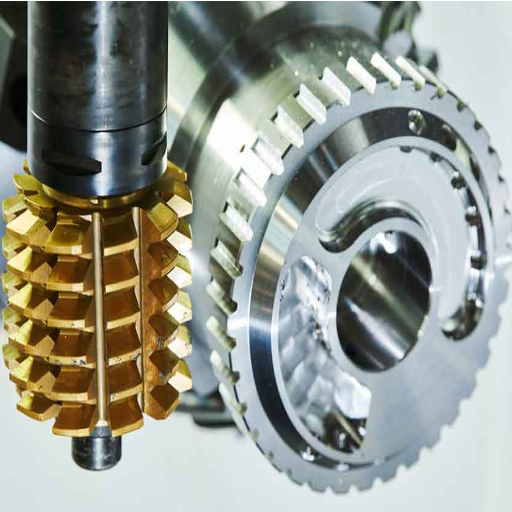
Gear production is the manufacturing process that produces gears, which are necessary in machinery to transfer motion and power. The process involves shaping materials, such as metals or plastics, into precise and durable gears through cutting, molding, casting, or 3D printing. The two most common methods of gear cutting are gear shaping and gear hobbing. Both have their respective advantages depending on the gear type, quantity required, and precision demanded. Suitable manufacturing processes must be selected to maximize the performance and lifespan of the gears in their machinery.
What is Gear Manufacturing?
Gear manufacturing is the process of designing and producing gears that transmit motion and power to machinery. This complex process utilizes various operations, such as cutting, molding, and casting, and also gradually incorporates higher-level processes, including 3D printing. However, advances in technology and materials science have made gear manufacturing more precise and efficient.
Global Market Statistics
The global gear manufacturing market had an approximate valuation of $261 billion in 2022, and it is anticipated to rise at a compound annual growth rate (CAGR) of 4.1% from 2023 to 2030.
Worldwide trends indicate that the gear manufacturing industry will continue to grow, primarily driven by increasing demand in sectors such as the automotive, aerospace, and industrial machinery industries. Contributing factors include the automation of processes and the emergence of projects in renewable energy, where gears play a significant role in wind turbines.
Nowadays, CNC machines are commonly used by manufacturers to manufacture gears with great precision and consistency, ranging from the simplest spur gear designs to the most complex helical and bevel gears. Additionally, material development, such as the use of high-strength alloys and composites, appears to enhance the performance and lifespan of gears in demanding operating conditions. Industries combining conventional manufacturing with modern technology are well-positioned to equip their machinery for stringent, demanding conditions in an efficient and environmentally conscious manner.
Importance of Gears in Mechanical Systems
The transmission of torque, speed changes, and alteration of direction of motion are all crucial functions gears serve in life. They find applications in practically every industry, including automotive, aerospace, energy, and manufacturing sectors. Smooth speed changes at various engine speeds, providing comfortable acceleration and fuel efficiency in automobile transmissions, are made possible by gears.
Recent developments indicate that the worldwide market for industrial gearboxes held an approximate valuation of $25.3 billion in 2021 and is expected to expand considerably in the coming years, correlated with increasing demand in emerging technologies and renewable energy systems. For example, the conversion efficiency of wind energy into electrical power relies on the gearbox for scaling up the rotor speed. The current design utilizes gear systems engineered to high precision to attenuate noise and vibrations, thereby contributing to the overall system performance.
Apart from that, the integration of lubrication systems and advances in materials have extended the life of gear components, thereby minimizing downtime and maintenance costs. Optimizing efficiencies is also being explored in current innovations, such as 3D-printed gears or innovative monitoring systems, thereby ensuring that gears will continue to perform well in the rapid transitions of mechanical engineering and industrial applications.
Overview of Gear Shaping and Hobbing
Gear shaping and hobbing are crucial machining processes used to produce gears efficiently and with utmost precision. Gear shaping utilizes a cutting tool known as a shaper cutter, which oscillates up and down to create the gear teeth. It works best for internal gears, cluster gears, or external gears that possess very complex shapes. The cutting speed and accuracy of gear shaping enable its use in smaller batches or unique gear profiles.
Conversely, gear hobbing is a continuous cutting process that enables surface finishing, thereby producing a high volume of gears. The hob will be the cylindrical cutter with helically disposed cutting teeth, which is rotated together with the workpiece to cut the gear teeth. The more commonly used processes are spur hobbing, helix hobbing, and worm hobbing. Today, hobbing machines are equipped with CNC technology to control gear dimensions and profiles with great precision.
Such advancements in gear processes have enhanced production speed and reduced production time. For instance, the inclusion of multi-axis CNC machines in hobbing can increase gear cutting speed substantially, by close to 25% with hi-tech tolerances. On the other hand, advanced coatings used on cutting tools have extended tool life by nearly 50%, thereby reducing tooling costs. Hence, these processes, combined with in-process real-time monitoring, guarantee consistent quality and reduce defects in gear manufacturing.
Both shaping and hobbing have critical applications in industries such as automotive, aerospace, and heavy machinery, where precision-engineered gears are essential. With the help of modern technologies, manufacturers can reach a level where gear production attains unparalleled efficiency, accuracy, and durability.
Gear Shaping and Gear Hobbing Explained
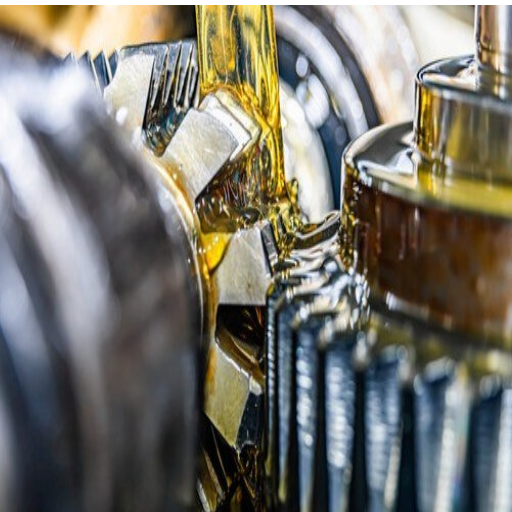
Gear shaping and gear hobbing are two crucial finishing procedures for gears. In gear shaping, a reciprocating-shaped cutter bearing the outline of the gear is applied to remove material to cut the required teeth. This method is primarily used for the production of internal gears and those with special profiles.
The process of gear hobbing involves the successive engagement of teeth on the gear blank by a rotating cutter, known as a hob. It is a very rapid process and is mainly used for external gears, such as spur or helical gears.
Both processes are very accurate and versatile, and the choice depends on the type, size, and application of the gears.
What is Gear Hobbing?
The process of gear hobbing is a machining operation that involves cutting gears, splines, and sprockets. A rotating multi-tooth cutter, known as a hob, slowly cuts away the material, converting a gear blank into the final tooth profile. The gear blank and the hob are rotated at specific speed ratios so that tooth spacing and tooth shape are intercoupled.
Due to its fast working and versatility, it is one of the most popular gear manufacturing methods. It may be used to produce spur gears, helical gears, worm gears, and even bevel gears. CNC-controlled gear hobbing machines, which complement modern manufacturing technology, have increased precision to manufacture further complex, high-quality gears for demands in industries like automotive, aerospace, and robotics.
Statistical information studied shows that gear hobbing is capable of being made to extremely high accuracy, generally of ISO Quality Grade 6 to 8, for typical applications. Cycle times are often very fast, frequently finishing the hobbing of a medium-sized gear in under 10 minutes, depending on the material and complexity of the tooth design. Another enhancement is the improvement in hob tool materials and coatings, such as carbide and TiAlN, which increases cutter life and performance, thereby considerably reducing tool wear and minimizing tool costs.
What is Gear Shaping?
Gear shaping is a versatile machining process for producing gears, wherein the workpiece undergoes gradual material removal by a cutter of the same shape as the gear being made. The shaping machine provides continuous rotation and irregular reciprocating motion, which is necessary to grind the teeth of the gear with precision. This process is best suited for internal gears, helical gears, and other profiles that could pose some difficulties with alternative process routes.
However, in modern times, machining for gear shaping has undergone significant enhancements to provide further improvements in time efficiency and accuracy. Often, machines can attain better tolerances than ISO Quality Grade 6 to 7 in most cases. In times made shorter due to high-speed cutters, feed rates are optimized for the best results. At the same time, CNC-controlled shaping machines are a boon for industries that demand complex tooth geometries and superb repeatability, such as the automotive, aerospace, and robotics industries.
The selection of cutter materials—HSS or carbide, and wear-resistant coatings such as TiAlN or CrN—further improves life and performance. These evolutions have given manufacturers more substantial means to produce defect-free gears at reasonable operational costs. Gear shaping remains a vital process in the gear manufacturing ecosystem, complementing processes like gear hobbing to create a range of parts for various industries.
Comparison of Gear Shaping and Hobbing Processes
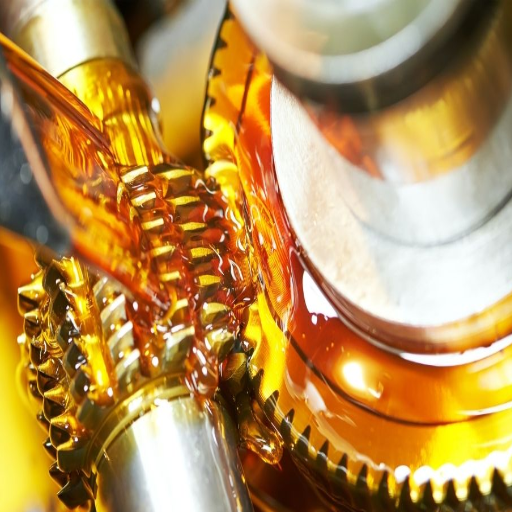
Gear shaping and hobbing are two specialized machining concepts, each with its own advantages and applications.
In the gear-shaping process, internal gears, shoulder gears, and cluster gears are made. It employs a cutting tool that reciprocates vertically while the workpiece revolves in synchrony. The process is characterized by flexibility, making it suitable for short production runs or complex designs. Modern gear shaping machines are highly precise, thanks to advancements in CNC technology, and can maintain a tolerance of ±0.005 mm. The downside is that it is slower than hobbing and less efficient in large-volume productions.
Gear hobbing, however, is used in the manufacture of external gears and for high-speed production. It is a continuous cutting process in which a hob is rotated at a predetermined speed, cutting teeth into the gear blank while both the hob and the workpiece rotate in sync. This means that gear hobbing is more efficient, with shorter cycle times, making it an appropriate option for large-scale production of spur gears, helical gears, and sprockets. Modern hobbers are commonly capable of producing gear accuracy of ISO Grade 6 or better, with productivity enhanced by multi-start hobs and cutters of either high-speed steel or carbide.
The characteristic that differentiates these two machining methods is their operational cost and speed. While gear hobbing is faster, the machinery and tooling for it generally require higher capital investments. In contrast, gear shaping finds applications in more specialized tasks in which the higher operational cost of hobbing would not be justified. Both methods have been gaining ground since 2000, thanks to advances such as coated tools for enhanced wear resistance and intelligent control systems for increased efficiency.
Choosing between gear shaping and hobbing is primarily determined by the gear type, production volume, speed, and the accuracy required. To maximize versatility and cost-effectiveness in gear-making operations, manufacturers commonly employ both processes, where shaping is used for special applications and hobbing is used for mass production.
Key Differences in Processes
| Aspect | Gear Shaping | Gear Hobbing |
|---|---|---|
| Cutting Motion | Vertical reciprocating motion with synchronized rotation | Continuous rotating motion |
| Best Applications | Internal gears, complex profiles, and shoulder gears | External gears, high-volume production |
| Production Volume | Small to medium batches | Large-scale mass production |
| Speed | Slower process | Faster, continuous cutting |
| Flexibility | Highly flexible for custom designs | Limited to standard external gears |
| Investment Cost | Lower initial investment | Higher machinery and tooling costs |
Difference Between Gear Hobbing and Gear Shaping Applications
Gear Hobbing Applications
Gear hobbing is suitable for large-scale production when efficient and consistent output is desired. It can be used to create the familiar kinds of spur, helical, and worm gears. It is heavily favored when the gear diameter or profile lies within a range of straight to medium.
Gear Shaping Applications
On the other hand, gear shaping is suitable for gears that are complicated or customized, such as internal gears or those with irregular profiles, due to the nature of its flexibility and precision. Other instances in which shaping excels include small-batch productions and more specialized situations, such as gears that have shoulder or interference restrictions.
The decision between these methods covers the entire criteria of production requirements, gear geometry, and volume expectations.
Factors Influencing the Choice Between Shaping and Hobbing
Gear Geometry
As a process for external gears with standard profiles, hobbing is the term used, whereas shaping is more suitable for internal gears or those with non-standard or irregular shapes. Shaping also serves in cases where the gear has a shoulder or is subject to interference, which hobbing is unable to handle efficiently.
Production Volume
Hobbing is faster and more economical in mass production, with rapid material removal rates, while lower rates found with shaping are more suited to smaller batches or special gears requiring finer detail.
Material and Hardness
Hobbing is effective on a variety of materials, especially soft cases, but shaping is often the preferred method on hard materials, given its ability to adjust cutting forces and arrangements.
Precision Requirements
For precision and a high-quality surface finish, both often depend on the machine setup and tooling available for each method. Both can achieve good results in high-quality conditions.
Cost Considerations
Generally, hobbing machines are more expensive, but the expenditure is justified for mass production; meanwhile, shaping machines tend to be cheaper and are more adaptable to custom or specific requirements.
Considering these criteria, a manufacturer can decide which option will be best for gear production. Each method has advantages that focus on varying design, production, and cost elements.
Pros and Cons of Gear Shaping and Hobbing
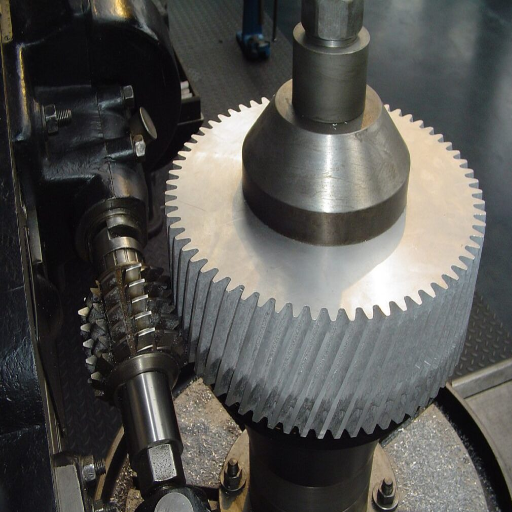
Gear hobbing is a very rapid process and is well-suited to mass production, capable of ensuring excellent precision and high speed in the manufacture of any standard gear design. Hobbing machines tend to become quite costly; hence, they lose their appeal when small quantities are being produced. Gear shaping, however, allows for greater flexibility and can be considered more cost-effective, making it the ideal choice for custom jobs or lower-volume production. Gear shaping certainly cannot match the speed of hobbing, but it is worth every penny due to its adaptability to more complex or specialized designs. Ultimately, the choice will depend on the specific production requirements and budget considerations.
Advantages of Gear Hobbing
Gear hobbing is widely regarded as one of the most efficient and precise methods of manufacturing gears. One of its principal advantages is speed, as hobbing machines can produce a large number of gears in a relatively short duration. This feature, therefore, enables it for high-volume production. The other side of the improvements in hobbing technology has meant enhanced accuracy and surface finish, with a tolerance level as stringent as ±0.01 mm being achievable, which is crucial in industries such as automotive and aerospace.
Besides versatility, another benefit is that hobbing can be employed to produce a wide range of gears, including spur gears, helical gears, and worm gears, among others—all of which cover a significant size range. The introduction of CNC (Computer Numerical Control) technology has enabled even greater levels of automation through hobbing machines, with reduced dependence on labor and increased repeatability. Another value-added feature of CNC hobbing machines is that gear designs can be changed over much quickly than before, which is a massive plus for the manufacturer.
Furthermore, hobbing offers significant profitability in mass production. Indeed, while the initial acquisition is high, the lower the per-unit cost becomes as the volume of production increases, thereby making hobbing a financially viable option in the mass production of gears. Combined with excellent reliability and decreased cycle times, gear hobbing stands among the leading techniques of gear manufacturing today.
Disadvantages of Gear Hobbing
The gear hobbing process is surrounded by its peculiar advantages and limitations. One prime drawback is that it cannot efficiently produce internal gears. Hobbing is primarily intended for external gear generation, and for internal varieties, one often resorts to shaping or broaching, thereby increasing cost and time.
Other limitations of gear hobbing are related to accuracy and surface finish on specific applications. Hobbing machines, although precise, take no chances with extremely tight tolerance or mirror finish and have to pass the job through another process: grinding. All these add more lead time and expense; for instance, gears that require surface roughness values of less than 0.2 µm will necessitate secondary finishing applications after hobbing.
Material hardness is also a factor to consider in gear hobbing. It is hobbing in its best condition when machining materials in their soft or annealed state. For machining hardened materials, cutting tools wear abnormally, thereby reducing tool life and increasing the frequency of maintenance, which in turn increases the cost. Statistical data in recent industry reports reveal that a tool change accounts for 15% to 20% of maintenance costs in plants machining with high-hardness materials.
Regarding scalability, the setup time for smaller production quantities or concrete gear designs may become quite lengthy, despite being efficient in mass-scale productions; here, all optimization of specific tool geometries and machine settings may indeed offset the actual cost-effectiveness of the method.
Ultimately, gear hobbing may be limited in its ability to tackle complex gear profiles with non-standard dimensions and unconventional designs. Advanced machines and techniques could solve the problem above; however, they entail a heavy upfront investment, thereby limiting accessibility for the smaller manufacturers.
Advantages and Disadvantages of Gear Shaping
Advantages of Gear Shaping
- Versatility: Through gear shaping, one can create internal or external gears, as well as gears with custom profiles, primarily helical or spline gears, catering to a wide range of applications.
- Precision: The method offers the flexibility of achieving both accuracy and surface finish, making it suitable for producing gears with tight tolerances.
- Relatively Affordable for Certain Quantities: For small to medium production runs, especially when custom or specialized gear designs are required, this is a viable process.
- Internal Gears: Gear shaping can effectively produce internal gears, although it is slightly more challenging than other processes, such as gear hobbing.
Disadvantages of Gear Shaping
- Slower Rates of Production: The process of gear shaping is slower compared to gear hobbing, resulting in longer cycle times, especially in high-volume production.
- More Expensive Tooling: The cutters used for gear shaping may be considered relatively expensive, thereby adding to the overall production costs for specific applications.
- Limitations in Large Gears: Concerning prominent gear manufacture and gears with very complex designs, the process is considered less suitable than others.
- Machine Set-Up Requirement: The process often requires specialized machines and, therefore, a highly skilled operator, which adds significantly to the initial investment.
Gear shaping, notwithstanding, remains a worthwhile process for specific niche and medium-scale applications where precision and versatility are crucial.
Gear Manufacturing Applications
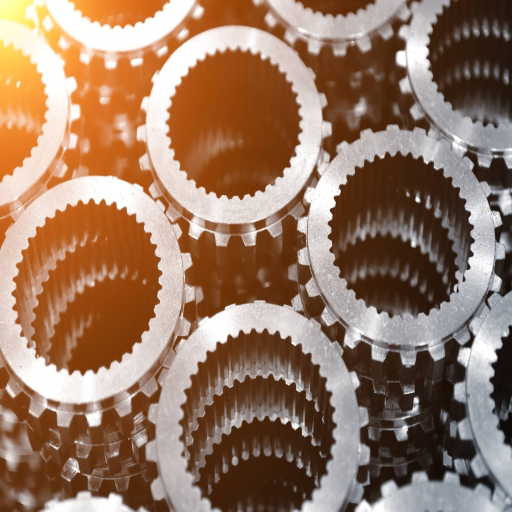
Gear manufacturing plays a crucial role in industries where motion and power transmission are of utmost importance. The common ones are automotive systems, such as those found in cities, where gears are used in the engine, transmission, and steering mechanisms. Gears are essential for industrial machinery, assembly lines, robotics, and heavy equipment. Then the other industries, such as aerospace and marine engineering, require gears for their propulsion and navigation. Precision-oriented applications increasingly demand gears that are all-out durable.
Common Applications for Gear Hobbing
Automotive Industry
Gear hobbing is particularly useful for manufacturing transmission gears, differential gears, and steering mechanisms. According to industry reports, the global automotive gear market is expected to exceed $45 billion by 2027, indicating that production demands for gear hobbing processes are extensive.
Industrial Machinery
In the industrial machinery sector, gear hobbing is used for a significant portion of the manufacturing machinery, construction equipment, and material handling equipment. The method produces heavy-duty gears for cranes, conveyor systems, and other applications.
Aerospace Applications
The use of gears produced by hobbing processes can never be undermined in aerospace applications, where gears must meet stringent safety and performance standards. For instance, turbine gear systems and actuators are produced to acceptable tolerances to operate reliably in harsh conditions.
Marine Industry
The marine sector uses gear hobbing processes for manufacturing propulsion system gears and winches that can withstand long-term operations in corrosive environments.
As automation and robotics continue to gain traction in current industrial setups, the demand for precision gears is expected to increase, thereby highlighting the importance of high-accuracy hobbing methods.
Meanwhile, newer gear hobbing machines, emerging recently, have again altered the manufacturing setup at a higher level, as they enable manufacturers to develop complex gear geometries with greater reproducibility and shorter lead times. That being said, technology also improves the quality of products while simultaneously reducing costs, thereby benefiting many industries.
Typical Applications for Gear Shaping
Gear shaping is primarily used for manufacturing workpieces for automotive transmissions, aerospace mechanisms, industrial machinery, and precision instruments. I have seen the gear shaping being very helpful in making internal, spur, and helical gears where high accuracy and peculiar geometric arrangements are required. This has made it quite versatile to cater to the peculiarities of different industries.
Industry Insights from Gear Experts
According to gear shaping experts, precision, adaptability, and efficiency are driving developments in the manufacturing process. Finally, leading publications state that gear shaping remains the preferred method for manufacturing gears with complex configurations, particularly internal and helical types. Modern innovations are focusing on improving cutting tool life and integrating CNC technology to enhance accuracy and quicken production times. Furthermore, the process’s flexibility in handling small production runs with extreme customizations has cemented its place in the industries of aerospace and robotics. Numerous experts agree that continued development in materials and machine automation will extend the gear shaping process’s capability and relevance in multiple sectors.
Selection Guidelines: When to Choose Each Process
Choose Gear Hobbing When:
- High-volume production is required
- Manufacturing external gears (spur, helical, worm gears)
- Standard gear profiles are needed
- Speed and efficiency are priorities
- Budget allows for higher initial investment
- Continuous production runs are planned
Choose Gear Shaping When:
- Internal gears need to be manufactured
- Complex or custom gear profiles are required
- Small to medium production batches
- Shoulder gears or interference conditions exist
- Flexibility in design changes is needed
- Lower initial investment is preferred
Future Trends in Gear Manufacturing
Emerging Technologies and Innovations:
- Advanced CNC Integration: Continued development of multi-axis CNC systems for both shaping and hobbing processes
- Tool Material Improvements: Enhanced carbide and ceramic cutting tools with advanced coatings
- Automation and Robotics: Increased automation in loading, unloading, and quality control processes
- Real-time Monitoring: Implementation of sensors and IoT technology for process monitoring
- Sustainable Manufacturing: Focus on energy-efficient machines and environmentally friendly cutting fluids
- Hybrid Manufacturing: Combining traditional machining with additive manufacturing techniques
Cost Analysis and Economic Considerations
| Cost Factor | Gear Shaping | Gear Hobbing |
|---|---|---|
| Initial Machine Investment | Lower ($50,000 – $200,000) | Higher ($100,000 – $500,000+) |
| Tooling Costs | Moderate to High per piece | Lower per piece, higher volume |
| Labor Requirements | Higher skill level needed | More automated, less manual intervention |
| Production Speed | Slower cycle times | Faster, continuous cutting |
| Setup Time | Longer for complex geometries | Shorter for standard gears |
| Maintenance | Moderate | Regular but predictable |
Quality Control and Precision Standards
Both gear shaping and hobbing processes can achieve high precision standards, but their capabilities vary depending on specific conditions:
Gear Hobbing Precision:
- Typical accuracy: ISO Quality Grade 6 to 8
- Tolerance achievable: ±0.01 mm under optimal conditions
- Surface finish: Ra 0.8 to 3.2 μm typical
- Cycle time: 5-15 minutes for medium-sized gears
Gear Shaping Precision:
- Typical accuracy: ISO Quality Grade 6 to 7
- Tolerance achievable: ±0.005 mm with CNC control
- Surface finish: Ra 0.4 to 1.6 μm typical
- Cycle time: 10-30 minutes, depending on complexity
Conclusion
The choice between gear shaping and gear hobbing ultimately depends on a comprehensive evaluation of production requirements, gear specifications, volume expectations, and budget constraints. Both processes have established their significance in modern manufacturing, with hobbing excelling in high-volume production of standard external gears, while shaping dominates in specialized applications requiring internal gears or complex profiles.
As manufacturing technology continues to evolve, both processes are benefiting from advances in CNC control, cutting tool materials, and automation systems. The integration of real-time monitoring and predictive maintenance is further enhancing their reliability and efficiency.
For manufacturers, understanding these fundamental differences and capabilities enables informed decision-making that optimizes both production efficiency and cost-effectiveness. The future of gear manufacturing lies not in choosing one process over the other, but in strategically leveraging the unique strengths of both shaping and hobbing to meet diverse manufacturing challenges in an increasingly complex industrial landscape.
Reference Sources
Six-Axis Linkage Strategy and Its Models for Non-Circular Helical Gears Based on Diagonal Hobbing
Design and Expansion of Gearbox for Multi-Purpose Milling Machine
Study of Geometric Characteristics of the Arc Teeth Semi-Rolled Cylindrical Gear Meshing
Frequently Asked Questions (FAQs)
What is the difference between gear shaping and gear hobbing?
Gear shaping and gear hobbing are both machining operations used to manufacture gears. Gear shaping is a more accurate process and is better suited for smaller production runs, while gear hobbing is a more productive method adopted for large-scale production. The principal differences lie in the tools used; gear shaping involves the use of a gear shaper with a cutting tool that reciprocates in motion, whereas gear hobbing utilizes a rotating hob to cut the teeth of a gear blank.
How is gear hobbing?
Gear hobbing uses a special type of milling machine known as a hobbing machine. During this process, the gear blank is fed into the rotating hob, which cuts the teeth due to the relative motion between the cutter and the gear itself. This method gained notoriety due to its efficiency and is extensively used in gear manufacturing with high accuracy.
What are the advantages of gear shaping?
Gear shaping is a versatile and widely used process that ensures a high degree of accuracy, particularly for small tooth widths and machining more complex shapes. Gear shaping enables users to create precise gears to exact specifications, making it the preferred method for some specialized applications.
Where is gear hobbing used?
It is primarily used to produce gears for the automotive, aerospace, and certain types of industrial machinery. While suitable for medium to high production, it is also well-suited for efficiently making a train of gears. It can also be used for cutting splines and sprockets, providing some added versatility to the gear manufacturing processes.
What are the benefits and drawbacks of gear shaping compared with gear hobbing?
Gear shaping techniques typically offer significantly greater precision and are more suitable for smaller production runs, whereas gear hobbing is more productive for large-scale manufacturing. Often, the choice between gear shaping and hobbing depends on the exact characteristics of the gear to be made, which might include aspects such as tooth form, material, and volume of production.
Can gear shaping and hobbing be used together?
Indeed, both gear shaping and gear hobbing can be utilized in the overall machining process of gears. Sometimes, manufacturers may want to shape gears to a high level of accuracy, followed by hogging for finish operations, to enhance production. This approach leverages the best attributes of both methods for gear manufacturing.
What are the requirements of machinery for gear shaping and hobbing?
Gear shaping utilizes a specialized machine called a gear shaper, which is capable of performing reciprocating cutting operations. In contrast, gear hobbing employs a hobbing machine that uses an automatic hob to cut the teeth. Both machines are uniquely designed to serve their respective processes efficiently.
What effect do gear shaping and hobbing have on the overall manufacturing process?
The choice of gear shaping or hobbing is a significant factor affecting the overall manufacturing process. Gear shaping lends itself to precision work on small batches, whereas huge quantities can be produced quickly by hobbing. By understanding the strengths and limitations of the two methods, manufacturers can tailor their operations for better optimization and reduce expenses.