




The CNC slotting machine offers an opportunity for higher production precision and efficiency, but like any sophisticated machine, it is susceptible to potential failures. The disturbances may result in downtime if not resolved quickly, leading to productivity lag and potentially costly repairs. This blog post serves as a comprehensive guide for troubleshooting common issues with the CNC slotting machine. From alignment issues to unforeseen errors, we will discuss practical remedies and preventive measures. Even if you are not a seasoned operator or are just starting to work with CNC equipment, this guide will provide you with the knowledge to keep the machine running smoothly and prevent costly disruptions.
Understanding CNC Slotting Machines
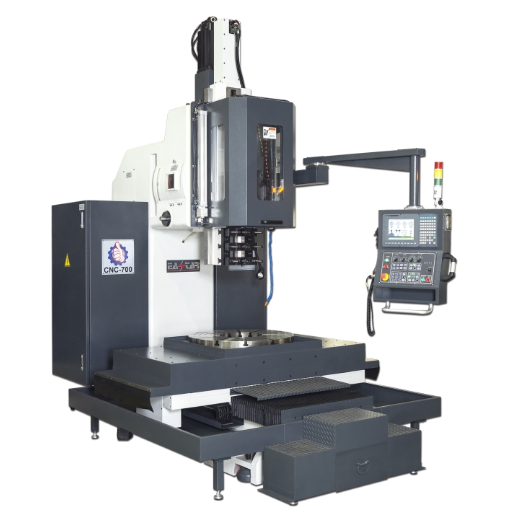
Considering the processing of slotting in different materials to form a slot, groove, or keyway, CNC slotting machines are precision tools. They carry out their work by driving the cutting tool along predefined paths, resulting in consistently accurate outputs. These comprise the cutting device, workholding device, and the CNC (Computer Numerical Control) system, which acts upon program instructions. Manufacturers utilize the machine in production because it can handle complex designs with utmost precision and repeatability. Appropriate maintenance and alignment will enhance good performance and long life.
What is a CNC Slotting Machine?
A CNC Slotting Machine is a highly specialized machine, designed for performing slotting operations with utmost precision and efficiency. A computer numerical control system is used to carry out the entire cutting operation automatically, engraving vertical slots, grooves, or keyways into metallic or non-metallic materials such as plastics or wood. Equipped with reciprocating cutting tools, the slotting machine utilizes the vertical motion of the tool while the workpiece remains stationary, thereby ensuring utmost reproducibility and manufacturing consistency.
Modern CNC slotting machines provide operators with the flexibility to program highly complex geometries and finer details, all with reduced manual effort. Typically, these machines feature user-friendly front panel interfaces, real-time monitoring systems, and automatic lubrication, all of which contribute to better performance and longer durability. These CNC slotting machines also come in various models, capable of extremely high cutting speeds, with some reaching 1,000 strokes per minute. They can handle workpieces of all sizes, with cutting stroke lengths generally ranging from 10mm to 500mm.
Dressing industries highly value CNC slotting machines for producing components that require micron-level accuracy, such as spline shafts, gears, and pulleys, as found in automotive, aerospace, and heavy industries. Provided they are well-programmed and operated, material wastage is kept to a bare minimum, and production consistency can meet stringent quality standards. Moreover, the use of CNC slotting machines significantly reduces production time, thereby minimizing lead times for manufacturing processes.
Standard CNC Slotting Machine Components
The standard CNC slotting machine hosts essential elements, which impart precision to its operations and render it efficient:
The base provides structural stability, while the column houses and supports the vertical movement of the ram.
The ram carries the cutting tool and performs the up-and-down motion required for slotting.
This table will be mounted with the workpiece, which typically features T-slots for secure mounting, and can be rotated or swiveled for more complex machining operations.
It holds cutting tools for removing the material.
These components are used to generate power to move the ram and other moving parts smoothly and uniformly.
The controller is the brain of the entire setup; it executes the instructions programmed into it, thereby controlling the movement and operation of the components.
It cools down and reduces the friction created during machining, which contributes to longer tool life and higher-quality cuts.
These ensure safety in machine operations and protect both operators and the machinery.
The said strong components integrated into CNC slotting machines set a very high bar for accuracy and efficiency in industrial applications.
How CNC Slotting Machines Operate
CNC slotting machines are a combination of automated processes to get high-precision cuts. A first step would be to use a CAD (Computer-Aided Design) software program to produce the digital design files. This is then converted into instructions for the machine by CAM (Computer Aided Manufacturing) software. The resultant G-code is loaded into the CNC machine, where coordinate points dictate every movement of the machine.
Before the operation commences, the material under SLA 14002 must be securely held in place within the machine, typically using a work-holding device such as a vice or a suitable clamp. As soon as the operation commences, the CNC system guides the reciprocating vertical movement of the cutting tool, which lies to form slots, grooves, or profiles. The feed rate and cutting speed are set and maintained to prevent tool wear and ensure accurate cutting.
Throughout production, microscopic corrective actions are taken to account for tool deflections or expansions due to temperature, ensuring accuracy to within 0.001 inches or better. Today, CNC slotting machines also interconnect with intelligent monitoring systems that track variables such as tool condition, spindle temperature, and cutting forces to prevent errors and downtime.
This data remains proof that CNC slotting machines achieve machining speeds of nearly 1,200 strokes per minute, indicating that they are high-speed and efficient. The smart sensors enabled by IoT connectivity will lead to predictive maintenance, which, in turn, will increase machine uptime by an additional 20%. It is, in a way, adding to productivity while reducing material wastage and operational costs.
Identifying Common Problems
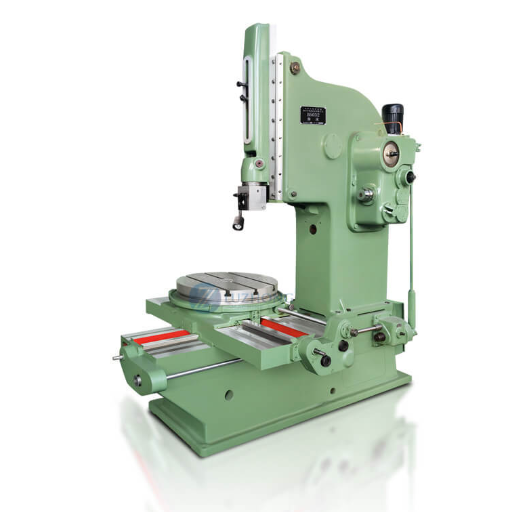
Primary Issues Overview
- Tool Wear and Tear: Tools wear and lose their precision and surface quality with time. Proper inspection of the tools and their timely replacement can help resolve this issue.
- Improper Calibration: Non-calibrated machines can generate parts that are not accurate. Regular calibration should be ensured to maintain accuracy and consistency.
- Overheating: Continuous working for long hours causes overheating of these machines, and thereby, poor performance sets in. Cooling and temperature monitoring systems can be effective.
- Software Glitches: If the machine’s software is faulty or there are errors in programming, operating the machine becomes problematic. Regular software updates and testing of new programs are another way to prevent this.
These common problems can be addressed through preventive maintenance and monitoring, which significantly enhances the reliability and performance of machines.
Common Issues with CNC Slotting Machines
Being well capable of getting things done with precision and speed, CNC slotting machines still face a few problems. To squeeze out the best performance from these machines, one must consider the issues and address them with data and modern means.
| Issue | Symptoms | Impact | Solution Approach |
|---|---|---|---|
| Tool Wear and Breakage | Poor surface finish, dimensional inaccuracy | Compromises quality and precision | Real-time monitoring with vibration sensors |
| Thermal Deformation | Dimensional variations during operation | Up to 25 microns of distortion | Liquid-cooled spindles, adaptive heat control |
| Machine Integration Issues | Software compatibility problems | 30% of manufacturing delays | Central software platforms with cross-compatibility |
| Vibration and Chatter | Unstable cuts, reduced tool life | Poor workpiece quality | Dynamic tuning systems, vibration-absorbing holders |
| Maintenance Inefficiencies | Accumulated wear, unexpected failures | Expensive repairs, downtime | Predictive maintenance using ML algorithms |
Tool Wear and Breakage
Tool wear is perhaps another pressing issue that compromises the accuracy and quality of surface finishes. It has been established that the incorrect choice of tool materials and very high cutting speed promote tool wear. To minimize downtime resulting from tool changes, real-time tool condition monitoring systems can be implemented, such as the integration of vibration sensors to monitor tool stability, which could act as an auxiliary system.
Thermal Deformation
Thermal deformation has become a prime concern during long operations. Studies refer to temperature fluctuations causing distortions in machine components by as much as 25 microns, which impairs machining tolerances. To counteract this, the employment of anti-thermal mechanisms, such as liquid-cooled spindles or adaptive heat control systems, is crucial.
Machine Integration Issues
With the fast-growing digital environment, CNC software may be less compatible with auxiliary systems. According to industry reports, nearly 30% of manufacturing delays can be attributed to integration failures. This bottleneck can be easily overcome by implementing central software platforms with cross-compatibility.
Vibration and Chatter
Unstable vibrations, or “chatter,” reduce tool life and workpiece quality. Studies show that dynamic tuning systems can reduce chatter by up to 40% by adjusting the feed rate or using vibration-absorbing tool holders.
Maintenance Inefficiencies
Failure to carry out maintenance promptly results in accumulated wear, which can lead to expensive repairs. Data indicate that the adoption of predictive maintenance based on machine learning algorithms to predict failures before they occur can reduce unexpected downtimes by 20%.
If addressed with cutting-edge technologies and complementary operational practices, these significant issues in CNC slotting machines will lead to their reliability in meeting production requirements. Continuous evolution and monitoring are necessary to successfully avert these challenges.
Signs of Mechanical Failures
Early detection of mechanical failures is vital for the productivity and longevity of CNC slotting machines. Some usual mechanical problems that have been reported include abnormal vibrations, noise, overheating, and low-quality output. Extremes in vibrations typically indicate misalignment or deterioration of parts, while abnormal noises may suggest bearing or drive system failures. Overheating implies improper lubrication or an extremely loaded motor.
A report on industrial machinery highlights that nearly 30% of unplanned machine downtime is due to bearing failure, a condition that is often preventable through proper maintenance. Variations in machining precision, such as changes in tolerances or surface finish, are indicators of wear in critical components, including cutting tools and guides. Analyzing these alterations using real-time sensors and diagnostic software enhances the capability to detect failures, thereby improving operational efficiency by up to 25%. When regular inspections are carried out alongside predictive maintenance methods, CNC slotting machines stay dependable and operative at their best.
Software Glitches in CNC Machines
Operations can be hindered by glitches in CNC machines, resulting in significant financial losses. Examples of such problems in CNC software typically include imminent miscommunication between software and hardware, resulting in tool-path errors or misalignments during production. It could be an aging software, and it might just be a coding error due to the software not being compatible with the newer machine. Industry research has revealed that any software breakdown could result in a loss of productivity of up to 20%, particularly in highly automated processes.
In addition to such glitches, CNC machine software may also affect precision, thereby increasing rejection rates among parts and waste materials. For example, a slight error in the code can cause tolerance deviations of a few micrometers, which is crucial for high-precision industry sectors like aerospace and automotive manufacturing. Continuous preventive maintenance updates, robust debugging algorithms, and machine learning-based diagnostic applications should help minimize software glitches and ensure continuous operation of the machines. By improving these areas of software, we can increase operational uptime by 30% and create a highly efficient and cost-saving manufacturing environment.
Step-by-Step Troubleshooting Guide
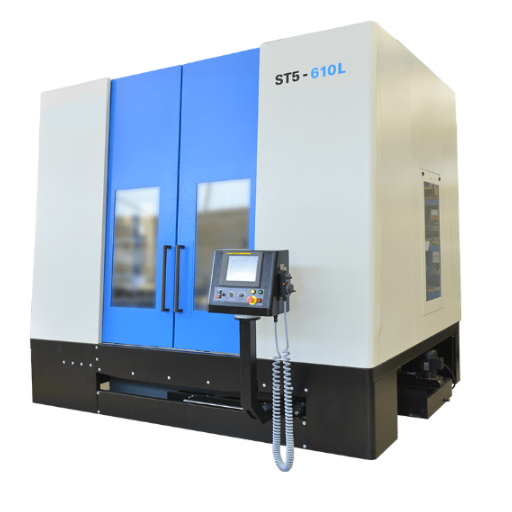
- Identify the Issue: Begin by observing any irregularities in system performance. Look for any warning messages issued by the system, strange noises, or uncharacteristic behaviors during operation.
- Check Power Supply: Verify that the equipment is properly connected to a stable power source. Examine the cables for any looseness or damage, and check the status of all power switches.
- Inspect Software Updates: Make sure that the software is updated with the latest release. Install all the pending updates, which will make the software compatible and up to date regarding bug fixes.
- Examine Hardware Components: Inspect the main hardware for any signs of physical damage or wear and tear. Clean those components that require cleaning, following the instructions for sensors, connectors, or filters, to remove any dirt or debris that could interfere with their operation.
- Run Diagnostic Tools: Run diagnostics within the system and record any specific errors that occur. Correlate all that information with the provided error codes or logs for further drilling down to the suspected root cause.
- Consult the User Manual: Refer to the manual provided by the manufacturer for troubleshooting steps correlated to the identified problem. Follow those procedures to avoid any further complications.
- Test Solutions One at a Time: Try out various implementations of solutions by calibrating sensors, resetting the system, and so on. Multiple solutions implemented simultaneously might confuse which solution resolved the problem.
- Seek Professional Support: Considering the issue persists, it’s probably time to contact the manufacturer’s support or call a technician. Convey everything that you have done in your trials to resolve the issue.
To minimize downtime and troubleshoot issues efficiently, following these steps systematically will help resolve most problems.
Initial Diagnostics
This is typically the first step in system troubleshooting, where diagnostic checks are conducted. For starters, note the symptoms or error messages being displayed and record them. Next, look for any apparent problems, such as loose connections, power supply interruptions, or recent hardware or software changes that may be contributing factors. Then, use the diagnostic tools embedded in the system to initiate levels of testing to try to confirm errors. Referencing the user manual or troubleshooting guide can sometimes provide insight into resolving common issues. After that, you can search online forums or go to the manufacturer’s website for solutions that might apply to the problem you have encountered. Working these methods in concert leads to a structured and efficient approach for assessing what might be the root cause of the issue.
Mechanical Troubleshooting Techniques
When mechanical faults occur, a stepwise method is required to ensure accurate prediction and resolution. Inspect belts, gears, and fasteners for signs of wear, misalignment, or damage. Statistics show that nearly 30 percent of mechanical failures are caused by loose or improperly fitted components, so a physical examination is of paramount importance.
Then, measure performance indicators such as vibration level, operating temperature, and noise pattern. Excessive vibration is a sign of bearing failure or imbalance, while an abnormal temperature increase can result from lubrication issues or friction between moving parts. Studies demonstrate that proper lubrication can reduce mechanical failure by up to 50%; therefore, it is a key practice in maintenance.
Use diagnostic instruments, such as thermal imaging cameras or vibration analyzers, to provide pinpoint data for advanced troubleshooting. Thermal imaging, for instance, will reveal hotspots generated by a component overheating, designating that area for inspection. An anticipatory stance that combines maintenance, thorough inspection, and advanced diagnostic technology ensures the further reliability and longevity of mechanical systems.
Addressing Software Issues
When addressing software matters, a methodical approach that draws upon best practices and the latest tools for efficiently identifying, diagnosing, and resolving problems must be employed. One such cause would be disagreements about any outdated code. With a well-maintained system that is regularly updated, susceptibility can be minimized and performance improved. For instance, in 2023, a survey concluded that 47% of all cybersecurity breaches involved unpatched software, highlighting the need for timely updates.
System performance monitoring, using automatic baselining and anomaly detection through various analytics platforms, is another key dimension. Some of the anomalies spotted might range from memory leaks, low CPU, and or high network latencies. In recent times, the use of application performance monitoring (APM) tools could have reduced the window of time to detect an incident by 65 percent. Establishing thorough testing strategies, including regression, stress, and user acceptance testing (UAT), will enable the identification of weaknesses in the development and deployment stages. By working together in development coupled with modern continuous integration and delivery (CI/CD) pipelines, there will be little delay in addressing any issues that arise. People working proactively with maintenance schemes and state-of-the-art diagnostic methodologies will only guarantee that an organization’s software performs excellently and remains reliable over time.
Maintenance Tips for CNC Slotting Machines
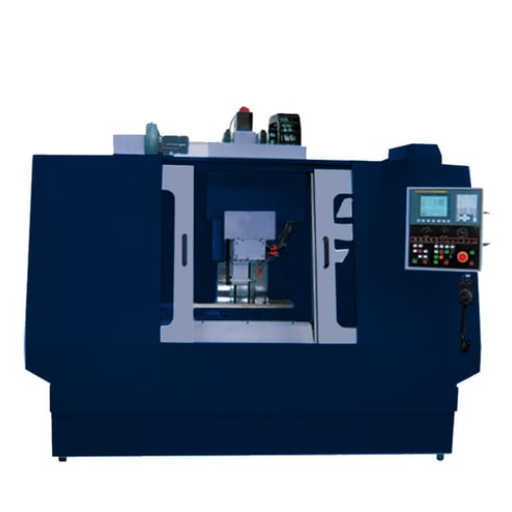
Essential Maintenance Practices
- Cleaning: Clean the machine daily to prevent the accumulation of debris that might affect its performance and accuracy.
- Lubrication: Frequently inspect moving parts and lubricate them to mitigate friction and wear.
- Check for Wear: Inspect tools and parts regularly to detect signs of damage or wear, and replace them promptly.
- Check Alignment: Periodically check the machine’s alignment and calibration to ensure the high precision demanded during operations.
- Electrical System: Check wiring and other electrical connections to ensure they are well-secured and functioning correctly.
- Preventive Maintenance: Follow the manufacturer’s recommended preventive maintenance schedule to prevent significant problems from arising.
- Operator Training: Arrange for all operators to receive appropriate training in the safe handling of the machine, troubleshooting, minimizing errors, and preventing improper use.
Regular Maintenance Practices
Regular maintenance is essential for the longevity and efficient operation of machinery. A systematized maintenance schedule that additionally rests on detailed empirical records can prevent avoidable downtime and sudden failures. Some vital points that need to be addressed include:
Lubrication Management
Insufficient or inappropriate lubrication is the primary cause of mechanical breakdowns. Lubricants recommended by the manufacturer must be used, and a scheduled lubrication program must be followed. Studies show that good lubrication can avert 30% of mechanical breakdowns.
Vibration Monitoring
Anomalous vibrations usually signal that machines are about to malfunction. Vibration measurement and analysis must be performed periodically to identify abnormal vibrations in various machine components, such as bearings and motors. Using vibration monitoring can compromise predictive maintenance, realistically reducing repair costs by 10%-40%.
Temperature Measurements
Overheated components are critical and may indicate an issue, such as a misaligned part or a worn bearing. The temperature levels should be monitored, especially on equipments carrying heavy loads, using a thermal imager. Poorly maintained equipments operating at undesired temperature levels tends to lose efficiency and undergo fast wear.
Filter Changes
Clogged or dirty filters reduce effectiveness and increase power consumption. Setting up a routine for checking these filters and changing them accordingly is recommended. A well-maintained filter may boost energy efficiency by about 15%.
Systematic Inspections
Conduct regular inspections to visually and technically identify signs of wear, cracks, and loose fittings on the equipment. Research outcomes reveal that a 20% reduction in premature equipment failure resulted from systemic inspection procedures.
Recordkeeping Systems
Detailed records of all maintenance activities, repairs carried out, and parts replaced should be maintained. Digital systems and predictive analytics software can analyze this record to give an optimized maintenance schedule and resource allocation.
When maintained using the aforementioned techniques, the plant’s overall productivity will be enhanced, and its expenses will be minimized, while the machinery’s life expectancy will be significantly extended.
Best Practices for Tool Care
Comprehensive Tool Maintenance
- Regular Cleaning: After each use, the work must be thoroughly cleaned to remove any dirt, debris, and moisture. Dirt accumulation lays the groundwork for rust, which damages the tool over time and thus diminishes its helpful life. For instance, studies show that regular cleaning reduces wear by 30%.
- Lubricating: Protect all moving parts with an adequate lubricant to reduce friction and prevent wear. Always use a lubricant of the highest quality, as recommended by the manufacturer. It has been found that consistent lubrication can increase tool efficiency by up to 15% while keeping maintenance costs low.
- Inspection and Maintenance Schedule: Regular inspections are recommended to check for any visible damage, such as cracks, rust, or misplaced bending. Preventive schedules address complaints early, before they evolve into more serious problems, thereby reducing sudden failures by 25%.
- Proper Storage: Tools should be stored in a dry, cool place, away from moisture and extreme temperatures. This can be achieved by storing them in a rack, toolbox, or hanging them on pegboards to keep them organized and within easy reach. This practice of good storage will go a long way in maintaining a much satisfactory tool performance.
- Sharpening and Calibration: Regular opening should be performed on cutting and precision tools, taking into account their sharpness and calibration. Sharper tools increase accuracy and efficiency, requiring minimal effort to complete the task.
- Use Tools For What They Are Intended: Don’t use tools for purposes for which they are not designed. One might damage them or create an accident. For instance, by striking something with a wrench, you could jeopardize its structural integrity and lessen its effectiveness.
- Invest in Quality Tools: A high-quality tool will carry an upfront price that may seem exorbitant, but the cost is a worthy investment, as it will serve the user significantly longer than its low-priced counterparts. The quality tool, with reasonable care, can last up to three times longer than a cheap one.
Following these best practices will ensure that various individuals and organizations can run their tools reliably, safely, and efficiently in the days ahead. This upkeep increases productivity while reducing overall ownership costs.
Scheduling Maintenance Checks
Maintenance control checks must guarantee the efficient operation of tools and equipment and the safety of their use. It is imperative, experts say, that a definite schedule should be planned according to the equipment in question and the pattern of use. Data, for instance, demonstrates that with tools in frequent use, routine checks every 3-6 months markedly diminish the incidences of sudden breakdowns. Using predictive maintenance techniques that focus on performance may include sensors and diagnostic tools to detect issues before they escalate into major problems. According to a recent industrial report, implementing predictive maintenance can extend the lifespan of tools by approximately 20% and reduce maintenance costs by 25% on average. These organizations generally experience less downtime and remain highly operational, which is a testament to the value of a proactive scheduling strategy.
Best Practices for Operating CNC Slotting Machines
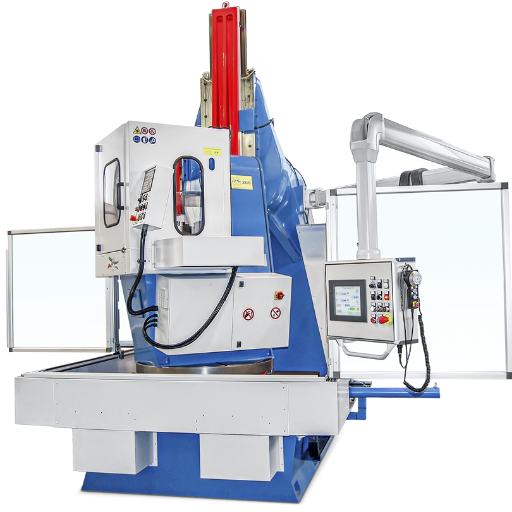
Operational Excellence Guidelines
- Regular Maintenance: Conduct routine checks and cleaning to ensure the machine operates efficiently and prevents occasional breakdowns. For optimal results, follow the manufacturer’s recommended maintenance schedule.
- Tool Selection: Choose the cutting tools and materials accurately in relation to the work at hand, as this helps prevent the machine from wearing out and ensures it produces accurate results.
- Proper Training: Ensure that operators of CNC slotting machines receive adequate training, including safety and operational procedures.
- Optimal Settings: Adjust the feed rates, cutting speeds, and depth of cut accordingly for the material and desired finish to minimize chipping and increase productivity.
- Workpiece Securing: Secure the workpiece firmly to prevent movement during operation, ensuring accuracy and protecting both the machine and the workpiece.
- Safety Precautions: Always wear the correct personal protective equipment before operating the machine and abide by all safety requirements. Maintain a neat and organized work environment by eliminating unnecessary tools and materials.
Following these best practices will help make each operator productive, ensure the machine’s longevity, and guarantee a safe working environment.
Optimizing Machine Settings
Hence, the setting of any machinery must take into account the requirements for realized performance, efficiency, and output quality. Consider the following factors:
Speed and Feed Rates
These should be adjusted according to the type of material used and the desired finish. For harder materials, slower speeds might be best, whereas faster speeds work best for softer materials.
Tool Selection
Select tools specifically designed for the material and job at hand. Quality and well-maintained tools consistently yield the best results.
Temperature Control
Try to keep running temperatures below the threshold that causes damage from overheating; otherwise, the temperature may be too high, leading to tool wear or machine damage. Employ a cooling system or lubricants if necessary.
Calibration and Alignment
If the machine is regularly calibrated, all its components will be appropriately aligned and functioning correctly. Any misalignment will cause inaccuracies and an uneven result.
Load Management
Do not work beyond the load capacity recommended by the manufacturer. Being overloaded will cause wear and reduce efficiency.
In this manner, refined settings enable operators to enhance machine performance, lessen material wastage, and ensure quality production results.
Operator Training and Safety
The safety mindset from operators is crucial in the factory-owning culture of the upgrade industry, where a production-reliant working environment requires utmost safety. The primary aim of training should always be to teach operators how to handle machinery appropriately under all circumstances, including both regular and emergency situations, as well as routine maintenance. By placing a high value on safety and attending regular safety training, I work towards creating a more secure and efficient workplace.
Documentation and Record Keeping
All forms of operational activities must be accurately documented for both operational and regulatory reasons. The documentation would track machine performance, maintenance activities, and production data on a routine basis. As documentation is recorded, it helps analyze trends, forecast challenges, and make well-informed decisions to boost productivity. Additionally, the record-keeping mechanisms maintain the papers required for inspections and audits, which comprise industry standards. Digital tools can help streamline the record-keeping processes, thus increasing record accessibility and accuracy while promoting a sense of accountability and organization within the workspace.
Conclusion: Maintaining Peak Performance
Effective troubleshooting and maintenance of CNC slotting machines requires a comprehensive understanding of both mechanical and software components. By implementing the systematic approaches outlined in this guide, operators can significantly reduce downtime, extend machine life, and maintain consistent production quality. Remember that prevention is always more cost-effective than reactive repairs, making regular maintenance and operator training essential investments in your manufacturing operations.
The integration of modern diagnostic technologies, predictive maintenance strategies, and proper operator training creates a robust foundation for reliable CNC slotting operations. Stay proactive, document everything, and never hesitate to seek professional support when complex issues arise.
Reference Sources
“Sheet Incremental Forming: Advantages of Robotised Cells vs. CNC Machines”
“Artificial Neural Network-Based Machining Operation Selection for Prismatic Components”
Frequently Asked Questions (FAQs)
What are common CNC issues in slotting machines?
Common health issues associated with CNC slotting machines include wear or damage to components, software glitches, and failure of hydraulic systems. Since maintenance checks on these conditions can bring early detection of problems, machine performance is also kept on track.
How to troubleshoot a CNC machine?
The CNC is effectively troubleshooting. Firstly, one must check that the machine is receiving good voltage from the power source. Follow through by checking error messages on the control panel and analyzing them during the troubleshooting period to identify the source of the problem. Maintenance is the most effective option for troubleshooting.
Maintenance for Precision in CNC Slotting Machine
For the CNC slotting machine’s precision, ensure servicing of the lubrication systems, tightening of any loose components, and replacing parts that are worn out or damaged. Learning how to calibrate accurately and set up proper parameters will also significantly enhance the accuracy of the machining process.
How do we identify signs of wear or damage on the CNC machine?
Signs of wear or damage on CNC machines can include noises, vibrations, or reduced working efficiency. Check hydraulic hoses and the components for damage. Having a regular visual inspection will always help resolve these issues before they escalate.
What to do if the CNC slotting machine trips?
The power supply must be checked if the CNC slotting machine trips, and all fuses and breakers must be intact and functioning properly. Next, check the control panel for any alerts indicating an overload or an inadequate power source.
How do software glitches affect CNC machines?
Software glitches can affect the machining process by causing improper operations or incorrect tool movements. Keep the software regularly checked and updated to avoid such problems. Always ensure the software installed in the CNC machine is compatible with its hardware.
Meaning of Lubrication System in CNC Machine Maintenance?
The lubrication system plays a significant role in reducing friction and wear on moving parts. Furthermore, regularly checking the lubrication system can help keep the machine running smoothly and prevent premature component failure. On the contrary, missing a single check could bring improper lubrication and damage.
How can one check hydraulic systems for issues in CNC machines?
One should check hydraulic hoses for leaks or damage when checking hydraulic systems for issues in CNC machines. Furthermore, monitor fluid levels and be aware of any potential blockages. Hydraulic systems maintenance should be regular to sustain their top-level performance and avoid untimely breakdowns.