


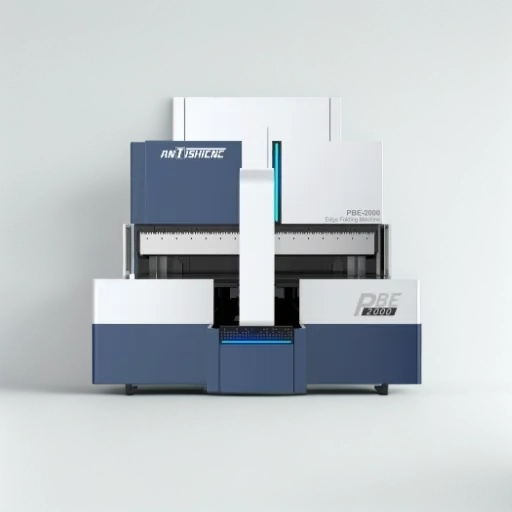
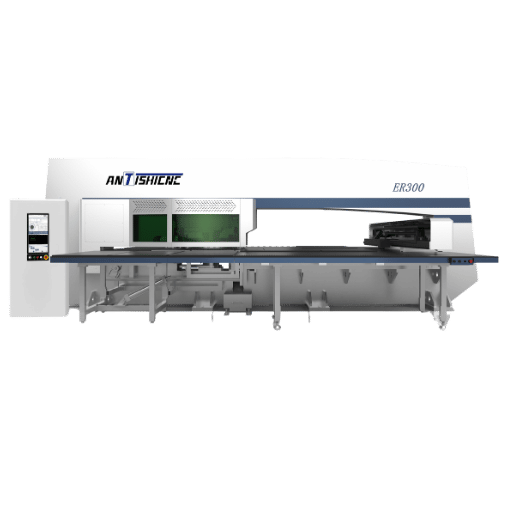
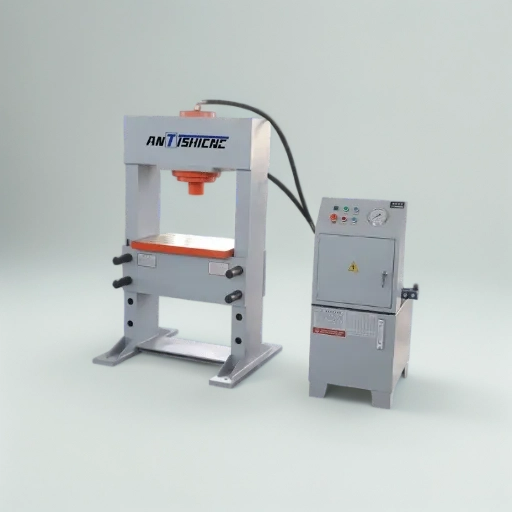


Central to modern manufacturing, CNC bending has changed metal manufacturing into a precise and efficient endeavor. The bending processes are necessary for creating forms and functionalities, whether in designing complex aerospace components or robust automotive components. This blog covers CNC bending basics, from how advanced machinery and technology give a flat metal sheet complex, high-quality shapes. From learning about how the process works to understanding the various CNC bending machine applications, this guide provides valuable insights into one of the most prominent techniques in the fabrication industry today. So, don’t miss the manufacturing saga that unfolds, showcasing innovation, versatility, and the importance of CNC bending.
Introduction to CNC Bending
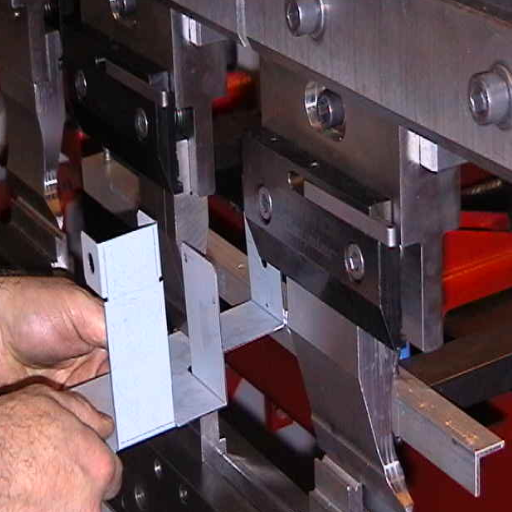
CNC bending is a precise and automated process that enables the contouring of metal sheets into specific angles and curvatures using specialized machinery designed for bending operations. CNC, or Computer Numerical Control, refers to the use of computer software to control the bending machine, thereby offering precision and consistency to the process. The service of CNC bending finds its largest applications in the automotive, construction, and aerospace industries, as it can handle complex designs with minimal error. The advantage of CNC bending over manual bending is efficiency and reduced material waste, allowing CNC bending services to produce high-quality results for various end uses.
Definition of CNC Bending
Essentially, CNC bending is a manufacturing process that utilizes computer-controlled machines to bend or shape a metal sheet or tube with utmost precision. In a CNC bending operation, the CNC machine controls everything, from bend angle to pressure and tooling positioning, ensuring a consistent and accurate result. CNC bending is a highly efficient method; complex designs can be formed, thereby minimizing human errors. Applications range from automotive, construction, aerospace, and communication sectors, where accuracy and replication count heavily.
Importance of CNC Bending in Metal Fabrication
Precision Benefits
Manufacturers can operate with a tolerance of ±0.1mm, making it suitable for aerospace and automotive industries where performance and safety depend on precision.
Efficiency Gains
CNC bending can reduce processing time for complex parts by half compared to manual methods, supporting rapid prototyping and mass production.
CNC bending is a crucial operation in the modern metal fabrication industry, thanks to its unparalleled precision, efficiency, and versatility. Through the use of CNC machinery, manufacturers can operate with a tolerance of ±0.1mm, making it suitable for the aerospace and automotive industries, where performance and safety depend on the precision of bending. For example, the aerospace industry frequently utilizes CNC bending to manufacture parts that must adhere to stringent dimensional and structural specifications.
💰
Cost Savings
Reports indicate a cost saving of up to 30% for companies using CNC bending in their production lines, attributed to reductions in labor cost and error-related expenses.
By CNC bending, production efficiency also receives a boost. For part processing, CNC bending can reduce the time required for complex parts by half compared to older manual methods. It supports rapid prototyping and mass production; however, relying on a single operator can lead to inconsistencies in quality, increased material consumption, and higher overall costs for manufacturers.
Thus, CNC bending further supports the fabrication of intricate designs that are difficult or impossible to create in the manual process. Through this avenue, product innovations have become possible. CNC bending machines, coupled with the Industry 4.0 framework, enable connectivity to intelligent systems that monitor and optimize the fabrication process in real time, thereby increasing productivity and enhancing quality control.
With utmost precision, CNC bending stands out in metal fabrication processes by offering ease of use, adapting to the ever-increasing demand for precision, and supporting scalable production methodologies to cater to the needs of evolving markets. Such groundbreaking enhancements in CNC technologies attest immeasurably to the continuing and increasing significance it holds in industries worldwide.
Overview of Bending Machines
Bending machines are among the indispensable tools in present-day manufacturing processes, used to form metal sheets and tubes at specific angles and shapes. These machines are used in industries such as automotive, aerospace, construction, and electronics for making components with precision and consistent quality.
Types of Bending Machines
Press Brakes
Make bends with tight angle tolerance
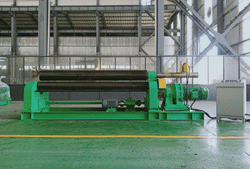
Roll Bending Machines
Create ample curves or cylinders
Panel Benders
Automated sheet metal bending
Rotary Draw Benders
Specialized tube and pipe bending
Based on their working functionality, bending machines can be divided into several categories: press brakes, roll bending machines, panel benders, and rotary draw benders. Each type serves a separate purpose. A press brake, for example, can make a bend with a tight angle tolerance, whereas a roll bending machine is used to create ample curves or cylinders.
📈 Market Growth Statistics
The global bending machine market is forecasted to grow at a compound annual growth rate (CAGR) of approximately 5.2% from 2023 to 2030, driven by demand for lightweight and precisely engineered components.
With recent developments in the bending machine field, improvements in efficiency and precision have been made. Many of the newer generation machines are equipped with CNC systems that control and program the machine automatically. The presence of CNC enables faster cycle times for processing jobs, reduced material wastage, and higher repeatability. The presence of intelligent sensors and adaptive control mechanisms in advanced machines allows real-time monitoring of bending angles and quality control to be executed at the highest levels.
As IoT technology becomes increasingly integrated into bending machines, one can envision the latter now empowering predictive maintenance to minimize downtime and thereby increase overall operational efficiency.
With an increasing level of consciousness toward energy conservation and sustainability, bending machines are finding a niche in manufacturers’ minds to promote and continue developing such concerns. In terms of innovation, this field boasts electric press brakes and hybrid machines that significantly reduce energy consumption, aligning with global sustainability objectives. This underlines the functional importance of bending machines in sculpting the future of industrial production.
The CNC Bending Process
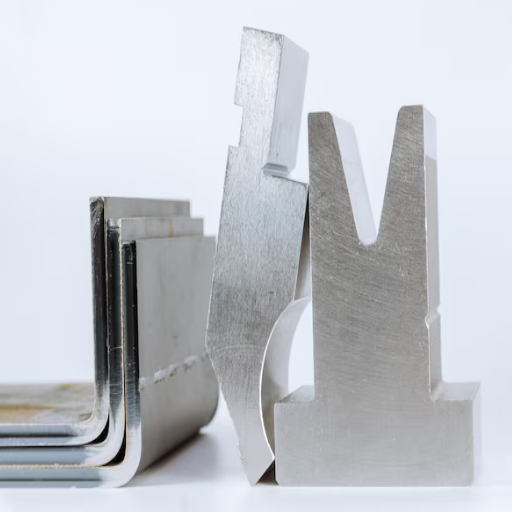
CNC bending involves shaping a metal sheet or tube into specific angles and designs using precise automated processes. A computer-controlled machine lends itself to accuracy and consistency while fabricating a product. The material is clamped into position and bent using a press brake or rollers. The operator will key in the measurements and angles into the system that controls the CNC machine, which then executes the operation of performing the bends with few to no errors. This constitutes a highly efficient and repeatable process capable of handling intricate designs.
Steps Involved in the CNC Bending Process
Material Preparation
The process starts with the selection and preparation of the material. Typically, the raw material is supplied in sheets or plates of metal, such as aluminum, steel, or copper. An inspection is conducted to verify whether the raw material meets the requirements for thickness, tensile strength, and surface finish. If these parameters are not within the specified quality standards, it can threaten the entire bending process.
Programming the CNC Machine
Using computer-aided design (CAD) software, one creates the detailed 2D or 3D model of a part. By using computer-aided manufacturing (CAM) software, these designs are converted into machine language codes, often referred to as G-codes. The operators enter the exact measurements, angles, and bending sequences required to produce the desired geometries.
Clamping and Positioning
The workpiece is firmly clamped onto the workbench or into the press brake to prevent any movement that could occur during the bending operation. Precise positioning of the workpiece is necessary so that it is accurately aligned with the bending tools.
Bending Execution
The CNC system controls the movement of tooling and the application of force. Thus, press brakes, rollers, or punch-and-die setups exert precise pressure to produce bends or deformations until the material is bent to the programmed angle and dimension. During programming, springback refers to the tendency of a metal to partially return to its original shape after bending, and it varies with the material type and thickness.
Quality Inspection
Once the material is bent, it undergoes a final stage of inspection, involving the measurement of its dimensions using coordinate measuring machines (CMMs) or laser scanners. Angles, radii, and lengths are measured against the original CAD design for consistency and accuracy, within tolerances that typically range from ±0.5° for angles to ±0.1 mm for dimensions.
Finishing Processes
When necessary, treatments follow the bending, including deburring sharp edges, polishing, or applying a protective coating. The finishing treatments increase the life and performance of the outcome.
🏆
Competitive Advantage
Outsourcing CNC bending can give companies a competitive edge and help them maintain high-quality standards for their production.
Finding Reliable CNC Bending Services
Selection Criteria Checklist
Experience & Knowledge
Look for companies with extensive experience across multiple industries for consistent, reliable results.
Modern Equipment
Verify they use advanced CNC technology for greater precision and faster output.
Material Capabilities
Ensure they can work with your specific materials – aluminum, stainless steel, carbon steel, etc.
Cost Optimization
Look for bulk ordering discounts and material optimization services.
Communication & Support
Consistent communication ensures production aligns with your specifications and timelines.
Certifications & Standards
ISO quality compliance indicates commitment to precision and excellence.
There are several key factors to consider when choosing reliable CNC bending services—factors that guarantee quality and efficiency. Begin by ensuring the provider is experienced and knowledgeable in the field, as companies with experience in a wide range of industries often achieve consistent results. Investigate the provider’s CNC technology equipment, as modern machinery equates to greater precision and faster output. Also, ask what materials they are capable of working with—the metals they can bend and form, such as aluminum, stainless steel, and carbon steel.
💡
Efficiency Benefits
Efficient CNC processes can reduce material wastage by up to 20%, spelling savings and promoting environmental sustainability.
Another critical factor is cost optimization. Top CNC bending providers often offer discounts for bulk ordering or material optimization, which significantly reduces your expenses. Some reports suggest that efficient CNC processes can reduce material wastage by up to 20%, thereby spelling savings and promoting environmental sustainability. Through consistent communication and support, a genuinely reliable service provider aligns the production process with your specifications and timelines so deadlines are met without compromising on quality.
Lastly, reviews, certifications, and adherence to industry standards will help track the reliability of a provider. ISO quality compliance usually spells a service’s commitment to precision and excellence. With proper diligence in these areas, companies can ensure getting CNC bending services that are reliable and complementary to their needs.
Bending Methods in CNC Bending
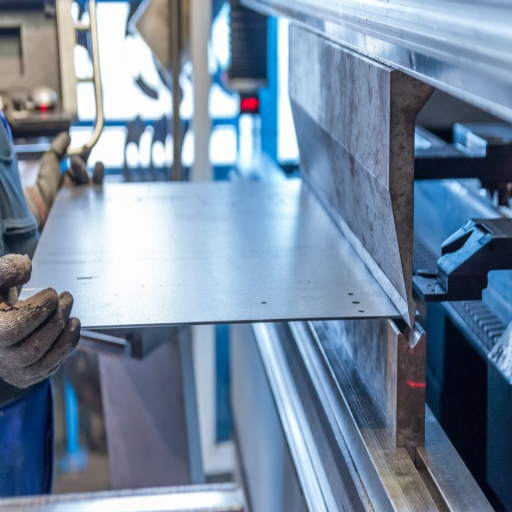
Numerically controlled bending relies on highly accurate methods to transform materials efficiently. Each method offers unique advantages for different applications and material requirements.
Each method can be utilized based on the material used, the angle to be bent, and the level of accuracy required for proper functioning, thereby making the bending process efficient and reliable.
Different Bending Methods Explained
Industries use advanced systems and detailed procedures to achieve complex and precise bends with utmost accuracy. Companies often go for some enhanced processes used today:
🌬️ Air Bending
Adaptability in terms of material and thickness makes this method the most common and versatile. Air bending will require lower tonnage, thereby resulting in less wear and tear on tools and reduced energy consumption.
Example: Air bending of a ⅛-inch steel sheet may only need about 20 tons of pressure, making it ideal for mass production.
⚡ Bottom Bending (Bottoming)
This method requires greater tonnage than air bending, but it bends to angles with greater precision, within ±1 degree of the specified angle. It is particularly applicable where consistency in quality is vital, such as in aerospace and automotive manufacturing.
Application: Often used in manufacturing intricate automotive structural components.
🎯 Coining
This method applies a forceful pressure of around 5 to 30 times more than that used in air bending to create permanent bends in the material. Being the most accurate method with tolerances down to ±0.25 degrees, it is often used in making parts for medical device applications and electrical components.
Precision: Minimal springback and maximum reproducibility for critical applications.
🔄 Roll Bending
Used for curving or cylindrical shapes, roll bending finds wide applications in pipes, tanks, and architectural structures. The process uses three rollers to give the bend slowly, with CNC machines of very high power controlling the operation.
Capacity: Modern roll bending can accommodate sheets as wide as 10 feet and thicknesses exceeding 1 inch.
✂️ Wipe Bending
This is common in applications demanding sharp edges, albeit with the smallest radius. The pressure pad holds the material while the punch pushes it against the die. This technique is particularly suited for bending brackets, enclosures, and other sheet metal assemblies.
Precision: Achieves tolerances similar to bottoming for sharp-edge applications.
🚀 CNC Enhancement Benefits
CNC-controlled air bending systems can compensate for material inconsistencies and maintain uniformity through thousands of bends – vital for construction and green-energy industries requiring sustainable and accurate outputs.
Although the incorporation of CNC has further enhanced accuracy and efficiency within these bending methods, while also reducing wastage of raw materials and ensuring consistency for large production runs, for example, CNC-controlled air bending systems can compensate for material inconsistencies and still maintain uniformity through thousands of bends. This high level of control is vital in the construction and green-energy industries, where outputs must be both sustainable and accurate.
Depending on project-specific criteria, such as the type of material in question, thickness, complexity of the bend to be accomplished, or the speed of production required, an advanced bending method will be chosen. Through the use of these methods, manufacturers can meet the modern requirements of engineering and creative design very efficiently.
Advantages and Disadvantages of Each Method
This is how I see it: every bending method comes with advantages and disadvantages for any given application. For applications that require a moderate amount of work, press brakes are the most versatile and cost-effective option; however, consistently producing workpieces with complex shapes can be challenging. CNC bending, on the other hand, can ensure accuracy and speed in mass production, although it is more costly and requires expert operators. Although rotary draw bending can create smooth curves, both interior and exterior, needed for complicated designs, it cannot bend thick materials. Ultimately, the most effective approach is the one that strikes a perfect balance between a project’s requirements and the factors of cost, accuracy, and production speed.
Choosing the Right Bending Method for Your Project
Decision Matrix
🔧 Material Type & Thickness
Press braking for thicker materials, rotary draw bending for finer designs on thinner materials.
🎯 Precision Requirements
Rotary draw bending excels for precise complex geometries, roll bending for simple curves.
📊 Production Volume
CNC methods excel in high-volume production with superior speed and consistency.
💰 Project Budget
CNC more expensive initially but offers speed and accuracy benefits worth considering.
There are a few factors you should take into consideration when choosing a bending method:
Material Type and Thickness: Certain bending methods are more suitable for specific materials than others. For example, one would typically consider press braking for thicker materials, whereas rotary draw bending is best for the finer designs on the thinner side.
Precision Requirements: If your project calls for precise bends and complex geometries, methods such as rotary draw bending score higher. If your bends are simple curves, roll bending shall do.
Production Volume: CNC-based methods excel in high-volume production, offering superior speed and consistency. For short runs, however, manual or non-CNC options might be more cost-effective.
Project Budget: CNC machining is somewhat more expensive during the initial phase, but it also has the perks of speed and accuracy. Is this worth considering for your budget?
Here, you see that each method has its own bedrock issue to balance with the special application to get the best out of it.
Conclusion
CNC bending represents the pinnacle of precision manufacturing, combining advanced technology with proven methodologies to deliver exceptional results across industries. From aerospace to automotive, construction to electronics, the versatility and accuracy of CNC bending continue to drive innovation and efficiency in modern manufacturing processes.
Ready to implement CNC bending in your manufacturing process? Contact industry professionals to discuss your specific requirements and discover how this advanced technology can enhance your production capabilities.
8px; padding: 20px; margin: 25px 0;”>
✓
Quality Achievement
With the help of automation and precise programming, CNC bending enables manufacturers to produce parts that are highly accurate and complex with high efficiency and typical defect rates of less than 1%.
Factors Influencing the Bending Process
Several key factors significantly impact the quality and accuracy of the CNC bending process. They must therefore be carefully resolved to produce an ideal result:
Material Properties
The nature and properties of the material to be significantly bent determine the process. Materials with higher tensile strength, such as stainless steel or titanium alloys, require greater bending forces than those that bend easily, like aluminum. Research shows that bending requires 2 to 3 times more force for stainless steel than for aluminum of the same thickness.
Die and Punch Selection
The die and punch set directly influences and determines bend accuracy. Die-opening width, punch angle, and radius are variables that affect the angle and radius of the bend. Larger die openings are used for pieces with thicker thicknesses, whereas, for precision bending, tools require tighter tolerances and specific geometries.
Bending Forces and Pressures
Depending upon the tonnage of the press and the properties of the material, the forces required will vary. Modern CNC bending machines feature pressure sensors and advanced controls that allow the bending pressure to be adjusted in real-time. For instance, bending 1/8″-thick mild steel may require as much as 5 tons per foot of bending length.
Springback Compensation
Springback refers to the phenomenon wherein, after bending, a material tends to revert slightly to its original shape, resulting in a lesser angle than intended. Technologically advanced CNC systems help to counter the springback effect by over-bending or by real-time adjustment of bending parameters based on feedback data.
Tool Wear and Maintenance
The bent angle depends, among other things, on the condition of the dies and punches. A worn-out tool obviously causes inconsistent bending. Tool edges should be regularly checked and maintained to ensure sharpness and proper alignment.
Machine Settings and Calibration
Proper calibration and advanced programming software are essential for programming consistent bends. CNC machines that come equipped with high-resolution encoders or adaptive control technology are even able to detect deviances and compensate for them during production.
Environmental Considerations
Environmental factors, such as temperature and humidity, are known to affect variations in bending for certain materials, primarily plastics or composites. Therefore, maintaining a controlled environment free from dimensional changes or warping is recommended.
By controlling the mentioned factors, manufacturers can work toward an improved CNC bending process, thereby achieving better consistency, accuracy in the end product, reduced material waste, and lower production costs.
Common Materials Used in CNC Bending
CNC bending is utilized in a multitude of industries, and certain materials can easily go through this process due to their malleability, strength, and adaptability. Amongst the most common primary materials are:
Since each material bends differently, it is essential to select and understand the material properties that must be chosen for CNC bending to yield the best results.
Types of CNC Bending Machines
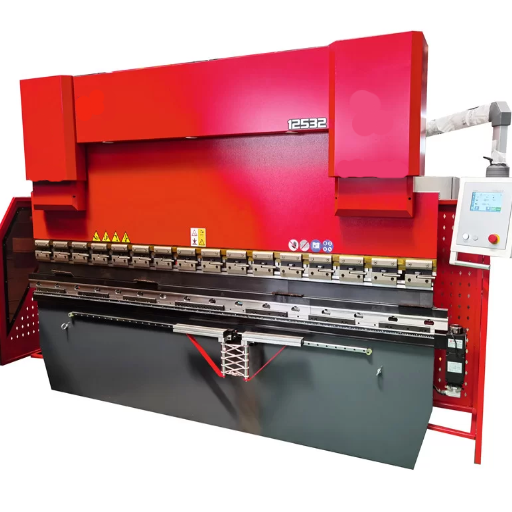
Modern CNC bending machines have come a long way since ancient times, and today, they produce parts with exquisite levels of precision, thereby endowing them with the versatility to form a myriad of shapes. These machines feature CNC capabilities that enable the programming of highly complex bending sequences with absolute accuracy.
Each type has specific applications, depending on the materials and shapes required.
Overview of Different Bending Machines
CNC press brakes, for example, offer bend tolerances as tight as ±0.01mm, yielding exact and accurate bends required by the aerospace and automotive industries.
⚡ Energy Efficiency
Modern machines often come fitted with servo-electric and hydraulic actuators working in tandem to provide excellent force control, while using almost 50% less energy than traditional hydraulic systems.
Imagine through-hydraulic control; this is the true beauty of hydraulic bending machines. The difference lies in the fact that modern ones often come fitted with servo-electric and hydraulic actuators working in tandem to provide excellent force control, while using almost 50% less energy than traditional hydraulic systems. In this regard, energy-wise, these machines offer a clean option for high-volume production.
📊
Productivity Increase
30% increase in industrial productivity
Through sensors and real-time monitoring systems
🔧
IoT Integration
Remote monitoring capability
Reduced downtime through predictive maintenance
Apart from this, sensors and other real-time monitoring systems have been installed to detect any material variations and dynamically adjust operating parameters to minimize production errors and material waste, thereby leading to cost savings. Statistics indicate that such innovations can achieve a 30% increase in industrial productivity.
The Internet of Things (IoT)-enabled remote monitoring and diagnosis facilitate frictionless machine maintenance and reduced downtime. With such features, modern bending machines are designed to meet the growing demands for quality manufacturing and efficient processing in various industries.
Comparing Hydraulic and Electric CNC Bending Machines
Each has its distinct advantages and is thus suitable for various manufacturing needs. Hydraulic machines are renowned for their power and durability and are used when performing heavier tasks and working with thick materials. They utilize the fluid pressure of hydraulic fluid to induce movement and exert constant pressure during bending. Usually, they are cheaper at the beginning compared to electric ones and are best suited for high-tonnage bending applications.
Electric CNC bending machines are the choice for high precision, efficiency, and sustainability. They demonstrate sturdiness, utilizing electric servo motors as their power source, as opposed to hydraulic systems. Its recent development indicates that electric machines use 50% less energy than hydraulic ones, along with a steep decrease in operational costs over time. As another environmental benefit, these machines do not require hydraulic oil, thereby reducing the risk of an accidental leak that could have a negative ecological impact.
Electric motors generally respond faster, and with their superior control of axis movements, they can out-speed hydraulic ones. Hydraulic machines have always been favored for extremely high-force applications where the electric type would simply fall short. As an emerging trend toward electric CNC machines expresses an industry design toward sustainability and precision manufacturing, the best option, however, is really between what one needs operationally and how much they can pay for.
Choosing the Right CNC Bending Machine for Your Needs
Key Selection Factors
- 📏
Material Type & Thickness:
Consider the materials you work with most – this determines required tonnage and tooling availability
- 🏭
Production Volume:
Electric machines preferred for high production, hydraulic for sporadic operations
- 💰
Budget Considerations:
Electric machines have higher initial costs but lower long-term operating expenses
- 🤖
Automation Level:
Consider required software integration and automation features for your operations
CNC bending machines are ideally chosen based on factors such as the type of material being used, production volume, and the required precision level. Consider the type and thickness of materials you work with most generally; these factors determine the tonnage of machine needed and whether the machine tooling will be readily available. For high production requirements, electric CNC machines tend to be preferred for their low energy consumption and consistency of precision, while hydraulic ones may be selected for thicker materials and major force requirements.
Assess budgets as well as functional goals. An electric CNC machine typically incurs higher initial costs, but in the long run, it saves on power and maintenance expenses. At the same time, hydraulic machines are the more economical option for operations that either require less precision or are sporadic in nature. Ensure your choice aligns with the level of automation and integration of software that your operations require, as both factors affect productivity and ease of use. Researching or contacting manufacturers or distributors will help you choose an option specifically suited to your needs.
CNC Bending Services
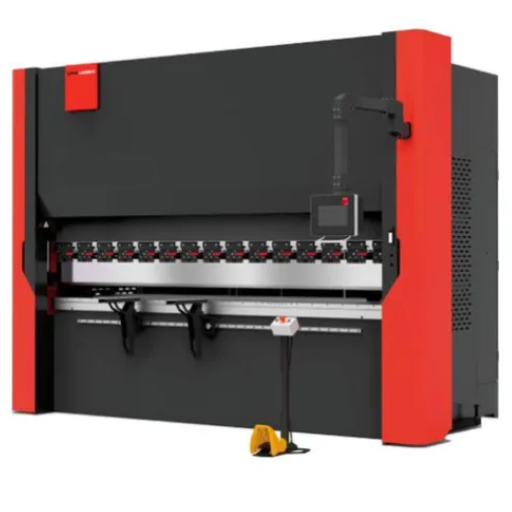
CNC bending services can be utilized for shaping metal sheets or tubes, with a focus on precision and consistency. These services use computer-controlled machinery that bends ideally according to design specifications. Generally, these are ideal for working with complex or repetitive parts rapidly and with diminished errors. CNC bending works well in services such as automotive, construction, aerospace, and similar industries because it ensures reasonable prices and reliability. Refinements CNC bending offers are suitable for any project for which precision and repeatability matter.
What to Expect from CNC Bending Services
High Speed
Up to 600 bends per hour for large-scale manufacturing
Precision
±0.1mm tolerance for exact measurements
Material Savings
20-30% reduction in raw material waste
CNC bending services utilize top-of-the-line machinery and software to ensure utmost precision and efficiency in the fabrication process. The bending accuracy is down to the last extremely minute detail, with a tolerance of ±0.1mm, perfect for specifying measurements. The equipment is versatile across materials such as aluminum, stainless steel, or copper, catering to various industry applications.
Modern CNC bending machines feature an automatic backgauge and intelligent software that significantly reduce setup and production times. For example, they can complete up to 600 bends per hour, thereby increasing productivity in large-scale manufacturing processes. In addition, design integration through CAD/CAM systems enables conversion from the design phase directly into production availability, offered by many vendors.
The other expectation, aiming for improved repeatability of bends, is critical for industries such as the automotive and aerospace sectors, where consistency must be guaranteed. Lesser manual intervention significantly decreases the rate of errors. It has been reported that CNC bending has reduced waste from raw materials by as much as 20-30%, thereby achieving cost savings and contributing to environmental goals.
Additionally, value-added services such as prototyping, post-processing, and quality inspections are provided to ensure that every part meets strict industry standards. These services further enhance the reliability and satisfaction of CNC bending, making it prominent among precision manufacturing processes.
Benefits of Outsourcing CNC Bending
📈
Productivity Gains
- 40% reduction in production time
- 25% increase in overall productivity
- Focus on core competencies
💰
Cost Benefits
- No capital investment in machinery
- 15-20% material cost savings
- Reduced training costs
🔧
Technology Access
- Latest equipment and technology
- Expert operators and knowledge
- Superior accuracy and repeatability
✅
Quality Assurance
- ISO and regulatory compliance
- Minimized defects and rework
- Comprehensive quality inspections
Performing CNC bending externally provides manufacturers with direct access to technology and expertise, eliminating the need for significant capital investments in machinery or the cost of employee training. Experienced providers can help reduce overhead costs and increase production efficiency. The report mentioned above states that outsourcing precision fabrication, including CNC bending, can reduce production time by as much as 40%, allowing companies to focus on their core competencies and meet project deadlines on time.
Moreover, professional CNC bending service providers commonly use the latest equipment, providing superior accuracy and repeatability essential for the aerospace, automotive, and telecommunications sectors. These providers also offer better scalability, thereby assisting businesses in the smooth handling of small-batch projects and large-volume production runs. It is said that CNC bending outsourcing companies experience a 25% increase in overall productivity due to improved resource allocation and supplier expertise.
Another significant advantage is the assurance of quality and risk reduction. Leading CNC bending services conduct a thorough inspection of parts to ensure they meet ISO and other regulatory standards, thereby minimizing defects and rework cases. For companies pursuing sustainability goals, outsourcing CNC bending also offers an advantage in optimizing material usage and minimizing waste. This can lead to material cost savings of around 15-20%, translating into hundreds of thousands of dollars over time while supporting ecologically friendly efforts.
Reference Sources
“Robotic Connections: Customisable Joints for Timber Construction”
“Digitally fabricating expandable steel structures using kirigami patterns”
“Tedizolid-Cyclodextrin System as Delayed-Release Drug Delivery with Antibacterial Properties”
Frequently Asked Questions (FAQs)
What is CNC Bending and How Does It Work?
CNC bending is a modern manufacturing process that utilizes advanced technology to bend metal components with extremely high precision. This process bends tubes, pipes, and metal tubing to create intricate parts that meet specific requirements. A CNC bending machine utilizes software to control the bending process, providing mathematically precise instructions and eliminating all human interference.
Benefits of CNC Bending Compared to the Traditional Manual Bending Method
There are many benefits of CNC bending as compared to the traditional manual bending method. It allows for the bending of multiple pieces while maintaining consistent quality, thereby increasing efficiency. CNC machines require fewer workers and operate faster, making them cost-effective. These machines can also manufacture workpieces of various shapes and sizes, which can be several meters long.
What Types of Materials Can Be Processed by CNC Bending Machines?
CNC bending machines are capable of bending a wide array of materials, including metal categories such as aluminum, steel, or stainless steel. They are exceptionally skilled at bending metal tubes and pipes, which are heavily utilized in industries such as shipbuilding and construction. Depending on the CNC, it will deform the material to meet the specific requirements of each project.
How Are CNC Tube Bending and All Other Forms of Bending Different?
In the strictest sense, CNC tube bending is just a form of CNC bending that shapes metal tubes. Unlike other bending methods, CNC tube bending uses high technology to produce smooth, distortion-free bends. The bending process enables the production of high-quality components essential for manufacturing and fabrication, particularly in OEM work.
What Role Does Laser Cutting Play in CNC Bending?
A laser cutter is often used with CNC bending for metal fabrication work. Since laser cutting offers extreme precision, manufacturers can cut intricate profiles and shapes, which can then be bent accurately with CNC bending machines. The integration and streamlining of these processes enable companies to reduce production time, thereby lowering costs while maintaining the highest quality results.
Can CNC Bending Machines Handle Large-Scale Production?
Indeed, CNC bending machines are designed for large production runs, and their uninterrupted operation, combined with precise control, allows manufacturers to produce bent components in huge quantities quickly. This is also good where industries require top-notch quality and extremely short turnaround time, such as in the automotive and aerospace fields.
What Factors Should I Consider When Choosing a CNC Bending Service?
When selecting a CNC bending service, one should consider the CNC capacities available, the operator’s expertise, and the quality of the machines. The service must be capable of fulfilling one’s demands if one sought precision parts or large-scale production. Inquire about the materials they can work with and their experience in cutting-edge technologies.
How Do CNC Bending Machines Save Time and Money in Manufacturing?
CNC bending machines save time and money by dramatically cutting down on the manual work required in bending and minimizing any possible errors that can occur when using conventional methods. With the most advanced technology in CNC bending machines, setup can be completed in less time, allowing more time to be devoted to production. Thus, the time taken to produce any piece of work, be it a simple or a complicated part or structure, is considered less. As a result, manufacturers can increase their production scale, reducing labor costs and wastage of raw materials in the process.