


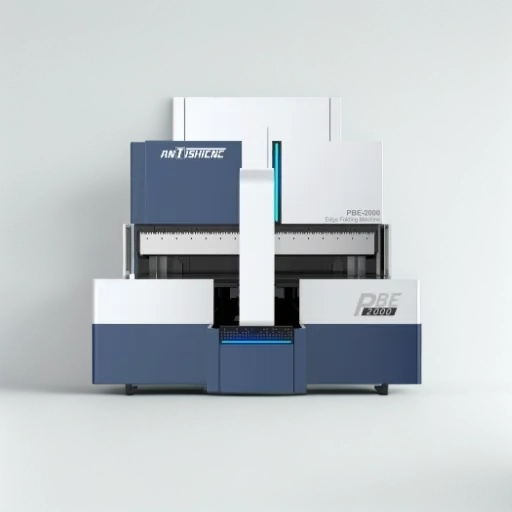
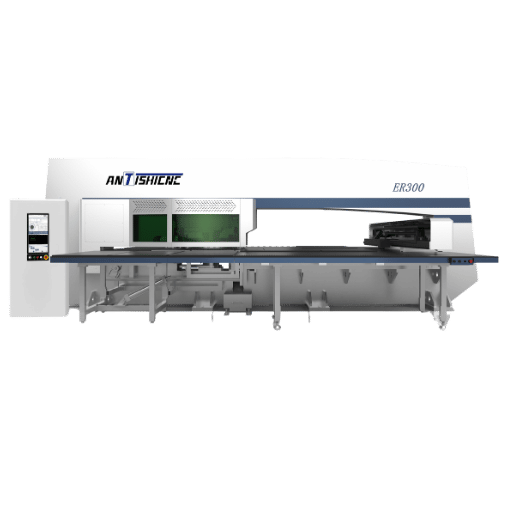
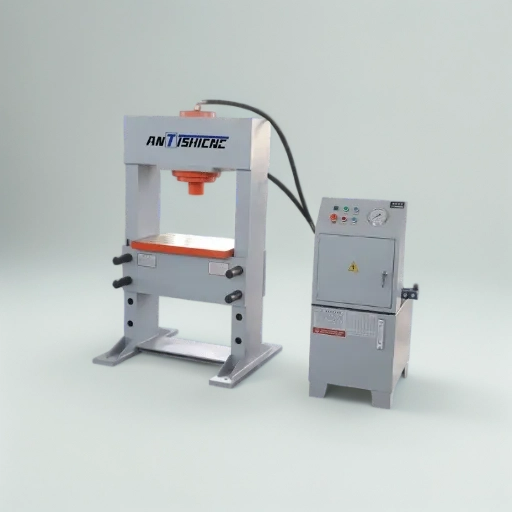


In the manufacturing industry, to stay ahead, precision and efficiency are a must. Sheet metal bending for CNC panel benders has evolved, thanks to advancements in automation and the increased accuracy of these machines. This article focuses on CNC panel benders, advances in their technology, their advantages, and the impact they have on the automotive, aerospace, and construction industries. For anyone who wishes to optimize their production lines or is keen to learn about the modern developments in metal fabrication, this article will be of immense help in explaining how these machines are practical and ingenious, built into CNC panel benders.
Introduction to CNC Panel Benders
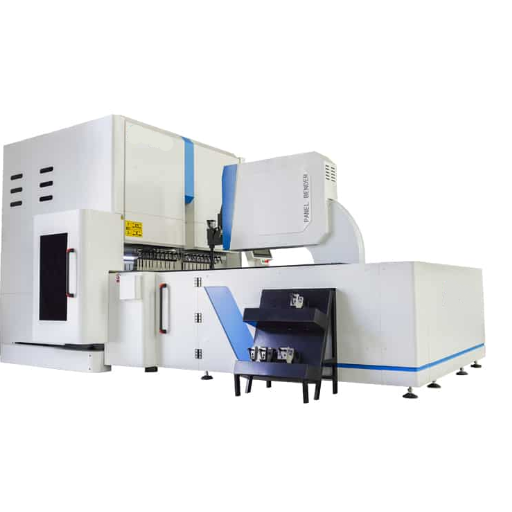
Sheet metal bending machines are specifically designed for working with sheet metal, and panel benders combine the work of these machines with pan presses. Panel benders work as per the commands given on a computer, and they are known as computer numerical control (CNC) panel benders. The programmable features available on CNC panel benders make it easier to work on multitasking. Their capabilities make them applicable to many sectors, as they require completion with a high degree of precision while minimizing the chances of mistakes.
Definition and Overview
CNC panel benders are complex machinery used in the secondary metalworking industry for the automated and accurate bending of sheet metal. Such machines are fitted with advanced computer numerical control (CNC) systems that enable inflexible operations to be carried out with intricate programming. According to industry reports, these machines can work with various materials, including stainless steel, aluminum, and copper sheets, with thicknesses ranging from 0.5 mm to 3 mm. The machines can function at superior speeds, sometimes achieving a completion rate of 600 bends, which considerably shortens the time required for production.
Such machinery is most beneficial in industries such as automotive, aerospace, and electronics, which continue to face increasing demands for quality and custom metal parts. They also feature an automated tool changer and adaptive technology for design changes, enabling the automatic accommodation of changes, which results in reduced downtime and fewer production errors. With AI advancements and machine learning, the newer CNC panel benders can optimize performance and predict maintenance, thereby cutting down manufacturing expenses even further. Such innovative metalworking solutions increase output while being eco-friendly, thereby reducing waste and energy consumption.
How CNC Technology Transforms Bending Processes
Manufacturing has improved in terms of precision, efficiency, and flexibility due to the introduction of CNC technology. Industries that rely on CNC panel benders, such as the aerospace, automotive, and electronics industries, can rest assured that quality will be consistent for every production run. This is because of the steel bender’s stringent accuracy of ±0.1 mm. Advanced automation enables the seamless modification of panel designs, thereby increasing production speed while minimizing errors.
Research indicates that in a manufacturing setting, overall throughput is improved, as setup time can be reduced by up to 90% when using CNC bending machines instead of traditional manual bending methods. The use of AI algorithms in CNC bending machines also facilitates real-time monitoring and predictive maintenance, thereby minimizing downtime and extending the equipment’s lifespan. Additionally, these bending machines contribute to sustainability by optimizing material use and reducing scrap waste, which in turn saves money and benefits the environment.
Moreover, modern CNC technology enables manufacturers to handle complex shapes and a high mix of low-volume batches without compromising efficiency. This not only serves the changing needs of the market but also ensures that the manufacturers can compete in a more advanced industrial environment.
Components of a CNC Panel Bender
A CNC panel bender embodies the latest engineering innovation, designed to optimize the bending of sheet metal panels in terms of speed, accuracy, and efficiency. The following is an overview of a CNC panel bender’s key components, along with a description of each one’s purpose:
Controller Unit
The controller is the “brain” of the CNC panel bender and contains all the necessary software needed to convert CAD designs into machine code. Contemporary controllers include intuitive touch display user interfaces, Internet of Things (IoT) connectivity for real-time system updates, and support for advanced multitasking programming. Some advanced controllers may also include AI-powered software to enhance bending processes, thereby reducing setup time.
Clamping System
The clamping system maintains the sheet metal’s position to guarantee precision and stability. These systems are often equipped with servo-driven clamps, which enable quick and precise adjustments, accommodating a wide range of sheet sizes and thicknesses. Advances in clamping technology have enabled greater consistency, even in high-volume and low-volume production runs.
Bending Tooling
The bending tools include punches and dies, which are used to form the sheet metal to the required angles and shapes. These tools are interchangeable and are meant to provide repeatable results, even when creating complex shapes. Materials such as hardened steel are commonly used for increasing the lifespan of the tooling, and modern systems may automatically adjust tooling placement for maximum efficiency.
Support Table and Workpiece Handling System
The support table serves as a base to position the sheet metal, while automated systems handle the loading, unloading, and repositioning of the workpieces. This automation greatly increases efficiency and removes safety hazards. Some systems feature roller or ball bearing surfaces to minimize friction and safeguard sensitive workpieces from damage.
Servo Motors and Drives
Servo motors execute precise positioning and bending, whereas the associated drives control speed and torque during these operations. These systems make it easier to deliver good quality output while saving energy. Now, with their high-performance design, these servo motors can withstand heavy-duty cycles with minimal downtime.
Safety and Sensor Systems
Contemporary CNC panel benders incorporate sophisticated safety features for operators, including light curtains, emergency stops, and proximity sensors. The same set of features also ensures the safety of the workpiece during the bending process. For quality assurance purposes, the sensors keep track and verify the material thickness, alignment, and other conditions in real-time.
Hydraulic or Electric Actuators
For bending functions, CNC panel benders are equipped with either hydraulic or electric actuators. The choice of systems depends on the metal’s thickness and the balance of cost with the required precision. When machines need to work on thick metals, electric actuators are preferred due to their efficiency and perform milder operations, which is perfect for fine work.
Software Integration Capabilities
With the evolution of Industry 4.0, advanced CNC panel benders not only focus on achieving precision in the work but also sacrifice a smaller margin in work tracking. Operators can now keep track of the machine’s performance and the materials used in the work. Such features also facilitate data analysis, work prediction, and company openness.
With the help of these components, CNC panel benders can increase productivity and reduce manufacturing costs across multiple industries by achieving the advanced flexibility in performance, precision, and adaptability that CNC benders offer.
Advantages of Using a CNC Panel Bender
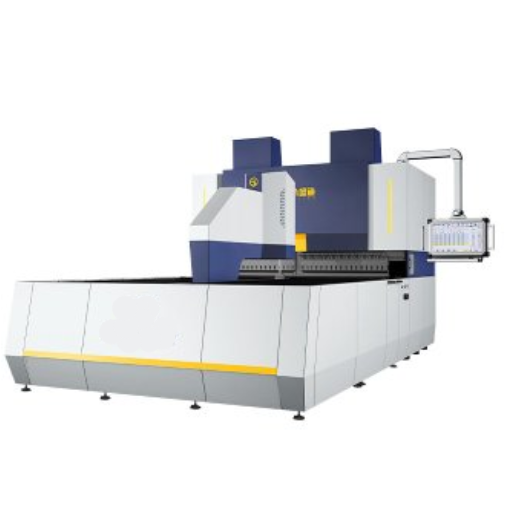
🎯 Higher Precision
CNC panel benders reduce waste and errors by bending materials consistently and accurately.
⚡ Speedier Production
Automation streamlines production processes, boosting overall output.
🔄 Versatility
They are suitable for multiple materials and designs, accommodating a wide range of fabrication requirements.
💰 Economical
Their capability to enhance speed and accuracy translates to reduced manufacturing expenses.
👨💻 Simplicity of Operation
Operators require less training since user-friendly interfaces facilitate their operation.
🤖 Smart Systems Integration
With Industry 4.0, they support operational efficiency, real-time system tracking, and predictive maintenance.
Precision and Accuracy in Bending
The final quality of the products hinges on the precision and accuracy of their bending processes. Today, CNC bending machines (also known as modern bending machines) have complex, deviated geometries with tolerances of not more than ±0.1 mm. Furthermore, the bending angle measurements are automated, allowing for real-time monitoring and continuous corrections to the bending angles to maintain high accuracy.
The springback of materials is a well-known challenge in bending, but it is addressed with modern compensation algorithms. Accuracy is further improved with the integration of real-time feedback, through loops, by up to 35%, which significantly reduces the likelihood of defects. In addition, potential issues can now be identified and fixed well in advance of the final product being impacted, with the aid of innovative AI analytics and laser sensor technology.
As a direct result of these improvements, manufacturers can now meet stringent bending and tooling requirements with greater reliability, while also achieving higher production rates, reducing material scraps, and supporting just-in-time manufacturing methodologies.
Increased Efficiency and Reduced Labor Costs
Reductions in labor costs and improvements in operational efficiency mark a dramatic change in bending technology. Automated bending machines equipped with smart controls and robotics outperform manual bending in both speed and accuracy. The most recent data show that the use of automated bending machines increases productivity by up to 30% and reduces labor costs by up to 40%. Predictive maintenance further reduces downtime and improves efficiency by integrating machine learning and IoT connectivity. Manufacturers can better manage production demands by requiring less manual labor and enhancing the efficiency of operators, who can now oversee multiple machines. This allows businesses to allocate resources more effectively. These types of machines help companies to cut costs while remaining competitive.
Versatility in Handling Different Metal Sheets
Modern laser cutting machinery boasts an impressive capacity to work with various types of metal sheets across different industries. Materials such as stainless steel, aluminum, brass, and copper can be processed using laser cutting machinery while maintaining remarkable accuracy and speed. The use of fiber laser technology is a prime example of how technology has evolved. Such technology enables the cutting of highly reflective materials, such as aluminum and brass, with excellent speed and quality.
The ability to work with different thicknesses is yet another crucial benefit. Modern laser cutting machines can cut thin sheets, sometimes as thin as 0.5 mm, in addition to cutting thicker materials of up to 30 mm. With the advancement of both software and hardware, it is now possible for operators to switch between different materials and thicknesses with minimal increase in manual work. Changing over requires very little time, and this ability is beneficial for the automotive, aerospace, and construction industries, as it significantly improves overall output.
Based on the given information, laser cutting technology has the potential to grow the most, primarily due to its ability to handle a wide range of materials effectively. The ability of laser cutting machinery to achieve great precision and low material waste tolerances, even in very complex geometries, is also a significant advantage. Such flexibility enables companies to meet diverse manufacturing requirements while operating with excellent efficiency and precision.
Key Applications of CNC Panel Benders
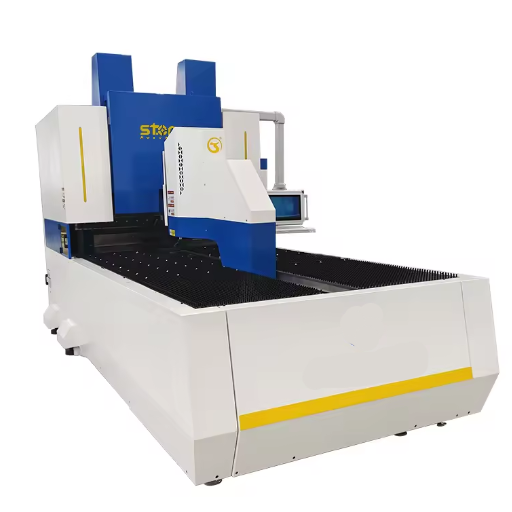
Due to their effectiveness and accuracy in shaping metal, CNC panel benders are found in numerous industries. Important ones include:
- 🚗 Automotive: For fabricating exact vehicle components such as body panels and structural elements.
- ✈️ Aerospace: For crafting durable yet lightweight parts for aircraft.
- 🏠 Appliances: For producing parts such as enclosures, panels, and casings for industrial and household appliances.
- ⚡ Electrical Equipment: For shaping metal components for electrical cabinets, panels, and enclosures.
- 🪑 Furniture: For fabricating metal frames and decorative parts for contemporary furniture designs.
These applications demonstrate the adaptability and dependability of CNC panel benders in meeting the specific needs of various industries.
Industries Utilizing CNC Panel Benders
Industries have integrated CNC panel benders into their workflows due to their precision, speed, and flexibility in metal shaping. Here’s an outline of industries that really depend on this technology:
🚗 Automotive Sector
The use of CNC panel bending cuts across the manufacturing of motorsports systems, cof (automotive) body panels, frames, and chassis components. The rise in electric vehicle usage also fuels the requirement for electric-vehicle-focused CNC panel benders to produce lightweight yet sturdy metal parts. The global automotive sheet metal market is projected to reach $91.1 billion by 2031, indicating continued demand for precision metalworking machinery.
🏗️ Construction and Building Materials
For panels, beams, and brackets, CNC panel benders are necessary. Precise metal fabrication is essential to sustainable construction. With metal fabrication, constructions can easily meet energy efficiency and durability standards.
✈️ Aerospace Industry
For high-tier safety performance, the proper metal forming machinery is needed. As such, the CNC panel benders are used in the construction of wings, fuselage parts, and other structural elements. The aerospace sector ensures the quality of metals used to maintain safety standards and performance levels. In line with this, the aerospace industry is poised to grow at a rate of 5.6% per year, which in turn increases the demand for advanced manufacturing machinery.
📱 Consumer Electronics
The metal enclosures used in laptops, smartphones, and other home appliances need to be compact and durable, which CNC panel benders can provide. The global consumer electronics market is valued at over $1 trillion, underscoring the importance of advanced metal forming in this sector.
The industries mentioned above illustrate the use of CNC panel benders and the reasons behind it. The use of this machinery ensures quality, speed, and fine detailing, which is often hard to achieve with conventional machinery in this era of mass production.
Common Products Manufactured with CNC Bending Machines
The use of CNC bending machines is essential to many industries due to their versatility in manufacturing a wide range of products. A well-known industry that uses such machines is the automobile industry. Such machines create parts of the chassis, the exhaust system, as well as various brackets that need to be intricate. Such machines help maintain tight tolerances and a steady supply of parts required to ensure the safety and proper functioning of the vehicles.
In the production of consumer electronics, CNC bending machines play a significant role. For one, such machines are necessary in the production of casings and the structural components of metal for laptops, tablets, and smartphones. High-end laptops with aluminum casings are a good example, as they are precisely designed and require CNC bending for both their durability and aesthetic appeal.
The construction sector also uses CNC bending machines for the fabrication of structural steel components, as well as for the HVAC ductwork and the support framework. A recent report cited the growing need for infrastructure projects worldwide as the primary reason for the global growth in metal fabrication, particularly in bending, expected over the coming years.
Moreover, CNC bending machines are also used in the manufacture of bespoke metal furniture, as well as kitchen appliances. The renewable energy sector also utilizes similar machines for fabricating components for solar panel frames and wind turbine parts. Modern manufacturing wouldn’t be possible without these machines due to their versatility.
The continued growth in production needs for various industries is met through CNC bending machines, which continue to improve in automation and quality, while also offering greater design versatility.
Customization and Flexibility in Production
The manufacturing industry faces a new challenge with the introduction of CNC bending machines, but the incredible customization offered is a new boon. The aerospace, automotive, and architectural industries rely on these machines to meet their vastly different and intricate shape needs. To illustrate, the latest CNC bending machines can produce components with a tolerance of ±0.1mm, thus exceeding the quality benchmarks set by the specific industries.
One of the distinguishing features of a CNC bending machine is its ability to bend a wide range of materials, including aluminum, stainless steel, and copper. These machines also support small to large batch runs with advanced programming for rapid changeovers and fine-tuned setup adjustments. Meeting shifting client needs with special designs or speedy new models has proven to be a critical requirement, and this flexibility fills that gap.
Recent studies have shown that the demand for automation and efficiency is poised to drive further growth, enabling the global CNC bending machine market to expand at an impressive pace. For example, the market is expected to surpass the $5 billion mark by 2030, indicating promising growth and increasing acceptance of such machines across various industries. In addition, performance enhancements are being made every day through newer IoT connectivity, AI integration, real-time monitoring, and more. Such innovations enable manufacturers to tune their production lines for both greater quality and reduced costs.
Technical Specifications of CNC Panel Benders
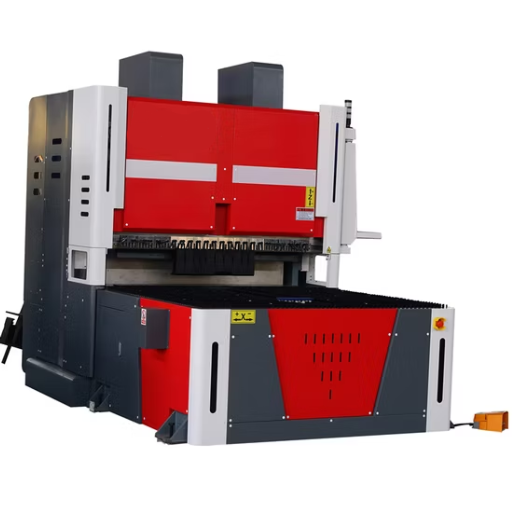
Considering the last two points, it can be concluded that CNC panel benders are guaranteed to perform well and fit various manufacturing environments.
Dimensions and Configuration Options
Panel benders are available with CNC controllers that can accommodate the needs of different manufacturing styles. Units with machine dimensions ranging from compact to heavy-duty industrial fabrications, with sizes of 8-10 feet for small units and over 20 feet for large systems, are available. The height can range from 6 to 9 feet, with the width of the floor area optimization costing approximately 5 to 7 feet.
The machines come with add-ons, such as modular designs, which enable the addition of automation parts, including robotic arms for loading and unloading. Other models feature adjustable work zones. These cover sheet metal sizes of up to 3000 mm in length and 1500 mm in width. This expands their use both for small and large tasks.
The weight capacity is an additional concern, as many CNC panel benders can handle materials over 250 kg. Operators can also select configurations with longer bending lengths, enhanced tool storage, or specialized clamps for precise bending. The different sizes and shapes enable a perfect fit for the manufacturing process, which saves time and increases output accuracy.
Understanding Key Parameters and Settings
Precision tuning of parameters on CNC panel benders is critical to maximizing their performance. The force, which is the CNC panel bender’s power output to bend material, is the most crucial parameter. Machines today can provide between 20 and 50 tons of bending force, depending on the model and the material being bent. The bending angle is another key parameter to set. Modern CNC software interfaces offer the ability to program angles with precision down to 0.1 degrees, enhancing repeatability for even the most intricate jobs.
The selection and placement of tools are equally important. Depending on the thickness and type of material to be processed, the operator may select punches, V-dies, or other suitable press brake tools. Automated tool changers in newer CNC systems not only improve efficiency but also significantly reduce setup time by automatically changing tools as needed. Material compatibility is another important consideration. Such machines are typically operated using metals such as steel, aluminum, and copper sheets, with thicknesses ranging from 0.5 mm to 6 mm or more.
Lastly, software functionality is critical. Modern panel CNC benders are fitted with user-friendly programming software that streamlines the setup and execution of tasks. Real-time simulations and error checks, for example, ensure that production runs are accurate and that waste is minimized. This, in turn, enhances output and facilitates compliance with stringent requirements.
Maintenance and Operational Considerations
Effective use of CNC panel benders today means minimizing the risk of jeopardizing their longevity, safeguarding their users, and ensuring their steady and reliable performance. This can be achieved through routine inspections of key machinery and systems, such as hydraulic systems, drive mechanisms, and tooling systems. For instance, machinery service life can be significantly extended by ensuring that all moving parts are properly lubricated and that there is no untimely wear and tear. The removal of all dirt and other materials is also significant as it not only ensures that the machinery can function mechanically with precision but also safeguards the components of the sensitive machinery systems.
Ensuring that parts replacement deadlines are met is equally important, as tooling is a consumable that can impact bending precision if its replacement deadline is missed. As maintenance becomes proactive, the probability of downtime decreases by 30%, as suggested by the data, enabling the optimization of machinery availability. To efficiently manage the maintenance of machinery, operators of panel benders can utilize the feature that many modern CNC panel bender systems are equipped with, which includes automated diagnostic systems that perform real-time monitoring of the systems and notify operators when potential problems arise that need to be addressed promptly.
The performance of the operators on the latest machine updates and functionalities can be improved through training, which further enhances efficiency. Studies show that production efficiency can be improved by 20-25% with well-trained personnel. Additionally, implementing proper workflow and load management can reduce energy usage and minimize machine wear and tear, ultimately contributing to sustainable operations. These sub-standard practices contravene the CNC panel bender’s operational policies, which stipulate that these machines never meet, let alone exceed, industry standards in a cost-effective manner.
The Future of Bending with CNC Technology
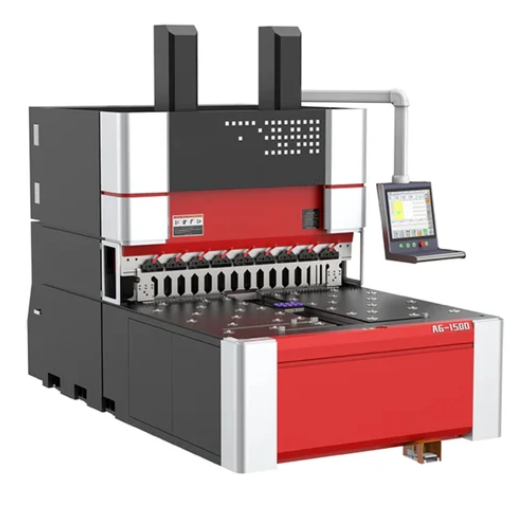
Looking ahead, the future of bending with CNC technology promises increased automation, higher accuracy, and greater efficiency. The fusion of software and machine learning is guiding panel benders to accomplish intricate tasks with less human oversight, thereby reducing mistakes and idle time. The innovative manufacturing system’s connectivity enables the ongoing tracking and tuning of bends to maintain optimal efficiency. These breakthrough methods enhance output and promote green practices by reducing unnecessary materials and energy consumption.
Emerging Trends in CNC Panel Bending
Recently, I’ve noticed that CNC panel bending is becoming increasingly reliant on machines and automation. The use of machines and automation, including AI, enables the process to be faster, more accurate, and less reliant on human labor. As modern systems are developed to reduce energy use and eliminate waste, an innovative system is created with a focus on less scrap material and sustainability. Furthermore, the need to simplify workflows and increase productivity is put to the test as the use of IoT and real-time data connectivity to monitor and regulate systems is enhanced.
Final Thoughts on Efficiency and Innovation
Efficiency and innovation are integrated approaches that foster development in industries by adopting more effective, quicker, and sustainable methods. Artificial intelligence reduces the number of errors in systems, allowing companies to increase their productivity. Sustainability, in this case, nurtures the innovation process, for instance, by reducing material and energy use, which not only cuts expenses but also benefits the planet. The use of real-time and IoT data analytics further improves insights into operations, enabling institutions to take preemptive actions and enhance their work processes. Ultimately, integrating new technology with sustainable strategies is crucial for maintaining a competitive edge and achieving long-term success.
Reference Sources
Frequently Asked Questions (FAQs)
What is a CNC Panel Bender and How Is It Used?
A CNC panel bender machine is an advanced type of machinery used to fold sheet metal. Fitted with the latest CNC (Computer Numerical Control) technology, the machine utilizes a computer to run programs designed to perform complex folding tasks with minimal human intervention. The machines are also capable of folding a variety of other materials, such as stainless steel and aluminum, which makes them extremely useful in the sheet metal industry.
What Benefits Do CNC Panel Benders Provide?
CNC benders improve the efficiency, speed, and accuracy of the sheet metal bending process. Like other sheet metal fabrication processes, CNC panel bending can be automated, significantly reducing the need for labor and mitigating the risks of human error. Furthermore, CNC panel benders can maintain tight tolerances, which ensures that the end products are of superior quality.
What Are the Key Technical Specifications of CNC Panel Benders?
Determining the technical specifications of a CNC panel bender depends on its bending angle, the thickness of the sheet metal, and its maximum sizing capabilities. Some sophisticated machines come with additional servos to enable overriding control and stability during operation. The configuration is subject to change depending on the specific needs and applications of the manufacturing process.
In What Ways Does CNC Technology Improve The Bending Process?
The bending process benefits from CNC technology, which provides advanced control over machinery. It eliminates the need for machine programming, in which an operator must input and test restrictive geometries; instead, it calculates and executes machine programming and testing. It shortens the specialty and allied functions manual work and greatly enhances CNC metal forming productivity.
What Materials Can a CNC Panel Bender Work With?
CNC panel benders are engineered to work with and bend multiple materials such as aluminium, stainless steel, and other metal sheets. Because the bender can work on a variety of thicknesses and shapes, it is widely used in various sectors of the automotive, aerospace, and construction industries.
What Is The Operator’s Role In The Use Of A CNC Panel Bender?
An operator has several essential roles when using a CNC panel bender, including programming the machine, overseeing the bending process, and ensuring that the finished product conforms to all measurements and quality requirements. The operator is also expected to have a thorough understanding of the technical specifications and machine capabilities to be able to fulfill the job with efficiency and precision.
What Are The Typical Uses Of CNC Panel Benders In The Metal Fabrication Industry?
In the metal industry, CNC panel benders are used to create enclosures, brackets, and other custom-fabricated metal parts. The fabrication processes that demand intricate bends at tight tolerances lean heavily on these machines.
How Do CNC Panel Benders Achieve Precision In Bending?
Through advanced programming and process control systems that analyze the bending process, CNC panel benders can achieve precision in bending. By utilizing high-precision instruments and tools, maintaining strict tolerances, and adhering to rigorous quality control procedures, the manufacturing industry can ensure that products such as fabricated metals, brackets, and other components are consistently and precisely delivered as demanded.
Do CNC Panel Benders Accelerate The Sheet Metal Bending Process Automation?
Indeed, CNC panel benders, as a solution, often fail to automate sheet metal bending effectively. Their default features lack programmable settings and automatic tool change, which enable multitasking and minimize machine operator involvement while improving productivity. Additionally, sheet metal bend fabricators must also manage other monotonous metal fabrication processes that waste time.