




From lips to metal fabrication, laser cutting has made a significant change, offering precision, speed, and comprehensive capabilities. So, if you are a manufacturer trying to reduce lead times or a craftsman needing intricate designs, it has now become a way to wave the magic wand in metal at will. This blog post ventures into the fascinating realm of metal laser cutting, exploring how these machines operate and their advantages over conventional manufacturing methods, as well as the innovative applications they enable. After reading this, you will undoubtedly appreciate why laser cutting is a game-changer for both industries and the artisan community. We shall now start our journey of unveiling the technology behind the magic!
Introduction to Metal Cutting
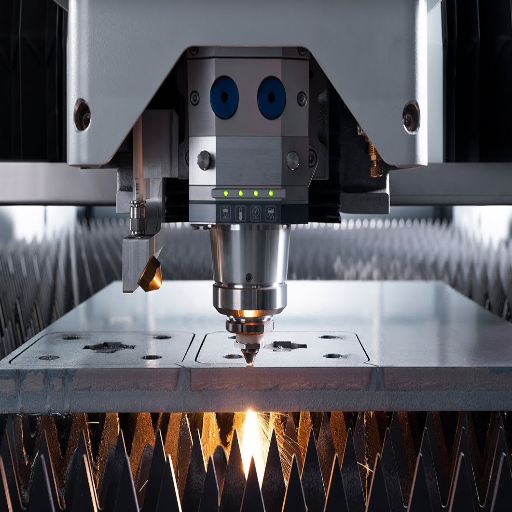
Cutting metal is the process of removing unwanted metal material from a workpiece to achieve a desired shape or size. The conventional methods may be saw-cut, drill-cut, or mill-cut, all of which rely on physical contact to cut the work. In modern days, most consider laser cutting; however, the key factors are precision, speed, and the ability to cut complex designs with ease. In this method, a laser beam is used to melt, burn, or vaporize metal along a given path, resulting in well-defined, clean edges with minimal waste. Hence, laser cutting is the key player, being an efficient process with a high degree of versatility for use in industries ranging from manufacturing to arts and design.
Overview of Metal Cutting Technologies
Modern metal cutting technologies have undergone significant changes in recent years. On the one hand, we have established, older processes; on the other hand, we have novel and cutting-edge sorting tools that enable the exploration of new aspects to meet the varied requirements of different industries. Some of the significant advances are as follows:
Mechanical Cutting
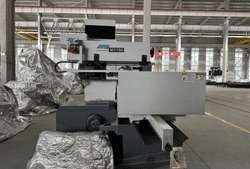
Mechanical cutting operations are still widely employed, particularly for simple tasks that require standard cutting tools, such as saws, shears, and milling machines. It is one of those methods that ensures reliable and cost-effective measures when large volumes are involved in product manufacturing. The development of cutting tool materials, such as tungsten carbide and diamond-tipped blades, has enhanced both the lifespan and productivity of mechanical cutting systems.
Plasma Cutting
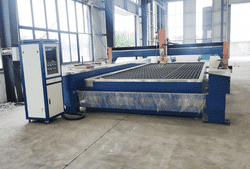
In plasma cutting, a stream of ionized gas, or plasma, is ejected at high velocity to cut through electrically conductive metals. This process is very efficient when it comes to cutting thick materials and has consistently been recognized for its speed and accuracy. Modern plasma cutters produced today feature reasonable control, enabling automation, which leads to improvements in accuracy for engineering and fabrication projects.
Waterjet Cutting
Waterjet works by sending a jet of water under extreme pressure through an orifice; sometimes, the water is mixed with abrasive particles to cut through metals and other materials. It allows for this versatility because it can attack and cut delicate materials just as well as metals that require tough handling without applying heat associated with waterjet cutting-warp. Data on trends show that industries are investing in high-powered waterjet systems with upgraded cutting speeds and much broader material-handling capabilities.
Laser Cutting
Laser cutting has become increasingly active in the precision cutting of metals, particularly for designs that require intricate and delicate details. Reports indicate an increase in the use of fiber laser systems, which have proven to be far more power-efficient and accurate than the CO2 laser systems of the past. Systems can cut materials up to 1 inch thick within a ±0.0002-inch tolerance, thus eliminating the need for secondary operations such as edge finishing.
CNC Machining and Automation
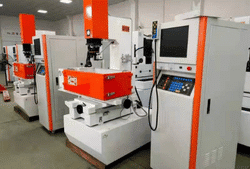
The integration of CNC systems into metal cutting has marked a new era of metal cutting. The automation of cutting operations with CNC now enables the execution of complex, repetitive cuts with extreme precision and virtually zero errors. These technologies, when coupled with real-time monitoring sensors, take quality control of an entire production line to a higher level.
Advances in these technologies reflect the scientific innovations that address industry demands, including efficiency, environmental considerations, and precision. Industries can achieve higher productivity with reduced waste production by embracing and further upgrading cutting-edge solutions.
Importance of Precision in Metal Cutting
In any manufacturing industry, achieving precision in metal cutting is of paramount importance, as it guarantees product quality, upholds costs, and maintains operational success. High-precision metal cutting involves tight tolerances and optimum fit, which are crucial in the aerospace, automotive, and medical device industries. For example, extreme tolerances of ±0.001 inches are often required to ensure reliability and safety in the aerospace sector.
With the introduction of CNC machining and laser cutting, precision metal cutting experienced a new wave of innovation. CNC machining offers micron-level accuracy and the ability to manufacture parts with complex designs free from human errors repeatedly. Laser cutting provides clean edges with minimal material wastage and enables precise cuts for complex shapes. Industry data suggest CNC systems increase productivity by as much as 25% and reduce machining errors by 75% when compared to traditional methods.
Furthermore, integrating AI and machine learning algorithms into cutting machines enables the system to make real-time adjustments during operation, thereby further enhancing precision and efficiency. This could mean reduced material waste, improved resource optimization, and sustainability in manufacturing—a trend that aligns with global shifts toward greener industry standards.
Applications of Metal Laser Cutting
Metal laser cutting has gained acceptance among diverse industries because of its high precision, efficiency, and versatility. One of the applications lies in the automotive industry, where metal laser cutting technology is used to manufacture intricate parts, such as car frames, engine components, and exhaust systems. This ensures fewer tolerances and higher finishes, which improve vehicle quality and safety.
Another industry in which metal laser cutting finds application is the aerospace industry. The cutting of lightweight yet strong materials such as titanium and aluminum alloys, the materials for aircraft structures and turbine engines, is done by the technology—the laser cutting-again in precision-completes the task to industrial standards for best performance and durability.
The application of metal laser cutting continues in the electronics industry, where utmost accuracy is required for the manufacture of tiny, delicate parts, such as circuit boards and sensors. Metal laser cutting enables the creation of designs in various metals, including copper and stainless steel, without causing thermal damage to surrounding areas.
Construction is another industry that utilizes laser cutting to create custom metal elements for structural applications, such as beams, panels, and decorative designs. It shortens project times and reduces material wastage, making it a time- and cost-effective solution.
The medical field is another burgeoning industry making greater use of metal laser cutting techniques for surgical instruments, implants, and other precision devices. The ability to produce intricate, sterile, and highly reliable parts is what enables the metal laser cutting method to drive recent advances in medical treatment and technology.
In a nutshell, the increasing use of metal laser cutting across these diverse sectors indicates its indispensability in driving innovation, enhancing quality, and boosting efficiency in today’s industrial landscape.
Understanding Laser Cutting Machines
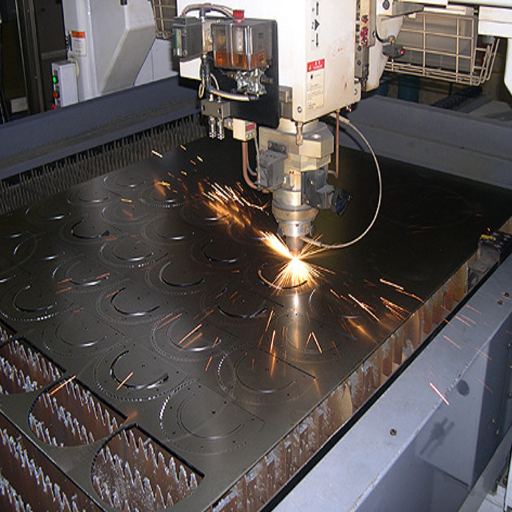
Laser cutting machines are tools used to cut or engrave materials with precision and accuracy. A powerful laser beam is focused onto the surface of the material, melting, burning, or vaporizing it to leave clean compressed cuts. These are widely used in the processing of materials like metal, plastic, and wood. The notable advantages of laser cutting include high precision, reduced waste, and the ability to handle complex designs with ease.
Types of Laser Cutting Machines
| Laser Type | Best For | Characteristics | Cost |
|---|---|---|---|
| CO2 Laser Cutting Machines | Wood, acrylic, plastics, textiles | Most widely used for non-metallic materials, uses a carbon dioxide gas mixture, is cost-effective, and has precision and versatility. | Lower initial cost |
| Fiber Laser Cutting Machines | Stainless steel, aluminum, brass | Amplified through fiber optic cable, highly energy-efficient, fast cutting, excellent with reflective materials | Higher efficiency |
| Crystal Laser Cutting Machines | High-precision applications | Includes Nd: YAG and Nd: YVO lasers, cuts metals and non-metals, and has higher running costs due to short-lived diode components | Higher running costs |
Each laser type has specific applications it can cater to; hence, choosing the correct one based on the material and the desired product becomes paramount.
Components of a Laser Cutting System
A laser cutting system comprises several key components that must work in tandem to achieve ultra-high precision results. Detail-level analysis of component laying down is as follows:
Laser Resonator
At the core of each system, the laser resonator generates the laser beam. The laser resonator contains a lasing medium, typically a gas or another substance, such as gases like CO2, crystals like Nd-YAG, fiber optics, and others. Fiber lasers, for instance, are more energy-efficient and have a longer lifespan; some of the latest models even offer an operational life of around 100,000 hours.
Beam Delivery System
This system is responsible for guiding the laser beam from the resonator to the cutting head, utilizing a series of mirrors with robust reflective coatings or fiber optic cables. Optical fibers are preferred in fiber laser systems because they provide minimal energy loss over greater distances, thus significantly enhancing the cutting efficiency.
Cutting Head
It consists of a lens or mirrors to focus the beam and direct it through a nozzle onto the workpiece. A high-quality focusing lens can produce a minimal beam diameter, allowing for intricate cuts to be made on materials ranging from thin sheets of metal to delicate non-metals, such as acrylics.
Assist Gas System
An assist gas is utilized to eject molten material from the cutting area, cool it, and exert oxidation. For example, nitrogen is used for stainless steel to prevent oxidation on the cut edge, whereas oxygen is utilized on carbon steel to speed up the cutting process.
CNC Controller
The CNC controller automates and controls the cutting process. Modern CNC systems typically feature intuitive interfaces with real-time monitoring of cutting process parameters, enabling precise control over speed, power, and path level. New CNC controllers feature CAD/CAM software integration to optimize workflow and reduce manual setup time.
Chiller Unit
It is essential to keep the unit in good operating temperature. It cools the laser resonator, preventing it from overheating, which is necessary, especially in high-power and continuous heavy-duty operations.
Exhaust System
The exhaust or filtration system eliminates smoke, dust, and grime created during the cutting processes, creating a clean working environment that safeguards the optical components from contamination.
Power Supply
A reliable power supply is essential to ensure a consistent and uninterrupted power output. High-power lasers, such as those used in industrial applications, typically require advanced designs that can operate for extended periods without experiencing efficiency losses.
Software Integration
The most advanced laser systems integrate intelligent software for automation and optimization. AI features, such as predictive maintenance alerts and on-the-fly parameter modifications, are becoming increasingly commonplace in modern machines, thereby increasing productivity and minimizing downtime.
By understanding the working principles and innovations related to each component, industries can select laser cutting systems optimized for the type of material and their specific production requirements.
How Laser Machines Work
Laser machines operate through a combination of light amplification, precise optics, and highly controlled energy delivery to perform tasks such as cutting, engraving, or welding. At the heart of laser systems is the generation of a high-power, focused light beam through the excitation of atoms, which encourages the emission of photons. These photons are then amplified and directed through mirrors to meet the workpiece. Essentially, this beam of light delivers intense heat to the target material, vaporizing, melting, or burning it away in a highly controlled manner.
Modern laser systems generally comprise three principal types of lasers: CO2, fiber, and Nd: YAG, each having specialized applications. For example, CO2 lasers excel when working with non-metal materials like wood or plastic. In contrast, fiber lasers are better suited for metal cutting and etching due to their shorter wavelengths and higher energy density. Today’s fiber lasers have exceeded 20 kW in power output and can slice steel sheets of 50mm thickness with utmost precision.
The efficiency of laser machines is mainly dependent on certain aspects, including the quality of the beam, the absorption characteristics of the material, and the cutting rate. For instance, cutting speeds exceeding 1,000 inches per minute on thin metal sheets are possible with top-of-the-line laser systems, thereby having a profound effect on cutting. Moreover, multi-axis laser capabilities facilitate elaborate 3D cutting and engraving, opening up a new dimension for aerospace, automotive, and medical manufacturers.
With the incorporation of sensors and interlinking software for real-time monitoring and adaptive adjustment, laser machines become more intelligent. Using beam shaping and dynamic focus control enhances accuracy and saves on material wastage. This state-of-the-art technology, in conjunction with a drop in power consumption (up to 30 percent less power with some systems compared to older ones), makes laser machines an environmentally friendly and energy-efficient choice for the manufacturing process today.
Metal Laser Cutting Processes
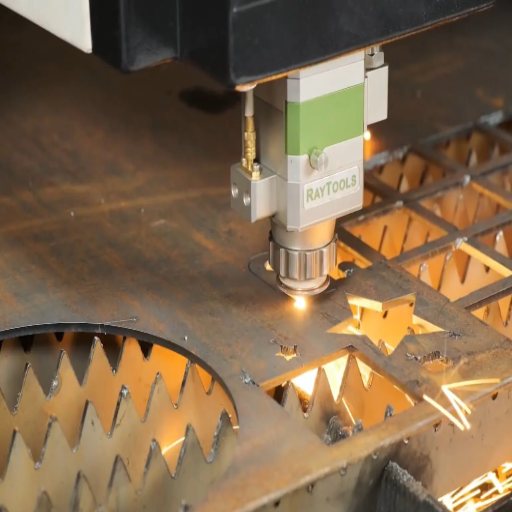
The Metal cutting processes of laser can be classified into three main methods:
| Process Type | Description | Primary Applications |
|---|---|---|
| Fusion Cutting | Involves focusing the laser beam to partially melt the metal, with the molten material being blown off by a jet of gas (usually nitrogen or argon) | Cutting stainless steel and aluminum |
| Flame Cutting | The laser heats the metal to its ignition temperature, and oxygen is then used to burn off the material through oxidation. | Carbon steel with higher thickness |
| Sublimation Cutting | Direct solid-to-gas transition without passing through a liquid phase due to laser heating | Cutting thin sheets of material with great precision |
These processes vary in efficiency and application depending on the material type and the desired end result, thus providing considerable flexibility in modern manufacturing industries.
Steps in the Laser Metal Cutting Process
- Material Preparation: Next in preparation is cutting the metal sheet. The surface of the material is cleaned to remove dirt, oil, or any coating that could interfere with the cutting process. The correct thickness and type of metals are selected for cutting according to the requirements.
- Machine Setup: The laser cutting machine is set up for the cutting job. This includes setting the laser power, speed, and focus according to the material’s properties. Design files, mostly in CAD formats, must be loaded into the machine’s software.
- Positioning and Clamping: The metal sheet is securely located and clamped onto the cutting bed of the machine to ensure precision and safety during the cutting operation. Clamps or vacuum systems are typically used throughout the entire cutting process to hold the material in place.
- Laser Cutting Execution: Using mirrors and lenses, the laser beam is directed toward the workpiece, where it generates sufficient heat to melt, vaporize, or sublimate the metal. It then follows the programmed path to make precise cuts according to the design specification.
- Edge Quality Inspection: After cutting, the edges of the metal are inspected for quality. If necessary, extra post-processing will be underway, such as deburring and grinding, to smooth the edges.
- Cleaning and Finishing: The final step involves cleaning the cut components to remove any residual debris or slag. The finished pieces are now ready to be utilized or assembled in manufacturing.
These steps thus ensure accuracy and rapid results in the laser metal cutting industry, enabling the production of high-quality results consistently in industrial applications.
Factors Influencing Cutting Speed
Cutting speed in laser cutting of metals is determined by several important factors that enhance and ensure the process’s efficiency and accuracy. These factors include:
- Material Type and Thickness: The material to be cut interferes with the speed at which cutting is possible. Metals like aluminum or stainless steel tend to have slow cutting speeds due to their high thermal conductivity and melting points. For example, a 1 mm thick carbon steel can be cut at 6000 mm/min, whereas its speed is significantly slowed down for a thicker carbon steel of 6 mm, to approximately 600 mm/min.
- Laser Power: A more powerful laser enables a faster cutting speed or allows for the cutting of thicker materials. For example, suppose it is the 4 kW laser that enables a doubling of cutting speed compared to using a 2 kW laser for thin sheets of the same material. But at times, extra power may reduce the precision of fine cuts.
- Beam Quality and Focus: The quality of the laser beam and its focus affect cutting speed. Beam focus is optimized to achieve faster and cleaner cuts. For speed and accuracy, focal point placement is crucial and should vary according to material thickness.
- Assist Gas Type and Pressure: Oxygen, nitrogen, and air are all types of assist gases that modify cutting speeds. For example, oxygen reacts chemically with carbon steel, thus accelerating the cutting process. Nitrogen is used to cut more slowly, resulting in cleaner cuts without oxidation. High-pressure gases are most effective in expelling slag from thicker ores.
- Machine Configuration and Maintenance: Modern laser cutting machines, equipped with the latest controls and automation, support operators in enhancing productivity. Additionally, regular maintenance of the machine will also ensure the laser speed remains constant, eliminating issues such as misalignment and contamination that can degrade cutting performance.
- Environmental and Operational Conditions: Ambient temperature, relative humidity, and the cleanliness of the cutting environment, albeit lesser known, significantly affect optimal machine performance underpinning operational speeds.
Therefore, if manufacturers carefully manage all the listed factors, they can achieve maximum output, more accurate cuts, and lower operational costs, making laser cutting a significantly flexible and indispensable tool.
Material Suitability for Laser Cutting
The laser cutting method is highly versatile, but its operational efficiency depends on the material to which it is applied. Depending on specific factors such as thickness, density, and composition, the materials exhibit varying levels of compatibility with laser cutting technology. A broad overview of some materials and their suitability for laser cutting is as follows:
| Material Type | Compatibility | Max Thickness | Special Considerations |
|---|---|---|---|
| Metals (Mild steel, stainless steel, aluminum) |
Excellent | Stainless: 0.5 inches Mild steel: 1 inch |
Reflectivity and thermal conductivity affect cutting speed and energy efficiency. |
| Plastics (Acrylic, polycarbonate, PETG) |
Very Good | Varies by type | Acrylic provides a polished edge finish. Avoid PVC due to harmful fumes |
| Wood and Plywood (MDF, solid wood panels) |
Excellent | Up to 20mm | Moisture content and natural resin influence cut quality |
| Glass and Ceramics | Limited | Thin materials only | Requires specialized laser systems and pre-treatment |
| Composites (Carbon fiber-reinforced plastic) |
Good | Depends on layers | Safety measures needed for dangerous particles during cutting |
Metals: Metals are one of the most popular mediums for laser cutting, primarily for fine cutting and precise finishing. These materials, including mild steel, stainless steel, and aluminum, perform exceptionally well with CO₂ or fiber lasers. For example, stainless steel can usually be cut with fiber lasers to a thickness of 0.5 inches, and mild steel can be cut robustly to an inch. Reflectivity and thermal conductivity of the material are key factors to consider that affect cutting speed and energy efficiency.
Plastics: Thermoplastics, such as acrylic, polycarbonate, and PETG, were laser-cut for both industrial and decorative purposes. Acrylic is known for its clarity and polished edge finish, making it ideal for signage and display purposes. Some plastics, such as PVC, should be avoided because they may release harmful fumes and cause damage to the equipment itself.
Wood and Plywood: Natural materials, such as wood, are highly compatible with laser processes, offering endless possibilities for custom work. Laser cutting can be successfully performed on plywood, MDF, and even solid wood panels, although the thickness should generally not exceed 20 mm for optimal performance. The moisture content and natural resin contained in the wood can also influence the quality of the cut.
Glass and Ceramics: Laser cutting on glass and ceramics offers some possibilities for creating intricate patterns, but it is far from easy. Often, the fragility of the material and its heat resistance call for specialized laser systems. The best results are achieved with thin glass or ceramics that have been pre-treated or designed explicitly for heat exposure.
Composites: Composite materials, such as carbon fiber-reinforced plastic (CFRP), can be laser-cut, provided certain precautions are taken. As these materials are layered, the cutting precision will be affected depending upon the matrix and reinforcement used, and additional safety measures must be taken to control dangerous particles emitted during the process.
By considering the material attributes of thickness, density, and composition in their decision-making, manufacturers can fully exploit the potential of laser cutting to ensure better outcomes in a diverse range of applications.
Purchasing a Metal Laser Cutting Machine
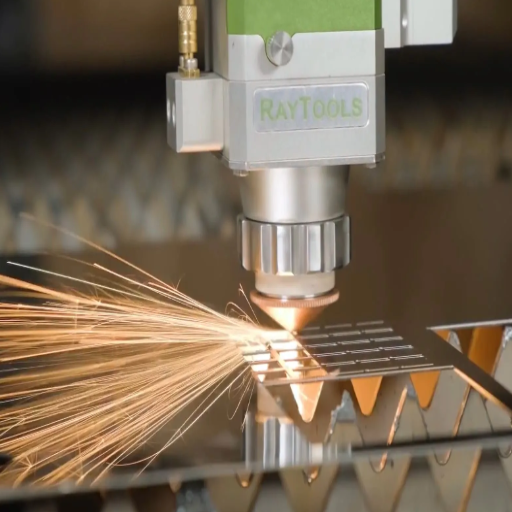
Key Considerations When Buying a Laser Cutter
When selecting a laser cutter, it is essential to understand the various types of lasers. CO2 lasers are typically used to cut wood, acrylic, and textiles, offering the highest quality and the most cost-effective treatment. Fiber lasers cut metals like stainless steel or aluminum with higher precision and speed, making them best suited for industrial needs. A third option is UV lasers, which are ideal when cuts need to be softer and more dimensionally accurate.
Another pressing factor to consider is the laser cutter’s power output. For example, a small 40-60-watt machine is sufficient for light materials such as paper or leather, but metal sheets of varying thickness require industrial machines of 500 watts or more. It’s also worth noting that cutting speed and resolution, as industrial machines can reach speeds of up to 120 inches per second or more for minute designs.
The cost: The initial investment is one thing, but operational costs, such as power consumption, maintenance, and replacement parts, should also be considered. Another essential point to consider is compatibility with software systems that could help the workflow. Having a machine that works with popular design software, such as AutoCAD or CorelDRAW, could go a long way in making users more productive.
Of particular importance are the safety features. They should include safety interlocks, an emergency stop button, and ventilation to safeguard the operator and comply with regulatory requirements. Additionally, the laser cutter should be designed to accommodate future upgrades, whether modular or software-based, to extend its lifespan and keep pace with rapidly evolving technology.
Choosing a reputable brand with solid technical support, alongside warranty support, goes a long way. Established brands with consistent customer satisfaction and positive testimonials in the market tend to provide reliable and trustworthy equipment that will maintain its value over a long period.
Comparing Fiber Laser and CO2 Laser Cutters
| Feature | Fiber Laser | CO2 Laser |
|---|---|---|
| Best Applications | Metals (aluminum, brass, copper, reflective materials) | Non-metals (wood, acrylic, plastics) |
| Speed | High-speed operation | Moderate speed |
| Maintenance | Low maintenance (no moving parts, no gas refills) | Higher maintenance (gas mixtures, moving parts) |
| Initial Cost | Higher upfront investment | More cost-effective to install |
| Energy Efficiency | High efficiency | Lower efficiency |
| Working Surface | Compact design | Large working surface available |
| Durability | Long-lasting, robust | Reliable but requires more upkeep |
When comparing fiber laser and CO2 laser cutters, one must weigh variables such as performance, material compatibility, and price. Fiber lasers excel in processing metals, particularly reflective materials like aluminum, brass, and copper, due to their shorter wavelengths and higher efficiency. In contrast, CO2 lasers can work on non-metal materials, such as wood, acrylic, and plastics; thus, they can be used for a broader gamut of applications.
Hence, fiber lasers typically operate at high speeds and require less maintenance, as they have no moving parts and do not require expensive gas mixtures to be refilled, unlike CO2 lasers, which primarily rely on gas mixtures for operation. However, CO2 lasers are generally among the most cost-effective to install, especially when a large working surface is considered. Additionally, the choice of these cutters depends mainly on the intended materials and the amount of work. Fiber lasers find application in the industrial field in situations where time, precision, and long-lasting durability are essential. The applications of CO2 lasers are far more versatile and would suit either small projects or wide-ranging materials at a much lower upfront investment.
Cost Analysis of Laser Cutting Machines
Initial Investment Breakdown
| Machine Type | Price Range | Target Market | Key Benefits |
|---|---|---|---|
| CO2 Laser Cutters | $3,000 – $50,000 | Small to medium businesses | Lower initial cost, versatile material handling |
| Fiber Laser Cutters | $20,000 – $150,000 | Industrial applications | Higher efficiency, lower operational costs |
The cost of laser cutting machines can be understood better when looking into the start-up capital, operational cost, and maintenance cost. CO2 laser cutting machines are generally less expensive initially, running $3,000 to $50,000, depending on size and power. Fiber laser machines require a higher upfront investment and are priced between $20,000 and $150,000.
The relative efficiencies of fiber lasers provide them with significant cost-saving advantages in operation. Maintenance requirements are also fewer for fiber lasers. CO2 lasers require greater maintenance, including the replacement of consumables such as laser tubes and mirrors, which can lead to high long-term costs. Energy consumption by CO2 machines is quite high compared to fiber laser counterparts.
Ultimately, the choice of which system to use depends on your application; fiber lasers are ideal for high-precision, industrial-scale applications, while CO2 systems excel for companies that prioritize versatility for a wide range of materials at a lower initial cost. Choosing will depend on several factors, including your material, production scale, and long-term operational costs.
Future Trends in Metal Cutting Technology
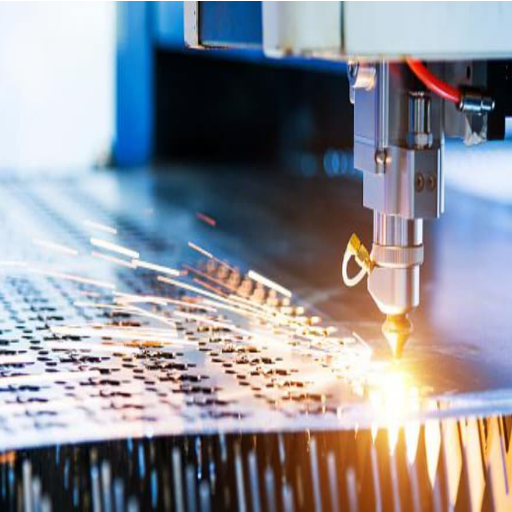
Emerging Technologies and Innovations
The metal cutting industry is undergoing rapid changes, with a focus on efficiency, accuracy, and sustainability. Key developments are centered on automation and artificial intelligence, a scenario in which machines perform most of the optimization of cutting processes with minimal or no human input. Then again, laser technology, especially with the advent of ultra-short pulse lasers, has enabled speed and accuracy in cutting techniques. Sustainable cutting has also emerged as a top trend, which promotes the use of environmentally friendly systems, such as energy-efficient machinery and reduced material waste. The momentum thus gained will take the future of metal cutting forward and equip the businesses to become more productive and environmentally conscious.
Advancements in Laser Cutting Technology
Laser cutting technology is on a roller coaster ride with all the advancements in this cutting-edge field, producing a significant change in the manufacturing and fabrication industries. Modern improvements strive to increase speed, accuracy, and versatility. Fiber lasers with high output powers dominate the cutting field, offering the best efficiency in cutting capabilities for metals, plastics, and composites.
Ultra-short-pulse lasers with operation times in the picosecond and femtosecond regimes achieve a level of precision opposite to their counterparts, minimizing heat-affected zones and ensuring a higher quality of finish. Automation ensures that intelligent control systems further enhance productivity by reducing human interaction, optimizing cutting paths, and providing real-time monitoring.
Sustainability is also another key aspect of the interchange, where manufacturers deploy energy-efficient solutions, such as diode lasers, while promoting material waste reduction. These innovations help increase operational efficiencies, which, in turn, significantly contribute to meeting the growing demand for greener production systems.
Integration of CNC in Laser Cutting Systems
The integration of CNC in laser cutter systems has endowed manufacturing processes with potent powers in terms of precision and efficiency. CNC technology automates the entire cutting process, ensuring that the highest levels of precision are maintained throughout the operation while reducing errors. Hence, one can imagine the importance of CNC for current laser cutting operations, as it can handle complex drawings and suit almost all types of materials. Another advantageous feature is that CNC systems require minimal interfacing with software, which enables real-time adjustments, thereby streamlining the process and significantly enhancing productivity. In short, I would say that the marriage of CNC with laser cutting enables laser cutting to achieve very high levels of accuracy with minimal manual intervention.
Sustainability and Eco-Friendly Practices in Metal Cutting
Sustainability in metal cutting is about protecting the environment and maximizing efficiency and quality. It lies in green measures by using energy-efficient machines; a fiber laser consumes less power than its CO2 counterpart. Recycling scrap metals can be an essential means of reducing waste, as leftover materials can be reused instead of being discarded. With cutting fluids, one could likely further their sustainability goals by choosing water-based ones over petroleum-based ones. Another approach is automation and CNC, which enhances precision and thereby reduces material and energy wastage. Combining these green practices strikes a balance between productivity and environmental responsibility in metal cutting methods.
Reference Sources
3. Cutting Techniques for Facilities Dismantling in Decommissioning Projects
Frequently Asked Questions (FAQs)
What is a laser metal cutting machine?
A laser metal cutting machine utilizes intense laser beams to cut various metal substances, including steel, stainless steel, aluminum, and mild steel. Like metal processing industries, these machines were designed to deliver exact cuts quickly and can be used by small businesses as well.
How does a laser cutter cut metals?
A laser cutter for metal is used to vaporize the metal through an intense laser beam, resulting in state-of-the-art, clean, and precise cuts. The laser source emits a high-intensity laser beam; upon reaching the surface of the metal, it begins to melt or vaporize the base material, cutting the metal into the desired shape.
What are the advantages of using fiber laser cutters?
Fiber laser cutters offer faster cutting speeds and superior cut quality compared to conventional cutting methods. These powerful and extraordinarily precise lasers are effective in cutting high thicknesses of mild steel and many other materials with excellent accuracy.
What are the cutting parameters?
The main laser cutting parameters that affect the cutting process are laser power, cutting speed, and focus. These parameters can be fine-tuned to significantly impact the cutting effect and quality, allowing different lasers to be optimized for specific substances and thicknesses.
Is a sheet metal laser cutter suitable for my needs?
If you need to cut sheet metal or other metals, a sheet metal laser cutter is a good investment for a starting professional. These machines are considered versatile because they can handle a wide range of metal thicknesses and create intricate designs with great precision.
What to Consider When Purchasing a Laser Cutter?
When purchasing a laser cutter, consider the machine’s size, the range of laser cutting it can perform, and the materials it can cut. Furthermore, analyze its power and cutting speed, and determine whether they meet your current production needs.
Can galvanized steel be cut using the laser metal cutting machine?
A laser metal cutting machine can cut galvanized steel with great precision. Since the high-energy laser beam can penetrate the protective coating, it should ensure a neat cut without compromising the integrity of the metal being processed.
How does the size of a machine affect its capabilities?
An equipment’s size may affect its capabilities by limiting the maximum size of materials to be installed. Larger machines can offer a broader range of laser cutting options, allowing you to work on large sheets or metal pipes. In contrast, smaller ones may be more suitable for working on smaller components with greater detail.
What metals does laser cutting do very well with?
Lasers excel at cutting metals, including stainless steel, aluminum, brass, and mild steel. Thanks to its high versatility, this technology can be applied across all industrial domains and metal processing industries.