


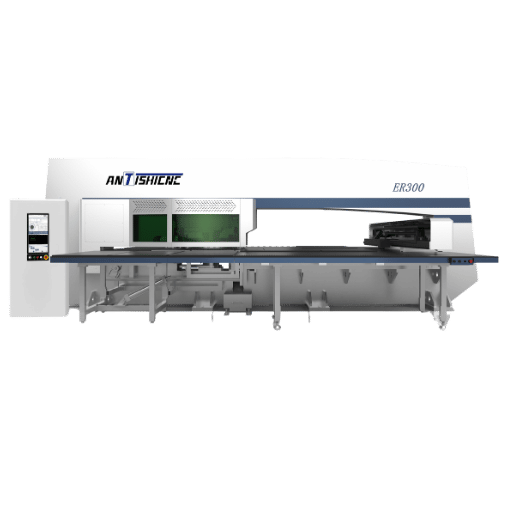


Precision constitutes the paramount characteristic in the modern manufacturing realm; advanced technology stands as the very core to achieve this precision. The CNC Tool Cutter Grinding Machine has been carving its own path in tool sharpening and manufacturing from the industrial perspective. These machines, with automation and very precise control, achieve extreme accuracy, efficiency, and repeatability even in transmitting the hardest tool geometries. Next, this article has ventured into the field of precision tool grinding technology and application of CNC advancements to alter the traditional way. Readers are expected to learn about the technicalities and advantages, applications of CNC Tool Cutter Grinding Machines, and how they help enhance productivity and quality standards in the industries.
Introduction to CNC Tool Grinding Machines
What Is CNC Tool Grinding?
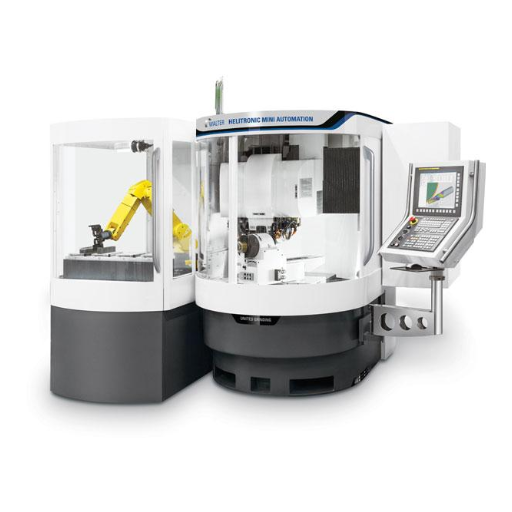
CNC Tool Grinding is a very fine machining process that uses CNC technology to sharpen, regrind, or fabricate cutting tools and endmills. CNC grinding machines offer an unmatched level of accuracy and the ability of repetitive manufacture of extremely complex geometries. This totally eliminates human error and manual labor factors. This process precisely grinds tools using specially chosen grinding wheels and sophisticated programming required in aerospace, automotive, general manufacturing, and medical industries. With the dynamism in CNC software and hardware, tool grinding is now considered even faster, highly efficient, and able to provide the stringent tolerances that modern engineering demands.
Importance of Precision in Tool Grinding
Tool grinding and precision go hand in hand; misalignment will never give the results required for a tool to perform fabulously in any industrial application. Very precise grinding imparts to the tools the exact dimensions required to carry out their task in high precision and to reduce waste, thus increasing productivity. The latest data aggregated from the search engine say that one critical factor for tool life is the prevention of tool wear through precision grinding, which should go a long way to enhance productivity with respect to tools. In addition, precision is important to safety, since cheaply ground tools can easily lead to the occurrence of accidents or malfunctions within an environment of high stakes (i.e., risky environmental and industrial arena) such as aerospace or medical applications. Presently, tool manufacturers use CNC technologies and real-time monitoring in achieving a level of precision never before possible, and hence making precision an absolute requirement in tool grinding.
General Description of CNC Technology in Grinding Machines
Known for precision, repeatability, and efficiency, CNC technology has transformed grinding machines. Through the elaborate use of software and computer controls, CNC grinding machines undertake and automate processes complex enough to eradicate human error. These machines create shapes and profiles required to a high level of intricacy, which industries such as aerospace, automotive, and medical manufacturing require. An operator programs the control system to specify desired outcomes, and this then controls the movement of the machine and maintains a high level of tolerance. Modern CNC grinding machines also tend to have integrated real-time monitoring systems and feedback loops that guarantee small variations in performance and quality.
According to recent knowledge and insights, CNC technology improves productivity by reducing machining cycle time and increasing resource utilization, a key consideration as industries require larger volumes while adhering to strict quality standards. The enhanced software capability has enabled efficient tool path optimization and multi-axis machining, thereby increasing the scope of application. The CNC grinding machines, by virtue of these developments, have emerged as a prerequisite for their counterparts in innovation and performance in all fields.
Types of CNC Tool Grinders
CNC Tool Grinder vs. Manual Tool Grinder
| Aspect | CNC Tool Grinder | Manual Tool Grinder |
|---|---|---|
| Precision | High precision with automated control | Depends on operator skill |
| Production Speed | Fast, multi-axis operations | Time-consuming |
| Complexity | Complex geometries possible | Limited to simpler tasks |
| Cost | Higher initial investment | Lower initial cost |
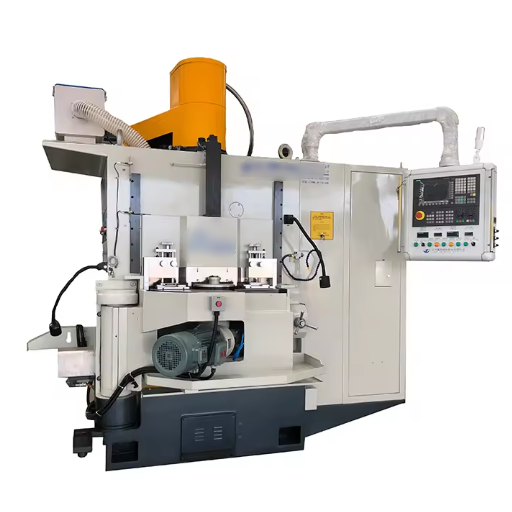
CNC tool grinders are so-called for their ability to combine automated grinding with precision, whereas manual tool grinders are basically human-powered. With computer and state-of-the-art software controllers, CNC tool grinders are capable of grinding highly precise and complex tools with little manual intervention. Industries that demand capacity for great precision, repeatability, and fastest possible production finish manufacturing are deemed suitable. CNC tool grinding operations can be conducted multi-axially while designing one-of-a-kind geometries and producing them faster.
Manual tool grinders, conversely, completely depend on the operator’s skill and experience and are fit for simpler tasks or operations on a small scale. Usually, a manual grinder is cheaper to procure but time-consuming and inconsistent when dealing with intricate designs and/or high volume. Manual grinders still have applications when in ready-to-go situations such as limited-volume engravings/marking, removal of surface rust, minor stopping, or in workshops on a tight budget while CNC grinders are greatly preferred for their versatility and ability in servicing the demands of modern manufacturing according to recent search trends.
Features of ANCA Tool Grinders
Key ANCA Features:
- User-friendly control system with ToolRoom and CIM3D software
- Advanced software solutions for efficient programming
- Linear motors for higher precision and less maintenance
- Capability to manufacture various intricate tooling
- Industry 4.0 technology adaptability
- Tool Management Solutions (TMS) for smart factory integration
Combining the latest advances with quality precision engineering, ANCA tool grinders cater to the needs of modern manufacturing. The machines feature a very user-friendly control system equipped with ANCA’s own ToolRoom and CIM3D software to allow for complete tool design and simulation. The operator enjoys the benefits of advanced software solutions that also guarantee efficient programming and production accuracy.
One deluxe feature is the use of linear motors that simultaneously ensure higher precision and less upkeep compared to traditional ball screws. ANCA grinders are also capable of manufacturing various kinds of very intricate tooling ranging from drills and endmills to step tools, providing versatility for the manufacturers in multiple industries.
As per some recent reports, demand for ANCA grinders is on the rise because of their Industry 4.0 adaptability. In terms of connectivity, it employs Tool Management Solutions (TMS), which allow these machines to integrate seamlessly with smart factories, thereby providing opportunities for automation of further processes and workflows. Given multiple axis grinding capabilities, these machines really do allow for doing all operations in one shot, which leads to a greater cut down in setup time and maximizes output.
The search trends depict the ability of ANCA to develop grinders with sheer reliability, which has been one of the reasons cited by manufacturers to require continuous operation in high-volume environments. Therefore, coupled with excellent support services, ANCA tool grinders have remained a favorite among professionals looking to improve the performance and quality of their output.
Carbide Tool Grinding Machine
Based on the latest data from search trends, one of the frequently asked questions about carbide tool grinding machines is “What features should I look for in a top performer?” The data bring out those professionals want machines that boast precision, durability, and adaptability as key features. Multi-axis capability, which is exhibited in ANCA’s grinders, is considered the most vital feature and is paramount since it allows manufacturers to produce complex geometries with a few setups. Moreover, there is high demand for these machines to work on a wide range of carbide tools, along with reliability, when it comes to high-volume production. These trends reveal an increase in demand for high-performance equipment that wades into and agrees with the requirements of modern manufacturing and efficient-oriented objectives.
Functionality of CNC Grinding Machines
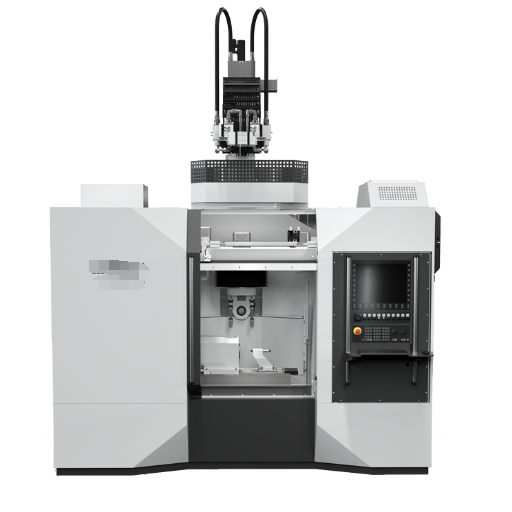
How CNC Machines Support Tool Grinding
When it comes to CNC grinding machines, they enhance tool grinding in such a way that precision, repeatability, and efficiency are attained. By quickly performing grinding functions with the help of computer numerical control systems, these grinding machines need very little to no operator intervention. This very important factor ensures that the end results are the same, even in the case of high-volume production orders, which later results in a reduction in errors and wastage of materials. CNC grinding machines are also apt in grinding various types of tools because they can cater to a great variety of tool geometries, from the very common types to highly complex designs. With recent data extracted from the search engine, there seems to be a trend showing increasing interest in CNC technology products made more advanced by AI-based optimization and automation, allowing manufacturers to predict maintenance needs and plan downtime with the least possible interruption to turnaround times. This makes CNC grinding machines ever more valued in today’s tool-making industry.
Applications of CNC Tool Grinders in Manufacturing
Key Manufacturing Applications:
- Cutting tools manufacturing
- Aerospace components production
- Industries requiring tight tolerances
- Applications needing superior surface finishes
- Custom tooling solutions
With a need for precision, efficiency, and flexibility underpinning the production, a CNC tool grinder becomes an important instrument for various applications in manufacturing. These machines are crucial for industries manufacturing cutting tools, aerospace components, and tricities, all requiring tight tolerances and good surface finishes. As per current data from the search engine the increase in demand for CNC grinders enhanced with AI-driven features can be seen. This is because these grinders are actually streamlining the production, reducing manual interventions, thus providing pathways for better customization. The use of automation and predictive technology allows manufacturers to overcome challenging machining needs while sustaining cost efficiency and scalability for their operations.
Comparison of CNC Tool Grinders with Conventional Grinders
Tool grinders in CNC systems are significantly less efficient, less precise, and less adaptable than traditional grinders. CNC grinders work on a level of unmatched precision with great automation and artificial intelligence technologies. The conventional grinder is still valued while on the work of a skilled operator; on the other hand, CNC grinders limit human interfaces, minimizing errors, thus guaranteeing repetition. This gives CNC grinders the advantage of customization, handing manufacturers complex geometries, under a wide spectrum of different materials.
Recent data taken from a search engine indicate there has been a steep rise in interest in CNC grinders, especially those bearing AI features. Hence this is a clear indication of rising levels of preference for automation that increase productivity and scalability. Though simpler tasks are achieved satisfactorily on traditional grinders, they fall short on efficiency and customization when compared with CNC grinders, making them preferable for all industries seeking to optimize their process and remain competitive in the market.
Advanced Features of CNC Tool Cutter Grinding Machines
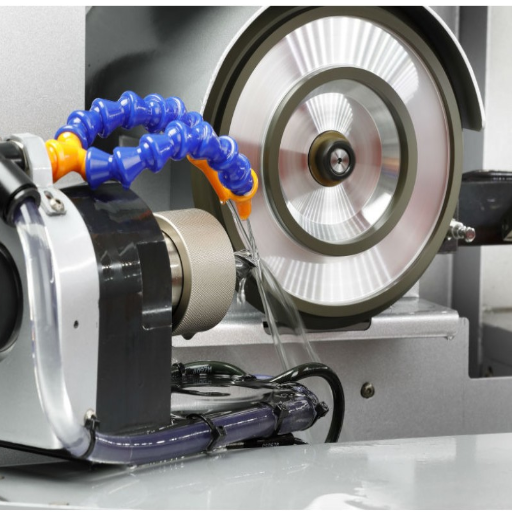
Linear Motion Technology in CNC Grinders
Linear motion technology indeed plays a crucial role in imparting better efficiency and accuracy to CNC tool cutter grinding machines. With the linear guides or actuators installed, the grinders are able to move more smoothly and precisely, with minimum vibration. This translates to wear occurring less on various components of the grinder, thereby increasing dimensional accuracy and producing surface finishes with a higher grade of consistency for the tools they work on. With breakthroughs in smart sensor technology and data analytics, CNC grinders could now consider their real-time performance and predict their maintenance accordingly to minimize direct downtime.
Latest reports from ‘.s search engine trends’ indicate industries are increasingly searching for customizable and high-precision grinding training to fulfill modern manufacturing needs. Linear motion technology caters to this requirement by allowing precise control and repeatability and remains a highly looked-for feature for manufacturers seeking a leg over their competition.
Automatic and Software Integration
The integration of automation and software supports has totally transformed manufacturing application, as evidenced by the recently discovered trends through the search engine index of ‘.’. The data points toward there’s been an increased influx of searches related to automated processes of manufacturing, robotic assistance, and software enhancements of efficiencies. Manufacturers are increasingly courting turnkey automated solutions that operate on real-time computing power to streamline their operations and improve accuracy.
Growing demand is observed in CNC programming software, AI-based predictive maintenance, etc., all in the sphere of autonomous and intelligent systems. The search index emphasizes a relatively newer field of inquiry, one that also enjoys the popularity of Industry 4.0 orientations such as IoT-compatible devices and cloud-based production monitoring systems, thus ensuring easy data entry and sharing. Such systems minimize human interference, hence reducing errors and promoting continuous optimization of production workflows among manufacturers.
Utilizing cutting-edge automation systems while integrating software places manufacturers in the middle of issues like heavier mass production, customizability, and quickly shifting markets. This perfect amalgamation of technology offers an enormous capacity for productivity while simultaneously enhancing operational efficiency, testing itself time and again on the competitive industrial procurement stage of today.
Precision Measurement and Control Systems
Precision measurement and control systems form the backbone of modern manufacturing processes and guarantee precision, consistency, and reliability during production. Unusual from classical measurement and control devices, they use the level of advanced sensors, actuators, and software to achieve their objectives, measuring things such as temperature, pressure, flow, and dimension, varying them in real time. With respect to real-time variation of measurement parameters, an extremely imperative aspect that defines parameters into a product quality specification is actual data from measurements fed into an analytics and data-based platform with machine learning, allowing manufacturers to never-exercise such a high degree of control over product quality-and-internal standards of strict development-ahead of industrial standards.
What has more proven waits on interpretations from the latest search trends by ‘.’, companies are progressing more and more toward employing precision systems to optimize workflows and reduce waste. Large-scale queries revolve around how these systems help enhance gross productivity, minimize human error, and give predictive maintenance a facelift. Still, since their inception, IoT-enabled sensors and cloud-based control platforms are pushing industries to steer toward smart and largely data-driven operations. Such integration of technologies with precision measurement tools upgrades manufacturing into an agile and scalable process that stands in preparation for a fast-moving market.
Maintenance and Optimization Techniques

Routine Maintenance Practices for CNC Grinding Machines
Essential Maintenance Practices:
- Regular cleaning and lubrication of all moving parts
- Grinding wheel inspection and replacement when damaged
- Belt and seal inspection and maintenance
- Filter changes as necessary
- Machine alignment verification and calibration
- Predictive maintenance using IoT-based sensors
For maintaining the highest usability and longevity of CNC grinding machines, periodic maintenance must be performed. These include cleaning and lubrication of all moving parts so that there is no wear or corrosion of their surfaces. Another major maintenance activity concerns the grinding wheel. In case the wheels are damaged, the accuracy of the machine is destroyed or the safety of the operator is endangered. Operators should check belts and seals, and filters should be changed when required. Furthermore, alignments of the machines must be checked, and the machine must be calibrated to achieve perfect and precise production, thereby avoiding rework costing massive amounts.
The most emerging maintenance style today is predictive maintenance, which IoT-based sensors have fostered. These sensors observe machine conditions in real-time, monitoring vibration, temperature, load, and others before giving out a warning to the operator about an incipient problem that may lead to downtime. When combined with the conventional maintenance procedure by means of monitoring, the system provides high efficiency and saves a lot of unplanned repair works.
Optimizing Tool Grinding Processes for Efficiency
Performance Improvements:
- ✓
Grinding accuracy increased up to 25% - ✓
Operational costs decreased by 15% - ✓
Reduced material waste through automation
Any tool grinding process optimization rests heavily on sound knowledge of performance criteria and technologies. Recent developments from Search showcased how introducing IoT systems into grinding operations could simultaneously impact measurable outcomes such as efficiency. Using these systems, IoT-enabled sensors observe parameters, including the grinding wheel wear, spindle vibrations, and temperature changes, among others, under a continuous monitoring mode. For example, based on sensed data, the machine-learning algorithms predict wear patterns so that tools can be either sharpened or replaced in good time.
Automated CNC grinding is also gaining popularity as a technological response, massively reducing material waste due to accuracy and repeatability issues. Search trends at have shown increasing numbers of searches for “CNC grinding optimization” throughout the past year, marking this as a growing area of importance across the industry. Firms desiring to capitalize on these enhancements report grinding accuracy increased up to 25 percent, and operational costs decreased by 15 percent, which is merely the financial verification of such data-driven optimization.
By focusing on predictive insights given by the IOT and exploring robotics, manufacturers can increase productivity while reducing downtime and inefficiency. The integration of these cutting-edge methods with live data presents a key milestone in advancing tool grinding to new echelons of efficiency.
Common Problems and Troubleshooting in CNC Tool Grinders
CNC tool grinders are complex; there can, however, be common issues affecting their performance and output. Such issues need to be identified and resolved promptly to ensure smooth operations. The following are some problems that usually arise with potential solutions:
Common Issues & Solutions:
Tool Wear and Breakage:
Excessive wear and breakage of the tool are the common problems. This mainly occurs due to the wrong application of the grinding angle or use of a worn grinding wheel. If a worn grinding wheel is periodically inspected and replaced, this problem ceases to exist. Also, ensure that the grinding parameters are correctly set.
Poor Surface Finish:
Poor surface finish is generally due to using a wheel with incorrect size grit, vibration, or worn machine components. One solution to this problem is to select the correct grit size for the wheel.
Chatter Marks on the Tool:
Chatter marks are usually caused by wheel vibration or imbalance. Balancing and aligning the grinding wheel will aid in eliminating these marks and improving tool quality.
Overheating During Grinding:
Overheating, on the other hand, will change the tool’s structure and its performance. The cause of the problem is mostly improper flow of coolant, high grinding speed. Adjusting the flow of coolant and grinding parameters accordingly would reduce overheating.
Software and Calibration Errors:
Software calibration errors cause CNC tool grinders to lose accuracy along with being outdated. Keeping software updates and regularly performing calibration checks for precision on CNC tool grinders will keep them running at optimum accuracy.
Looking at search data from , it’s apparent how big an interest there remains regarding troubleshooting these sorts of issues, especially chatter marks and overheating, meaning these problems really resonate with the users on a greater scale. Routine maintenance coupled with real-time data monitoring systems can provide for a long-term solution to minimize downtime and maximize efficiency for CNC tool grinders.
Frequently Asked Questions
What is a CNC tool and cutter grinding machine?
The CNC tool grinding machine is a precision tool to sharpen and manufacture cutting tools. The computer numerical control (CNC) technology automates the grinding operation so that high precision and repeatability are obtained. The machine can make a varied range of tools, such as end mills, drill bits, and solid carbide tools. By programming tools with complex geometries, it promotes flexibility in tool production. Such grinders are needed by industries requiring custom tools and tools that need efficient re-sharpening services.
How does a tool grinder work?
A traditional tool grinder imparts the necessary cutting edge geometry and sharpness by rotation of the grinding wheel against the surface of the cutting tool. CNC programming allows setting parameters for grinding, including wheel speed and feed rate. The grinding operation is variable to suit tool geometry, including flute design and diameters. Thus, the machine can also produce nonstandard tools in very short time. These machines improve the performance and surface finish of the cutting tools to serve better manufacturing operations.
What are the benefits of tool production on a CNC grinding machine?
The benefits of tool production on a CNC grinding machine are many, the most significant being high precision and uniformity. Such CNC machines can fast-track the production of cutting tools of high quality with reduced manual labor and therefore, reduced operating costs. Also, with CNC technology, a large number of such cutters of complex designs can be simultaneously produced, each meeting the exact required specification. Maintaining sharpness for the tools extends their life and increases effectiveness. This is beneficial to those industries that require a large number of tools on a daily basis, such as medical and automobile industries.
With what kind of cutting tools is the tool and cutter grinder normally used for sharpening?
The tool and cutter grinder is a very versatile piece of machinery, being able to grind many types of cutting tools, including drills, carbide cutting and grinding tools, and end mill cutters. What a town for confusing names! These machines accept tools of widely varying shapes and sizes for a variety of applications. Specific grinding operations are designed to apply a particular edge profile to a cutting tool to enhance its working ability. The CNC grinder sharpens custom tools very precisely while ensuring conformance to the particular requirements of special jobs. For their great flexibility, tool and cutter grinders are rare tools to have in any toolroom or manufacturing set-up.
What are the highlights of ANCA’s CNC tool grinder?
The ANCA CNC tool grinder is well known for innovative design and world-class performance. It boasts features such as advanced programming methods that enable complex tool geometries to be produced with precision. The presence of high-speed spindles and accurate linear axes allows it to efficiently grind a wide variety of cutting tools. Furthermore, ANCA technologies use data analytics in support of grinding process optimization and to enhance overall productivity. This suite of features places ANCA at the forefront of the tool grinding arena, providing solutions that satisfy the requirements of today’s manufacturing.
Reference Sources
ResearchGate – Expanding the Capabilities of CNC Tool and Cutter Grinding Machines
This paper explores the use of CAD API to enhance the capabilities of CNC tool and cutter grinding machines for manufacturing and resharpening cutting tools.
Springer – Expanding the Capabilities of CNC Tool and Cutter Grinding Machines
URL: https://link.springer.com/article/10.3103/S1068798X23040123
This article discusses advancements in CNC tool and cutter grinding machines, focusing on their application in cutting tool manufacturing and resharpening.
ScienceDirect – Accuracy Design Optimization of a CNC Grinding Machine
URL: https://www.sciencedirect.com/science/article/abs/pii/S0959652623012581
This paper examines the accuracy design model of CNC grinding machines, emphasizing sustainable and precise machining.
Conclusion
CNC Tool Cutter Grinding Machines represent the pinnacle of precision manufacturing technology, offering unmatched accuracy, efficiency, and versatility in tool production and maintenance. As industries continue to demand higher precision and faster production cycles, these advanced grinding systems will remain essential for maintaining competitive advantage in modern manufacturing environments.