


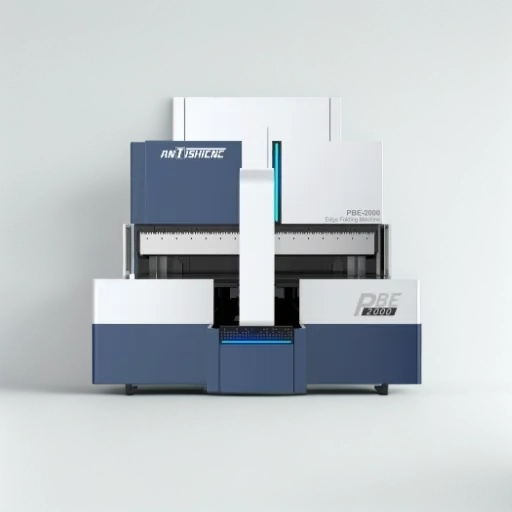
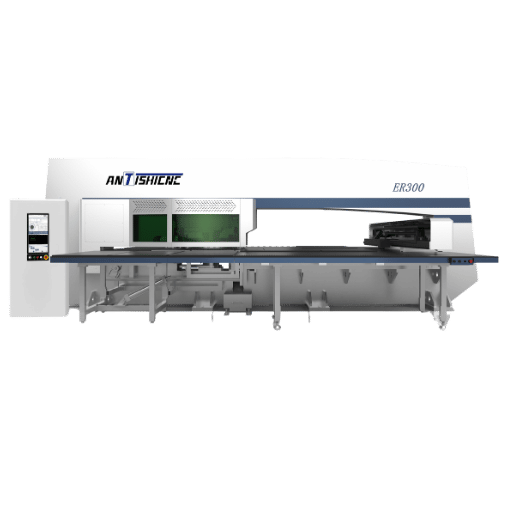
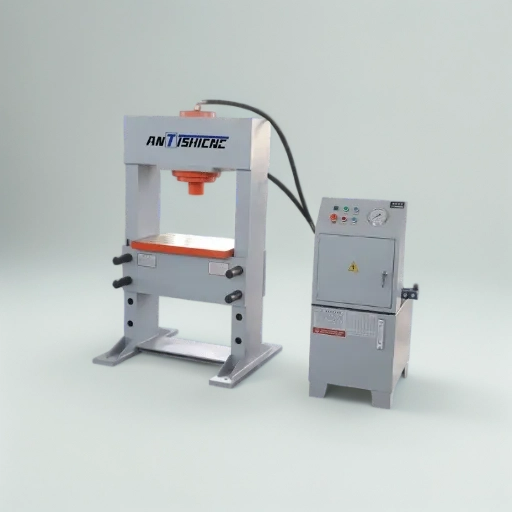


Overview of Slotting Machines

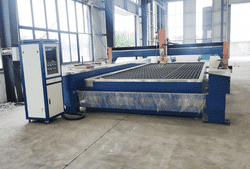
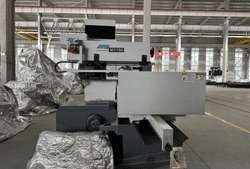
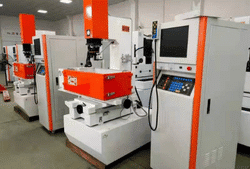
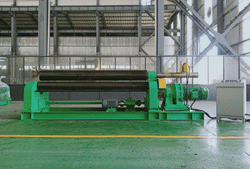
Slotting machines are purpose-specific machines used in precision engineering, where a vertical or inclined slot, groove, or keyway is created in metal or another hard material. The principal use of slotting machines is to work on surfaces with extreme precision. Therefore, they are used in heavy industries like automotive, aerospace, and heavy machinery. These machines work by moving the cutting tool up and down over the workpiece to remove material with consistency and precision. In the manufacturing stage, slotting machines are known for their dependability and high efficiency.
What are Slotting Machines?
Slotting machines are specialized machines commonly found in manufacturing and engineering industries. They are designed for all slotting, grooving, and keyway work on various materials, including metal, wood, and other hard materials. The machines operate on a pattern of reciprocating linear motion, guiding the cutting tool to cut vertically in line with the workpiece. This ensures that the material is developed in exact and conjugate finishes.
Advanced Technology Integration: With the evolution of modern technology, the efficiency and versatility of these machines have been improved significantly. For instance, CNC slotting machines are now used mainly for more precision, automation, minimizing human error, and increasing production speed. Specific, very high-end machines will carry out their operations with tolerances as low as 0.002 mm. Hence, such machines find application in areas that demand extremely high precision, such as aerospace and medical equipment manufacturing.
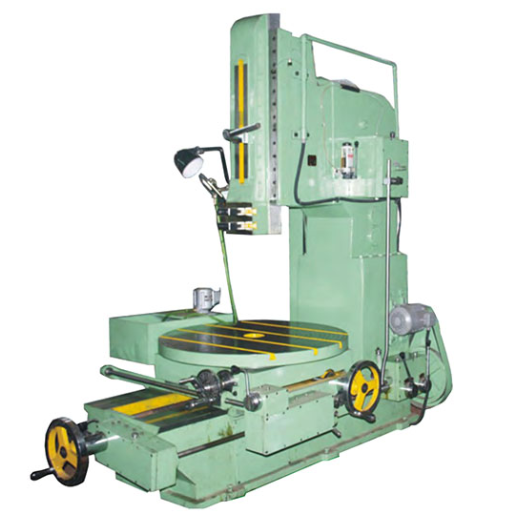
A slotting machine consists of a stout construction comprising the base, column, reciprocating ram, and a tool head. The workpiece is firmly clamped onto a table that can rotate, providing greater flexibility. Based on the machine, the stroke length varies from 10 mm to 450 mm, and the cutting speed can reach up to 25 meters per minute, accommodating a broader set of project requirements.
In conjunction with milling and turning, the slotting machine facilitates the creation of internal shapes that are not precisely achievable through the two standard methods. They also find much work in creating internal splines or gear teeth for automotive and agricultural equipment. The versatility with which they can be manufactured, combined with modern designs and automation, makes them useful in both mass production environments and one-off jobs.
Types of Slotting Machines
| Machine Type | Key Features | Primary Applications |
|---|---|---|
| Puncher Slotting Machines | Vertical cutting motion for internal slots and grooves | Industrial components, finishing work on metals and polycrystalline materials |
| Hydraulic Slotting Machines | Hydrostatic power for smooth cuts, consistent performance | Heavy-duty operations, faster cutting during tricky assignments |
| Precision Slotting Machines | High-accuracy work with stringent specifications | Aerospace, medical devices, tight tolerance applications |
Each is suited for its purpose, depending on the intricacy of the job, the material used, and the desired finish, demonstrating that the slotting machine in modern manufacturing is highly diverse and versatile.
Applications of Slotting Machines in Industry
Slotting machines have wide applications across various industries, primarily because they enable precision machining for both internal and external profiles. They find extensive application in the automotive industry to make keyways and splines that are fundamental to transmission systems. Machining of metal parts with slotting machines guarantees high precision, thereby ensuring the reliability and performance of an automobile.
Essential for creating keyways and splines in transmission systems, ensuring high precision and reliability in automobile components.
Machining components with very tight tolerances, such as turbine blades and engine components that meet stringent aerospace standards.
Manufacturing high-accuracy components for wind turbines, generators, and pumps with 35% increased productivity using CNC technology.
Producing small, intricate parts including surgical tools and implants with fine details and delicate finishes.
Slotting machines are essentially used for machining components with very tight tolerances, such as turbine blades and engine components in the aerospace industry. This method indeed provides a level of accuracy that meets stringent aerospace standards. According to the latest industry studies, the use of newer slotting technologies has reduced material waste by up to 20%, thereby enhancing output.
The energy sector is one of the greatest beneficiaries of slotting technology, especially in manufacturing high-accuracy components for wind turbines, generators, and pumps. According to industry case studies, the use of CNC slotting machines increases productivity by 35% as compared to conventional processes.
Furthermore, the medical equipment manufacturing industry utilizes slotting machines for producing small, intricate parts, including surgical tools and implants. These machines enable the creation of fine details and delicate finishes, which are crucial in medical-grade devices.
Due to the continuous evolution of slotting machine technology, with the integration of automation and AI, their applications have expanded considerably, making them key to modern manufacturing. Such enhancements not only improve accuracy but also reduce production time, thereby highlighting the importance of slotting machines in industrial engineering development.
Heavy Duty Slotting Machines

Heavy-duty slotting machines are designed for efficiently handling large-scale and high-strength materials. They find employment in fine industries, where they conduct machining of hard materials used in the automotive, construction, and aerospace sectors. These heavy-duty slotting machines provide high fidelity and elemental support, accommodating accurate operations on workpieces that are heavy or oversize in nature. Due to technological advancements, most heavy-duty slotting machines have now achieved higher levels of automation and user-friendly control, thereby increasing efficiency and reducing operator fatigue.
Features of Heavy Duty Slotting Machines
Heavy-duty slotting machines are equipped with powerful motors and sturdy structural designs to create intense force and achieve accurate cuts on hard materials, such as steel, cast iron, and alloys. The servo motor technology attached to them will provide for smooth and precise movement, thus serving industries where consistency and dependability become paramount.
The curious CNCs (Computer Numerical Control) embedded in the technical interfaces of modern heavy-duty slotting machines are programmable and offer more sophisticated automation levels. These features minimize manual tasks and maximize productivity. For instance, automated tool changes and preset programs dramatically reduce setup time and increase operational efficiency.
With a much larger working capacity, some models can handle workpieces weighing several tons. The hefty, giant-sized tables swivel around and support huge components, thus making them fit for the aerospace and heavy industrial manufacturing industries.
Heavy-duty slotting machines are manufactured from high-grade materials that enable them to withstand higher operating pressures in extreme working conditions. Heat-resistant spindles and wear-resistant coating on gears and guides make these machines last longer during their service, requiring minimal upkeep.
Most machines come with touch-based panel controls that feature intuitive interfaces, presenting operators with real-time information on parameters such as speed, depth, and load. Customizable software settings for machine adjustments to different application considerations improve operator comfort and effectiveness.
The emphasis on sustainability has made it obligatory for newer models to include energy-conscious technologies, such as variable frequency drives and systems optimized for maximum power usage. Larger savings in operational costs and a reduced environmental impact of manufacturing processes are the trade-offs of these features.
Heavy-duty machinery safety requirements mark an emergency stop system, protective enclosures to guard the moving descriptive parts, and an overload detection mechanism. These features minimize hazards and ensure compliance with global workplace safety standards.
When packed together, the features make these heavy-duty slotting machines the indispensable toolkit of modern manufacturing, the backbone for industries to meet stringent production targets with precision and efficiency.
Advantages of Using Heavy-Duty Slotting Machines
Key Advantages in Modern Manufacturing
In the establishment of factories in the present day, heavy-duty slotting machines are heavily relied upon due to the precision and flexibility they offer. One significant advantage they have is the ability to work with various materials, including metals, plastics, and composites, with precision. This flexibility enables industries to meet diverse production demands while maintaining the quality of their products.
Performance Statistics: According to various studies, approximately 30% less operational downtime has been reported in manufacturing after the use of heavy-duty slotting machines, resulting in a smoother workflow. CNC slotting machines improve cutting speed and accuracy by at least 20% compared to conventional machines, allowing manufacturers to obtain results more rapidly and efficiently.
Another crucial aspect that constitutes the advantage of slotting machines is the reliability and durability these machines provide to the operation. Being constructed from heavy materials with thorough engineering designs, they can withstand the rough working conditions of extended hours. For example, very high-grade slotting machines can achieve longer uptime, thus reducing interruptions and increasing productivity.
They may also save on resources. Equipped with CNC technology in this era of automation, the majority of slitting machines now surpass conventional machines, increasing cutting precision while minimizing raw material wastage. Therefore, a CNC slotting machine improves cutting speed and accuracy by at least 20% compared to conventional machines, allowing manufacturers to obtain results more rapidly and efficiently.
Additionally, the safety features present in heavy-duty slotting machines enable safe operation in demanding situations. Emergency stops, automatic alignment systems, and overload protection are some of the safety measures implemented to protect workers and equipment.
Heavy-duty slotting machines go on to perfectly meet the vision of Industry 4.0 through embedding IoT-based technology, whereby such intelligent machines collect performance data for predictive maintenance and real-time monitoring; thereby, reducing the maintenance cost while prolonging the lifespan of equipment, for which a 25% maintenance cost reduction has been reported, from studies.
By determining extremes in precision and reliability, with automation and state-of-the-art safety features, half of the production of industrial necessities relies on heavy-duty slotting machines, which assist manufacturers in meeting modern production demands.
Specifications and Dimensions
Standard Heavy-Duty Slotting Machine Specifications
The heavy-duty slotting machines are meant to be highly serviceable and durable. Standard specifications propose a slotting stroke length from 10″ to 40″, depending on the particular model. Table sizes are usually adjustable within the machine itself and range from approximately 20×20 inches to as large as 40×40 inches, allowing various-width workpieces to be accommodated. Motor power ranges from 5 Units to a maximum of 20 HP, allowing for efficient operation even under heavy loads.
Precision is ensured by the latest control systems in place, likely CNC, which allow for micrometer adjustments when needed. They feature cast-iron, heavy-duty frames that provide stability during operation with minimal vibration. Most models come with maximum cutting capacity options in varying thicknesses, with a maximum of 40 mm, and adjustable speeds to achieve versatility.
Some other key approaches include overall machine height, which ranges from approximately 6 feet for compact models to over 10 feet for large industrial setups. Additionally, many of the machines are equipped with safety and ergonomic features, such as easy-to-operate control panels and automatic shutdown mechanisms, to enhance productivity and operator comfort.
Manufacturers and Suppliers in India
There are several well-known machinery makers and suppliers situated in India. Some of the key companies are:
🏭 Bharat Heavy Electricals Limited (BHEL)
Reputed as the prime producer of industrial equipment machinery, it assures the highest quality products in almost every sector.
⚙️ L&T Heavy Engineering
Famous for the precision-engineered industrial machines for various applications.
🔧 Tata Steel Processing and Distribution
Deals in providing the arrangements of the best cutting tools and machinery for heavy industries.
🏗️ Godrej & Boyce Manufacturing Company
Famous for delivering creative solutions along with well-engineered industrial equipment.
With a reputation built on quality and service, these companies have maintained their credibility since the beginning as suppliers of machinery in India.
Top Heavy Duty Slotting Machine Manufacturers
🔨 Pathak Machine Tools
Pathak Machine Tools is a longstanding name in heavy-duty slotting machine manufacturing, offering a range of heavy-duty machinery tailored to the customer’s requirements. These were noted for their robust construction, ultimate durability, and accuracy in engineering; therefore, they are well-suited for industrial applications. The company guarantees a level of efficiency and customer satisfaction with its nationwide service and support centers.
⚡ Esskay Lathe Machine Tools
Esskay Lathe Machine Tools manufactures state-of-the-art slotting machines for heavy-duty purposes. Their machines utilize sophisticated mechanisms that enable the achievement of utmost precision and efficiency, and have thus found popularity in industries such as automotive, engineering, and manufacturing.
🎯 Yash Machine Tools
Yash protects industrial applications through heavy-duty slotting machines equipped with advanced technologies and user-friendly features. The solutions custom-made by the firm are designed to improve productivity while keeping costs down, well within the budgets of demanding industrial applications.
⚙️ Ramanna Grinders
Ramanna Grinders is a name that stands for exact slotting machines designed for long-term industrial applications. Their machines withstand heavy working operations while ensuring smooth and reliable performance, thereby benefiting several industries.
🏭 HMT Machine Tools Limited
HMT Machine Tools Limited is a renowned manufacturing brand of slotting machines, known for producing high-strength, durable machines. Earlier engineering principles and techniques are combined with advanced ones to deliver machines that conform to international standards of quality and performance.
These manufacturers represent some of the very best in the industry, focusing on reliability, state-of-the-art design, and after-sales service to address the varied needs and requirements of the users of heavy-duty slotting machines in India.
Choosing a Reliable Slotting Machine Supplier
Several factors must be considered when selecting a dependable slotting machine supplier to ensure you obtain a high-quality, efficient, and long-lasting machine. The seller’s reputation in the industry should be confirmed by reviewing customer testimonials and case studies. Look for firms known for their consistent performance and with extensive experience in the manufacture of slotting machines. For instance, major suppliers are often ISO 9001 certified, indicating that they adhere to stringent quality management standards.
Key Selection Criteria:
- Industry Reputation: Confirm through customer testimonials and case studies
- Product Variety: Range from small operations to large-scale manufacturing machines
- Modern Features: Adjustable stroke lengths, automatic lubrication, solid construction
- After-sales Support: Installation, operator training, and maintenance services
- Quality Certifications: ISO 9001 certification for quality management standards
Another critical factor is the variety of products supplied. Good suppliers will offer a range of slotting machines catering to various industrial needs, from small machines for small operations to larger ones for large-scale manufacturing. Ensure the machines also offer modern features such as adjustable stroke lengths, automatic lubrication, and solid construction for heavy-duty applications.
Another crucial factor to consider is after-sales support. Such suppliers typically provide comprehensive services to their customers, including machine installation, operator training, and maintenance as needed. A recent survey revealed that over 85% of manufacturing companies value suppliers for their after-sales service, as this minimizes downtime and maximizes operational efficiency.
The final point to consider is a reasonable price without compromising on quality. Many manufacturers have been able to maintain this balance by establishing cost-effective production methods and deriving economies of scale, which ultimately benefit their customers. By keeping these in mind, your investment in a slotting machine will yield benefits for an extended period.
Comparative Pricing of Slotting Machines
Price Range Analysis
Slotting machines, due to their wide range of options differing in brand, power, and specification, make it more challenging to determine their prices. Entry-level manual slotting machines start at a price range of approximately $2,000 to $5,000, intended for smaller workshops or enterprises with low throughput requirements. These machines have a lower capacity, which keeps the price down, and are, in any case, economical for light-duty operations.
| Machine Category | Price Range | Target Applications | Key Features |
|---|---|---|---|
| Entry-Level Manual | $2,000 – $5,000 | Small workshops, low throughput | Lower capacity, economical for light-duty operations |
| Mid-Range Semi-Automatic | $10,000 – $20,000 | Medium-scale operations | Programmable controls, superior precision, balanced price-performance |
| High-End Industrial CNC | $30,000 – $100,000+ | Industrial-scale production | CNC integration, high-speed capabilities, enhanced longevity |
The sort of slotting machines in the middle, presumably for semi-automatic operations and some medium-scale operations, would cost between $10,000 and $20,000. The halfway stage considers the balance between price and performance, with additional features such as programmable controls and superior precision.
High-end slotting machines, which are used for industrial-scale production, can cost anywhere from $30,000, depending on additional features such as CNC (Computer Numerical Control) integration, high-speed capabilities, or enhanced longevity, to a few hundred thousand dollars. These are the machines required by manufacturers with high production demands and stringent tolerances.
The prices should also consider other costs, such as maintenance and operation. A few brands require a slightly higher initial investment, but in reality, a warranty with strong support can lower costs, reduce downtime, and provide numerous accessories, including tooling and customization. This can increase the total investment, making it necessary to evaluate the machine as a whole and consider one’s production requirements.
Technical Aspects of Slotting Machines

Regarding the search setting, it slants a slotting machine to cut or shape materials, especially metals. Slotting machines, in general, have a vertical ram that moves smoothly in a reciprocating manner to cut. For regular features, the stroke lengths are adjustable to accommodate different material thicknesses or workpiece sizes. Sometimes, the worktable tilts or rotates so that the workpiece can be set at an angle or shape that is not straightforward. The power supply of the motor, speed control, and so forth should all be very much considered. These are considered for carrying out inclined machining while maintaining constant accuracy.
Precision Engineering in Slotting Machines
Modern slotting machines incorporate all the precision-engineering advancements to achieve better performance and high versatility. Modern machines are equipped with high-precision linear guideways and ball screws, allowing for smooth and highly accurate movement of the cutting head. The introduction of CNC (Computer Numerical Control) technology in these machines has led to improved automation and repeatability.
Advanced Performance Capabilities: The adoption of servo motors is one of the improvements that allows cutting speed and feed rates to be controlled with high precision, resulting in reduced tool wear and increased cutting efficiency, even for hard materials such as hardened steel. Sources reveal that CNC slotting machines can achieve a tolerance of ±0.01 mm, making them indispensable for industries such as automobile manufacturing and aerospace manufacturing.
Other evolving features include advanced cooling and lubrication systems that extend tool life and ensure stable performance during long-duration operations. Real-time monitoring of machines can now be used to observe machine performance and diagnose any potential problems, thus reducing downtime. In a way, these advancements underscore the role of precision engineering in driving slotting machines to meet the increasing demands for accuracy and efficiency in modern manufacturing.
Key Technical Specifications to Consider
In selecting slotting machines, several technical aspects come into play to ensure manufacturing needs are fulfilled:
The stroke of a slotting machine controls the maximum distances the cutting tool can travel. Most modern machines offer a stroke length of 10 to 160 mm, depending on the material thickness and application requirements.
Cutting speeds affect machining efficiency. These advanced slotting machines feature adjustable cutting speeds ranging from 20 to 80 strokes per minute, allowing operators to optimize working speed according to the material’s hardness and tolerance requirements.
An ideally large and strong table is required to handle workpieces of different sizes. Tables measure anywhere between 150 mm x 150 mm and 800 mm x 800 mm, with loading capacities exceeding 250 kg, depending on the level of heavy-duty use required.
Modern slotting machines have interchangeable tool heads that suit a whole range of tools for different groove and keyway designs. This flexibility is crucial for supporting the diversification of manufacturing outputs.
The overall power and operational efficiency of the machine are mainly dependent on the motor specification. Those available include motors ranging from 1.5 kW to 7.5 kW, which keep the machine running with great consistency during continuous operations.
With the advent of CNC technology, many slotting machines now allow programmable operations, thereby facilitating high degrees of accuracy and repeatability. Programmable stroke lengths, automated feed rates, and other features help enhance production capabilities.
Advanced machines have sensors and an IoT-enabled monitoring system that present live operational data on machine performance, maintenance scheduling, and diagnostics, thereby minimizing unforeseen downtime and promoting operational efficiency.
In combination with the most cutting-edge technology in manufacturing, these specifications represent the highest-level requirements that modern slotting machines are expected to meet in the most competitive industrial environment, emphasizing efficiency, precision, and versatility.
Understanding Stroke Length and Speed
Stroke length and stroke speed are two primary factors affecting the output and efficiency of slotting machines. Stroke length is defined as the distance the travelling machine tool covers in a cutting cycle, which affects the ability of the slotting machine to accommodate materials of various sizes and depths. A stroke length is longer if the requirement is for a somewhat bigger workpiece, and shorter when precision must be maintained on small machining.
Stroke speed, measured in strokes per minute, directly controls the pace and output of a machine. Larger speeds facilitate the rapid removal of materials, especially in softer materials; however, slower speeds are necessary to maintain accuracy and prevent overheating when working with harder materials. Current slotting machines typically offer a range of stroke lengths and speeds, providing a broader application compatibility for various materials. Setting optimally depends on material hardness, desired finish, and production volume, meaning that setting parameters must be tailored to individual tasks.
Slotting Machine Operations

While working on a slotting machine, there are some factors to take into account for efficient and accurate machines:
- Material Selection: The hardness and type of material being worked on are crucial for determining appropriate machine speeds and stroke settings. Softer types permit incredible speeds, while more complex types require slow speeds to avoid tool wear and heat generation.
- Stroke Length and Speed Adjustments: Modern slotting machines feature adjustable stroke lengths and variable speeds. These settings would need to be adjusted according to the work to be performed; short stroke lengths are more suitable for intricate work, while longer strokes work well for deep slots in larger workpieces.
- Tool Maintenance: Cutting tools require regular inspection and maintenance to ensure they remain sharp, minimize excessive wear, and maintain adequate accuracy during machining.
- Desired Finish: Parameters such as cutting speed, feed speed, and lubrication level should be adjusted to achieve the final desired finish.
- Production Volume: Production runs at large scales must consider speed and efficiency without compromising precision.
By taking these issues into account, one can operate slotting machines more effectively and consistently produce high-quality work.
How to Operate a Slotting Machine
Numerous steps are involved in efficiently running the slotting machine:
- Prepare the Machine and Workpiece: First, clamp the workpiece tightly onto the machine table and align it correctly according to the slotting specifications. Adjust the tool holder and slotting tool to suit the task at hand.
- Set the Mechanical Parameters: Adapt the stroke to length, speed, and feed according to the material being worked upon. Harder materials require slower speeds with shorter strokes, while softer materials may be tolerated with faster speeds. Further, adjust them to suit the working surface finish and production requirements.
- Start the Slotting Machine: Turn on the machine and bring it into the slotting operations. Observe the operations to ensure smooth and accurate tool movements, and make any necessary minor adjustments or corrections as required.
- Monitor and Control Quality: Inspect the finished slot now and then during its life, to ascertain that it meets the set specification. Also, check and replace worn-out slotting tools.
- Safety Measures: Always wear proper safety gear and do not hold any part of the workpiece in your hands while the machine is still running. Follow all accepted guidelines for machine operation to avoid any accidents.
The above steps, considering the hardness of the material, surface finish requirements, and production volume, will maximize efficiency while producing accurate results using the slotting machine.
Common Slotting Tasks and Techniques
Essential Slotting Operations: Some of the most common slotting jobs I do include keyways, splines, and internal grooves with the highest possible accuracy. I typically set the feed rate and stroke length to suit the workpiece’s material and size for optimal results. In addition, I regularly install proper clamps to ensure stability and accuracy during machining. Regularly sharpening the tool and ensuring it is appropriately aligned are crucial steps I take to work effectively and avoid errors.
Maintenance Tips for Optimal Performance
Essential Maintenance Practices
- Cleaning: Ensure the machine remains clean by removing debris, chips, and dust after each use, keeping buildup from interfering with performance and unwarranted tool wear.
- Lubrication: Proper lubrication of moving parts reduces friction and prevents premature wear; thus, use the lubricants recommended by the manufacturer and check lubricant levels regularly.
- Inspection and Calibration: Periodically check the machine for loose parts, worn components, or alignment. Calibrate your tools and equipment as needed to ensure they remain precise.
- Sharpen Cutting Tools: Regularly sharpen cutting tools to ensure clean cuts and reduce stress on the machine. Dull tools cause inaccuracies and add unnecessary strain.
- Monitor Electrical Systems: Inspect wiring, switches, and connections for signs of wear and tear or damage. Address any issues related to electronics promptly to prevent malfunctions.
- Replace Worn-Out Parts: Keep an eye out for parts that are prone to wear and tear, such as belts, bearings, and seals. Fixing them before they break will save you downtime for the machine.
- User Training: Proper training must be provided for users to ensure they handle the machine correctly. Correct usage will prevent excessive wear and can prolong the machine’s life.
All these tips will ensure maximum performance with minimized errors, further increasing the machine’s lifespan.
Conclusion
Heavy-duty slotting machines represent the pinnacle of precision engineering and manufacturing excellence, particularly in India’s rapidly growing industrial sector. These powerful machines combine advanced technology, robust construction, and innovative features to meet the demanding requirements of modern manufacturing. From automotive and aerospace applications to energy sector components and medical devices, heavy-duty slotting machines continue to drive innovation and efficiency across multiple industries.
The comprehensive guide highlights the importance of selecting the right machine based on technical specifications, understanding operational procedures, and maintaining equipment for optimal performance. With India’s leading manufacturers providing world-class solutions at competitive prices, businesses can confidently invest in heavy-duty slotting machines that deliver exceptional precision, reliability, and long-term value.
As manufacturing technologies continue to evolve with AI integration, IoT connectivity, and sustainable practices, heavy-duty slotting machines will remain essential tools for achieving precision engineering goals and maintaining competitive advantages in the global marketplace.
This comprehensive guide provides essential insights into heavy-duty slotting machines, their applications, and the thriving Indian manufacturing ecosystem. Stay informed about the latest technological developments to maximize your manufacturing potential and operational efficiency.
Reference Sources
“Characteristics, Industrial Application, and Prospects of Continuous Extrusion Technology”
“The Effect of Rectangular Grooves on the Lubrication Mechanism in an Inclined Slider Bearing”
Frequently Asked Questions (FAQs)
For what industrial application are heavy-duty slotting machines used?
Heavy-duty slotting machines are primarily used to cut grooves, keyways, and splines into various materials. These machines are crucial in precision engineering, enabling manufacturers to maintain uniform dimensions and achieve high production rates. They are versatile and can be assigned to any job, particularly in industries that require the use of heavy machinery.
How does a vertical slotting machine vary from a rotary slotting machine?
A vertical slotting machine operates with a vertical stroke, making it suitable for cutting operations that require precise vertical alignment. On the other hand, the rotary slotting machine utilizes a rotating tool for high-speed operations and is more appropriate for fine detail work. Each machine is specifically suited for a particular type of work, and one must give due consideration to the kind of slotting to be done.
What considerations should I make while choosing slotting machines from manufacturers in Ahmedabad?
Technical considerations, durability, and efficiency are critical when choosing slotting machines from manufacturers in Ahmedabad. Check suppliers who issue gimbaled mechanisms for slotting machines with a variegated design, heavy construction, and the capability for fine precision. It is wise to verify whether the machine has an adequate stroke length and a table diameter that suit your production needs.
Are there any advantages to a high-speed slotter machine?
Yes, there are several advantages to high-speed slotter machines, including increased productivity and efficiency rates. These machines are designed to execute slotting jobs at an accelerated pace without compromising accuracy. Hence, for industries that demand faster outputs with high standards of production, these slotter machines are the best fit.
What is the cost of heavy-duty slotting machines in India?
The pricing of heavy-duty slotting machines in India varies significantly depending on specifications, features, and the manufacturer. Typically, you will find a wide range of choices, from relatively inexpensive models to more expensive ones designed for single, highly specialized industrial applications. A comparative analysis of manufacturers and their products would help you consider better options that will suit your price range.
How do slotting machines provide precision cutting?
Slotting machines provide precision cutting due to their sturdy design and the incorporation of engineering features. They come equipped with top-notch, adjustable tools, allowing operators to fine-tune the cutting process themselves. This ensures that every groove and slot is cut with maximum precision, adhering to rigorous industrial standards.
What are the primary technical specifications to check in a slot machine?
When considering a slotter, the most important technical specifications to target are power, stroke length, and table diameter. A typical slotter is expected to handle metals and plastics within its capabilities, allowing for slots to be made at a certain speed. Also, look for the slotter machine that is likely to perform both vertical and horizontal slotting.
Are slotting machines used for both metals and plastics?
Yes, slotting machines are designed for cutting metal and plastic materials, based on the cutting tool and machine settings. Manufacturers design most slotting machines to be used with various materials, allowing them to operate with versatility. One must consider something that aligns well with the material requirements of their projects.