


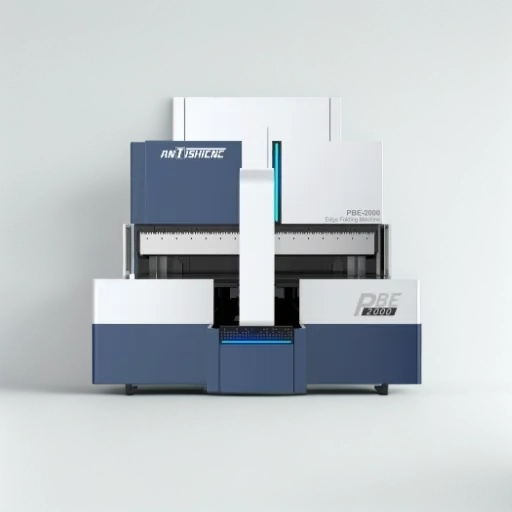
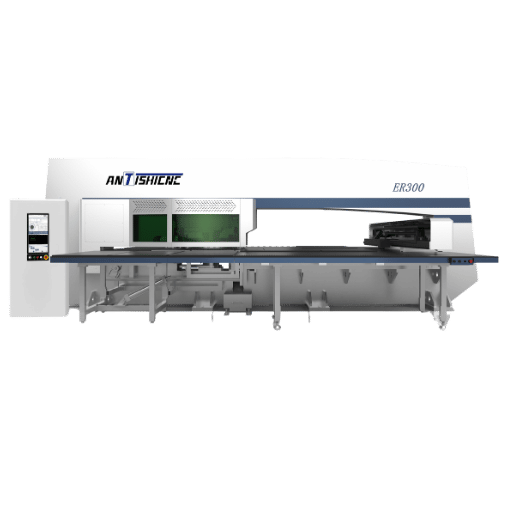
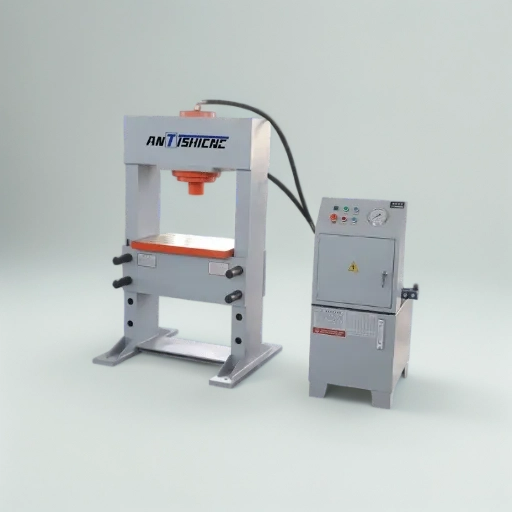


The metal forming is the essential process in the modern set of manufacturing processes, imparting shape to industries as they go about making automotive components or conversely fine aerospace components. Metal forming, at its basis, is about conversion of raw-materials into usable industrial products, applying processes which vary in precision, speed, and strength. This read will give an in-depth insight into the metal forming across areas forging, the rolling process, and extrusion, stating their method of working and peculiar application across industries. Be it a specialist in metallurgy or just one began wondering about the science underlying the tools and machinery that we employ from day to day, this guide will be of value. Now, get onto exploring the world of metal forming and see how it continues to make progress in engineering and design.
Understanding Metal Forming
1
Definition and Importance of Metal Forming
Metal forming describes a manufacturing process in which metal materials are reshaped into preferred forms by bending, stretching, compressing, or cutting, this being accomplished without subtracting any material. This rendering of complex shapes and components allows industries such as automotive and aerospace to manufacture them in high strength and precision. Recent trends worldwide in entering the keywords “sustainable manufacturing processes” and “cost-effective production techniques” imply that metal forming techniques are on the frontlines in diminishing wastes and increasing efficiency. Its significance lies in meeting the goals of modern engineering with very little material wastage, therefore fostering sustainable development and being cost-effective.
2
Historical Progression of Metal Forming Techniques
The metal-working process has, through the years, evolved through advancement in material science, engineering, and technology. The most ancient techniques date to the Bronze Age. Metals were hammered and cast to make tools and ornaments. During the Iron Age, forging became very familiar-as it gave the possibility of making stronger and durable parts. The Industrial Revolution was a transitional period wherein it gave rise to the machine-powered rolling and extrusion on the highest levels of accuracy and production.
Today metal forming has been speeding up and modernizing with integration into computer-aided design and various automation technologies in the manufacturing sector. Recent data obtained from ‘s search engine have shown a steeper rise in interest for terms such as “additive metal forming” and “sustainable forming technologies.” The search demand indicates a need for techniques pleasing to precision and efficiency but also acting on sustainability across the globe. At present, such processes as 3D metal printing, incremental sheet forming, and advanced press forming give an impression of how the field is meeting current-day necessities with strong anchoring in its historic past.
3
Basic principles of deformation in metal working
The genesis of metalworking lies with deformation, where some fundamental concepts come into play-whether it’s stress, strain, or material flow-a thorough application of the said principles ensures that the desired shape or structure is formed on the metal components. Drawing data from ‘s search engine, it thus appears that the modern world is massively biased toward efficiency and environmental safety. For instance, searches such as “incremental forming process efficiency” and “eco-conscious deformation methods” speak volumes on the need for sustainable innovations in the industry. 3D metal printing maintains impeccable deformation principles, yet achieves so with minimal wastage of materials, thus being at the forefront of current global trends. So metalworking is indeed placed at a crucial junction, where traditional mechanics meet modern agendas, setting it forth to be of utmost importance to industrial progress and environmental conservation.
Techniques in Metal Forming

Forging: Processes and Applications
In more biological terms, forging is the shaping of metals by compressive forces usually applied by hammers, presses, and dies. Forging processes can thus be classified as open-die forging, closed-die forging, and impression-die forging. Open-die forging encompasses large components allowing large plastic deformation, whereas closed-die forging offers more accurate shapes with little or no WASTAGE.
Stamping: Tools and Techniques
Stamping is the very reputed process of manufacturing; that is forming sheets of metal into different forms with the help of specialized tools and dies. The process uses heavy types of equipment such as stamping presses-operation that may be mechanical, hydraulic, or servo depending upon the use.
Rolling: Process and Material Selection
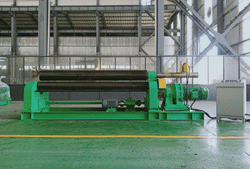
Rolling is a metalworking process in which the metal is deformed by passing it between one or two rolls so as to reduce its thickness, impart uniformity, or impart certain mechanical properties. This process is quite familiar in the production of sheets, plates, bars, and structural shapes.
A recent development is witnessing the evolution and emerging interest in technologies applied to forging-like, automation, and data analytics. With advancements in these areas, forging operations become observable and actionable in real time, allowing for increased precision and improved efficiencies. Forging fields are many-from automotive, aerospace, construction, and manufacture of components like crankshafts, gears, and even airplane parts. Having the environment of classical processes and modern technology on a common platform would keep forging in the forefront of modern engineering challenges and cater to newer demands of sustainability and quality.
Among others, blanking, embossing, bending, flanging, and coining are carried out under stamping procedures for making some specific configurations in the output. In the current advancements, stamping is performed whereby computer-aided design (CAD) is used to develop die patterns that can be made with accuracy and high repeatability.
When linked with the newest trends, such as those spurred through ‘s engines of search, demand for stamping innovations has grown in pursuit of lightweight and high-strength components, mainly for use in the automobile and electronic fields. Questions usually arise about the endurance and sustainability of the stamped parts. Such advanced materials as high-strength steels and aluminum alloys, when adopted in conjunction with progressive die stamping processes so as to sit on increased strength-to-weight ratio of components and reduce wastage of materials, enable the manufacturers to alleviate some of the concerns in this regard. Therefore, stamping is still major undergirding industrial production in general and is growing to meet changing market and environment challenges.
Hot rolling is the processing of a metal above its recrystallization temperature either to shape the metal or to relieve from internal stresses, etc. Large uniform structures are best made by hot rolling. Cold rolling, on the other hand, takes place at room temperature and produces surface finish, tolerance, and better mechanical strength due to strain hardening.
Material considerations are centered around rolling since the kind of rolling material depends on strength, ductility, and resistance to deformation. Aluminum and high-strength steels are rolled to impart their plastic properties into the automotive and aerospace industries. Further alloy design and computer-controlled rolling mill bring in manufacturing efficiency and quality improvements.
In this modern world, the green aspect becomes a question to trade-off; hence, the rolling processes sustainably are undergoing transformation to help reduce power consumption and material wastes. Such smart manufacturing techniques include real-time monitoring systems enabled by artificial intelligence to reduce discard and ensure optimized use of materials during rolling. Here, these innovations teach us the importance of equally considering traditional problems and environmental aspects through technological innovations.
Advancements in Metal Forming Technology\
🤖
Automation in Metalworking: Advancements and Transformations
With automation coming in strong, the metalworking industry has vistas of efficiency, accuracy, and safety enhanced immensely. The befitting combination of robotics, CNCs (Computer- Numerical-Controlled) machines, and IoT-enabled technology can make any manufacturer streamline the entire production process while reducing a plethora of tiresome tasks. It ensures minimal human error by performing one hundred percent accurately even during super-complex operations such as laser cutting, welding, or milling operations. Automation also helps to monitor in real-time and provide predictive maintenance using data analytics, which significantly reduces down time and expenses incurred in operations.
Automated systems and their effects on the sustainability of metalworking are topics of growing interest according to the latest searchTrend data. Automation supports environmentally friendly processes by allowing for the precise use of materials, reducing waste, and saving energy. With the advent of AI-based systems, manufacturers have now been brought into a new realm of adaptive process control to use the best possible resources in manufacturing activities. The increasing presence of automation systems not only helps manufacturers to improve their productivity but also focuses on major environmental issues. Hence, with more industrialization, its sustainable future is in full thrust.
💻
Computer Aided Design in Metal Forming
CAD is considered the industrial revolution for design and the manufacturing situation in the metal working industries. Now engineers with a CAD software build accurate 2-D and 3-D models from which analysis and optimization are carried out before production. It reduces human errors and saves on materials and time. Further improvements can be attained when CAD is combined with modern simulation programs so that manufacturers may foresee stress distributions, deformation, as well as other characteristics relevant to formation processes. CAD allows the manufacturing industries to produce fine-grade goods at reasonable prices while they compete with more challenging market situations.
🔬
Materials Science Innovations for Metal Forming
Materials science has ushered in changes thus affecting, in turn, metalforming facilities. Advanced High Strength Steels (AHSS) and lightweight alloys such as aluminum-magnesium solutions-strong yet lightweight-are probably the new opportunities for the automotive and aerospace sectors to make safer and fuel-efficient vehicles. Nanotechnology has genuinely come together to enhance material properties. At the nanoscale, metals are designed by the researchers so that the resultant alloy can have enhanced strength, thermal resistance, and ductility.
Another breakthrough is in making metal forming more additive manufacture-wise. Its operations like 3D printing enable rapid prototype tooling and manufacture of custom tools or components with precision hardly attainable elsewhere. Another step in metal and polymer sheet forming is the computer modeling of material behaviors-an attempt basically made by engineers to design for the performance during forming. In a way, the design and prediction thus mean less material waste and getting costs down, over and beyond the design has a greater tendency to hit targets from an engineering perspective. In the continuous research and collaboration, materials science remains the backbone for future developments in highly efficient and sustainable metal forming technologies.
Applications of Metal Forming Across Industries

🚗 Automotive Sector
Metal forming has a paramount role to play in the automotive sector, as it is considered the very foundation for producing those high-strength lightweight components that modern vehicles are made all of. It accommodates processes from stamping to forging and extrusion, from chassis components to engine parts, the complexity of which is endless. With high demand on fuel efficiency and reduced environmental impact, forming of light alloys such as aluminum and advanced high-strength steels has become of prime importance. Such materials aid automakers to build vehicles that are strong, crashworthy, and yet lighter. The latest metal-strengthening processes incorporated with computational modeling and simulation facilitate the delivery of designs that go with minimum production errors so as to accomplish efficiency and strict safety standards of the industry.
✈️ Aerospace Field
Hence, this is why metalworking holds great importance in aerospace where lightweight components require outstanding performance under extreme conditions. Hydroforming, superplastic forming, forging with high precision- useful terms in forging-for the actual forging of aircraft wings, fuselage sections, and turbine blades. Certain processing barring alloys such as titanium and aluminum from forming very precisely actually due to structural integrity and thus, safety standards laid down in the industry.
Besides that, it is worth mentioning that metal additive manufacturing is increasingly being integrated with traditional metal forming processes to minimize material wastage and time taken for production. Hybridization thus offers great potential to manufacture complex geometries that would otherwise be either impossible or prohibitively expensive. With an aggressive pursuit of fuel efficiency and sustainability, biotechs are employing advances in lighter component construction to reduce emissions and significantly cut down on operational costs.
🏗️ Construction Industry
An enormous revolt has taken place in the construction industry after teaming with heavy metal-forming techniques. These merger solutions that work with some new technology are capable of forming infrastructure parts that are extremely healthy and high in precision. Metal-forming processes, which can include roll forming, stamping, and forging, are increasingly applied in making structural components like beams, brackets, and sheets while providing a lightweight and strong profile. This, therefore, gives it weight that, combined with automation and intelligent manufacturing systems, makes the construction industries choose for higher productivity, low costs, and wastage of less material while maintenance of a good quality. Turning to this arrival calls our attention to the gigantic demand that green and eco-friendly constructions have set globally.
Benefits and Challenges of Metal Forming
✅ Benefits
Cost-Efficiency and Versatile Materials
Metal-forming processes are cost-efficient, as a finished product can be made with absolute minimum waste of the material. Hence, roll forming or stamping-type processes ensure maximum sale of the very material in mass production, thereby reducing material cost. Aluminum, steel, and alloys are used largely as materials, depending on their versatility, in fields like automotive and aerospace.
Enhancing Product Durability
Metal forming is immensely important for the strength and longevity of a product by virtue of its manipulation of materials. Through forging, rolling, and extrusion, metal forming offers finished products with a premium degree of precision and longevity. Thus, this process helps defeat material defects while retaining the ability to resist abrasion and environmental changes to maintain product functionality for longer spans of time.
⚠️ Challenges
Initial Cost and Pollution
In metal forming, the procedure presents a variety of challenges in terms of being extremely efficient with precision and its very first cost and the environment. High set-up costs for high-end machinery and tooling can be an ever-present barrier, especially for small and medium-sized enterprises. The process usually requires huge energy, therefore releasing carbon emission and thereby rendering a big negative impact on sustainability. Finding alternatives to these impacts in respect to the recent developments will include energy-efficient technologies and recycling methods.
The latest data obtained from the search engine signifies an immense surge in popularity of the green and durable material throughout the last year. This means that consumers and businesses alike put their priority on the alternative option sustainability. This is a path that metal forming follows, promoting recyclable materials with the intention of conserving the longevity of fabricated products. For instance, newer kinds of equipment considered best can be built upon for minimizing energy consumption, and circular manufacturing methods are decreasing wastage and promoting reuse of materials, hence fostering sustainability. Any attempt to solve these issues should include a collaborative effort among innovation, policy encouragement, and acceptance within the industrial practice of green technology.
Future Trends in Metal Forming

🌱 Sustainable Practices
The increased focus on sustainability has forced major improvements in the methods of metal forming. One of them is through the approach of saving energy as much as possible, for instance, by cold-forming methods that are energy-efficient compared to standard hot-forming methods. To intervene in this scenario, industries are also slowly increasing the amounts of recycled metals, thus reducing extraction of raw materials that are energy-intensive and environmentally disturbing processes. The use of AI and IoT is yet another manner in which the whole scenario is unfolding. Real-time monitoring and optimization of manufacturing processes would minimize wastage and conserve energy on their accounts. And companies are also investigating eco-friendly lubricants and coatings that can replace the harmful chemical agents generally used in the conventional forming processes.
🖨️ Additive Manufacturing
Giveaway Manufacturing is radically enhancing the metalworking industry by offering opportunities for precision, customization, and efficiency hitherto unknown. Per the recent data and trends search engine from , interest in additive manufacturing was up by more than 25% this year, indicating a build-up of awareness regarding its possibility. It is a layered process of making a component where the current process wastes fewer materials than does traditional subtractive manufacturing. It also allows one to produce geometries so complex that they were either never formed before or too expensive to produce with the old technology. Advanced materials and alloys can further extend the possibilities in improvement and durability.
🤖 AI and Machine Learning
The integration of AI and machine learning in metal forming processes continues to change the manufacturing scene toward precision, efficiency, and versatility. Galliano considers AI algorithms optimized for tool-path optimization, defect prediction, and material consumption improvements. Machine-learning models analyze the sensor data in real-time to discover trends, whereas sensors assist in pinpointing those trends in their early stages before the problem becomes unmanageable. Based on search-data analytics available on , it seems essential for manufacturers to find solutions to minimize waste and downtime with the guarantee of on-time delivery and product quality output. This steadies the procedures of production, giving opportunities to improvements on depletion and sustainability-based costs overall. By using these latest technologies, the manufacturing world can further adapt and satisfy the demand for smarter, more efficient production solutions.
FAQ
What are the different metal forming processes?
The metal forming processes shrink into their thousand-and-one-ways of reshaping metal parts and objects without adding to or removing anything from them. Some well-known processes include forging, rolling, extrusion, and deep drawing. They use different sets of machinery and dies to impart the desired shape and working properties to the workpiece. For example, in hot forging, high temperatures are applied to the metal to increase the level of plasticity, whereas the cold working method applies compressive forces at room temperature. A good understanding of the different forming processes provides a good understanding of what can be done in the area of fabrication in various industries.
How does plastic deformation occur in metal forming?
Metal forming brings in plastic deformation when a stress beyond the yield strength of metal is exerted, thus resulting in a permanent change of shape. The metal microstructure is altered by some action during deformation so that it can keep its shape when the load is removed. This principle is used in forging and die to place compressive and tensile stresses, respectively, on the metal parts during deformation. Temperature, strain rate, and metal properties being deformed are the parameters affecting the efficiency of plastic deformation. Good control of these parameters can lead to good workability and mechanical properties.
What is the function of a press brake in bending metal?
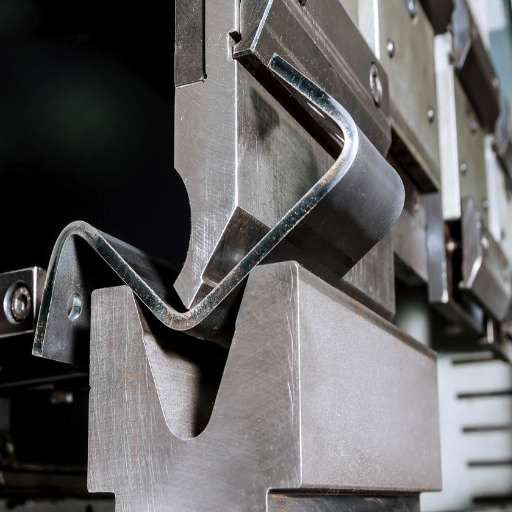
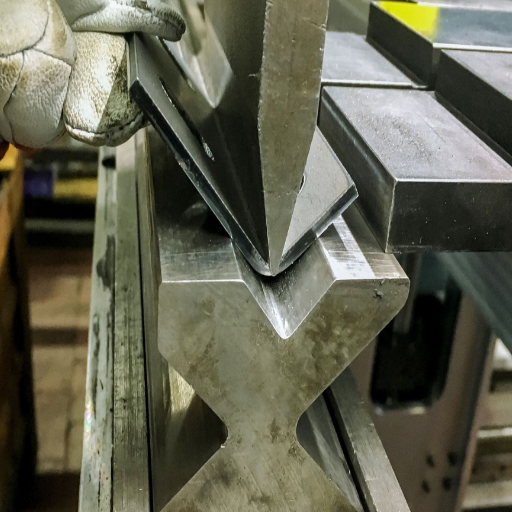
A press brake is one of those important machines used in metal bending operations to change or conform sheet metal into proper angles and configurations. A press brake has a die and a punch which come together, applying pressure on the metal to allow accurate bends and folds. As with any machine, the efficiency of the press brake depends on its design and the conditions of forming, like thickness of the sheet metal or tensile strength of the material. An optimum combination of the above leads a manufacturer to consistency in results and a better finish on the surface in metal fabrication processes. The latest technologies in the press brake machines have further improved the efficiency and accuracy of metal bending.
What are the differences between hot forging and cold working?
In metallurgy, hot forging and cold working are two metal shaping operations distinguished chiefly by temperature and resulting material properties. On heating a metal above its melting point in hot forging, the metal becomes much easier to deform by the forces applied. This conversion to a hot condition offers the advantages of improved plasticity and grain refinement for higher strength and ductility. On the other hand, cold working is done at room temperature, wherein the metal is subjected to compressive and tensile stresses without any significant helping thermal mechanism. Work hardening is a preparation offered through cold working: it increases strength at the expense of ductility. The selection basis between these two methods is, therefore, a matter of the wanted properties and application of the final metal parts.
How different is powder metal from traditional metal-making methodologies?
Powder metal forming is an interesting process wherein metal parts are made from powdered metal by compression followed by sintering into the required shape. While the conventional forging and machining processes deform solid metal, powder metal can be used to manufacture complex shapes with very high precision and little wastage. The method is particularly useful for complicated design work and manufacturing parts with uniform properties. Mechanical properties of powdered metal parts can be improved through powder composition and sintering parameters. Since the need for high-performance materials by a few industries is fairly high, hence powder metal forming would be the sought-after name.
Reference Sources
-
The Fabricator – How to Target New Customers for Metal Fabricating Services
https://www.thefabricator.com/thefabricator/article/shopmanagement/how-to-target-new-customers-for-metal-fabricating-services-1 -
MetalForming Magazine – Media Kit
https://www.metalformingmagazine.com/public/files/media-kit/2024/mediakit.pdf -
The Fabricator – Marketing for Metal Fabricators: Don’t Pitch, Educate
https://www.thefabricator.com/thefabricator/article/shopmanagement/marketing-for-metal-fabricators-don-t-pitch-educate