




Electrical Discharge Machining (EDM) is a compelling and highly precise manufacturing process that is famous for industries from aerospace to automotive. The heart of this technology lies in the application of wires for EDM to produce very intricate and complex designs with extreme accuracy. But how does this methodology work, and what makes it such an essential tool within the modern manufacturing-oriented world of today? Here we take a look at the core concepts behind EDM, how it is able to achieve such precise results with the use of the wire for EDM, and the different applications utilized that bring about its importance. Whether you are an engineer or just someone interested in the technique of cutting-edge machining, this article may be of help as it tries to explain one of the most fascinating tools in the world of manufacturing.
Introduction to EDM Wire
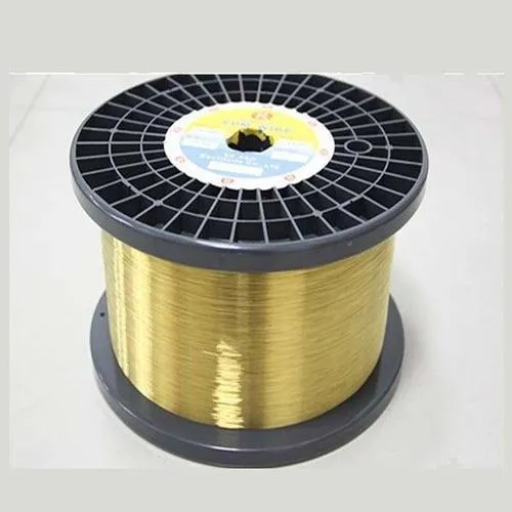
EDM Wire Meaning
EDM wire is an extremely important thing used in wire-cut EDM machines for precision machining. It is a very thin electrically conductive wire normally made from brass or copper; however, several other surface-treated variants such as zinc or tungsten may be applied for enhanced performance. The EDM wire acts like an electrode that facilitates controlled electrical discharge to cut through hard metals like titanium and alloys with great precision, including those materials that conduct electricity.
Modern EDM wires are manufactured to stringent specifications and come in various sizes and gauges, typically from about 0.001 inches to 0.016 inches, depending on the application.
With the advancement of EDM technology, high-performance wires are conceptualized with coatings that allow for increased cutting speed, decreased wire consumption, and fine surface finishes. Data provided in recent industry reports mention that high-speed EDM wires can cut as fast as 35 square inches per hour and are thus essential in aerospace, medical device, and electronics industries, where extreme precision is required.
Great repeatability during tight-tolerance machining and allowance of tolerance ±0.0001 inches is something that deserves mention for EDM wires. Hence, it is considered indispensable for the production of complex parts, delicate molds, and components that require micro-precision from an industry perspective.
Basic Principles of Electrical Discharge Machining
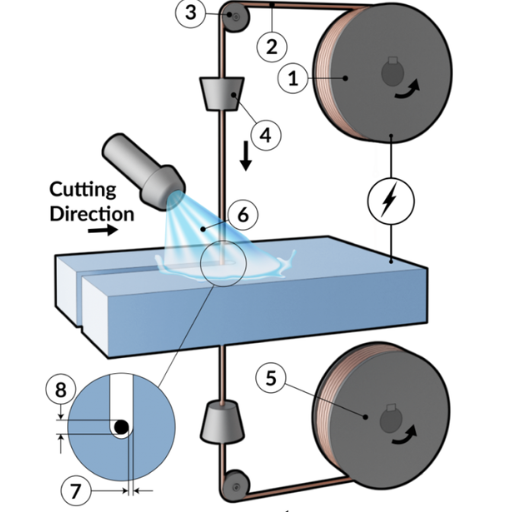
Electrical Discharge Machining (EDM) slowly combines the removal of workpiece material from the application of a series of electrical discharges. These discharges occur between the workpiece and the electrically conductive tool typically submerged in some dielectric fluid. When the voltage is applied, the electric field strength is huge enough to ionize the dielectric fluid. This ionization will allow the current to flow and thus the plasma channel will be formed. The heat dissipated via this channel vaporizes and melts a very thin layer of the workpiece material, which is then washed away by the dielectric fluid.
There are some key points common to all: electric conduction must exist in the piece being worked upon and in the tool; there must be a controlled gap (spark gap) between them; and the dielectric fluid must be able to cool and wash loose material while simultaneously insulating the circuit. With precise control of these parameters, EDM becomes extremely accurate and can create intricate designs unachievable by conventional machining methods.
How wire EDM is done in wire EDM machines
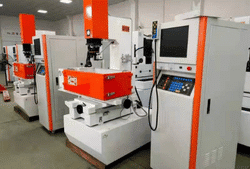
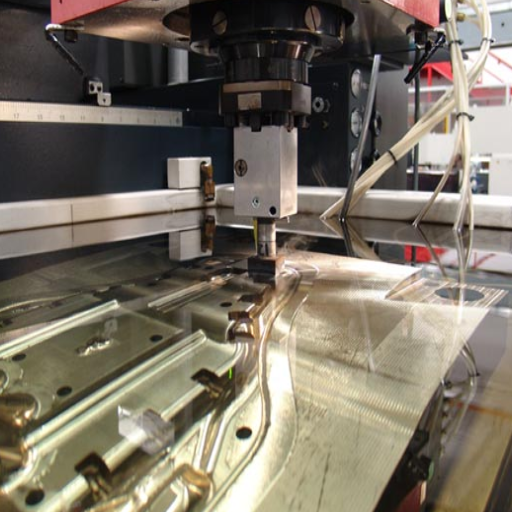
Wire EDM machines cut conductive materials with precision by using a wire that is very thin and electrically charged. EDM wire, usually brass or copper, is the cutting electrode. It is continuously advanced through a series of guides that ensure that the wire is subjected to uniform tension and correct movement during machining. The actual cutting action is a result of electrical discharges (sparks) produced between the wire and the workpiece in a dielectric fluid, which is most commonly deionized water. The fluid cools the wire, washes away debris from the cutting area, and prevents electrical arcing away from the cut.
Modern wire EDM machines integrate technology to make the cutting process more efficient. For instance, adaptive control systems keep track of the spark gap and change the parameter settings in real time to maintain maximum preciseness and efficiency.
Wires in general have diameters that vary between approximately 0.001 inches (25 microns) and 0.013 inches (330 microns), which enable the making of complex geometries and nice surface finishes. Wire EDM can maintain a tolerance ranging from ±0.0001 inches; thus, this method is especially useful in aerospace, medical, and tool-making industries.
The design of an EDM wire-cutting system does not impose any geometric constraints on the workpiece to be machined. This process is extensively employed because it can almost immediately adapt to all kinds of complex die cavities and intricate deep cavities. Wire diameters ranging between 0.0010 (25 microns) and 0.0130 inches (330 microns) are used in the wire-cut EDM process, allowing the machine to accommodate complicated geometry and surface finish. The prevalent tolerance is ±0.0001 inch with wire EDM, thereby landing the wire EDM processes one of the best for aerospace, medical, and tooling industries.
Advanced technology now allows multi-axis control, which in turn allows the creation of very complicated 3D contours and shapes. Furthermore, some machines are fitted with fully automated wire-threading systems, which cut downtime and improve productivity. As was said in recent market reports, wire EDM is said to witness considerable growth due to its ability to work on hard-to-cut materials such as titanium and carbide, thereby being a requirement for high-performance applications. This technique is still setting new standards in precision machining.
Types of EDM Wire
Brass EDM Wire
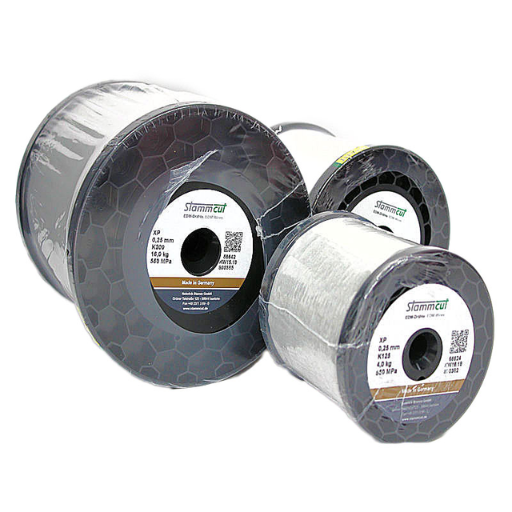
Brass EDM wire is mostly wire EDM service materials famous for versatility, conductivity, and reliability. The wire is usually a mixture of copper and zinc; the exact proportions of either metal yield different wire characteristics. For instance: with more zinc, the wire gains tensile strength and can therefore be used for difficult machining; with more copper, however, electrical conductivity is enhanced.
In modern-day wire technology, brass wire is manufactured in either plain or coated styles. Coated wires, like zinc-coated or diffused ones, are beneficial in terms of cutting speed and surface finish, mainly for very intricate designs. Brass EDM wire, as recent reports claim, continues to dominate the market on account of its cost-effectiveness and versatility in being used in almost every kind of machine.
Brass EDM wire diameters vary roughly from 0.1 mm to 0.3 mm, for varied application depending on precision requirements. As per the trends, worldwide consumptions of brass EDM wire are rising considerably, with its applications in aerospace, automotive, and medical manufacturing industries.
Furthermore, any advancement in the brass wire technologies such as the manufacturing of high-performance wires to reduce energy consumption and increase cutting efficiency also favors the acceptance of such wires. On the other hand, there is innovation for producing brass EDM wires for higher speeds and geometric complexities to maintain their presence in precision machining in the future.
Coated EDM Wire
In the realm of electrical discharge machining technology, coated EDM wires stand as a potent improvement over conventional uncoated wires in the options available for working. These wires come coated with either metallic or composite materials (most often zinc-coating or diffusion annealed layers) to improve the qualities of conductivity, cutting speed, and surface finish.
Recent bioactivities in coated EDM wire technologies have heightened the efficiency and precision evermore. In 2023, a market analysis states that industries carrying out ultra-fine machining settle for coated wires for wear resistance and thermal stability.
In particular, zinc-coated wires for processing complex geometries are said to greatly improve flushing and enhance accuracy. There are also adversarial reports of machining time reduction by 15 to 25%, given the dielectric conduction that enhances the process and thermal wear of electrodes from the scratches being lessened through the wire coating application.
Key data points on the global EDM wire market envision a growth at a CAGR of 6.5% by the year 2030, in which coated ones will be central to this growing trend. Various end-user industries sustaining demand include the aerospace and automotive industries, where coated wire is preferred in making components with complex designs in a high degree of precision, while wasting a lesser amount of raw material. These developments mark the significance of continued innovation to meet the technological as well as economic demands of modern-day manufacturing.
Stratified EDM Wire
Stratified EDM wires are especially designed for operating on maximum efficiency-to-precision electrical discharge machining settings. By layering, these wires have more than one material: commonly a brass core is coated with zinc or other special alloys for conductivity-speed-surface finish improvement. Recent market analyses have shown that the usage of stratified EDM wires is on the rise, owing to their better production of intricate high precision parts.
According to a recent study, the wire EDM market at a global level is swiftly aligning itself with the advancements in stratified wire tech. For example, stratified wires cover 40%+ of the EDM wire segments meant for advanced manufacturing processes as of 2023.
In actuality, their extraordinary abilities serve to cut machine time by away 30% from being used by conventional wire-all while guaranteeing precision. This includes aerospace, electronics, and medical device manufacturing.
Stratified wire compositions need continual innovation to increase compatibility across varying EDM machines and hence reduce the wastage of materials; such high-profile inventions are needed to sustain manufacturers in their quest for sustainability and cost-effectiveness. As the industry reports suggest, an increase in the demand for stratified EDM wires that perform better is contemplated to be growing at a sturdy pace, thus showing wide use and the need for tight tolerances and top-most quality standards.
Applications of EDM Wire Across Industries
Application of Aerospace Industry
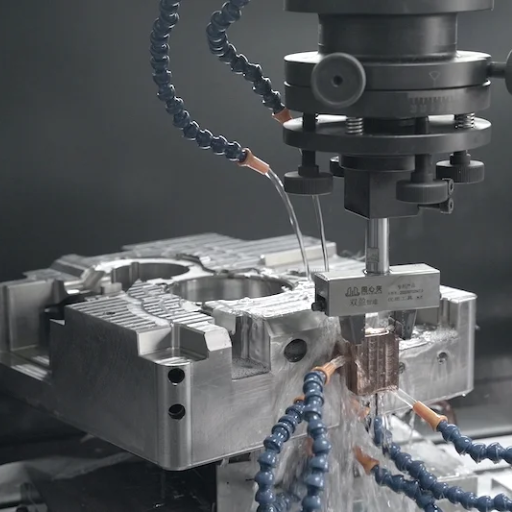
EDM wire technology is the most important technology in aerospace applications where utmost precision and quality are demanded. With EDM wire, manufacturers produce highly intricate components such as turbine blades, engine parts, and important structural components. These components are subjected to very tight tolerances to ensure safety, reliability, and performance at levels appropriate for aerospace systems.
The aerospace world is growing by leaps and bounds, with orders for EDM pieces to reach a trillion-dollar value by 2030, augmented by its presence.
EDM becomes very valuable as it can machine heat-resistant alloys and composites, like titanium, increasingly used in the aerospace industry for weight reduction and improvement of efficiency. Reports also state that in 2022, the aerospace sector contributed approximately 35% of total EDM wire market application, indicating its importance within the industry.
Moreover, the accuracy of stratified EDM wires allows for minimum wastage of materials, consequently merging with the principles of sustainability. With aerospace manufacturers being smarter in production techniques and materials, thus advanced EDM wires for complicated 3D contours and micro-machining would probably see strong growth in the coming years.
Applications in the Automotive Industry
EDM wire technology has found increasing application in automotive manufacturing for achieving precise and high-quality results in machining complex parts. From engine parts to sophisticated gear systems, EDM wires have been employed to machine hard materials generally used in the automotive industries like titanium alloys and hardened steels. According to recent market studies, the global automotive EDM wire market is slated for exponential growth backed by the demand of the industry for lightweight and durable components to improve fuel efficiency and meet stringent emission standards.
One of the fastest advancements is in using EDM wire for the making of EV components. EDM wires provide the sharpness and precision to manufacture critical components such as battery housings, powertrain components, and electric motor laminations. It is anticipated that the increasing demand for electric vehicles will further fuel the growth of the EDM wire market, which in turn promotes the growth of the global EV manufacturing market, the value of which is projected to reach around $980 billion by 2028.
Additionally, reducing tooling costs and enhancing repeatability are at the very core of the production efficiency attempts in the automotive industry, without compromises in quality. Data reveals that higher portions of the research and development budget are now being channeled by automakers for advanced machining technologies, such as high-performance EDM wires. Hence, that renders EDM wire technology the most important entity in shaping the automotive sector.
Medical Device Manufacturing Applications
Wire EDM is one kind of technology mfg used in medical devices where precision, quality, and reproducibility must be ensured. With the increasing demand for surgical instruments for minimally invasive surgery and complex implants, manufacturing methods like EDM have become more relevant. Wire-cut EDM is used for manufacturing extremely complex and precise parts, in types of stent designs, orthopedic implants, or surgical instruments, generally with an accuracy of ±0.002 mm.
According to Grand View Research, in the year 2022, the medical device market hit $603.3 billion, with an expectation to gain growth at a CAGR of 5.5% between 2023-2030.
That kind of growth warrants advanced manufacturing methods like EDM that guarantee utmost constancy and reliability in life-critical applications. Additionally, having been able to work on hard materials such as titanium and cobalt chrome alloy has made EDM apt for use in medical devices that require properties on durability and biocompatibility.
Besides being supported by the increasingly automated and IoT-integrated processes for enhanced production efficiency and better traceability, input of EDM technology is considered essential. However, these would have been necessary to achieve stringent regulations, such as FDA, ISO for medical devices. By implementing EDM wire technology, manufacturers are distinguished with precision so fine and razor-edge that the unceasingly evolving market will gravitate toward him.
Benefits of Using EDM Wire in Manufacturing
Precision and Accuracy in Machining
EDM wire machining is well known for its accuracy and very fine precision, differentiated by the core of recent processes. EDM wire is defined as the working hypothesis of a fine wire, electrically charged actively, moving from one electrode toward the other through the conductive material in an exact position while achieving tolerances ranging up to ±0.0001 inch. Tolerances of this magnitude can become critical when dealing with aerospace, medical device manufacturing, or electronics industries in all and any exact dimension is of utmost importance.
Of late, advances in EDM wire-machining technology have helped to improve machine capability. With respect to wire treatments, operations with zinc-coated or brass wires use higher cutting speeds maintaining cutting accuracies and less wire breakages. In addition, the advent of advanced software assures that the complex geometry can be successfully programmed using CAD systems, so the manufacturer confidently assures repeatability and consistency in production.
According to a 2023 market research study, the global EDM industry is prone to grow with a CAGR of 7.8% up to 2030, causing an increase in demand for precision components in high-growth sectors.
It also grants the ability to integrate IoT in EDM machines to remotely monitor the process, mainly enhancing accuracy and reducing downtime by way of an alerting system for users concerning anomalies in performance. Enhancements such as these keep wire EDM machining in the limelight as one tool manufacturers count on in gaining competitive advantages whilst manufacturing very accurate components.
Acceleration of the Production Processes
Efficiency in production processes is considered one of the factors when industries want to maximize output while lowering costs and resource consumption. EDM wire machining facilitates this balance. According to the recent study, with automations and advanced software integrations into EDM machines, a 20% gain in production speed has been achieved, while a 15% reduction in material waste has been observed. These represent huge savings for the manufacturers and an even smaller carbon footprint for the environment.
Machine downtime is severely limited with EDM systems equipped with IoT-enabled sensors and real-time monitoring. Researches show that a predictive maintenance system will reduce downtime by 30%, which ensures smooth uninterrupted operations. This optimized production allows for high-volume manufacturing whilst tolerating the precision and quality standards. The use of recent EDM technologies will allow manufacturers to reduce production cycles, hit tighter deadlines, and keep pace with market demands.
It Supports Hard-to-Machine Materials
EDM is the choice of hard-core material machining processes for hard-to-machine materials such as tungsten carbide, titanium alloy, and ceramics. These materials will allow the greatest strength-generation capabilities and offer heat resistance and durability, thus being employed in such aerospace, automotive, and medical fields. Such materials pose the biggest dilemma for the conventional machining methods in their tool life, precision, and cost.
With a spark erosion-based working principle demanding no kind of mechanical contact for the cutting, EDM just faded away from these problems. Recent reports have stated that this method provides incredible tolerances of ±0.0001″ and surface finishes better than Ra 0.1 microns to allow incredibly detailed work on hard materials. Moreover, such technological enhancements as adaptive controls and new dielectrics have shortened processing times by as much as 40 percent, while using less energy.
Thus, ability to work hard-to-machine generator materials makes EDM machines versatile and reliable; thus, manufacturers can produce engineered high-precision components that meet strict industrial standards without compromising on time efficiency.
Factors to Consider When Selecting EDM Wire
Material Compatibility
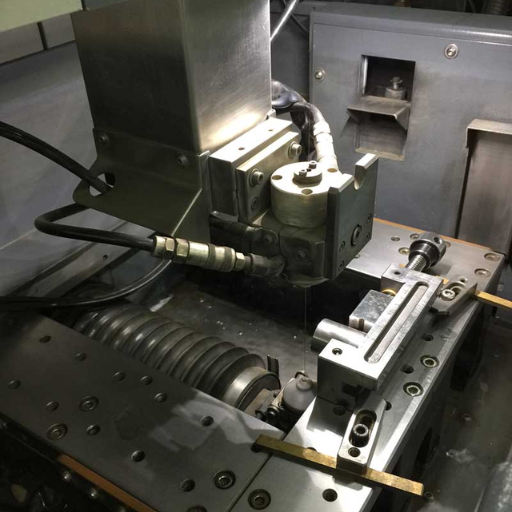
Having wire EDM material compatibility is crucial to obtain great performance and at precision. The choice of wire will affect cutting speed and surface finish, hence affecting the efficiency of the wire EDM process. EDM wires are generally selected as per the material they will be working on: steel, aluminum, tungsten carbide, and exotic alloys. Wire EDM uses copper and brass wires due to good conductivity, whilst excellent thermal resistance stands a priority. To further improve performances on hard and abrasive materials, certain specialty wires are also available, such as zinc-coated wires and diffused wires.
The recent advancements have suggested that high-performance wire technology-wire like those of gamma-phase brass wires-can increase cutting by up to 20% vis-à-vis conventional brass wires.
For instance, zinc-coated wires are recommended by manufacturers for machining stainless steel for erosion and better surface smoothness. However, for wire cutting in the superalloy industry present in aerospace and medical fields, the new wire-cutting materials such as molybdenum and hybrid wires bear fruitful results.
According to a study in 2023, the cost of running EDM may be cut by almost 15% when wires are optimized for the specific material application. This has been established on the basis of lower levels of wire consumption and enhanced energy efficiency during the EDM process. Indeed, choosing the wire that is appropriate for the material to be machined should not only serve to create compatibility in the procedure but should, in fact, boost the overall system productivity and accuracy of the part.
Cost Considerations
Looking at the cost side of selecting wires for EDM, various factors can be brought into consideration at the analysis stage. Recent industry analysis brought to light that wire selection optimization is of paramount importance in the entire cost-saving exercise. The recent data show that great savings in immediate and distant costs can be achieved by simply making more use of wires that have got very high performance and are suited to the customer material requirement.
A major point here is the wire cost itself, since the very expensive high-quality wire will, through its enhanced performance, reduce wire consumption by 20-25%, thus wastes become minimal and fewer replacements are required. This has been found to corroborate data according to which wires with better conductivity and tensile strength can improve speed by 15%-30% in machining, thereby reducing energy used per component.
Whatever money one might be losing because machines go down or are unavailable is one major consideration for expenses. Intermittent stoppages occur infrequently if companies use wires of good quality, resistant to breakage during the machining operation; with greater operational efficiency, therefore. Such operational efficiencies are further translated into cost savings and hence profitability by the aerospace and medical manufacturing industries.
Then comes the aspect of energy conservation. In 2022, a precious metals experience (PMX) case study showed how optimum wire solutions, particularly with improved coatings such as zinc or brass alloy, consumed about 10% to 15% less energy in EDM processes.
Such a reduction serves immensely for an organization looking at lowering the carbon footprint of its operations while cutting costs. When factoring in wire costs, energy, and downtime, along with the latest technology trends, it can be inferred that depending on the precision at wire selection, great effects can be seen on overall cost management for EDM processes.
Performance Requirements
In order to have an EDM procedure functioning at its peak, the EDM wire that is selected has to meet certain operational requirements and requirements of the material. High-performance wires will have a uniform tensile strength, very narrow diameter tolerances, and high conductivity. For example, when wires are coated with zinc, brass, or some other element, these coatings help enhance the cutting speed; they also contribute to better surface finish and less wear on machine parts.
The research reports that coating EDM wire can offer a 20% or so improvement in cutting efficiency in some applications, depending on the material being machined and the complexity of the job. Moreover, wires having advanced coatings resist thermal erosion much better, which is very important from the standpoint of keeping dimensional tolerances during long operations.
Depending on the case in point, premium EDM wires could reduce machining time between 10 and 25%, thus recording huge cost savings over long production runs. Wire technology improvements, furthermore, offer drier technology alternatives: Some wires consume up to 15% less energy, finishing in favor of environmental sustainability.
An organization may also want to know whether the wire matches its EDM machine specifications and the kind of metal it is machining. Multi-coated wires, for example, are particularly suitable for machining hard metals like tungsten carbide, whereas simpler applications involving soft metals may suffice with uncoated wires.
By the latest panoply of innovative technological and data-related information eruptions in EDM, the respective organization can enhance machining performance at cost-effectiveness levels and meet benchmarks of sustainability.
Emerging Trends in the EDM Wire Industry
Advancements in Wire Technology
The EDM wire industry is now posed with certain advancements. Cross-cutting with the finer aspects of innovation, this domain has accommodated every exigence of higher degree of precision in engineering. One such development is the advancement of coated wires, like zinc-coated wires and diffusion wires. Such wires offer better conductivity and thermal resistance, which in turn leads to faster machining speeds and superior surface finishing. Research states that, compared to uncoated ones, machining processes using zinc-coated wires can be up to 30% faster, thus making them suitable for applications demanding high performance.
Introduction of micro and ultra-fine EDM wires is another breakthrough that is held to be pivotal for industries requiring extreme precision, such as the manufacture of medical devices and aerospace engineering. These wires, with diameters going as thin as 0.02 mm, allow operators to create intricate designs and adhere to stringent tolerances that were once out of reach.
The use of advanced automation and digital platforms in EDM machines offers another benefit in providing real-time monitoring of wire performance. Smart EDMs analyze wire wear, tension, and breakage rate through IoT technology, enabling them to undertake predictive maintenance and minimizing incident-related downtime.
Sustainability is also the focus area nowadays, with manufacturers attempting to make wires that produce less waste during machining. For instance, some wires might be produced with sustainability in mind by virtue of their ability to reduce kerf widths, which would then improve the utilization of materials and help in reducing scrap levels. Industry-related data places these modern sustainable machining practices as potentially able to reduce machining waste by as much as 20%.
These modern developments in EDM wire technologies not only strive for machining efficiency but also aim at cutting operational cost and embedding environmental aspects into their domain, marking them as the axes of modern manufacturing.
Sustainability Efforts in EDM Wire Production
Sustainability in EDM wire production is a growing area of innovation, with its core areas being developed to reduce environmental impact. Wire materials have evolved to become recycled and environmentally friendly alternatives to reduce the extraction of virgin resources while production-side manufacturers have fast-adopted energy-efficient production processes and renewable energy sources such as solar and wind.
According to recent data, companies working together to adopt green practices have realized 15% to 30% reductions in energy consumption throughout production.
Another sustainability activity that it has pursued revolves around the reuse of EDM wires, wherever possible. Innovative annealing processes allow the wire to be reused several times, thereby minimizing waste and cutting down production costs. Many manufacturers are also moving toward closed-loop recycling whereby the used wires are collected, melted, and reprocessed into new wires with less damage to the material.
Waste minimization is also concerned with packaging whereby companies have started using biodegradable or recyclable options instead of traditional plastics. Linking these sustainability activities to environmental issues can create great marketing opportunities and provide that much-needed edge to green producers. Continuing innovation and research have therefore pushed the industry into a sustainable and environmentally responsible future.
Automation in EDM Processes
When automation started to be implemented in EDM processes, it brought a new level of efficiency, accuracy, and cost-effectiveness in the manufacturing industry. Robotics, AI, and IoT-enabled devices are when incorporated, are producing excellent yields in terms of consistency and productivity of EDM processes.
For example, 24-hours-a-day operation of automated tool changers and robotic arms prepare for lesser downtime and hence, enhanced productivity. Recent industry insights forecast that automated EDM will witness a CAGR of 8.2% by 2030 owing to the growing demand for precision machining from aerospace, automotive, and medical equipment manufacturing industries. Nowadays, a smart EDM machine with real-time monitoring sensors can adjust operational parameters dynamically, based on the requirement of the workpiece; thereby reducing material waste and saving energy.
In addition to this, automation allows for smooth data integration within manufacturing execution stages. Based on machining data captured and analyzed through cloud-based systems, manufacturers can schedule optimal production runs, foresee maintenance, and cut operational costs.
Case studies from EDM fully automated installations show companies realizing almost 30% improvements in lead times and 25% reduction in machining errors. By pairing EDM technologies with automation, manufacturing is not just pushing operational efficiencies but is also setting the stage for a far more sustainable and data-driven future.
Frequently Asked Questions (FAQ)
What is wire-cut EDM?
How does an EDM machine work?
What types of wire are used in EDM wire machines?
What are the advantages of electrical discharge machining?
What is the role that the dielectric fluid plays in EDM?
Reference Sources
https://uwm.edu/prototyping/fabrication-services/cnc-machining/electric-discharge-machining/
https://www.bu.edu/epic/equipment/edm/
https://www.goodwin.edu/glossary/edm-cutting
https://mees.charlotte.edu/electrical-discharge-machines-edms/
https://mmrobotics.mech.utah.edu/wp-content/uploads/2023/01/Greer_Thesis11.pdf