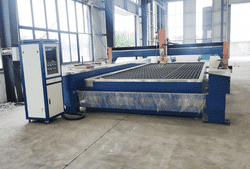


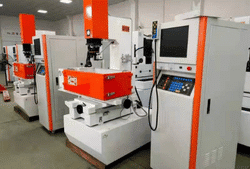



Purchasing a water jet cutting machine is a significant investment, and understanding the associated costs is essential to make an informed decision. Whether you are selling services in smaller quantities, are a manufacturer in your own right, or are exploring state-of-the-art machining technologies, understanding the factors that affect the price of these machines is essential. From the sheer size of the machines to their capabilities, and from the internal operation and regular maintenance aspects to additional accessories, several variables can affect the final expenses. In this guide, we will cover everything relevant to the cost of a waterjet cutting machine, helping you choose one that meets your needs and budget.
Understanding Waterjet Cutting

Purchasing a water jet cutting machine is a significant investment, and understanding the costs is essential to make the right decision. Whether you are selling services in smaller quantities, are a manufacturer in your own right, or are exploring state-of-the-art machining technologies, understanding the factors that affect the price of these machines is essential. From the sheer size of the machines to their capabilities, and from the internal operation and regular maintenance aspects to additional accessories, several variables can affect the final expenses. In this guide, we will cover everything relevant to the cost of a waterjet cutting machine and help you choose one that meets your needs and budget.
Understanding Waterjet Cutting
Waterjet cutting is an advanced and efficient method for cutting materials with a high-pressure jet of water, with the option of adding abrasives to cut through harder materials. The waterjet cutting process is an excellent method for cutting almost anything, including metal, glass, stone, or composite materials, without generating heat, so the material remains intact. Its accuracy, efficiency, and the ability to cleanly edge materials with almost no waste make it useful in manufacturing, aerospace, construction, and many other industries.
What is a Waterjet Cutter?
A waterjet cutter is an industrial tool that cuts materials using a thin, yet powerful stream of water, often supplemented by abrasive grains. This high-pressure stream is highly versatile, for it can cut metals, stone, glass, and composites. On the other hand, it can also cut very soft materials, such as rubber and foam, without a heat-affected zone or risk of structural damage. Waterjet cutters are preferred in industries such as aerospace, manufacturing, and construction, due to their precision, eco-friendly operations, and reduced material wastage. It can also produce very intricate shapes and fine finishes, making it a necessity for operations requiring accuracy and efficiency.
How Water Jet Cutting Works
Water jet cutting utilizes a high-pressure water jet, either pure or mixed with an abrasive, to cut materials. The jet of water is formed by pressurizing the water to an extreme pressure of up to 60,000 psi and above and forcing it through a tiny orifice. Pure water is used for cutting softer materials, such as rubber, while a mixture with abrasives, like garnet, is used to cut harder materials like metals, stones, or glass.
The combination of high-pressure water and abrasive grinding grinds away the material to the desired dimensions, offering precise cutting without the heat that might alter the material. Hence, cutting by CNC enables extremely tight tolerances, complex shapes, and repeatability. While suitable for fragile materials, this method is also effective for robust industrial materials, resulting in minimal waste and maximum efficiency. The versatility and environmentally friendly qualities of waterjet cutting make it indispensable in various industries.
Advantages of Waterjet Cutting
Waterjet cutting encompasses a wide range of advantages, which make it appealing to various industries. It enjoys versatility in cutting materials of all sorts, whether metals, ceramics, glass, or composites. Unlike cold-cutting methods, which induce heat-affected zones that weaken the material, waterjet cutting maintains the material’s structure. This sets it apart as a method that has virtually no risk of thermal distortion. The method espouses precision; hence, it affords a clean edge and allows minor secondary finishing. It is one of the green, eco-friendly technologies, as it does not produce any hazardous waste and utilizes a closed-loop system to recycle the water used, thereby conserving it in the process. Additionally, waterjet cutting is more affordable, given its lower material wastage and the ease of accommodating complex designs without incurring high costs for tooling modifications. It is generally a better approach to use either delicate or heavy-duty engineering applications due to their efficiency and sustainability.
Cost Factors of Waterjet Cutting

The price of waterjet cutting varies depending upon several factors:
- Material Type and Thickness: Thicker, denser, or harder-to-cut materials require longer machine operation, resulting in increased prices.
- Cutting Speed: Fast cutting may result in less precise cutting methods; slower cuts require more time and incur higher costs, depending on the application.
- Abrasives: How much would it cost to supply, buy, and use the abrasive material?
- Machine Operating Time: Longer cutting operations mean higher electricity and labor charges.
- Design Complexity: Patterns with lots of detail can take longer to create and add to the total cost.
- Maintenance and Wear: This factor involves maintaining the equipment mechanically and replacing parts, such as nozzles, which can be costly if not done correctly.
When these considerations are weighed against one another, a delicate balance can be achieved in waterjet cutting between performance and cost.
Initial Investment in Waterjet Cutting Machines
The investment in a waterjet cutting machine should be considered, taking into account the initial costs versus the potential long-term benefits. The price range for conventional waterjet cutting machines has been quoted from $50,000 to $300,000, depending on size, precision, and feature composition. On the lower end, a smaller machine, designated for very basic work, can be purchased, but the larger ones with 5-axis cutting and some automation will cost quite a bit.
The purchase price of the machine will be just an estimate for now. Apart from that, you must also consider the costs of installation, operator training, and auxiliary equipment, such as a water filtration system or garnet removal systems. Manufacturers of high-performance machines may also include some specialized pumps and nozzles as part of the purchase price, thereby increasing capital expenditure but optimizing the machine’s operating task.
To compensate for these expenditures, waterjet cutting machines tend to provide a quick ROI by cutting a variety of materials, minimizing waste, and increasing accuracy. Moreover, new-generation waterjet machines are designed with energy-efficient elements to reduce operational costs over time, making them the economically viable option for any business focused on scaling or sustainability.
Operating Costs and Maintenance
During operation, it is commonly believed that waterjet cutting machines become cost-efficient in the long run. Operationally, the major expenses include electricity, water, abrasives, and maintenance. In the case of abrasives, typically garnet, these account for nearly 60% to 70% of ongoing expenses, depending on the type of material being cut. Many new machines, however, are designed to consume less abrasive material and thus remain cost-competitive without compromising effectiveness.
Next comes the consideration of electricity consumption, which is substantial in itself; the only way to contain costs is by using energy-efficient pumps, as have now been developed. For example, depending on load and usage patterns, the newer designs may be able to conserve 15-20 percent of energy compared to the previous system.
Maintenance is at the heart of operational costs, with their high-pressure systems requiring periodic inspection or even replacement of seals, nozzles, and high-pressure tubing, for example. Over the long run, proper maintenance can save a significant amount of money, while neglecting it may lead to costly repairs or downtime. Consider, for example, scheduling sealing replacement from high pressure, which usually costs a few hundred dollars, thereby minimizing the risk of far graver damages.
Aside from that, water recycling systems are often considered essential for reducing the cost of water while protecting the environment. Numerous new waterjet machines come with solutions for recycling, which helps curb the use of freshwater, thereby facilitating sustainable activities at a reduced cost. Such measures enable easier and more affordable access to waterjet cutting machines across various industries, including manufacturing and aerospace.
Cost per Hour of Waterjet Cutting
The price per hour of working with a waterjet machine can vary significantly due to factors such as the nature of the machinery, the type of cutting material, labor costs, maintenance expenses, and consumable materials. The operational cost averages between $15 and $30 per hour for smaller machines, while it exceeds $100 per hour for larger, more powerful machines. Crucial costs include abrasive material, water consumption, electricity, and maintenance.
Breakdown of Hourly Costs
| Cost Component | Percentage of Total Cost | Typical Range per Hour |
|---|---|---|
| Abrasive Material (Garnet) | 60-70% | $0.25-$0.35 per pound |
| Water Consumption | 10-15% | $2-$6 per hour |
| Electricity (High-pressure pumps) | 15-20% | $3-$9 per hour |
| Labor Costs | Variable | $20-$40 per hour |
| Maintenance | 10-15% | $5-$15 per hour |
Abrasive material consumes the largest share of operational costs, typically accounting for 60-70% of the cost per hour, with garnet being the most common type. The price of garnet abrasives hovers between $0.25 and $0.35 per pound, whereas an average waterjet system, depending on cutting requirements, may consume close to 1 pound of abrasive per minute. Water consumption follows next in importance, with a typical system consuming about 0.5-1 gallon per minute of cutting. Water and utilities cost somewhere between $2 and $6 per hour. Electricity for high-pressure pumps adds significantly to the cost, ranging from $3 to $9 per hour, depending on the pump’s power.
This is labor-intensive work, and a skilled operator must monitor the cutting process. Labor costs may vary according to location and expertise, but generally stand at $20 to $40 per hour. Maintenance at any time, whether for parts replacement or preventive action, will add to costs and will generally be about $5 to $15 per hour of operation.
Understanding these costs enables a company to plan more accurately for operating costs and optimize the method for better efficiency through reduced waste, which is the most effective way to balance cost-effective waterjet cutting.
Comparing Waterjet Cutting to Other Methods
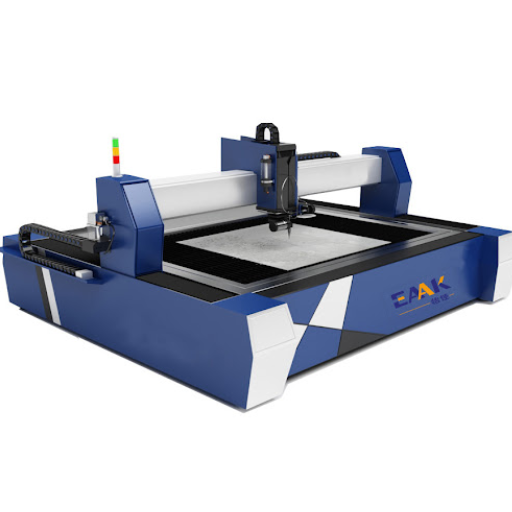
There are some advantages that waterjet cutting holds over other cutting techniques. It is capable of cutting heat-sensitive materials, which are typically susceptible to thermal damage during laser cutting. It is relatively more accurate than plasma cutting, which produces better edges and requires fewer secondary finishing operations. Moreover, waterjet cutting does not emit noxious fumes and does not create heat-affected zones, therefore, it is safer and environmentally friendly. Depending on the specific application, other methods can be faster or cheaper, but waterjet cutting remains the truly versatile option in accurate handling and complex preparation.
Waterjet vs. Laser Cutting
While the selection of waterjet and laser cutting mechanisms is based on precision, operations, and material performance, these are the key differences that should be noted. Waterjet cutting utilizes a waterjet, which combines abrasive particles with water at extremely high pressure to cut through materials. It takes on almost anything, depending on the combination of metals, composites, plastics, stone, and glass. Conversely, laser cutting utilizes a finely focused beam of light to engrave and cut materials, excelling at cutting thin metals and non-metallic materials such as wood and acrylic with exceptional precision.
Waterjet Advantages
- Material Flexibility: Waterjet cutting can virtually treat any material without affecting its properties
- Thickness Range: Can cut through materials thicker than 10 inches
- No Heat-Affected Zone: Cold cutting process preserves material properties
- Environmental Safety: No harmful fumes or thermal byproducts
Laser Advantages
- Higher Precision: Tolerances as close as ±0.001 inches
- Speed: Significantly faster for thin materials
- Detail Work: Superior for intricate, small-scale designs
- Energy Efficiency: More efficient for thin material cutting
| Comparison Factor | Waterjet Cutting | Laser Cutting |
|---|---|---|
| Material Compatibility | Almost any material | Limited by reflectivity and heat sensitivity |
| Maximum Thickness | 10+ inches | Less than 1 inch (optimal) |
| Precision Tolerance | ±0.005 inches | ±0.001 inches |
| Cutting Speed | Slower, especially for thin materials | Faster for thin materials |
| Environmental Impact | Minimal, water-based | May produce fumes requiring filtration |
Whatever cutting method one opts for should strongly depend on the project requirements and issues associated with the material type, thickness level, precise dimension requirements, as well as environmental concerns.
Cost Effectiveness of Waterjet Cutting
Due to its versatility and efficiency, the waterjet cutting has been deemed an inexpensive solution among industries. Compared to other cutting actions, waterjet cutting causes minimal material wastage as the cuts are exact without requiring much setup or secondary finishing operations. Being able to cut a wide variety of materials, including metals, stones, ceramics, and composites, also contributes to cost efficiency by eliminating the need for multiple cutting machines.
Operating costs vary from system to system, dependent on pump efficiency, nozzle life, and abrasives used. On average, abrasive waterjet cutting costs $15 to $30 per hour, with garnet abrasives accounting for 50-60% of operating costs. With the advancement of waterjet technology, better pump designs and longer-lasting nozzles have emerged, helping to reduce maintenance costs and increase profitability in the long run.
Reduced downtime of the waterjet systems presents yet another alternative financial benefit. These machines require minimal tool changes or adjustments and, in turn, highly productive operators. Additionally, since waterjet cutting doesn’t generate heat-affected zones (HAZ), less work is required in cases where the material is deformed; this is particularly valuable in industries that specialize in precision manufacturing.
Waterjet cutting, from the perspective of sustainability, is hence distinct from cost-efficient waterjet cutting technology. The small wastes generated by water and recyclable abrasives will be a welcome sight for companies seeking to slash disposal costs while adhering to environmental regulations. In general, waterjet cutting offers a compelling triad of operational flexibility, cost savings, and material savings, making it a sensible choice for almost every application.
Applications and Industries Utilizing Waterjet Cutting
Given its capability to process materials of all sorts with precision and minimal waste, waterjet cutting finds applications in numerous industries. Being multifaceted, it finds amusement in aerospace, automotive, manufacturing, construction, and healthcare.
The Aerospace Industry
Waterjet cutting is utilized in the aerospace industry to produce super-fine components from advanced materials, including titanium, aluminum, and composites. These materials put up a good fight against traditional methods since they are strong and heat-resistant. Waterjet cutting offers all the precision intact with no damage to the materials, which is a big concern in aerospace applications. Reports that the aerospace waterjet cutting market worldwide is estimated to grow substantially due to the need for lightweight, high-performing parts.
The Automotive Industry
Automotive manufacturers utilize waterjet cutting to produce custom parts and intricate designs, as well as prototypes with precise dimensions. It is better suited for cutting steel, rubber, and foam used in automotive components. Also, the cold-cutting nature of the waterjet prevents the formation of thermal distortions, which are essential for maintaining structural integrity and long-term reliability.
Manufacturing and Fabrication
In general manufacturing and fabrication, waterjet cutting enables the production of components made from metals, glass, ceramics, and plastics. Due to their ability to handle both simple and complex designs, waterjet cutting machines are utilized for both mass production and specialized projects, thereby enhancing cost efficiency and reducing lead time. It is said that waterjet technology can improve production by up to 30%.
Construction and Engineering
Waterjet-cutting services are worth their weight in gold in the construction and engineering sectors due to their ability to cut and shape stone, concrete, and reinforced materials with precision. These are often applied in manufacturing decorative elements, tiles, and classical masonry. Besides, the system helps minimize waste of construction materials, thus supporting the sustainable building campaign, which is a hallmark of modern-day construction projects.
Health Care and Production of Medical Devices
Waterjet cutting finds itself being applied in the medical field for fabricating intricate surgical instruments, implantable devices, and other laboratory apparatus. Such high precision, when working with very delicate materials such as medical-grade metals and polymers, ensures the fulfillment of strict quality and safety requirements. This increasing trend towards personalized medicine and advanced medical devices has further accelerated the adoption of waterjet technology.
Waterjet cutting is becoming increasingly prevalent in various industries due to its unparalleled flexibility and accuracy for different applications. Market analyses anticipate steady growth in the use of waterjet cutting, driven by both evolving technical trends and the demand for sustainable and effective manufacturing solutions.
Price Ranges for Waterjet Cutting Machines

Prices for water jet cutting machines vary widely across the price spectrum, depending on their specifications and features. These machines may cost anywhere between $60,000 and $100,000, which is adequate for minor work or simple cutting tasks. Less expensive machines in the middle range increase in price for added precision and higher capabilities, ranging from about $100,000 to $200,000. Very costly systems for industrial use, featuring the most advanced technology and large cutting capacities, can exceed $500,000. Buyers need to look at their requirements to choose the best candidate within their budget.
| Price Category | Price Range | Typical Applications | Key Features |
|---|---|---|---|
| Budget-Friendly | $60,000 – $100,000 | Small businesses, simple cutting tasks | Basic functionality, smaller work areas |
| Mid-Range | $100,000 – $200,000 | Medium businesses, versatile applications | Higher precision, better engineering |
| High-End | $200,000 – $500,000+ | Industrial use, advanced applications | Latest technology, large cutting capacity |
Budget-Friendly Options
When it comes to buying affordable laser cutting machines, priority should be given to the most cost-effective models, which also offer some functionality. They tend to attract small businesses and hobbyists. Such machines usually have working planes varying from 20×12 inches to 28×20 inches, depending on the requirements of smaller projects, respectively, while prices range between $2,000 and $5,000.
Fiber laser machines, such as the SFX Laser and Raycus Laser, serve as a basic industrial setup for metal cutting, with costs starting at approximately $6,000.
For budget-friendly types, warranty offerings, maintenance support, or recommendations from customer reviews should be the minimum requirements to ensure smoother operations. Some manufacturers might even offer lease programs or financing plans to ease buyers into managing the cost. Buying overseas does require some foresight, but Chinese brands like OMTech and Red Dragon Lasers tend to be among the more affordable choices on the market, with some potential hitches in shipping and after-sales service.
Mid-Range Waterjet Cutters
Acting as a balance between price and performance, mid-range waterjet cutters are an excellent option for small and medium-sized businesses. In essence, mid-range waterjets offer higher precision cutting, greater horsepower, and more sturdy engineering than budget ones. Leading brands in this segment include WARDJet, FLOW, and OMAX, carrying their reliable performance reputations coupled with superb after-sales service.
Some of the key features to consider when purchasing a mid-range waterjet cutter include cutting accuracy, ease of maintenance, and software integration capabilities. For companies requiring versatility, many machines in this category offer multi-axis cutting, allowing the scope of applications to be expanded significantly. Since their purchase price falls somewhere between that of budget-friendly models and high-end units, in general, the higher efficiency, precision, and greater flexibility of this machine mean that it will almost always be a better long-term investment. Online reviews often cite consistent results and dependable operation as the most significant benefits this category of machines has to offer. Buyers will also want to evaluate warranty terms and service packages to ensure their equipment is properly cared for over the years.
High-End Waterjet Cutting Machines
High-end waterjet cutting machines are synonymous with the latest capabilities in ultra-precise cutting tolerances, processing some of the hardest materials on the planet, and easing the stress of complex designs. The best sources suggest that such machines often have an edge due to their futuristic software integration, which permits automated workflows to almost eliminate operator control. Best-in-class quality is guaranteed when they cut thicker and tougher stuff, such as titanium or ceramics, with tiny heat-affected zones. Users praise their durability and the innovative pump system design, which ensures operational efficiency and cost reduction. A substantial investment is made at the outset; however, when considering longevity, customizability, minimal material waste, and other factors, it becomes clear that high-end waterjet systems are the best choice for precision and scalable industries.
Assessing the Value of Waterjet Cutting

Waterjet cutting is a valuable process due to its precision, versatility, and environmental friendliness. It can cut through many materials without altering their properties, which is a requirement for an industry that demands accuracy. This method has less wastage; less secondary finishing is required, and no harmful gases are released. The adverse side is cost-wise and environmentally conscious. While the initial cost may present a barrier to entry, the long-term savings and reliability make it very practical for businesses interested in quality and efficiency.
Is Waterjet Cutting Worth the Cost?
Waterjet cutting is considered a versatile, reliable, and efficient process popularly used in various industries. Research and industry insights have demonstrated that waterjet systems offer unmatched precision, with a tolerance of up to ±0.001 inches, making them ideally suited for finer designs and intricate projects. Additionally, waterjet cutting significantly reduces material wastage, in some cases by as much as 30%, and saves time and resources that would be otherwise spent on heat-zone corrections during subsequent manufacturing processes.
From a self-explanatory perspective, waterjet cutting requires a considerable investment, ranging from $60,000 to $200,000 for the most advanced systems. However, through relatively lower running costs, a business can easily recover its investment cost. Regarding waterjet systems, since they never require tool sharpening or frequent part replacement, their maintenance costs are the lowest, resulting in significant long-term savings. Additionally, the wide-ranging applications of metals, composites, ceramics, and even food make waterjet cutting a highly versatile process that maximizes investment.
Furthermore, there are environmental benefits that add to its value. As far as safety is concerned, it is usually labeled green since it produces no harmful emissions. The recycled water from the system adds to environmental protection. These parameters, in conjunction with the ability to deliver high quantities without compromising quality, make waterjet cutting a competitively priced win-win solution for industries that thrive on efficiency, precision, and sustainability.
Future Trends in Waterjet Technology
The automation aspect and efficiency will be considered in future developments regarding water jet technology. By integrating AI and machine learning, systems will become more intelligent, enabling increased precision and reduced material waste. Likewise, efficient pumps and environmentally friendly abrasives could establish another sustainability trend. Hence, such trends will likely continue to push the boundaries of waterjet cutting, making it a more versatile and valuable tool in various industries.
Final Thoughts on Waterjet Cutter Investments
Cost, efficiency, and the versatility of applications are key factors to consider when purchasing waterjet cutting equipment. The waterjet allows for cutting with precision and cleanliness, without generating damage from thermal effects; thus, it is a vastly versatile material that can pass through all sorts of materials, from metals to glass, ceramics, and composites. Additionally, it is worth noting that waterjet cutters can handle very complex design methods while minimizing material waste, a crucial factor in the aerospace and manufacturing industries. Nevertheless, they cost quite a bit before installation, and maintenance requirements must be carried out to uphold the performance throughout the long haul.
Comparing and contrasting options in the marketplace while calculating the ROI based on production demands remains an imperative exercise. Therefore, outsourcing waterjet cutting may be sufficient for smaller production volumes in the short term; consequently, owning and automating cutting stands out for large-volume producers. The favorite choice should consider your company’s requirements, budget, and growth projections. With the advent of new developments and the continued expansion of use cases, waterjet cutters are a substantial investment in the present era of manufacturing.
Reference Sources
2. Review on the Abrasive Water-Jet Machining of Metal–Carbon Fiber Hybrid Materials (2021)
Frequently Asked Questions (FAQs)
How much does a water jet cutter cost?
The price of a water jet cutter varies significantly depending on multiple factors, including its type, size, and features. Prices will generally range from $30,000 for smaller units to over $1 million for full-scale industrial units with advanced capabilities. These costs must be evaluated in conjunction with running costs to form a comprehensive view of the total maintenance cost.
How much does it cost per hour to operate a waterjet cutting machine?
Operational costs range from $30 to $150 per hour, depending on factors such as proper maintenance, energy usage, and the abrasive material used. Then the materials being cut and the cutting speed may influence the price.
Is it more expensive than other methods?
Waterjet cutting can be relatively costly, considering the expenses of abrasive materials and machine maintenance. On the other hand, waterjet cutting offers the advantages of being highly accurate and versatile. For instance, depending on the application, waterjet cutting is allegedly less expensive than laser cutting or plasma cutting, especially when working with hard materials.
What determines the cost of waterjet cutting?
The cost of waterjet cutting depends on various factors, including the materials being cut, their thickness, and the complexity of the cutting pattern. Also influencing the price are the choice of abrasive and general operating expenses, such as electricity and maintenance.
How much does the cutting process cost per inch?
Cutting costs per inch can vary according to the materials used and the cutting parameters selected. Waterjet cutting typically costs between $1 and $3 per inch for most materials, but harder materials and complex cut patterns will be on the higher end of this scale.
What are some of the waterjet cutting applications?
Waterjet cutting is a versatile process that finds application in cutting metal plates for various industries, including aerospace, automotive, and construction. It’s suitable for both soft materials, such as rubber, and hard materials, like stones or metals, making it well-suited for many manufacturing requirements.
How to calculate the cost of a waterjet cutting machine?
When calculating the cost of a waterjet cutting machine, consider the initial purchase price, the approximate hourly cost of all components, and the specific features required for your particular applications. Checking around and comparing different models to see what they can do for you, while factoring in long-term operating costs, is the best approach.
What is the cost of operating a waterjet per 1000 gallons of water?
On the other hand, the cost of waterjet operation can be very high if a machine uses a high-pressure stream of water. Typically, water consumption amounts to approximately 1,000 gallons for a single job, and when charged against the costs for water and energy, it significantly contributes to the operational costs.