








Renowned Basics for DIY: Cutting with astonishing precision is an unspoilable essential skill for every DIYer and woodworker. A circular saw, if mastered, can mean the difference between a clean, crisp cut and a gummy mess. Whether you’re making furniture, house framing, or just doing weekend work, this tool is always going to bring new potential into the improvement of your craft.
In this comprehensive guide, we will take an in-depth look at all the cutting techniques, tips, and tricks you will need for cutting accurately with a circular saw. From the selection of blade types suitable for your materials to setting guide rails on your workpieces, this article covers everything needed to enhance your skill set so that every cut is impeccable.
Understanding Your Circular Saw
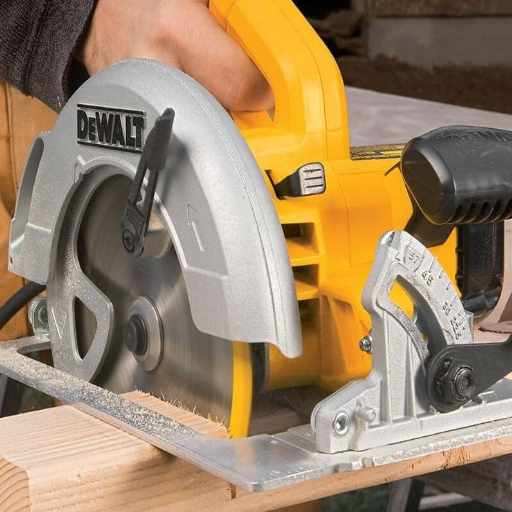
Components of Circular Saw
Circular saws consist of several components, each serving specific purposes for cutting and measurement accuracy. Knowing the parts of a circular saw is fundamental for safety:
Blade
The cutting aspect, which is either made of HSS or carbide-tipped material. A blade with 24 teeth can do rough cuts, and a 60-tooth blade will give finer and more accurate cuts.
Motor
Drives the blade. It exists in two main types: direct-drive types, which are light and ideal for general use, and worm-drive types, which have much more torque for heavy cutting.
Base Plate or Shoe
It stabilizes while cutting and has to be adjustable for angle or bevel cuts, usually up to 45°.
Bevel Adjustment
Allows for the exact setting of angles, useful when working on complicated projects. Clear angle marks make adjustment very easy.
Blade Guard
Safety feature: covers the blade when it is not being used and retracts automatically when cutting.
Depth Adjustment Lever
Adjusts cutting depth according to the thickness of the material, but without damaging the surface underneath.
Additional Features:
- Trigger and Safety Lock: Power control and an anti-accidental operation system
- Dust Port/Blower: Opens and blows away the debris for visibility and cleanliness
- Guide Rail or Rip Fence: Provides straight and accurate cuts
- Handle and Grip: Designed ergonomically for comfort and control
Types of Circular Saws
| Type | Best For | Key Features | Speed (RPM) |
|---|---|---|---|
| Sidewinder | General woodworking, framing | Compact, lightweight, direct-drive | 5,000-6,000 |
| Worm Drive | Heavy-duty tasks, dense materials | High torque, parallel motor placement | ~4,500 |
| Cordless | Portable projects, remote locations | Battery-powered, maximum mobility | Varies |
| Mini/Compact | Detail work, tight spaces | 4-6″ blades, enhanced precision | Varies |
| Track Saw | Sheet goods, cabinet work | Built-in guide rail system | Varies |
| Abrasive | Metal, tile, masonry | Abrasive disc blades | Varies |
Choosing the Right Blade for Any Type of Cut

Selecting the correct blade is crucial for achieving clean cuts and maintaining your saw’s performance. The choice depends entirely on the material being cut:
Wood Cutting Blades
- Framing Blades (24 teeth): Fast, rough cuts for construction work
- Finishing Blades (60+ teeth): Smooth, precise cuts for fine woodworking
- Trim Blades: Designed for detailed work and clean edges
Specialty Material Blades
- Metal: Abrasive or carbide-tipped blades for heat resistance
- Tile/Masonry: Diamond-tipped blades for precision on hard materials
- Plastic: Fine-tooth blades to prevent melting and chipping
- The blade width and kerf should be compatible with the saw.
- The blade has to be checked regularly for sharpness and damage.
- Replace dull blades immediately to ensure safety and quality.
Preparing for Accurate Cuts
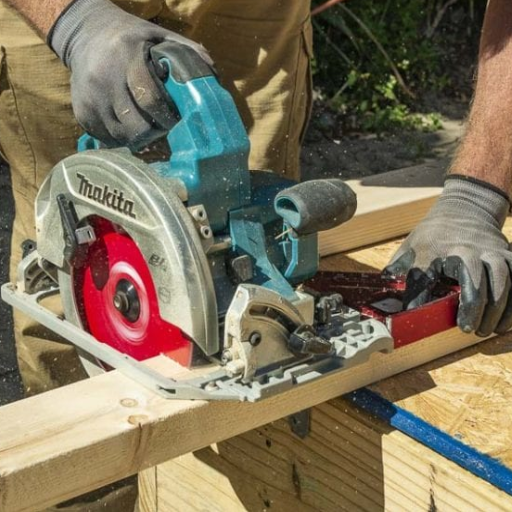
Essential Tools and Accessories
Measuring and Marking Tools
- Measuring Tape: An accurate measurement requires the best tape.
- Marking Tools: Use pencils, chalk, or a laser guide for sharp cut lines.
- Speed Square: To mark and measure angles accurately.
Workpiece Security
- Clamps: Quick-release clamps for stability and safety.
- Vices: Heavy-duty bench vices for holding material securely.
- Sawstands: Stable cutting surfaces with measuring guides built in.
Safety Equipment (PPE)
- Protective eyeglasses or goggles
- Hearing protectors (earplugs or earmuffs)
- Dust masks or respirators
- Cut-resistant gloves
- Steel-toed boots
- Clothing with proper fit (no loose items)
Setting Up Your Workspace
Essential Workspace Elements
| Element | Requirements | Benefits |
|---|---|---|
| Lighting | Natural + LED task lighting | Eliminates shadows, improves visibility |
| Ventilation | Industrial exhaust fan or HEPA filter | Removes dust and fumes |
| Storage | Pegboards, labeled bins, modular shelving | Organized, efficient workflow |
| Ergonomics | Adjustable height tables and chairs | Reduces fatigue, improves control |
Measuring and Marking for Accuracy
Advanced Measuring Tools
- Laser Distance Measurers: Along large distances, measurements with laser devices can be accurate till 1/16 in. (1.5mm).
- Digital Calipers: Precision to within 0.01 mm on an LCD;
- Marking Lasers: Straight guidelines are projected onto certain surfaces, reducing manual marking by a worker.
In fact, these advanced tools can provide up to a 40% improvement in cutting accuracy over conventional methods, so calibration and care of such tools will always be the best decision.
Techniques for Making Accurate Cuts
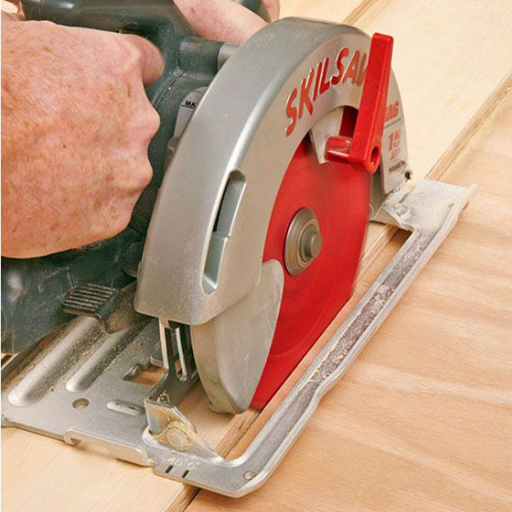
Using a Circular Saw Guide
Providing a circular saw guide will increase the precision of the cuts, up to 40% more accurate than with freehand cutting. Ensure that the following steps are implemented:
- Measure and Mark: Clearly mark cut lines using a measuring tape and pencil
- Secure the Guide: Clamp the guide for more stability
- Align the Saw: Align the blade of the saw perfectly with the guide edge
- Maintain an Even Pace: Push the saw steadily along the guide track
- Safety First: Goggle up and keep the hands away
Modern guide features: Have non-slip surfaces, adjustable tracks for angled cuts, and compatibility with more than one saw model.
How to Cut Straight with a Circular Saw
Step-by-Step Process
- Choose the Right Blade
- Use sharp, material-appropriate blades
- Select thin-kerf blades with fine teeth for precision work
- Mark Your Cut Line Clearly
- Use pencil or marker for visible lines
- Employ speed square or straightedge for precision
- Secure the Material Safely
- Clamp workpiece to sturdy surface
- Prevent shifting or vibrations during cutting
- Use a Guide Rail or Straightedge
- Modern rails reduce error margins by up to 80%
- Non-slip surfaces and adjustable tracks recommended
- Set Proper Saw Depth
- Blade should extend no more than 1/4″ below material
- Reduces friction and maintains control
Adjusting Blade Depth and Angle
Proper Blade Depth Setting
Set blade depth so the lowest tooth protrudes 1/8″ to 1/4″ below the material. This minimizes kickback risk and improves cut quality.
Angle Adjustment Guidelines
- Standard Cuts: Set bevel angle to 0 degrees
- Miter Cuts: Use bevel scale for required angles (0-45°+)
- Lock-in Feature: Always secure angle settings before cutting
Research from 2023 shows that proper blade adjustment leads to significantly better tool performance and reduces blade and motor wear rates by up to 25%.
Safety Precautions When Using a Circular Saw

Personal Protective Equipment (PPE)
| Equipment | Purpose | Injury Prevention Rate |
|---|---|---|
| Safety Glasses/Goggles | Flying debris protection | 60% of eye injuries preventable |
| Ear Protection | Hearing damage prevention | Essential above 85 decibels |
| Dust Mask/Respirator | Respiratory hazard protection | Prevents long-term lung issues |
| Cut-Resistant Gloves | Hand protection | Additional safety layer |
| Steel-Toed Boots | Foot protection | Prevents crushing injuries |
Safe Operating Procedures
- Pre-Use Inspection
- Check for damage, loose components, or worn parts
- Verify blade sharpness and secure mounting
- Inspect power cord or battery connections
- Workpiece Security
- Clamp materials to prevent shifting (prevents 15% of incidents)
- Clear cutting path of obstacles
- Ensure adequate support for large pieces
- Proper Operation
- Use both hands on designated handles
- Set blade depth correctly (max 1/4″ protrusion)
- Always use guides or straight edges
- Wait for blade to stop completely before setting down
Safety Statistic: OSHA reports that 70% of circular saw injuries can be reduced through proper safety procedures and PPE usage.
Common Safety Hazards to Avoid
| Hazard | Cause | Prevention | Injury Rate |
|---|---|---|---|
| Kickback | Blade binding, improper support | Sharp blades, proper material support | 40% of incidents |
| Blade-related injuries | Wrong blade type, improper mounting | Correct blade selection, secure mounting | 25% of incidents |
| PPE-related injuries | Not wearing protective equipment | Always use complete PPE | 30% preventable |
| Material slippage | Unsecured workpieces | Proper clamping and support | 15% of incidents |
Troubleshooting Common Issues
Addressing Uneven Cuts
Uneven cuts can significantly impact work quality. Here are the main causes and solutions:
Common Causes and Solutions
| Problem | Cause | Solution |
|---|---|---|
| Rough, pulling cuts | Dull blades | Sharpen or replace blades immediately |
| Curved or wandering cuts | Misaligned guide/fence | Check and calibrate guide system |
| Vibrating, unsteady cuts | Tool vibration | Firm grip, proper angle, anti-vibration features |
| Inconsistent cut quality | Improper technique | Maintain constant feed rate, use guides |
Fixing Blade Alignment Problems
- Safety First: Unplug machine before inspection
- Inspect Blade: Check for damage or improper mounting
- Check Alignment: Use combination square or alignment tool
- Make Adjustments: Follow manufacturer’s manual for specific procedures
- Test and Secure: Verify alignment and tighten all components
Dealing with Kickbacks and Other Hazards
Kickback Prevention Strategies
- Maintain proper blade alignment
- Use sharp, appropriate blades
- Feed material at correct angle and speed
- Install riving knives, splitters, or anti-kickback pawls
- Regular saw maintenance and inspection
The large amount of Internet searches for the phrase “how to prevent saw kickback” means considerable worry among amateurs and professionals alike. If preventative measures are combined with maintenance, a safe atmosphere is fostered for working.
Practical Tips for Improved Cutting Precision
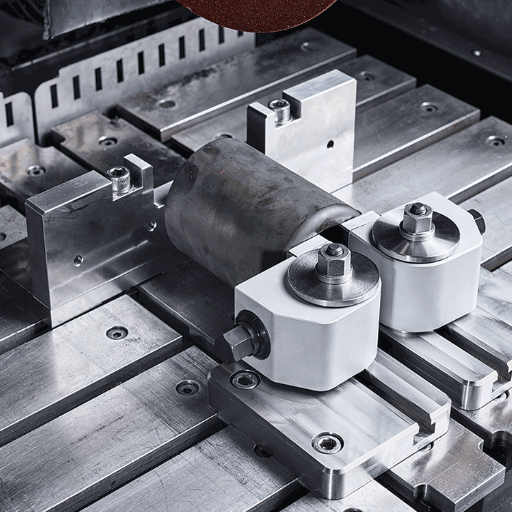
Tips for Beginners
Fundamental Techniques
- Understand Wood Grain Direction
- Cut with grain for smooth results
- Expect tear-out when cutting across grain
- Choose blade type based on grain direction
- Maintain Sharp Blades
- Dull blades cause rough cuts and strain equipment
- Use fine-toothed blades for plywood
- Use coarser blades for thick boards
- Focus on Measurement Accuracy
- 40% of project inaccuracies occur during measuring/marking
- Use speed squares, measuring tapes, and marking gauges
- Double-check all measurements before cutting
- Master Saw Alignment
- Respect angle guides and blade alignment
- Use cutting guides or fences consistently
- Consider laser guides for easier straight cutting
Advanced Practices for Sophisticated Users
Technology Integration
- Laser Guides and CNC Systems
- Pin-point accuracy for alignment and measurement
- CNC machines for intricate designs and repetitive cutting
- Perfect for detailed and large-scale projects
- Professional Blade Selection
- 60-tooth blades for plywood/laminate
- 24-tooth blades for lumber ripping
- Proper blade care and timely replacement
- Advanced Dust Control
- Professional extraction systems improve accuracy
- Clean work surfaces enhance measurement precision
- Environmentally friendly dust management
Complex Joinery Techniques
- Dovetail joints for strength and aesthetics
- Box joints for clean, professional appearance
- Mortise and tenon joints ensure structural integrity.
- Precision tools consist of plunge routers and dowel jigs.
Efficiency Insights: Modern woodworking software optimizes cutting and planning and, thus, can reduce material waste by 30 percent.
Circular Saw Maintenance for Maximum Results

Essential Maintenance Checklist
| Maintenance Task | Frequency | Purpose |
|---|---|---|
| Blade inspection and replacement | Before each use | Ensure clean, safe cuts |
| Dust and debris removal | After each use | Maintain performance and visibility |
| Moving parts lubrication | Per manual schedule | Smooth operation and longevity |
| Power cord/battery inspection | Weekly | Electrical safety |
| Alignment and calibration | Monthly | Cutting precision |
Frequently Asked Questions
How to ensure my circular saw will make perfect cuts?
Use a saw guide or straight edge for your circular saw, sharp blades of the correct type, ensure the saw base is firmly set before cutting, and always wear safety glasses. More practice with test cuts improves technique and sharpens accuracy.
What is the best way to keep good, straight cuts with a circular saw?
Put a clamped guide along the cut line, start the motor with the shoe on the guide, hold your arm straight, and do not force the saw. Sight the blade to keep it aligned with your intended cut path.
Reference Sources
-
Influence of Circular Saw Blade Design on Reducing Energy Consumption of a Circular Saw in the Cutting Process
This study explores how circular saw blade design impacts cutting accuracy, tool life, and energy consumption, providing insights into achieving precision.
Link to the source -
The Effect of Rotation Speed on the Power Consumption and Cutting Accuracy of Guided Circular Saws
This paper examines how rotation speed affects cutting accuracy and power consumption, offering experimental data and analysis.
Link to the source -
Intelligent Monitoring of Cutting Power in Circular Sawing
This thesis investigates the relationship between cutting power, tool wear, and cutting accuracy, providing predictive insights for improving precision.
Link to the source