







A wood lathe can be an exceptional and satisfying tool if you are a novice and trying to get the most out of woodworking or an intermediate woodworker wanting to upgrade your skills. A wood lathe comes with an array of options, from making very simple yet usable articles to very detailed and beautiful designs. In the same way that any tool does, a wood lathe needs both dedication and skill training for success. The present guide will present the most important tips and knowledge to aid in getting the most out of your machine, avoiding the usual mistakes and, finally, obtaining projects that are not only beautiful but also well-finished.
Introduction to Wood Lathes
What is a Wood Lathe?
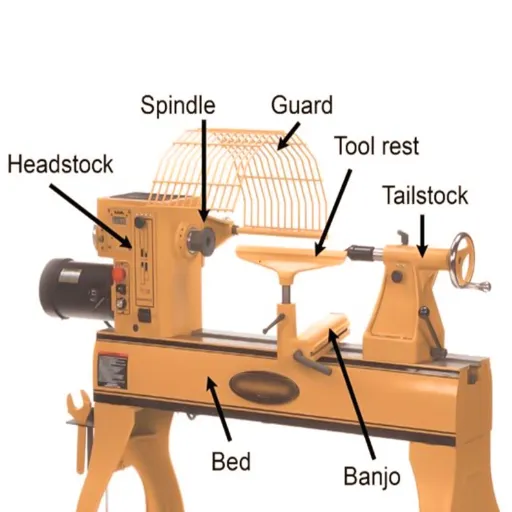
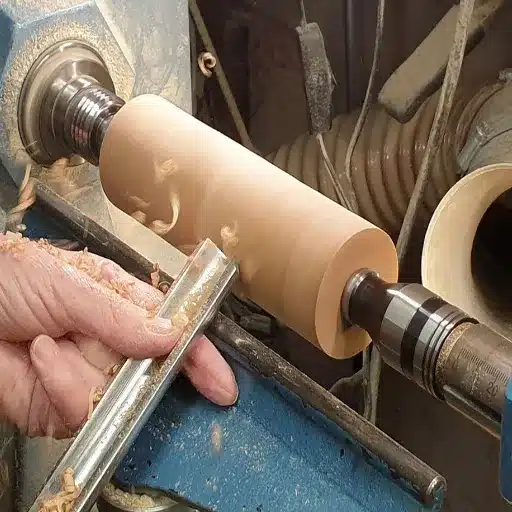
A wood lathe is a machine tool that comes with multiple features and it is also used for transforming and making wooden items by cutting or shaping against a rotating tool. The operation starts with firmly holding the wooden piece between the headstock and tailstock of the lathe which is then made to rotate at different speeds. The artisans then work with chisels, gouges, or any other tool to cut the wood, smoothen it, and shape it into the required design.
Wood lathes play a major role in producing the perfectly shaped designs like the legs of tables, bowls, spindles, and ornamental items. Most of the new wood lathes come equipped with the latest technology of electronics in that they have speed controls and precise adjustments making it comfortable for both beginners and professional woodworkers.
Applications of Wood Turning
Wood turning is an opulent area of application that covers both functional and artistic domains. The production of furniture parts like table legs, chair spindles, and bedposts has been largely dependent on this method due to its high precision and symmetry. Also, craftsmen make elaborate decorative wood pieces from wood turning and such items include wooden bowls, vases, ornaments, and sculptures. Besides, the turning of wood has become a thing for custom tool handles, musical instruments like drumsticks, and even game pieces that are chess and spinning tops.
Key Trend: Recent data shows that there is a rising trend in using wood turning for the crafting of sustainable artisanal products. Consumers are increasingly putting emphasis on sustainability that is why items like reusable utensils, bespoke kitchenware, and eco-friendly jewelry are gaining traction. This shift in demand points towards the fusion of traditional skills with contemporary needs, thereby making wood turning a dual style of operating and a contemporary art form.
Benefits of Using a Wood Lathe
- ✓ Precision and Creativity: Ability to produce beautifully crafted items like bowls, pens, furniture parts, and personalized jewelry
- ✓ Sustainability: Encourages the use of reclaimed woods and reduces waste
- ✓ Commercial Viability: Rising demand for handmade and personalized wooden objects
- ✓ Eco-Friendly Production: Lower environmental impact compared to mass production
Safety Precautions When Using a Wood Lathe
Essential Safety Gear
Using the correct safety gear is a must when working with a wood lathe, it not only safeguards but also makes the whole process productive. The basic items consist of safety goggles or a full face shield for protection against wood shavings and debris, ear protection to avoid the effects of prolonged exposure to high decibel levels, and dust masks or respirators to stop the inhalation of fine particles.
⚠️ Safety Gear Checklist
- Safety goggles or full face shield
- Ear protection for noise reduction
- Dust masks or respirators
- Snug-fitting clothing (avoid loose garments)
- Secure long hair
- Non-slip shoes for stability
Understanding Hazards in Wood Turning
Wood turning is a creative and fun way to work with wood but it still presents certain risks that everybody has to know about the risks to stay safe. The most common concerns of woodworking lovers are flying pieces, tool kickback, and wrong machine handling.
| Hazard Type | Description | Prevention Method |
|---|---|---|
| Flying Debris | Wood chips and splinters can cause eye injuries or skin abrasions | Wear safety goggles and appropriate clothing |
| Tool Kickback | Sudden tool movement due to wrong angles or excessive pressure | Maintain proper tool angles and apply appropriate pressure |
| Respiratory Issues | Prolonged wood dust exposure causing irritation | Use dust extraction systems and masks |
Best Practices for a Safe Workspace
Workspace Safety Tips
- Equipment Maintenance: Ensure all tools and equipment are in good condition and placed correctly
- Proper Lighting: Maintain good lighting to minimize accidents and improve visibility
- Clean Environment: Keep workspace tidy to reduce tripping hazards
- Dust Removal Systems: Install effective dust extraction to reduce airborne contaminants
- Ventilation: Ensure adequate airflow and use high-efficiency filtration systems
- Ergonomic Setup: Use adjustable workbenches and anti-fatigue mats to reduce physical stress
- Regular Breaks: Take breaks to maintain focus and reduce fatigue
Choosing the Right Wood Lathe
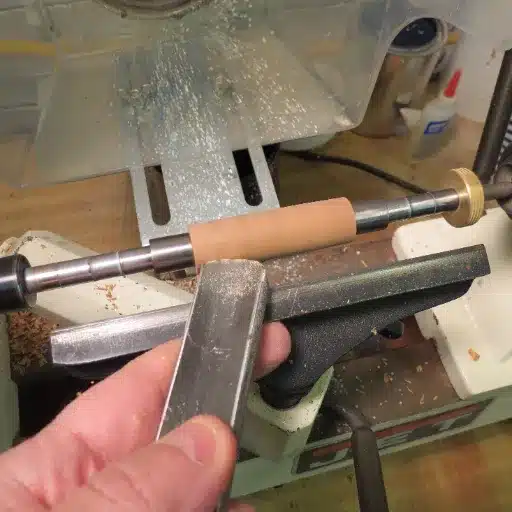
Available Types of Wood Lathes
It is very important to know the different types of wood lathes that are based on their functionality and uses when choosing one. The primary categories are mini lathes, midi lathes, and full-size lathes which are mainly the three types of wood lathes.
Mini Lathes
Best For: Pens, small bowls, and spindles
Ideal User: Beginners or those with limited space
Advantage: Accurate and intricate work capability
Midi Lathes
Best For: Intermediate-sized projects
Ideal User: Those wanting more than mini but less than full-size
Advantage: Variable speed controls and flexibility
Full-Size Lathes
Best For: Large bowls and furniture parts
Ideal User: Professional woodworkers
Advantage: Maximum power and stability
Best Wood Lathe for Beginners
Top Recommendations
1. JET JWL-1221VS
- Speed range: 60 to 3600 RPM
- Solid construction minimizes noise and vibration
- Suitable for small to medium projects
- Excellent for beginners due to ease of use
2. WEN 3421 Benchtop Lathe
- Very affordable option
- Perfect for pens and small bowls
- Compact size with simple operation
- Ideal for practicing and skill development
Main Features to Consider
| Feature | Specification | Why It Matters |
|---|---|---|
| Motor Power | 1/4 HP to 1 HP | Handles various materials and project sizes |
| Speed Control | Variable settings | Allows adjustment based on material and detail work |
| Swing Capacity | 10-12 inches (beginners) | Determines maximum workpiece diameter |
| Bed Length | Varies by model | Determines length of workpiece (short for pens, long for table legs) |
| Construction | Cast iron or steel | Enhances durability and reduces vibrations |
| Ease of Use | Intuitive controls | Makes learning process more enjoyable |
| Accessories | Compatible parts/add-ons | Enables versatility for different projects |
Essential Tools for Wood Turning
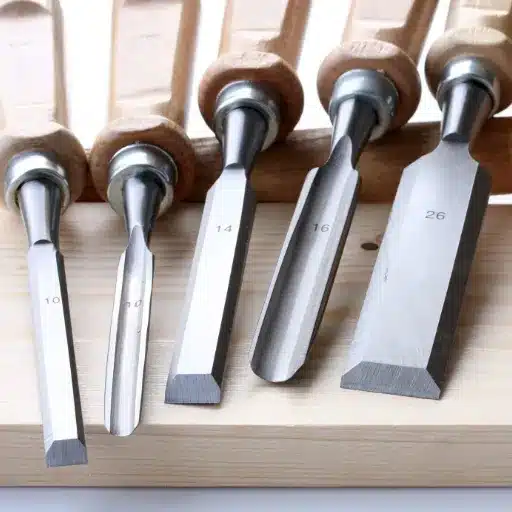
Must-Have Woodworking Tools
- Lathe Chisels: High-quality lathe chisels in various forms including gouges, skew chisels, and parting tools are essential for shaping and detailing
- Sharpening System: A good maintenance system or grinder keeps tools sharp, leading to better accuracy and less fatigue
- Quality Workbench: A strong workbench provides stability and reduces vibrations during delicate operations
- Measuring and Marking Tools: Precision devices such as calipers, rulers, and marking gauges ensure accurate measurements
- Dust Collection System: Essential for maintaining a clean and safe work area by managing sawdust and wood shavings
- Clamps and Vises: Necessary tools for holding wood securely during cutting, drilling, or assembly
- Sandpaper and Finishing Supplies: Various grits of sandpaper along with oils, stains, or varnishes achieve a polished finish
- Power Tools: Items such as jigsaw, circular saw, or power drill enhance versatility and speed for large-scale tasks
Choosing the Right Tool Rest
Choosing the right tool rest is a vital step for assuring stability, accuracy, and safety for your woodworking projects. The main aspects to think about are the tool rest’s material durability, adjustability, and compatibility with your tools.
Key Considerations
- Material: Tool rests constructed from cast iron or steel are preferred for their strength and long-term durability
- Adjustability: Look for tool rests that allow different positioning for various operations
- Compatibility: Ensure the tool rest is suitable for your current equipment (lathe or bench grinder)
- Modern Features: Quick-release levers and ergonomic designs increase productivity and comfort
Types of Cutting Tools for Wood Lathes
| Tool Type | Primary Function | Best For |
|---|---|---|
| Roughing Gouge | Maximum material removal | Turning rough blanks into preliminary shapes |
| Spindle Gouge | Detailed work with shallow flute | Creating beads, coves, and fine features |
| Bowl Gouge | Deep flute for curved work | Bowl turning and curved surfaces |
| Parting Tool | Precise cutting and separation | Making grooves and separating workpieces |
| Scraper | Final shaping and smoothing | Creating exact edges on bowls or platters |
| Skew Chisel | Ultra-smooth finishing | Spindle work, cutting and polishing simultaneously |
Pro Tip: Carbide-tipped tools remain sharp for longer periods and require less frequent sharpening, making them favorites among hobbyists and professionals. They offer consistent results with minimal maintenance.
Techniques for Achieving Precision in Wood Turning
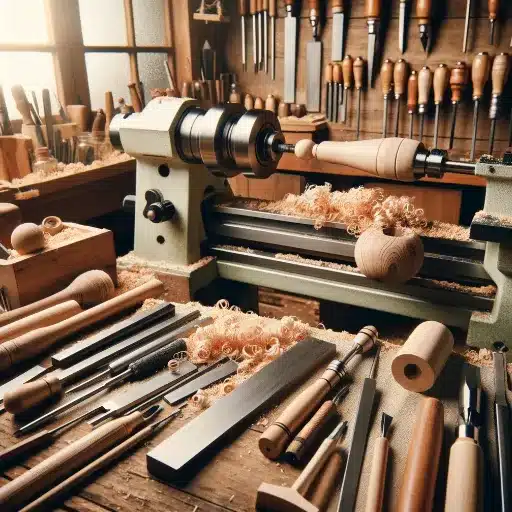
Knowing the Wood Grain and Its Influence
Wood grain is a very important and decisive factor when it comes to woodturning projects’ precision and quality. The grain orientation and pattern influence the wood’s reaction to cutting tools, it turns to be a smooth or rough finish, and tear-out is more or less pronounced. Properly following the grain results in cleaner cuts and less tool wear, particularly with modern carbide-tipped tools. Besides, the enthusiasts are trying to establish the relationship between grain patterns and final aesthetics, thus, they are using grain alignment to bring out the natural beauty of the wood.
Positioning Your Wood Lathe for Precision
Setup Guidelines for Maximum Precision
- ▸ Place the lathe on a strong and level surface to prevent extra movements
- ▸ Use a dial indicator or alignment tool to confirm headstock, tailstock, and tool rest alignment
- ▸ Ensure sharp tools for clean cuts that reveal the wood’s grain
- ▸ Regularly check and maintain alignment to reduce vibration
- ▸ Consider using anti-vibration pads under the lathe for additional stability
Recommendations for Smooth and Controlled Cuts
⚙️ Proper Tool Speed
Change the lathe speed depending on the wood density and size. Softer wood and bigger pieces need slower speeds; harder and smaller pieces require faster speeds.
🔪 Sharp Tools
They make clean cuts and prevent rough surfaces from tearing wood fibers. Always sharpen your gouges, chisels, and parting tools before starting a project.
✋ Correct Technique
Apply light pressure and keep tools moving easily against the tool rest. Cut downhill, going with the grain to minimize tear-outs.
🧹 Clean Work Environment
Visibility and precision can be hindered by dust and residues. Clean your workplace regularly to keep tools and materials dirt-free.
⏱️ Patience and Concentration
Rushing cuts increases error and accident risk. Move slowly and steadily, taking breaks to examine your progress.
Working with Different Types of Wood
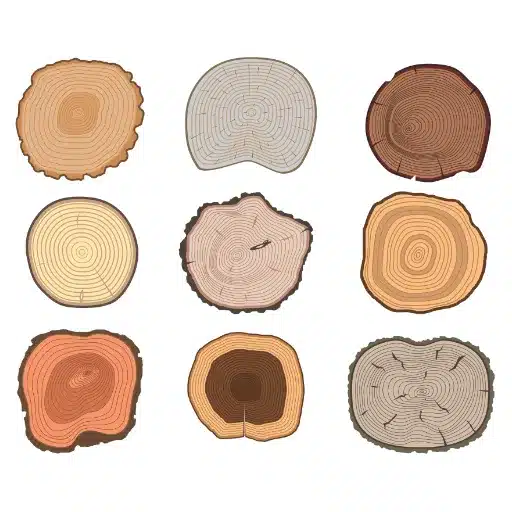
Best Woods for Wood-Turning Projects
The wood types that are easy to work with, durable and have a nice appearance, are the ones to be picked first for wood turning projects. Here are the best options:
| Wood Type | Characteristics | Best Uses |
|---|---|---|
| Maple | Tight grain structure, tough and durable | Furniture, decorative bowls, smooth finishes |
| Walnut | Deep, dark hue; easy to turn | Functional and artistic pieces |
| Cherry | Reddish-brown color that deepens with time; fine grain | Decorative items with minimal tear during turning |
| Ash | Light color with lovely grain pattern | Larger projects like table legs or spindles |
| Beech | Consistent texture, splinter resistant | Intricate projects requiring high precision |
| Oak | Strong with conspicuous grain pattern | Traditional turning, sturdy products |
| Basswood | Soft and easy to carve | Perfect for beginners practicing various techniques |
Important Note: Consider the condition of the wood when selecting the type. Green wood is easier to cut but may warp as it dries, whereas seasoned wood is stable, making it suitable for accurate projects.
How to Choose the Right Wood
Selecting the right type of wood for your woodturning project is a matter of trade-offs between the final result you aim for, the type of the project and your level of expertise. Woodworkers tend to prioritize a few key factors during this process:
1. Project Purpose
The purpose of your final product is the most important aspect. Dense and durable woods like maple or walnut work well for functional items such as bowls or utensils. Decorative pieces may use softer woods like poplar or cedar that are easier to shape and carve.
2. Grain Patterns
The beauty of a finished piece often lies in its grain. Woods with intricate or distinct grain patterns like oak or ash create visually striking items. Choosing wood with appealing grain adds character and uniqueness to your project.
3. Workability
Some woods are easier to shape and carve than others. For beginners, forgiving woods like basswood or pine make the learning process easier. Advanced projects may take advantage of hardwoods that offer precision and stability such as cherry or mahogany.
4. Cost and Availability
The price and availability of wood can have a big impact on your selection. Many turners favor locally sourced woods for reasons of cost and sustainability. Exotic woods like ebony or rosewood, though beautiful, may create budget constraints.
5. Environmental Impact
The woodworking fraternity is slowly but surely moving towards the adoption of sustainable practices. Choosing responsibly harvested or reclaimed wood helps environmental conservation and gives new life to older materials.
Understanding Wood Properties and Their Effects
To get the best results in any woodworking project, one has to know the properties of different types of wood. Wood grain, density, hardness, and moisture content are some factors that can change the process and end results significantly. For instance, oak and maple, which are hardwoods, are valued for their strength and durability and are thus perfect for making furniture or flooring. On the other end, pine and cedar, being softwoods, are lightweight and easier to handle, which is the reason they are often used for making decorative items and paneling.
🌱 Growing Trend
Recent data shows increasing popularity for searches like “best wood for furniture,” “wood species for carving,” and “sustainable wood choices.” This indicates a growing trend among consumers for wood selection based on both its properties and environmental impact. Woodworkers who have good material knowledge can make choices that meet project requirements while aligning with modern demand for quality and sustainability.
Frequently Asked Questions (FAQ)
❓ What is the beginner’s guide for woodturning on a wood lathe?
As a newcomer, understand that proper use of the lathe and familiarization with speed settings and tool rest position should be your first steps before you actually start turning. The primary rule is to put on eye-protection devices and safety goggles first, then begin turning and lathe work. When working on small bowls and pens, keep all supplies and tools within reach so that you can change lathe tool angles and tools for shaping both quickly and safely. There are no mistakes; your confidence will only increase, and errors will be minimized with practice.
❓ What is the right tool rest and tools setup for woodworking?
The tool rest should be positioned as close as possible to the workpiece and set at the correct height to control the turning tool effectively and shape the wood without digging in. The combination of a high-quality wood lathe with good turning tools is very helpful in maintaining smooth, uniform cutting and removing wood while making bowls or doing spindle turning. Different lathe sizes and a wide range of tools will serve projects for both beginners and experienced woodworkers from small pens to larger bowls with diameters up to 10 inches. Ensure that the tool rest is secured tightly, and the lathe suits your workpiece size requirements.
❓ Which kind of wood is the best for turning bowls and other projects for beginners?
The selection of wood is very important. It is much better to use stable, kiln-dried blanks like maple or cherry, as there is less chance of the wood cracking. If wet wood is used, different handling and drying-related deformation as well as the need for making relief cuts and leaving extra material will characterize your turning experience. When turning bowls, plan a wood blank size that is adequate for your intended project. On a small lathe, wood blank size may be a limitation. Conversely, a larger lathe will allow you to turn bowls of about 10 inches in diameter. The beginner’s best wood lathe should handle the lathe size and operate on different wood types by having variable speed controls so you can match the lathe spin to the wood type. Mastering certain woods and tools will allow obtaining more even results during different lathe projects.
❓ How do I get started with wood turning and pick a good wood lathe?
Wood turning starts with selecting a high-quality wood lathe that matches your workspace and lathe size requirements, whether you need a small lathe for rings and goblets or a larger one for platters and bowls. Make sure to choose one with decent construction, enough speed settings, and compatibility with common chucking systems so you can hold wood securely between the headstock and tailstock. A perfect lathe for beginners will have a clear tool rest, smooth controls for starting the lathe, and the power needed for a range of turning tasks. You can work with basic tools and lathe accessories meant for spindle and bowl turning practice. Expert tips suggest starting with the simplest projects for beginners, enabling skills to develop before taking on more advanced turning bowls or wet wood techniques.
❓ What safety gear and precautions should both beginners and experienced woodworkers follow?
Whether you are a beginner or a seasoned woodworker, eye protection should always be a priority. Wear safety goggles to protect against chips while the lathe spins. Make sure your clothes are fitted—loose sleeves are not allowed. Tie back long hair and remove all jewelry before operating the lathe to avoid getting caught in it. When performing heavy material removal, use a face shield, and ensure the tool rest and tailstock are both securely locked in place to support the wood on the lathe. Find out how to start the lathe at low-speed settings and always check that the wood blank is centered, since improper mounting can result in the workpiece getting thrown off. Regular cleaning and sharpening of tools, together with skilled use, will mean that accidents are infrequent and the tool’s life span is extended.
Reference Sources
🎓 University of Michigan – Lathe Safety
A comprehensive guide on lathe safety, including tips for working with wood and ensuring proper setup before starting the lathe.
Source: Lathe Safety Documentation
A document discussing safety measures for wood-turning lathes, including the use of protective hoods and other safety equipment.
Source: Safety Gram Publication
🏫 University of California, Merced – How to Make a Wood Turning Lathe
A resource that covers essential components, safety tips, and techniques for using or building a wood lathe.
Source: Wood Turning Lathe Guide