




The vertical lathe is a robust and diversified machining tool that upholds precision manufacturing processes across industries. Unlike a regular lathe, the vertical lathe operates with a vertically oriented workpiece, rendering it apt to handle large and heavy components in the best possible stability and accuracy.
Introduction to Vertical Lathes
Definition and Basic Design
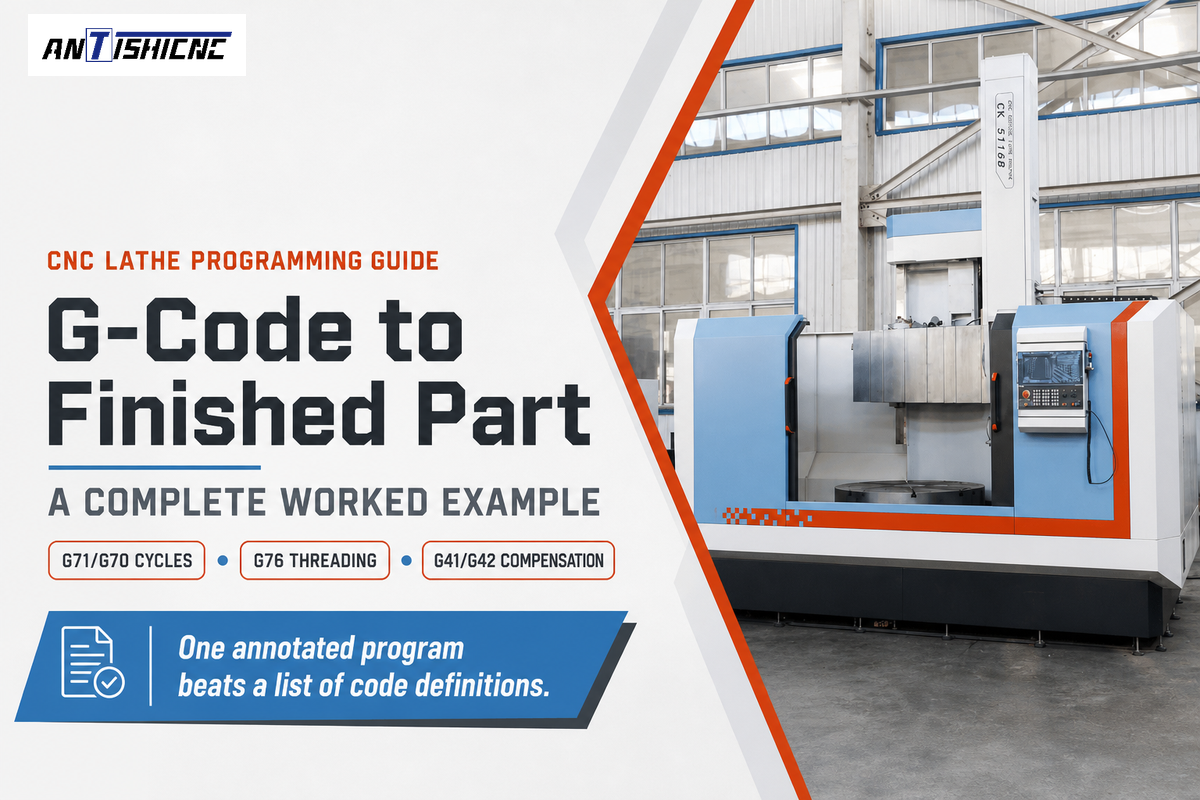
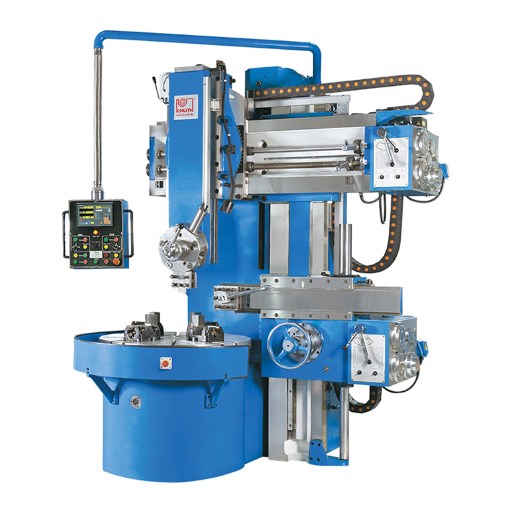
Vertical lathes are machining tools with a huge capacity to carry out operations on heavy workpieces that are irregular in shape. Unlike horizontal lathes, vertical lathes have the spindle set vertically so that gravity assists in the positioning and locking of the workpiece in the chuck or on the table. This type of design is very useful in machining components like turbine rotors, engine casings, and those massive cylinders.
Today modern visible lathes come fitted with computer control or CNC systems for accurate and automated operations with near-zero chances of human error. Basic components include the large-diameter rotating table, the vertical column, and the cross rail carrying the cutting tools. The rotating table acts as the chuck and base, with load capacity in tons on industrial-grade machines.
Key Capability: On the cutting edge, a vertical lathe can work on a diameter ranging anywhere from 1 m to over 16 m, with its cutting speed and torque highly upgraded with high-performance motors and hybrid drives.
Differences from Horizontal Lathes
While horizontal and vertical lathes differ greatly in design, use, and efficiency, they also share similar machining functions. The main difference is in their orientation.
| Aspect | Vertical Lathes | Horizontal Lathes |
|---|---|---|
| Workpiece Position | Horizontal table, cutting tool moves vertically | Horizontal axis support |
| Best Suited For | Large, heavy, asymmetrical parts | Smaller, longer, symmetrical pieces |
| Space Utilization | Less floor space, better ergonomics | More portable, versatile for smaller jobs |
| Market Share | 40% of large-scale machining works | Dominant in small-scale production |
Importance in Modern Manufacturing
Lathes are vital components in revitalizing modern manufacturing because they provide versatile solutions to the increasing demand for quality and precision manufactured components.
Key Features of Vertical Turning Lathes

Vertical Orientation and Its Effects
In a turning lathe, we can say that the vertical configuration sometimes has special advantages over the horizontal one, primarily when working on large and heavy workpieces. This configuration offers the setting of the spindle in the vertical position and, by the process of gravity, offers help to hold the heavy component firmly with minimum clamping required.
Improved stability: Less vibrations during cutting for greater precision.
Better surface finishes: Gravity-assisted holding of the workpiece improves surface finishes.
Operator ergonomics: Better viewing of the cutting zone for visual inspections.
Space efficiency: Designs with smaller footprints compared to their horizontal counterparts.
Efficiency gains: Up to 30% improvement in machining efficiency.
Basic Parts of Vertical Lathes
Worktable
The worktable is a key element of a vertical lathe. It is where the workpiece is mounted and rotated while machining takes place. Worktables are generally fitted with very high torque motors and utilize hydrostatic bearings to reduce friction while increasing load capacity.
Tool Turret or Tool Head
The turret holds and positions cutting tools for machining operations. Most recent vertical lathes have live tooling capabilities, allowing the turret to perform drilling or tapping operations in addition to turning.
Column and Cross Rail
The movable vertical column with an adjustable cross rail supports the machining head structurally and allows for its movement. These parts are made out of either cast iron or steel, and both metals are chosen for their rigidity and good vibration damping characteristics.
Spindle and Drive System
The spindle transmits power for cutting operations and determines machining efficiency. Modern vertical lathes use high-performance spindles capable of speeds of 2,500 RPM and above.
Control Interface (CNC Panel)
Advanced control systems allow operators to program complex machining operations with precision. The latest CNC systems embed artificial intelligence and IoT capabilities for predictive maintenance and process optimization.
Applications of Vertical Turning
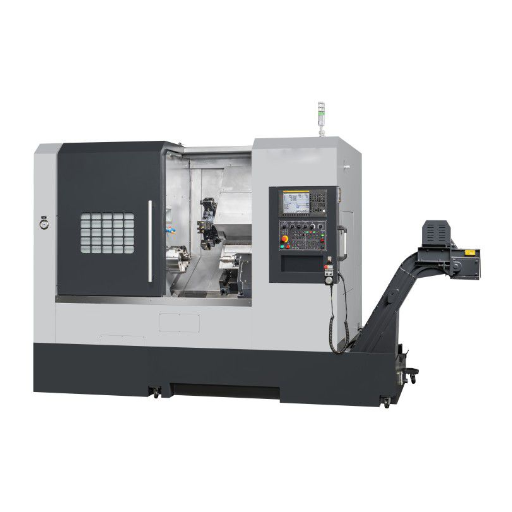
Industries Utilizing Vertical Lathes
| Industry | Applications | Market Value |
|---|---|---|
| Aerospace | Turbine casings, engine housings, landing gear | ~$900B by 2030 |
| Automotive | Engine blocks, brake discs, transmission parts | $2.6T in 2022 |
| Energy Sector | Wind turbine hubs, hydroelectric components | $2T by 2030 |
| Oil and Gas | Drilling rigs, pipeline flanges, refinery infrastructure | Growing demand |
| Heavy Equipment | Large machining bases, gearboxes, crane components | Steady growth |
Benefits for Precision and Heavy-Duty Machining
- Accuracy without Parallelism: Precision up to ±0.0001 inches
- Heavy-Duty Capacity: Over 10,000 pounds of parts at hand
- Enhance Efficiency: 30% less time for production by less number of setups
- Industry 4.0 Integration: 20% increase in OEE
- Advanced Tooling: Carbide tools and diamond coating for wear resistance
Benefits of Using Vertical Turning Lathes
Support for Heavy Workpieces
Vertical turning lathes (VTLs) are designed to handle large and heavy workpieces with precision and stability. By virtue of being vertical, these machines use gravity to hold the workpiece, which is clamped on top of the massive horizontal faceplate.
Greater Accuracy and Space-Saving Layout
Featuring high-precision encoders, automatic tool changers, and adaptive control systems, VTLs can now hold machining tolerances to ±0.005 mm. The vertical orientation conserves floor space while facilitating easy manipulation of oversized heavy workpieces.
Tips for Selecting a Vertical Lathe
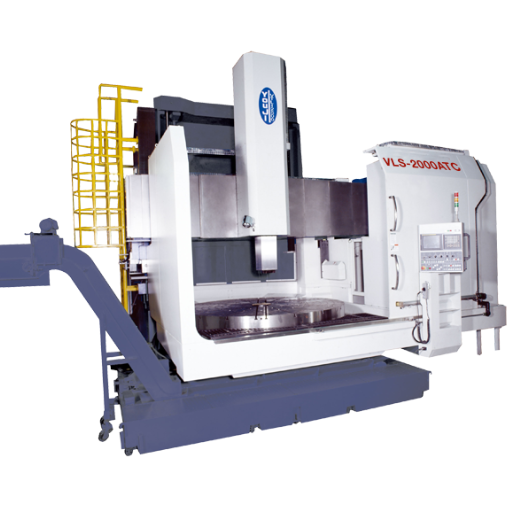
Factors to Consider in Selection
- Workpiece Size and Weight: Maximum turning diameter and weight capacity should be considered.
- Machine Stiffness and Stability: Must be ensured when accuracy and surface finish are required on hard materials.
- Automation and Tooling: Robotic tool changing systems allow for increased production with less downtime.
- Control Systems and Software: CNC control systems of latest generation allow for highly flexible programming.
- Space and Operational Layout: Survey of the existing floor placement and accessibility should be taken into account.
- Energy Efficiency: According to new calculations and research, new designs can save up to 20% on operational costs.
- Maintenance and After-Sales Support: A manufacturer offering full support should be preferred.
- Budget and Return on Investment: Long-running return on investment should be considered.
Maintenance and Care for Vertical Lathes
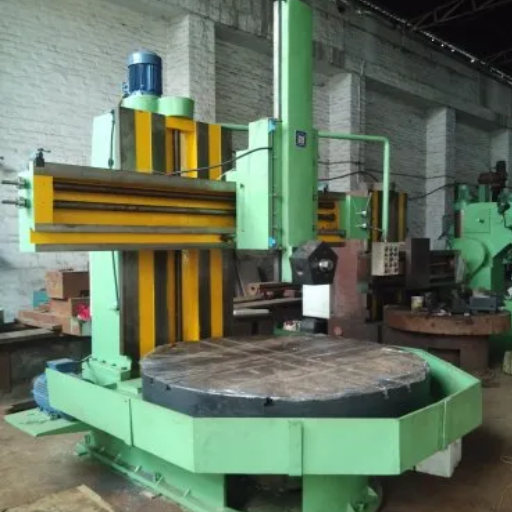
Regular Maintenance Practices
- Daily Checks: Visual inspection of wear or damage for hoses, connections, and seals
- Lubrication: It is very essential for decreasing friction and wear (40% of machinery breakdowns are lubrication-related)
- Alignment Checks: Periodic checking of the spindle alignment and turret with a laser
- Cleaning and Debris Removal: Regular cleaning keeps a machine 20% longer
- Coolant System Maintenance: Keeps a check on blocked filters and contaminated fluids
- Software Updates: CNC systems require updates for their continued functionality and security
Maintenance Impact: The use of predictive maintenance technologies may reduce unscheduled down time by as much as 30%, thus increasing productivity.