


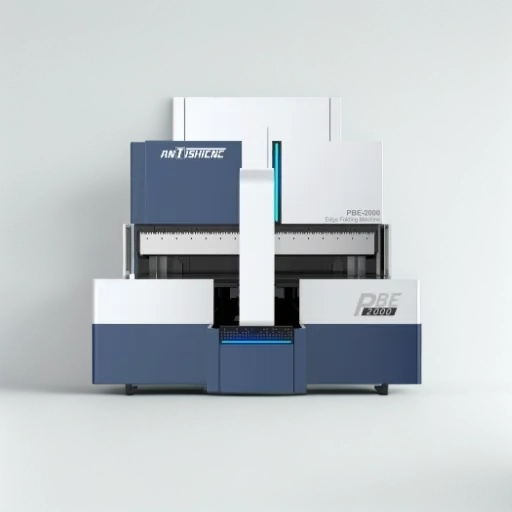
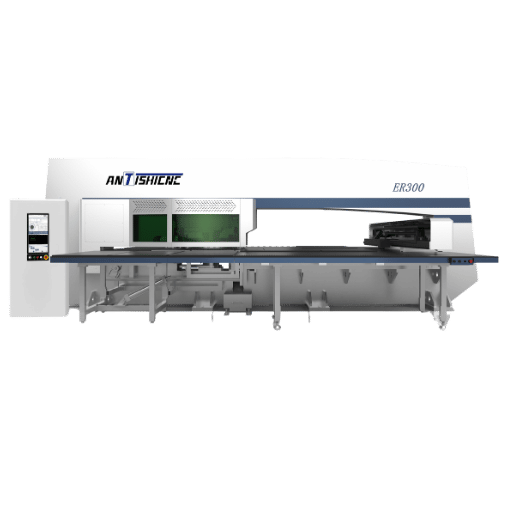
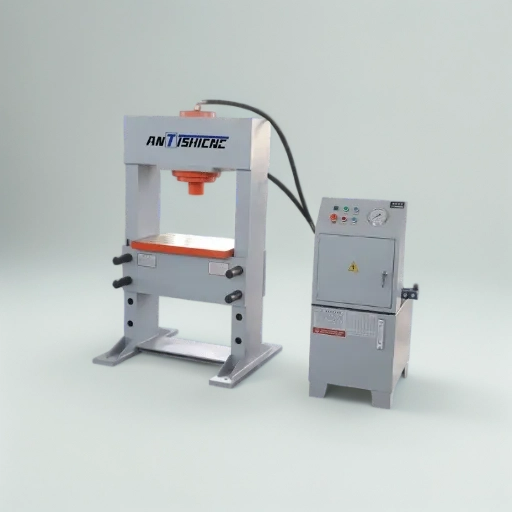


Its precision and efficiency make the turret punch press the powerhouse of modern sheet metal fabrication. The industries of automotive, construction, and electronics all depend on it because of its versatility and the remarkable accuracy in secondary operations and multi-bend folding it offers. The question is, what makes the turret punch unique? How can its features be utilized to enhance manufacturing processes? This article will discuss the concept of the turret punch press, its key features, and the range of applications it supports. The fabrication industry has undergone tremendous evolution; whether you are an expert or a novice in machining, this article will help you understand and appreciate the turret punch press for fabrication.
What is a Turret Punch?
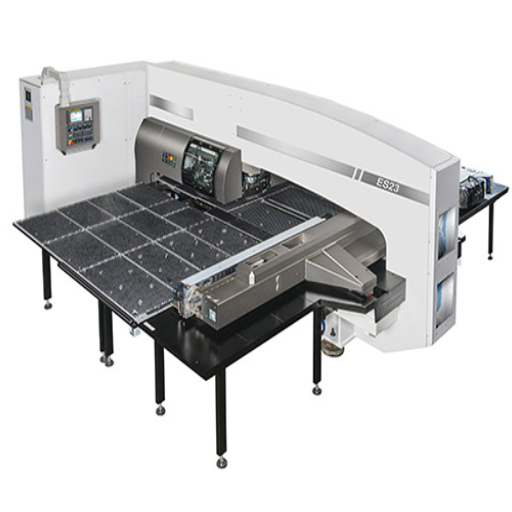
In manufacturing a sheet of metal, a turret punch acts as a punch hole and a shape punch. It utilizes a rotating turret equipped with various tools, which accelerates the punching process by eliminating the need for tool or machine changes. The extreme efficiency of this machine enables the fabrication of parts, especially for the automotive, electronics, and building industries.
Definition and Overview of Turret Punch Machines
In the sheet metal fabrication sector, precision and efficiency are paramount, so turret punch machines are among the most crucial types of machinery used. The punch tools required for the operation are applied in the turret, which can rotate to apply the necessary punch. Given that punctuation is used in the English language, computerized numerical control, or CNC, is used in the machines, allowing for precision and control.
As noted in modern machinery, they can perform not only basic punching but also embossing, countersinking, forming, and even light bending, which makes the machinery a one-stop solution for advanced manufacturing processes. As with light sheet metals, they can produce at a rate of 600 punches per minute, which makes them very efficient in terms of production volume.
Key Capabilities:
- Process sheet metal with thicknesses up to 0.25 inches (6.35mm)
- Handle lengths up to 120 inches (3.05 meters)
- Achieve production rates of up to 600 punches per minute
- Multi-tool fixtures and automated tool changers
- Advanced nesting capabilities for material optimization
Machine capabilities vary; some turret punch machines are designed to process sheet metal with thicknesses of up to .25 inches (6.35mm) and lengths of up to 120 inches (3.05 meters). Additional developments in tooling include multi-tool fixtures and automated tool changers that significantly increase the efficiency of the machines by reducing downtime and changeover time.
The integration of computers and software has enabled turret punch machines to execute advanced nesting, which optimizes the placement of parts on a sheet. This integration reduces scrap and provides a more cost-effective and environmentally friendly solution. Industries such as aerospace, construction, consumer electronics, and automotive manufacturing utilize turret punch machinery, as this marks a crucial solution where accuracy and volume are paramount.
Key Components of a Turret Punch Press
Every turret punch press comprises several components that work together as a unit to achieve maximum efficiency and precision during the fabrication of sheet metal. Below are the aspects of a turret punch press that are essential:
Turret
The turret acts as a circular rotating disk that carries multiple punching tools of different sizes and shapes. For effective punching operations, the upper and lower turrets need to be properly aligned. Contemporary presses can support between 10 and 60 tool stations, which enables the production of intricate designs.
Punching Tools
The punches and dies that make up the tools of the turret work together to cut or shape the sheet metal. The tools may be customized to suit particular production requirements. For heavy-duty operations, the tools are constructed from materials like tungsten carbide.
Worktable
The worktable of the turret press is intended for placing the sheet metal. To ensure the worktable is stable, it is equipped with a smooth work surface and clamps to hold the sheet during processing. Brush and ball-type tables are advanced features that reduce damage to the sheet surface and facilitate easy movement of the sheets.
Clamps and Sheet Positioning System
Clamps are required to firmly grip the sheet metal and eliminate any misalignment during punching operations. The positioning system is needed to control the movement of the sheet. For proper sheet engagement with the tools, the sheet has to be moved in the X and Y directions, which the positioning system controls. The system may use servo drives or ball screws.
Control System
The CNC (Computer Numerical Control) system is the core of the modern turret punch presses. CNC systems control tool selection and sheet positioning, guaranteeing the repeatable accuracy of the design. Operators can input sophisticated patterns using specially designed software and optimize sheet layout to minimize material waste.
Hydraulic or Servo Drive System
Thicker or tougher materials necessitate the use of a hydraulic system, whilst a servo-electric system is ideal for thin sheets due to its precision control. The punch and die system requires a drive system to operate and utilizes one of the two systems.
Scrap Management System
For continuous operation, efficient removal of scraps is necessary. To maintain a clean working environment, turret punch presses use chutes or conveyors to remove punched waste pieces, thereby sustaining productivity.
Safety and Monitoring Features
New turret punch presses feature a range of safety measures, including protective enclosures, emergency stop switches, and monitoring systems that track wear and tear, ensure proper alignment, and report potential malfunctions.
By integrating these components, turret punch presses can operate at an optimal level in the fabrication of sheet metal components. As a result, refinery downtime and operational costs are significantly reduced.
Different Types of Punching Machines
Punching machines are indispensable in today’s manufacturing for their specialized function of creating precise holes in sheet materials. Each of their types comes with its special use and need fulfillment:
1. Turret Punch Presses
The turret punch presses are highly functional, as they consist of multiple tool stations arranged in a turret. In this way, intricate operations and quick tool changes are possible. They are effective for moderate to high volume productions. Efficiency is further improved thanks to automation and advanced productivity integrations with CAD/CAM systems, which allow for faster setup times.
2. Hydraulic Punching Machines
Punching machines that utilize pneumatic power to punch are renowned for their power and durability. For pneumatic punching machines, power braking to a punching force of 100 tons is available. These punching machines work well with pneumatic punching machines in industrial, heavy-duty applications, such as punching beams and frames.
3. Mechanical Punching Machines
Motors power Mechanical Punching machines and utilize their flywheels to drive the punching action. These machines are designed to operate at high speeds, making them ideal for high-volume runs. Their mechanical components tend to be more complex, and as a result, they require more maintenance. Although they require more care, they are still in use because they provide reliable results in operations where speed is a concern.
4. CNC Punching Machines
CNC (Computer Numerical Control) punching machines are advanced machines in terms of automation and precision. They can make intricate patterns and shapes without any manual adjustments. With programmable operations and capabilities such as tool life monitoring, these machines are well-known in industries that depend on precision, including electronics, automotive, and aerospace, due to the various sheet materials they can work with.
5. Manual Punching Machines
Manual machines are punching machines that are simple and inexpensive, requiring manual operation. Such models are standard in small workshops and small chain production units where speed and precision are not necessary.
Efficiency and Trends in Punching Machine Technology
Research studies conducted in recent years have shown a growing demand for hybrid machines that combine mechanical and hydraulic systems, as they offer improved energy efficiency and lower operational costs. Moreover, green manufacturing trends have led to new models that are energy-efficient, reducing energy usage while maintaining the same functionality. To ensure constant quality, advanced control and AI-driven diagnostics are also becoming the norm in new machines, as well as reducing the time required to recover when out of operation.
Different punching machines are advantageous for specific tasks, allowing manufacturers to have a greater choice in selecting the one that suits their needs. Knowing these differences allows one to improve the production flow and attain better results in fabricating sheet metals.
How Turret Punching Works
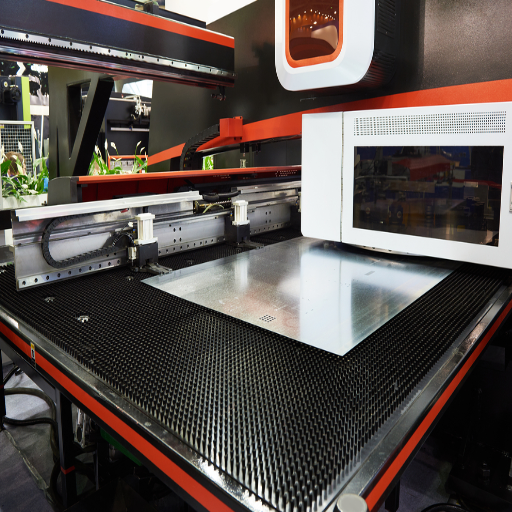
The process begins by using a turret, a rotating instrument holder that contains a range of punches and die sets. The punch presses through the metal sheet to produce specific holes and shapes. Quick tool changes made possible by the turret ensure accurate, efficient, and speedy processing of complex designs. Due to its rapidness and adaptability, this method is the most effective in manufacturing and is highly effective in creating repeated patterns.
The Punching Process Explained
Punching is a commonly used fabrication method because of its accuracy and speed. First, the sheet metal is placed on the worktable. The machine is guided with CNC systems, which give the best accuracy. The turret contains a series of punches and dies that align the correct tool to the needed section of the material. The punch then applies the required force to shear the metal and form the shape or hole.
Process Specifications:
- Accuracy within ±0.1 mm
- Maximum 600 strokes per minute
- Wide range of shapes, patterns, and perforations
- Minimal scrap material generation
Depending on the material and design complexity, modern punching machines can achieve accuracy within ±0.1 mm. Machines are capable of working at a maximum of 600 strokes per minute, resulting in better production yield. This process is flexible, as it can make a wide range of shapes, patterns, and perforations with minimal scrap material. The punching process is essential for the automotive, electronics, and construction industries due to the variety of parts that can be produced, including brackets, panels, and enclosures. This highlights how punching is essential and versatile for different areas of manufacturing.
Reduced downtime and intricate layouts are now possible due to advancements in CAD/CAM systems and tool design, which in turn increase efficiency. The automation and flexibility, combined with the required accuracy, make the punching process essential and distinct in manufacturing.
Mechanism of CNC Turret Punching Machines
Machines with turret CNC punchers are intended to serve for the ordered automated punch operation of a particular workpiece made of a metal sheet. Such machines have a turret, i.e., a rotating tool holder, which is fitted with several punch tools for different hole shapes and lengths of hole punches. The CNC system reads the program and provides the movements, sheet positioning, and punches necessary for correct tool fitting and the proper tool for shaping metal.
There are three steps to completing a punch: clamping, positioning, and punching. Using the brush table or even ball bearings, friction is reduced, and the sheeting is protected from scratches as it is moved. The punch is positioned in the proper location on the X and Y axes by the CNC, and the sheet metal to be punched is moved by the CNC-controlled table. A punch with the required shape is made using a punch tool, and depending on the specific thickness and type of the sheet metal, punches per minute can be achieved. Modern turret punching machines have a maximum speed of 900 punches per minute.
Advanced Features:
- Multi-tool stations and automatic tool changers
- Nibbling capabilities for intricate designs
- Compatible with aluminum, stainless steel, and mild steel
- Material thickness range: 0.5 mm to 6 mm
- Tool path optimization software
- Real-time monitoring and error detection
Multi-tool stations and automatic tool changers are essential components that help increase efficiency, particularly on advanced CNC turret punching machines. These machines also feature nibbling machines that help create intricate designs, such as curves or patterns that follow a continuous line. Common materials used include aluminum, stainless steel, and mild steel, with thicknesses ranging from 0.5 mm to 6 mm.
Furthermore, the software enables the optimization of the tools’ path to eliminate waste and reduce the production cycle time. Machines equipped with real-time monitoring and error detection guarantee reduced downtime and high-quality output. For this reason, industries that require a large number of fabricated pieces and precision fabrication rely on CNC turret punching machines.
Control Systems in Turret Punch Machines
Control systems have undergone noticeable improvements for turret punch machines as manufacturing companies seek greater accuracy, efficiency, and adaptability in modern workflows. The majority of CNC turret punch machines now run on advanced numerical control (NC) systems, which simplify the programming of intricate punching sequences. Such systems feature user-friendly displays that facilitate the easy import of CAD files into the machine, thereby streamlining the manufacturing workflow and minimizing errors.
Like other machine tools, punching machines benefit from the evolution of machine tool controls to incorporate multi-axis controls. With multi-axis control, work can be completed more quickly and with greater accuracy, as it can be performed along and measured at different axes to ensure the correct position at the proper time. According to the available reports, it is evident that adaptive control system-equipped machines are more efficient, by up to 30%, in adjusting parameters for the tool and punch based on the material. Furthermore, the integrated real-time diagnostics and monitoring of control systems can significantly enhance quality assurance. For example, these systems can be programmed and set up to issue alerts when the checked parameters change beyond a set limit, for instance, with the parameters “tool wear” or “material deviation.” This feature, in turn, reduces control checks and relieves quality control engineers.
Industry 4.0 Integration Benefits:
- Remote diagnosis and predictive maintenance
- IoT and cloud technology integration
- 15-20% increase in productivity
- Notable decrease in material waste
- Enhanced performance monitoring
Moreover, modernized controls have also led to the adoption of Industry 4.0 standards, which enable remote diagnosis and predictive maintenance. With modern IoT and cloud technology, performance and maintenance scheduling is possible, which eliminates the cost of emergency services. The use of statistics indicates that, along with the purchase of more advanced controls, companies have reported a 15 to 20 percent increase in productivity, accompanied by a notable decrease in material waste.
These advances demonstrate the crucial role modern control systems play in maximizing the capabilities of turret punch machines, which is particularly beneficial in the automotive, aerospace, and electronics industries, where demand for such machinery is exceptionally high.
Features of the CNC Turret Punch
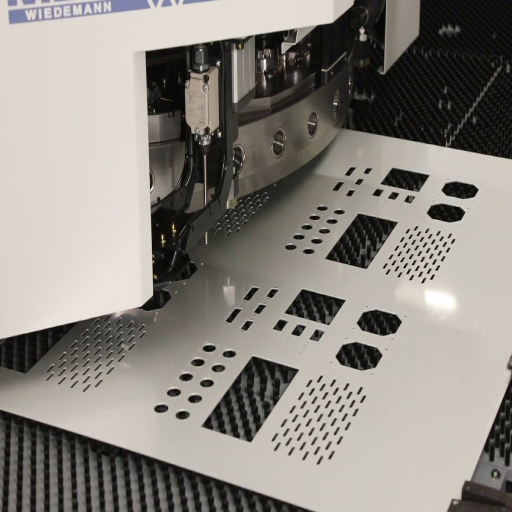
| Feature | Description | Benefit |
|---|---|---|
| High Precision | Ensures precise and consistent punching with minimal deviation | Crucial for manufacturing components with strict tolerance requirements |
| Versatility | Supports different sheet metal thicknesses and materials | Provides numerous application possibilities across various industries |
| Speed and Efficiency | Advanced programming and refined tool paths | Drastically reduces production time |
| Tooling Capacity | Multiple tool stations for various operations | Enables rapid tool changes during production |
| Automation Options | Automated loading, unloading, and stacking | Reduces labor needs and increases productivity |
| Durability and Reliability | Heavy-duty components for prolonged use | Ensures operational dependability |
Technical Specifications of CNC Turret Punches
Punching Capacity
Typically, a CNC turret punch has a punching capacity of 20 to 40 tons and can punch materials such as mild steel, stainless steel, and aluminum. The maximum sheet thickness for such machines is approximately 6.35 mm (0.25 inches), which partly depends on the machine model.
Precision and Accuracy
For an advanced CNC turret punch, the fabrication quality is excellent, offering positional accuracy of ±0.05 mm and repeatability of ±0.02 mm. Such specific tolerances are crucial for industries that require parts to be manufactured to perfection consistently.
Turret Configuration
A CNC turret punch is equipped with a turret having 60 tool stations. With this flexibility, it can perform and combine punching of rounds, squares, and other custom shapes, thus enabling a lesser setup for complicated jobs.
Processing Speed
Newer equipment can reach 1,000 hits per minute on thin metals, which is slightly slower for thicker metals. The speed of moving sheets into position usually is 60 to 120 metres per minute, which is well balanced with the total production flow.
Automation Features
With the use of auto-indexing stations, these stations for angled tools rotate automatically. Efficiency is significantly increased for optional material handling systems, such as automatic loaders and unloaders, which also reduce the amount of manual work required.
Software and Integration
The software of CAD and CAM is integrated with that of the CNC turret punches. Programming is simplified, and the time advanced to begin fabrication is shortened. The automated nesting feature further reduces costs by minimizing waste while improving sheet utilization.
Energy Efficiency
While still performing at a high level, the energy requirements of many models are drastically reduced by servo-electric drives. These modern systems are quieter and require less maintenance than older hydraulic systems, further enhancing their eco-friendly nature.
Machine Dimensions and Weight
The weight of the machine largely depends on the features included and the model, but most weigh over 10,000 kilograms. With a weight that high, the standard dimensions of these machines range from 4,000 mm by 2,000 mm to 6,000 mm by 2,500 mm, ensuring the machine remains stable while operating at high speeds.
Due to CNC turret punches, companies can now produce their components more quickly with improved quality and reduced waste, making them a critical piece of equipment for current fabrication needs.
Advantages of Hydraulic vs. Manual Turret Punch Machines
Hydraulic turret punch machines offer several key benefits over manual machines, particularly in terms of performance, efficiency, and flexibility. The hydraulic system can maintain a steady force through the entire process, which helps the machine punch sharper and cleaner holes, even on harder materials like stainless steel and aluminum. At the same time, these machines also operate efficiently at high speeds, with some models even exceeding 600 hits per minute, significantly outpacing manual machines.
| Aspect | Hydraulic Machines | Manual Machines |
|---|---|---|
| Operator Interaction | Digital controls and automation | Requires significant operator interaction |
| Speed | 600+ hits per minute | Limited by operator capability |
| Precision | CNC technology ensures consistency | Dependent on operator skill |
| Initial Cost | Higher initial investment | Lower initial cost |
| Long-term Economics | More economical for mass production | Suitable for small workshops |
| Energy Efficiency | Optimized for minimal power consumption | Basic energy requirements |
| Maintenance | Less frequent maintenance is required | Regular manual maintenance is needed |
Hydraulic turret punch machines are distinctly different from their manual counterparts. Manual machines require a lot of operator interaction, whereas hydraulic ones are equipped with digital controls and automation. These not only improve machine operation but also reduce errors and lessen operator fatigue. Modern hydraulic systems are also equipped with advanced CNC (Computer Numerical Control) technology, which enables easy and quick modifications to designs, allowing for flexible production with minimal changeover time.
Hydraulic turret punch machines are distinguished by their high energy efficiency. Many modern machines are designed to produce the best output with the least power consumption, which reduces operational costs. Moreover, their maintenance is less frequent. This, in addition to their sturdiness, makes hydraulic systems a more economical option in the long run, especially in mass production industries.
In comparison, the manual turret punches may have a lower initial cost, but they are insufficient in terms of precision and speed for advanced or large-scale projects. Such machinery is more fitting for small workshops or low-volume production environments. Moreover, depending on the operator for input also tends to increase product variability, which makes manual punch machines unsuitable for industries like automotive and aerospace manufacturing that demand precision.
Considering all these aspects, hydraulic turret punch machines stand out as the ideal option for companies needing quick, reliable, and precise metal sheet cutting. With such machines, companies enjoy enhanced efficiency and can also improve their industrial competitiveness.
Innovations in Turret Punch Technology
With advancements in turret punch technology, we can now discuss efficiency, precision, and versatility in metal fabrication. Modern machines feature CNC (Computer Numerical Control) systems, enabling operators to create complex designs using simple methods, which is ideal for producing intricate designs with minimal manual labor. The automation of these modern fabrication processes reduces labour costs and significantly increases the consistency of the product across multiple batches.
Sustainability Improvements:
- Servo-electric drives reduce energy consumption by nearly 40%
- Lower operating expenses
- Reduced carbon footprints
- Support for green manufacturing practices
Next-generation turret punch machines are also improved in terms of sustainability, serving as yet another noteworthy biomimicry innovation in manufacturing. These newer machines are often equipped with servo-electric drives, which operate at a fraction of the energy cost of conventional hydraulics. This reduces operating expenses while also supporting sustainability goals by lowering carbon footprints. In fact, servo-electric turret punches, according to a manufacturing recall, are capable of reducing energy consumption by nearly 40%. This makes them a highly preferred option among manufacturers who adhere to green manufacturing practices.
The productivity of managing production workflows has also advanced in other areas with the use of the appropriate software. Operators can now monitor production systems in real time and remotely, enabling them to check if the machines are working as expected, identify any irregularities, and conduct maintenance before expensive downtime occurs. Additionally, the use of advanced materials technology has led to the creation of tools that allow for prolonged use and increased production rates, thereby lowering the costs associated with tooling replacements.
The developments made to turret punch technology serve as a response, demonstrating the industry’s eagerness to meet the modern demands of manufacturing while maintaining cost, precision, and sustainability. Enterprises that adopt these technologies can gain the advantage of keeping up with the changing needs of the industry.
Applications and Industries Utilizing Turret Punches
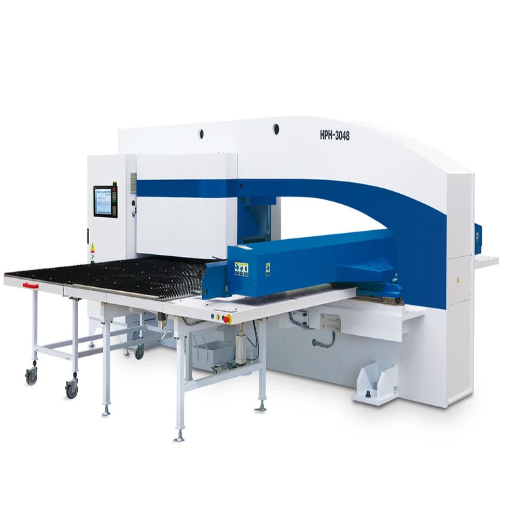
In the realm of sheet metal work and fabrication, the most notable peril is the one that has the most prominent use, as well as in milling. For instance, they can be found in the automotive sector, as well as in the production of electrical enclosures, HVAC systems, and even in metal furniture. Marking and punching are also invaluable in the appliance, construction, and even aerospace industries, where high that is intricate requires high that is repeatable. The effectiveness, as well as the greater performance, of the peril is what increases its importance for various industries.
Common Uses of Turret Punch Machines
Due to modern manufacturing needs, one of the most valuable investments a factory can make is a turret punch machine. This is because the turret punch is one of the few manufacturing tools that can perform a broad range of functions efficiently and effectively. This punch is widely used in manufacturing various parts, such as panels, brackets, and enclosures. Additionally, it punches out components like engine and chassis covers, as well as mounting brackets, which are very useful in the automotive industry.
Industry Applications:
- Automotive: Engine covers, chassis components, mounting brackets
- HVAC: Ducting, vent covers, essential system parts
- Construction: Steel frames, staircases, support structures
- Aerospace: Wing panels, bulkheads, precision components
- Appliance & Furniture: Front panels, hardware components
The HVAC industries are also known to use these punches to make their ducting, vent covers, and other necessary parts. In addition, turret punch machines are widely used in the construction industry for the making of steel frames, staircases, and support structures that are essential in building construction.
With the integration of CNC technology, advanced turret punch machines deliver increased productivity, efficiency, and accuracy. This has been documented in recent industry reports, which state that the implementation of CNC turret punches can lead to cost savings of up to 20% in material waste. Such functionality enables cost savings and fosters a green culture among manufacturers. These functionalities are essential in the aerospace industry, where such precision is required for parts such as wing panels and bulkheads.
Additionally, the appliance and furniture industries effectively utilize turret punch machines. These machines enable the design of washing machine front panels and intricate furniture hardware at high speeds. The demand for automated tool changers greatly enhances production speed and allows the realization of mass customization.
In the context of modern manufacturing, the focus on accuracy, efficiency, and the prudent use of resources leads these industries to continue prioritizing the use of turret punch machines. The ability of these machines to produce high-quality, sturdy sheet metal products is a significant advantage.
Industry Applications for Turret Punching
Turret punching is a pivotal operation in many industries, as it enables the accurate, fast, and multifaceted manufacture of sheet metal parts. The automotive industry is a primary user of turret punch machines for manufacturing sheet brackets and panels. Turret punching operates simultaneously with other processes, enabling the punching of small holes, cutting around edges, and bending metal sheets. The integrated processes of the turret punch machines are especially useful in producing lightweight automobile parts. With the increase in demand for lightweight automobile parts, turret punching serves to fulfil the demand cost-effectively while still maintaining narrow tolerances.
Turret punching machinery is also beneficial in the construction industry for producing roofing sheets, components of HVAC systems, and structural supports. The marked consistency in accuracy of these machines is particularly useful for parts that require precise fitting for assembly. In the aerospace industry, components of both commercial and military aircraft are designed to be as light as possible, while also incorporating super durable parts and components that meet stringent performance and safety requirements.
The manufacture of electronics enclosures is another growing area of application, as turret punching allows for the creation of ventilation patterns, precise cutouts for switches, and connectors. Such exactness provides strong support for modern compact electronics designs. Additionally, industries that manufacture office furniture, such as metal desks and filing storage cabinets, employ turret punching in their high-volume production, as well as for customizable designs.
The increasing adoption of CNC and other advanced manufacturing techniques is driving the steady growth of the global turret punch machine market. Industry reports also indicate a growing adoption of CNC-controlled turret punching machines, which improve productivity and lessen material scrap. With the ability to process various materials and ensure a certain level of quality, turret punching is essential for multiple industries, while other technologies are eclipsed by it.
Case Studies of Turret Punch Implementation
Case Study 1: Progress Developments in the Automotive Industry
The production of automobile body parts became more efficient when a well-known automotive company purchased CNC turret punch machines. With the aid of automation software, the company achieved a 20% improvement in the automobile body production process and a 15% reduction in material waste. The turret punches were able to maintain the intricate designs of the automobile parts more efficiently while maintaining overall product quality. This was instrumental in the improvements seen in both the assembly line and customer satisfaction.
Case Study 2: HVAC Manufacturing Efficiency
An HVAC equipment manufacturer adopted turret punch machines for fabricating their duct and ventilation system products. Equipped with the latest programmable machine controls, the company was able to raise its production by 25%. Additionally, the capability to work with various materials, including stainless steel and aluminum, enabled a broader range of product designs. The reports show a marked improvement in profit margins, made possible by reduced scrap and faster delivery.
Case Study 3: Electronics Device Fabrication
A well-known electronics firm has adopted turret punch technology in its enclosure and mounting bracket fabrication processes. Their facilities can now produce lightweight components that are highly precise and suitable for use in fragile electronics. Not only does the new system improve lead times by 30%, but markers also enable customers to customize products, which was previously difficult to implement widely. Products are delivered faster and of excellent quality due to the reduced need for post-processing.
These examples from practice illustrate the benefits and functionality of turret punch technology in various fields, showcasing improvements in processing speed, reduction of operational wastes, and product quality.
Maintenance and Troubleshooting
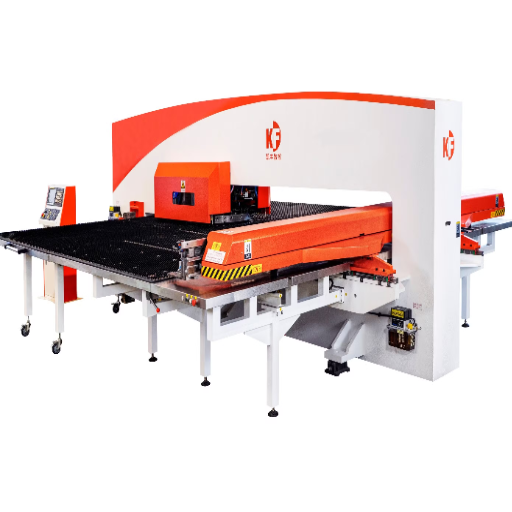
To prolong the useful life and achieve optimal performance of the turret punch, it is necessary to observe proper maintenance. This includes assessing the machine for wear and tear, particularly on the punches, dies, and lubrication systems, regularly. Keep the working area clean to prevent the accumulation of debris, which can affect accuracy. Timely replacement of parts that have worn out so that they do not cause damage or reduce efficiency.
The scratching of non-standard sounds, the absence of everyday sounds, the marking of a blank area, and inconsistent punching quality are the most basic indicators requiring troubleshooting. Determine whether the tool is installed correctly. Verify the tool’s programming to ensure it matches the intended operations. Follow the instructions in the user manual and consult technicians for prolonged engagements involving tracking and periodic revolutionary maintenance.
Regular Maintenance Practices for Turret Punch Machines
If you want to maintain the peak performance of your turret punch machine, the following routine maintenance checks will be vital:
Inspection and Cleaning Daily
Look out for signs of wear, loose bolts, or debris as you clean the worktable, alignment pins, and tools at the beginning of your shift. This will eliminate the risk of damage and will ensure the operation runs smoothly.
Component Lubrication
Use the manufacturer-recommended lubricants to maintain the guide rails, turrets, and tool holders. Consistent upkeep will reduce friction and the chances of premature wear.
Tool Maintenance
Maintain punching precision by sharpening tools and dies that show signs of wear or dullness, and replacing those that are damaged. This way, the quality won’t be compromised.
Alignment Adjustments
Confirm that the turret and tools are aligned correctly to prevent misalignment, which can damage the machine and affect punching accuracy.
Filter and Fluid Checks
Maintain system efficiency and prevent overheating by routinely checking air filters and hydraulic fluids, and refilling or replacing them according to the manufacturer’s guidelines.
Updates to Software and Program
Minimize errors by updating the machine’s control software and ensuring the programs are compatible and optimized for operations.
Incorporating these practices into your maintenance routine will ensure that your turret punch machine has a longer life, experiences less downtime, and operates consistently at high levels of productivity. Always refer to your user manual for safety instructions and other recommendations, as these may vary by model.
Common Issues and Their Solutions
Based on my observations, some of the most frequent issues that arise with turret punch machines include dull punches, programming errors, and misaligned tools. My approach to resolving misalignment is to recalibrate the tools following the machine specifications. Dull punches are effectively addressed through regular sharpening or replacement. In the case of programming errors, I ensure that the code meets the appropriate standards by verifying it against the machine software documentation. Such uncomplicated measures allow me to resolve problems and sustain smooth operation promptly.
| Common Issue | Symptoms | Solution |
|---|---|---|
| Dull Punches | Poor hole quality, increased force required | Regular sharpening or replacement |
| Tool Misalignment | Inaccurate punching, damaged parts | Recalibrate tools to machine specifications |
| Programming Errors | Incorrect patterns, the machine stops | Verify code against software documentation |
| Inconsistent Quality | Variable hole sizes, rough edges | Check tool condition and alignment |
| Unusual Sounds | Grinding, clicking, or banging noises | Inspect mechanical components and lubrication |
Upgrading Your Turret Punch Press
Upgrading your turret punch press offers several benefits, including enhanced efficiency, precision, and versatility. Quick-change and multi-tool systems are excellent advanced tooling options that enable more complex operations while reducing changeover time. Other improvements include robotic arms and material handling systems. These minimize manual labor and help keep production flowing smoothly. The software can also be upgraded, and with newer versions, it can be programmed more efficiently, errors are reduced, and machines can be monitored in real-time. Ensure that the latest upgrades are compatible with your current machinery and that the potential benefits outweigh the costs. With the right upgrades, you can work with the manufacturer or even a professional from the industry for proper guidance.
Upgrade Benefits:
- Advanced Tooling: Quick-change and multi-tool systems
- Automation: Robotic arms and material handling systems
- Software Improvements: Enhanced programming and real-time monitoring
- Efficiency Gains: Reduced changeover time and manual labor
- Quality Enhancement: Improved precision and consistency
Upgrade Considerations:
- Ensure compatibility with current machinery
- Evaluate the cost-benefit ratio
- Consult with manufacturers or industry professionals
- Consider long-term production goals
- Plan for operator training on new systems
Conclusion
The turret punch press stands as a cornerstone of modern sheet metal fabrication, offering unparalleled precision, efficiency, and versatility across multiple industries. From automotive manufacturing to aerospace applications, these machines have proven their worth through consistent performance, reduced material waste, and enhanced productivity. The integration of CNC technology, advanced control systems, and innovative features like servo-electric drives has transformed turret punches into sophisticated manufacturing solutions that meet the demands of modern production environments.
As manufacturing continues to evolve toward greater automation, sustainability, and precision, turret punch technology remains at the forefront of these advancements. Whether you’re considering an initial investment or upgrading existing equipment, understanding the capabilities and applications of turret punch presses is essential for maintaining competitive advantage in today’s dynamic manufacturing landscape.
Reference Sources
Frequently Asked Questions (FAQs)
What is a CNC Turret Punch and How Does It Work?
A CNC turret punch refers to a type of punching machine that utilizes computer numerical control (CNC) to streamline and automate the punching operation. It features a turret that can accommodate various punches and dies, allowing it to produce a wide range of shapes and sizes on a metal sheet. The machine can work on a standard sheet and complete it within a short turnaround time, making it ideal for mass production in sheet metal manufacturing factories.
How does a Turret Punching Machine reduce tooling costs?
The costs associated with tooling are lower in the case of turret punching machines because the cost of tooling is lower. Their multi-tool functionality means that manufacturers can design for prototyping or for small-quantity runs without incurring the expense of outright tooling for multiple machines. This results in savings on both tooling and production costs.
What are the advantages of using a CNC Turret Punch with a Servo Motor?
A CNC turret punch with a servo motor benefits motion control and efficiency matters. The servo motor enhances the quality of the punching operation by reducing noise levels and increasing productivity. The cycle times are improved, and the machine becomes more functional for a wide range of industrial uses.
Can you demonstrate the features of a Strippit P CNC Turret Punch?
The Strippit P CNC turret punch is renowned for its distinctive features, including quick tool change and a user-friendly control system. The robust construction and hydraulic system guarantee stability during operation. With the demo features, potential customers can test the machine and witness its capability to efficiently craft complex shapes, which helps them consider metal fabrication.
Can you tell me the kind of materials a CNC Turret Punch can handle?
A CNC turret punch is capable of handling different grades of stainless steel, aluminium, copper, and alloy steel. Its special functions make it possible for it to be used in creating samples of various thicknesses and parts. Because of the high level of proficiency exhibited by the machine, it is considered indispensable in the fabrication workshop.
What is the impact of hydraulic oil on a Turret Punch’s performance?
Hydraulic oil is crucial to the turret punch, as the machine utilizes a hydraulic mechanism that enables it to perform punching operations. Sufficient maintenance of hydraulic oil empowers the machine to operate smoothly without requiring additional service, allowing it to efficiently and effectively perform metalworking operations with minimal wear and tear.
What noise levels can be expected from a CNC Turret Punch?
The materials being processed and the design of the machines determine the light, sound, and noise levels generated by the systems. However, most modern systems have advanced features, including improved clutches, enhanced insulation, and sophisticated machines designed to reduce noise. They are also suited for environments that need less noise.
How important is the control system in a CNC Turret Punch?
The control system is the heart of any CNC machine, including the CNC turret punch systems, for it determines the extent to which the piercing processes can be completed correctly, as well as the speed that can be attained; further, depending on the reliability of the system, complex automation and programming become possible. This greatly enhances the ease with which production batches of different types can be handled, together with the assured high accuracy and repeatability.