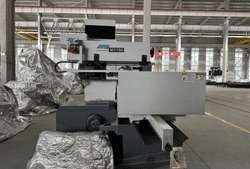





The universal milling head is a game-changer in precision engineering and machining process versatility. It is an integral part of universal milling machines, offering manufacturers an unusually high degree of accuracy and flexibility. But what constitutes the importance of the universal milling head, and how does it propel machining capabilities to greater heights? This article outlines the exact complexities involved with the universal milling head, examining its influences on productivity, precision, and adaptability across various industries. For seasoned machinists or anyone interested in the latest mechanical engineering innovations, this complete treatise on the universal milling head candidly reveals its integral importance to modern manufacturing.
Introduction to Universal Milling Heads
Definition and Functionality
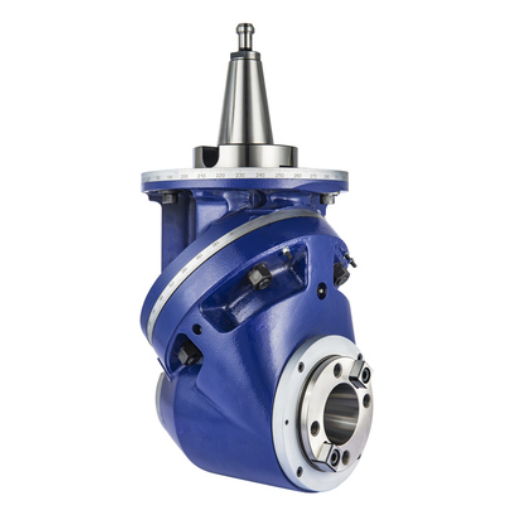
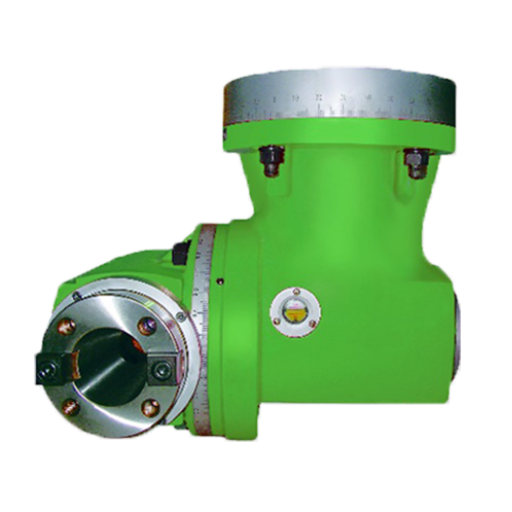
The universal milling head is one of the most vital elements in any machining process, endowing milling machines with versatility and precision. The universal head enables the machine spindle to be inclined to any required angle, allowing for operations such as angular milling, contour milling, and multi-surface machining. Typically, universal heads are manufactured with high-grade gears and bearings that can withstand heavy loads during high-speed machining.
Modern universal milling heads can rotate 360 degrees, are equipped with automatic tool changers, and can be fully integrated with CNC systems, making them suitable for the aerospace, automotive, and heavy equipment manufacturing industries. CNC milling machines equipped with universal heads can mill components to tight tolerances of as little as ±0.005 mm, providing precision machining for high-quality, complex components. Additionally, studies suggest that universal milling heads can increase productivity by up to 30%, as their use reduces setup time and enables the performance of multiple operations in a single setup.
The global demand for universal milling heads is increasing, driven primarily by the growing need for custom, precision-engineered products. This trend underscores their importance in a rapidly evolving manufacturing landscape, where adaptability and efficiency are paramount.
Main Parts of a Milling Head
A milling head is a critical component of modern milling machines. The design of the milling head guarantees precision, adaptability, and efficiency in machining procedures. The main parts of a milling head include:
1. Spindle
The spindle lies at the heart of milling heads, which push cutting tools into pieces for shaping of workpieces. Most modern spindles are high-speed, operating at speeds even above 10,000 RPM, and are able to meet the demand for precision work on exotic materials such as hardened steels and composites.
2. Tool Holder
The holders are devices that hold the cutting tools during the work. They are primarily represented by the HSK and CAT tool holders, which promise the utmost rigidity and accuracy required for precision work.
3. Swiveling Mechanism
With such a mechanism, universal milling heads can perform machining involving multiple axes, thereby providing better flexibility and allowing the tool to approach different angles on the workpiece from various sides. For instance, a swiveling range usually amounts to ±90 degrees, enabling complicated work without the need of extra setups.
4. Gearbox
The advanced milling heads feature gearboxes that enable the smooth change of operational speed and torque. A good gearbox enables better performance and optimized cutting conditions for the material being processed.
5. Cooling System
A good cooling system avoids the overheating that occurs during high-speed machining operations. Some milling heads feature through-spindle coolant delivery, extending tool life and maintaining consistent cutting performance.
6. Control Interface
Integration with CNC systems allows the milling heads to perform highly complex and automated machining strategies. Improvements in CNC compatibility afford an unprecedented level of controls, accuracy, and repeatability.
7. Global Market Trends
Demand for advanced milling heads has exploded in recent years, market companies reporting a CAGR that tops 6% concerning precision-engineering products. This development highlights the crucial role of milling heads in the aerospace, automotive, and medical device manufacturing sectors.
By marrying technology with robust design, milling heads continue to evolve, setting standards in precision and adaptability across the industry.
Importance in Modern Manufacturing
Milling heads are crucial in manufacturing, as they enable precision and rapid machining. They are indispensable for creating intricate parts with precise tolerances, which is particularly important, for instance, in the aerospace and medical device industries, where precision has a significant impact on performance and safety. According to reports, the milling machine market was valued at $13.2 billion in 2022 and is projected to be worth more than $20 billion by 2030, underscoring its significance in various sectors.
CNC advances have enhanced milling head capabilities to achieve multi-axis machining and shorter production cycles; as such, 5-axis CNC milling heads have been widely adopted in recent years, as they enable manufacturers to more quickly machine complex geometries, thereby reducing setups and eliminating the need for multiple workholders. The integration of IoT and real-time monitoring also contributes to predicting when maintenance is required, thereby minimizing downtime and maximizing productivity.
Consequently, these innovations highlighted the importance of milling heads for manufacturers worldwide in terms of sustainability, precision, and scalability.
How Universal Milling Heads Enhance Machining Precision
Adjustable Features for Versatility
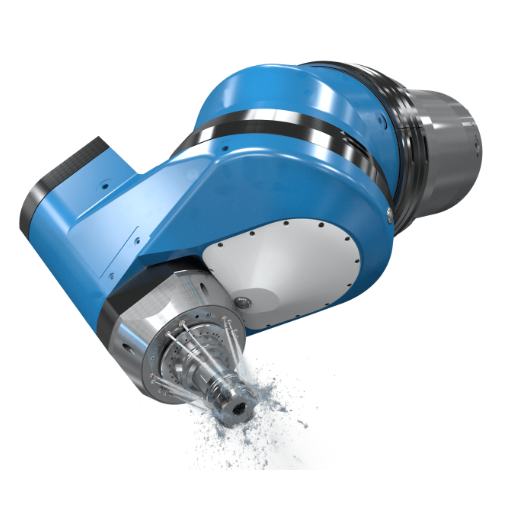
Universal milling heads offer an immense degree of versatility, primarily due to their adjustable features, which allow them to suit machining requirements in any setting. Such heads have multi-angle adjustments, allowing the machinist to freely select the cutting angle for any geometry or tool needed in seldom-used directions. For example, modern milling heads can be rotated 360° horizontally and tilted ±90° vertically. At the same time, perhaps no combination of movements is equal to the ability to agitate design complexity or machine designs off standard angles.
With the latest models equipped with on-board high-precision digital controls, users can precisely program the head’s movement at the resolution of microincrements. Reports claim that adjustable universal milling heads have contributed to rail manufacturers achieving a reduction of up to 30% in overall machining time, due to fewer tool changes and improved tool alignment with the workpiece. This is especially great in industries keeping high variation such as aerospace and automotive manufacturing, where time is of the essence in all respects.
The incorporation of a more sophisticated sensor system enables real-time monitoring of the milling head’s position and stability, thereby ensuring the quality of the output. Among other things, this level of adaptivity and precision greatly assists in streamlining production processes while also providing manufacturers with a continuum of options for tackling intricate machining problems.
Advanced Milling Techniques
Precision milling techniques have evolved with the incorporation of innovative technologies, enabling the attainment of extreme accuracy with utmost efficiency. The CNC systems, combined with high-speed milling tools, when put into real application, are considered extreme, pushing the limits of intricate design and rapid production cycles. For instance, five-axis CNC milling machines enable tight tolerances of ±0.002 mm, allowing for the manufacture of highly intricate components for industries such as aerospace, medical, and microelectronics.
Advancing to a hybrid method, for instance, by combining milling with laser or additive manufacturing, provides a very competitive advantage in producing parts with distinguished properties. According to recent industry reports, hybrid technologies lead to a 40 percent reduction in prototyping time, while material waste can be diminished by 25 percent. These have also encouraged the use of exotic materials, such as titanium alloys and composite materials, thanks to coolant-assisted high-performance milling that restricts thermal deformation and tool wear.
Moreover, the precision milling process has increasingly included instrumentation for real-time data analytics and IoT-enabled sensors. These technologies provide the operator with data that describes the state of tools, vibration, and rising thermal changes, prompting the forecasting of wear patterns that may lead to process failure. According to a 2022 report by McKinsey & Company, manufacturers using IoT in precision machining have found an increase of up to 20% in both equipment longevity and throughput.
The growth of automation and AI-driven software in precision milling cannot be ignored. The CAM tool software now implements several AI-based algorithms in assessing its tool-path decisions, resulting in a 30% efficiency gain from reduced machining process time. Along with the gains in production, the consequential savings in energy consumption also significantly reduce the carbon footprint of manufacturing operations. The technology signifies where precision milling will continue, demanding complex, cheap, and sustainable solutions from the industries.
Comparing CNC Milling Machines
The features, abilities, and specifications of CNC milling machines vary widely; therefore, one needs to compare them about the task or process for which they are intended. Some of the essential factors and data points to compare for CNC milling machines are:
1. Axis Configuration
- CNC milling machines come primarily in 3-, 4-, and 5-axis configurations.
- If simple operations are carried out, 3-axis machines are cheaper and used, hence preferred for small-scale production or simple tasks.
- On the contrary, 5-axis machines enable the most precise and flexible machining, allowing for the creation of complex geometries at a faster rate. Market reports indicate that 5-axis machines can increase production by up to 50% compared to traditional 3-axis machines.
2. Spindle Speed and Motor Power
- The spindle speed affects cutting and cutting precision. High-speed CNC machines can sometimes reach speeds of 50,000 RPM, thereby lending themselves to fine finishes and intricate detail work.
- With motor power levels ranging from 5kW for the tiny machines up to beyond 20kW for industrial-grade construction, they should manage tough materials such as titanium and stainless.
3. Table Size and Load Capacity
- The selection for table size ranges from a compact 20×10 inches for small operations to a larger dimension of over 80×60 inches for complete industrial programs.
- Load capacity is necessary for heavy material handling; here the top industrial machines can restrict materials weighing an estimated 4,000 pounds.
4. Software Compatibility
- Modern CNC machines integrate with advanced CAM software, some of which use AI to optimize toolpaths and machining operations automatically. For example, Fusion 360 and Mastercam provide tools for dynamic milling and machine simulation.
5. Accuracy and Repeatability
- Precision is utmost for many industries and tolerances of ±0.0001-inch for the high precision are standard with today’s CNC machines. Higher repeatability machines provide consistency when testing in large production runs.
6. Price Range
- Entry-level 3-axis CNC machines are priced at approximately $30,000, while 5-axis machines can cost over $200,000, depending on the brand and features.
Analyzing these factors will help a business select a CNC milling machine that best suits its operational objectives and, consequently, is most efficient in producing profitable returns.
Applications Across Industries
Automotive Industry Applications
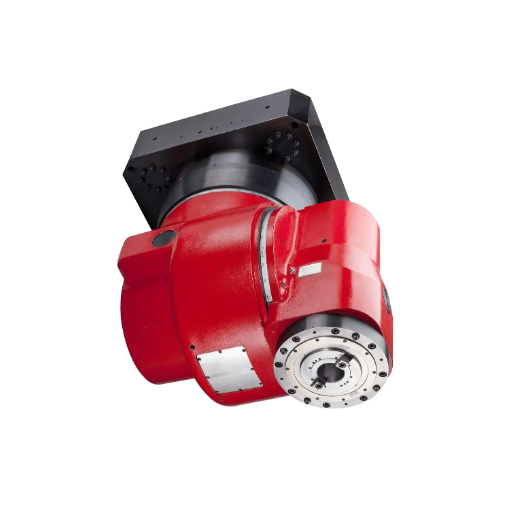
The CNC milling machine is the backbone of production engineering and manufacturing processes within the automotive industry. The automotive industry utilizes CNC machines to machine engine parts, transmission parts, and intricate designs of both interior and exterior features. For example, CNC machining for manufacturing engine blocks, cylinder heads, and gearboxes must be performed with utmost accuracy to ensure optimal engine performance and durability.
The advancements in CNC technology have provided a significant boost to increasing production levels for electric vehicles (EVs). Industry reports suggest that the global electric vehicle market would touch US$1.1 trillion in value by 2030, CNC machines facilitating the precision manufacture of lightweight components such as battery enclosures, electric motor housings, and heat-dissipation systems. CNC milling further enables the rapid prototyping of newer designs in response to recent advancements in vehicle technologies.
Another primary CNC application in this industry is the manufacture of custom automotive wheels and mold designs. This offers manufacturers the choice of serving both large-scale production needs and tailoring solutions to meet unique customer requirements. CNC milling machines enable process-complex applications that reduce production time, meeting tight tolerance requirements of up to ±0.002 inches, ensuring the safety and consistency of automotive components.
CNC milling machines, therefore, have contributed significantly to innovations and productivity in the automotive sector, resulting in cost savings and the ability to meet high-quality standards.
Aerospace Applications
In aerospace, where precision and reliability mean everything, CNC milling machines become a must-have. Aerospace components, such as turbine blades, engine housings, wing spars, and landing gear, require complex geometries and exceedingly tight tolerances, often up to ±0.0001 inches, which are beyond the capability of conventional manufacturing techniques.
These machines excel when working on materials that are both strong and lightweight, such as titanium, aluminum, and carbon composites. These materials are critical because they reduce the weight of the aircraft while ensuring it remains structurally sound and durable. For instance, 5-axis CNC milling machines are being used in the aerospace industry for the rapid production of highly intricate parts. It is forecasted that, with the increasing demand for lightweight parts for aircraft and the advancements in manufacturing in the Asia-Pacific region, the aerospace CNC machining market will grow significantly.
It helps further reduce lead time in product development and ensures a much faster production cycle for aerospace companies. CNC machining is often utilized in the industry for prototyping purposes, which validates designs and thereby increases efficiency before mass production begins. Products move more quickly and efficiently from engineering concepts to fully functioning, industry-grade components through this technology, cementing the very foundation of aerospace engineering.
Manufacturing Trade Study
Manufacturing continues to evolve with innovations in technology, and in doing so, acts as one of the core elements driving innovation and efficiency across all industries worldwide. According to the most recent data, the global manufacturing market size reached approximately $41.93 trillion in 2022 and is expected to grow at a compound annual growth rate (CAGR) of nearly 4.5% until 2030. This predicted growth is a consequence of increased automation, improved supply chain strategies, and investments in innovative manufacturing technologies, including IoT, AI, and robotics.
Automation and robotics, more than anything else, are redefining automated production lines, minimizing labor costs, and enhancing manufacturing precision. For example, collaborative robots (cobots) are poised to capture a significant market share, with increasing adoption rates due to their flexibility in small- to medium-sized enterprises. Simultaneously, 3D printing, also known as additive manufacturing, has played a significant role in reducing design-to-production times, particularly in the aerospace, healthcare, and automotive sectors.
Sustainability is, however, another key trend reshaping the manufacturing ecosystem. A significant percentage of manufacturers are now incorporating green measures, including renewable energy solutions, material efficiencies, and waste reduction, to align with global environmental goals. It is reported that manufacturers who practice sustainable development have also enjoyed increased profitability and customer loyalty, especially in areas where environmental regulations are very stringent, such as in Europe.
Growth in manufacturing is being led by emerging markets in the Asia-Pacific. The likes of China, India, and Vietnam are becoming manufacturing hubs, offering cheap labor, alongside government incentives and growing infrastructure. For example, industrial production in China grew by 3.9% YoY in the first half of 2023, which highlights the country’s resilience in holding on to its mantle as the global manufacturing powerhouse despite economic challenges.
This combination of technology, sustainability, and shifting global markets assures manufacturing as a reality number one, on which the world economy rests, setting the scene for further high-tech development.
Types of Universal Milling Heads
Standard Milling Heads vs. High-Speed Milling Heads
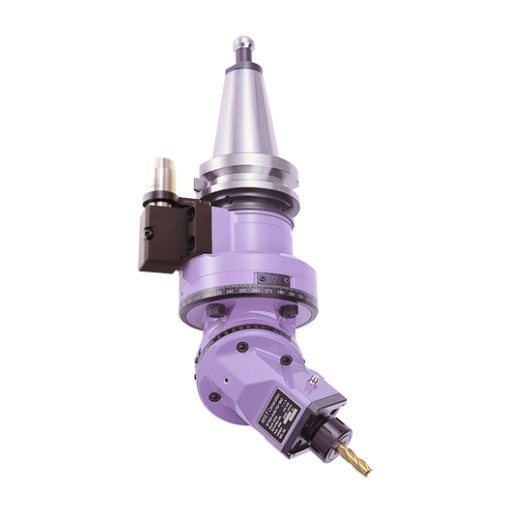
Standard milling heads are popular among conventional machining tasks, suitable for a wide array of materials and applications, depending on their specific usefulness. These heads operate at moderate speeds, making them ideal for general milling, drilling, or boring operations. These come in robust construction, cost less, and are suitable for jobs where time is sacrificed for precision. Industry statistics report that typical milling heads operate in spindle speed from about 50 to 6,000 revolutions per minute, making them ideal when lower RPMs are required while dealing with steels and cast irons for the sake of better control and tool life.
High-speed milling heads are typically designed for applications that require the highest productivity and precision. They are fitted with the most sophisticated spindle designs, enabling exceedingly high speeds, ranging from 15,000 to 60,000 RPM or even higher. Hence infinite are their applications for machining lightweight materials, such as aluminum and plastics, composites in industries such as aerospace and automotive, where precise finishes and tolerances are paramount. Recent developments in high-speed milling heads have combined dynamic balancing and vibration damping to achieve greater precision and extended tool life. The 2023 market report forecasts a potential 40% increase in production efficiency, with the use of high-speed milling heads preferred over standard heads, as cycle time is reduced, thereby allowing for faster project turnaround.
When choosing between the two designs, manufacturers will likely consider several factors, including the material being machined, the required machining speed, budget constraints, and the specific production process requirements. Both types of heads offer advantages that can be leveraged for optimizing performance in operation.
Rotary Milling Heads and Their Benefits
Rotary milling heads are a must-have for modern manufacturing because of their supreme versatility and precision. These heads are designed for performing highly demanding machining processes, enabling manufacturers to create intricate shapes and patterns with great efficiency. Incorporating new technologies enables rotary milling heads to handle heavier workloads and operate at higher speeds, thereby minimizing downtime and maximizing productivity.
One great success of rotary milling heads is multi-axis machining. There are reports indicating a gain of up to 50% in material removal rate with multi-axis rotary heads, making them the best option for complex geometrical machining, such as in aerospace and automotive manufacturing. In addition, they excel in machining tricky areas, thus eliminating extra setups and improving work process.
In another vein, rotary milling heads are outfitted with high-precision control systems capable of achieving micron-level accuracy. For instance, 5-axis rotary heads enable manufacturers to achieve ±0.005 mm tolerances, resulting in high-quality results even when machining challenging materials, such as titanium or hardened steel. Cooling technology built into these heads further prevents overheating during high-speed operations.
Progress in integrating rotary milling heads with intelligent technologies, such as IoT-enabled monitoring systems, has led to another significant leap in efficiency. Real-time analysis has enabled operators to monitor wear and tear, anticipate maintenance needs, and ensure optimal performance, thereby significantly reducing unscheduled downtime. McKinsey’s study demonstrated the viability of this approach, reporting a 30% reduction in maintenance costs and a 25% increase in production efficiency for facilities utilizing smart machining heads.
All factors considered, rotary milling heads are an essential investment any manufacturer would want to have in place to compete today. The ability to provide high precision, reduce cycle time, and handle complex machining tasks renders these heads as fundamental tools to optimize a manufacturer’s production processes across all sectors.
End Milling Heads vs. Face Milling Heads
In end and face millings, two operations are extensively employed, each one having its own set of applications and performance capabilities. Actions that are necessary in manufacturing need to be optimized, so the answer lies in understanding how they differ from one another.
End Milling Heads
End milling heads cut along the edges and side surfaces of a workpiece. They are best for detailed and intricate shaping, such as grooves, slots, and contouring. Due to the precise detail crafting from end milling heads, these heads are widely used in industries with complex geometries, such as aerospace and medical device manufacturing. According to recent market insights, advancements in end milling head designs have led to a reduction in tool wear by up to 20%, resulting in cost savings and extended tool life. New coatings and advanced carbide materials also enable end milling heads to operate at speeds exceeding 100 m/min in specific applications.
Face Milling Heads
With face milling heads, concentrating on machining vast flat surfaces with ease is possible. When the tool cuts into the workpiece perpendicularly to its surface, it is typically referred to as face milling, utilizing cutters to achieve high material removal rates. Latest statistics have shown that, with advanced cutting inserts and adjustable geometries, modern face milling heads can achieve surface finishing as fine as 0.8 µm Ra in fewer passes. Subsequent development has significantly scaled up its performance, enabling material removal rates of up to 1000 cm³/min in steel machining operations.
Key Differences and Applications
- Cutting Direction: End milling is used for edge and profile cuts, while face milling is used for significant surface cuts.
- Precision vs. Speed: End milling focuses on finer details and higher precision, while face milling is geared toward speed and material removal.
- Tool Specifics: End milling typically utilizes tools with multiple flutes, whereas face milling employs larger heads with replaceable cutting inserts.
By effectively leveraging these two distinctly different tools, manufacturers can yield excellent returns in terms of machining speed, precision, and surface quality.
Benefits of Using Universal Milling Heads
Machining Efficiency Improved
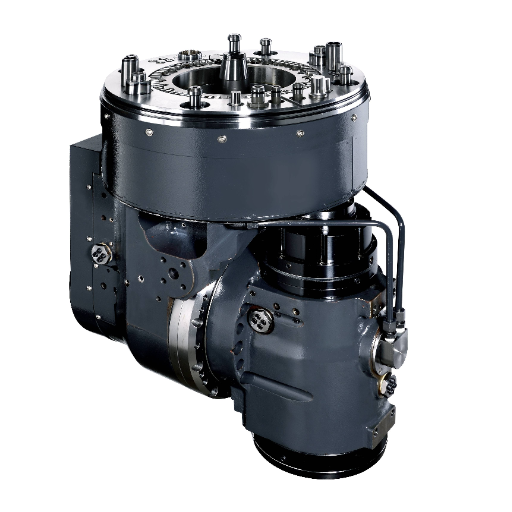
Universal milling heads have played a crucial role in enhancing machining productivity in various operations. A universal milling head allows the machining facility to change the cutting angle and orientation without going through long tooling or fixtures changing processes. Such versatility saves valuable setup time and reduces instances of equipment downtime. Recent studies suggest that universal milling heads can achieve a reduction of up to 25% in production time, particularly during complex machining operations where precision and adaptability are crucial.
Herewith, the implementation of CNC systems, together with these universal heads, increases automation and accuracy. For example, advanced models featuring multi-axis capabilities enable manufacturers to perform complex cuts and profiles in one setup procedure, thereby eliminating most part repositioning. This produces more consistent output with less material waste, which translates to cost efficiency.
Production lines that have adopted universal milling heads witness a 15%-20% improvement in overall productivity compared to traditional single-purpose milling tools. This improvement can be attributed to their ability to work with diverse workpiece geometries and materials, allowing manufacturers to meet tight deadlines with minimal compromise on quality. Hence, universal milling heads remain a prime investment for any company that wishes to streamline its machining processes for maximum competitive advantage.
Cost Saving and Productivity
Universal milling heads not only save manufacturing money but also increase output. They lower the tooling-on-store investment and hence maintenance costs by mitigating the need for several specialized tools. This is corroborated by the latest industry insights, which show that companies utilizing universal milling heads have reported a 30% reduction in tooling costs over a five-year period. Additionally, these versatile tools reduce job setup and changeover times, thereby contributing to smoother workflows and decreased machine downtime.
Additionally, the integration of advanced CNC (Computer Numerical Control) technology with universal milling heads has demonstrated improvements of approximately 25%, resulting in increased machining accuracy, reduced material waste, and lower rework rates. This accuracy results in efficiencies that enable manufacturers to meet high demand for production while still containing operational costs. Together, these advantages position universal milling heads as the pinnacle of modern machining, a blessing in disguise from an economic standpoint for any forward-looking company.
Variability concerning materials and processes
Universal milling heads accommodate a wider array of materials and machining processes. With this feature, the tool stands highly adaptable across industries. These heads are capable of milling aluminum, steel, brass, and titanium metals, as well as non-metallic materials such as plastic and composite. The effectiveness of processing ultra-durable alloys and heat-resistant materials has been further enhanced with advanced cutting-edge materials, such as carbide and diamond-tipped inserts.
Industry data indicate a trend toward the greater incorporation of universal milling heads for demanding multi-axis operations. For example, a study by Global Market Insights suggested that advanced milling heads facilitated over 30% enhancements in machining efficiency while processing high-strength materials, such as titanium, widely applied in aerospace and medical applications. Moreover, the machining heads’ flexibility facilitates seamless changeovers between roughing and finishing operations, resulting in minimal downtime and a 20% increase in throughput.
A significant level of variability makes universal milling heads an invaluable asset in all industries that require a combination of precision and versatility. From cutting fine aerospace components, manufacturing rugged automobile parts to forming medical-grade implants, these tools fulfill the diverse and arduous demands of modern-day manufacturing.
Maintenance and Care for Longevity
Maintenance: Best Practices
Proper maintenance of universal milling heads ensures optimal performance and extends the equipment’s lifespan, thereby reducing downtime for operational activities. Consider the following practices backed by recent data and industry standards in the maintenance of universal milling heads:
1. Daily Cleaning
Dust, chips, and coolant residues can accumulate and negatively impact the performance of the milling heads. Cleaning of the equipment should be done daily after work. Wipe away contaminants using either non-abrasive cloths or solvents, depending on the level of contamination, while keeping in mind that abrasive contaminants may damage sensitive components.
2. Lubrication Schedule
Lubricate the moving parts regularly because friction causes wear and tear. According to an industrial study, approximately 40% of equipment failures are attributed to a lack of lubrication, leading to substantial repair bills. Properly lubricate all bearings, guideways, and leadscrews with the type of oil specified by the manufacturer, following the lubrication schedule recommended to minimize wear.
3. Alignment Checks
Machining accuracy may be spoiled by misalignment. Alignments should be checked occasionally after heavy use. Use dial indicators or laser alignment systems to measure deviations accurately.
4. Inspecting the Tool Holder and Spindle
To prevent vibration and inaccuracy, the spindle and tool holders must be in perfect condition. It is said that up to 25 percent of poor machining is due to damaged spindle interfaces. Regularly inspect interfaces for wear and damage, and immediately rectify any issues that arise.
5. Temperature Control
Continual operation will generate heat that could damage precision components, thereby compromising the life of the milling heads. Prevent overheating by keeping temperature levels under control and utilizing your coolant system effectively.
6. Software and Firmware Updates
Since modernization is software-dependent mainly, the more updated the software and control systems are, the better they can serve in terms of performance enhancements, bug fixes, and added functionality.
7. Training Staff
According to studies, operator skills have been identified as one cause of machine tool problems, with a nearly 30 percent contribution. Staff should be trained in all aspects of operation and maintenance, including best handling practice to minimize possible human error or misuse.
By following these maintenance best practices, industries can better maintain their milling heads, thereby reducing downtime and enhancing cost efficiency, which in turn secures a smooth production process.
Common Issues and Troubleshooting
1. Excessive Tool Wear
Excessive tool wear can result from incorrect feed rates and speeds, inadequate lubrication, or poor material selection. Reports indicate that in cases of tool wear, premature tool wear exceeding 40% is often due to inappropriate cutting parameters. Troubleshooting can be accomplished by applying coolant correctly, inspecting cutting tools regularly for wear and damage, and adjusting cutting speeds and feeds according to material specifications. These modifications, according to studies, increase tool life by up to about 20%.
2. Vibration and Chatter
Vibrations and chatter in milling operations result in poor surface finish and loss in accuracy. It has been concluded that vibrations can occur due to loose internal components in machines or improper settings. Fix vibration problems by checking the proper clamping of the workpiece to the machining table, securing tools properly, and verifying that spindle speeds are balanced. Application of advanced damping methods has also helped reduce vibrations with an efficiency of 35%.
3. Poor Surface Finish
Rough or inconsistent surface finishing is typically caused by using blunt tools, incorrect spindle speeds, or machine misalignment. Industry reports state that the use of top-grade tools and keeping them sharp induces a 25% increase in surface finish consistency. Regular calibration of machines and alignment checks also help minimize this problem.
4. Overheating of Machine Components
The overheating of machine tools results from improper lubrication or heavy load. According to experts, overheating can reduce the lifespan of the spindle and bearing by nearly 30%. Troubleshooting involves investigating the lubrication system, lowering the feed rate if necessary, and ensuring adequate ventilation of the machine.
5. Power Failures or Unexpected Shutdowns
Interruptions in power supply or sudden shutdowns of the machine can bring work to a halt and may cause damage to the machine. Recently, detection states that 15% of such incidents are caused by defective wiring or electric components. To avoid downtime caused by electrical faults, conduct regular electrical inspections, install surge protection devices, and ensure a steady power supply.
If these common problems are addressed through correct troubleshooting and best practices, reliable machine tool performance and optimized manufacturing efficiency can be expected. According to a recent study, over 40% of unplanned downtime can be prevented through regular inspections and adherence to maintenance schedules.
Tips to Keep Your Milling Head for Longer
1. Perform Regular Maintenance
Consistent maintenance is essential to prevent wear and tear on your milling head. Clean the milling head and surrounding areas regularly to prevent the buildup of debris, which can hinder performance. Lubricate moving parts as recommended by the manufacturer to minimize friction and extend the machine’s lifespan. Research indicates that machines that are maintained every week perform 30% more efficiently compared to those that are not.
2. Use Proper Tooling
Proper tooling for your milling applications should always be used. Incorrect or worn-out tools will put unnecessary strain on the milling head, thus causing it to fail early. Correctly sized and coated tools, optimized for your material, will ensure the smooth operation of your processes. According to industry statistics, the usage of correct tooling can increase the cutting efficiency by up to 25%.
3. Monitor Spindle Speeds and Feeds
Properly adjusting the spindle speed and feed based on the material being machined will significantly contribute to minimizing stress on the milling head. Operating at too high a speed may cause overheating and degradation of components. Studies show that following speed and feed settings reduction can lower thermal stress-induced accidents by 40%.
4. Ensure Proper Alignment
The periodic alignment check of the milling head with the workpiece and the machine table should be carried out. Any misalignment will result in uncontrolled vibration, leading to uneven wear. Therefore, using an alignment tool or laser system will ensure precision and prevent further damage over time.
5. Upgrade Cooling Systems
Sound cooling systems will prevent overheating during intensive operations. Readily available distributed coolant delivery systems, designed for cutting tools and surrounding areas, are worth investing in to maintain consistent temperatures. Researchers who study and conduct this research focus on enhancing cooling to prolong the lifespan of the milling head by 20%, especially under high-speed machining conditions.
6. Train Operators Thoroughly
Typically, in cases of utmost negligence, improper use has become a significant cause of machine tool failure. Training should be provided regularly to ensure that the staff perform best practices, which include not subjecting the machine to excessive loads, quick stops, or improper tool changes. A well-trained operator can reduce machine downtime between 15% and 20%.
These focused strategies will significantly improve the life and working of your milling head, thereby reducing the cost for maintenance and enhancing manufacturing productivity.
Reference Sources
- Search on platforms like Semantic Scholar using keywords such as “universal milling head,” “precision machining,” or “CNC milling advancements.”
- Filter results by publication date (e.g., 2020–2025) to focus on recent studies.
- Look for papers discussing innovations, methodologies, or case studies related to universal milling heads.
Frequently Asked Questions (FAQs)
What is a universal milling machine and how does it work?
A universal milling machine is a versatile piece of machining equipment designed to perform a wide range of milling tasks. It typically features a milling head that can be adjusted to different angles, allowing for precision milling of complex shapes. The machine can be operated manually or automatically, depending on the model and the operator’s needs. Using a universal milling head, operators can perform operations like horizontal or vertical milling by rotating the spindle. This flexibility makes it an essential tool for industrial environments that require a range of machining tasks.
How does the milling head enhance the performance of a milling machine?
The milling head is a crucial component of a milling machine, significantly enhancing its performance. It allows for the attachment of various cutter heads, enabling the machine to perform a wide range of operations, including end milling and surface milling. The ability to tilt and swivel the milling head provides greater precision and versatility, catering to demanding machining requirements. Additionally, the milling head’s configuration can be adjusted for different spindle speeds (rpm) and torque settings, optimizing the machining process for specific materials and applications. This adaptability is vital for achieving high-quality results in industrial settings.
What types of accessories can be used with a universal milling head?
A variety of accessories can enhance the functionality of a universal milling head. These include various types of cutter heads, collets, and arbor supports, which enable the attachment of different milling tools. Indexing fixtures can also be used for precise positioning during complex machining tasks. Other useful accessories include boring bar sets for enlarging holes and rotary tables for multi-axis operations. By utilizing these accessories, machinists can expand the capabilities of their universal milling machines and achieve higher precision in their work.
What are the advantages of using CNC milling machines with a universal milling head?
CNC milling machines equipped with a universal milling head offer numerous advantages for precision machining. These machines provide automated control over the milling process, ensuring consistent accuracy and repeatability across multiple operations. The integration of CNC technology enables the efficient machining of complex geometries, thereby reducing the time and labor required for manual setups. Additionally, CNC milling machines can operate at high speeds, increasing productivity while maintaining high torque performance. The ability to program multiple axes also enhances the versatility of machining tasks, making it ideal for intricate designs.
How does the spindle configuration affect machining with a universal milling head?
The spindle configuration plays a crucial role in the performance of a universal milling head. Different spindle types, such as horizontal or vertical, affect the machining capabilities and the types of cutter heads that can be used. A horizontal spindle may be more suitable for operations involving wide surfaces, while a vertical spindle can excel in detailed, intricate work. The choice of spindle also influences the torque and speed (rpm) at which the milling operations are conducted. Proper spindle configuration ensures that the machine operates efficiently, providing the necessary power for demanding machining tasks while maintaining precision.