





With the versatility and power of an angle grinder, few other tools compare. The well-dressed professional or the careworn do-it-yourself enthusiast can take hold of this dynamic tool and elevate projects to a higher level of artistry. This guide encompasses everything about angle grinders—from deciding on the appropriate type for your requirements, selecting the right accessories to utilize their capacities further. Expect priceless insights, practical tips, and expert suggestions that will help you apply your grinder tool efficiently and safely. Let’s explore the unlimited prospects of this tool!
Understanding Angle Grinders Among Grinder Tools
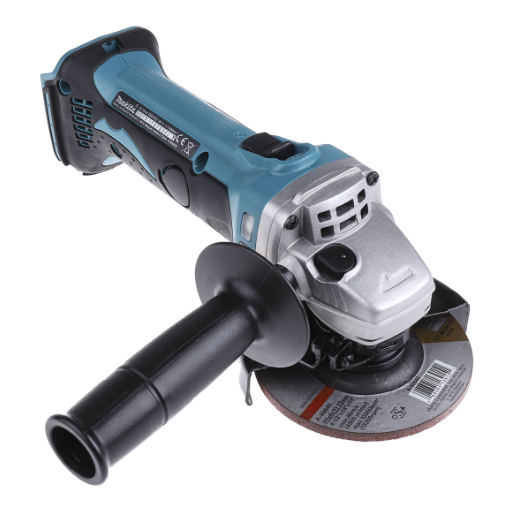
Angle grinders serve many purposes-they can cut, grind, polish, and sand. Due to the rotating abrasive discs, which can be swapped out depending on the operation, the tool is also known as an abrasive grinder. Construction sites use grinders in many operations, such as metalworking or DIY work, where an angle grinder removes old paint and rust, or for light shaping of materials, or to smooth down areas to be joined. For safety and effectiveness, the user must ensure that the correct disc is used for the specific operation and that proper safety measures are adhered to during the operation.
What is an angle grinder?
An angle grinder is a versatile tool, often referred to as an angle grinder, used for various tasks, making it a must-have in many toolboxes, including those of professionals and DIY enthusiasts. They may employ a rotating abrasive disc or wheel to cut, grind, polish, or sand materials ranging from metals and concrete to wood or even ceramics. Modern angle grinders are available in various configurations, including electric models that are either corded or cordless, as well as some with a pneumatic option.
With recent advancements, most angle grinders have evolved to feature more ergonomic handling, improved motor efficiency, and enhanced safety mechanisms, including electric brakes, overload protection, and anti-restart features. The speed usually lies between 5,000 and 12,000 RPM; however, with the increasing implementation of variable speed controls, it is up to the user to select the preferred speed based on the materials.
When deciding on a grinder, the length of the disc is a crucial factor to consider. Generally, the main disc sizes available are 4.5 inches, 6 inches, and 7 inches. Smaller discs are well-suited for decorative work, while larger ones are used for heavier work.
Additionally, disc types vary based on individual applications, including cutting discs, flap discs, and diamond-tipped blades for harder materials such as stone and tile.
Being among the most versatile tools available, they’d find themselves entirely indispensable for many industries such as construction, automotive repair, metalworking, and even artistic applications like metal sculpture. Yet, they get the best results only if maintained well and used safely, for they operate at very high speeds and can be potentially hazardous. The best performance is continuously achieved if the condition of the discs is checked regularly, lives are protected with safety gear, and manufacturers’ instructions are followed whenever the tools are in use.
Types of Grinder Tools

Characterized by versatility, grinders are designed for specific applications and tasks. Below are the commonly available grinder varieties together with their uses:
🔧 Angle Grinders
Angle grinders are perhaps the most versatile grinding tools, offering all the functions of cutting, grinding, and polishing. Depending on the attachment, they can perform operations on various materials, including metals, concrete, tiles, and wood. Most popular models feature variable speed controls and offer good ergonomics for easy control. Reports from the industry indicate that angle grinders account for a considerable percentage of handheld grinder sales due to their versatility.
⚡ Bench Grinders
Bench grinders are a stationary type of tool, typically mounted on a workbench. They are used chiefly for sharpening, polishing, and shaping materials. They generally have two grinding wheels, allowing different grits to be used simultaneously for various purposes. Due to their usefulness, they are commonly used in metalworking and woodworking shops.
🎯 Die Grinders
These sturdy and high-RPM grinders are ideal for precision jobs such as edging, polishing small surfaces, and removing rust and paint. Indeed, most of the time, these die grinders run on compressed air, while the others are powered electrically, granting the user of this tool much greater choice in airport repair, woodworking, and fine-detail metal work.
📏 Belt Grinders
The mainstay for sanding and shaping materials is the abrasive belt. They stabilize to smooth surfaces and grind away sharp edges of materials to implement grinding on large projects. One of the machines available in factories and fabrication workshops is a belt grinder, used for treating metals and wood.
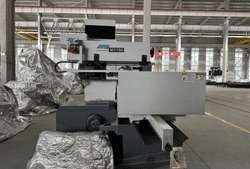
🏭 Surface Grinder
Primarily designed for flat grinding with precision, surface grinders are typically large machines used in industrial settings. They are made up of a rotating grinding wheel which works by grinding against workpieces, allowing precise flattening and finishing. Surface grinders are indispensable in manufacturing and machining for producing bright, polished, and evenly smooth surfaces.
📐 Straight Grinders
These grinders have a straight shape and are used for fine grinding tasks such as deburring and surface preparation. This shape is suitable for reaching tight areas or working on detailed designs.
💡 Pro Tip: Each type of grinder must be selected based on the task’s requirements; in other words, depending on the task it is intended for. With knowledge of its functions and uses, work becomes straightforward and produces excellent results.
Key Components of Grinder Tools
Grinder tools contain a few core elements that determine their performance, versatility, and precision. The crucial parts are listed below:
Motor
The motor is the heart of any tool; a grinder has one just like any other power tool. This motor will have varying speeds and may be more or less powerful, depending on its type. They might be rated in either amps or watts; whatever the case, the higher the rating, the greater the power produced by the motor. For instance, angle grinders come with motors that generally range from 6 to 13 amperes, providing a capacity for jobs from light to heavy duty.
Spindle
The spindle is the rotating shaft that powers the grinding wheel and other attachments into motion. The spindle is very crucial in ensuring the smooth and accurate operation of the tool. Several grinders have a standard spindle size, such as 5/8 inches, allowing many accessory manufacturers to produce compatible accessories.
Grinding Wheels or Abrasive Discs
The grinding wheel is the primary working element of the tool, used for specific tasks such as cutting, grinding, or polishing. The materials used could be aluminum oxide, silicon carbide, or diamond, depending on the work’s requirements. In addition, wheels can come in various sizes; a smaller one is typically around 4.5 inches in diameter, while a larger one measures 9 inches. The smaller ones are suitable for simple jobs, whereas the larger wheels with a fast RPM are suitable for mounting heavy-duty jobs and jobs with rough grinding operations.
Safety Guards
Safety guards are protective covers around the grinding wheel, protecting the user from sparks, debris, and accidental contact with the spinning wheel. They are mostly adjustable, allowing for flexibility and a safety measure.
Power Switch or Trigger
The power switch or trigger activates the grinder, turning it on and off, allowing it to operate. Some models have lock-on switches for extended jobs, while others feature a variable-speed trigger that allows the rotation speed to be adjusted as needed by the performer.
Handle
Handles are available that provide even more control and stability during work. Many grinders come with adjustable handles or removable handles, accommodating both left- and right-handed users and increasing overall ease of handling.
Ventilation System
Ventilation systems dissipate heat generated by the motor during prolonged periods of use to prevent overheating, which would otherwise shorten the tool’s working life. More sophisticated types generally feature dust-ejection systems to prevent dust accumulation inside the tool and maintain adequate airflow.
Gearbox or Transmission
The gearbox transfers power from the motor to the spindle, ensuring the grinder operates efficiently. The actual design of the gearbox can affect torque and speed; some designs intentionally incorporate speed reduction to achieve more torque at a lower speed.
All these constitute the entire system being in a delicate and subtle balance to ensure that grinder tools perform diverse tasks reliably and precisely. By understanding these components and their specifications, workers and hobbyists can select the proper grinder for the job and obtain the best performance possible on their project.
Angle Grinders: Power and Performance
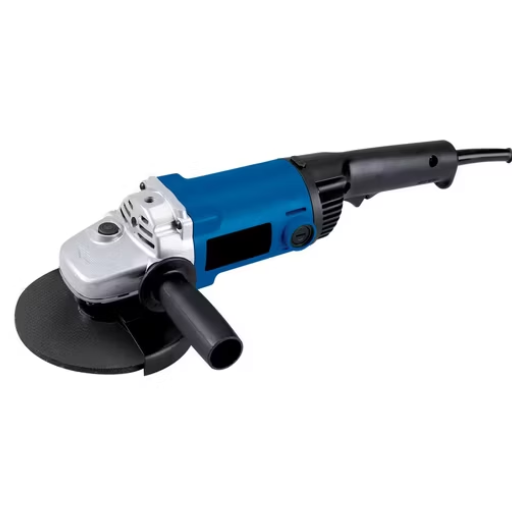
Angle grinders are versatile power tools used for cutting, grinding, and polishing materials such as metal and stone. They run on electricity, battery, or compressed air, providing flexibility in various working environments. Primarily, the power and performance of an angle grinder depend upon motor wattage, disc size, and speed in revolutions per minute (RPM). Larger disc sizes and higher wattages are suitable for heavy-duty applications, while a higher speed enables faster cuts. When purchasing an angle grinder, consider the type of material you will work with and the intended use when selecting the tool.
How Angle Grinders Work
Working with an angle grinder essentially involves using a powerful motor that forces the high-speed rotation of a thin disc, which cuts, grinds, or polishes various materials. The motor creates torque that is transmitted to the disc through a geared head, resulting in smooth rotation. Depending on the design, angle grinders can reach speeds of up to 11,000 revolutions per minute (RPM), making them a versatile tool for various uses.
What makes it versatile is its interchangeable discs, which can be swapped out. For example, abrasive cutoff discs cut through hard materials such as metals and concrete, whereas the diamond-tipped discs are used for precision cutting on more complex surfaces, such as stone. Wire brush attachments are typically used for removing rust and scouring surfaces.
Moreover, many modern angle grinders are designed with advanced features such as adjustable guards and variable speed control, allowing users to personalize their operation. Some of them also feature anti-vibration handles that promote comfort for extended use. Another classic example that proves handy for construction, automotive, and general DIY work is the angle grinder, which combines portability with heavy-duty performance.
Choosing the Right Angle Grinder
When deciding between angle grinders, the choice will likely depend on the specific situation and determine the efficiency and power required for a given task. The most common feature to look at is the size of the disc itself. Disc size typically varies between 4.5 inches and 9 inches, depending on the precision work required by its user, with smaller discs used for lighter cutting and grinding, and larger ones for heavier cutting and grinding. While a 4.5-inch grinder will suffice for sharpening blades or cutting smaller metal objects, a larger 7- or 9-inch grinder is better suited for industrial projects.
🔍 Key Selection Factors:
- Disc Size: 4.5″ for precision work, 7-9″ for industrial projects
- Motor Power: 500W to 2500W+ based on material hardness
- Variable Speed: Essential for different materials and applications
- Power Source: Corded for consistent power vs. cordless for mobility
Motor power is another significant factor to consider. Angle grinders are available with motor power ratings anywhere from 500 watts to 2500 watts and above. One would want to consider getting higher wattage grips if one usually works with tougher materials, such as concrete or thick metal, so as not to overload them during the pressure of work. A variable speed feature allows users to adjust the rotation speed, thereby facilitating work on various materials.
The power source has a significant influence on the decision. Corded angle grinders consistently deliver reliable power output, making them a classic choice for construction sites. However, the cordless varieties are gaining popularity due to their portability and flexibility, particularly in areas where power outlets are not readily available. Battery technology is also evolving at a rapid pace, with new tools utilizing lithium-ion-based batteries that can be kept running for hours on a single charge.
Safety features, such as adjustable guards, paddle switches, and anti-kickback systems, are essential aspects of protection that should not be overlooked when using an angle grinder. Ergonomics is another matter-a good handle that reduces vibration and a relatively lightweight body will keep your hand from straining and make it comfortable to use for extended periods. With all these features, tool reviews in recent years report massive increases in user satisfaction and productivity for grinders.
Last but not least, keep your budget in mind along with the manufacturer’s value of durability and performance. Brands like DeWalt, Makita, and Bosch consistently offer high-quality options. Consider customer reviews alongside a side-by-side comparison of specifications that will help you make an informed choice about something that suits your needs.
Common Uses for Angle Grinders
Being general-purpose tools, angle grinders find applications in various industries, including the building sector, metal industries, and DIY projects at home. One of their primary commercial applications is cutting; these grinders are best suited for accurately slicing through metals, masonry, tiles, and concrete using a suitable disc. The grinders are also ideal for grinding applications that involve smoothing a surface, removing surface material, or inspecting a piece of metal.
The other function is surface preparation. The grinding activities of this tool are primarily used to strip away paint, rust, or clean up welds in restoration and repair projects. It can quickly clean metal surfaces with wire brush attachments for good adhesion of coatings or treatments.
More uses are finishing and polishing, partnering with polishing discs. They enable the creation of smooth, polished finishes on metals and stones. Angle grinders typically interest professionals when performing delicate procedures, such as beveling or sharpening edges, due to their high precision and efficiency.
📊 Industry Fact: Statistics prove that the tools enjoy widespread popularity, with research showing that around 75% of construction workers consider them an indispensable tool for their daily work. Angle grinders are a worthy addition, as they are adaptable and fast at accomplishing jobs that demand them.
Essential Accessories for Grinder Tools
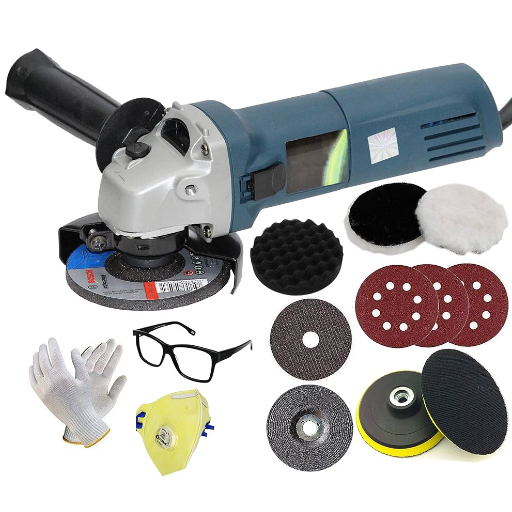
These accessories make grinder tools more versatile and efficient for a wide variety of tasks.
Cutting and Grinding Discs
Cutting and grinding discs are essential components for several applications, metalworking, masonry, and much more.
These discs vary in size, material, and specifications to suit different tasks. Cutting thin discs, often less than 1 mm thick, cuts metals such as steel and stainless steel very quickly and accurately, while thick cutting discs are applied for heavy-duty work.
Grinding discs are used for greater material removal, and are rigid for weld seam smoothing, metal shaping, or rust removal. Aluminum oxide, silicon carbide, and other advanced materials are used in the construction of various discs, providing longevity and efficacy to the working material, such as metal, stone, or concrete.
🔍 Important Considerations:
- RPM Rating: Disc RPM should match or exceed grinder RPM
- Material Compatibility: Disc material must suit the workpiece
- Correct Diameter: Must fit the grinder for efficient operation
When purchasing cutting and grinding discs, an essential factor to consider is the RPM rating of the disc, which should be the same as or higher than that of the grinder. Next, the material of the disc must be compatible with the material to be processed. Finally, the diameter must be the correct one that can fit on a disc, allowing the tool to be used efficiently. Experimental data reveal that enhanced discs with reinforced fiberglass mesh increase the strength and safety factors against breakage during their operation.
Fast-cutting or premium-grade discs have been introduced in recent years, often merging quality with productivity by reducing cutting time while ensuring an excellent finish. Consequently, these are substantial choices for both professional workers and amateurs at home. Choosing the right disc for the job at hand will assure top-performing capacity with safety and accuracy.
Safety Guards and Switches
Cutting tools can come with various arrangements of safety guards and switches designed to prevent injury and facilitate smooth operation. In modern tools, safety guards act as barriers between the hands or other parts of the body and debris, sparks, or accidental contact with the blade. Today, the designs permit the guards to be adjustable, so they can be removed or moved aside when adjustments or special operations are required without compromising safety.
Switching mechanisms, such as paddle switches or dead-man switches, enable the user to maintain direct control over the tool. Dead-man switches cease operation upon release, thus minimizing accidental operation. Statistics have shown that the presence of guards and automatic shut-off switches on tools significantly reduces the incidence of worker injuries involving angle grinders and other cutting tools.
⚠️ Safety Reminder: Furthermore, inspecting safety guards and switches for wear or proper operation on a weekly or biweekly basis is crucial. The maintenance of safety devices in good working condition prevents accidents, ensures compliance with applicable workplace safety legislation, and fosters a safe work environment.
Battery and Charger Options
Modern-day angle grinders that emerged later in development sported better batteries and charger options that could be taken anywhere for convenience and used in various applications. For one, lithium-ion batteries are favored due to their high energy density, longer runtime, and shorter charging time compared to older battery technologies. Most angle grinders nowadays come with 18V or 20V batteries, which deliver consistent power even for heavy tasks.
Some of the high-speed chargers can charge the batteries to 80% in under 30 minutes, so users don’t have to sit idle for long. Some even employ dual-battery systems, theoretically giving the tools twice the runtime without interruption. They have smart chargers with heat management built in, which actually improve battery lifespan by tracking temperatures, allowing the charge speed to be adjusted accordingly.
When selecting a battery and charger, compatibility must always be evaluated across the entire tool system, as manufacturers typically design batteries to fit various tools within their line. From this angle, it enhances the user’s convenience and reduces the overall price. High-quality batteries and chargers, when considered an investment, enable a professional or DIY expert to save time on their tasks, consequently improving efficiency and productivity.
Comparing Corded vs. Cordless Angle Grinders
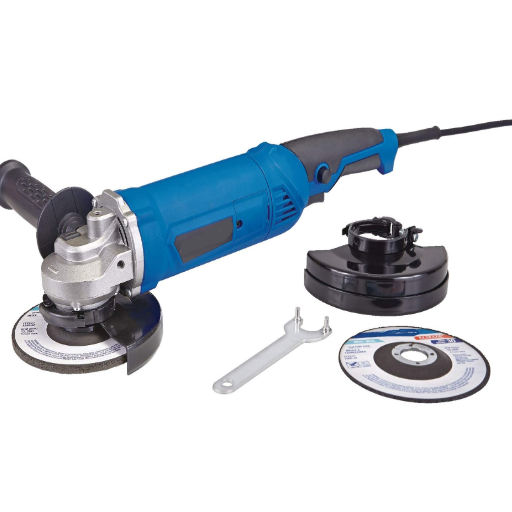
In general, corded grinders provide an uninterrupted flow of power, making them ideal for prolonged work and heavy-duty applications. Since they do not need batteries for power, they are lighter. The downside is that they must be plugged into an electrical outlet, making them inconvenient when working in an area with no electricity or where mobility is required.
Cordless angle grinders are more portable and flexible, allowing users to work freely without being restricted by a power cord. They excel at smaller jobs or work done away from home. Improved battery technology has also enhanced the performance of cordless grinders; however, they may still have less continuous working time than those plugged in and will require recharging.
The choice depends mainly on what application one intends to use it for and the work environment. Corded grinders are typically used for heavy-duty work in a fixed location, while cordless grinders offer greater mobility and convenience.
🔌 Advantages of Corded Angle Grinders
Power tools have proven to be the best allies for complex jobs, especially the corded motors, which provide an ever-dependable power source, producing speed and strength on demand. Typically, cordless tools feature a higher power output, with most models offering up to 15 amps and 2,000 watts of power to handle more demanding tasks, such as cutting through metal or grinding hard surfaces. Corded grinders, in contrast to cordless-type tools, are not limited by battery life, allowing for uninterrupted use over extended working hours without requiring a moment of recharge.
Furthermore, corded grinders often have a solid construction, allowing for uninterrupted operations and preventing overheating during extended grinding tasks. Hence, according to industrial standards, corded grinders are more widely applied in industry and construction due to their higher torque and work capabilities. Even lighter than their battery-powered counterparts in many cases, such grinders weigh less, making their maneuvering more straightforward for more precise cutting and grinding operations.
Clean the grinder after every use to prevent dust and debris from accumulating. Using a soft brush or compressed air, remove buildup from around the vents and motor housing.
🔍 Inspect Components
Regularly check grinder parts, including the power cord, switches, and guards, for signs of wear or damage. Have those worn or damaged parts replaced immediately to avoid malfunctions.
🛠️ Lubricate Moving Parts
Regularly lubricate the bearings and other moving parts, as recommended by the manufacturer, to minimize wear and ensure smooth operation.
🔧 Check and Replace Accessories
Always inspect the attachments (grinding wheels, discs, or brushes) for cracks or signs of excessive wear. Ensure that they are installed correctly and replace them if necessary.
📦 Store Properly
When the grinder is not in use, it should be stored in a dry, clean place to prevent moisture or dust from accumulating. When available, use a case or cover.
🎯 Maintenance Benefits
By following these guidelines, your grinder will have its lifespan enhanced, and its performance and safety requirements will also be assured during every operation. Regular maintenance will yield the best results from your tool.
🏁 Conclusion
Angle grinders are truly versatile powerhouses that can transform your projects when used properly. From understanding the different types and components to selecting the right accessories and maintaining your tool, this comprehensive guide provides everything you need to harness the full potential of these remarkable machines. Remember, safety should always be your top priority, and regular maintenance ensures optimal performance and longevity. Whether you’re a professional tradesperson or a DIY enthusiast, mastering the art of angle grinder operation will undoubtedly elevate your craftsmanship to new heights.
Ready to copy and paste directly into your WordPress editor for seamless publication!
Reference Sources
“Understanding of ultrasonic-assisted machining with diamond grinding tool”
“Surface quality after grinding VACO 180 tool steel using different cutting conditions”
Frequently Asked Questions (FAQs)
What is a grinder tool, and what are its chief uses?
A grinder tool is any type of power tool designed to perform grinding, cutting, and polishing of materials. Since it can perform all these tasks on metal, wood, and other materials, it becomes an indispensable accessory in workshops and construction sites. Depending on the type of grinder, such as an angle grinder or a die grinder, one can perform a wide range of operations, from shaping and finishing to cutting through difficult materials.
How does an angle grinder work?
It utilizes a high-speed motor to spin the wheel or disc, allowing materials to be ground, cut, or polished. The angle at which the grinder is held determines how efficiently the cut or grind will be made. For making cuts or finishing work on metal and masonry, an angle grinder is a handy tool.
What are the advantages of cordless grinders?
The cordless grinders excel in portability and ease of use, as they have no electrical cord attached to the grinder. Lithium-ion batteries ensure that the tools have sufficient power to perform a range of grinding and cutting tasks while also guaranteeing their convenience and portability. Many newer cordless versions come equipped with speed adjusters for different applications.
Which features should a competent grinder have?
When selecting a grinder tool, consider features such as motor power, wheel size, and safety guards. For comfort during use, the grinder should be ergonomically designed. The functionality to lock the spindle for the ease of wheel changes and variable speed settings should be among its versatility features. Searching for well-known, trustworthy brands like Makita can assure a high-quality product.
Can a grinding tool be used for polishing?
Yes, various grinder tools can be used for polishing purposes. When a polishing wheel or pad is attached, the surface of any material may be polished to obtain a smooth finish. One must choose a suitable accessory for the polishing task to avoid damaging the surface.
What is the importance of a safety guard on a grinder?
The safety guard is an essential piece of grinder equipment that prevents sparks, debris, and accidental contact with the wheel from harming the user. When grinding and cutting, the guard should always be in position and securely fastened before operating the grinder to ensure safety and reduce the risk of injury.
How can I maintain my grinder tool to ensure its longevity?
During maintenance of a grinder tool, inspect the wheels for wear and replace them if needed. Clean the motor and verify that all components, including the guard and switches, are functioning correctly. Storing the tool in a dry environment and using it according to the correct instructions also helps prolong the tool’s life and maintain its performance.
What materials can I cut with a die grinder?
A die grinder is designed to cut, grind, and polish a wide range of materials, including metals, wood, and plastics. It is a very versatile tool, as it is under the user’s close control for carving or shaping, and can accept a variety of different accessories for various applications. Always ensure that the bit is the most appropriate for the material being worked on.
What are the advantages of a small grinder?
Mini grinders are lightweight and thus very easy to move around, making them suited for tight placements or work that demands detail. Also, their slim structure offers control and precision when grinding or cutting. Furthermore, numerous compact grinders come with a substantial horsepower, despite their smaller size, for effective performance.