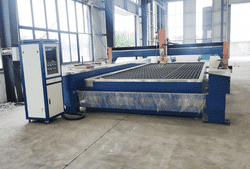
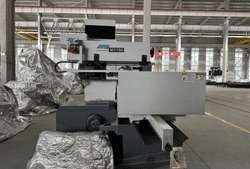


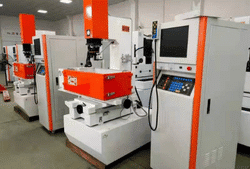
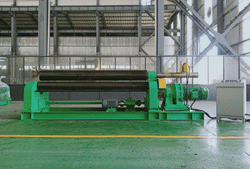

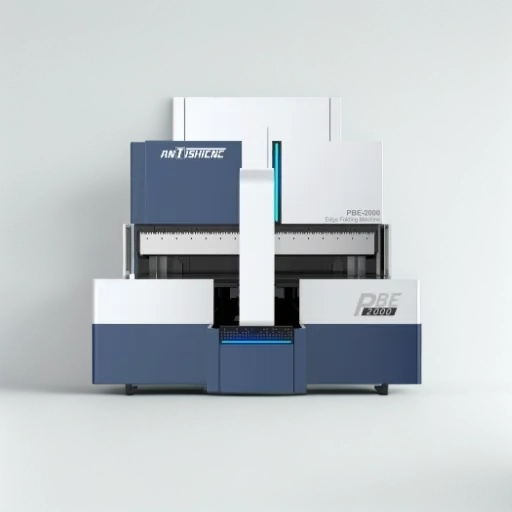
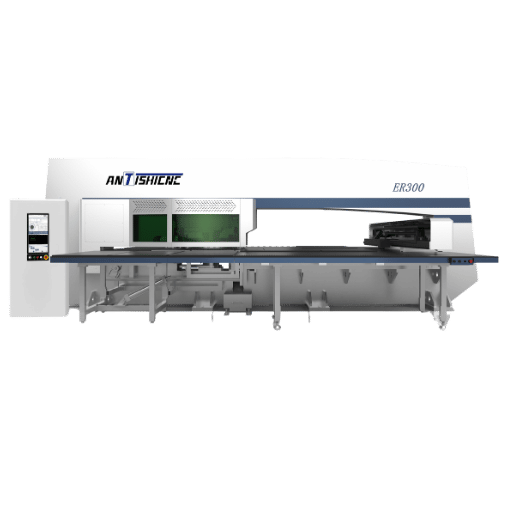
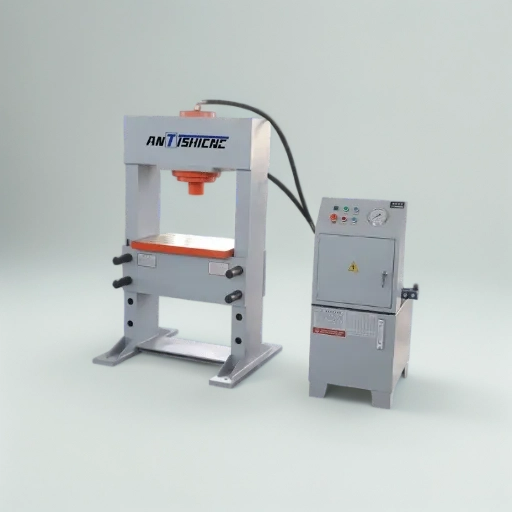


The Universal Horizontal Boring Mill stands as one of the crown jewels of the precision industry—a fusion of versatility, power, and innovation that meets the demands of modern industries. This comprehensive guide examines the distinctive characteristics that define these machines, their diverse applications across various industries, and the latest advancements influencing their evolution.
Understanding Universal Horizontal Boring Mills

Definition and Overview of Boring Machines
Boring machines are precision tools used in the enlargement, shaping, or finishing of holes in a workpiece. While drilling creates a hole, boring is concerned with refining and enlarging an existing hole to exact specifications. These machines find numerous applications in aerospace, automotive, and heavy machinery production, where tolerances and finish are critical for accuracy.
Market Growth Statistics
Global Market CAGR: 4.5% (2023-2028)
CNC Tolerance Capability: ±0.001 inches
Market Value Projection: $5.6 billion by 2028
In modern times, boring machines incorporate the latest technological advancements to improve precision and efficiency. CNC boring mills are capable of extremely fine tolerance measurements, making them suitable for applications requiring high accuracy. The machines can work materials ranging from soft metals such as aluminum to very tough alloys including titanium and steel.
Key Features of Universal Horizontal Boring Mills

1Accurate and Versatile Operations
Thanks to their precision-engineered spindles and state-of-the-art feed systems, horizontal boring mills ensure accurate recording even for complex machining tasks. They can be applied to a large range of materials from steel and aluminum to high-performance alloys.
2Impressive Workpiece Capacity
Modern universal horizontal boring mills can handle large and heavy workpieces, with some models capable of supporting weights exceeding 20 tons. Their sturdy construction with wide worktables ensures stability during machining.
3Automation and CNC
The latest models feature Computer Numerical Control (CNC) technology making them programmable and automated. This enables manufacturers to perform complex machining operations with ease and accuracy.
4High-Speed Spindle and Tool-Changing System
High-speed horizontal boring mills have spindles that exceed 6,000 RPM for enhanced productivity. Most come with automated tool changers that reduce downtime and allow smooth transitions between operations.
5Thermal Stability
Incorporated cooling systems maintain stability during high-speed operations, preventing thermal deformation and maintaining constant precision throughout extended machining cycles.
6Global Market Growth
The global horizontal boring mills market shows steady rise with significant demand from Asia-Pacific and North American regions, driving continuous technological advancement.
Advantages of Horizontal Boring Mills
Key Performance Benefits
- Greater Flexibility: Handle steel, aluminum, and exotic alloys in single setups
- Strong Load Capacity: Support components over 30 tons
- High Accuracy: Achieve precision with CNC controls and thermal compensation
- Time and Cost Savings: Perform multiple operations in one setup
- Automation Compatibility: Integrate with robotics and IoT systems
- Durability: Built for decades of reliable service
Productivity Increase with CNC Integration: Up to 30%
Market Value Growth: $4B (2023) → $5.6B (2028)
CAGR: 4.9%
Applications of Universal Horizontal Boring Mills
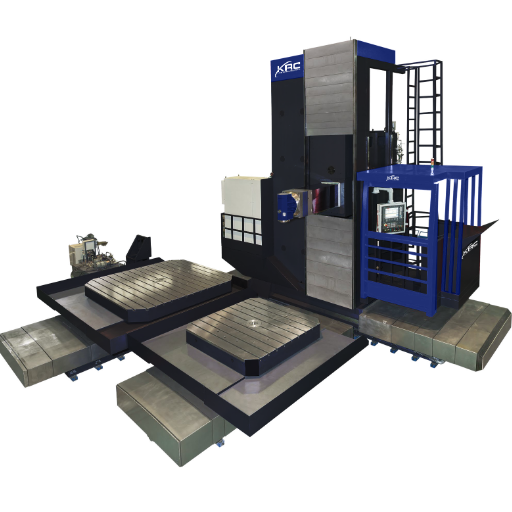
Manufacturing Industries Overview
Universal horizontal boring mills are essential across multiple manufacturing industries due to their versatility. These machines are used for intricate drilling, milling, and boring operations in sectors including aerospace, automotive, energy, and heavy machinery production.
Market Projection
The global machine tool market, including horizontal boring mills, is expected to surpass $100 billion by 2030, driven by advancements in automation and growing demand in end-use industries.
Aerospace Components Manufacturing
Universal horizontal boring mills are crucial for the manufacture of complex aerospace components. The aerospace industry requires exact machining to ensure safety, functionality, and reliability of aircraft parts.
| Component Type | Material | Precision Requirement |
|---|---|---|
| Engine Blocks | Titanium Alloys | ±0.001 inches |
| Wing Spars | High-strength Aluminum | ±0.001 inches |
| Fuselage Sections | Aluminum Alloys | ±0.001 inches |
| Landing Gear Assemblies | Steel/Titanium | ±0.001 inches |
Aerospace CNC Machining Market
2022 Value: $3.7 billion
Projected CAGR: 6.5% (until 2030)
Key Driver: Increased dependence on advanced machining technology
Energy Sector Applications
Universal horizontal boring mills are essential in the energy sector for manufacturing and maintaining large energy infrastructure components. These machines produce key elements including turbine housings, generator components, and pipeline sections.
| Energy Sector | Applications | Market Growth |
|---|---|---|
| Wind Power | Gearboxes, Turbine Housings | 7.4% CAGR → $174B by 2030 |
| Oil & Gas | Drilling Rigs, Compressors, Refineries | Steady Growth |
| Nuclear | Reactor Components | Safety-Critical Applications |
| Hydrogen | Production Equipment | Emerging Market |
Selecting the Right Universal Horizontal Boring Mill

Critical Factors for Effective Selection
Worktable Size and Weight Capacity
Modern HBMs offer worktables rated over 50,000 lbs weight capacity for heavy-duty jobs. Larger tables accommodate oversized components essential in aerospace and energy applications.
Spindle Size and Power
Look for high-torque spindles that cut hard metals efficiently. The latest generation of HBMs features spindle motors rated from 30 HP to over 100 HP.
Travel Range and Axis Configuration
The X-Y-Z travel range defines a project’s handling capability. Machines with over 150 inches X-axis travel provide more opportunities for large, complex parts.
CNC Capability and Automation
Modern CNC systems from Siemens or Fanuc provide excellent positioning, repeatability, and minimal operator intervention with smart automation features.
Accuracy and Precision Specifications
Look for machines with less than 0.001-inch positional accuracy equipped with linear glass scales for ultra-precise feedback.
Cost Considerations
Consider maintenance and operational costs over machine lifetime. Energy-efficient motors typically provide 20% savings in downtime and energy costs.
Understanding Machine Specifications
| Specification | Typical Range | High-Performance Models |
|---|---|---|
| Spindle Diameter | 110mm – 200mm | 200mm+ |
| Table Size | 1,200mm x 1,200mm | 3,000mm x 3,000mm |
| Weight Capacity | 20-30 tons | 50,000kg+ |
| Spindle Speed | 3,000-4,000 RPM | 5,000+ RPM |
| Energy Efficiency | Standard | 15% improvement vs. older generations |
Manufacturer Comparison
| Manufacturer | Key Features | Specialization | Recent Developments |
|---|---|---|---|
| Giddings & Lewis (Fives Group) | Advanced CNC automation | Aerospace & Automotive | Industry 4.0 integration |
| Fermat Machinery | Modular add-ons | Cost-effective solutions | Record sales in 2023 |
| Toshiba Machine Co. | Heavy-duty construction | Shipbuilding & Energy | Enhanced durability features |
| PAMA | AI-based diagnostics | High-precision industries | Automated solutions expansion |
| UnionChemnitz | Wide spindle diameter range | Heavy fabrication | Superior vibration resistance |
Maintenance and Longevity

Best Practices for Machine Maintenance
- Cleaning and Lubrication
- Remove dust, metal chips, and coolant residues regularly
- Clean spindle heads, tables, and guideways
- Follow manufacturer’s lubrication recommendations
- Regular Inspection
- Conduct visual and functional inspections
- Monitor vibration, alignment, and hydraulic pressure
- Early detection can reduce downtime by 30%
- Scheduled Calibration
- Regular calibration for micrometer-level accuracy
- Utilize integrated calibration functions in CNC systems
- Coolant Systems Maintenance
- Regular replacement or filtration of coolant
- Improper coolant management can reduce efficiency by 15-20%
- Component Replacement
- Replace worn components before failure
- Proactive approach prevents cascading effects
- Operator Training
- Human error accounts for 40% of machine downtime
- Regular training on features and maintenance procedures
- Digital Maintenance Logs
- Use Computerized Maintenance Management Systems (CMMS)
- Track maintenance activities and performance data
Common Troubleshooting Issues
| Issue | Causes | Solutions |
|---|---|---|
| Misalignment of Components | Wear, improper setup | Regular calibration, precision measurement tools |
| Excessive Vibration | Loose parts, unbalanced tooling | Check fixtures, adjust machining parameters |
| Tool Wear | Dull tools, improper speeds | Regular inspection, quality cutting tools |
| Overheating | Poor lubrication/cooling | Check cooling systems, maintain cleanliness |
| Chatter Marks | Insufficient clamping | Improve workpiece stability, vibration control |
Maintenance Impact Statistics
Uptime Improvement: 25% with periodic maintenance
Cost Reduction: 12-18% with preventive maintenance
Reliability Increase: 30% with predictive maintenance
Equipment Lifespan Extension: 20%
Latest Advancements in Boring Mill Technology

Impact of CNC Technology
Integration of CNC technology has transformed boring mills dramatically in operation and efficiency. CNC systems permit precision automated control of machining processes, minimizing human error and ensuring product consistency.
CNC Technology Benefits
- Precision: Machining capabilities within microns
- Efficiency: 50% increase in production efficiency over manual machines
- Multi-axis Capabilities: Complex geometries in single setup
- Predictive Maintenance: 25% reduction in downtime
- Industry 4.0 Compatibility: IoT integration for smart manufacturing
Automation in Horizontal Milling Machines
Automation has altered manufacturing by providing significant improvements in efficiency, precision, and scalability. Key automation features include:
- Automated tool changers
- Robotic palletization systems
- Adaptive control technology
- Smart sensors with IoT integration
- Real-time monitoring and predictive maintenance
Productivity Increase: Up to 50% vs. manual operation
Tolerance Achievement: ±0.0002 inches
Safety Enhancement: Reduced human-machine interaction
Future Trends in Precision Engineering
Smart Technologies Integration
AI and Industrial IoT (IIoT) enable predictive maintenance and real-time optimization. The smart manufacturing market is growing at 12.4% CAGR (2023-2028).
Advanced Materials
High-performance composites and alloys enhance machine durability and performance, enabling micron-level precision operations.
Sustainability Focus
Energy-efficient machines and eco-friendly cutting fluids. 61% of manufacturers prioritize sustainable practices.
Hybrid Manufacturing
Integration with additive manufacturing (3D printing) for complex preforms requiring precise finishing.
Frequently Asked Questions
Ready to Enhance Your Manufacturing Capabilities?
Universal horizontal boring mills represent the pinnacle of precision manufacturing technology. Whether you’re in aerospace, automotive, energy, or heavy machinery production, these versatile machines can transform your operational efficiency and product quality.