



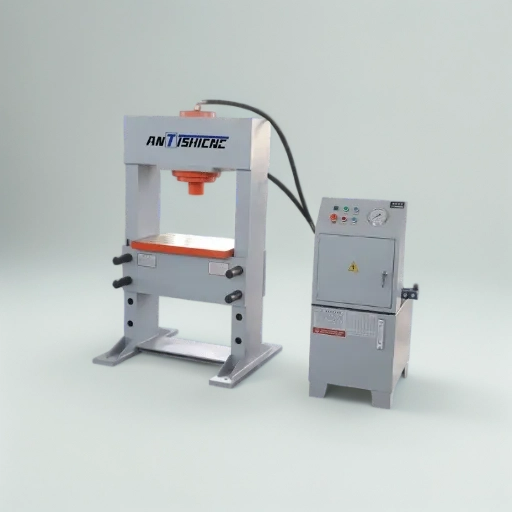


Metal cutting tools have been the silent partners of every industry, whether it be automotive manufacturing or aerospace engineering. These tools are used for cutting, shaping, and even working with metals with great precision and speed, making them a necessity in present-day production. According to Joseph A. Boccia and Riggi R. from ‘Making Tools,’ ‘Understanding the types of metal cutting tools as well as their uses is significant for anyone in the field: using the right tool makes nearly all the difference.’ Diving deep into the tools of metal cutting, this article explores the various types of metal cutting tools, their common usages, and how they foster innovation and excellence across industries. Join us to explore what sets these tools apart and how they help achieve the best results in metalworking projects.
Introduction to Metal Cutting Tools
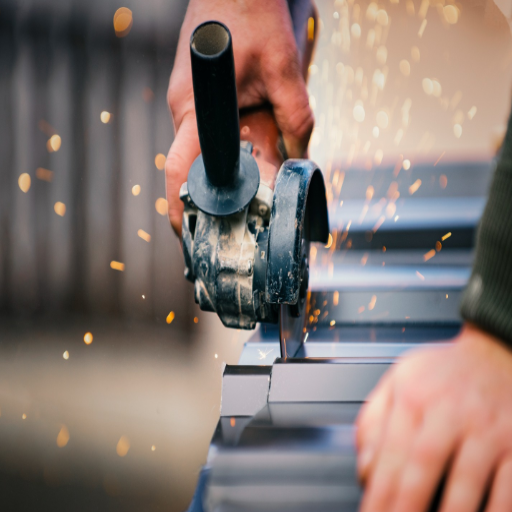
Tools used to remove material from a metal workpiece to give it the desired shape or finish are metal-cutting tools. They are indispensable in computational work. Turning tools, milling cutters, drilling bits, and grinding tools are common types of metal-cutting tools. Each performs cutting for specific tasks. The edge of these tools must produce the cutting action. High-speed steel and carbide are commonly used materials for making metal-cutting tools, as cutting may require high temperatures. It depends on the metal type, machining method, and specifications provided orally by the product.
What Are Metal Cutting Tools?
These metal cutting tools are an essential part of the manufacturing and machining industries. They function in shaping precise forms and removing material from metal workpieces. Cutting tools are designed to meet the high requirements of modern production processes and come in diverse varieties, including turning tools, drilling bits, milling cutters, and grinding tools. Each variety has its distinct function, be it creating complicated grooves, holes, or simply smooth surfaces.
Alongside recent technological advancements, metal cutting tools have become even more efficient and precise. Carbide tools dominate the market due to their excellent wear resistance, heat resistance, and ability to maintain sharpness even in high-speed machining processes. According to studies, carbide tools account for approximately 65% of the total consumption of cutting tools worldwide, underscoring their significance in industrial applications.
Modern machining techniques involve using coating materials to enhance high-speed machining operations. All such coatings increase tool life, lessen wear, and reduce friction. As a result, the tool performance can increase up to about ten times more compared to the uncoated ones. Furthermore, CNC machining has become extremely popular and changed the way these tools are employed to achieve automated precision and consistency throughout large-scale production.
The selection of metal cutting tools depends on several factors, including the hardness of the workpiece material, surface finish, and production speed. Harder materials, such as stainless steels, warrant tougher cutting tools with heavy-duty coatings, while those of softer metals may require less sturdy tools optimized for high-speed operations. When suitable tools are used, manufacturers can enjoy the benefits of enhanced productivity, reduced waste, and improved quality products.
Importance of Metal Cutting Tools in Various Industries
Metal cutting tools are another name for tools used for cutting metal. These tools play a crucial role in the fabrication of components in basically all industries, and product quality directly depends on their efficiency. For instance, in the automotive industry, cutting tools are used to produce components of an engine and transmission, whereby even the most minor inaccuracies affect performance and safety. The aerospace industry, on the other hand, uses advanced cutting tools to machine high-strength materials such as titanium and composites for aircraft frames and turbines.
Recent developments in carbide-tipped tools and HSS have enabled fast machining without compromising tool life, thereby reducing downtime and costs. The industry analysis reported that the global metal cutting tools market had an estimated value of approximately $77 billion in 2022 and is expected to continue growing steadily due to the increasing demand for precision machining in set manufacturing processes.
In addition, the electronics domain enjoys a fruitful symbiosis with micro-adapter tools that produce tiny, intricate components utilized in devices such as smartphones and medical equipment. With the increasing miniaturization of technology, the industry has seen a growing demand for tools that can operate at microscopic dimensions with precision accuracy.
Innovative manufacturing technologies, such as CNC, have paved the way for metal cutting tools to perform automated, highly accurate operations, thereby limiting human error while increasing the repeatability of the process and enabling the mass production of parts at lower prices. Ultimately, metal-cutting tools provide impetus to innovation and productivity for many high-demand industries.
Overview of Cutting Tools and Their Uses
In manufacturing, engineering, and machining, cutting tools are used to conveniently form, cut, or remove material from the workpiece. They are usually prepared from durable materials, such as high-speed steel, carbide, or ceramics, to ensure longer life and optimal user performance under extreme conditions. Several types of cutting tools include drills, mills, lathes, and reamers, which are used to accomplish drilling, milling, or finishing operations.
Drills produce round holes; milling cutters make provisions for material removal, profiling, or slotting. Lathes are very versatile machines well-suited for the turning, threading, and facing of cylindrical objects, whereas reamers give a fairly precise finish to holes. The selection of cutting tools depends on various factors, such as the material to be worked, the desired finish, and the production speed. In the present time, enhanced efficiency, precision, and tool life have been made possible due to developments in coating and cutting tools and adaptive tooling systems; hence, they find applications in various sectors, including aerospace, automotive, and construction.
Types of Metal Cutting Tools
Turning Tools
Used on lathes to shape cylindrical parts by removing excess material during turning, threading, or facing operations.
Drills
Used to produce or enlarge circular holes in any material and operate either manually or on machines.
Milling Cutters
These cutters are used on milling machines to cut material from the surface of a workpiece, producing complex shapes and detailed finishes.
Reamers
Used for enlarging and finishing holes with an accurate, smooth surface and dimension.
Taps and Dies
Used to cut internal and external threads in manual machining.
Grinding Wheels
Used to finish or shape materials through abrasion with acceptable accuracy and good surface quality.
Broaches
Specialized tools for material removal in a given pattern, usually to cut slots or some profile.
The tools are chosen based on the material, the required finish, and the machining operations to be performed, underscoring their importance in achieving productivity and accuracy.
Hand Tools for Cutting Metal
Hand-cutting tools are indispensable in many industries that require precision and control. Some of the widely spread and most useful hand tools designers should be familiar with are hacksaws, tin snips, and files.
Hacksaws
Versatile tools with a fine-toothed blade capable of cutting metal pipes, rods, or sheets. Modern blades are typically manufactured from high-speed steel (HSS) for their durability and ability to cut hard alloys.
Tin Snips
Used primarily for cutting sheet metal, tin snips come in various designs, including straight, left-hand, and right-hand cutting styles. Good snips should be able to cut through 18-gauge thick material, which allows them to manipulate metals easily.
Metal Files
These are used to smooth edges or shape metal, and are available in various cross-sections, including flat, round, and half-round. Files are used for both deburring metals and ensuring a precise finish, which is of utmost importance during fabrication.
According to various literature in material science and technology, many of these tools developed ergonomics-based designs and enhanced blade materials. In this process, these tools enhance cutting power and longevity, while also increasing user comfort. On the other hand, the tools may be maintained through timely sharpening and cleaning so that they sustain their grave and performance over time. Proper use of a tool will also save time and reduce waste during cut operations.
Power Tools for Metal Cutting
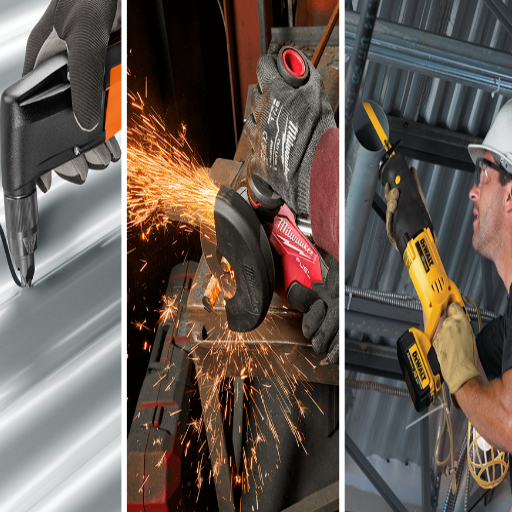
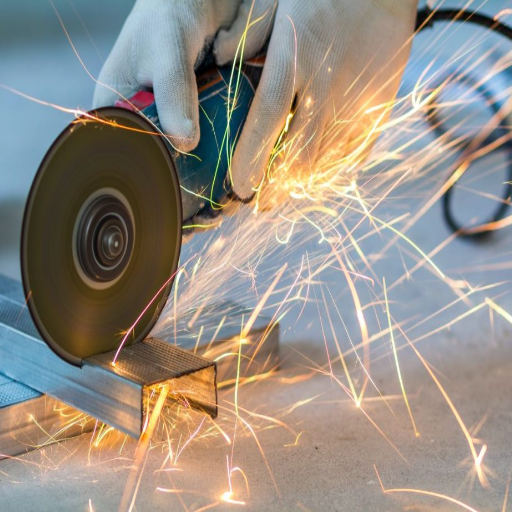
Power tools in metal cutting have revolutionized the concepts of time, speed, and precision for numerous applications. Among the essential tools on this list are angle grinders, circular saws, plasma cutters, and metal band saws, which are commonly used in both industrial and DIY environments. For example, an angle grinder nowadays with a high-torque motor can easily slice through steel and aluminum. Now, circular saws for metal cutting, available with blades designed specially from tungsten carbide, offer greater durability and heat resistance.
With the highest degree of precision, plasma cutters cut using a high-velocity jet of hot plasma through any conductive material. Heavier-duty applications require metals up to 1.5 inches thick to be cut by advanced models. Then, there’s the metal band saw: most valued for its ability to give clean, uniform cuts with very little wastage of materials, from cutting pipes to arbitrarily thick materials.
The statistics display a considerable percentage of power tools being adopted in the respective industry. Due to technological advances and developments in the material sciences, the global metal cutting tools market is projected to be worth nearly $97 billion by 2030. These tools in metalworking processes enhance productivity and safety when used appropriately, with protection and adherence to operational guidelines. The evolution keeps power tools well and truly alive in contemporary metal fabrication and construction.
Machine Tools and Their Applications
While indicative tools are required in manufacturing and construction, machine tools are used to shape, cut, grind, and drill materials with precision. These may include lathes, milling machines, grinders, drills, and laser cutters, amongst other tools designed with specific purposes to aid the optimization of workflow. CNC systems, in particular, have largely eliminated human errors, enabling the mass manufacture of technically complex components with an unmatched degree of precision and repeatability.
According to recent market insights, the CNC machine tools market alone was valued at about $83 billion in 2022 and is projected to grow at a CAGR of over 6% from 2023 to 2030. These machines, being automated, require less manual intervention; hence, due to increased productivity and decreased intervention-driven errors, they are increasingly being used in the automotive, aerospace, and healthcare industries.
The fields of application of machine tools are very numerous. In all precision works, gears and turbines are forged to very exacting standards, as are medical implants. Another huge application lies in prototype manufacturing, wherein 3D printing and laser cutting machines play integral roles in creating beautiful models. These machine tools have opened up new possibilities in metal cutting and welding, establishing durability and reliability in large-scale projects.
Also, innovative technologies such as IoT and AI contribute to the capabilities of contemporary machine tools. With real-time monitoring and predictive maintenance becoming standard in the industry, operators will know beforehand that a machine tool will stop for scheduled maintenance, thus ensuring there is no interruption to the production process. As new advances unfold, these machine tools will forge ahead in shaping efficient, precise, and cost-effective manufacturing.
Specific Metal Cutting Tools and Their Features
| Tool | Primary Function | Key Features |
|---|---|---|
| Lathe Machine | Removes material by rotating the workpiece against the stationary cutting tool | Versatile for turning, threading, and facing; Modern versions are equipped with CNC for greater accuracy |
| Milling Machine | Cuts away material using a rotating cutting tool | Available in horizontal and vertical versions; Suited for intricate parts and surfaces; CNC milling offers precision |
| Drill Press | Drills accurate holes | Variable speeds and depths; Pneumatic or automatic feed systems; Laser kits for enhanced precision |
| Grinding Machine | Achieves smooth surface finish with precise dimensioning | Uses abrasive wheels; Available as surface, cylindrical, or centerless grinders |
| Broaching Machine | Precision finishing operations | Uses a toothed tool called a broach to cut intricate shapes or details |
Each of these tools plays a crucial role in metal cutting and shaping, tailored to specific needs, ensuring precision and efficiency.
Circular Saws and Their Applications
Due to their versatility, circular saws are indispensable tools in various trades, particularly construction, woodworking, and metalworking. With their toothed or abrasive cutter rotating at very high speeds, they are capable of cutting hard materials quickly. These materials include wood or metal, plastic, or even masonry.
There are different types of saws classified by different terms based upon their use, including handheld circular saws, table saws, and track saws. Handheld circular saws are compact and ideal for making straight cuts on wood and other lightweight materials. On the other hand, track saws specialize in long, accurate cuts in plywood and panel. Bigger table-mounted models are preferred for industrial, heavy-duty jobs that require stability and power to cut through thick materials.
According to records, there have been significant improvements in the performance of circular saws. For example, brushless motors are now commonly used in modern circular saws, offering a longer lifespan and improved performance. Furthermore, laser-guided systems and dust collection methods are now available features, ensuring that accuracy and operator safety are maintained throughout the process. Industry data maintains that, on account of increased construction projects and demands for trustworthy cutting tools, the global circular saw market size is estimated to grow at a CAGR of approximately 5% during the coming years.
As with the saw itself, the circular saw blade largely determines its efficiency. Different types of blades are designed for specific materials and operations; for instance, carbide-tipped blades are suitable for cutting wood, while diamond-coated blades are ideal for cutting concrete or tiles. Choosing the right blade means the job is done efficiently and extends the life of the tool, making it indispensable for both industrial and home users. With continuous innovations, circular saws remain adaptable, making them a vital tool that shapes materials with finesse and ease.
Chop Saws: Heavy-Duty Cutting Solutions
The chop saw is industrial equipment designed for cutting materials of various calibers, exerting a significant amount of force on materials such as metal, concrete, and thick timber, into precise and quick measurements and having powerful motors and a strong body design so that chop saws can be thrown into a demanding workloa, making they the preferred choice in construction, metalworking, and fabrication industries.
Among the highlights of chop saws is their ability to make clean and consistent cuts at high speed; thus, this category of chop saws has motor outputs ranging from 1,800 to 2,500 watts, allowing them to slice through dense metal pipes or rebars with ease. Some advanced specifications include abrasive discs, carbide-tipped blades, or diamond wheels for each material, ensuring that every application is the best performing one.
In industrial projects, a blade speed of 3,800 RPM or even higher is standard among chop saws for precision. Safety and other enhancements have been the focus of recent designs, including blade guards, spark deflectors, and the clamping of workpieces. The portability of chop saws has also been enhanced, as smaller models with ergonomically designed handles facilitate easy carrying to job sites.
Also, based on trends, this area of the market is expected to steadily grow as the construction and manufacturing industries increase their demand. That means that the growth sustains the importance of chop saws for professionals seeking power and precision for their operational processes.
Drills and Cutting Blades for Precision Work
Drills and cutting blades are typically your working tools in hand for achieving precision and maintaining a good speed for a variety of tasks, ranging from construction to intricate craftsmanship. Modern drills have become increasingly versatile thanks to innovations such as brushless motors, which improve durability while requiring minimal maintenance. The speeds are adjustable with ergonomic designs that, enhanced with user feedback, put drilling power into the hands of any professional or hobbyist.
Cutting blades, meanwhile, gave the go-ahead for improvements in material technology. Premium carbide and diamond-tipped blades dominate the market today, providing the finest cut and longest lifespan when working with materials such as steel, ceramics, or stone. It is reported that diamond blades may last even 60 times longer than ordinary steel blades in the working environment, which may make them the best choice in terms of cost for any heavy-duty applications.
The global power tools market, encompassing everything from drills to cutting blades, is forecasted to grow at a CAGR exceeding 4% from 2023 to 2030. The rising demands for precision and efficiency in both residential and industrial circles fuel this growth. With cordless and battery-powered tools now entering the market, end users can enjoy mobility along with maximum power and precision.
The above-described advancements continue to build on drills and cutting blades to ensure that they remain essential for carrying out work that requires precision and efficiency, whether in small or complex applications.
Choosing the Right Metal Cutting Tool
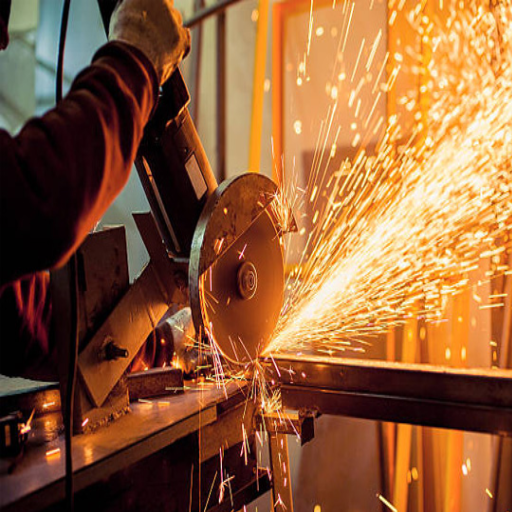
- Material type – Select a tool according to the material you are to cut. These materials can be made of steel, aluminum, copper, or any other suitable material. The right tool will not damage any object, allowing for precise cuts to be made.
- Blade quality – Good-quality blades must last longer and cut cleaner. Carbide-tipped or diamond blades are excellent choices.
- Tool compatibility – Is the cutting tool compatible with your equipment? Learn about the tool’s size, power requirements, and any recommended specifications.
- Cutting speed and accuracy – You want a tool that offers options to fine-tune both speed and precision for your specific project.
- Safety features – Always opt for tools that feature guards and other safety interfaces, are securely held in your hands with a good grip, and remain stable during operation, thereby minimizing the risk of injury during use.
Considering these factors will help you make an efficient choice for a tool ideally suited to your cutting activity, while still maintaining good performance and safety.
Factors to Consider When Selecting Tools
When purchasing tools, consider various features to ensure efficiency, durability, and accuracy. Here are some detailed considerations:
Tool Material and Durability
Well-chosen materials, such as hardened steel and carbide, ensure long-lasting application and resistance to wear. For instance, carbide-tipped cutting tools have wear resistance two to three times greater than that of standard steel tools; therefore, they are used in heavy-duty applications.
Versatility and Application Range
Tools capable of executing more than one job or of working in more than one material are to be chosen. Multi-purpose tools involved include oscillating multitools or adjustable wrenches, which save on cost and reduce the need for additional tools. Some cordless power tools now offer modular attachments, allowing users to easily switch between drilling, cutting, and sanding, among other functions.
Ergonomics and Comfort in Use
Tools capable of ergonomic design produce stress and fatigue over prolonged usage. Hence, features such as rubberized grips, lightweight designs, and balanced construction should be considered. Ergonomics is believed to contribute to a 25% increase in productivity and reduce the risk of repetitive strain injuries.
Battery Performance and Energy Efficiency
When it comes to cordless tools, the most critical factors are battery life and charging time. Recent inventions, such as lithium-ion batteries, offer longer lifespans, with some models including quick charging capabilities that allow a battery to reach 80% full charge within half an hour. Furthermore, motors with energy-efficient attributes enable the tool to consume less power while still maintaining sufficient power to perform its job.
Warranty and Manufacturer Support
With reliable manufacturers, an extended warranty and customer support are typically guaranteed, often as a standard feature. A warranty period of three to five years on a tool indicates that the manufacturer has serious confidence in its build quality, so your mind is at ease knowing that, at any point down the road, if something should happen to it, you have an alternative. One must also consider access to replacement parts and service centers.
Considering the above, you can make an informed decision when choosing your tools, ensuring they work for both your current needs and your future investments.
Comparative Analysis of Different Cutting Tools
The main variables I usually compare among cutting tools include durability, precision, and ease of use. I examine the materials used during construction, as they are direct factors in determining how long a tool lasts and performs. I also consider the design of the tool and see whether it fits with the different tasks I want to accomplish. Price and warranty are two other categories used in my decision process to weigh quality against cost. Once I analyze all these traits, I consider that the chosen tool will provide the best value and efficiency for the work I perform.
Common Mistakes to Avoid When Cutting Metal
Wrong Instrument
Using a tool not meant for a particular metal or type of cut, for example, the instrument may be weak, or the blade may be inappropriate for precise cutting. Hence, the material may be unevenly cut, or the metal may be damaged.
Neglecting Safety Precautions
Failing to wear proper safety gear, such as gloves, goggles, and hearing protection, can result in serious injuries. Additionally, securing the material inadequately can allow it to shift and pose hazards during the cutting process.
Wrong Blade or Cutting Speed
The wrong type of blade, like those not meant for the material in terms of thickness or hardness, may lead to burn or breakage of the blade. Meanwhile, working the cutting tool at the wrong speed likely results in inefficient cutting, heat damage, or premature wear of the blades.
No Measurement or Marking
Rushing into cutting, without double-checking measurements or adequately marking the surface, can lead to costly errors in time and materials.
Neglecting Maintenances for Tools
A blunt or poorly maintained tool is less effective and, in the process, may be harmful. Therefore, a tool’s proper functioning calls for inspection, sharpening as needed, and cleaning.
By circumventing these common pitfalls, the results you get when working with a metal will be more precise, efficient, and safe.
Best Practices for Using Metal Cutting Tools
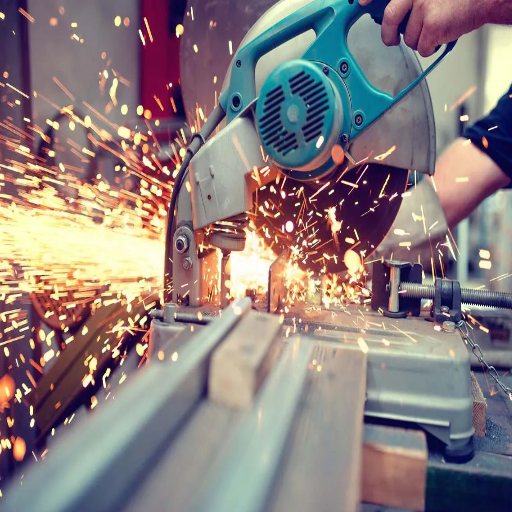
Choose the Right Tool for the Job
Ensure that you select a cutting tool suitable for the type of metal you intend to work with and the specific cut you want to produce. Inadequate tool use affects both efficiency and safety.
Maintain and Take Care of the Tools
Inspect tools periodically; clean and sharpen them as needed. Such care will yield good drops and minimize accidents.
Wear Appropriate Safety Gear
Use personal protective equipment (PPE), such as gloves, safety glasses, or earplugs, to protect against injury.
Make Sure the Material Is Secured
Use a clamp or other means of securing the metal to prevent it from moving during the cut, ensuring accuracy and safety.
Follow the Manufacturer’s Guidelines
Use the tools as directed by the manufacturer, regarding speed, pressure, and maintenance.
Following these guidelines will ensure a safe operation and allow you to work with precision.
Safety Tips for Operating Metal Cutting Tools
Wear Appropriate Personal Protective Equipment
Safety goggles must be worn at all times to protect the eyes from flying debris. Gloves should also be worn to protect the hands, and hearing protection should be used if the equipment noise exceeds permissible levels. All PPE should fit properly to maximize comfort and efficiency.
Inspect Tools Before Use
Check your cutting tools for any signs of wear, damage, or loose parts. If a tool becomes damaged, repair or replace it immediately. Using a damaged tool can lead to an accident or result in poor-quality cuts.
Keep the Work Area Clean and Organized
A clean working area reduces the likelihood of tripping over objects, accidental contact with sharp objects, or running into tools. Ensure there is proper illumination in the work area, as well as adequate ventilation, to maintain clear visibility and minimize the risks associated with dust or fumes.
Use the Right Tool for the Job
Select the appropriate cutting tool for the type of material involved and the specific task at hand. Using the wrong tool will only slow down your work, damage the tool, and may even cause an injury.
Avoid Loose Clothing and Jewelry
Loose clothes, accessories, and long hair can all be hazardous if caught in a cutting tool; in such cases, severe injuries may well occur. Do keep those long tresses tied back, and sack any items that dangle before starting work.
Keeping these safety precautions under consideration, you will minimize the hazards and safely conduct all metal cutting jobs.
Maintenance of Cutting Tools for Longevity
To keep cutting tools in good condition for a long time, I always wanted to clean them thoroughly after use, removing any leftover debris or residue. I try to do it regularly, because a dull tool doesn’t work well and damages quickly. Then, they are stored in a dry and secure area to prevent any unwanted incidents that could cause rust and other types of damage. Sometimes, I inspect for any sign of wear and tear; if any tool is deteriorated considerably, I replace it for safer and more efficient use. Through these measures, tools remain in their best condition, ready for use.
Techniques for Efficient Metal Cutting
The proper preparation, methods, and the choice of a particular tool significantly impact the efficiency of metal cutting. Initially, select the appropriate cutting tool depending on the material of the workpiece: a hacksaw for softer metals and an angle grinder for tougher metals. Tools should always be kept clean and sharp, as a cutting tool with a dull edge requires significantly more energy to work and yields suboptimal results. Mark the cutting line with a scriber or marker before initiating any process; this is a factor that reduces errors. Use the correct cutting speeds and pressures, considering both the tool and the material, as improper speeds can cause overheating or damage the workpiece. Lubricants should be used when working with power tools to reduce friction and any excessive wear of the blades. Paramount is safety: it forces you to wear protective gear, such as a guard, goggles, gloves, or boots, wherever possible, and secure the metal so that it does not move while you are cutting it. If these rules are properly observed, cutting will be more accurate, waste will be reduced, and generally, metalworking will be safer and more productive.
Conclusion
Metal cutting tools represent the backbone of modern manufacturing and fabrication industries. From hand tools like hacksaws and tin snips to sophisticated CNC machines and plasma cutters, each tool serves a specific purpose in the metalworking ecosystem. Understanding the characteristics, applications, and proper usage of these tools is essential for achieving precision, efficiency, and safety in any metalworking project.
The continuous evolution of cutting tool technology, driven by advances in materials science and automation, ensures that these tools will remain indispensable partners in industrial progress. By selecting the right tool for each application, adhering to proper safety protocols, and following best practices, professionals can unlock the full potential of metal cutting tools to create high-quality products and drive innovation across various industries.
Reference Sources
1. Cutting Force and Temperature in Machining Ti-6Al-4V Alloy
2. Cutting Tool Industry in Taiwan and China
3. Effect of Anti-Wear Additive on Cutting Tool and Surface Layer
Frequently Asked Questions (FAQs)
What are the different kinds of metal cutting instruments?
Several types of cutting tools are commonly available, including saws, shears, blades, and grinders. The various tools serve different purposes, such as cutting sheet metal, fabricating metal roofing, or making precise cuts on metal stock. There are several options, including reciprocating saws, circular saws, and plasma cutters, all of which are suited for different types of metal cutting.
How should one choose the ideal metal cutting tool for a project?
The choice of tool depends on the metal being cut, its thickness, and the desired cut quality. For instance, metal shears work well for cutting thin sheets, but for thicker materials, an angle grinder or cutting torch may work better. Analyze the requirements of your project and then determine which tool best meets those requirements.
What is the function of a cutting wheel in metal cutting?
A cutting wheel is a specialized blade developed to cut metal. Being associated with power tools like angle grinders or chop saws for abrasively cutting processes, the cutting wheels come in handy for metals, and therefore rough and precise cuts.
That means reciprocating saws can cut different metals, right?
Yes, a reciprocating saw is effective for cutting various types of metal, mainly when used with the correct type of blade. Metal-cutting blades for reciprocating saws can handle a wide range of tasks, from cutting rebar to cutting metal roofs, making them highly versatile in metalworking applications.
What makes an oxy-acetylene torch suitable for metal cutting?
An oxy-acetylene torch can be used to cut heavier metals quickly and efficiently because of the high temperature it emits. It is excellent for cutting through thick metal stock or metal pipes.
How do metal cutting shears work?
The metal cutting shears work through a scissor-type action across a sheet of metal. Metal cutting shears facilitate metal fabrication by allowing for either straight or curved cuts to be made easily. Shears are best suited for cutting thin sheets and gauge sheet metal, while still producing clean and precise edges.
What kinds of blades should be used against sheet metal?
When cutting sheet metal, it is crucial to use the correct blade for the task. Generally, bi-metal blades are preferred due to their durability and ability to cut through various types of metal. Instead, carbide-tipped blades are designed to work with thicker materials, ensuring optimal performance and longevity in metal cutting.
What are the benefits of using power tools for metal cutting?
Power tools can cut metal with much greater efficacy and accuracy. They can handle tougher materials and achieve cutting speeds much faster than manual tools. Circular saws, bandsaws, and plasma cutters are all power tools designed to make the job easier and produce cleaner cuts; hence, they are crucial parts of metalworking.
How do I maintain my metal cutting tools?
Maintaining your metal-cutting tools is crucial for maintaining efficient operation and ensuring long-lasting durability. Keeping your tools clean after every use, sharpening blades when needed, and applying lubricants to moving parts will help prevent unnecessary wear and keep your tools running efficiently. Check your tools for any damage and replace any worn parts to maintain their effectiveness.