


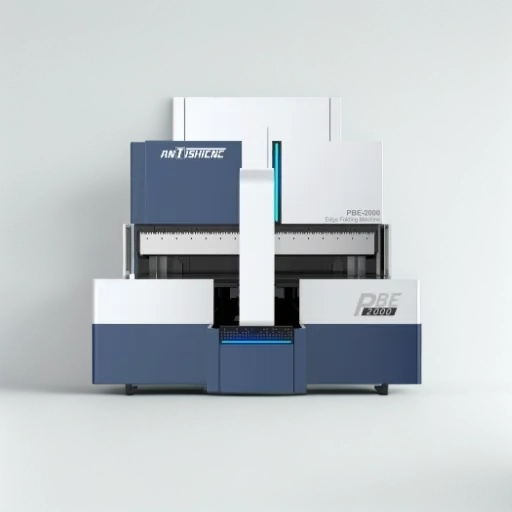
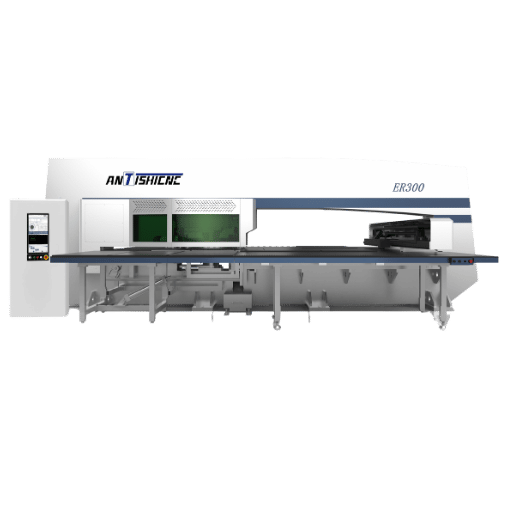
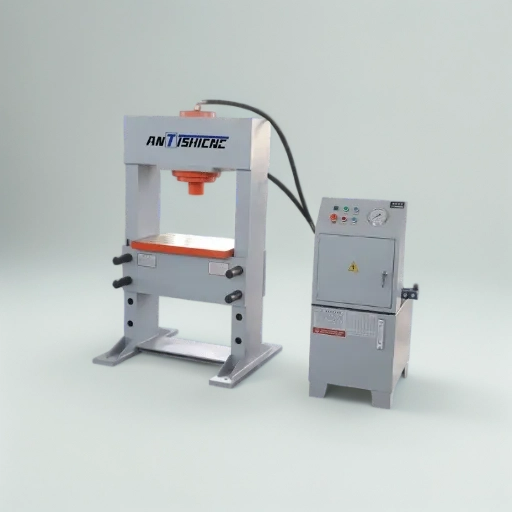


How much does a CNC machine cost: If you are asking how much does a cnc machine cost, the practical answer is this: small CNC machines can start in the low thousands, industrial machining centers often move into six figures, and production-grade metal turning or multi-axis systems can reach $500,000 or more. Useful planning starts with machine type, work envelope, spindle power, tolerance target, tooling package, installation work, and first-year support budget.
This guide gives buyers a fast price band, then turns that range into a quote checklist. It is written for shops comparing a CNC lathe, CNC milling machine, vertical machining center, router, laser, plasma, used machine, or outsourced CNC machining service.
Quick Specs
| Fast answer | Industrial CNC machine price bands commonly run from about $50,000 for an entry vertical machining center to $500,000+ for advanced 5-axis equipment. |
|---|---|
| Metal turning example | ANTISHICNC lists CNC lathe machines at $20,000-$500,000 per piece, with smaller lathe categories below that range. |
| Best budget format | Use the 9-Line CNC Cost Stack: machine, options, workholding, tooling, freight, installation, safety, acceptance testing, training, and maintenance. |
| Biggest mistake | Comparing sticker price only. Labor, tooling, setup, floor space, guarding, inspection, power usage, and downtime decide total cost of ownership. |
CNC Machine Cost in 2026: Fast Price Bands by Machine Type
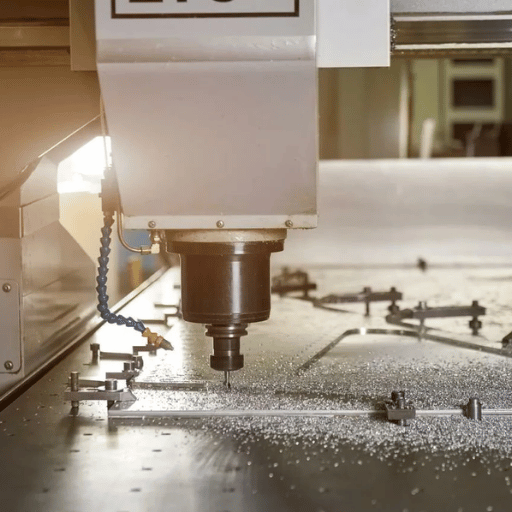
CNC machine cost estimates should start with the class of machine. Desktop routers, CNC lathes, and 5-axis machining centers do not share the same frame, spindle, controls, accuracy package, workholding, or risk profile. Use the table below as a buying-range map, not a quote, and decide which category belongs in your RFQ.
| CNC machine type | Typical buying range | Best-fit buyer |
|---|---|---|
| Desktop CNC router | $150-$3,000+ | Hobby, soft materials, light training work |
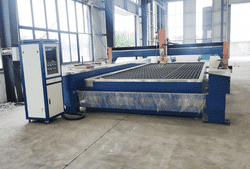
| CNC plasma cutter or small plasma table | $1,000-$5,000+ | Sheet cutting, signs, repair shop fabrication |
| CO2 or entry laser CNC | $1,000-$3,000+ | Engraving, acrylic, wood, light shop use |
| Benchtop metal lathe | $1,700-$2,700 | Small turned parts, training, repair bench |
| Universal metal turning lathe | $4,990-$6,500 | Manual or semi-production turning work |
| Pipe threading lathe | $9,900-$22,500 | Oilfield, pipe, long cylindrical workpieces |
| Entry vertical machining center | $50,000-$100,000 | Milled metal parts, fixtures, mold work |
| Industrial CNC lathe | $20,000-$500,000 | Precision turning, production shafts, bushings, rings, threaded parts |
| Horizontal machining center | $100,000-$250,000 | Higher-volume milling, pallet systems, multi-face parts |
| Production 5-axis CNC machine | $500,000+ | Aerospace, medical, turbine, complex mold, low-fixture multi-face parts |
For metal turning buyers, the most direct next step is to compare the part family against metal turning lathe options. If the workpiece is a shaft, pipe, ring, bushing, roll, or threaded component, a lathe or turning center normally gives a cleaner cost path than a general CNC router or plasma table.
CNC Router, Mill, Lathe, Plasma, Laser, or 5-Axis: Why the Price Gap Is So Wide
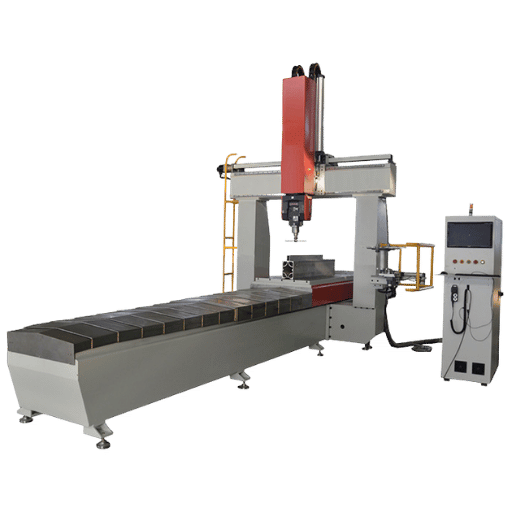
CNC is a control method, not one machine, so the price gap is naturally wide. Routers cut light sheets and panels.
Each CNC milling machine removes metal with a rotating tool. Lathes rotate the workpiece. Lasers, plasma systems, and waterjets cut flat stock.
Five-axis CNC machines add simultaneous motion and geometry control that simpler equipment does not need.
Buyers who only ask for “a CNC machine” will get scattered quotes.
Stating the process, material, work envelope, tolerance, spindle requirement, axis count, control preference, and inspection method produces prices that can be compared.
| Cost driver | Why it raises price | What to ask in the quote |
|---|---|---|
| Axis count | More axes add motors, feedback, control logic, collision risk, and calibration time. | Do you need 3-axis, 4-axis indexing, or full 5-axis motion? |
| Spindle power | Higher power and torque support harder metals and heavier cuts, but require a stronger frame. | What material, tool diameter, cut depth, and duty cycle? |
| Work envelope | Longer travel and larger swing need heavier castings, guides, screws, and guarding. | What is the largest part length, diameter, height, and weight? |
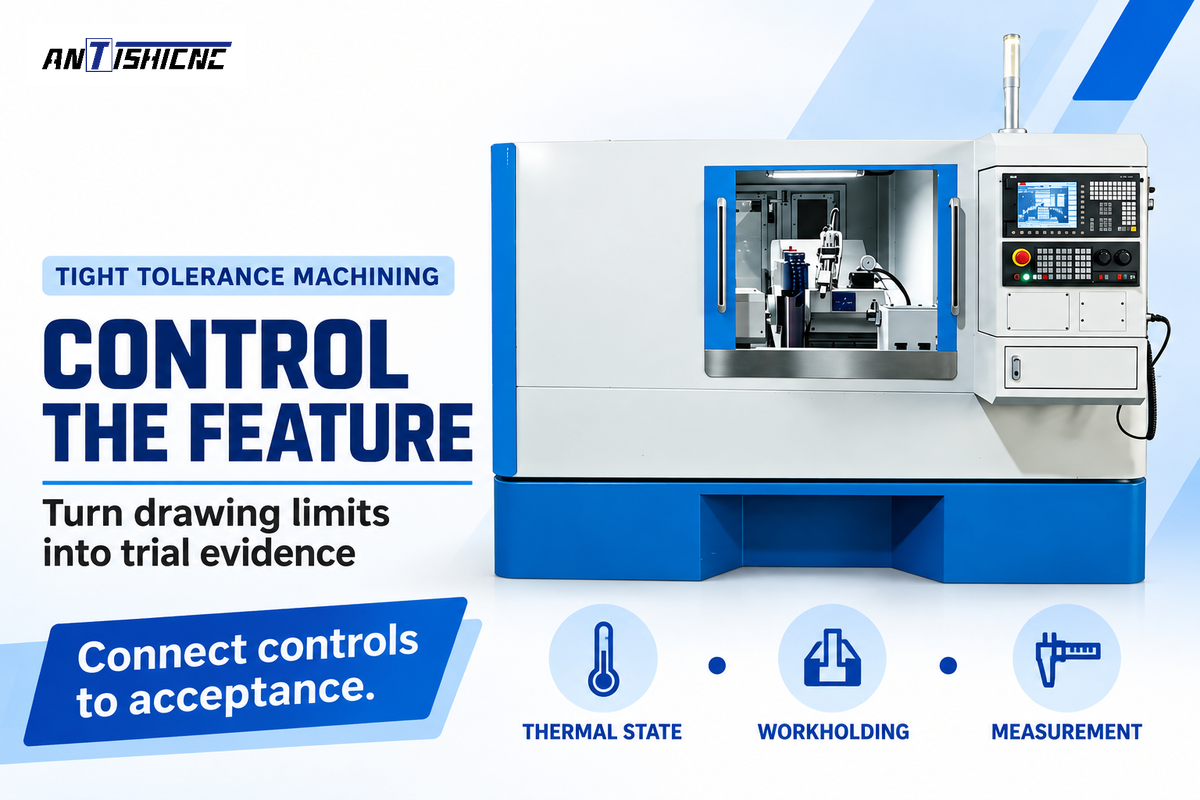
| Tolerance | Tighter tolerance demands better thermal stability, geometry, feedback, tooling, and inspection. | Which dimensions are critical, and how will they be measured? |
| Control and automation | Probing, bar feeders, pallet changers, automatic tool changer capacity, chip conveyors, and tool setters add cost but reduce labor per part. | Which options reduce setup time enough to pay back? |
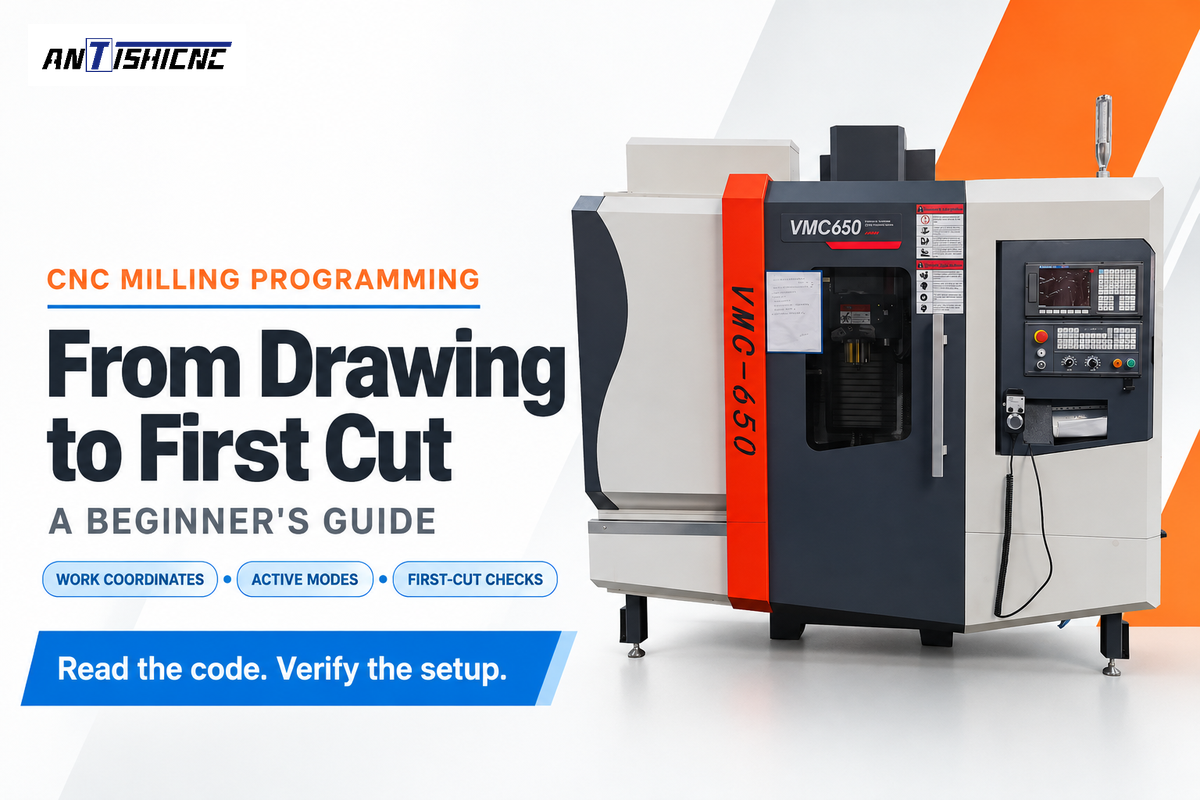
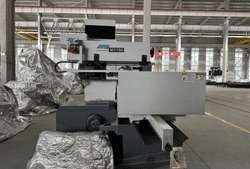
If your shop needs milled parts, start with a vertical machining center for CNC milling.
If your shop needs round metal parts, start with a CNC lathe or turning center. Both machines may be CNC, but they solve different geometry problems.
How Much Does a CNC Lathe Cost for Metal Turning?
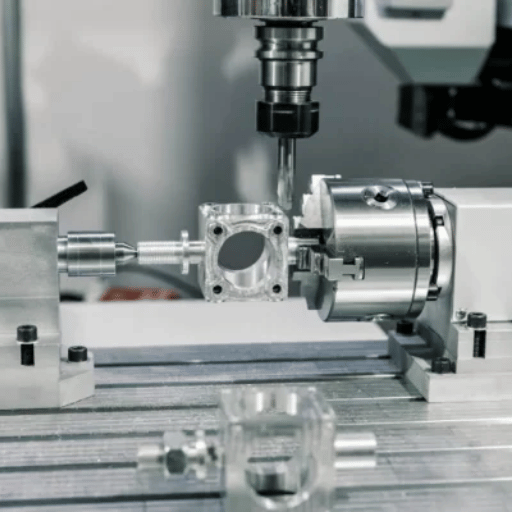
For metal turning, CNC lathe cost depends on machine size, swing, center distance, spindle bore, chuck size, turret, tailstock, control system, and whether the machine is built for small parts, pipe threading, vertical heavy work, or production turning. Low-cost lathes can be right for repair work. Six-figure CNC lathes can be right when cycle time, repeatability, and unattended production matter.
ANTISHICNC’s metal turning lathe page gives a useful first-party price map for this category. Use the numbers below as starting bands before a formal quote, because the actual machine configuration can change the final price.
| Lathe category | Listed price band | Best match |
|---|---|---|
| CNC lathe machine for precision turning | $20,000-$500,000 | Production shafts, bushings, rings, fittings, repeat metal turning |
| Vertical lathe for large workpieces | $15,000-$125,000 | Large diameter, heavy parts, rings, wheels, flanges |
| Pipe threading lathe for long tubular parts | $9,900-$22,500 | Threaded pipe, oilfield work, long-bore turning |
| Universal lathe for general turning | $4,990-$6,500 | General shop turning, training, simpler metal work |
Buyers making pump shafts, threaded pipe, and bearing sleeves should not ask only for the lowest CNC lathe machine price. Better RFQs give workpiece drawing, material, maximum diameter, maximum length, tolerance, surface finish, annual volume, voltage, tooling needs, chuck type, and whether parts need live tooling or only turning. That list lets a supplier separate a basic lathe from a turning center.
For shops still comparing process families, the article on CNC lathe vs CNC turning center selection helps explain when the added tooling and control options are worth the price.
9-Line CNC Cost Stack: First-Year Budget Beyond the Sticker Price
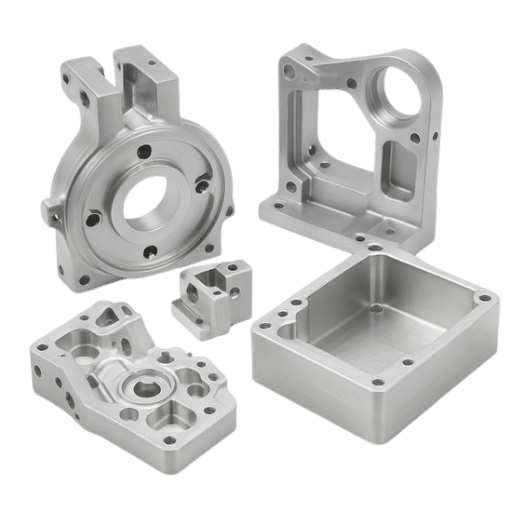
Machine price is only line one. Budgeting only for the purchase order can leave a shop short on tooling, rigging, safety work, operator training, and acceptance checks before the first sellable part is made. The 9-Line CNC Cost Stack is a simple way to turn a machine quote into a first-year budget.
| Cost line | What it covers | Question to ask before purchase |
|---|---|---|
| 1. Base machine | Frame, spindle, axes, control, enclosure, standard accessories | What is included in the base configuration? |
| 2. Options | Live tooling, bar feeder, tailstock, probe, chip conveyor, coolant system | Which options cut labor or scrap enough to justify the price? |
| 3. Workholding | Chuck, jaws, collets, fixtures, vise, rotary table, pallets | Can the first three part families be clamped safely and repeatably? |
| 4. Tooling | Holders, inserts, drills, end mills, boring bars, taps, presetters | What starter tooling package is needed for the first jobs? |
| 5. Freight and rigging | Export packing, shipping, forklift or crane, floor route, leveling | Who unloads, positions, and levels the machine? |
| 6. Installation | Power, air, coolant, control software checks, foundation, commissioning, environmental checks | Does the building support weight, voltage, air, and chip handling? |
| 7. Safety and guarding | Point-of-operation guarding, interlocks, shields, chip and coolant protection | Does the installed machine protect operators from rotating parts and flying chips? |
| 8. Acceptance testing | Geometry check, test cut, positioning check, surface finish verification | Which test proves the machine meets the purchased capability? |
| 9. Training and support | Operator training, programmer training, maintenance training, manuals | Who can run, program, maintain, and troubleshoot the first month? |
| 10. Maintenance reserve | Filters, oil, seals, wear parts, scheduled service, unexpected downtime | Which spares should be stocked before production starts? |
RFQ Specs That Change the CNC Machine Price
Use the values below as RFQ fields, not universal machine promises. The buyer should replace each example with the actual drawing, facility, and production requirement before requesting a formal quote.
| Spec field | Example value to quote | Why price changes |
|---|---|---|
| Voltage and frequency | 220 V, 380 V, or 460 V; 50 Hz or 60 Hz | Electrical cabinet, transformer, motor, and commissioning choices can differ by plant. |
| Installed power | 10 kW, 15 kW, or 22 kW | Higher load affects spindle package, wiring, utility planning, and power usage. |
| Lathe swing and length | 250 mm swing, 500 mm swing, 750 mm centers, or 1500 mm centers | Machine size changes bed casting, guideway length, shipping weight, and floor plan. |
| Spindle and chuck | 52 mm bore, 80 mm bore, 200 mm chuck, or 315 mm chuck | Larger workholding changes spindle nose, bearings, drive torque, and safety guarding. |
| Tolerance and inspection | 0.02 mm, 0.05 mm, or a 0.001 in critical feature | Tighter checks may require better thermal control, test cuts, fixtures, and measurement time. |
| Part weight and handling | 300 kg, 800 kg, or 1500 kg workpieces | Heavy parts change crane access, chuck load, tailstock, fixture, and foundation planning. |
| Production schedule | 8 hours per shift, 2 shifts, or 2000 hours per year | Duty cycle affects automation, maintenance reserve, coolant handling, and spare-part planning. |
| Air and floor layout | 90 PSI shop air, 3 m x 5 m footprint, or 5 m x 8 m service zone | Facility constraints can add installation, guarding, chip-flow, and maintenance-access work. |
OSHA’s general machine-guarding rule says machine guarding must protect operators and nearby employees from hazards such as point of operation, rotating parts, and flying chips. OSHA 1910.212 belongs in the quote discussion because a machine that is cheap to buy but expensive to guard may not be cheap to install.
Specifications also change the cost stack. Tighter tolerance can require a more stable machine, better toolholding, more careful thermal control, an inspection plan, and trained operators. Larger spindle bores can push a buyer into a different lathe frame. Long parts can change floor space, tailstock, steady rest, and rigging needs. These are quote-level details, not afterthoughts.
For a practical machine selection checklist, pair this stack with choosing the right CNC lathe for projects, then send the drawing and annual volume to the supplier instead of asking for a bare machine price.
Hourly Cost to Run a CNC Machine: Power, Labor, Tooling, and Overhead
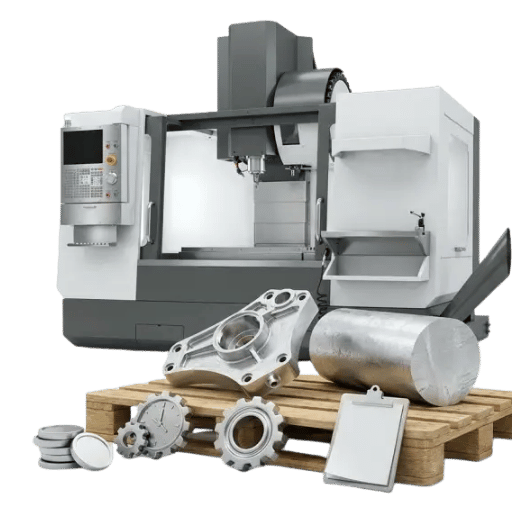
Hourly cost to run a CNC machine is a shop-rate problem. Electricity matters, but it is only one piece. Internal shop-rate math includes operator labor, programmer time, setup time, tooling wear, coolant, maintenance, rent, machine depreciation, inspection, software, scrap, and downtime risk.
Power is the easiest line to calculate. According to the U.S. Energy Information Administration, 2025 average retail electricity prices were 13.41 cents/kWh for commercial customers and 8.62 cents/kWh for industrial customers. EIA also notes prices vary by location and sector. At those rates, a 10 kW load would cost about $1.34 per hour at the commercial average or $0.86 per hour at the industrial average before demand charges and local fees.
Labor is usually harder to ignore. O*NET’s machinists profile lists a 2024 median wage of $27.00 hourly and $56,150 annually, with CNC Machinist shown as a sample job title. O*NET machinist wage data is not a full shop-rate calculation, but it shows why operator time can outweigh the power bill.
| Hourly cost line | How to estimate it | Common mistake |
|---|---|---|
| Power usage | kW load x local cents/kWh x operating hours | Using national averages when local rates are much higher |
| Labor | Operator wage plus payroll cost, supervision, and idle setup time | Counting spindle time but ignoring setup time |
| Programming | CAM time, prove-out, fixture design, edits, documentation | Treating the first part like the hundredth part |
| Tooling | Insert life, holder cost, breakage, coolant, workholding wear | Ignoring tool wear in hard metals or interrupted cuts |
| Overhead | Rent, maintenance, insurance, inspection, depreciation | Using cash purchase price but ignoring depreciation |
For lathe-heavy shops, setup and material handling can be the hidden hourly cost. Bar-fed production may justify a higher machine price if it reduces manual loading. One-off repair parts may not. ANTISHICNC’s guide to CNC turning and milling process differences is useful when deciding whether a part belongs on a lathe, mill, or both.
New vs Used CNC Machine: Price, Risk, and Inspection Checklist
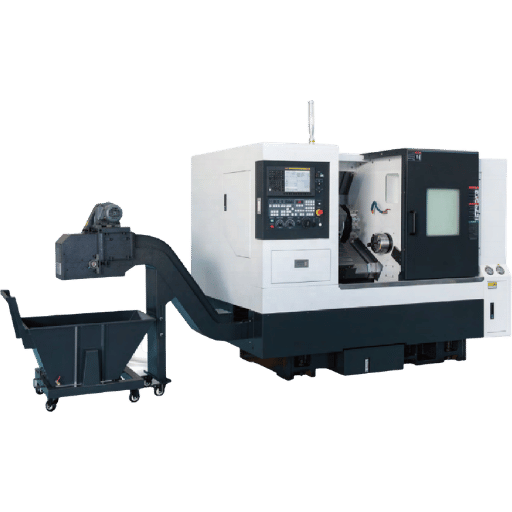
Used CNC machines can lower the purchase price, but they can also move risk from the seller to the buyer. Lowest used-machine price is not a win if the control is obsolete, the spindle needs repair, the geometry is out, the turret indexes poorly, or missing guards delay installation.
In field discussions, buyers often worry about remote inspections because they cannot personally judge whether a CNC lathe has been stored well, jogs all axes correctly, indexes the turret, runs the spindle, or moves the tailstock as expected. One Practical Machinist discussion surfaced inspection cost guidance of about $250-$1,500, depending on location and the service technician involved.
Advantages of buying used
- Lower purchase price if the machine is healthy.
- Faster availability when new-machine lead time is long.
- Known control platform if your operators already use it.
- Good for low-volume part families where uptime is not a major priority.
Limitations of buying used
- Inspection, freight, repair, and missing options can erase savings.
- Parts availability may be an issue for some controls, drives and spindle-mounted items.
- Accuracy may need verification before production work.
- Guarding and safety updates may be required before installation.
| Used CNC inspection item | Why it matters |
|---|---|
| Spindle runout and noise | A spindle issue can turn a discount into a repair project. |
| Axis motion | Jog each axis, listen for binding, and check backlash or alarms. |
| Turret or tool changer | Indexing errors stop production and can damage tools or parts. |
| Control support | Check whether boards, drives, software, and service support are available. |
| Guarding and enclosure | Machine guarding must protect against rotating parts, point-of-operation hazards, and flying chips. |
| Test cut or acceptance test | A real part or test piece shows whether the machine holds required tolerance. |
For maintenance planning, keep CNC lathe maintenance tasks in the first-year budget. Used machines may need way oil, coolant service, filters, way covers, wipers, chuck service, turret checks, or control backups before they are ready for daily work.
Buy the Machine or Outsource the Parts? Three-Bucket Decision Matrix
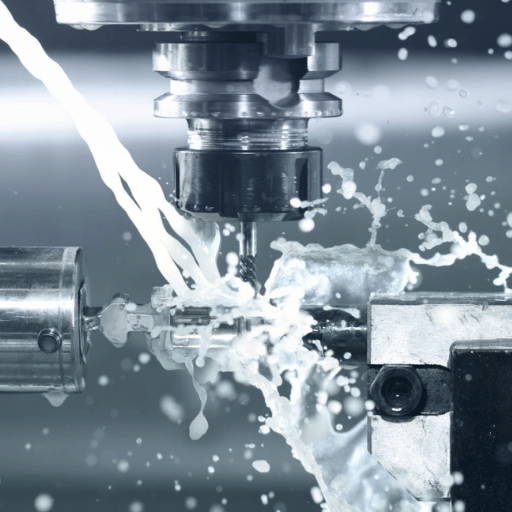
Buying a CNC machine makes sense when the part family repeats, setup knowledge matters, quality feedback is fast, and annual volume is high enough to absorb machine ownership. Outsourcing makes sense when the design is still changing, volume is unknown, or the part needs a process your shop will rarely use.
Use this Buy / Quote / Wait Matrix before sending a purchase order.
| Condition | Buy CNC machine | Quote both | Outsource first |
|---|---|---|---|
| Annual volume | Stable repeat orders | Growing but uncertain | Prototype or one-off |
| Part design | Released drawing | Small expected changes | Still changing weekly |
| Tolerance risk | In-house feedback is valuable | Critical features need proof | Supplier already has process data |
| Labor availability | Operator and programmer available | Training needed | No CNC staff yet |
| Floor space | Power, air, coolant, chip flow ready | Minor facility changes | No installation path |
| Cash timing | Budget covers first-year stack | Financing, staged tooling, or ROI review needed | Cash needed for product launch |
| Quality control | Internal inspection shortens feedback | Supplier and internal QC both viable | External supplier has better metrology |
| Lead time | Machine lead time fits the program | Bridge production may be needed | Parts needed before installation |
| Strategic value | Process knowledge is a moat | Process may become strategic | Part is not core to the business |
A useful middle path is to outsource the first article, then buy the CNC machine once the part family, tolerance, and annual order volume are stable. If the sample parts show that turning is the right process, compare a CNC lathe machine for precision work against your expected in-house hourly rate and total cost of ownership.
2026 CNC Machine Pricing Outlook: What Buyers Should Watch
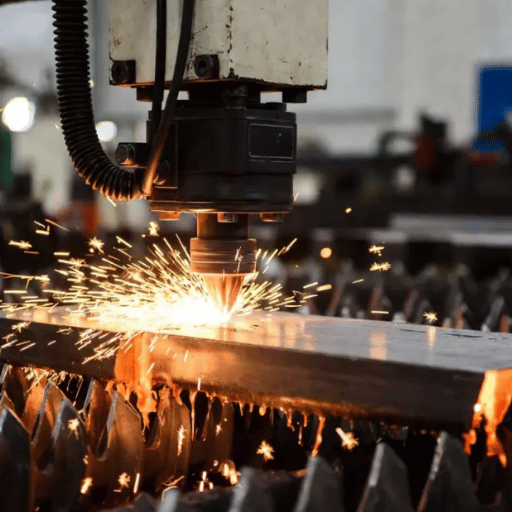
For 2026, the important signals are demand, lead time, energy, and quote validity. AMT reported that U.S. manufacturing technology orders reached $814.3 million in December 2025, the highest monthly order value on record, and that 2025 machinery orders totaled $5.74 billion, up 22.5% versus 2024. AMT’s USMTO report points to active capital-equipment demand rather than a quiet buyer market.
“single-digit annual growth expected”
That does not mean every CNC machine price will rise by the same percentage. Buyers should ask for quote-validity dates, shipment terms, option lead time, commissioning schedule, and whether the supplier can hold pricing after the drawing package changes. If your purchase is planned near IMTS 2026, scheduled for September 14-19, 2026, expect more product announcements and more buyer comparisons during that period.
Energy should also be checked locally. National EIA averages are useful for a first model, but shops in high-rate states should use their own utility bills. Machines running one shift, five days a week, have a different cost profile from machines planned for lights-out production.
For ANTISHICNC buyers, the best 2026 move is to send a complete part and facility package before asking for a final price: drawing, material, diameter, length, tolerance, finish, annual volume, voltage, tooling needs, installation location, and acceptance-test expectation. That gives the supplier enough data to separate a basic CNC lathe quote from a more capable turning center or vertical lathe quote.
FAQ
Is CNC hard to learn?
View Answer
Basic CNC operation can be learned with structured training, but safe production work takes time. Operators must understand workholding, offsets, tooling, feed and speed choices, inspection, coolant, and what to do when a part does not measure correctly. Programming adds another layer because a toolpath that looks acceptable on screen can still fail if the setup is weak. First-time CNC shops should budget training, supervised prove-out, and scrap allowance, not only the machine.
Can a low-cost CNC machine cut metal?
View Answer
Some low-cost CNC machines can cut soft metals lightly. Steel, stainless steel, cast iron, and repeat precision turning usually need a purpose-built metal lathe or machining center.
What should be included in a CNC machine quote?
View Answer
Quotes should list the base machine, control, spindle, axes, options, workholding, tooling, freight, installation, safety requirements, training, warranty, service terms, spare parts, and acceptance test. For a lathe, include swing, center distance, spindle bore, chuck size, turret, tailstock, and live tooling if needed. Ask whether the quoted price includes commissioning, test cut, export packing, and any country-specific electrical or guarding work.
Is a CNC lathe cheaper than a machining center?
View Answer
It depends on size and options. Simple lathes can cost less than a machining center, while large CNC lathes or turning centers with live tooling can cost far more than an entry VMC.
How much space does an industrial CNC machine need?
View Answer
Use the machine footprint plus room for doors, chip conveyor, coolant tank, electrical cabinet, operator access, maintenance access, material handling, and safe walking paths. Large lathes and vertical lathes also need a floor and lifting plan that matches machine weight and workpiece handling. Long workpieces may require extra loading space at the spindle side or tailstock side. A layout drawing should be checked before the machine ships, especially when the route from truck to foundation includes narrow doors, ramps, or overhead limits.
Is a used CNC machine worth it?
View Answer
Used CNC machines can be worth it after inspection, freight, repair, guarding, and support risk are priced. Without that math, the discount is incomplete.
What is the best first CNC machine for a small metal shop?
View Answer
The best first machine is the one that matches the repeat work. Small shops making shafts, bushings, threaded parts, and rings should evaluate a CNC lathe. Shops making plates, blocks, fixtures, and milled features should evaluate a VMC. Sheet-cutting shops should evaluate plasma, laser, waterjet, or router options.
Need a Metal Turning Machine Price?
Send the workpiece diameter, length, material, tolerance, voltage, annual volume, and required options. ANTISHICNC can help match the job to a CNC lathe, vertical lathe, pipe threading lathe, or universal lathe budget.
Related Articles
Pricing Note
Machine prices change with configuration, destination, voltage, accessories, installation scope, and supplier terms. Treat the ranges in this article as planning bands. Final CNC machine price should be confirmed from a current quote tied to your drawing, material, tolerance, and production plan.
References & Sources
- ISO 230-1:2012 machine-tool accuracy testing – International Organization for Standardization
- OSHA 1910.212 general machine guarding requirements – Occupational Safety and Health Administration
- Electricity prices and factors affecting prices – U.S. Energy Information Administration
- Machinists wage data – O*NET OnLine / U.S. Department of Labor
- Manufacturing technology orders set record in December 2025 – AMT, The Association For Manufacturing Technology