




Being the highest-precision machine tools, vertical lathes showcase their charm on the manufacturing front with numerous benefits. With the pick-and-drop nature of machining large-sized heavy workpieces, vertical lathes stand ranked high in every classification from efficiency to applications to being space savers. This comprehensive treatise explores the advantages of vertical turning, highlighting how these multipurpose machines efficiently absorb work, offer operational flexibility, and deliver optimal performance across various applications.
Understanding Vertical Lathes
Definition and Functionality
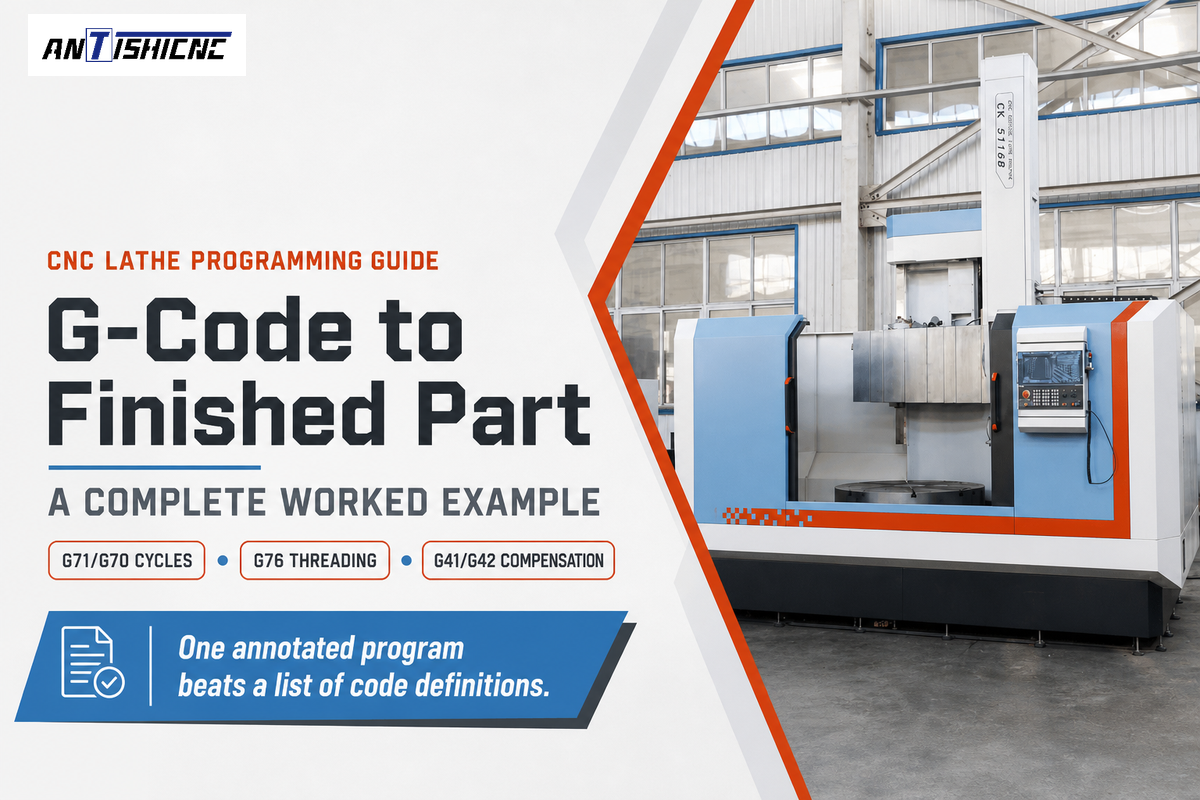
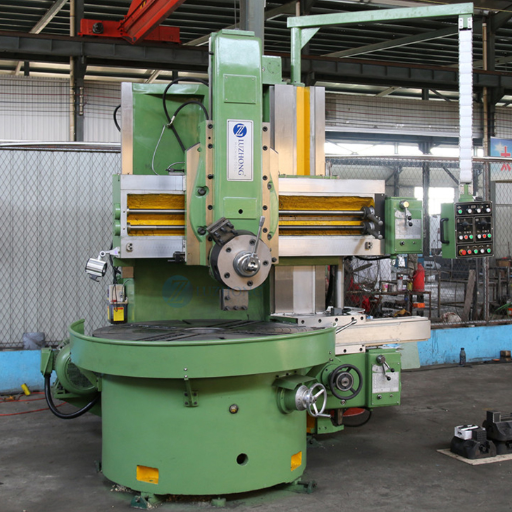
Vertical lathes are precision machinery engineered primarily for processes involving commercial machining of large, heavy, cylindrical workpieces. Unlike their horizontal counterparts where the spindle is horizontally arranged, in vertical lathes, the spindle is vertically arranged, with the workpiece being mounted on a revolving table.
Key Advantages of Vertical Orientation:
- Improved stability for heavy components
- Better handling of large-diameter workpieces
- Enhanced precision through gravitational assistance
- Reduced deflection and vibration of the workpiece
Market Growth: 5.2% CAGR (2023-2030)-There has been significant growth in the global vertical lathe market, propelled by heightened demand for complex machining solutions and the rising automation trends.
Advanced Features of Modern Vertical Lathes:
- CNC Technology Integration: Computer Numerical Control for enhanced precision
- Automatic Tool Changers: Reduced setup times and improved efficiency
- Live Tooling: Multiple operations without workpiece repositioning
- Spindle Torque Monitoring: Real-time performance optimization
- High Horsepower Motors: Capability to handle various materials from steel to high-performance alloys
Key Components of Vertical Turning Lathes
| Component | Function | Key Features |
|---|---|---|
| Work Table and Chuck | Securely holds and rotates workpiece | Diameters up to 40+ feet, hydraulic/mechanical clamping |
| Vertical Column | Structural support and tool guidance | High rigidity, precise vertical movement control |
| Cross Rail | Horizontal tool positioning | Fixed or adjustable, automatic height adjustment |
| Tool Turret/RAM Head | Tool mounting and changing | Multi-station turrets, live tooling capabilities |
| Hydraulic Systems | Clamping and tool operations | Precise control, minimal downtime |
| CNC Control Systems | Machine automation and precision | Multi-axis operation, user-friendly interfaces |
| Spindle Assembly | Workpiece rotation | Variable speed, heavy-duty load capacity |
Comparison with Horizontal Lathes
| Aspect | Vertical Lathes | Horizontal Lathes |
|---|---|---|
| Orientation | Vertical plane operation | Horizontal plane operation |
| Best For | Heavy, large-diameter parts | Long, slender parts (shafts, rods) |
| Stability | Superior rigidity, gravity-assisted | Good for lighter workpieces |
| Setup Time | Moderate setup complexity | Quicker setup for standard jobs |
| Cycle Time Reduction | 15-20% for parts >2,000 kg | Better for smaller, repetitive jobs |
Efficiency and Precision in Vertical Turning
Handling Large and Heavy Workpieces
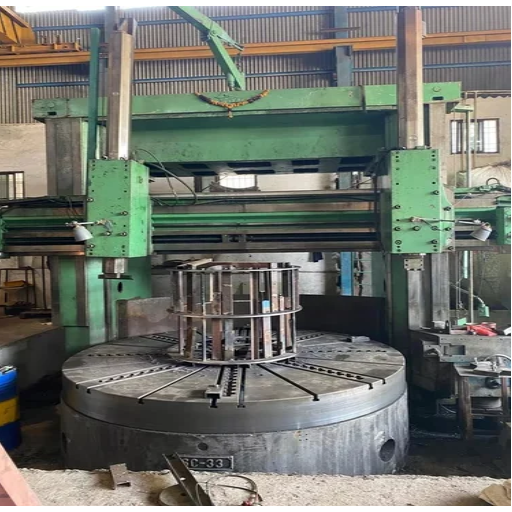
The Vertical Lathe is beneficial Processing. workpiece large, heavy, and bulky with exceptional stability and precision. The vertical position utilizes gravity to hold the workpiece, thus being ideal for:
- Turbine rotors: The heart of power generation
- Large flanges: Industrial piping and connecting systems
- Aerospace components: Engine casings and other structural elements
- Heavy machinery parts: Industrial equipment components
Grand Capabilities:
- Weights of Workpieces Handled: Present VTLs handle dirty workpieces weighing more than 10,000 lbs (4,500 kg).
- Size Range: Machining workpieces more than 15 feet (4.5 meters) in diameter.
- Productivity Enhancement: Reported by manufacturers to have increased by 25 percent on average.
- Precision: Tolerances within ±0.01 mm were observed on a consistent basis.
High Precision and Quality Finishes
Vertical lathes have become synonymous with excellent precision and superb surface finishes, which are very much in demand in the most demanding manufacturing applications.
Capabilities for Precision:
- Tolerance Achievement: Up to ±0.001 mm with the help of CNC systems
- Surface Finish: Often Ra 0.2 μm and below for polished parts
- Overall Production Efficiency: 15 to 20% increase in efficiency due to uniformity of quality
- Material Versatility: Acceptable results are very much achieved with titanium and Inconel and hardened steels
Industry Impact: More than 65% of manufacturers consider vertical lathes a strategic investment for components requiring high precision and top-notch finishes.
Versatility Across Machining Tasks
Modern vertical lathes demonstrate remarkable versatility, capable of performing multiple machining operations:
- Turning Operations – Primary function with exceptional accuracy
- Drilling – Precise hole creation in various sizes
- Boring – Internal diameter machining and finishing
- Milling – Complex surface and feature creation
- Threading – Internal and external thread cutting
Key Benefit: 70% of manufacturers indicate that the primary advantage of vertical lathes is the flexibility in task execution, which proves crucial for lessening downtime and increasing productivity.
Applications of Vertical Lathes in Various Industries
Aerospace Industry Usage
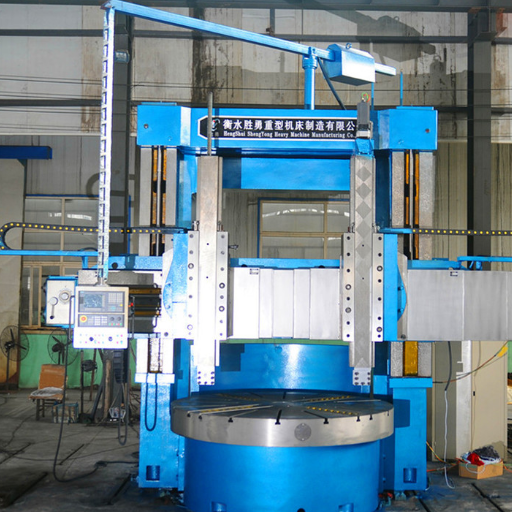
The aerospace industry relies heavily on vertical lathes for manufacturing critical components that demand the highest levels of precision and reliability.
Common Aerospace Applications:
- Aircraft Engine Casings – Complex geometries requiring precise tolerances
- Turbine Disks – High-performance rotating components
- Landing Gear Components – Safety-critical structural elements
- Structural Elements – Airframe components and assemblies
Industry Growth Impact:
The global aerospace machining market is projected to grow significantly due to increasing aircraft production demands. Vertical lathes contribute by enabling precision machining of modern lightweight materials like titanium and composite alloys.
Case Study: Pratt & Whitney
Pratt & Whitney utilizes advanced vertical lathe systems to produce highly precise jet engine parts, ensuring both efficiency and safety in aviation applications. Their implementation demonstrates the critical role of vertical lathes in aerospace manufacturing.
Automotive Manufacturing Benefits
Vertical lathes play a crucial role in automotive manufacturing, enabling production of high-precision components for modern vehicles.
| Component Type | Application | Benefits |
|---|---|---|
| Brake Discs | Braking systems | Precise surface finishing, safety compliance |
| Flywheels | Engine assemblies | Perfect balance, reduced vibration |
| Cylinder Blocks | Engine construction | Accurate bore dimensions, surface quality |
| Transmission Components | Drivetrain systems | Precise gear interfaces, smooth operation |
Market Growth:
Automotive Manufacturing Market: Being subjected to a projected CAGR of 3.9% (2023-2030), according to Grand View Research, indicating an increased demand for advanced machining systems.
Automation Integration:
- Robotic Arms: Automated loading and unloading
- IoT Sensors: Performance monitoring in real time
- Quality Control: Same quality assured while manufacturing in large volume
- Energy Efficiency: Saves energy and material wastes
Energy Sector Applications
Vertical lathes are essential in the energy sector for both renewable energy systems and traditional power generation equipment.
Renewable Energy Applications:
- Wind Turbine Hubs: Large-scale precision components
- Rotor Shafts: Critical rotating elements
- Gearboxes: Power transmission systems
- Generator Components: Electrical generation elements
Oil and Gas Industry:
- Valves: Flow control systems
- Pump Components: Fluid handling equipment
- Large-Diameter Flanges: Pipeline connections
- Pressure Vessels: Storage and processing equipment
Wind Turbine Market Growth: 6.5% CAGR (2023-2028) according to 2023 market analysis, emphasizing growing demand for advanced manufacturing technologies.
Emerging Technologies:
- Hydrogen Storage Systems: Clean energy infrastructure
- Nuclear Reactor Components: Advanced power generation
- Energy Storage Solutions: Grid stabilization equipment
Choosing the Right Vertical Lathe

Factors to Consider: Size and Features
Size Considerations:
| Machine Size | Turning Diameter | Typical Applications |
|---|---|---|
| Compact Models | Under 20 inches | Small precision components, tooling |
| Medium-Scale | 20-80 inches | Automotive parts, general machining |
| Large-Scale | 80-200+ inches | Aerospace, energy sector components |
List of Important Features to Examine:
- Live Tooling: Multi-operation capabilities
- Automatic Tool Changers: Quickened setting up of times
- Multi-Axis Capabilities: Complex geometry machining
- Advanced CNC Systems: Higher precision and automation
- Sensor-Based Monitoring: Real time performance data
- Energy-Efficient Motors: Reduced cost operation
Performance Benefits:
Energy-efficient vertical lathes with automation capabilities show:
- 15% reduction in energy consumption
- 30% increase in production rates
- Improved sustainability compliance
Budget Considerations for Vertical Turning Lathes
Investment Range:
| Machine Category | Price Range | Features |
|---|---|---|
| Basic Models | $50,000 – $100,000 | Standard turning, basic CNC |
| Advanced Models | $100,000 – $200,000 | Multi-axis, live tooling, automation |
| Premium Systems | $200,000 – $300,000+ | Full automation, smart sensors, AI integration |
Cost-Saving Strategies:
- Energy Efficiency: Gives you a 20% maintenance cost reduction if an efficient model is selected
- Government Incentives: Grants available for adopting energy-efficient machinery
- Financing Alternatives Offered by Third Parties: Leasing, alternative financing sources
- Lifecycle Cost Analysis: Accounting for savings in terms of long-run operational costs
Assessing Your Specific Needs
Operational Assessment Checklist:
- Current Inefficiencies: Identify production bottlenecks
- Automation Opportunities: Processes suitable for automation
- Maintenance Issues: Equipment requiring frequent repairs
- Delivery Challenges: Timeline improvement needs
Industry Insight: Recent data has revealed that 84% of manufacturers investing in automating processes have noticed improved operational efficiency with the move.
Strategic Alignment Factors:
- Production Scaling: Higher throughput machinery requirements
- Technology Integration: IoT and smart manufacturing adoption
- Quality Improvements: Precision and consistency requirements
- Market Competitiveness: Advanced capabilities for market advantage
Maintenance and Optimization of Vertical Lathes
Best Practices for Longevity
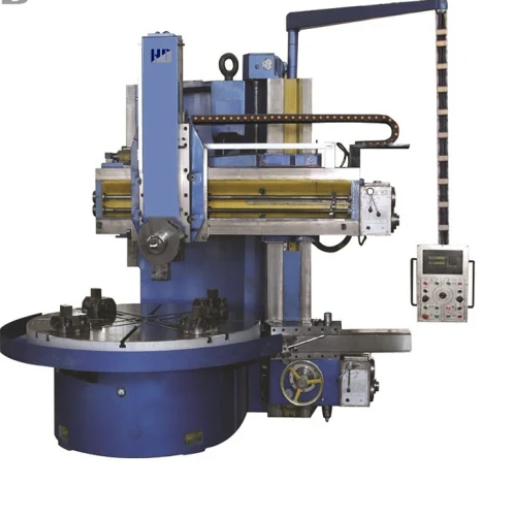
Proactive Maintenance Schedule:
- Daily Inspection: Surface check for wear and alignment
- Weekly Lubrication: Prime quality lubricant application
- Monthly Calibration: Verification of precise measurement
- Quarterly Overhaul: Extensive assessment of the system
Critical Components to Monitor:
| Component | Inspection Frequency | Key Indicators |
|---|---|---|
| Bearings | Weekly | Noise levels, temperature, vibration |
| Spindles | Daily | Runout, alignment, smooth operation |
| Cutting Tools | Per job | Wear patterns, edge condition, performance |
| Hydraulic Systems | Monthly | Pressure levels, fluid quality, leaks |
Strategies for Performance Optimization
Systems of Monitoring in Real Time:
Impact: 73% of manufacturers with real-time monitoring systems have recorded up to 30% reduction in operational downtime.
Benefits of Sensors Enabled by IoT:
- Instant feedback: Real-time data on machine performance.
- Early detection: Wear and overheating detection before failure.
- Immediate action: Correction of faulty operation.
- Data analysis: Study of trends for optimization.
Predictive Maintenance Features:
- Cost reduction: Annual repair costs are reduced by 25%.
- Failure prevention: Analyzing past and present forms of failures.
- Scheduled downtime: Finding windows to trip off maintenance.
- Extension of equipment lifespan: Prolong methods to life.
With AI and Machine Learning:
- Productivity: Over 20% increase in general productivity
- Automated scheduling: Choosing the best task ranking
- Parameter optimization: Tune the cutting conditions
- Waste reduction: Optimization of material usage
Common Issues and Troubleshooting
| Issue | Common Causes | Solutions | Prevention Impact |
|---|---|---|---|
| Poor Surface Finish | Worn tools, incorrect speeds | Tool replacement, speed adjustment | 25% reduction in defects |
| Spindle Runout | Misalignment, bearing wear | Calibration, bearing replacement | 15% downtime reduction |
| Vibration | Loose components, improper cutting | Tightening, damping systems | 40% error reduction |
| Thermal Expansion | Prolonged operation heat | Temperature control systems | 30% accuracy improvement |
| Software Errors | Outdated programs, coding errors | Regular updates, simulation testing | 20% downtime decrease |
Frequently Asked Questions
What are the benefits a vertical turning lathe has over a horizontal turning lathe?
A vertical turning lathe has several advantages over the horizontal lathe:
- Better Stability: The greater force of gravity is advantageous for establishing greater process stability during machining
- Space Saving: Requires a lot less floor space than horizontal machining centers
- Heavy Component Handling: Excellent at processing large and heavy components
- Improved Rigidity: Longer tool life and better cutting precision
- Better Chip Removal: In the vertical configuration, chips evacuate
How do VTLs improve productivity?
VTLs will improve productivity through:
- Quick Tool Changes: With the turret configuration, minimal time for tool change is required for downtime.
- More Processes without Workpiece Removal: Carrying out multiple processes while not requiring a workpiece to get removed
- Automation in Complete Operation: The advanced and complicated CNC supports achieving higher throughput
- Improved Chip Removal: Reducing tool wear and better quality
- Loading/Unloading Easy: The large workpiece gets enough access
What kinds of workpieces can be machined on vertical lathes?
Various categories of verticut lathes:
- Heavy-Duty Components: Pump housings, maadii, majbooth shafts, cylindrical parts
- Large Blanks: Easy loading and unloading capabilities
- Complex Geometries: Accommodation of different tools and techniques for cutting
- Medium to Large Parts: Preferred for the making of large-size components
- Precision Components: High precision is needed in many industries
How do vertical machining and operating a traditional lathe differ?
The distinguishing characteristics of vertical machining are:
- Workpiece Orientation: Proper positioning of the workpiece with gravity work
- Enhanced Stability: Improved precision in machining for heavy components
- Advanced Technology: Automation through CNC integration
- Improved Chip Removal: Better removal of chips and debris
- Smaller Footprint: Good for the need of space-saving design in modern factories
What kind of innovations can be found in modern vertical turning lathes?
Modern vertical lathes have an array of ultra-modern innovations:
- Advanced CNC Technology: Sophisticated process control and precision
- Rotating Tables: Enhanced accessibility and flexibility
- High-Performance Cutting Tools: Material and geometry capabilities extended
- Automation Integration: Cycle time reduction and efficiency enhancement
- Smart Monitoring: Real-time machine performance and predictive maintenance
Conclusion
The modern vertical lathes constitute a landmark in precision machining, addressing huge, heavy workpieces with immense accuracy while still functioning efficiently. The advanced design and incorporation of CNC technology, automation capabilities, and other features render this tool indispensable in the aerospace, automotive, and energy manufacturing sectors. As the market demands higher production and tolerance levels, vertical turning lathes will serve those demands and lead into advanced manufacturing.
Reference Sources
-
Modernizing Industrial Equipment: A Case Study of Retrofitting a Vertical Lathe
This article discusses the benefits of automating vertical lathes, including improved efficiency and precision in industrial applications.
Link to source -
Prediction of Machining Accuracy for Vertical Lathes
This research focuses on the geometric and working accuracy of vertical lathes, verified on a TOSHULIN vertical lathe.
Link to source -
Design of High Precision CNC Vertical Lathe Turning Tool Holder
This study explores the design of tool holders for vertical lathes, highlighting their role in improving machining stiffness and precision.
Link to source -
A Vertical Additive-Lathe Printing System for Tubular Constructs
This paper introduces a vertical additive-lathe printing system, showcasing its advantages in precision and stability for specialized applications.
Link to source -
The Origins of the Lathe
This historical analysis provides insights into the evolution of lathes, including the advantages of vertical configurations in specific contexts.
Link to source