



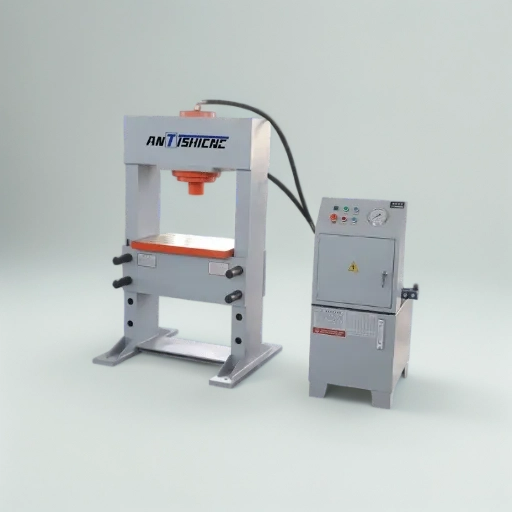


Woodworking is an art form as well as a craft, requiring an utmost degree of precision and creativity, together with the right tools to bring intricate designs to life. Among the many tools any professional woodworker would consider paramount, the shaper woodworking machine is arguably at the very top of the list. This is a very versatile tool that remains unmatched in its ability to create fine edges, grooves, and shapes. Anyone seriously aiming to elevate their craftsmanship simply cannot do without one of these shaper woodworking machines. For those skilled in this craft or those budding woodworkers about to enter this world of possibilities, this guide will walk you through everything about shaper woodworking machines—from what they do, their benefits, and how to choose the right one for you, giving you complete knowledge at your disposal to master precision woodworking.
Understanding Woodworking Planers
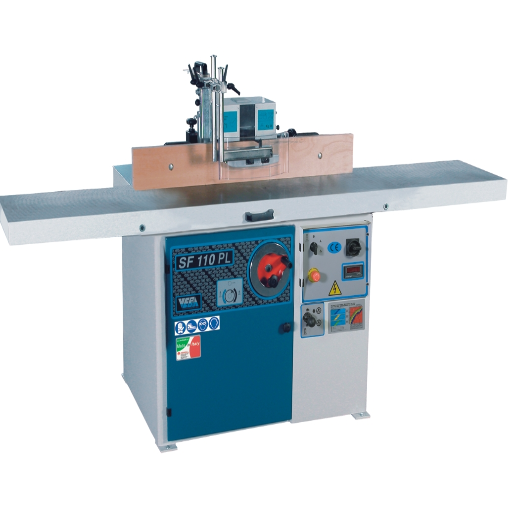
These woodworking planers are meant to make a flat, smooth surface on wood while maintaining an even thickness for a board. It is essential to obtain uniform pieces of lumber ready for further crafting or assembly. Either type, manual or electric, exists. The powered types are preferred when dealing with larger projects or tough materials. When buying a planer, the size of projects, the precision required, and the particular woods you work with regularly should be taken into consideration. Very well chosen, it can transform woodworking from a painstaking chore to an elegant work of precision and speed.
What is a Shaper Machine?
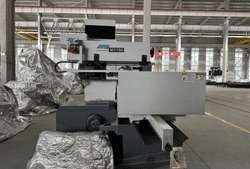
A shaping machine is equipment that allows operations to be performed, including shaping and cutting, on metals or other materials. In this machine, the workpiece is fixed in position, and a single-point cutting tool moves in a straight path to cut away excess material from the surface. The shaping process is typically employed for creating flat surfaces, grooves, keyways, or simple contours. Shaper machines are popular among workshop facilities, primarily for conducting simple machining jobs that require complex shapes or specific dimensions.
Modern shaper machines come in various sizes and classifications, which can be either mechanical or hydraulic. The cutting strokes of the conventional shaper machine vary from approximately 6 inches to 36 inches, depending on its size and capacity. Shaper machines also serve a diverse range of purposes in machining aluminum, steel, and cast iron. When considering a shaper machine, the key factors are length of stroke, table size, cutting speed, and motor power. The motor power for smaller machines typically ranges from 0.5 to 1 HP, whereas larger machines have motor power well above 5 HP.
Key Advantage: Another significant merit of the shaper machine is that it enables intricate and precise cutting at a comparatively low operational cost compared to more advanced CNC machines. Even with the growing popularity of CNC machines, shaper machines remain tools that will hardly disappear from the industry’s manufacturing base, repair workshops, and prototype modeling due to their affordability, simplicity, and reliability.
Components of a Wood Shaper
In the realm of woodworking, a wood shaper has several essential components, each ensuring its efficient working and utmost precision:
Motor
The motor is the primary powerhouse of a wood shaper; it causes the spindle to rotate at high speed. Motors in wood shapers vary from 1 HP for small, hobbyist models to more than 5 HP for industrial machines for heavy-duty usage. This ensures that they are compatible with different-sized workpieces and materials.
Spindle
A spindle is a vertically oriented rotating shaft on which the cutters or router bits are mounted. The majority of wood shapers’ spindles have speed adjustment features, allowing operators to match the rotation speed to the type of material or finish required. The more sophisticated types have a reversed spindle rotation to enhance flexibility.
Cutting Tools (Cutters and Router Bits)
Wood shapers employ numerous types of steel or carbide cutters to achieve given profiles and designs. These tools range from straight bits for simple jobs to complex molding patterns for various woodworking applications. Today, carbide or high-speed steel cutters have been engineered to withstand wear and maintain precision during heavy-duty work.
Table
A table is a flat, stable surface upon which the workpiece rests during working. Tables are commonly made of cast iron or other heavy material to prevent vibrations that may spoil the finish. Most tables have openings or slots where fences and clamps are fitted.
Fence
The fence guides the workpiece, ensuring a straight line and takes control of the cutting process. Adjustable fences can be set in exact relation to the cutter to make repetitive or bevel cuts easier.
Dust Collection Port
Dust collection ports maintain the new-age dustless environment in wood shapers. They suck in sawdust and debris, thus maintaining a clean workspace. Clean working areas enhance the visibility of the project and ensure a safe working environment.
Height Adjustment Mechanism
A means is provided by which the height of the spindle or cutter can be adjusted to give accurate depth control for cutting or shaping operations. Significant adjustments are required to ensure consistent profiles and depths.
Guard and Safety Features
Safety is paramount, and several safety features are incorporated into the wood shaper. Cutter guards keep the operator from coming into contact with moving parts. Emergency stop buttons and anti-kickback devices are serious safety musts.
Such components combinedly enable a wood shaper to manage intricate designs, precise cuts, and a variety of woodworking tasks, thus making the wood shaper the king of any workshop or production outlet.
Types of Shaper Machines
Based on design, operations, and applications, the shaper machines are classified as follows:
Horizontal Shaper Machine
The most common type of shaper, where the ram moves horizontally for cutting operations. It is typically used for shaping flat surfaces, creating grooves, and cutting slots. Horizontal shapers, being quite versatile, are most suitable for small- to medium-sized workshops, where they can process a wide array of materials, including metal and wood.
Vertical Shaper Machine
Due to its name, the vertical shaper machine has its ram moving in a vertical direction. Ideal for keyway cutting, internal grooves, and other vertical surface machining. Being compact in design, they are a perfect choice for machining intricate designs in smaller, confined areas.
Universal Shaper Machine
Universal shaper machines are highly versatile and can carry out an extensive array of machining operations. The table on the universal shaper can be swiveled about a horizontal plane for angular cuts. This machine is used when more flexibility and precision are needed.
Hydraulic Shaper Machine
The hydraulic-shaper machine utilizes pressurized hydraulic fluid to operate. They are smoother than mechanical machines and hence more efficient. Due to their high speed and accuracy, they are widely employed in mass production and industrial applications.
Geared Shaper Machine
These shaper machines use a gear arrangement to run their ram. Geared shapers are heavy-duty machines designed for working on hard materials and large surfaces. Geared shapers, being ruggedly built, find their applications in industries where reliability and durability are most important.
Standard Shaper Machine
Standard shaper machines are used for simple work. Basic metalworking is all they do, and complex mechanisms or precision are the least of their concern. Each type of shaper machine is designed to fulfill a specific requirement of a particular industry.
With the passage of time and technological developments, modern shaper machines have become more precise, efficient, and durable; hence, they are well-set as a prominent class of machines in the world of manufacturing and craft.
Choosing the Right Planer for Your Shaper

When choosing a planer for your shaper, consider the type of material you intend to work with and the specific tasks that need to be performed. A planer with a size and cutting capability appropriate for the dimensions and hardness of the material should be selected. Verify that the machine fits well with your shaper to ensure proper operation. Also, consider planners made from the best materials on the market to ensure long life and optimal performance. Always rely on the manufacturer’s recommendations and guidelines when making your choice.
Factors to Consider: HP and Motor Types
Understanding the horsepower (HP) and type of motor when selecting a planer helps ensure efficiency and performance. Greater horsepower means greater cutting capability, enabling it to cut tougher materials like hardwoods. In the range of 2 HP to 5 HP, planers should suffice for most woodworking work, with 3 HP being the standard choice for professional work.
Next is the motor type. Brushless motors are gaining popularity due to their higher efficiency, longer lifespan, and reduced maintenance requirements compared to brushed motors. Then there are induction motors that have earned a reputation for being exceptionally rugged and quiet, making them well-suited for longer work hours in a workshop. Some units extend the appeal by featuring variable-speed controls, allowing the operator to adjust the feed rate for a smoother finish or faster finish speed, depending on the type of material being worked.
Finally, keep in mind that the motor and horsepower ratings should also align with the voltage ratings in the workspace, typically 120 volts for a standard setting or 240 volts for heavier applications. With all these factors in mind, you will have no problem selecting a planer with all the horsepower and longevity it requires to help fulfill your requirements.
Comparing 3 Phase vs. Single-Phase Shapers
Choosing between the two, 3-phase and single-phase shapers, requires a clear understanding of the key differences and their implications for performance, efficiency, and cost.
| Aspect | 3-Phase Shapers | Single-Phase Shapers |
|---|---|---|
| Power and Efficiency | Power and efficiency monsters built for industrial applications. Sustained and balanced power source with reduced power losses. | Operate on one alternating current, can result in fluctuations when subjected to heavy power loads. More suitable for small projects. |
| Initial Price and Availability | Require specialized electrical setups, more expensive initially. Better long-term cost efficiency for larger operations. | Generally affordable, can connect to standard 120V or 240V outlets. Accessible for hobbyists and small-scale woodworkers. |
| Performance | Steady torque enables smooth operation with complex materials. Precise cuts and reduced machine wear. | Can handle most materials but may struggle with demanding tasks. May result in slower speeds or less refined finishes. |
| Maintenance and Longevity | Less electrical stress, better durability, requires less servicing for long-lasting operations. | Very reliable but may require more frequent maintenance compared to 3-phase models. |
| Best For | Professionals managing large projects on commercial or industrial sites. | Hobbyists or small business owners without 3-phase power access. |
Weighing out your shop’s needs and types of projects will ensure that the shaper of your choice is best suited for the woodworking project, considering performance, cost, and convenience.
Laguna Shaper Machines: Features and Benefits
The Laguna shaper machines have been designed to ensure high performance with precision, making them a preferred choice for professionals and amateurs in the woodworking field. The very sturdy build and materials ensure durability in highly challenging environments. These shapers from Laguna draw power anywhere from 3 HP to 7.5 HP, giving ample strength to process softwoods or very dense hardwoods.
One attractive feature of these Laguna shapers is that they have very friendly handling; thus, micro-adjustable fences, a massive tabletop, and controls that are easy to operate all contribute to positioning accuracy and reproducible cuts. Many units also offer a tiltable spindle, which comes in handy when working with intricate profiles and allows for an angled approach. Furthermore, a Laguna shaper can incorporate multiple cutter heads, enabling further customization in accordance with project demands.
Another significant advantage is that they complement advanced dust collection systems, which help maintain a clean and safe environment by removing airborne particles. There is also the usual appreciation of quiet operation on the part of Laguna machines, which should otherwise be loud.
Users often praise Laguna support for its precision and modern design, making their shapers a worthy investment for both small- and large-scale production. They offer a reasonably priced alternative, with options catering to a variety of skill levels and needs, giving them an edge in the business.
Shaper Cutters and Accessories

Laguna offers a wide selection of shaper cutters and accessories, designed to meet the needs of your woodworking projects. Their cutters are precision-made from hardy materials. Profiles for edge shaping, molding, and joinery are favorites among clients, giving maximum application options. Accessories, such as spindle adapters and fences, further enhance the functional aspects of the shapers. All these products fit Laguna shapers and were designed with ease of operation in mind, making them suitable for both novices and professionals.
Types of Shaper Cutters
Shaper cutters are designed in various types, each intended for a specific woodworking operation. Common types are:
- Straight Cutters – They are suitable for making clean edges or grooves that need to be joined or shaped.
- Profile Cutters – Use these for intricate shaping, such as for decorative edge molds and customized details.
- Grooving Cutters – These cutters excel at making grooves, dados, or slots, which are rarely used in cabinetry and paneling.
- Stiles and Rails Cutters – Well-made cabinet door making joints for stiles and rails.
- Raised Panel Cutters – They allow the creation of raised panels with beveled edges for classical or decorative doors.
High-speed steel (HSS) or carbide-tipped are some materials used for making shaper cutters, with carbide being more durable for harder materials. Appropriate cutter selection depends on the project’s requirements and the type of hard materials.
Router Bits vs. Shaper Cutters
The focus is on the key differences in design, function, and use between router bits and shaper cutters. Router bits are smaller, and their main application lies in intricate detail work as well as a variety of other woodworking functions. They usually mount onto handheld routers or router tables and come in a vast array of profiles and sizes. Router bits are typically made from high-speed steel (HSS) or carbide, with the carbide-tipped ones being best suited for heavy usage due to their lower wear rate.
Being significantly larger and heavier, shaper cutters are designed to work in conjunction with shapers on industrial or large-scale woodworking projects. Their size and weight ensure the smoothest cuts when faced with thick, heavy, and dense materials. Shaper cutters also offer more options for finer crafting of custom profiles and perform better under high demand in terms of strength and precision. Another fact about shaper cutters is that they generally run at lower RPMs compared to router bits, which results in less wear and more consistent performance.
Router bits are a more affordable alternative and are much more suitable for hobbyists or smaller-scale projects. Shaper cutters require a significantly higher initial investment but are designed for longevity and repeated use in a professional shop setting. Depending on whether the project is large or small, rating material requirements, or setting a priority for either flexibility or durability, will dictate the choice.
Essential Accessories for Precision Woodworking
Selecting the correct shop accessories can significantly improve the woodworking process in terms of precision, efficiency, and safety. Below are some vital tools and their applications:
- Clamping Systems – A reliable set of clamps holds the materials securely in place while cutting, gluing, or assembling. Parallel bar clamps and quick-grip clamps are favored by professionals for their versatility and ability to apply even pressure.
- Router Tables – The best router tables give stability and precision when working with delicate designs or repetitive cuts. Adjustable fences, miter slots, and dust collection ports are essential features for a high-quality model.
- Featherboards – Featherboards enhance the safety factor by applying even pressure to the material as it is pushed through the saw or router bit. Means to lessen kickback and guarantee clean, accurate cuts.
- Digital Calipers – They are a must-have for measuring projects. They ensure pixel-perfect readings on thickness, depth, and diameter within a fraction of a millimeter for every piece with a professional finish.
- Push Blocks and Sticks – These are safety accessories used when working on jointers, table saws, or other heavy machinery. Such tools allow you to feed wood through the cutting process, not before it, thereby keeping your hands far away from the blades.
- Dust Collection Systems – A sound dust collection system keeps the shop floor clean, protects one’s lungs, and prolongs the life of one’s machinery. If one chooses a high-efficiency model with a HEPA filter, it can filter out 99.97% of pollen and dust particles, thereby improving indoor air quality.
- Sharpening Tools – These tools, such as diamond stones or a sharpening jig, keep chisels, planer blades, and other cutting tools adequately sharpened for maximum precision and safety, thereby avoiding slipping or error due to a dull edge.
These accessories, combined with extreme care, yield better accuracy, efficiency, and safety in projects for any woodworker.
Setting Up Your Shaper Machine
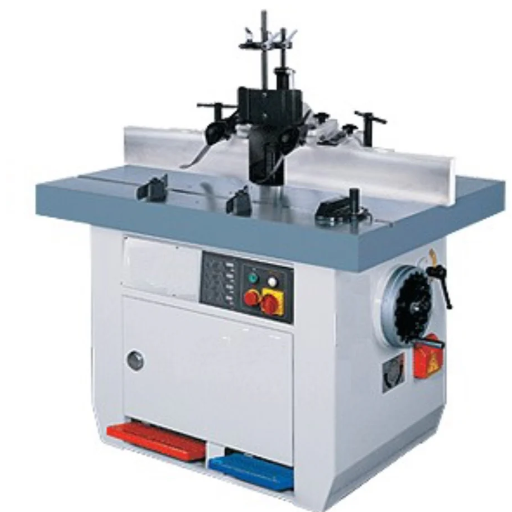
- Set up a Fixed Workstation – Ensure that the shaper machine is positioned on a stable surface that can fully support it, minimizing vibrations during use.
- Cutter Installation – Mount the cutter required for the project on the spindle. It should be secured tightly enough as per the manufacturer’s instructions so that it cannot move during use.
- Fence Adjustment – Position the fence carefully to direct the material correctly and ensure accuracy in the cuts. Lock it into place once the positioning is complete.
- Speed Setting – Consult the manufacturer for setting the correct speed of the spindle according to the material and cutter, following their instructions exactly.
- Dust Collection System Check – If the dust collection system is available, connect the machine to it, so the working area remains clean and safer.
- Safety Features Check – Verify that the guards, hold-downs, etc., are in working order.
Before operating, perform a final check to ensure that all parts are securely fastened and that the machine is ready for safe operation. Follow safety rules and wear the necessary safety gear.
Mounting and Adjusting the Shaper
Proper mounting and adjustment of the shaper ensure high precision, dependability, and worker safety during operation. The following detailed steps are to be followed in setting up the shaper efficiently:
Securely Mount the Shaper
Place the shaper on a stable and level surface to prevent wobbling or vibration. If the machine is to be mounted to a workbench or stand, ensure the use of good-quality bolts and washers to secure it tightly. Level and check the alignment of the shaper with a spirit level.
Fit Cutter Head
Select the cutter head suitable for the specific operation. Before installing, always check for any damage or wear and clean both the cutter head and the spindle. Attach the cutter head to the spindle and secure it tightly so that it cannot loosen during operation. Always use the tools specified by the manufacturer for this purpose.
Adjust the Fence
The fence guides the material during shaping and is critical for precision. Set the wall at the desired distance and ensure that it is parallel to the cutter head. Use either a ruler or a digital caliper to check the alignment, as a slight misalignment will affect the finish.
Set a Height for the Spindle
Set the spindle height according to the workpiece thickness and the desired profile to be cut. Slowly raise or lower the spindle, using the height adjustment control knob. Be sure to take precise measurements, and if available, use a depth gauge for accuracy.
Align the Feeder (if fitted)
Attach the power feeder to the shaper and align it with the cutter head. Adjust the feeder pressure, height, and speed according to the type of material being processed and the specific operation being performed. This should enable a consistent feed rate and minimize the risk of kickback.
Test Settings
Before proceeding with actual work, conduct tests using scrap material. Observe the quality of the cut to make minor adjustments for better results.
Check Dust Collection Efficiency
Connect the dust collection port of the shaper, if available, to an extraction system, ensuring everything remains clean and provides good visibility. In fact, it has been proven that a well-maintained dust extraction system can reduce airborne particles by over 90%, resulting in cleaner air.
Following these will increase the accuracy and safety of the shaper operation. Periodical maintenance and readjustment according to the material should give constant performance over time. Always remember to wear personal protective gear and follow safety rules when operating.
Dust Collection Mechanisms for Clean Workspaces
The collection and disposal of dust are paramount for maintaining a clean and safe environment, especially in industrial and woodworking settings. The present-day dust extraction sites are built to retrieve ultrafine particles and larger debris, thereby avoiding contamination and promoting breathable air. For example, more contemporary cyclonic separators utilize centrifugal force to separate dust and debris from the air with 99% efficiency for particles as small as one micron.
Additionally, HEPA filters can serve as an effective dust filter, capable of capturing 99.97% of dust-sized particles 0.3 microns or larger. These filters are meant for utmost fresh-air environments like laboratory air or workplaces cleaning hazardous substances. In addition to these, modern systems can automatically adjust suction power based on air quality monitored by sensors, optimize energy usage, and enhance collection efficiency.
Performance Benefits: Since installation, centralized dust collection systems have reduced maintenance costs for equipment by up to 30-40% due to abrasive dust deposition. Furthermore, reputations have been established near these workplaces, resulting in a 25% decrease in respiratory issues among employees, which directly benefits their health.
To ensure it is working optimally, dust collection systems should undergo regular maintenance that includes checking and cleaning of filters and ductwork. With its roots in modern technology, dust collection systems continue to evolve toward sustainability and energy efficiency. If chosen as a long-term investment, these systems will transform the workplace environment into a clean-air zone, thereby increasing productivity and enhancing employee health.
Calibration and Precision Adjustment Techniques
Calibration and precise adjustment are crucial in ensuring heavy machinery operates according to specifications and yields efficient accuracy. Calibration refers to the direct comparison of a device with a standard. Deviations are subject to control measures to ensure good working conditions of a specific device. For example, depending on the industry standard, measuring instruments such as pressure gauges, torque wrenches, and thermometers must undergo regular calibration to maintain their accuracy within permissible limits, which requires a tolerance of ±1% of the reference value for best-performing equipment.
Precision adjustment entails one more step. This process, which is essentially outside the calibration operations, performs fine-tuning of equipment to operate within specific, desired parameter values. Very often, this activity employs advanced corrective approaches such as laser alignment systems, automated calibration software, and digital micrometers. A case study of production facilities suggests that proper calibration and adjustment can reduce error rates by up to 25% and improve the overall efficiency of automated systems by around 15%.
Emerging technologies such as IoT-enabled sensors are facilitating the improvement of calibration and adjustment techniques through on-the-fly monitoring and remote calibration. This development helps organizations deal with irregularities before they occur and affect operations, consequently reducing downtime. Utilizing these methods will resolve the issue of equipment being out of tolerance, resulting in improved consistency, safety, and compliance with regulations.
Advanced Techniques for Shaping Wood
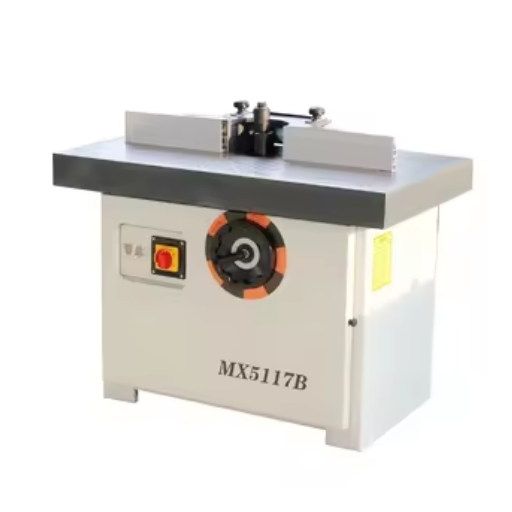
Advanced wood shaping often involves methods like steam bending, carving, and lamination. Steam bending softens the wood fibers, enabling the formation of precise curves and intricate shapes. Carving utilizes tools such as chisels and gouges to create detailed designs or customized contours. Lamination involves bonding multiple thin layers of wood together, allowing for the creation of complex shapes while maintaining strength. These techniques offer versatility and precision, catering to both functional and artistic woodworking needs. Ensure proper tools, safety measures, and quality materials are used for optimal results.
Using Templates and Jigs for Consistent Results
Templates and jigs are crucial tools in woodworking for attaining perfection and uniformity. Templates act as a model or guide, ensuring that across the work of many, several pieces have the same shapes and designs. Templates are handy for marking and cutting awkward-shaped or repetitive outlines. A jig, meanwhile, firmly holds the material to be cut at the correct location, guiding tools such as saws, routers, or angles to cut or drill accurately.
The use of templates and jigs leads to fewer errors and significant time savings, thus increasing the efficiency rate, especially when handling large or complex projects. To begin, it is advisable to have templates made of hard materials such as plywood or MDF that can be used repeatedly. Jigs can be either built to meet your specific needs or purchased from stores for common woodworking uses. Regardless of which method you use, ensure that the relative alignment and attachment of the materials are precise to achieve the required outcome. By applying these instruments throughout the process, you have a guarantee that the kind of results you are expecting will be produced every single time.
CNC Integration for Industrial Applications
Industrial CNC integration streamlines work processes to achieve the desired precision level while reducing waste. Programming CNC machines to do the repetitive tasks ensures uniformity throughout the project at a considerable scale. This research technology enables the ease of working with complex designs and difficult materials in modern manufacturing, making it the most helpful tool.
Creative Shaping: Moulding and Edge Trimming
Moulding and edge trimming are critical processes that ensure precision and finesse in the final product. Moulding involves shaping materials to meet specific design requirements using flexible or rigid molds, allowing for uniformity and intricate detailing. On the other hand, edge trimming focuses on refining the edges of a material by removing excess or uneven portions, ensuring smoothness and professional quality. These techniques are fundamental in industries such as manufacturing, furniture production, and automotive design, where aesthetics and functionality are paramount. By employing advanced tools and precise methods, it is possible to achieve high-quality results while maintaining efficiency in production workflows.
Conclusion
Final Thoughts: Mastering the art of precision woodworking with shaper machines requires understanding the fundamental components, proper setup techniques, and advanced methods for achieving professional results. Whether you’re a hobbyist looking to elevate your craft or a professional seeking to optimize your workshop efficiency, the right shaper machine combined with proper knowledge and technique will transform your woodworking capabilities. Remember that safety should always be your top priority, and investing in quality equipment and accessories will pay dividends in both the quality of your work and your long-term success in woodworking.
Reference Sources
Development of a Quick Return Mechanism for Experimentation Using SolidWorks
Subcontracting: A Strategic Approach for SMEs Development in Bangladesh
Frequently Asked Questions (FAQs)
What does a shaper woodworking machine do?
A shaper woodworking machine is a general-purpose woodworking tool used to give wood any desirable profile. A cutter head rotates on a spindle, which the operator then uses to cut lines, edges, and shapes into the wood. The machine is essential for professional carpenters in their daily work, as well as for wood hobbyists.
Is a shaper machine like a table saw?
Although considered some of the best woodworking tools for the workshop, each serves a distinct purpose. Primarily, a table saw is designed to perform only straight cuts; conversely, a shaper machine cuts edges and intricate profiles using shaper cutters. In other words, the shaper is better suited for fine details, while the table saw is more suitable for ripping and cross-cutting large pieces of wood.
What are the benefits that come with using an industrial-grade woodworking machine?
Industrial-grade shaper woodworking machines are designed for heavy-duty use, delivering robust performance and durability. Such machines typically operate on powerful motors of 7.5 hp or more and feature cast-iron tables for enhanced stability. Such sturdiness, combined with great adjustability and control, makes an industrial-grade shaper perfect for running significant volumes in production and doing detailed woodworking.
How do I typically set up my shaper woodworking machine?
The setup procedure for a shaper woodworking machine is as follows: The initial step is to mount the machine securely on a stable stand. Then, select and fit the appropriate cutter head on the spindle. Tilt or raise the cutter to make the desired cut, then ensure the lock mechanism is engaged for safety. Conduct an experimental run using waste wood to test the setup before commencing the main project work.
What varieties of shaper cutters are there in woodworking?
The available varieties of cutters include straight cutters, profile cutters, and molding cutters. Each one would have a different purpose, for instance, to carve grooves, edges, or decorative profiles. Depending on the work in wood you are about to undertake, you may need a kit with a number of these cutter heads to produce various shapes and finishes.
Can a shaper woodworking machine be programmed with a CNC system?
Indeed, specific shaper woodworking machines are amenable to CNC applications. With CNC, users can cut accurately and repeatedly, making production of complex designs and patterns easier. This blend of CNC and shaper machines ensures power and versatility for contemporary woodworking shops.
A shaper woodworking machine is selected: what good safety features must it contain?
Safety features to consider when selecting a shaper woodworking machine include emergency stop buttons, adjustable guards, and dust collection systems. Additionally, a robust lock mechanism for the cutter head, along with controls conveniently located, will enhance the safety of machine operation. Good safety features contribute to accident prevention and provide a safer working environment when using the machine.
How to maintain a shaper woodworking machine?
Maintenance involves regularly cleaning, lubricating, and inspecting parts. After using, dust down any wooden dust and debris, and then liberally lubricate moving parts. Check the cutter head frequently for wear and replace it if necessary. Such care will prolong the machine’s life to great advantage and help maintain its excellent performance.

![Machining Inconel & Nickel Superalloys [Practical Guide]](https://antishilathe.com/wp-content/uploads/2026/10/machining-inconel-featured.png)