


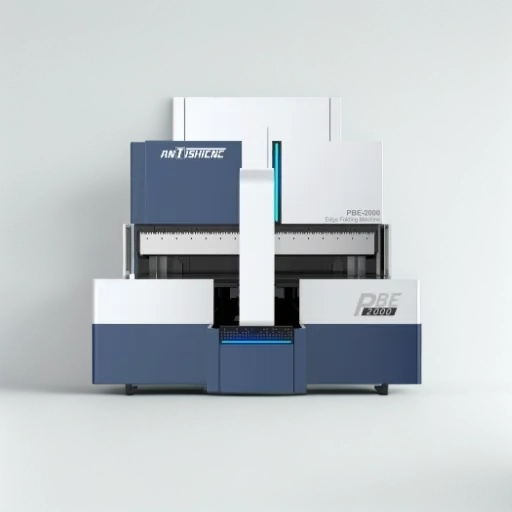
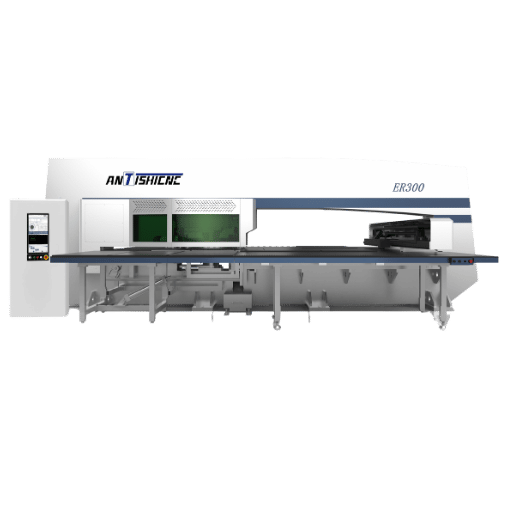
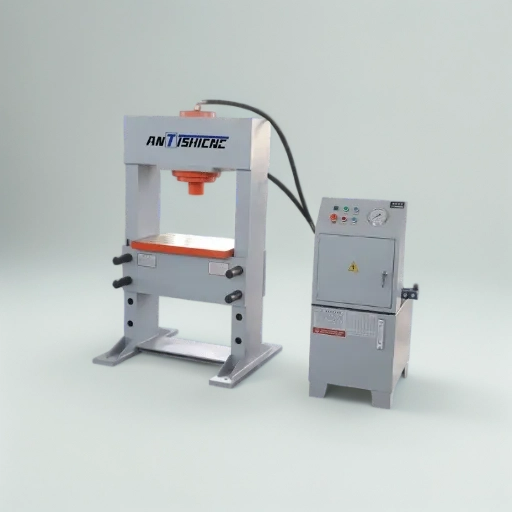


Machine tools are used in metal working and manufacturing for all sorts of manipulations, usually with accuracy and efficiency. There are all sizes and kinds of lathes; hence picking one to best suit your needs is a must for your productivity and the output’s quality. One is frequently confronted with the dilemma of horizontal vs vertical lathe: the two choose from a very highly generic term which constitute machining of parts under very different designs, methods, and service conditions. In this article, we take an in-depth look at the main differences between vertical and horizontal lathes to let you have knowledge of their specialties and select the very one that meets your requirements. This guide will open up your way for more conscious selection, whether you are a newbie or trying to streamline something in use.
Introduction to Lathe Machines
What is a Lathe Machine?
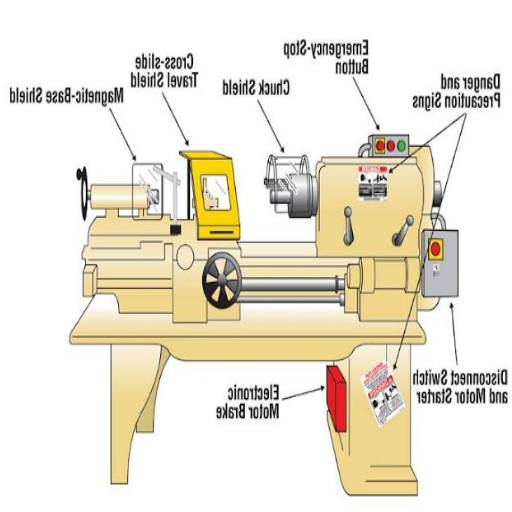
In manufacturing and machining, each plant operates under many systems; some of them are shaping, cutting, and modifying various materials. A lathe machine is one such equipment that performs those functions. By rotating the workpiece on its axis, the lathe provides so many operations to the operator, such as turning, threading, drilling, knurling, and facing. So very versatile, it is used in an automotive industry, aerospace, furniture, and manufacture of custom parts.
Modern lathe machines with CNC technology give more control to the user or have a bit of automation, hence making them suitable for production on a larger scale. Further, lathes can also be sub-classified into types that include vertical and horizontal, depending on what they are supposed to accomplish or the characteristics of the materials that they are to process. An understanding of what a lathe can do, coupled with how the components of a lathe aid in the completion of the job, is imperative in its utmost application, either within fine detail work or in bigger heavy-duty components.
Types of Lathes
Industries implement various types of lathes for many jobs; hence, adaptability of lathes to meet production requirements is necessary. The engine lathe is versatile and used quite frequently in workshops for general-purpose machining of materials. Mass production is done on the turret lathe, with several operations being done by the operator without repositioning of the workpiece, which saves time and maximizes efficiency.
These lathes are particularly suited for high-accuracy work in tool making, thus producing highly intricate components required, for instance, for aerospace or medical engineering. CNC lathes represent the next evolution in manufacturing, utilizing computer programs to automate processes and achieve the highest level of accuracy, speed, and consistency demanded by large-scale industrial production.
Moreover, due to the large and heavy components, vertical lathes are almost exclusively used, and gap bed lathes, with their provision for larger diameters by removing or shifting parts, meet particular production demands. In essence, each type of lathe performs the specialized functions required during machining, offering options for a customized solution that enables a specific manufacturing process to be performed efficiently.
Significance of Lathes in Machining
An experience and extremely precise set of machines on which lay operations were done are the heart of machining. The lathe is highly adaptable and precise; the same machines are being used in various industries, such as in the automobile and aerospace sectors, for converting raw materials into finished components. Because of their ability to manipulate designs with all kinds of intricate geometries within tight tolerances, these machines fast-track the production of workflows with great reliability. CNC-based lathes reduced the time for a project to be made to a considerable extent, thereby apparently increasing productivity in manufacturing sectors by about 30%. This leap jumped further up with automated change systems and real-time monitoring of CNC machining, making for reduction in errors and down times. As for their velocity in precision coordination, lathes form the very backbone of precision machining while balancing cost optimization for manufacturers to meet today’s intricate production stipulations.
Vertical vs Horizontal Lathe
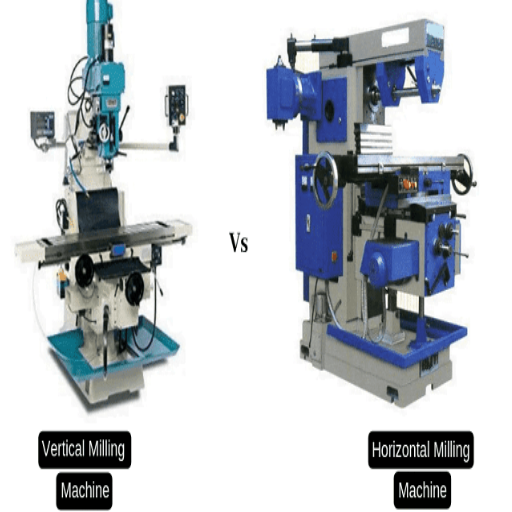
Vertical Lathes Defining
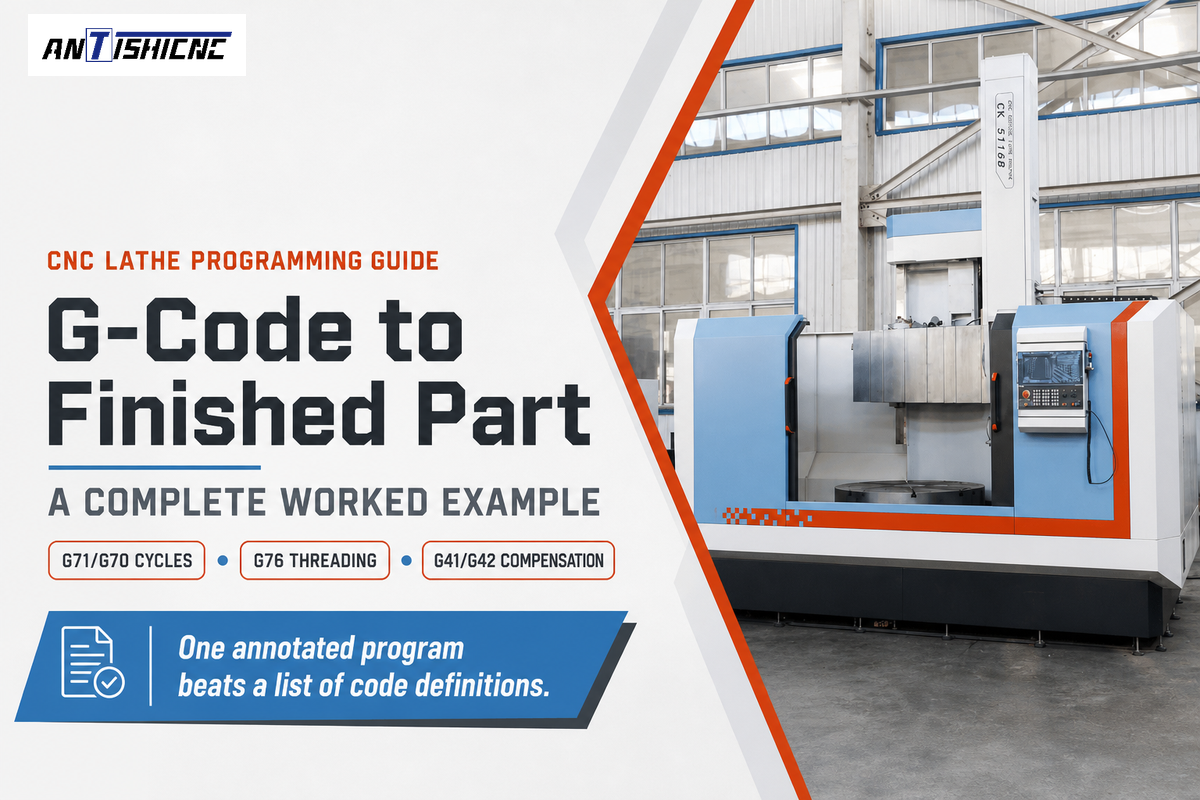
Many large and heavy cylindrical parts are treated badly and thus come to be described as with special engineering tools. A horizontal lathe has the workpiece hanging horizontally la gitu, while a vertical lathe has the workpiece positioned downwards vertically onto the rotating table. Giving this unique orientation to ensure that gravity holds the workpiece from slipping in operations involving heavy components such as turbine rotors, pipe flanges, or large bearings is crucial.
Basically meaning a machine tool capable of multiprocesses, a modern vertical lathe can move cutting tools under a programmable control system and has many improvements that give it greater precision and flexibility. High-speed VTLs, for example, cut speeds and tolerances equal to or even more stringent than the limits imposed by aerospace, energy, and heavy equipment production standards, while an opposite is taken of compactness and energy efficiency which nowadays the big losses of vertical lathes’ parameter bring to the machine footprint+cost. Manufacturers are able to use these technologies and automate production processes while working toward increased productivity and maintenance of quality and reliability.
What Is a Horizontal Lathe?
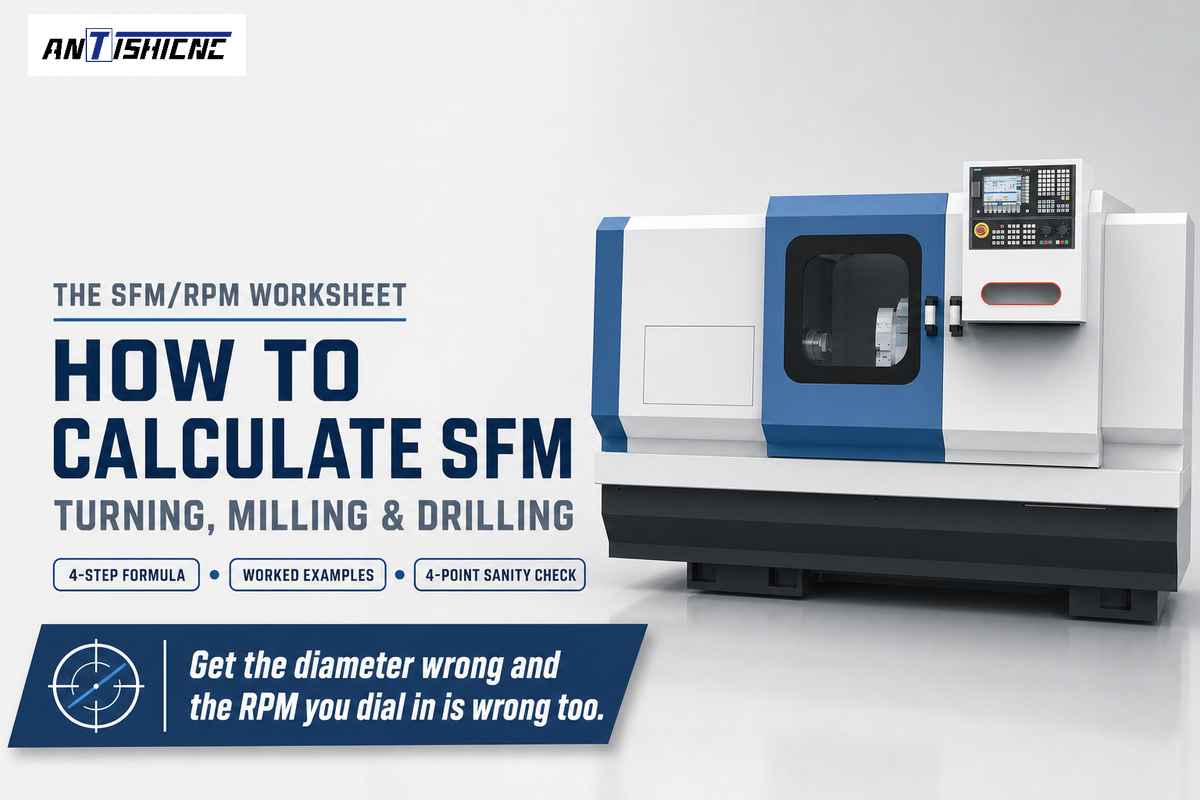
A Horizontal Lathe consists of precision tools developed for all types of turning jobs, where the fixed position of the spindle is parallel to the earth’s surface. These machines occupy the center stage in manufacturing, enabling the very accurate production of shafts, spindles, and cylinders. Since they evacuate the chips away from the machine, these horizontal configurations are best suited for work involving long workpieces or materials that produce large amounts of swarf.
The advances in CNC controls have given modern HMTs further automation and repeatability. Live tooling, sub-spindles, and multiple axes are provided by these CNC controls, allowing the secondaries to perform operations of drilling, milling, and threading simultaneously in one setup; thus, KMS were kept from remaining idle and productivity was enhanced. These CNC controls are meant for industries such as automotive, aerospace, and energy, where extreme precision and reliability are paramount. Ergonomic and power-saving features have also been included to keep up with the present-day manufacturing.
A Few Key Differences Between Vertical and Horizontal Lathes
Lathes operate differently depending on various manufacturing scenarios. Uplight positioning of workpieces in a vertical lathe aligns with operations for larger components that need to be brought into the workshop, such as turbine wheels or large gear blanks. Aids in maintaining high precision when cutting since gravity pulls on the Colombian work done on the vertical lathe. The horizontal lathe has the means to let the workpiece revolve on an axis of rotation, allowing it to work with longer materials, such as cylindrical materials like shafts or rods.
The other difference is in set-up procedures: By design, the vertical lathe generally demands a larger footprint for installation; on the other hand, horizontal lathes are most often compact and can be easily integrated into a production line. In setting up significant components, however, the vertical lathes provide better access, which lessens the strain on the operator.
From a strictly technical viewpoint, the cutting processes differ as well. Vertical lathes excel in jobs that demand high accuracy on circular parts, whereas horizontal lathes are better suited for detailed and elongated geometries. A big boost in efficiency and versatility in machining operations has been delivered into both industries by the advent of multi-axis controls and advanced automation.
Applications of Vertical and Horizontal Lathes
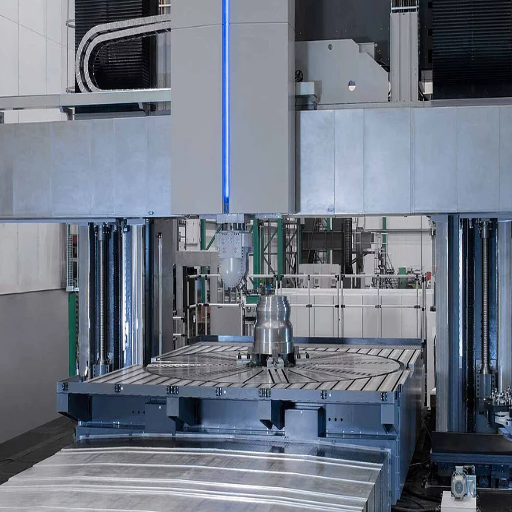
Common Uses of Vertical Lathe
In many instances, vertical lathes are utilized for making large, heavy workpieces of a circular nature, making them suitable for industries such as aerospace, automotive, and energy. These machines often perform operations of turning, grinding, and shaping on large-diameter piping, turbine casing, and gear blanks. The upright design and state-of-the-art control in stability allow holding the heavy workpiece firmly yet still being able to machine it precisely when strong forces are acting.
Vertical lathes are advanced machines and are capable of offering multi-axis features with CNC automation, which gives manufacturers an edge in productivity and reduced production time. Moreover, rough machining and fine detailing are accommodated in one setup, thus cutting material handling and error rates. These are features that make vertical lathes indispensable in any technical field that demands rugged use and utmost precision.
Uses of Horizontal Lathes
A horizontal lathe is a highly versatile machining tool, used in various industries due to its efficient, reliable, and precise capabilities. Shaft manufacturing is another such area where their ability to handle longer workpieces comes into play. They find use in the automotive industry for manufacturing axles, gear shafts, and crank shafts, wherein utmost accuracy and component consistency are ensured in the mass production processes.
By and large, horizontal lathes have a niche application in the aerospace industry and energy sectors. Only with supreme precision, quality, tolerance requirements does one develop turbine shafts and rotors and other such very important parts. Since the horizontal-lathe-workpiece setup offers turning, threading, and boring operations in one setup, it greatly reduced the cycle time and improved efficiency. Horizontal lathes are considered indispensable tools in modern industrial manufacturing for handling all kinds of raw materials from steel to exotic alloys.
The Choice of Lathe for the Project
The things you consider while deciding upon an ideal lathe for your manufacturing or machining process would be many. The choice should depend upon the type of material to be processed, the precision needed in the finished product, and the volume of output required. Horizontal lathes hence remain the preferred option for machining longer workpieces and fewer processes needing stability and efficiency. Vertical lathes stand good when machining heavy or large-diameter components, establishing a vertical hold on the workpiece instead of gravity pulling it down.
These developments in lathe technology incorporate features like an automatic tool changer, CNC control, and integrated measurement systems that add improvements to precision and throughput. Some recent data from industry sources indicate CNC lathes provide manufacture with a 30% saving in cycle times as against their manual counterparts. Apart from such a considerable variation in cycle times, the other much considered specification is one concerning power and speed capability of the spindle, in which due relevance must be given for choice of a lathe, to suit the requirements of the particular application, be it aerospace, automotive, or general engineering.
By aligning machine features with project objectives, while maintaining an eye on operational efficiency and scalability, your investment in the right lathe can yield notable gains in quality and output.
Advantages and Disadvantages
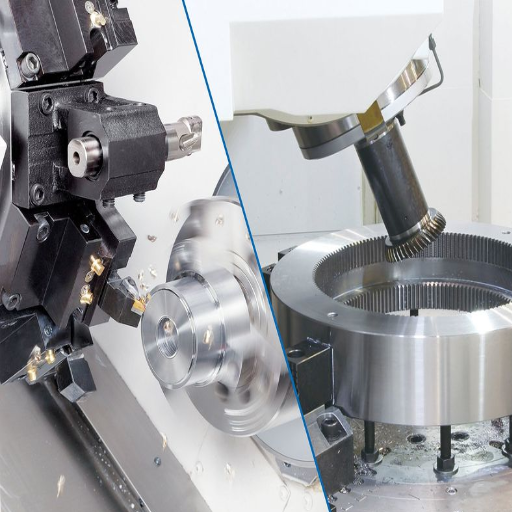
Pros of Vertical Lathes
- Space Efficiency: Vertical lathes have a compact footprint, making them ideal for workshops or production spaces where floor space is limited. They help in the efficient layout of working machines without compromising on capability.
- Handling Large, Heavy Workpieces: Due to its vertical orientation, the lathe facilitates the handling of large, heavy, and asymmetrical parts. The force of gravity assists in holding the workpiece steady during machining, thereby increasing precision and lessening the stress on the machine.
- Greater Stability and Accuracy: Since the spindle is oriented vertically, these machines can offer improved stability during operations, especially with large-sized components. This also helps in reducing deflection, thereby producing better accuracy in machining.
- Simplified Loading Process: Operators find it more convenient to load and unload large workpieces on vertical lathes because they inherently possess this vertical ergonomic advantage, allowing for less setup time and making them very safe for the operator.
- Versatility in Applications: A vertical lathe can perform many types of operations: turning, boring, and grinding. They are used in aerospace, power generation, and heavy equipment manufacturing industries, where precision is critical for large components.
- Cost-Effective for Specialized Jobs: Vertical lathes may be more expensive initially, but for specific types of jobs that require repetitive operations at exact tolerances, they actually save money. They reduce processing time and increase productivity in countable specialized machining operations.
All these advantages bring meaning to why vertical lathes stand at the forefront for today’s machining shops, which require precision, efficiency, and versatility across various industries.
Drawbacks of Vertical Lathes
Although vertical lathes do have many advantages, one should consider their drawbacks while implementing them. Higher acquisition costs and low-dollar financing are among such disadvantages in comparison to horizontal lathes. Smaller workshops or companies restricted for any reason may find this to be a stumbling block. Another issue is that they require bigger floor space than the horizontal ones, which might not be feasible in facilities with limited floor space.
Another crucial concern is the operational limitation they had with specific workpieces. Generally speaking, these lathes are suited well for short and heavy components, which implies less versatility while handling elongated or light ones. Maintenance and repairs might go wrong and prove to be costly sometimes because specialized parts and skills are required, leading to higher maintenance costs. Whereas the operator training can be very rigorous due to the complexity of the machines, this slows down their adoption and the integration thereof into workflows.
When considering vertical latheing, it is essential to weigh its drawbacks against its advantages to determine if it aligns with your production needs and constraints.
The Advantages and Disadvantages of Horizontal Lathes
Being highly versatile machines, horizontal lathes are used across various industries for machining cylindrical parts with precision. They do hold advantages over other types of lathes in certain respects. Firstly, the horizontal lathe can be used for longer lengths while heavier weights are placed on the workpiece with ease, as gravity assists in stabilizing the material during operation. Secondly, horizontal lathes are simpler to set up and operate because they are common and familiar machines, thus requiring less time for training and lower costs to the manufacturer.
In horizontal lathes, certain drawbacks stand out. Occupying more floor space than an analogous vertical lathe, it can readily become a hindrance in places where space is crucial. Accuracy and rigidity can at times stand compromised, depending on the nature or size of the workpiece, especially with extremely large or very heavy materials. Chip evacuation is also less efficient in horizontal lathes; this presents another problem mostly in long operations, where deposition of debris can occur during machining operations. Deciding a horizontal lathe appears to be best suited for your production requirements demands due consideration of these pros and cons.
CNC Technology in Lathes
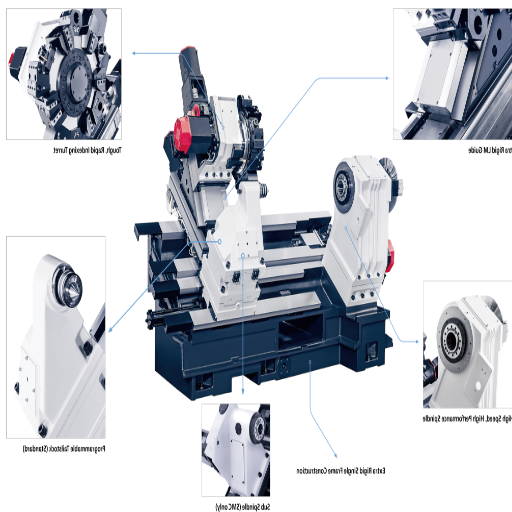
Introduction of CNC Lathe Machines
CNC lathe machines have revolutionized modern manufacturing in terms of precision engineering, complemented by advanced automation. The machines are used to manufacture finely detailed components that repeat themselves according to instructions pre-programmed using CAD and CAM software. Unlike manual lathes, CNC lathes offer the highest accuracy for developing complex geometries and designs with minimal to no human intervention.
The latest CNC lathes come with an advanced kind of control that supports multi-axis machining and simultaneous operations, thereby improving the efficiency of and reducing production times for turning, boring, facing, or threading operations. In recent times, other techniques that improve agility and responsiveness also include live tooling, whereby CNC lathes can mill. The new generation of CNC machines responds to the needs in the precision and productivity sectors of aerospace, automotive, and medical manufacturing industries, wherein high-speed spindles, automation, and real-time monitoring increasingly play important roles.
Data from various industry surveys offer insight into the adoption of CNC lathes, which in turn demonstrates their positive correlation with operational efficiency, as companies may experience production cycles that are up to 30% faster and significantly lower defect rates. Eventually, CDI recognized the importance of CNC lathes while maintaining competitiveness in an accuracy-driven realm of manufacturing.
CNC Turning vs Traditional Turning
Since CNC turning is the latest advancement in turning, it offers more precision, automation, and efficiency than can ever be achieved manually. In conventional turning, skilled machinists manually operate the lathe apparatus while shaping materials based on their understanding and experience. Although such a method could be quite flexible, it is, however, due to its reliance on human labor, production cycles tend to be much slower, with a higher chance of unintentional errors.
The difference is that CNC turning employs computer numerical control (CNC) in the entire manufacturing process. A CNC lathe is highly complicated in programming because it performs several complex operations that require absolute precision. CNC turning can, for example, maintain a measuring tolerance to the extreme of 0.0001 inches, a level difficult to achievec and maintain consistently in manual methods. In addition, a modern CNC lathe can work all day long, which increases productivity and cuts down the cost per unit to a great extent. CNC turning shines; however, the glorious state of CNC turning brightens even further with the latest technologies such as live tooling, which permits milling, drilling, and tapping under one setup.
CNC turning is an important process in many industries as it can smoothly work with all sorts of materials, from aluminum and stainless steel to advanced composites. CNC turning reduces production time by at least 40% while increasing the level of consistency and virtually eliminating the waste of raw material. These improvements have made CNC turning the choice machining process when manufacturers want maximized output in a competitive world.
Impacts of CNC on Vertical and Horizontal Lathes
Considerable enhancements have been observed with regard to efficiency and accuracy owing to CNC technology in vertical and horizontal lathes. CNC has totally changed the way modern industry or production uses these machines. Earlier, manual operation of vertical and horizontal lathes required a high degree of skill and much time; hence, the consistency of work quality among pieces was low. Thanks to CNC technology, today?s generation of machines provide the highest levels of accuracy, repeatability, and automation, hence eradicating all human errors and manufacturing each and every component to exact specifications.
Based on my experience, CNC vertical lathes are best suited for huge and heavy workpieces. The automatic control facilitates complex cuts and repeatability for heavy-duty applications such as aerospace, energy, and automotive industries. On the other hand, CNC horizontal lathe is very versatile and can handle almost all size ranges and almost any geometrical shape for a part. With the grace of multi-axis control, simultaneous machining can be performed, drastically cutting down machining time.
Overall, I think CNC bridges the gap between innovation and efficiency within the lathe. It not only brings efficiency to the manufacturing process but also gives the manufacturer the flexibility to meet the new challenges of complex designs and high production volumes. Through such evolution, both vertical and horizontal lathes have become indispensable tools in today’s speedy industrial world.
Reference Sources
-
What is the Difference Between a Vertical and Horizontal Lathe? – Tramar Industries
Explains the structural and functional differences between vertical and horizontal lathes. -
Horizontal vs. Vertical Lathes: Which One is Right for My Needs? – Kent CNC
Discusses factors like workpiece size, shape, and available floor space to help choose the right lathe. -
Vertical vs. Horizontal Lathes – Tramar Industries
Highlights the advantages of vertical lathes, including larger diameter capacity and design benefits. -
Vertical Turning vs. Horizontal Turning – Hillary Machinery
Compares vertical and horizontal turning machines, focusing on stability, space efficiency, and vibration reduction.
Frequently Asked Questions (FAQs)
What is the real difference between a vertical lathe and a horizontal lathe?
The most significant difference between a vertical lathe and a horizontal lathe lies in orientation and design. In the vertical lathe, the machine is oriented vertically, and the heavy workpiece is loaded directly onto the spindle. The horizontal lathe, on the other hand, consists of a horizontal machine base wherein the workpiece is mounted. This orientation difference in machining matters in how chips are expelled or how freely one can access the tool during turning operations. Generally, vertical lathes are better for heavy workpieces, whereas horizontal lathes handle small work with fastidious accuracy.
What is the difference between the CNC lathe and the classic lathe machine?
An ordinary lathe operates manually, just as a conventional one would, whereas CNC lathes perform machining processes embedded into the commands. CNC machines are ideal for complex parts and large-volume manufacturing due to their attributes of high precision and repeatability. Both machines possess similar parts such as the spindle and the tailstock. On the contrary, CNC lathes provide further control of the cutting tools through software. They can be used to do cuts more complicated than what is typically done in normal lathe operations with less setup time.
What are the benefits of using a vertical lathe?
The advantages of vertical lathes mostly revolve around machining larger and heavier workpieces. Because of the vertical axis, chip removal is very efficient, therefore limiting downtime for cleaning and maintenance. Besides that, accessibility to the workpiece is better on account of which cutting tools may be easily manipulated by machinists, thus performing turning operations efficiently. In contrast, vertical lathes require less floor space than do horizontal lathes and, hence, should be installed in establishments where there is an area constraint. They are very accommodating of heavy workpieces, have good rigidity, and thereby somewhat decrease the machining times.
When should a machinist opt to use a horizontal lathe instead of a vertical lathe?
Additionally, when working with smaller workpieces that require high precision and a fine surface finish, the horizontal lathe should be considered by the machinist. Horizontal lathes are better known for their versatility of cutting tools, and in essence, they are best for several machining operations. They also facilitate more effortless loading and unloading of the workpiece, which is crucial for high production. Should the project demand intricate design or require the use of a CNC milling machine for other operations, a horizontal lathe would be preferable as it matches well with milling processes and tools.
Can a vertical lathe handle all the operations that a horizontal lathe can handle?
The performance of lathes depends on how its components are designed; thus, the areas for which they specialize vary. The vertical lathe is very much capable of holding heavy workpieces; that is, it can be used in the vertical machining of large flanges or wheels. Conversely, horizontal lathes have wider applications, being better for smaller, more intricate parts, and lend themselves to CNC applications for a fully automated process. However, both machines can still be modified to suit a specific purpose, and the choice is based upon the size, weight, and finish required of a given workpiece.
What types of workpieces are best suited for horizontal and vertical lathes?
Horizontal lathes can be employed for relatively smaller or medium size workpieces in the attainment of fine precision and detailing for shafts, gears, and pulleys. They are mainly employed for complicated shapes requiring smooth surface finishes. Conversely, big and heavy workpieces, say, big castings and rotors that require good stability and rigidity from the machine, in other words, would be preferably machined by the vertical lathe. The orientation also assists in chip removal during machining, which is paramount in heavy material removal.