




With precision machining, vertical milling machines stand as the backbone of any workshop or manufacturing environment. However, for those interested in spending less and getting more machines, used vertical milling machines suddenly hold appeal. This comprehensive guide aims to help you understand why these machines have remained staples of the industry, what to look for when buying used ones, and how to achieve optimal performance from them. These insights would serve seasoned machinists and business owners alike, exploring the most affordable avenues. Continued reading will reveal crucial tips and expert advice for finding your way through the used vertical milling machine market.
Understanding Milling Machines

Vertical milling machines play a crucial role in shaping materials such as metal and wood. These machines take the workpiece and feed it into a rotating cutting tool to remove material with precision, creating specific shapes and designs. They are versatile and can be used by end-users for drilling, cutting, or contouring work. The spindle, the table, and the cutting tool comprise the primary working components that maintain precision. Due to their highly versatile nature, vertical milling machines find ample use in manufacturing, repair work, and prototyping, particularly in industries that require them.
What are Milling Machines?
Milling machines are necessary tools used in the manufacturing industry to shape and cut solids with high precision. The operations of milling machines involve the use of rotating tools that cut material from the workpiece to produce intricate shapes, slots, or holes. These days, one can come across various types of milling machines, including both vertical and horizontal models, thereby increasing their capabilities.
Recent developments have brought about the CNC milling machine, and automation, in turn, makes it possible to perform very detailed operations with almost negligible human interference. CNC milling machines are programmed to allow the user to repeatedly create complex designs on the workpiece. As per studies, CNC milling machines hold an accuracy of 0.001″, which is required for aerospace, automotive, and electronics.
Modern Advances: The trend of high-speed milling has evolved to permit faster work while retaining the quality of manufacture. For example, conventional CNC milling machines can operate at speeds exceeding 20,000 RPM on the spindle. Such speed-based precision would significantly reduce the time required to manufacture a product and increase efficiency.
Another crucial modern factor is going green. Modern-day milling machines are becoming more energy-efficient and less wasteful, thus adopting the principles of sustainable manufacturing. By combining technology and sustainability, milling has emerged as a promising manufacturing option for the future.
Different Types of Milling Machines
Milling machines come in various types, allowing them to be applied effectively to meet specific manufacturing needs. The common ones include:
- Vertical Milling Machines: Vertical milling machines feature a vertically oriented spindle, enabling users to make precise cuts on flat and irregular surfaces. They are widely used for drilling, slotting, and cutting edges. Their versatility and easy handling make them a daily bread in automotive and aerospace manufacturing. Modern vertical milling machines typically feature computerized controls, enabling the design of intricate shapes with higher levels of automation.
- Horizontal Milling Machines: The spindle of horizontal mills is horizontally oriented with an axis parallel to the table surface, which facilitates the removal of heavier materials and longer cuts during machining. They are usually used in places where relatively small or thin gears are cut and large, heavy components are machined. With the capabilities of complex attachments and tooling options, horizontal mills can produce very uniform and consistent results, especially for industrial purposes.
- CNC Milling Machines: With CNC milling machines positioned at the forefront of metal-cutting technologies, machining processes operate on a wide range of materials, including metals, woods, and plastics. They are programmed through specialized software to implement highly detailed and intricate design concepts with minimum manual intervention; hence, such a programmable function assures very high precision and repeatability, granting CNC milling machines great demand in areas of precision manufacturing. According to statistics, it can be claimed that the CNC machine is expected to grow at approximately a 6 percent CAGR from 2023 to 2028, underscoring its importance in the industry.
- Universal Milling Machines: Universally, milling machines combine the characteristics of vertical and horizontal mills, making them highly versatile and adaptable for various jobs. With the orientation of the table adjustable and milling heads capable of rotation, a wide range of operations can be performed, from delicate work to the removal of large, heavy materials. They are usually found in toolrooms and workshops where flexible machining is promoted.
- Bed-Type Milling Machines: Bed-type milling machines are very sturdy and durable, capable of handling rigorous, heavy production loads. Unlike other milling machines wherein the tables move, a bed-type machine has a fixed table, allowing the cutting tool to move concerning axes. This feature enables handling of large workpieces and achieves very stable machining at high efficiency. These machines are used by those industries that deal with castings and large molds.
- Planer-Type Milling Machines: Massively large materials, such as those required in shipbuilding, power plants, and large infrastructure projects, are precisely a task for planer-type machines. These machines again reduce production time for significant components by using multiple cutting heads to cut simultaneously.
- Special Purpose Milling Machines: Special-purpose milling machines perform highly specialized tasks. Examples include thread milling machines, keyway machining machines, and rotary table mills. These are used when the requirements of standard milling equipment cannot be met by the production process.
Over time, markers have witnessed improvements in modern milling machines, along with their increased ability and efficiency. Depending on whether their interest lies in the environment, precision, or the sheer production of goods, manufacturers can decide which type suits their practice best.
History of Milling Machines
This history of the milling machine adds temporal context to the story at the beginning: around the late 18th century, when industrialization demanded precision in material shaping and increased efficiency. The first milling machine is said to have been invented by Eli Whitney in 1818, who sought to make interchangeable musket parts during the American Industrial Revolution. This was the genesis of modern manufacturing.
Almost all late-19th-century technical developments were broadly applied to milling technology. In 1862, Joseph R. Brown, an American engineer, invented a nearly universal milling machine with a movable table, enabling it to work on materials at various angles. Precision machining was transformed because complex geometries could now be easily manufactured.
Industry Growth: According to a recent industry report, the milling machine market worldwide is expected to reach a revenue size of USD 15 billion by 2030, growing at a CAGR of around 6%. This serves to see increased demand for precision parts from different sectors.
The 20th century saw the development of CNC machines, which significantly advanced productivity and accuracy in the milling process. Since the 1950s, CNC technology has enabled automated control and reduced human error in processing operations. Currently, CNC milling machines are the backbone of the aerospace, automotive, and electronics industries, elevating production and precision to the next level.
Advanced features, such as multi-axis control, robotic integration, and adaptive control technology for real-time error correction, are increasingly being built into modern milling machines. The evolution of milling machines has marked continuous innovation, thereby adapting to the ever-changing needs of manufacturing industries worldwide. Now, from manual systems to complete automation, the very advances depict how milling machines stand at the core of present-day production activities.
Used Milling Machines Equipment

When looking for milling machines, those used are an economical option for manufacturers who require machinery to carry out their work. This machinery is often refurbished and inspected to ensure proper functioning, making it a cost-effective option for saving on production costs. The buyer must evaluate key factors such as machine condition, brand name, and the production specification requirement. When acquiring good-quality used milling machines, it is preferable to use trusted vendors or verified marketplaces.
Benefits of Buying Used Milling Machines
Investing in a used milling machine offers various benefits, particularly for businesses seeking to streamline processes while managing their budgets. The most excellent selling point is cost saving. A used machine generally sells for a fraction of the price of a new one, with discounts ranging from 30 to 70 percent, depending on the state, brand, and specifications of the machine. These conditions essentially make it a perfect choice for small to medium-sized manufacturers or startups that require a high-functioning machine without stretching their limited financial resources.
- Immediate Availability: Used machines are available much more quickly than new ones. New equipment typically requires weeks or even months to be produced and delivered, whereas used machines are often available for immediate purchase and use, allowing companies to instantly ramp up operations or replace faulty equipment.
- Quality Assurance: Many reputable suppliers ensure that used milling machines are reconditioned, inspected, and tested before sale, according to industrial standards. Considered high-quality, well-known brand models will have similar reliability and performance capacities as new ones, which means that production efficiency or product quality should never suffer as a consequence of purchase.
- Longevity: With adequate periodic maintenance, an industrial machine can last indefinitely, allowing even older versions to operate smoothly without issue.
- Environmental Benefits: Buying used equipment also contributes toward environmental sustainability by elongating a machine’s lifecycle and reducing waste. By reselling their machinery, companies further reduce the burden on ecological resources, in line with global objectives for demand-side green industrial activity.
In selecting used milling machines, consideration of the initial and working conditions is paramount, while the reputation of the manufacturer is considered secondary, and matching the particular production requirements is essential. Reliable suppliers or verified marketplaces offer what is called an assurance or warranty, instilling hope into the hearts of buyers. Due to the advantages related to cost savings, sustainability, and immediate availability, used milling machines have become a very practical and strategic choice for manufacturers worldwide.
Popular Brands: Bridgeport and Haas
Bridgeport
For decades, a workshop would consider Bridgeport machines because of their sturdy construction and accurate performance, coupled with versatile uses. The company has earned the respect for its manual milling operations, particularly with its knee mills, which have almost set a gold standard.
Haas
Haas Automation is highly regarded for its advanced CNC technology and user-friendly control systems. With its outstanding performance in modern automated production tasks, a Haas machine is an excellent choice, offering affordability combined with the highest degree of technology. They cater to both small and large-scale production facilities through their vast selection of mills, ranging from vertical to horizontal milling machines.
The two brands are recognized for their quality and reliability, making them a preferred choice for manufacturers seeking efficiency and performance.
Types of Used Milling Machines Available
Used milling machines come in a wide variety of models, each adapted to a specific type of production. The most common types of milling machines are as follows:
- Vertical Milling Machines: These milling machines are highly sought after for their versatility and precision. It is an uncommon mechanical movement involving the vertical-axis spindle, which includes drilling, cutting, and slotting. The application fields range from small machine shops to large manufacturing industries.
- Horizontal Milling Machines: These types are strong and can accommodate heavy and hard materials for cutting grooves, slots, and external and internal faces. Therefore, they create great demand in industries.
- CNC Milling Machines: CNC milling machines comprise an automated set of machines that offer high performance. A CNC milling machine can cut and shape more difficult work, thus improving the consistency and productivity of today’s manufacturing processes.
- Universal Milling Machines: Equipped for versatile applications, these universal milling machines can conduct a wide variety of machining operations, essentially combining the features of both vertical and horizontal types.
- Bed Milling Machines: Considered among the strongest and most durable milling machines, a bed milling machine possesses a solid structure suitable for processing heavy-duty materials, ensuring the machine’s long-lasting performance in industrial applications.
Each of the milling machines performs tasks related to its type. Thus, depending upon the required production, companies can have a machine that complements their needs and also ensures maximum efficiency and productivity.
Buying and Selling Used Milling Machines

Key Considerations When Buying Used Milling Machines
When buying a used milling machine, you will need to consider several key aspects to make an informed purchase:
- Overall Condition: Inspect the overall condition of the machine to identify any signs of wear or abuse. A visual inspection should assess if the machine is old, clean, or dirty, or structurally sound.
- Accuracy Testing: Test the movements for accuracy and precision, feel for excessive backlash in the slideways or spindle, and check for vibration.
- Machine Type Compatibility: Consider the type and class of milling machine (vertical, horizontal, or CNC) and whether it meets your working specifications, capacity, and application requirements.
- Parts Availability: Check if replacement parts are readily available and if the device is compatible with the tooling or software you may need.
- Maintenance History: Request a copy of the maintenance record and inquire about the machine’s work history, including its usage and maintenance. Regular maintenance ensures that the machine performs as intended.
- Power Testing: If possible, the machine should be inspected under power to observe its operation and witness the quality of its workmanship.
- Price Negotiation: Negotiate by checking out the prices of similar models and comparing them, so as to get a fair deal, keeping the cost of any repairs or upgrades shortly.
Given these considerations, you will be able to make an informed buying decision and will least tolerate the risks.
Where to Find Used Milling Machines for Sale
Finding used milling machines for sale involves seeking out trustworthy sources to make a reliable purchase. The most popular platforms include:
| Platform | Features | Advantages |
|---|---|---|
| MachineryTrader.com | Extensive inventory across the United States with filtering options | Detailed descriptions, photos, transparency in listings |
| eBay | Wide variety of new and used machinery | Seller ratings, reviews, competitive pricing |
| PremierEquipment.com | Specializes in used industrial machinery | Dealer-cleared equipment, thorough inspections |
These platforms enable you to compare options, prices, and seller reputations, thereby providing an efficient and convenient alternative for finding a used milling machine.
Tips for Selling Your Used Milling Machine
- Clean and Maintain Your Machine: Ensure that your milling machine is clean and in good working order. Carry out routine maintenance, such as oiling of moving parts or replacement of worn parts; this will make one’s milling machine appear well-maintained and ready to use. The seller will be further guaranteed to make a better offer for a well-maintained machine.
- Take High-Quality Photographs: Capture high-resolution images of the milling machine from various angles. Show close-ups of the essential parts of the machine, enabling the buyer to assess its condition from afar before calling.
- Write a Detailed Description: Write a reasonably accurate description of the machine. One should include main specifications such as manufacturer, model, year of manufacture, working hours, special features, or any other upgrades. Being transparent about the history and current functionality will engender trust in buyers.
- Set a Competitive Price: Researching online listings or industry platforms can help you determine a fair market price for your milling machine. Pricing it competitively according to its condition and features sets further chances for successful sales.
- Choose the Right Selling Platform: Post your listing on MachineryTrader, eBay, or PremierEquipment.com to reach your potential niche market. Searchers for industrial equipment usually patronize these websites, thereby affording you excellent exposure for your listing.
- Highlight What Will Benefit the Buyer: Emphasize how the milling machine will benefit the buyer: Is it reliable? Was it recently upgraded? Is it cheaper than buying a new machine? The more buyer-oriented a pitch, the better.
If you apply these tips, you can build a compelling listing that attracts genuine buyers, streamline the entire sales process, and make a profit.
Vertical Milling Machines
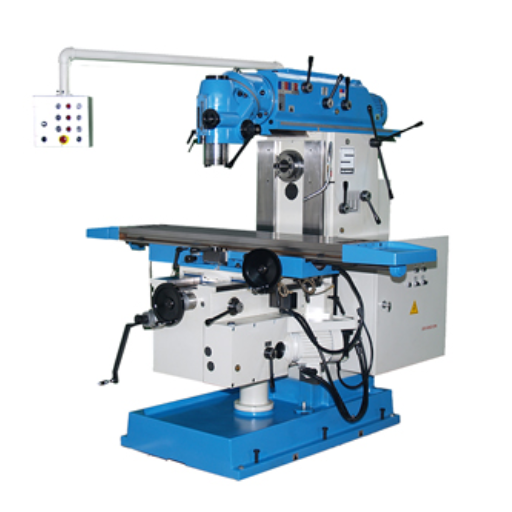
Vertical milling machines are very versatile and are used for shaping materials such as metal and wood through precise cutting. To name a few operations, drilling, slotting, and sound contouring could be done with these machines. They are used in precision jobs and are particularly well-suited for the manufacturing and engineering industries due to their high precision and ease of use. Some of the key factors to consider when selecting an appropriate vertical milling machine include build quality, worktable size, motor power, and the specific project requirements.
Features of Vertical Milling Machines
A range of features is available in vertical milling machines, enhancing their versatility and efficiency for precision tasks:
- Operational Versatility: One feature lies in the versatility of performing operations such as face milling, end milling, or drilling. They are vertical-spindle-type machines, giving precise material control, and are approved for small, detailed jobs.
- Advanced Control Systems: Digital readout systems (DROs) and CNC may mark the beginning of a new generation of vertical milling machines. Some of these methods of control offer high accuracy, enabling users to program advanced milling operations in steps and workflows rather than through manual vibration.
- High-Speed Capabilities: High-speed spindles are used to accelerate cutting, which is beneficial in production.
- Table Size Options: Tables range in size from a compact 9″ x 42″ for smaller workshops to larger options, such as 15″ x 50″ and beyond, to meet industrial demands.
- Motor Power Range: Motor powers are also diverse, typically ranging from around 1 HP for hobbyists’ models to more than 15 HP for heavy-duty ones, depending on the job intricacy and size.
- Superior Construction: Vertical milling rigs are generally superior in terms of rigidity and durability. Consider heavy cast-iron bases and columns, which minimize vibration during operation and produce top-notch surface finishes from the long life of cutting tools.
- Automation Features: Some models have tool changers that operate automatically, eliminating the need for a worker to manually switch them.
- Enhanced Productivity Systems: Hydraulic and chip management systems also increase productivity by extending tool life and maintaining clean work operations.
These features, taken together, make vertical milling machines essential in industries such as aerospace, automotive, and precision instrument manufacturing, where utmost accuracy and reliability are required.
Advantages of Using a Vertical Mill
- High Precision and Accuracy: Vertical mills are precision machines used primarily to manufacture intricate components with extremely tight tolerances. Due to constantly aligned spindles and an advanced level control system, these truly provide accurate machining in simple and complex designs.
- Versatility and Flexibility: The machines handle a wide range of materials, including metals and plastics, and perform various operations such as drilling, slotting, and cutting. The settings and tools can be adjusted, creating flexibility to accommodate the diverse needs of different manufacturing processes.
- Ease of Operation and Maintenance: Vertical mills are highly user-friendly due to their straightforward controls. This simplicity allows operations from all users, from expert machinists to beginners. It should also be simpler to maintain because most of its parts used for maintenance activities are within reach and do not require excessive downtime due to tool-changing mechanisms that allow for fast change and setting.
- Cost-Effectiveness: Serving their purpose with full functionality, vertical mills are generally less expensive than horizontal milling machines when compared in terms of initial investment and operational costs, making it a wise choice for small and medium manufacturing units.
- Compact Design: Vertical mills, owing to their smaller footprints relative to their horizontal counterparts, help retain working area without compromising on performance. A small size offers a significant advantage for workshops with very limited space.
These benefits are compelling reasons why vertical milling machines are chosen across many industries where precision and reliability are essential.
Common Applications for Vertical Milling Machines
This particular machine is so versatile and precise that several industries utilize it in their ways. A basic overview of where these vertical milling machines are most commonly used is given:
- Prototyping and Custom Components: Vertical milling machines are excellent machines for prototyping and fabricating custom parts. These machines are perfectly capable of working with complex geometries and producing highly accurate results, making them the go-to machines for engineers and designers during product development.
- Automotive and Aerospace Components: In the automotive and aerospace industries, vertical machining centers are extensively used for manufacturing precision parts, including engine components, racks, and frames. High precision and repeatability are imperative to meet safety and performance standards deemed critical.
- Tool and Die Making: Vertical milling machines play a crucial role in the fabrication of molds, dies, and other tools necessary for casting and forming applications. Their precision and ability to work with diverse materials ensure that consistent results are achieved for these intricate tools.
- Manufacturing of Medical Equipment: In the medical field, vertical milling machines find application in the production of surgical instruments, implants, and diagnostic devices that require utmost accuracy and consistency.
- General Manufacturing: From metal cutting to plastic machining, vertical mills are widely used in general manufacturing to work on a variety of materials, producing machine parts, housings, and other essential components.
Such a gamut of applications speaks for the versatility and importance of vertical milling machines in present manufacturing processes.
CNC Milling Machines
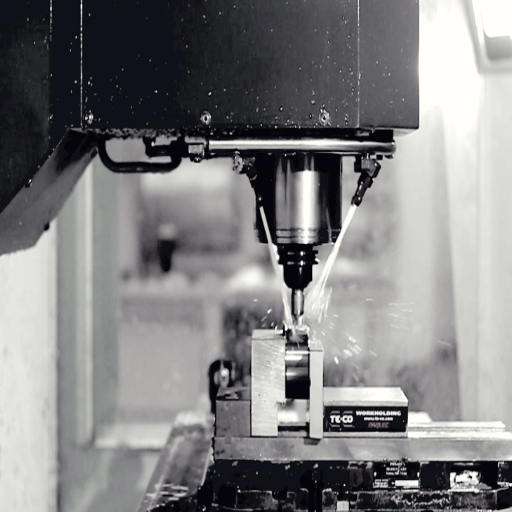
CNC milling machines impart automated shaping and cutting of materials under computer control. They have high industrial applications in aerospace, automobile, and electronics industries due to their capability of producing complex and repeatable components of the highest quality standards. Such machines enable efficiency in output, reduce waste, and enhance accuracy compared to conventional milling methods. Their versatile nature has made them indispensable for manufacturing both custom and mass-produced items across a spectrum of industries.
Introduction to CNC Milling
A CNC milling machine differs in that its computerized controls allow for precise cutting, removing material from the workpiece to create custom-designed parts. The process begins with a CAD design that is converted into G-code, a specialized language that controls the machine’s movement. This program then instructs the milling machine to perform drills, cuts, shaping, and other operations to impart the proper dimensions and geometries.
Precision Standards: Studies have found that CNC machines can maintain tolerances of approximately ±0.005 mm (0.0002 inches), which is ideal for the aerospace industry, where accuracy is crucial. Moreover, with the advent of high-speed machining, productivity has indeed increased, considering some of these machines running at spindle speeds of over 20,000 RPM.
Modern CNC machines feature a multi-axis capability, including 3-axis, 4-axis, and even 5-axis machining centers, allowing for more flexible and complex part designs. The beauty of CNC milling lies in its compatibility with various materials, including aluminum, steel, titanium, plastics, and composites. This versatility enables it to serve a broad array of applications, ranging from prototyping to full-fledged production.
By incorporating innovative features such as tool presetting and auto-changeover, modern CNC milling machines minimize downtime to nearly zero, providing the manufacturing team with a significant advantage in terms of efficiency and cost-effectiveness. Marrying innovation with precision, CNC milling has continued to remain at the forefront, pushing innovations in practically every industry.
Benefits of CNC Milling Machines
The CNC milling machines are endowed with so many advantages. Highest precision and repeatability ensure top-quality results every time. Automation provides production efficiency improvements that save considerable time and reduce labor. Moreover, CNCs are highly versatile, enabling work with a wide range of materials and create intricate designs with ease. The efficiency and reliability that CNC milling machines offer are therefore considered necessities in the modern manufacturing environment.
Comparison of CNC and Traditional Milling Machines
| Aspect | CNC Milling Machines | Traditional Milling Machines |
|---|---|---|
| Operation | Computer-controlled with pre-programmed commands | Manual control requiring operator skill |
| Accuracy | Consistent and highly accurate results | Variable output depending on operator skill |
| Automation | High automation, ideal for volume production | Manual operation, suitable for custom work |
| Error Reduction | Minimizes human error through programming | Susceptible to human error and variability |
| Design Complexity | Handles complex designs and intricate detailing easily | Limited by operator skill for complex work |
| Initial Investment | Higher initial cost but better long-term ROI | Lower upfront cost, suitable for small projects |
| Material Processing | Greater efficiency with harder materials | Versatile but less efficient with demanding materials |
| Production Volume | Excellent for high-volume, consistent production | Better for low-volume, flexible operations |
CNC machines excel in automation, making them ideal for high-volume production. They also minimize human error and save time. These machines can handle complex designs and intricate detailing with ease due to the highly sophisticated programs. A traditional milling machine is less expensive and is therefore used for small projects or in situations that require flexibility for manual adjustment.
As far as materials are concerned, both are incredibly versatile; however, CNC offers greater efficiency in processing harder or more demanding materials. CNC machines require a higher initial investment, but their benefits in productivity and precision outweigh those of conventional mills; hence, they are considered by modern manufacturing processes whenever possible.
Reference Sources
Static Analysis and Size Optimization for the Bed of Gantry Milling Machine Based on ANSYS Workbench
AdSR-Based Fault Diagnosis for Three-Axis Boring and Milling Machine
Frequently Asked Questions (FAQs)
What are the advantages of getting a used milling machine?
Among the several advantages of buying a used milling machine is the lower initial investment compared to a new one. Many, if not most, used milling machines offer proven reliability, while high-quality brands such as Bridgeport or Haas can sometimes be acquired at bargain prices. This gives more access to high-end equipment for small companies or hobbyists without the high cost.
What kinds of used milling machines are there?
There are vertical milling machines, horizontal milling machines, and CNC milling machines. Each one serves a different purpose, as it can vary depending on the type of milling operation. For example, vertical mills are generally selected for more complex operations, whereas horizontal mills are selected for those operations where the cutting tool is more robust.
How do I select the right used milling machine to meet my needs?
Choosing the right used milling machine depends on your specific requirements, such as the type of materials you will be handling, the complexity of your projects, and your budget. Factors to consider include the spindle speed of the milling machine, the power feed, and whether a CNC milling machine is required for automation or a manual milling machine for hands-on control.
What about the history of milling machines?
The history of milling machines dates back to the late 18th century, with significant advancements made during the Industrial Revolution. They were mainly manual machines, hand-operated, with operators standing behind them, until the CNC design emerged, which opened up new avenues for highly automated and precise manufacturing processes. Now, both new and used milling machines play a key role in the aerospace and automotive sectors, as well as several other fields.
Where can milling machines be purchased?
Used milling machines for sale are listed through various channels, including online marketplaces, industrial equipment dealers, auctions, and classified advertisements. A good buyer will research the suppliers and request an inspection of the machinery. Knowing the warranty or service details can provide extra assurance when buying used machines.
What maintenance does a used milling machine require?
Periodic maintenance can help ensure the lifespan and efficient operation of a used milling machine. Always remember to clean the machine after use, apply lubrication to its moving parts, examine wear and tear of the cutting tools, and calibrate the digital readout (DRO) systems. If adequately maintained, considerable maintenance and repair can be avoided, enabling the machine to operate at its best capacity.
What are the key specifications to consider when buying used milling machine equipment?
When considering a used milling machine purchase, key specifications to examine include spindle speed, horsepower, table size, and motion ranges in the x, y, and z-axes. Accessories such as a rotary table or dividing head should also be checked for availability, as they significantly enhance the ability to perform various milling operations.