


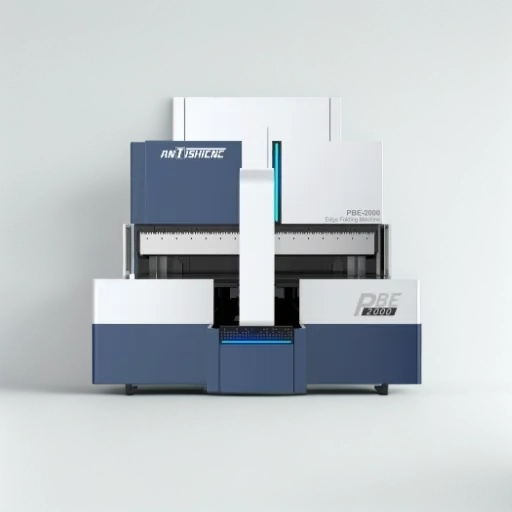
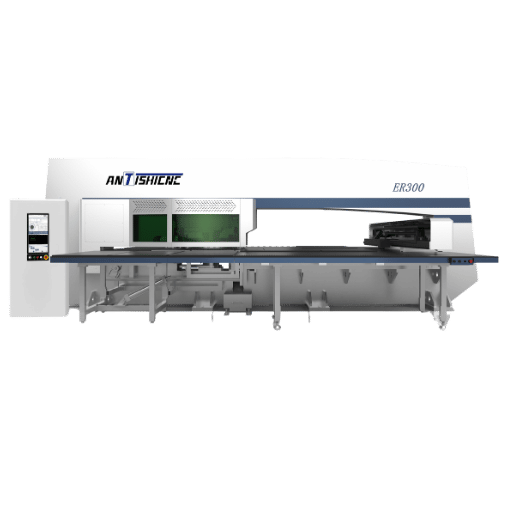
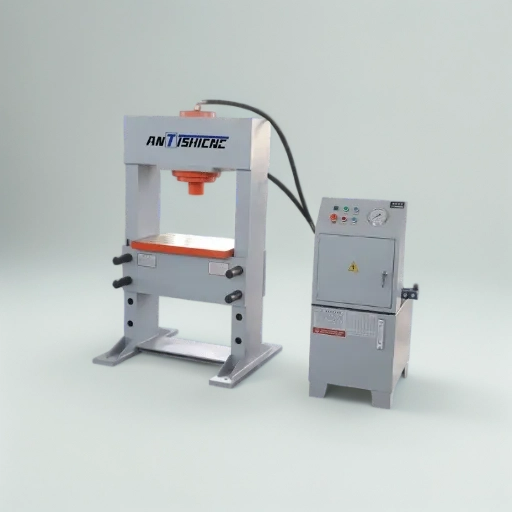


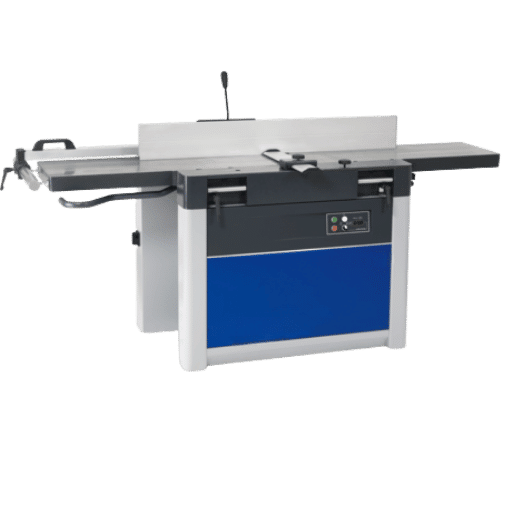
Understanding Planer Machines: The Role of 20hp Thickness Planers in Modern Workshops
Definition and Purpose of Planer Machines

What is a Planer Machine?
A planer machine is a type of machine tool specifically designed to remove excess material and produce a smooth, flat surface on a given workpiece. This machine tool offers quality thicknessing and smoothing applications mainly in woodworking and most manufacturing processes. The main function of the planer machines is for the preparation of raw materials or the sizing of workpieces for uniformity, accuracy, and enhanced efficiency of manufacturing operations.
A Planer machine is a device that is made to attend to the needs of flattening or angular preparation of heavy gauge material, such as metals or wood. This device does not spin around the cutting tool as many such machines do; rather, a linear cutting tool removes the material a little at a time evenly to smooth it over the workpiece. Aided by ever-changing developments in the state of the art, current planning machines are equipped with fully automatic control mechanisms, including CNC, aiding in a higher degree of accuracy and productivity with minimum errors.
Types of Planer Machines
| Type | Key Feature | Application | Tool Heads | Workpiece Motion |
|---|---|---|---|---|
| Double Housing | Dual vertical housings | Heavy-duty machining | 4 | Reciprocates |
| Open Side | Single housing | Wide workpieces | 3 | Reciprocates |
| Pit | Table in pit | Tall/heavy workpieces | 2 | Stationary |
| Edge | Plate machining enhanced by specialized power tools | Beveling/squaring edges | 1 | Stationary |
| Divided Table | Dual tables | Mass production | 2 | Reciprocates |
Historical Evolution and Technological Advancements
Development of Planer Machines Through the Ages
The story of the planer machine begins in 1751 when French ship builder Nicolas Focq constructed the first metal planing machine. This innovation marked the beginning of a revolutionary tool that would transform manufacturing processes across various industries.
Key Historical Milestones:
- 1751: Nicolas Focq builds the first metal planing machine
- 19th Century: British Industrial Revolution enhances machines with steam power
- 1840s: James Nasmyth introduces self-acting mechanisms
- Early 20th Century: Electric motors revolutionize planer operation
Modern Technological Developments
Today’s technological developments in planer machines focus on motor systems, advanced blade technology, integrated safety systems, and enhanced efficiency features that make these machines more accurate, user-friendly, and productive than ever before.
Key Components and Functionality
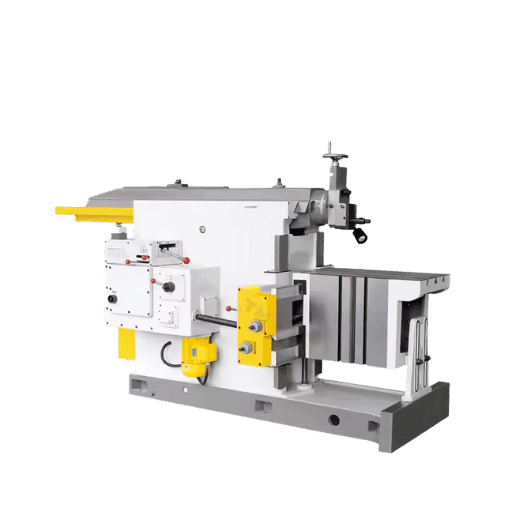
Essential Planer Machine Components
- Bed: Provides stability and foundation for the entire machine
- Table: Holds and carries the workpiece during operation
- Cross Rail: Supports tool heads and provides structural integrity
- Housings: Vertical stands that provide power transmission
- Tool Heads: Hold and position cutting tools precisely
- Drive Mechanism: Controls movement and regulates functionality
Working Principle
Planer machines operate on the principle of linear reciprocation between the cutting tool and the workpiece. The workpiece is clamped on a table that reciprocates back and forth below a fixed tool. The tool removes material during the forward motion of the table, while the backward motion is a non-cutting stroke. This process is facilitated by a feed mechanism that enables lateral, up, and down motion of the tool after each stroke.
Applications Across Industries
Metalworking Applications
- Producing uniformly even surfaces to high specifications
- Deep hole cutting for specialized components
- Cutting complex, flowing surfaces of heavy workpieces
- Creating large flat surfaces when other methods fail
- Restoration of worn industrial metallic components
- Achieving precise metallurgical dimensions
- Surface finishing for critical machine assembly parts
Woodworking Applications
- Complex woodworking joints like dovetails and tenons
- Furniture and building fixture moldings
- Timber preparation for joining and reinforcing
- Pattern cutting with various curves and angles
- Furniture restoration and repair work
- Artistic carving and bas-relief preparation
- Custom structural component manufacturing
Construction Applications
- Wall, roof, and flooring framework creation
- Door and window frame installation
- Wooden stairs, handrails, and balustrade carving
- Custom cabinet and storage structure design
- Hardwood floor installation and paneling
- Trim and molding fabrication
- Outdoor structure additions like decking and patios
Advantages of Using Planer Machines

Key Benefits Over Other Machinery
- High Precision and Accuracy: Delivers exceptionally flat surfaces without raised or rough sections
- Versatility: Works effectively on wood, plastic, and metal materials
- Large-Scale Capability: Handles oversized and heavy workpieces that other machines cannot process
- Consistency: Reduces human participation while achieving uniform cuts across different materials
- Cost-Effectiveness: Minimizes material waste and reduces production time
- Durability: Built for heavy workloads with long-lasting performance when properly maintained
- User-Friendly Operation: Features sophisticated control systems and safety measures
Comparison with Other Tools
Planer machines offer superior precision for large, flat surfaces compared to milling and shaping machines. They excel in handling oversized workpieces and provide faster surface shaping for large components. While milling machines are better for creating different shapes and smaller parts, planer machines specialize in flat, large surface machining, where efficiency and reliability are paramount.
Maintenance Guidelines and Troubleshooting
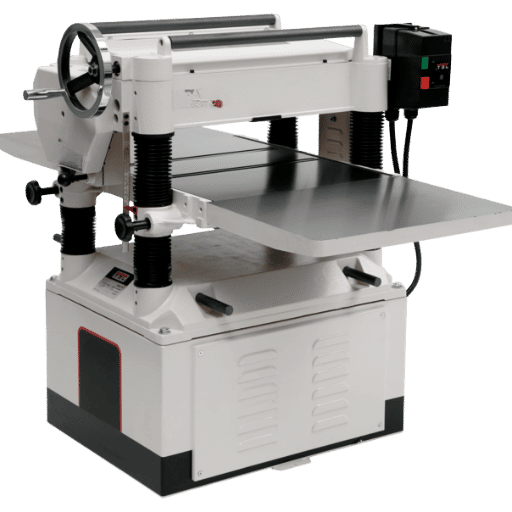
Essential Maintenance Practices
- Basic cleaning: Eliminate debris and residue after each use and safeguard essential parts from damaging buildup.
- Lubrication: Gear systems and bearing surfaces must be kept in good condition and should be subjected to lubrication at regular intervals.
- Blade maintenance: Pay attention to the condition of the blades and their edges, and if needed, replace, sharpen, or realign them.
- Alignment checks: Maintain the proper alignment between the cutter head and planer table.
- Belt inspection: Keep track of damaged or over-tensioned drive belts and replace as needed.
- Electrical system: Examine all the wiring and connections for any loose ends or damage.
- Cooling system: Maintain a proper level of and clean cooling fluids, and as REQUIRED, clean any loose dirt attached.
- Component security: Maintain proper tension and check all the fasteners, bolts, and nuts regularly.
- Storage conditions: When the system is not being used, store it in a clean, dust-free, well-ventilated, moisture-free environment.
- Manufacture guidelines: Follow the protocols of the manufacturer to perform regular check-ups and periodic maintenance, as stated.
Common Troubleshooting Issues
| Issue | Key Points | Recommended Action |
|---|---|---|
| Machine Fails to Start | Power Supply | Check connections, switches, and fuses |
| Unusual Noises | Loose Parts | Inspect and lubricate components |
| Overheating | Cooling System | Clean vents, check environment |
| Reduced Performance | Blockages | Adjust settings, replace parts |
| Frequent Stoppages | Sensors | Inspect sensors and settings |
| Fluid Leaks | Seals | Replace damaged seals |
| Erratic Movements | Imbalance | Secure fasteners, test balance |
| Electrical Failures | Wiring | Inspect wiring, test voltage |
Latest Innovations and Future Trends
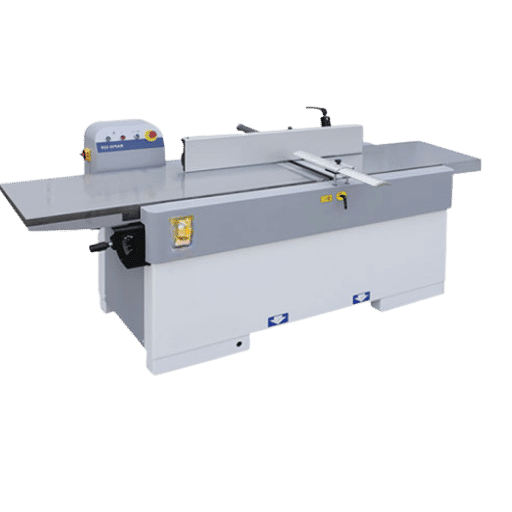
Evolution of Planer Machine Technology
The progression of planer machine design has recently incorporated automation, intelligent management systems, and improvements in both woodworking and heavy-duty applications, significantly increasing productivity and operational efficiency.
Energy-Efficient Solutions
Modern planer machines now feature energy-efficient motorized systems with replaceable cutters that have replaced conventional cutter blades. This technology ensures materials are machined within optimal temperature limits to prevent deformation during fabrication, reducing operational costs while incorporating sustainable manufacturing practices.
Frequently Asked Questions (FAQs)
Reference Sources
1. Drive Mechanism Implementation for Planer Machine Tool Worktable Motion Control
- Authors: Sivakumar Chelliah et al.
- Publication Date: April 1, 2022
- Journal: Materials Today: Proceedings
- Summary: The paper examines the system drive developed for the worktable of the planer machine and its motion. The system design and workings are discussed, with the driving mechanism described within the purpose of assisting machining operations and improving their accuracy, since there is a need to focus on the process as well. The paper is branded by empirical data, supporting that the constructed mechanism works.
- Conclusion: The work was based on the design of the drive mechanism, which was then experimentally tested for controlling the worktable motion (Chelliah et al., 2022).
2. Examination of the Kinetics of the Spindle Tool in an Automatic Planer Machine by applying ANSYS
- Contributors: Daolong Yang and Others
- Release Date: 1st September, 2012 (old but still applicable)
- Source: Advanced Materials Research, Omitted
- Abstract: The paper elaborates on the dynamic response of a spindle tool of a planer machine through the application of ANSYS software. The investigation is centered on the determination of the dynamic properties of the spindle that influence its function during its usage.
- Approach: In this paper, the researchers developed the spindle model and simulated its performance in different loads, utilizing finite element analysis (FEA) as their approach.(gca) This research emerged in 2012, and the paper ranges (Yang et al., 2012, pp. 699–702).
3. Research and Development on Plans’ Cross-rail Support Structures in Planer Machine.
- Authors: Li Duan-neng
- Year of Publication: 2006 (It has not been published in the last 5 years, but it is still useful.)
- Journal name: Mechanical & Electrical Engineering Technology
- Abstract: The paper emphasizes on Cross Rail Structure of Planers, Drawing Attention to the Effect of the Structural Design on Improving Stability and Performance of the Machine Even beyond Capacity.
- Methods: Cross-rail design concepts were formed through theoretical analysis and aimed at cross-rail performance enhancement(Duan-neng, 2006).