





Threading pipes is an important process in any industrial and technical project. It makes possible the bond between two pipes that are efficiently and safety made. Whether in construction, oil and gas, or manufacturing, it is important to be well acquainted with the aspects of pipe threading to protect the integrity of the structure upon which achievements are predicated. The post will take the reader along the steps, simplifying the technicalities, and provide a few pragmatic pointers. Thus, after reading this guide, the reader will know not only how to do pipe threading but also how it should be done for safety, durability, and precision in industrial applications. So keep reading as we embark on the journey through the tools, techniques, and best practices that integrate pipe threading into the backbone of many an industry.
Understanding Pipe Threading

What is Pipe Threading?
Pipe threading creates helical threads or grooves at the pipe ends so that tight connections can be made with other components such as fittings, couplings, and valves. Such tight connections have to be sealed and hence are highly demanded in plumbing, oil and gas, and manufacturing industries. Threads may be of two types: internal, cut inside of a pipe or fitting, or external, cut on the outside of the pipe end.
Recent advancements in threading technology introduced high-precision tools and machines, resulting in faster production and more precise thread forms. Commonly used thread forms include the NPT (National Pipe Thread), primarily used in US applications for tapered connections, and the BSP (British Standard Pipe), which is used for international applications. Pipe threading is crucial for the systems that must handle pressure and the flow of fluids or gases safely. The efficiency inside the threading itself could thus affect the unsafe-versus-safe status of these systems.
Importance of Pipe Threads in Industrial Applications
Various industries require precision threading of pipes to make the system operate efficiently upon installation in a high-pressure environment. Newer threading technologies come CNC machines and automated threading tools ensuring precision and uniformity across many industries. To cite, oil and gas use the advanced thread design already familiar as API threads to withstand harsher environments while still maintaining leak-proof connections.
Recent data show that improper threading or obsolete standards cause significant operational inefficiencies, such as leaks, resulting in system failures and substantial downtime costs. Companies will hence increase the lifespan and reliability of systems while reducing maintenance costs by following updated thread standards, like the ISO thread standards. Moreover, the use of corrosion-resistant materials for threaded components, such as stainless steel and high-performance alloys, has improved their application in cases exposed to chemical agents or extreme temperatures.
These advancements are underlining the critical need to practice high-grade threading operations. Practically speaking, whether for fluid transportation, structural supports, or pneumatic connections, implementing technically sound modern threading practices will ensure the safety, efficiency, and performance of the system within the industrial sectors.
Types of Threads Used in Pipe Threading
Mechanical pipe threading utilizes various types of threads, each serving distinct purposes for a secure connection within specific applications. These are some thread types more prevalently used in pipe threading:
NPT (National Pipe Tapered)
NPT threads are widely used and recognized in the US market, with its tapered profile to create the best sealing and leak-proof environment. As a thread type, the sealing effect is achieved through thread deformation, sealing compounds like PTFE tape, and so on, thereby preventing fluid and gas leakage. The common usage instances are plumbing systems, gas pipelines, and hydraulic systems.
BSPT (British Standard Pipe Tapered)
BSPT threads are similar to NPT but conform to a different set of standards, primarily used outside North America. These threads achieve their seal through tapering and are commonly used in industrial and commercial piping systems in Europe and Asia.
BSPP (British Standard Pipe Parallel)
With its parallel form of threads, BSPP exclusively requires an O-ring or a gasket for sealing. They’re common when the application stays at low pressure, such as air and water piping systems.
ISO Metric Threads
ISO metric threads are an international standard thread developed and widely used in industries where components require uniform and exact threading. Elevators and manufacturing systems that require global compatibility are the most common applications found in these areas.
ACME Thread
The trapezoidal shape gives the ACME thread its name. The shape affords strength and wear resistance. These are put to use in heavy-duty applications, such as valve parts and motion control systems, where stressful conditions require durability.
UN Threads (Unified National)
These threads adhere to the standards applicable in the United States. These threads are typically straight and see applications in various equipment and piping that require no seal-tight connection.
Each type of thread is characterized by dimensions and pitch standards that should be by those intended for mating components. The choice of thread influences the strength of the connection, its assembly, and thereby leakage. When one knows which thread to employ, they are ensuring the greatest practical working and meeting the given standards concerning its application.
The Pipe Threading Process
Pipe Preparation for Threading
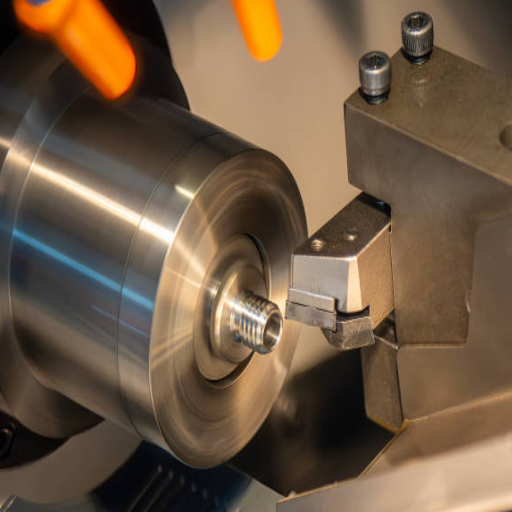
Preparation is emphasized for a good fit. The process begins with cutting the pipe to length with the pipe cutter or saw, so the edges must be clean and square. Use the deburring tool to scrape off any burr or sharp edges that would otherwise damage the threading tool and make operation difficult. Besides, clean the pipe to remove grease, dirt, or any other impurities that can interfere with accurate threading or sealing.
Further, secure the pipe tightly in the vise so that it does not shift during threading. It is important for the pipe to remain straight and true as anything less will result in threads that are smooth on one side and uneven on the other. Lubricant for cutting threads is put onto the pipe before threading to reduce friction between the tool and the pipe, thus preventing the tool from being excessively worn so that we get clear, sharply-cut threads. Any such treatment given to the pipe will assist in making sure that the pipe is threaded correctly without the possibility of error and meeting the industrial standards.
The Selection of the Pipe Threading Machine
The pipe threading machine that is correctly chosen will depend on the factors of pipes to be threaded, operational capacity, durability, and ease of use. In a commercial setting, portable, compact models are often offered as flextime options, retaining none of their performance capabilities. Threading dies that can be adjusted are quite helpful, as they allow for working with different pipe sizes and reduce the need for additional equipment.
Considering threading capacity, ensure the machine can work with the range of pipe diameters you want to do in your projects-thus the machine would be working with 1/4-inch to 4-inches. However, the higher-capacity ones are made for industrial purposes-self-oiling threading dies are of particular interest, as they keep the threading dies lubricated during the entire period of threading, which provides longevity, and ensures that your threads are always clean and consistent.
Another critical factor is the power source. Electric and hydraulic powered machines are for fast and reliable threading for high-volume projects; hence, a manual-based threading tool can work on smaller scale or once-in-a-while tasks. Intuitive controls for a machine would go a long way in making its operation comfortable for users, especially if used for prolonged hours.
Last but not least is the issue of durability and upkeep. Pick a machine built of high-quality materials, like cast iron or hardened steel, for which replacements are readily available for dies, cutting heads, etc. By putting into full consideration all the above factors will allow you to fit the machine adequately according to your needs so that excellent workflow efficiency can be achieved and professional results can be delivered for each job.
Step-by-Step Guide to Thread a Pipe
A pipe threading operation is a delicate process that requires precision, taking into account the necessary tools and safety regulations. Threading a pipe must be done through the following steps, which will make the operation accurate and efficient:
- Prepare the Pipe
First, measure the desired length of the pipe. Cut the pipe with a pipe cutter or saw. The cut should be as clean and straight as possible. After cutting the pipe, make sure to remove any burrs or sharp edges on the pipe ends by using a pipe reamer, thereby preparing a clean and smooth surface for thread cutting. - Secure the Pipe
Fix the pipe securely inside a pipe vise. It should be clamped tightly enough to ensure it does not move during threading, for such movements are a threat to accuracy and could be hazardous. - Applying Cutting Oil
The cutting oil is necessary to lubricate the threading operation, lessening friction and extending the wear life of your threading tools. Apply generously on the pipe end where threads will be cut. - Select the Die Head
Choose the die head corresponding to your pipe diameter. Ensure the die head fits your threading equipment. Also, inspect the die head for any signs of wear or damage. - Set Up the Threading Machine
Place the threading machine or ratcheting pipe threader over the pipe end. Align the die head with the pipe to ensure proper angle and thread alignment are maintained. Most machines come with guides to aid in precise positioning. - Threading
Begin threading by engaging the die head with the pipe and applying steady pressure. If using a manual threader, ensure to rotate the handle evenly to produce uniform threads along the pipe length. When working with powered machines, keep a close eye on the threading procedure and consistently use oil to prevent the thread from overheating or becoming uneven. - Inspect the Threads
When threading is complete, remove the die head and examine the threads for uniformity and depth. Check the threads by using a pipe gauge to ensure they meet the required standard. Wipe off excess cutting oil. - Clean and Deburr
Use the wire brush to remove metal shavings and debris from the threads, ensuring a smooth and clean thread that guarantees better fittings and prevents leaks. - Test Fitting
Attach a pipe fitting to the threads to confirm a proper fit and functionality. If anything is not quite right, the threading may have to be redone or modified. - Seal and Ready for Use
If threading was successful, seal the threads with either thread tape or pipe joint compound to ensure a watertight or air-tight fit, depending on the application. Apply the sealant evenly and assemble the pipe.
The following are steps to follow to obtain the desired high-quality pipe that is threaded to the specification of your project. Preparation, careful maintenance of your tools, and precision in execution are all required to achieve professional finesse in the finished work. Wear the required personal protective equipment and carefully read through the instruction manuals of your threading tools to ensure your safety.
Tools and Machines Used in Pipe Threading
Overview of Pipe Threader
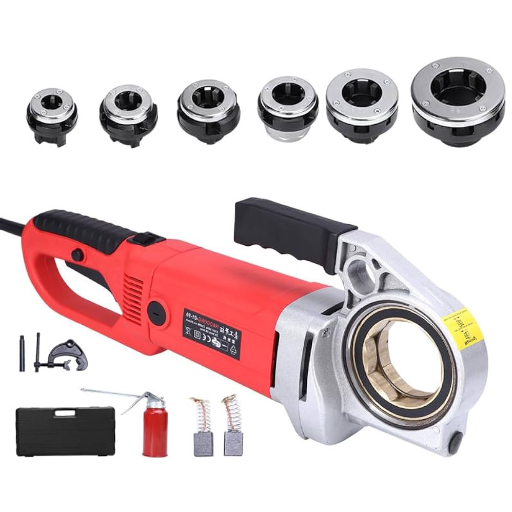
Pipe threaders are essential tools used to form accurate threads on pipes, ensuring secure pipe connections in plumbing, construction, and industrial work. They come in different types suitable for various project needs and different scales of operations.
Manual Pipe Threaders
The sets comprise small hand tools for light to medium threading work. More manual effort and time were required in manual threading processes on smaller piping in the residential plumbing setting or for minor repairs. For some, however, they remain a good choice for DIY-type projects or small-scale jobs, with their low prices and ease of handling the main selling points.
Electric Pipe Threaders
These electric-powered machines promise faster and more efficient threading when used in medium-to-heavy-duty applications against pipes. They can work with steel, aluminum, and PVC pipes. Thus, such machines are suitable for larger projects with high garden value because they produce threads quickly and consistently with less effort.
Portable Handheld Threaders
Combining portability and function, these hand threaders are used for convenience during site work. The lightweight design and compact nature of this type of threader enable threading in even the most difficult-to-reach areas, thereby increasing practicality for field technicians and construction workers.
Stationary Pipe Threading Machines
Their heavy-duty nature is suited for industrial use. The working range covers various pipe sizes with very great accuracy. Stationary threading machines are commonly found in workshops or manufacturing facilities where threading work is from medium to high. They typically have supplementary functions such as pipe-cutting and pipe-reaming that do help sometimes on efficiency.
Knowing the types and capabilities of pipe threaders enables users to make informed choices and optimize their workflow, while maintaining precision in each project.
Types of Threading Machines
These are different threading machines to suit the diverse needs, conditions, and project scales. Each type is designed and developed with features best and convenient to the particular application, thereby projecting user efficiency, precision, and versatility. Some of the more common threading machines are given here.
| Machine Type | Power Source | Best Applications | Key Features | Mobility |
|---|---|---|---|---|
| Manual Threading Machines | Hand-powered | Small-scale projects, repairs | Die head, ratcheting handle, cutting dies | Highly portable |
| Portable Power Threading Machines | Electric/Battery | On-site applications, remote work | Interchangeable dies, variable speed | Mobile friendly |
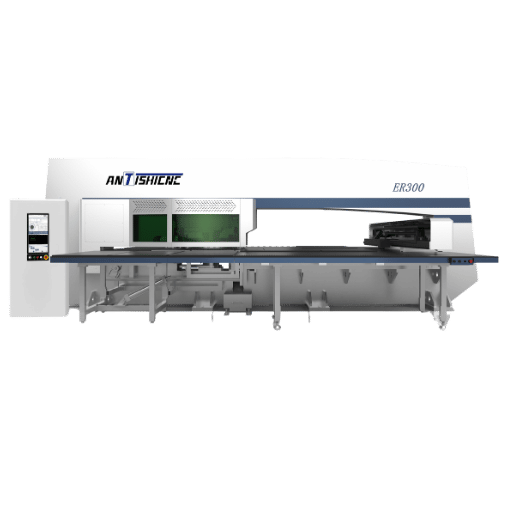
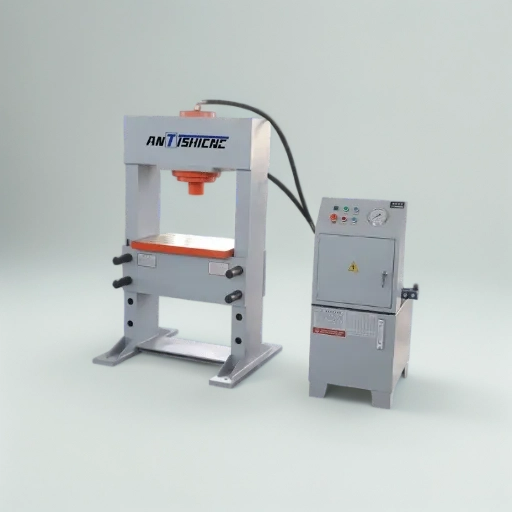
| Stationary Threading Machines | Electric/Hydraulic | Industrial, high-volume production | Automatic operation, cooling systems | Workshop-based |
1. Manual Threading Machines
A storied tool for manually threading pipes or any material into pipes. It is portable and can be taken to a job or repair site, which makes it a fabulous option for small jobs. Usually, the components include a die head, a ratcheting handle, and cutting dies to manually cut the threads. Manual threaders are slower than power ones, yet they are incredibly dependable when there is no power available at the site or when space is simply too cramped. Their simple design makes them a choice by the ages for both professionals and do-it-yourselfers.
2. Portable Power Threading Machines
These machines combine flexibility and efficiency for lightweight, mobile use on-site applications. Being powered electrically or by batteries, they do not require manual operation, thereby saving on time and labor. Portable power threaders come with interchangeable dies and are variable-speed so that they might be used with different pipe types and sizes. They would be very handy for any remote-area contractor, especially in applications where time and mobility are a premium, such as plumbing and construction.
3. Stationary Threading Machines
Stationary threading machines are heavy-duty and, therefore, often in bigger workshops where the maximum threading needs must be carried out. These machines are generally somewhat bulky and big, offering features like automatic die-head operations, cooling systems, and integrated safety mechanisms for high precision and longevity of use. Stationary threaders can handle almost everything—pipe sizes and materials—and thus remain the backbone of manufacturing homes involved in the fabrication of pipes on a large scale.
Karan’s work must be done; with the various types of threading machines available, professionals can match the right one with their needs to ensure proper operational efficacy and accuracy. These choices range from manual to highly sophisticated machines, each standing on its own merits depending on project requirements and scale.
Features to Look for in a Thread Cutting Machine
When selecting a thread cutting machine, several key features should be considered to maximize performance and ensure precision in all operations. Consider the following:
Essential Features Checklist
- Thread Type Compatibility: It must be able to handle all types of threads—for example, NPT, BSPT, or metric thread types—for varied usage in different industries and standards. Those with adjustable settings for thread pitches offer greater flexibility.
- Material Handling Capacity: Look for machines that can be rated for working with various materials, such as steel, PVC, copper, or stainless steel. The quality of components directly depends on the durability or strength of the machine in handling its load.
- Automation and Control Features: These machines for thread cutting currently offer several options for automation. Automatic feeding, cutting, and tool replacement are just some of these advanced features that can save time, provide consistency, and reduce human error.
- Precision and Accuracy: The ability to deliver consistent thread quality is crucial. Every time a result needs to be precise, such as in precision industries, a machine with highly advanced calibration systems and error-reduction methods is what assures it.
- Size and Portability: Depending on your workspace and project requirements, which might suit you better, compact portable machines or the giant stationary ones. Portable ones will, of course, allow for flexible fieldwork, while stationary machines will provide the horsepower needed for mass-production jobs.
- Source of Power and Efficiency: From manual threaders to those powered by electricity or hydraulics, each has its application. Electric and hydraulic threading are, however, usually faster in throughput and more efficient as project demands increase.
- Safety Features: Safety ought to be placed on the highest pedestal. Machines that incorporate overload protection, emergency-stop features, and ergonomic layouts reduce workplace hazards, thereby safeguarding the operator.
- Ease of Maintenance and Longevity: Opt for machines with minimal and straightforward maintenance requirements. Features such as the self-cleaning oiling system and easy-to-reach components increase the machine’s lifespan and reduce downtime.
- Cost-Effectiveness: Consider what you are getting out of the purchase, taking into account the features, durability, and efficiency of the machine. A costly piece of equipment pays off in terms of fewer operational expenses on repairs and high productivity.
- Support and After-Sales Service: Customer support, training aids, and a warranty offered by a trusted manufacturer can be a significant factor in the overall value of your purchase.
All of these features contribute to increased production efficiency in terms of meeting project specifications and industrial standards for thread cutting. By taking a close look at these factors, companies can tailor their purchase of the machine to their specific threading requirements.
Best Practices for Pipe Threading
Ensuring Accuracy in Thread Cutting
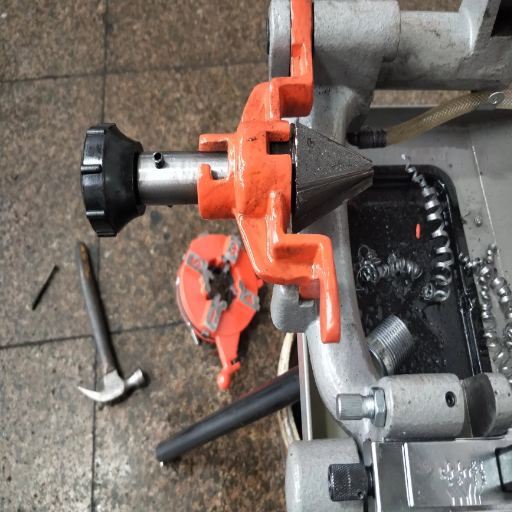
Accuracy in thread cutting is essential for the integrity and functionality of pipe systems, especially in industries such as plumbing, oil, and gas. To achieve such precision, operators must follow good practices that will minimize errors and maximize consistency.
Maintain good practice by always using a high-quality threading machine with calibration to ensure the correct depth and alignment of the cuts. Regular maintenance and calibration of the machines promote consistent results over time. Additionally, selecting the correct die head size and type for a specific material and thread specifications will prevent mismatched threads that compromise the structural integrity of the connections.
Second is lubrication in cutting threads. Reducing friction preserves tool life and provides for clean, smooth threads. Selecting the correct fluid for the material makes a huge difference in preventing thread finish discoloration and overheating during cutting.
Inspection of threads at every stage of the cut, using industrial standard gauges, ensures pitch, angle, and depth are accurate, providing greater assurance. Quality checks while cutting and after reduce error rates, along with repair costs and downtimes. Aligning equipment capabilities with best practices sets operators up for the highest production, satisfying exact and resistant thread cut requirements.
Durability of Pipe Threads Against Corrosion
Thread corrosion in pipes would produce a structural weakness and shorten system lives, eventually causing failure; hence it should be prevented at all costs in industrial operations. This involves the use of coatings, especially galvanizing or those epoxy-type coatings that keep moisture and other corrosive elements from reaching the surface. In other highly corrosive environments, materials that resist corrosion, such as stainless steel or brass, are allowed in pipe threads.
Maintenance is equally important when dealing with corrosion. Examining the threads for evidence of rust discoloration, rough texture, and such early signs will help operators intervene before major damage occurs. As they also reduce friction inside the threads, sealants and lubricants specifically designed for threads to resist chemical and environmental exposure should be applied to prevent potential corrosive agents from entering the threaded connections.
Following are environmental factors affecting corrosion rate in pipe threads: humidity, temperature changes, and chemical exposure. Should these parameters be monitored and storage and handling operations prioritized that ensure pipes remain in climate-controlled environments, corrosion rate can be significantly slowed down. Once again, during installation, proper fitting and fastening will avoid stresses that may contribute to the later deterioration of threads.
Finally, the latest monitoring technology adopted will include sensors for monitoring moisture and oxidation levels, enabling real-time tracking of corrosive activity. When implemented effectively, these preventive measures, combined with ongoing maintenance and high-quality materials, will significantly increase pipe-thread life and reliability, thereby protecting critical systems from costly failures.
Maintenance Tips for Threading Machines
Depending on what structure the threading machine has, its method of execution and thus, the maintenance schedule are going to differ. Cleaning of threading dies is generally viewed as a preventive maintenance procedure; the dirt and debris must be removed since this may cause improper threading and accelerated wear. Lubricating the moving parts is another preventive maintenance procedure done to reduce friction and heat, consequently reducing the efficiency of the machine or inducing mechanical failure.
Check the cutting tools and guides periodically for any signs of wear or damage. Worn cutting tools should be replaced instantly to maintain the quality of thread output and to avoid possible damage to the workpiece. It is also recommended to conduct regular calibration checks to verify that the machine operates within specified values, ensuring consistent thread accuracy.
Automated monitoring systems can further enhance maintenance. Intrinsic real-time diagnostics are provided while tracking with continuous parameters such as RPM, torque, and vibration level to detect abnormality. It is very important to mention that if the threading machines are being kept in a clean and dry room, they will be considered safe from dust and moisture that can promote corrosion. Through these tips, the owners will go a great way in promoting maximum productivity and long life of their threading machines.
Common Challenges in Pipe Threading
Identifying and Resolving Threading Issues
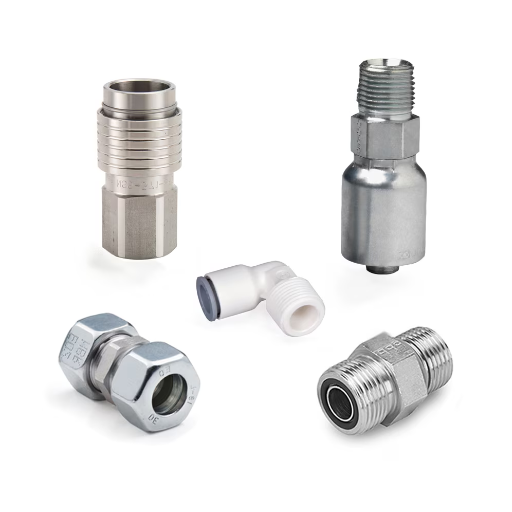
A methodical approach has to be used to ensure all threading issues are efficiently dealt with. One issue that seems to be a popular one: thread misalignment. This usually happens when setup is incorrect or the cutting dies are worn out. I generally first check for alignment to ensure that the machine is correctly calibrated. Any parts that are worn out should be replaced, and then maintenance should be scheduled to prevent the problem from recurring. Also, I always run threading on a sample piece to check if everything is alright before proceeding with the actual item.
Threading problems like burrs or incomplete threads have always been another challenge for me that could impair the integrity of a product. These do take place if the speeds are not correct or make for ineffective lubrication quite frequently. Hence, I am very much careful of adjusting my speed accordingly depending on the material being threaded and making sure like anything else that the machine is lubricated while threading. My attention towards operational details enables me to cut precise and tough threads.
Excessive wear and breakage of tools interferes with the work environment and delays projects. I keep checking the condition of the tools, and whenever an edge shows signs of wear or damage, I replace it. Proper training is good too in tool care and handling, and for using the machines correctly. Through a combination of preventive measures and strict quality control, I have been able to solve many threading-related issues and achieve consistent performance.
Bad Threading and Its Impact on Pipe Integrity
Due to poor threading, pipe integrity gets largely compromised, posing severe operational and safety challenges. When pipes are poorly threaded, they can leak, loss of pressure occurs, and joint failures manifest, rendering the entire piping system weakened. Being inept interrupts the very working of the systems, yet these defects also tend to pose a hazardous situation when handling high-pressure fluids or gases. Actuating from the people’s infrastructure perspective, these defects lessen the reliability of the system that invariably tends to put further cost and downtime.
Some controls established in my operational procedure are understanding that threading must be done precisely and to code. Threading tools should be properly calibrated, and cutting fluids of the highest quality should be used to ensure that threads are clean and correctly cut. Threads should be visually inspected and subjected to fitting checks to detect any imperfections and prevent them as early as possible. Since applying the preventive controls, I have had only a handful of instances where poor threading was a problem. This, in turn, protects the integrity of pipes and prevents further problems, thereby facilitating the long life of the systems that I service.
Prevention is the best possible solution in cases of potential threading problems. I firmly believe that infections arise when one does not pay close attention to threading processes at every stage or to the maintenance of threading equipment. By committing to these measures, I have been able to maintain pipeline structural integrity, and I am sure that clients and team members alike trust their performance.
Effective Pipe Threading Solutions
As a matter of fact, I think pipe threading is just a matter of having good techniques, very good tools with excellent service and maintenance. To my mind, one had better first examine carefully the pipe and threading machine before beginning any work. In such a way, a defect or wear cannot make the machine do some inaccurate threading. I would then have to use sharp dies and good cutting oil so that clean, accurately cut threads fit snugly with a bit of friction and without any damage to the pipe. Lubrication also matters because it prevents premature wear of the dies and makes for a smooth threading operation.
Another key step I have implemented is maintaining an environment that prevents dirt, debris, or any other factor that may negatively impact threading quality from entering. I constantly monitor their thread measurements during the process to ensure they conform to industry standards and project requirements. I even permit the use of thread checks on both sides of machining after threading, ensuring proper threading and mating to components.
A methodical approach to this not only achieves optimal threading quality but also avoids costly delays or problems later on. The detail-oriented attitude, combined with a focus on maintenance and inspection, has allowed me to consistently deliver dependable, strong, and durable threading results that meet or exceed expectations, leading to safe and sound systems that I have contributed to building.
Reference Sources
-
Pipe Threading Step-by-Step Guide – Tameson
Provides a detailed guide on the pipe threading process, including tools and techniques. -
How to Thread Pipe? A Step-by-Step Guide for Beginners – DF Hydraulics
Explains the process of threading pipes, from tool selection to creating leak-free connections. -
What Does a Pipe Threading Machine Do? – Hongli Tools
Discusses the role and functionality of pipe threading machines in industrial applications. -
Ultimate 7 Step Pipe Threading Guide for Plumbing or Gas – Balkan Plumbing
Offers a comprehensive guide to pipe threading, focusing on precision and efficiency.