




Understanding Electric Discharge Machining with Wire Cutting for Modern Manufacturing
One of the truly revolutionary methods that precision industries have in their arsenal is Electric Discharge Machining with wire cutting. To put it simply, wire EDM is an electrical spark erosion process used to produce excellent, intricate, and accurate cuts in metals that are difficult to machine using any other method. This is something that anyone whose industries belong to aerospace, automotive, or medical manufacturing must understand to remain competitive. This blog aims to explain the basics of the process, highlight the primary benefits of wire cutting EDM, and emphasize its significant role in modern engineering applications, particularly in pushing boundaries. Embrace the new wave of engineering applications that are offshoots of this machining method, ominously setting new standards in manufacturing!
Understanding Wire Cut EDM
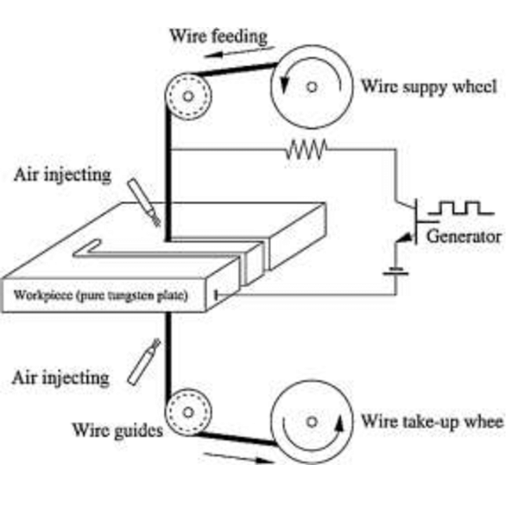
Wire-cut Electrical Discharge Machining (EDM) is an exact cutting and non-contact process used to cut conductive materials with high accuracy. A fine wire, typically made of brass or coated with another material, is used as an electrode to discharge electricity. These discharges produce a controlled spark to erode the material, allowing for the creation of very intricate shapes and fine details. Wire-cut EDM is suitable for machining complex or fragile materials and is used in the manufacturing of components for the aerospace, automotive, and medical industries. Furthermore, this process does not put any stress or deformation on the material so it serves a fine purpose for manufacturing an exact component.
Definition of Wire Cut EDM
Wire Cut EDM, also known as Wire Electrical Discharge Machining, is a non-contact manufacturing process primarily used for the precision cutting and shaping of electrically conductive materials. The operation involves a thin wire under tension, typically brass, molybdenum, or copper, which acts as an electrode to emit high-frequency electric discharges. These discharges pass between the wire and the workpiece, removing material and simultaneously allowing for excellent and detailed cutting without the application of any mechanical force.
Key Performance Specifications:
- Tolerance: ±0.001 mm excellence
- Surface Finish: As smooth as 0.1 µm Ra
- Material Compatibility: Hardened steel, carbide, titanium
- Applications: Aerospace, automotive, medical, electronics
Wire Cut EDM can produce excellent tolerances of ±0.001 mm and make surface finishes as smooth as 0.1 µm Ra. The latest machines feature servo controls for speed, enabling fast cutting rates and automatic threading, which allows for the precise cutting of complex shapes. These characteristics find applications in manufacturing components for the aerospace, automotive, medical, and electronics industries, wherever extremely accurate details are required. Also, since Wire Cut EDM efficiently cuts through materials with very high hardness, such as hardened steel, carbide, and titanium, it becomes the core process in producing dies, molds, gears, and complex prototypes.
How Wire Electrical Discharge Works
The working principle of Wire Electrical Discharge Machining is the application of thermal energy using electrical discharges. A thin wire electrode, charged with electricity, was set along a particular direction. The material being cut becomes the second electrode. A spark is generated due to close proximity in the microscopic space between the wire electrode and the workpiece, controlled to produce a heat of the order of 10,000°C, which vaporizes or melts the material at the spot where the discharge occurs.
Dielectric Medium Functions:
- Cools the workpiece to prevent thermal shock
- Purges debris from the cutting zone
- Maintains precise dimensional gap for discharges
This occurs in the dielectric medium, typically composed of deionized water, which serves several crucial purposes. It cools the workpiece, thereby preventing it from undergoing thermal shock; it purges the debris; and it maintains the precise dimensional gap for the discharges. Modern Wire EDM technology can hold tolerances as tight as ±0.0001 inches (±0.0025 mm) and achieve surface finishes as smooth as 0.2 µm Ra, thereby producing parts that demand very high precision.
Advanced Capabilities: Wire EDM can effectively cut any electrically conductive material regardless of the hardness, such as tool steel, tungsten carbide, and titanium alloys. Following this are recent developments in automation and multi-axis wire guiding systems that have made the process scalable and efficient, allowing manufacturers to produce complex geometries, such as intricate cavities, fine slots, and micro features. With a nominal cutting speed of 500 mm²/min in some machines, Wire EDM now finds applications in industries where utmost accuracy in the machining process is required, along with minimal material wastage.
Components of an EDM Machine
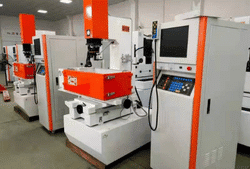
An EDM machine has several pivotal components, all of which are essential to ensuring that it is highly accurate and productive in its work. These are some of the key components in an EDM machine, along with their functions:
Power Supply Unit
The power supply is instrumental in generating the discharge of electricity, which eventually eliminates the material. It must be capable of supplying pulses of electricity that are well-defined so that the energy of discharge is always constant. Nowadays, EDM machines are equipped with the advanced types of power supply arrangements, to reduce the wear of the electrode and increase the machining speed, for example, the pulse frequency may be from 50 kHz to 100 kHz when the finish is coarse and 200 kHz to 500 kHz for finest finish, depending on the material being worked.
Workpiece and Worktable
The material to be machined is referred to as the workpiece, which is secured on the worktable. The worktable is typically made of a heavy material, such as steel or aluminum alloy, and is designed to be rigid, preventing flexing or vibration that could interfere with the precision of the process. Many high-end EDM machines have automatic clamping arrangements for quick positioning and alignment of the workpiece.
Electrode Tool
The electrode transfers the electrical energy required for the erosion of the workpiece. A wide range of electrode materials may be used, including graphite, copper, and tungsten, depending upon the application. Typically, graphite electrodes are used for rapid machining, while copper electrodes are employed for the creation of fine details and surface finishes.
Dielectric Fluid System
Dielectric fluids, such as deionized water or specialized oils, provide cooling, flush debris, and insulate current flows. The detergent and filtration treatment ensure that the fluids maintain their condition during operation. Based on the application, flow rates may vary significantly, from 10 liters per minute to about 100 liters per minute.
Servo Control System
The servo system controls the electrode-to-workpiece gap to optimize spark operation. Active monitoring of gap conditions in real-time, maintaining it typically below 0.02 mm, provides machining control with a level of precision unmatched in the industry.
Wire Drive and Guide Mechanism (for Wire EDM)
Wire EDM utilizes a wire drive system to unwind and guide a thin, electrically conductive wire, typically made of brass or coated steel, with a diameter ranging from 0.05 mm to 0.33 mm. The multi-axis wire guiding system enables cutting of angular and contoured surfaces with micron-level accuracy.
CNC Control Unit
EDM machines nowadays rely heavily on CNC systems for their cutting operations, ensuring incredible precision. The CNC control unit takes complicated part geometries from CAD/CAM software and implements equally challenging cutting paths with very tight tolerances (as tight as around 0.001 mm). They also display real-time feedback on machining parameters and diagnostics.
Cooling System
Overheating is detrimental to the machine’s performance and, consequently, its lifespan. A Cooling System is provided in EDM to prevent the formation of heat in the power supply, servo motors, etc., ensuring highly efficient temperature control for continuous operation during long machining cycles.
The well-integrated components make EDM machines essential in specific applications across the aerospace, automotive, and medical device industries, which require extremely high precision and fine detailing. With the advancement of technology, EDM conveyors now offer full automation, high energy efficiency, and enhanced flexibility for fabricating advanced materials and designs with intricate detailing.
Wire Cutting Process
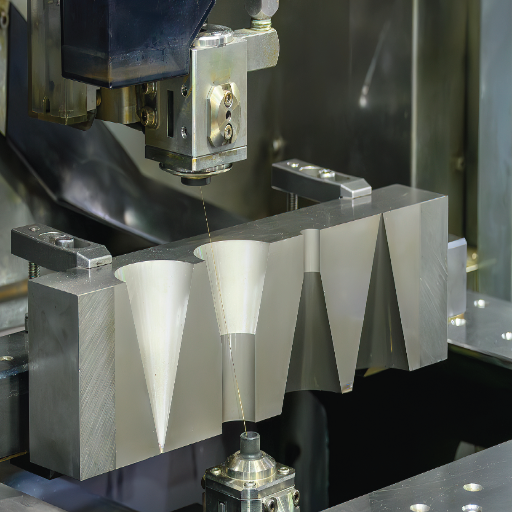
The wire cutting machine is one EDM category that utilizes a thin electrically charged wire as opposed to the process of direct contact. Plasma sparks are electrically charged between the wire and the workpiece; those sparks erode the material to form the required shape. This type of processing is primarily used for cutting intricate figures with very tight tolerances. Hence, such materials are typically conductive, including steel, aluminum, and titanium. Normally, this method is employed in industries that require precision, such as aerospace, automotive, and medical device manufacturing.
Steps Involved in Wire Cutting
Process Benefits: These processes, in conjunction with modern machinery and automation, enable the manufacture of high-quality, complex components in bulk for specialized applications in the aerospace, medical, and automotive sectors.
Types of Wire Used in EDM
Brass Wire
In electro-discharge machining, the engineering wire is the most common. It is principally composed of copper and zinc, thus providing a balance of strength and flexibility that helps reduce wire breakage during the variational-artistic procedure. Brass wire is the most general-purpose wire in EDM work.
Coated Wires
Coated wire, such as zinc-coated or diffused wire, consists of a core material, usually brass or copper, with an extra outer coating. This coating enhances cutting speed and accuracy while improving resistance to wear and tear. These works are often chosen for high-precision work where surface finish and tight tolerances are paramount.
Copper Wire
Pure copper wire is not widely used and is typically reserved for specific applications where high conductivity is essential. It is best suited for cutting materials with high hardness or if very high precision is needed. It, however, wears out a bit faster than brass and coated wire, and thus is not well suited for long-term operation.
Wire Selection: Each wire type meets a different set of requirements in the EDM operation, thus providing flexibility and efficiency for various industrial applications.
Role of Brass Wire in Wire Cut EDM
A brass wire is used in Wire Cut EDM because it strikes an ideal balance between tensile strength, electrical conductivity, and cost. Brass wire is essentially a copper-zinc alloy, offering superior electrical conductivity for providing an exact spark required for material cutting. Its tensile strength is a significant reason contributing to its durability and non-cognizable breaking in high-tensile applications and repeated use. Another reason that stands out for the versatility of brass wire is that it can perform well in cutting a wide range of materials, from soft metals to tough alloys. Since it can hold dimensional consistency and consistent performance under all conditions, it is thus preferred in industries that require maximum precision. In short, it lends itself to the very reliable, precise, and efficient production of wire EDM.
Advantages of Wire Cut EDM

High Precision
Wire cut EDM provides highly precise cutting of intricate shapes and fine details, making it suitable for complex designs.
Able to Work with Any Material
Wire Cut EDM can work through metallic materials of any type, whether hard metals or alloys, with consistent output.
Superior Surface Finish
This method also gives a clean, smooth finish that requires little to no additional machining.
No Mechanical Stress
From the very fact that this is a non-contact process, there are no stresses exerted on the material; hence, its structural integrity is maintained.
High Efficiency
Wire Cut EDM is an efficient process, characterized by minimal material wastage and maximum utilization of production time.
Precision and Accuracy in Machining
Contemporary manufacturing processes for producing machines have stringent requirements for tolerances and specifications. Wire-cut EDM and similar methods are seemingly capable of providing the type of precision that can reach down into micrometers. Wire-cut EDM machines typically have accuracies on the order of ±0.0001 inches, enabling the production of highly intricate parts for the aerospace, medical, and electronics industries.
Advanced Manufacturing Integration:
- CNC integration increases machining precision
- Adaptive control monitors and compensates for tool wear
- State-of-the-art software simulates machining processes
- Predictive material behavior optimization
Besides, CNC integration increases machining precision. The CNC machine counters errors by repeatability when performing milling, turning, and cutting processes. Adaptive control monitors tool wear and compensates for it, currently used. Companies simulate machining processes using state-of-the-art software to predict how the material behaves and optimize the design of parts before production, thereby almost entirely eliminating trial-and-error time. This new generation CNC cabinet-based integration of advanced hardware and software enables the creation of final products with highly precise accuracy and finish, meeting the extremely stringent quality requirements of contemporary engineering applications.
Surface Finish Quality Achieved
Surface finish determines the fundamental functionality and performance of any machine part. High-quality finishes result in reduced friction, increased wear resistance, and enhanced visual appeal for the components. Achieving a fine finish requires setting the machining process parameters accurately, including speeds, feeds, and tool angles. With recent developments in CNC machining, surface roughness values as low as 0.2 μm Ra are now generally achievable, meeting even the most stringent industrial criteria.
Material Impact on Surface Finish:
- Softer Materials (Aluminum): Achieve better finish more easily
- Harder Materials (Stainless Steel): Require more precise parameter control
- Enhanced Finishing: Polishing, grinding, thin coating for ~0.05 μm Ra
The material also plays a crucial role in this surface finish. For example, softer materials like aluminum may achieve a better finish more easily compared to harder materials like stainless steel. Through further surface enhancement by polishing, grinding, or thin coating, finer values of approximately 0.05 μm Ra are achievable in specialized applications, such as aerospace and medical instruments. The convergence of these improvements ensures that components meet and exceed industry requirements for precision and longevity.
Cost-Effectiveness of Wire EDM Solutions
Using wire EDM proves to be an extremely cost-effective and precise manufacturing method for applications of importance across various industries. This technology requires no expensive tooling and ensures minimal material wastage; thus, it remains cost-effective for projects of small commercial scale and high complexity. Industry watchers say wire EDM machining takes about 50 percent less time than the conventional milling process when machining intricate geometries. An automated system that can perpetuate machining operations and facilitate the increased use of a multi-axis machining concept would further enhance machine productivity and significantly reduce labor costs.
Standard machining methods are particularly energy-intensive when machining materials such as titanium, steel alloys, and superalloys. Wire EDM, on the other hand, can make cuts in such materials with absolute precision without referencing tooling, thus saving big on overhead costs. In scenarios involving batch production, wire EDM systems with integrated software and automatic wire feeders can operate continuously, significantly reducing downtime and operational costs. Companies with high-efficiency EDM systems have reported approximately 30% lower operational costs over five years, primarily due to reduced maintenance needs and energy-efficient features. When considering the total cost of ownership, wire EDM tends to offer a good ROI to industries dealing in aerospace precision manufacturing, medical devices, and tool-and-die. By streamlining production and reducing material wastage, Wire EDM ensures not only high-quality output but also significant cost savings.
Applications of Wire Cut EDM
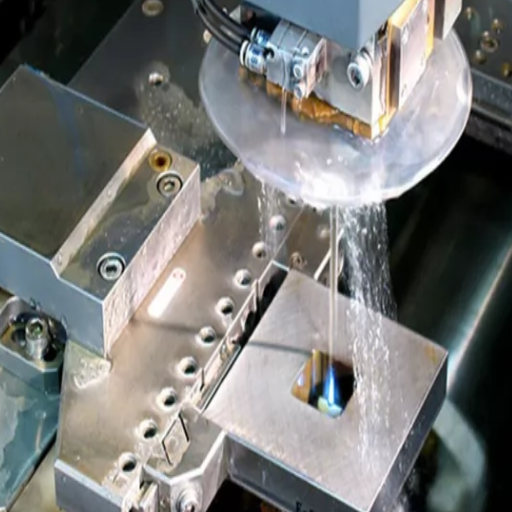
Industries that require accuracy and internal design typically use Wire Cut EDM. The primary applications include:
🚀 Aerospace
Manufacturing complex components with tight tolerances, such as turbine blades and fuel system parts.
🏥 Medical Devices
Creating precise parts for surgical instruments, implants, and diagnostic equipment.
🔧 Tool and Die Making
Producing molds, dies, and punches with exceptional accuracy and smooth finishes.
🚗 Automotive
Crafting components like gears, fixtures, and prototypes for advanced vehicle systems.
💻 Electronics
Fabricating detailed parts for semiconductors and other electronic devices.
Application Summary: The instances mentioned above reflect the applications and precision of Wire Cutting EDM in varying high-demand industries.
Use in Mold Making
The significance of Wire Cut EDM in modern mold making lies in its unparalleled precision and accuracy, thereby permitting the production of complex and intricate mold components. It is in the making of molds that this process is especially needed by industries such as automotive, aerospace, electronics, and consumer goods. For those who require precision in cutting hardened steel and exotic alloys, this method ensures the durability and performance of molds intended for high-volume production cycles.
Technological Advancements:
- Improved cutting speeds and tighter tolerances
- Advanced CNC programming capabilities
- Tolerances as low as ±0.0001 inches
- Secondary operations often unnecessary
Significant advancements in Wire Cut EDM technology have further enhanced mold-making efficiency. Contemporary machines offer improved cutting speeds, tighter tolerances, and advanced CNC programming capabilities, enabling the creation of designs that require detailed work with tolerances as low as ±0.0001 inches. Additionally, the finish quality achieved with these machines may sometimes render secondary operations, such as polishing, unnecessary. Studies have shown that Wire Cut EDM can achieve a 50% reduction in production lead times, while also reducing material wastage, compared to conventional machining methods. It is well-suited for molds that need intricate cavities, cooling channels, or contours, thanks to its ability to take complex geometries without distortion. The ongoing development of this technology is keeping pace with the demand for lighter, stronger, and more efficient molded parts in today’s marketplace.
Applications in CNC Machining
CNC machining is also utilized in various industries due to its precision, speed, and versatility in working with a wide range of materials. Other prominent applications of CNC machining are aerospace, automotive, medical devices, and consumer electronics. In aerospace, CNC machining is crucial in crafting lightweight yet strong parts, such as turbine blades and aircraft structural components, with tolerance levels as tight as ±0.0001 inches. In the automotive field, CNC machining is heavily relied upon for making high-performance engine parts, custom gears, and prototypes.
Sustainability Benefits:
- Multi-axis machines handle complex shapes with less manual intervention
- Up to 30% reduction in material wastage
- Rapid prototyping capabilities
- Shortened product development time
Additionally, advancements in CNC machining have increased operational sustainability. Multi-axis CNC machines are capable of handling more complex shapes, which implies less manual intervention and greater material utilization. According to other reports, CNC machining has been observed to reduce material wastage by up to 30 percent compared to alternative manufacturing options. Such efficiency rapidly translates into cost savings, supporting the agenda of global sustainability. CNC machining encourages design innovation by facilitating rapid prototyping, thereby shortening product development time, especially in medical device engineering, where precision and rapid iteration are of great importance. Given their broad applicability and evolving technical bases, CNC machining has certainly helped industries to meet and sometimes even exceed quality standards, improve productivity rates, and optimize resources.
Industries Benefiting from Wire EDM
Wire EDM has become indispensable in a myriad of industries due to its unmatched precision in performing machining on complex geometries. Herewith is a list of key sectors that benefit greatly from this technology:
✈️ Aerospace Industry
The aerospace field heavily relies on Wire EDM for the production of highly critical components, such as turbine blades, gear systems, and structural parts. This technology guarantees the highest level of accuracy and ensures tight tolerances, without which flight safety and performance could catastrophically be affected. The constant demand for lightweight materials, such as titanium and composites, has further led Wire EDM to establish a critical niche, as it can machine these difficult-to-cut materials without compromising their integrity.
🏥 Medical Device Manufacturing
Wire EDM is used in the production of intricate and extremely small components required in medical devices, such as surgical instruments, implants, and diagnostic instruments. The accuracy of Wire EDM ensures that every single cut of the tool is made thermally without damaging its property, thus ensuring biocompatibility and reliability. For example, it is often used in creating micro-specifications, such as those for stents and bone screws, which require very tight sub-millimeter tolerances.
🚗 Automobile Industry
The automobile industry utilizes Wire EDM in both prototyping and manufacturing special components, such as fuel injectors, transmission systems, and intricate design molds. Wire EDM enables great accuracy and a superb surface finish, further aiding the production of more efficient and innovative vehicle designs, which is extremely important as we transition to electric and hybrid vehicles.
🔧 Mold and Die-Making
Wire EDM constitutes the backbone of this sector because of its capacity to manufacture complex dies for injection molding, extrusion, and stamping applications. There are several products in electronics and consumer goods that rely heavily on Wire EDM for molds. The ability of Wire EDM to cut hard materials such as carbide has transformed this industry.
💻 Electronics and Semiconductor Industry
The progression towards smaller electronic gadgets requires components that must be manufactured with extreme precision and intricacy, making Wire EDM a very critical technology in this area. It is widely used in the fabrication of lead frames, connectors, and microelectronics, ensuring accuracy on the micron scale, which is crucial for modern-day devices.
⚡ Energy Sector
Wire EDM is promising in the renewable energy domain, particularly in the manufacture of components for wind turbines and precise energy storage systems. In this way, it designs parts that are accurate and durable, serving as the basis for energy efficiency and sustainability.
Future Outlook: Wire EDM technology continues to improve, and innovations such as advanced automation and multi-axis machining further bridge its diversification. The ability of this Machine tool to work satisfactorily in industries with stringent standards keeps it relevant in efficiently solving modern-day manufacturing dilemmas.
EDM Machine Maintenance and Best Practices
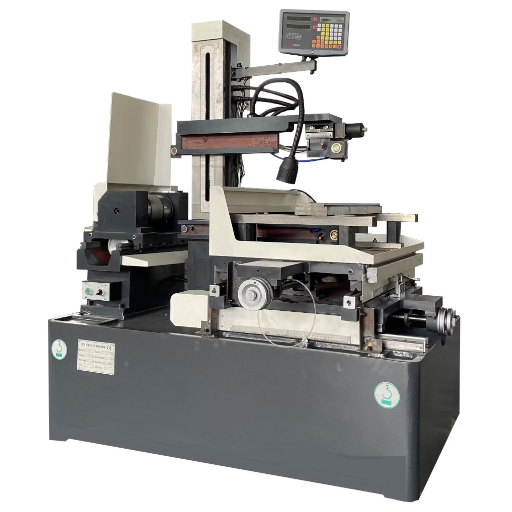
The efficient operation and even the longevity of EDM machines depend on proper maintenance. Basic steps for maintaining the machines are enumerated as follows:
🧹 Regularly Clean the Machine
Remove any debris, worn-out particles, or deposit materials that may cause blockage and hinder performance. Some points of concern would be the work tank and filtration system.
🔧 Inspect and Replace Worn Parts
Regularly check and replace parts such as wires, electrodes, filters, and seals to prevent interruptions.
🛢️ Monitor Oil and Coolant Levels
Ensure the correct ratio of dielectric fluid and coolant is maintained, and that these fluids are clean. They play a significant role in the machine’s operation, so having them right matters.
⚖️ Calibrate the Machine
Sometimes it is essential to check the machine for alignment and calibration and to keep it ready for precision work.
📋 Follow Manufacturer Guidelines
Always follow the maintenance schedules and all other recommendations provided in the machine’s manual. It is also recommended to use manufacturer-specific parts and fluids.
Maintenance Benefits: In doing so, operators can minimize downtime, avoid costly repair bills, and, most importantly, maintain high standards in machining quality.
Routine Maintenance for Optimal Performance
Routine maintenance is crucial to ensure an enhanced working life and efficiency of your machine. Below is an abridged guide on the matter gathered from credible sources:
👁️ Daily Inspection
Check for visible wear, loose parts, or unusual noises during operation; a thorough cleaning should follow to remove debris that could hinder performance.
🛢️ Lubrication
Ensure all moving parts of the machine are lubricated according to the manufacturer’s instructions. Regular lubrication reduces friction, prevents parts from overheating, and extends the life of components.
🔧 Filter and Fluid Change
Change filters and fluids according to the instructions given in the manual. Also, clean the filters to maintain good airflow and equipment efficiency.
📐 Alignment and Calibration
Alignments and calibrations of the machine must be checked regularly; a misalignment of equipment will cause inaccuracies and lead to damage to the machine and the material.
⚡ Electrical System Check
Inspect the wires, connections, and electrical components for any signs of wear, corrosion, or overheating. Early detection and fixing of electrical faults can avoid major breakdowns.
🔄 Upgrade and Software Updates
Update the software to keep the machine performing at optimal levels and to enable new functionalities. Keep a good track of manufacturers’ update releases for any improvements or bug fixes.
Maintenance Results: Following the above maintenance procedures will help maintain the consistency of product quality, free the machinery from breakdowns caused by surprise, and increase operational life. Always refer to the machine’s manual for detailed instructions and guidelines given by the manufacturer.
Common Issues and Solutions for Wire EDM Machines
From my experience, trouble-free Wire EDM machines are those that never break a wire, consistently deliver a good surface finish, and perform precise cuts. To prevent wire breakage, I regularly check and adjust the tension or replace the wire if it is worn. As for the surface finish, I check if the flushing system is working properly and then adjust the power if needed. In terms of accuracy, I calibrate the machine periodically and verify the alignment of its components. Taking care of the machine and regularly checking specific parameters usually keeps these annoyances away.
Tips for Enhancing Wire EDM Efficiency
⚡ Optimize Cutting Parameters
Experiment with power, voltage, and feed rates to get the best speed, accuracy, and surface finish. Set your parameters accordingly, depending on the material and its thickness.
🔧 Use Good Wires
Choose wires appropriate to your application, such as brass or coated wires, to improve cutting efficiency and reduce wire breakage. Maintain proper tension on the wire and change it when it is worn out.
💧 Maintain Proper Flushing Conditions
Ensure that the flushing system is running properly, with clean filters and a check on fluid flow, as it is the flushing process that removes debris and cools the workpiece, thereby aiding in finishing and accuracy.
🔄 Schedule Preventive Maintenance
Calibrate the machine regularly, align parts, clean up, inspect for wear, etc. This preventive maintenance will help reduce unplanned downtime and maintain consistency in system performance.
🚀 Keep Up with Modern Technologies
Adopt new software, adaptive controls, and automation where possible. EDM machines utilizing AI or machine-learning-based optimization techniques would significantly improve cutting quality.
📐 Reduce Overcuts and Taper Errors
Use low-power settings and adjust offset compensation for reduced overcut. Track tapering, especially for thick materials, and fine-tune cutting paths for accuracy.
Efficiency Results: These tips, when applied consistently, can help unlock the full potential of your wire EDM, reduce errors, and ultimately achieve the highest level of productivity.