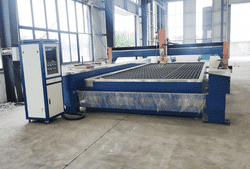
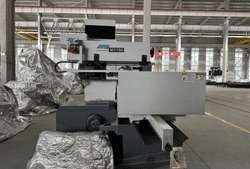


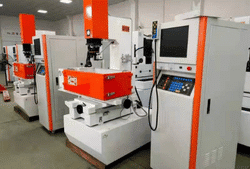
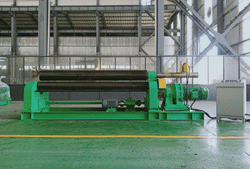



Any kind of metal fabrication has been a process of perfection, performance, and adaptation through this evolving industry setup, with laser cutting gaining prominence. It is a genuinely modern technology of lasers used by manufacturers with precision and speed at levels unimaginable in the past, while cutting metal plateworks of all sizes and thicknesses. This article goes on to show how AlicePlate Cutting is shaping the future of metal fabrication, highlighting the unique advantages that make the cutting process superior to conventional methods, the technology behind these developments, and the new areas where the application has been extended, including aerospace, construction, and automotive. Whether you are an industry professional, a manufacturer, or simply an interested spectator to cutting-edge industrial developments, this post aims to provide a comprehensive perspective on why laser plate cutting is rapidly becoming an industry standard.
Introduction to Laser Plate Cutting

Laser plate cutting offers the opportunity to ensure precision in metal plate cutting through the use of a high-powered laser beam directed onto a substrate. This process enables clean and precise cuts with minimal material waste. Some key advantages include instant delivery, adherence to quality standards, and exceptional endurance for intricate designs crafted from various metals with varying thicknesses. These processes have given laser cutting the highest preference among manufacturing processes in various industries, including automotive, construction, aerospace, etc., owing to their reliability, speed, and cost-effectiveness.
What is laser plate cutting?
Laser plate cutting holds a distinctive position, being known for accuracy in slicing large metal plates into specific sizes and shapes with the aid of laser power. In this contemporary method, the laser is focused on the surface of the material to heat it, which melts, burns, or vaporizes depending on the material’s nature, thereby producing a clean and sharp cut. It can be carried out for several metals, including steel, aluminum, and stainless steel, among others, handling materials from thin to thick with extreme accuracy. With the integration of a computer numerical control system, laser plate cutting can be used to generate intricate designs with intricate patterning. Finally, laser cutting has precise industrial applications in production processes, such as shipbuilding or construction, where time and precision are crucial. Such a cutting technique ensures minimal wastage, reduced production time, and cost-effectiveness, making it the most effective technology for metal plate processing.
How it works: Overview of laser technology
When the laserized beam is activated, it emits a highly concentrated beam of light due to stimulated emission. That beam is generated by ‘pumping’ excited electrons within the lasing medium—gas, crystal, or fiber—to emit photons through stimulated emission in the form of radiation, composed of a coherent, single-wavelength stream of light. In laser cutting, a laser beam is directed to the surface of the workpiece, where it produces intense heat that is precisely controlled, causing the material at the spot to be practically melted, burned away, or vaporized along a technically precise path. CNC systems can now enhance this precision by automating the control of the laser to make truly high-precision cuts based on program patterns. Fiber lasers and AI-integrated tools represent a laser technology that, in much of the world, now provides unprecedented speed, precision, and efficiency in a wide range of applications.
Comparison with traditional cutting methods
Here’s a concise table comparing laser plate cutting with traditional cutting methods based on the latest insights:
| Key Point | Laser Plate Cutting | Traditional Cutting Methods |
|---|---|---|
| Precision | Tolerances as low as ±0.05mm | Limited precision, higher error margins |
| Speed | Faster cutting cycles | Slower, especially for complex designs |
| Material Versatility | Cuts steel, aluminum, brass, copper, etc. | Limited to specific materials |
| Waste Reduction | Minimal material waste | Higher material waste |
| Energy Efficiency | Fiber lasers are energy-efficient | Higher energy consumption |
| Setup Time | Minimal setup required | Longer setup for different materials |
| Automation | Supports AI and automated systems | Mostly manual or semi-automated |
| Cost Efficiency | Lower long-term operating costs | Higher maintenance and operational costs |
| Complex Designs | Handles intricate and custom designs easily | Limited capability for complex shapes |
| Maintenance | Predictive maintenance reduces downtime | Frequent maintenance required |
Applications of Laser Plate Cutting Across Industries
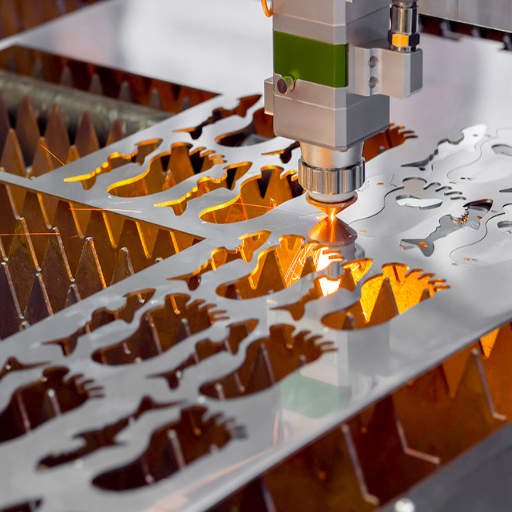
Laser plate cutters are in high demand in the automotive, aerospace, construction, and medical industries. It is suitable for making complex parts and components with precision. In aerospace, it bulk-manages lightweight yet durable materials required for aircraft making. In construction, structural elements such as beams and panels are fabricated using laser cutting to meet exact specifications. For medical purposes, it produces surgical instruments and medical devices with extraordinary precision. Creating consumer electronics, arts, and customized designs is another primary industrial application of this process, thereby demonstrating the versatility and industrial adaptability of the laser-cutting method.
Precision parts and lightweight components for enhanced vehicle performance
High-strength, lightweight materials for aircraft manufacturing
Structural elements, beams, and panels with exact specifications
Surgical instruments and medical devices with extraordinary precision
Automotive: Precision parts and lightweight components
The automotive industry has seen tremendous benefits from newer laser-cutting technologies, as the precision manufacturing of parts has become highly accurate. The capacity for lightweight manufacture is central to fuel efficiency and emission reduction. Materials cut with lasers are strong and lightweight, retaining their original qualities, including strength. Laser cutting can yield complex geometries in engine components, structural frameworks, and interior parts, taking into account quality issues and agency development standards. It will be rewarding to witness manufacturers make use of precision technologies like laser cutting because the global demand for energy-efficient vehicles increases as interest in “sustainable automotive solutions” increases with changing industry trends and expectations.
Aerospace: High-strength, lightweight materials for aircraft
This demanded the development of a material offering high strength with an extremely low weight, on which the aerospace industries might further work for fuel efficiency and greater performance. A notable trend has been observed in search queries for lightweight composite materials and innovations in aerospace materials. This is of particular interest to practitioners and researchers who are interested in materials such as carbon fiber-reinforced polymers, titanium alloys, and advanced aluminum-lithium alloys. These materials are preferred because they possess a strength-to-weight ratio, corrosion resistance, and para-ability behavior under extreme flight conditions; hence, the very concept of an advanced aircraft design rests on these features.
Renewable Energy: Components for wind turbines and solar panels
The use of advanced materials would ensure the maximum efficiency and durability of renewable energy systems, such as turbines and solar panels. The wind turbine blades, nacelle, and tower are constructed using fiberglass-reinforced composites, carbon fiber, or high-grade steel, which are heavy structural elements. These materials help heavy structural elements resist corrosion from hostile weather conditions and withstand operational stresses over time. While in solar panels, silicon-based photovoltaic cells, tempered glass, aluminum frame, and special coatings are used to enhance energy absorption power and improve the panel’s life. The sudden surge in interest in “next-generation renewable materials” and “sustainable manufacturing for energy components” reflects an increased importance placed on the fabrication of environmentally friendly, high-performance materials that can institute yet another revolution in renewable energy, thereby paving the way for further enhancement of global energy sustainability goals.
Advantages of Laser Plate Cutting Over Traditional Methods
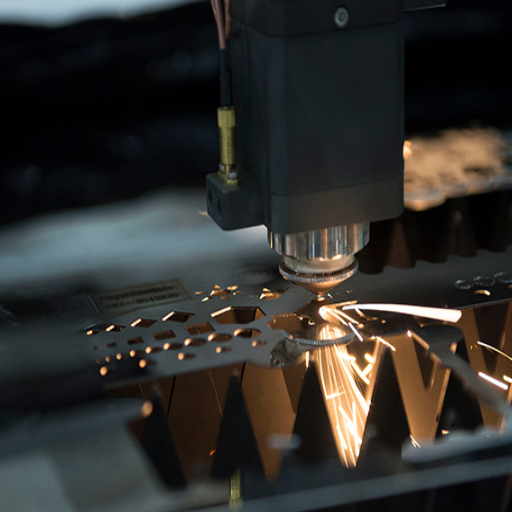
Laser cutting services enable minor adjustments and detailed designs within the allotted time for elaborate designs, and also result in minimal material wastage compared to traditional methods.
Lightning cutting technology ensures that cutting is done very quickly, thereby reducing manufacturing or production time while maintaining product quality.
It can cut a wide range of materials and thicknesses across various application domains.
Laser cutting produces clean cuts with smooth-edge finishes, eliminating the need for preparation or finishing processes.
The low heat-affected zone means less warping or distortion, especially in thin materials.
It is highly compatible with automation systems, enabling increased productivity and reduced labor costs.
All these benefits have made laser plate cutting an industrial great when precision and efficiency are needed.
Speed and efficiency: Faster production cycles
This laser plate cutting method has been accelerating production cycles due to its superior precision and high speed. It can further handle significantly larger work volumes within shorter periods when coupled with the most advanced automation systems, maintaining the consistency of quality. An industry-aware analyst notes that more and more industries are embracing laser cutting because it enables faster processing. This essentially means speedier delivery to the market, along with shorter lead times. Apart from enhancing the overall productivity of the system, these types of manufacturing systems enable competitive advantages in fast-paced markets. Lesser manual intervention and optimized workflow processes make laser cutting processes supremely fast and reliable compared to contemporary manufacturing standards.
Material versatility: Steel, aluminum, brass, and more
Consider this feature from laser cutting as one of its very few key advantages: its flexibility to cut almost any material. The undercut, typically manufactured in steel, aluminum, brass, or in rare cases, titanium and acrylic, provides precision and effectiveness in the application. The growing questions about laser cutting applications on light metals and composites indicate a promising demand for innovative and sustainable manufacturing methods. These demand areas encompass automotive, aerospace, and consumer electronics in terms of their essence, strength, endurance, and weight.
Cost-effectiveness: Reduced waste and lower operating costs
Since these processes maximize material utilization and minimize waste, waste costs are reduced in manufacturing. The precision has thus been guaranteed by laser technology. With that, it prevents any misuse of materials, excessive scraping, or misallocation of resources. Therefore, depending on the laser cutting provided and the lightweight nature of the materials used, such as one composite or aluminum, laser cutting can even further reduce energy and material costs. Working professionals are, therefore, eagerly seeking efficient ways to remain cost-competitive while increasing the value of the cutting operation. Advanced Laser Cutting systems are the answer. Not only does it ensure excellent results, but it also helps simplify work, making it a strong contender for sustainable and cost-effective manufacturing.
Recent Technological Innovations in Laser Plate Cutting
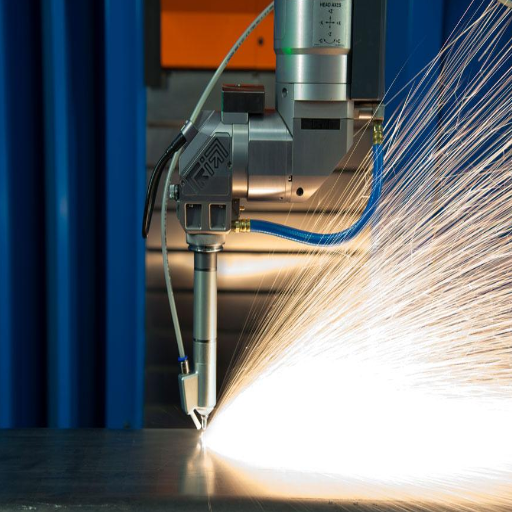
Above all, in laser cutting, numerous developments have occurred in a continuous quest for the highest quality, efficiency, and versatility. Today, the rapid cutting of various materials without compromising accuracy is achieved using a high-power fiber laser. Now, several automation schemes for cutting are available, including the use of robotic arms and software for optimizing cutting paths with minimal manual intervention. Real-time monitoring is initiated with quality assurance to adjust or compensate for any errors that occur during cutting execution. These developments have led to increased productivity and lower costs. For this reason, manufacturers continue to seek modern laser-cutting machines.
Fiber lasers: Energy efficiency and high-speed cutting
According to the manufacturers, fiber lasers have been acclaimed for their energy efficiency and their ability to perform speedy cutting. As opposed to CO2 lasers, fiber lasers are considered all-solid-state lasers, thereby converting energy and offering slightly better performance features. A lesser beam quality means a higher cutting speed and precision when working on details; hence, it is a good idea to choose this option when cutting any form of material, whether metals or reflective surfaces. The latest available data indicate advances in fiber laser technologies, which encourage their use across a range of sectors due to the growing demand for greener, more economical solutions. This allows for running it at a very moderate cost with a small carbon footprint, and thus adopting green manufacturing processes to a large extent.
Automation and AI: Smart systems for real-time optimization
Here’s a concise table summarizing key points about automation and AI in laser cutting systems for real-time optimization:
| Key Point | Details |
|---|---|
| Real-Time Adjustments | AI optimizes cutting paths dynamically. |
| Predictive Maintenance | Identifies issues before failures occur. |
| Error Reduction | Minimizes human errors during operations. |
| Process Monitoring | Tracks performance with real-time data analytics. |
| Material Adaptability | Automatically adjusts for different materials. |
| Energy Efficiency | AI optimizes power usage for cost savings. |
| Smart Sensors | Detects anomalies and ensures precision. |
| Remote Control | Enables monitoring and troubleshooting via IoT. |
| Increased Productivity | Reduces downtime and accelerates production cycles. |
| User-Friendly Interface | Simplifies operation for less experienced users. |
Ultrafast lasers: Precision for intricate designs
Any manufacturing plant requiring high-precision manufacturing and complex designs considers an integral role for ultrafast lasers. A tremendous impetus to this sector came last year, mainly from the electronics, medical device, and aerospace industries. Shall we say, such lasers produce and work with material on the level of femtoseconds of pulse duration in totally incredible, refinement-free thermal damage. This level of fine precision can create microstructures or patterns on extremely fragile surfaces, to some extent, supporting applications such as semiconductor fabrication and custom medical implants. As the need for miniaturization grows, ultrafast laser technology exploits this interest in cutting-edge applications, leading innovation and making new production possibilities a reality.
Safety Considerations in Laser Plate Cutting
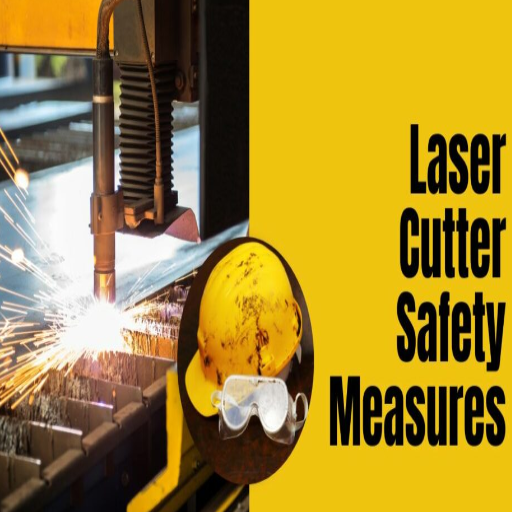
When working with the laser cutter, it is essential to take safety precautions to prevent injuries and damage. Some of the safety considerations are:
- Protective Eyewear: Safety glasses that protect against the wavelength and power of the lasers being used should always be worn. This will prevent harm to the eyes by direct or reflected laser beams.
- Proper Ventilation: If cutting produces fumes and particles that are harmful to health, then ventilation or an air extraction method should be established.
- Controlled Workspace: The laser should be used only in a designated area with limited access, ensuring that only trained personnel are exposed.
- Fire Prevention: Keep a fire extinguisher at hand and place it as far away from flammable materials as possible, as a high-powered laser may ignite nearby substances.
- Equipment Maintenance: Regular checks and maintenance should be in place to ensure the laser system is functioning correctly, by safety standards, and is free from any malfunctions.
All these safeguarding measures must be known and complied with by operators so that laser plate cutting can be conducted safely.
Common hazards: Laser radiation, fumes, and material handling
There are several hazards common to the laser plate cutting process that require immediate management to retain safety and efficiency.
Laser Radiation:
Hence, laser radiation poses threats to human sight and skin damage, but the operators themselves must employ PPE, and laser safety goggles corresponding to the given laser wavelength and power will be preferable. The barriers or screens can also aid in protecting as a further step towards risk reduction by limiting any potential exposure.
Fumes and Particulates:
Vaporized material, conversion into fumes, and airborne particulates may pose a hazard to the cutting process due to toxic fumes, depending on the nature of the surface being cut, which is often metals or coated surfaces. Proper ventilation systems can be deemed crucial and should be used in conjunction with local exhaust and industrial filtration units to ensure the capture and destruction of airborne contaminants, thereby considerably improving the air quality within the workplace.
Material Handling Risks:
The cutting of larger, heavier, or sharp-edged laser plates can cause accidents, including cutting hazards, sprains, and musculoskeletal disorders. To avoid such accidents, an operator should use lifting devices such as cranes and vacuum lifts and follow sound ergonomic practices.
Some hazards can be well controlled in work processes with advanced safety measures, informed by recent data on new designs for PPE and best ventilation technologies, resulting in optimized laser cutting processes.
Safety features in modern machines: Enclosures, alarms, and sensors
A long list of modern safety features has been built into every laser-cutting machine to protect operators and ensure safe, efficient operation. The enclosures should fully contain laser beams so that no one gets exposed to harmful radiation unawares. An alarm notifies operators of system errors and safety breaches, allowing operational contingencies to be implemented immediately in response to hazards. Sensors monitor the temperature, alignment of the beam, or performance of the machine, and shut down the operation if any of the involved parameters attains an unsafe value. I feel very confident that these are safe and reliable machines for day-to-day use.
Best practices for operators: Training and protective equipment
Several numerically controlled machines exist to perform specific tasks. Operators should be trained to carry out their work in safe and efficient conditions, and also provided with necessary protective equipment to ensure their safety. Such training should encompass not only the technical aspects of the equipment but also all hazards associated with its use, including safety and emergency procedures. Refresher courses, which involve practical demonstrations and provide widely accepted safety certificates, may significantly increase the operator’s confidence in their ability and preparation.
When dust or other hazardous pollutants cause an infection, prevention becomes the prime strategy against the danger. Thus, first of all, will the operator be wearing goggles and gloves, or using adequate shielding against radiation, if necessary? This will ensure utmost protection. Ergonomic tools may help reduce physical fatigue and thus serve as a precaution for the operator’s safety, according to newer regulations and professional insight. Among such tools are anti-fatigue mats and adjustable helmets. Operators can protect themselves and deliver quality performance through training and the use of protective resources.
Reference Sources
Published on ScienceDirect
Published on ScienceDirect
Published by AIP (American Institute of Physics)
Published on MDPI
Published on Google Books