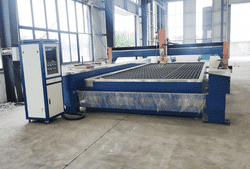


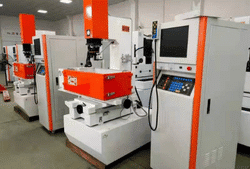



Therefore, the plasma cutting process has revolutionized industrial metal works with unmatched precision, speed, and versatility. Whether you are a professional fabricator, a hobbyist, or someone exploring the world of metalworking, it is essential to understand the basics of plasma cutting and the tools involved. We will explore the fundamental concepts of plasma cutting, including how plasma cutters operate, their diverse application areas, and what makes them an indispensable tool in modern manufacturing. After reading this article, one should have a better understanding of why this technology is a game-changer for both professionals and DIY enthusiasts. Stay with us as we break down everything you need to know about plasma cutting and its impact on the world of metalworking.
Introduction to Plasma Cutting
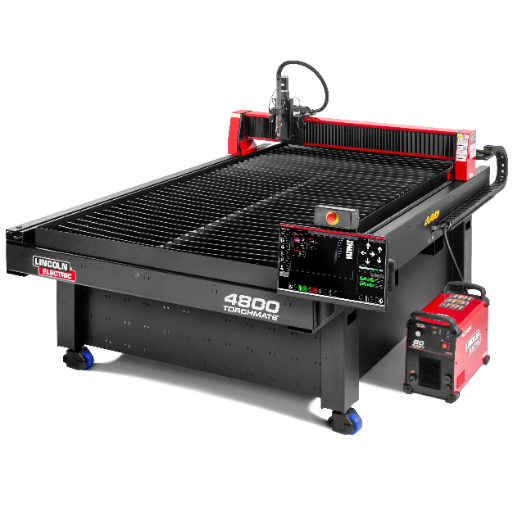
Plasma cutting is a process that cuts through electrically conductive materials, such as steel, aluminum, brass, and copper. It forms a channel of electricity through ionized gas, known as plasma, from the cutter to the workpiece. The plasma jet melts the material while an accelerated stream of gas pushes the molten metal away, resulting in a sieve-like cut. Cutter plasma is the fastest, accurate, and easiest to use for cutting materials of any thickness.
What is Plasma Cutting?
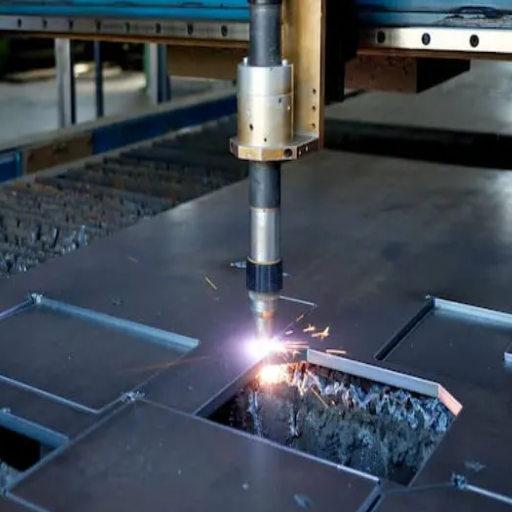
Plasma cutting involves cutting through extremely high-velocity jets of ionized gas, or plasma, onto electrically conductive materials such as steel, stainless steel, aluminum, brass, and copper. The arc electrically heats and ionizes the gas. The plasma reaches extremely high temperatures, melting the material being cut. This melting occurs while the high-speed jet of gas simultaneously blows away the molten material, resulting in a clean and sharp cut. Plasma cutting enjoys wide acceptance due to its quickness, sturdiness for diverse material thicknesses, and its ability to conform to both manual and automated sequences.
How Plasma Cut Works
The technique cuts through any electrically conductive material, such as steel, aluminum, brass, or copper, using an accelerated hot plasma jet. The power supply first generates an electrical arc that ionizes a gas such as oxygen, nitrogen, or compressed air, in addition to plasma. At 30,000°F, the plasma is hot enough to melt the metal being cut. Simultaneously, a high-velocity gas stream blows away the molten material, thus completing the cut with precision and cleanliness. Thanks to its versatility, plasma cutting can handle a wide range of material thicknesses with speed and accuracy. Industries highly value the technology, as it can be used manually or set up as a CNC automated system, lending it rich credibility as a trustworthy and efficient cutting technique for various applications.
Applications of Plasma Cutter Technology
The plasma cutting setup has gained significant traction across multiple industries, thanks to its efficient, precise, and versatile nature. Among the processes commonly used in metal fabrication, plasma cutters are employed to cut and shape steel, aluminum, or other metals for construction, automotive, and aerospace projects. They also play a crucial role in maintenance and repair operations by enabling the quick and precise cutting of metal parts on-site. Another circumstance in which plasma cutters are primarily used is in situations that require manufacturing pipelines and machine parts, particularly when accuracy is necessary for creating intricate components. Artists and hobbyists also use plasma cutting tools to craft intricate metal art and decorative pieces. The versatility of plasma cutter technology, whether manual or automated, in terms of application guarantees its status as a necessary tool in modern manufacturing and artistic domains.
Types of Plasma Cutting Processes
| Process Type | Description | Best Applications |
|---|---|---|
| Manual Plasma Cutting | A manual plasma torch is used to cut metal. This would be preferred whenever there is flexibility for field repair or custom fabrication. | Field repairs, custom fabrication |
| Mechanized Plasma Cutting | This process combines plasma cutting with an automated setup, typically a CNC. It provides a high degree of precision and uniformity and is hence used for industrial purposes and mass-scale production. | Industrial use, mass production |
| Air Plasma Cutting | Its cost-effectiveness and general character make it suitable for cutting with the plasma gas being compressed air. | Cost-effective general cutting |
| High-Definition Plasma Cutting | High-definition automated plasma cutting technology provides greater accuracy, enabling clean and intricate cuts where quality is demanded. | Precision applications requiring high quality |
The processes are designed to cater to a range of needs, offering flexibility and precision for different applications.
Overview of Plasma Cutting Processes
Plasma cutting enjoys a prolific reputation for its adaptability, swiftness, and precision, customizing solutions for various industries. Some of the key benefits offered include cutting through a wide range of metals, such as steel, aluminum, and stainless steel, with minimal surface polish required; and high-speed cutting, which reduces working hours, maintains quality, and supports the construction, automotive, and manufacturing industries.
The process is suitable for everything from intricate, detailed cutting to large-volume production, providing consistent results with minimal material deformation. An additional layer of precision is achieved when CNC (Computer Numerical Control) systems are used in tandem with plasma cutting, particularly in instances where repeatability and efficiency are key parameters. Due to these features, it is sought after for both small and industrial applications worldwide.
Comparison between Plasma Arc and Other Cutting Methods
| Cutting Method | Advantages | Limitations | Best For |
|---|---|---|---|
| Plasma Arc | Fast, versatile with conductive metals, and cost-effective for medium-thick materials | Less precision than a laser for intricate designs | High-speed applications, various metal types |
| Oxy-fuel | Good for thick materials | Limited to ferrous materials only | Heavy steel cutting |
| Laser | High precision for intricate designs | Higher cost, especially for thick materials | Detailed, precise cutting |
| Waterjet | Cold cutting, no heat effects | Slower speed, higher setup costs | Heat-sensitive materials |
Speed and accuracy are among the outstanding features of plasma arc cutting. It is a more adaptable option compared to other tools, such as oxy-fuel, laser, and waterjet cutting. Oxy-fuel cutting is restricted to ferrous materials; plasma cutting can, therefore, proficiently cut through conductive metals, both ferrous and non-ferrous. Furthermore, speed is another factor working in favor of plasma cutting, especially when working with thin steel materials—the thinner the material, the faster the operation, making it perfect for high-speed applications. Compared to laser cutting, plasma cutting cannot achieve the same level of precision for intricate designs; however, it certainly outperforms laser cutting in terms of price for medium- to thick-materials, and it is also low-maintenance. And, of course, waterjet cutting is available to make the cuts cold in cases where heat is a factor for the material; yet, the higher cutting speed and lower setup costs favor plasma in most industrial applications. In all, plasma arc cutting enjoys a reputation as a solution that best combines speed, price, and versatility, making it a universal designing technology for many types of cutting needs.
Benefits of Using Plasma Cut for Various Materials
When it comes to process advantages while working with different materials (primarily metals), plasma cutting offers several distinct advantages, particularly with steel, aluminum, and stainless steel. Some notable features include its fast and efficient cutting of thick materials, which makes it suitable for industrial applications. A plasma cutter makes relatively easy work of varying thicknesses, producing smooth and clean edges that often do not require any post-work treatment.
Plasma cutting is also versatile; it can cut a vast array of conductive metals without requiring preheating. Time and energy, thus, are conserved. It is also worthwhile considering that plasma cutters are cheaper, with low running costs due to less consumption of processes, consumables, and maintenance. It has also evolved technologically to achieve good cuts with minimal distortion of intricate or complex designs.
The last reason for its being another most widely used cutting technology is that plasma cutting is simple to operate and is perhaps easy to carry out by the worker, making it a good choice for both amateurs and professionals. Speed and price, along with the variability across differing materials and thicknesses, make this one of the most sought-after cutting technologies.
CNC Plasma Cutting Machines
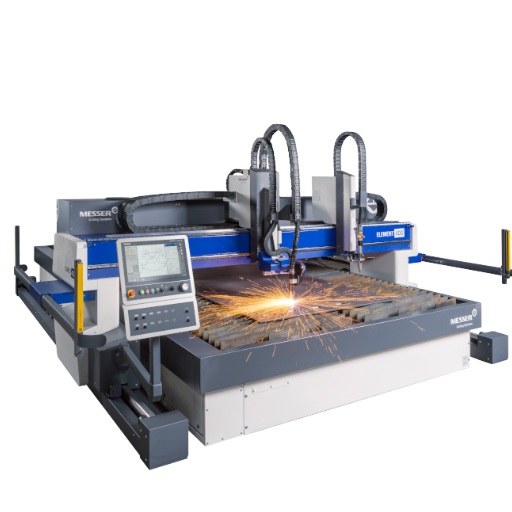
What is CNC plasma-cutting-machines-cutting? Plasma-cutting machines using CNC technology. CNC machines utilize high levels of precision and accuracy, and with minimal input on design, intricate cuts with almost no errors in replicability can be made. Due to the principal nature of plasma cutting, it is widely applied to metals such as steel, aluminum, and copper. Finally, the plasma cutter machine has served as a working tool for all large-scale affairs, as well as for small and custom jobs that require it.
What is CNC Plasma Cutting?
CNC plasma cutting is a fabrication process in which a CNC system guides a plasma torch to cut through electrically conductive materials. The process creates an electrically conductive channel of superheated, electrically ionized gas (plasma) that melts and removes the material, ensuring smooth and accurate cuts.
Modern CNC plasma cutting systems come equipped with the most advanced software technology capable of automating complex cuts with high accuracy. They offer cutting speeds of up to 500 inches per minute, depending on the material and thickness, making them suitable for commercial cutting applications. They can, therefore, cut through materials such as mild steel, stainless steel, and aluminum, with thicknesses depending on the model and the power of the plasma cutter, ranging anywhere from 0.03 inches to over 6 inches.
A CNC plasma cutting machine has an excellent reputation worldwide for consistently delivering superior results in manufacturing and various industries, including construction, shipbuilding, automotive, and aerospace. The utilization of CAD/CAM software enables operators to program and reproduce complex designs with ease, thereby minimizing waste and maximizing productivity. On the other hand, with the evolution of plasma cutting, high-definition plasma systems have been introduced to enhance edge quality and cutting accuracy, setting new standards for industrial production efficiency and accuracy.
Advantages of CNC Plasma Machines
Exceptional Cutting Precision
CNC plasma machines can handle cutting metals, including stainless steel, aluminum, and mild steel, with extremely high precision. Modern-day and top-end high-definition plasma systems are capable of maintaining a tolerance of ±0.005 inches, enabling the creation of complicated and tightly defined designs with minimal material wastage. Such precision is significant in those industries that require high-quality finishes and intricately designed components.
Increased Speed and Efficiency
CNC plasma cutting machines offer speed and efficiency over conventional cutting methods. These machines differ in speed, depending on thickness and type of metal, but they may cut at speeds up to 500 inches in one minute, the very reason they are of extreme importance under any production deadline.
Working on Different Materials
CNC plasma machines can handle various conductive metals of different thicknesses, ranging from thin sheets to 2 inches thick. The versatility makes them an apt choice for industries such as manufacturing, construction, and art, where a wide variety of materials are commonly used.
Cost-Effectiveness
Production cycles take less time, cutting down on waste and enhancing, so they keep a company from turning up even more operational costs.
Provides a Healthier Working Environment in Place
Safety features, such as automatic shutdown, ventilation, and exhaust systems to scavenge fumes and sparks, are systems integrated into most modern CNC plasma systems. These design features not only generously safeguard the operator but also ensure the overall safety of the work environment.
Automation and Advanced Software Integration
CNC plasma equipment features current state-of-the-art software for automation and integration with other production systems. Nesting software ensures maximum material utilization, while real-time monitoring systems check performance to optimize consistent quality in output.
As these machines, combined with technological advances, gain credibility, they continue to be required in industries that demand extra precision, speed, and maximum productivity. These distinguished features embedded into a skillful design put the CNC plasma machines in league with the truly modern manufacturing technology.
Key Features to Look for in CNC Plasma Cutters
Some of the essential aspects and features to consider in choosing a CNC plasma system to meet your exact requirements for your work or projects:
- Cutting Capacity and Power: The amperage and cutting capacity of the plasma cutter determine the maximum material thickness it can handle. Choosing high-power models means that they can cut thicker materials; these are generally apt for heavy industrial work. Hence, always make sure that the power of the machine does not overpower or underpower the project at hand.
- Precision and Accuracy: Opt for machines that utilize state-of-the-art torch technology and motion control, ensuring they perform with precision and deliver clean cuts. Features that support height control and fine-cut consumables will significantly enhance cutting quality.
- Software Integration: User-friendly and feature-rich software for programming cuts is one key consideration. Find a system that can integrate with CAD/CAM conversion, nesting software, and automated tooling paths to create a seamless workflow and increase productivity.
- Build Quality and Durability: Of paramount importance if you intend to work in harsh environments is durability. The cutting apparatus will remain in operation over time with minimal repairs when equipped with a sturdy frame and top-notch components.
- Speed and Efficiency of Cutting: A fast CNC plasma cutter can increase production while maintaining cut quality. Adjustable speed control also offers flexibility when working with various materials.
- Portability: If you find yourself in a small workspace, this portable functionality of a plasma cutter can be handy, especially if you need to go on-site for a job. However, trade this portable capacity for power and capacity if the task requires it.
- Cost of Consumables and Maintenance: Consider whether consumables, such as electrodes and nozzles, are inexpensive to replace and readily available. Machines with consumables of long life or with automated control for replacement requirements will save you in the long term.
An evaluation of these features ensures the appropriateness of CNC plasma cutters with respective operational requirements, thereby fostering efficiency and high-quality results.
Choosing the Right Plasma Machine
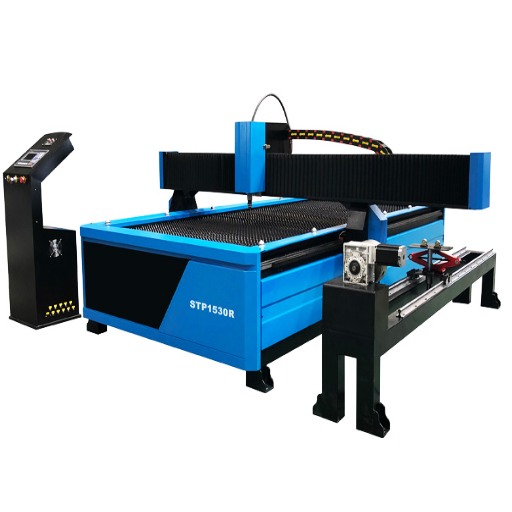
When buying a plasma machine, focus on these key considerations:
- Cutting Capacity: Consider the cutting thickness of the machine about the materials you will work on most often.
- Power Supply: Ensure the plasma cutter’s power output is sufficient to achieve a desired speed for various materials, meeting all your requirements.
- Portability: Opt for a lightweight and compact machine if mobility is required in certain situations.
- Ease of Use: An easy-to-understand model will make operation easier, especially with features like automatic torch height control.
- Durability and Reliability: Ensure the machine is made from high-quality materials and manufactured by a reputable company with excellent customer support.
Based on the factors above, you will ultimately choose a plasma machine that best suits your needs for efficient and effective operations.
Factors to Consider When Selecting a Plasma Cutter
Cutting Power and Material Compatibility
The cutting power of a plasma cutter, paramount for consideration, is often gauged in terms of amperage. Keep the thickness and nature of a material that needs to be cut periodically in mind. A plasma cutter with lighter duty in the range of 25 to 40 amps can cut materials up to ½ inch thick, whereas the industrial ones above 80 amps can cut through steel about 1 inch thick or more, efficiently.
Portability and Size
Now, the question is whether portability is a requisite for your operations. Portable plasma cutting machines are compact and lightweight, making them ideal for jobs that require mobility. Larger, stationary plasma cutters are powerful and suited to heavy-duty projects. Ergonomic designs have been incorporated into many models for easy transportation.
Running Costs and Efficiency
Modern plasma cutting machines are designed for maximum efficiency and minimal costs. The cheaper kinds consume more consumables, and therefore they incur higher maintenance costs. Choose a machine that features state-of-the-art energy efficiency systems and utilizes consumables that last longer, thereby keeping its long-term operational costs low.
Advanced Techniques and Technologies
Recent updates in plasma cutting technology encompass CNC compatibility and inverter technology. CNC plasma cutters are required when extreme precision is needed for intricate shapes and patterns, particularly in industrial and artistic applications. Inverter technology comes as a forward step as it ensures efficient power consumption, reducing energy consumption, together with providing the most stable arc for clean cutting.
By considering the above-mentioned factors, you will make a well-informed decision that aligns your operational objectives with process efficiency, economy, and excellence.
Common Brands and Models of Plasma Cutting Machines
Several renowned brands and models are noted for offering excellent performance and reliability in plasma cutting:
Hypertherm Powermax Series
Hypertherm is a name synonymous with power cutting systems, such as those under Powermax. Included under Powermax are the models Powermax 45 XP and Powermax 65. All Powermax systems are rugged, efficient, and technologically advanced, with the ability to detect changes in gas pressure and adjust accordingly via Smart Sense. Both industrial operators and hobbyists widely use them for their precision and ease of use.
Lincoln Electric Tomahawk Series
If one were to choose between the Tomahawk 375 Air and the Tomahawk 625, it would be hard to beat their portability and top-notch cutting quality. The machines are user-friendly and provide nearly perfect arcs for most cutting applications.
Miller Spectrum Series
The Miller Spectrum series, including the Spectrum 375 X-Treme, is renowned for its portability and precision. These machines almost always auto-line, adjusting to varying power supplies, granting them flexibility in various environmental conditions.
In terms of technology, ease of use, and efficiency, these brands and models provide the best options to professionals and beginners alike.
Cost Considerations for Plasma Cutters
Plasma cutter prices vary widely depending on parameters such as cutting capacity, brand, and features. Entry-level machines for hobbyists or light-duty applications typically cost between approximately $300 and nearly $800. Mid-tier plasma cutters range from $800 to $1,500 and are suitable for more frequent use and thicker materials. High-end professional models, meant for industrial use, cost over $2,500.
Other costs that may be incurred include consumables such as electrodes and nozzles, as well as maintenance and power requirements. A quality plasma cutter has a somewhat higher initial price, but with its efficiency, durability, and reduced consumables replacement costs, it saves you in the long run. Moreover, warranties, after-sales support, and the brand’s reputation also significantly define the worth of your investment.
Safety Measures in Plasma Cutting
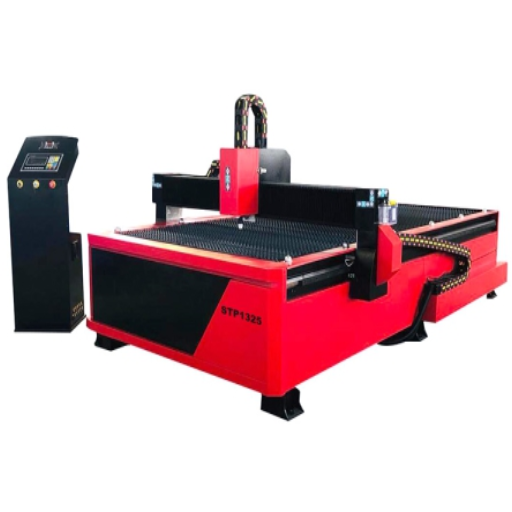
The very foremost consideration while plasma cutting is safety. Observing these safety precautions can contribute to creating a secure working environment:
- Wear Protective Gear: Always wear personal protective equipment (PPE), such as safety goggles or a welding helmet with the appropriate shade, for protection against bright arcs. Additionally, use gloves to protect your fingers, hands, and forearms against burns, and wear flame-resistant clothing to protect the rest of your body.
- Ensure Proper Ventilation: Operate in a well-ventilated area or use an exhaust system to avoid inhaling fumes or dust released during cutting.
- Inspect Equipment: Make it a point to regularly check your plasma cutter, cables, and connections for any signs of wear or damage. This inspection will ensure that the equipment is functioning correctly and safely.
- Ground the Workpiece: Proper grounding will reduce the risk of shocks and ensure stable cutting performance.
- Keep the Work Area Clear: Remove flammable materials and maintain a tidy workspace to prevent fire hazards and tripping risks.
Following these guidelines will make for an even safer and smoother plasma cutting experience.
Personal Protective Equipment (PPE) Requirements
Safety procedures require personnel to wear the correct Personal Protective Equipment (PPE) when operating a plasma cutter. OSHA and industry standards emphasize the importance of specific PPE for hazards related to heat, sparks, and UV radiation generated during cutting operations. The following are the minimum requirements of PPE:
| PPE Item | Specification | Protection Against |
|---|---|---|
| Welding Helmet | Lens shade of at least 9 (depending on amps) | UV and infrared radiation, flash burns |
| Protective Clothing | Fire-resistant materials (leather or non-burning materials), long sleeves and pants | Molten metal splatter and sparks |
| Eye Protection | Safety glasses with side shields (ANSI Z87.1 compliant) | Flying debris and particles |
| Hearing Protection | Earplugs and earmuffs for noise above 85 dB | Hearing damage from 85-120 dB noise levels |
| Respiratory Protection | Respirator or fume extractor rated for metal cutting fumes | Toxic fumes and fine powder dust |
| Hand Protection | Heat-resistant welding/plasma cutting gloves | Burns, cuts, and abrasions |
| Footwear | Leather work boots with non-slip soles | Falling objects, sparks, and hot metal |
Plasma cutting generates a lot of UV and infrared radiation. Depending on the amps being used, it’s advised to wear a welding helmet with a lens shade of at least 9 to protect the eyes from radiation and to avoid flash burns.
Fire-resistant materials, such as those used in jackets, gloves, and aprons made from leather or other non-burning materials, are recommended. The clothing should have long sleeves and long pants to further shield against the molten metal splatter and sparks.
In addition to the welding helmet, safety glasses with side shields (compliant with ANSI Z87.1) must be worn for protection against flying debris and particles.
Depending on their model and working conditions, plasma cutters produce noise with a varied range of loudness, typically between 85 and 120 dB. Uninterrupted noise of above 85 dB damages hearing, thus making earplugs and earmuffs a necessary safety consideration.
Toxic fumes and fine powder dust are generated in cutting, especially while cutting coated or treated metals. Using a respirator or a fume extractor rated for metal cutting fumes will help maintain air quality within safe limits and reduce long-term respiratory health risks.
Heat-resistant gloves, intended for welding or plasma cutting, will keep hands protected against burns, cuts, and abrasions. They are usually reinforced, allowing for durability and dexterity.
Leather work boots or shoes with non-slip soles help protect feet from falling objects, sparks, and hot metal, thus ensuring safety and stability during working conditions.
By donning proper PPE, plasma operators not only ensure safety compliance but also considerably mitigate the risk of injury during plasma cutting operations. Proper maintenance and inspection of all PPE are essential to ensure the PPE continues to protect the user.
Common Hazards in the Plasma Cutting Process
I would say that the common hazards in plasma cutting processes I’ve seen mainly involve intense light radiation exposure, burns from hot materials, and inhalation of fumes or particulates. There is also an electric shock hazard from improper equipment use, as well as a possibility of fires from sparks. Being aware of these risks helps me mitigate incidents, and practicing safety makes work much easier.
Best Practices for Safe Operation
- Wear Protective Gear: Always wear the appropriate personal protective equipment (PPE), including safety glasses with side shields, a welding helmet with the correct shade number, flame-resistant gloves, and a long-sleeved shirt to protect against spark burns and UV radiation.
- Allow for Proper Ventilation: The plasma cutting work should be performed in well-ventilated settings or with the use of an appropriate and effective fume extraction system to minimize the risk of inhaling hazardous fumes or particulates.
- Inspect Equipment: Regularly check the plasma cutter for damaged cables, loose connections, or worn-out components. Good maintenance leads to a safe operation and also reduces the chance of electrical hazards.
- Follow Electrical Safety Procedures: Ensure that the equipment has an acceptable ground, and avoid standing on wet surfaces that might increase the risk of an electric shock.
- Control Sparks and Fire Hazards: Keep a safe distance from the plasma cutting area and any combustible materials. Have a fire extinguisher or fire blanket readily available in case of an emergency.
- Proper Equipment Setup and Handling: Use the correct gas pressure and settings for your plasma cutter. All operators must be trained in safe handling practices and understand the machine’s operation.
Following the above practices will help reduce accidents and ensure an even safer working environment for plasma cutting.
Reference Sources
2. Implementation of Certainty Factor Method for Diagnosing CNC Plasma Cutting Machine Issues
3. Spatial Three-dimensional Technology of Special-shaped Pier Based on BIM
Frequently Asked Questions (FAQs)
What benefits do CNC Plasma Cutting Machines offer?
CNC Plasma Cutting Machines offer high accuracy and speed in the cutting operations. The machines are designed for use in various industries, such as metal fabrication and automotive repair, where complex shapes and patterns require precise cutting with minimal manual intervention.
How does it differ from standard cutting processes?
Instead of using a blade, plasma cutting operates via a high-speed jet of ionized gas. This allows for faster cutting and can restrict the use of a wide range of metals, including mild steel and stainless steel, with a significant heat-affected zone.
What materials can a plasma cutting torch cut?
The plasma cutting torch can cut a variety of materials, including sheet metal, aluminum, copper, and other electrically conductive materials. It can be anything from cutting thick sheets of metal, which can be difficult for other cutting methods.
What is the function of the plasma arc in the plasma cutting system?
The plasma arc is the crux of the plasma cutting system. It generates the immense heat required to melt the metal and is formed when an electric arc is passed through a gas, thereby ionizing it into plasma. This enables the cutting of metals in an efficient, versatile, and precise manner.
Are there different types of plasma cutting apparatus available?
Indeed, there are different types of plasma cutting apparatus: the handheld plasma cutters and the CNC plasma cutting tables. Each apparatus is designed for specific cutting applications, and various features are offered, including hard height control and optional automation to further enhance cutting efficiency.
Why is amperage necessary in plasma cutting?
Amperage is a crucial factor in plasma cutting, as the selection of amperage significantly impacts both the cutting speed and the cut quality. Higher amperage will allow thick-cutting materials to be cut fast, while lower amperage will be suitable for cutting thin materials. Ensure that proper amperage settings are maintained to achieve good cut quality and performance with the actuating plasma cutter.
Therefore, how do ventilation systems impact the plasma cutting process?
Ventilation systems are required when plasma cutting is carried out to ensure safe working conditions. They will remove the fumes and particles generated during the cutting process, thereby minimizing health risks to operators and maintaining a high-quality work environment in fabrication shops.
What are the optional accessories to consider in a plasma machine?
When considering a plasma machine, certain optional items that one may want to consider include CNC software for precision control, automatic height control to maintain regular cutting, and various torch configurations. The inclusion of these options in your plasma cutting setup will undoubtedly pay off, offering increased productivity and versatility.