




Introduction to CNC Lathe Machines
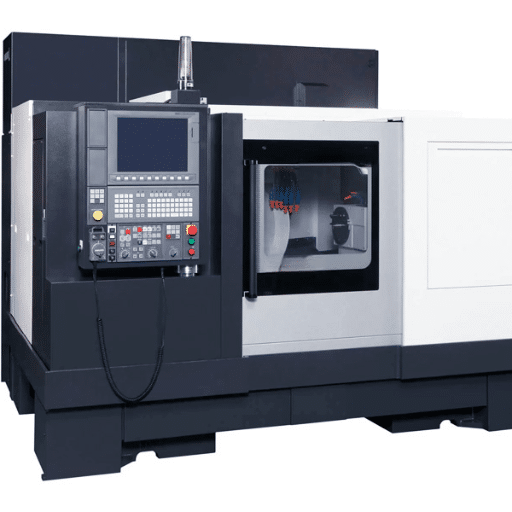
CNC requires replacing several technical components, and human operators in CNC lathe machining operations must first handle them during machine use. These machines use rapidly rotating parts to break a tooth into fine dust. By comparison, today’s CNC lathe machine tools are so precise that people no longer carry out machine loading and unloading of tools. For this reason, they offer their integration up to micrometric accuracy.
What is a CNC Lathe?
The CNC lathe tool is a versatile tool that plays a significant role in shaping materials, including metals, wood, and plastics. The device cuts, sands, drills, and cuts into several pieces at a low cost. The movement process is controlled by computerized management using the CNC machine, thus guaranteeing high standards of precision and consistency in quality, either intricate or simple.
🔧 Key Capabilities
- Precise machinery controls for ultra fine work
- Act quickly to make improvements
- Thousands of prototypes ready in just a fraction of the time
- Capability to deal with tolerances as tight as of the order of micro inches
The Importance of Precision in Modern Manufacturing
In the modern world of manufacturing, precision is the big cheese in uninterrupted product quality, compliance with rigging regulations, as well as top performance in various demanding arenas. It is beyond any doubt that technological progress and systems-in-place oriented towards data have turned precision into the criterion of competitive advantage. The need of precision is more pronounced in industries such as aerospace, healthcare, and automotive, where precision engineering is always in demand to meet safety standards and maximum performance.
⚙️ Precision Manufacturing Impact
The adoption of technologies such as CNC machining and robotization has opened the door for manufacturers to work with tolerances as tight as a few microns thus lowering errors and material losses. Recent data indicate that both consumers and industries are prioritizing higher-quality, more reliable products; therefore, precision manufacturing has become not only a necessity but also a source of innovation and sustainability.
Overview of CNC Lathe Technology
CNC lathe technology is an invention in manufacturing that allows delicate designs to be crafted automatically and accurately. Machines of the type require that operating variables such as cutting tools, spindle speeds, and material feeding rates be maintained under pre-programmed conditions in order to guarantee being both accurate and efficient. Cylindrical parts suitable for unparalleled precision shafts, sleeves, and fittings can be easily produced by the machine.
🎯 Advanced Features
- Multi-axis machining capabilities
- Live tools for milling and drilling
- Real-time monitoring systems
🏭 Industry Applications
- Aerospace components
- Automotive parts manufacturing
- Medical device production
📊 Efficiency Benefits
- Reduced lead times
- Minimized material losses
- High efficiency for any batch size
Top CNC Lathe Machines on the Market
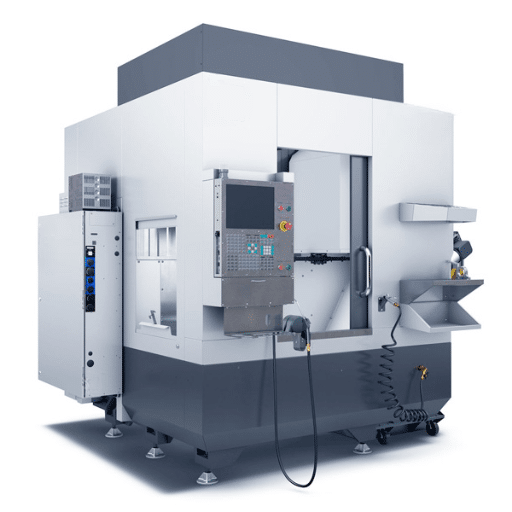
Best CNC Lathe: Features and Benefits
High Precision
Extremely accurate creation of complicated shapes with stringent tolerances
Automation
Advanced features requiring minimal manual work, lowering labor costs
Versatility
Works with vast variety of materials from metals to plastics
User-Friendly
Easy-to-use software and controls for effortless programming
Durability
Strong and sturdy construction for excellent prolonged performance
DMG Mori: Precision and Innovation
DMG Mori aims to harmoniously incorporate technology and ingenuity to overcome the challenges faced. They offer the highest quality CNC lathes and machining centers so that DMG Mori can keep a focus on delivering unparalleled performance, end-user usability, and applications for various industry sectors. The company sets standards for precision parameters putting error-free, real-time processes in place throughout the manufacturing cycle. Acting responsibly, DMG Mori aims to sell to the manufacturing industry by churning out eco-friendly and energy-efficient machinery.
Okuma: Reliability and Performance
To cater to the requirements of various manufacturing processes, Okuma’s work has become known as an adept and dedicated manufacturer with machines that are truly high performance and reliable, where all manufacturing steps follow rigid quality and durabitily standards with precision engineering and rugged design priorities. In addition, the application of new technologies such as exclusive control systems help the company raise productivity and streamline manufacturing processes. The application of innovation and superior customer support on the part of the company has made it the litmus touchstone for global manufacturers.
Choosing the Right CNC Lathe Machine
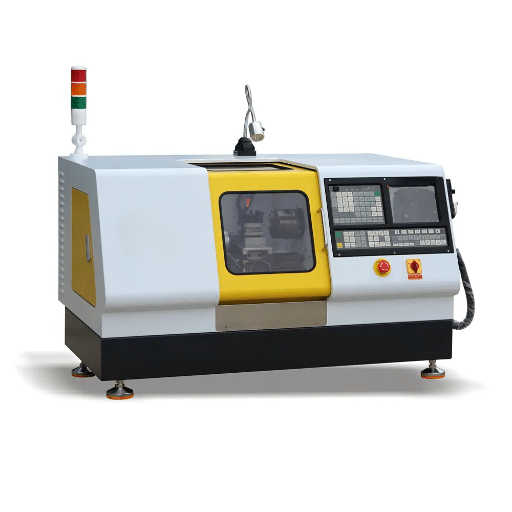
Various considerations should be taken into account when selecting the CNC machine, which completes the business objectives. The precision of the workpiece has to be of paramount importance during the purchase of the machine because the precision determines the overall head and tail. While very less stress is put on the cutting tools as a necessity, top-ranking, including but not limited to cutting ability, are the design of the tool and the hold of the tool in place. Since total spindle rotation is directly proportional to power, it will obviously be necessary to calculate the desired spindle and motor power so as to ensure a given production goal.
Factors to Consider for Specific Needs
Understanding Your Production Requirements
📋 Essential Assessment Checklist
Product Specifications
Analyze size, material, and tolerance requirements
Production Volume
Determine large-scale or small custom manufacturing needs
Production Speed
Evaluate desired throughput and cycle time requirements
Logistics Capabilities
Assess storage and operational flow requirements
Future Trends in CNC Lathe Technology
The greatest discourse within CNC lathes will revolve around automation, precision, and linkage in the next few decades. Given that the trends in these arenas are already significantly AI and machine-learning-centric, optimized machines and AI will drive intelligent processing.
AI & Machine Learning
Systems capable of optimizing machining processes and forecasting maintenance requirements
Multi-Axis Expansion
Widening spectrum of functionalities for making more detailed parts with reduced working steps
IIoT Connectivity
Real-time data delivery to maximize efficiency and minimize production interruptions
Eco-Friendly Manufacturing
Energy-saving configurations and sustainable raw material sourcing becoming standard
Maintenance Tips for CNC Lathe Machines

🧹 Regular Cleaning
Removing chips, dust, and dirt from the machine after each use is the safest way to keep it clean. This prevents the buildup from negatively affecting performance and precision.
🛢️ Lubrication
Proper lubrication reduces friction, extends component life, and prevents wear and tear.
🔧 Inspect & Replace Worn Parts
Always conduct inspections to identify worn or damaged parts, such as belts or bearings, and replace them promptly to prevent the machine from idling.
💧 Monitor Coolant Levels
Be sure to have enough coolant and of good quality all the time. Insufficient or dirty coolant can cause the machine to overheat and damage the tool.
📐 Verify Alignment & Calibration
Make it a routine to check the machine’s alignment and calibration periodically to maintain operational precision and accuracy. Misalignment may result in inferior product quality.
Routine Maintenance Practices
To maintain a lathe as per schedule can assist me in ensuring it runs at an optimal pace and enhances the overall useful life for some long time. But before anything I always go for a cleaning routine, to maintain it at regular intervals. I always sift the chips and dust particles that tend to accumulate on the crucial areas of machines and disturb the functioning to cause defects.
🔑 Key Maintenance Steps
- When diagnostic tests are performed for preventive maintenance, lubrication systems should be calibrated so that all moving parts have enough grease.
- Monitor and be extremely careful about the occurrence of possible material wear and spindle, which is one of the critical components.
- Necessary replacements to keep exactness and efficiency maintained
Ensuring Longevity and Accuracy
Maintenance is particularly necessary for providing the required long life and precision in lathe and milling machines. While maintaining top condition of state any or both of the following will go a long way in preserving and maintaining the machine.
Clean Workspace
Keep the entire machine clean, including slides, filters, and enclosures, to prevent contamination.
System Checks
Frequent lubrication and inspection of belts, seals, and bearings for irregularities
Machine Alignment
Proper alignment prevents positioning errors and ensures precise results over time
Monitoring Software
CNC monitoring provides real-time feedback spotting early signs of issues
Common Issues and Troubleshooting
Industries Utilizing High-Precision CNC Lathes
Automotive Industry Applications
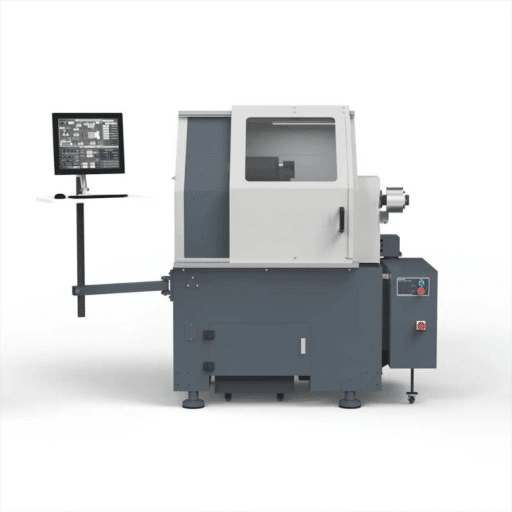
High-precision CNC lathes are a must for the automotive industry to create parts that are not only very precise but also high-on-durability. Engine parts such as pistons and crankshafts and the transmission and brake systems are involved in mainly these activities. Accuracy of CNC lathes ensures that products are of very good quality itself, making them very reliable and safe thereby conforming to the high quality standards demanded by modern car manufacturing.
Aerospace Industry Demands
The aerospace industry heavily relies on high-precision CNC lathes to meet its exacting standards for safety and performance. These machines are indispensable for producing complex and lightweight components, such as turbine blades, engine housings, and landing gear parts, all of which require exceptional accuracy and durability.
🔬 Advanced Material Handling
With advancements in material science, aerospace manufacturers increasingly work with titanium and composite materials, and CNC lathes are equipped to handle these demanding materials with precision. The ability to meet tight tolerances is critical in this industry, ensuring components can withstand extreme pressures and temperatures while maintaining structural integrity.
Medical Device Manufacturing
CNC lathes are increasingly important in medical manufacturing owing to their ability to create highly exact, hierarchical parts. Medicine is an exacting field with many requirements-and it is, logically, very demanding with respect to critical parts like surgical instruments, implants, and diagnostic tools. These parts are usually made from stainless steel, titanium, or specific medical-grade polymers that all need very precise machining in order to match rigorous regulatory requirements. By producing tightly clustered parts of high quality, this CNC technology provides a positive influence on the medical device world, rendering items more highly reliable and thereby at least somewhat increasing acceptance among the medical community-and eventually the patients.
Reference Sources
-
Research and Prospects of CNC Lathe
- An academic article discussing the advancements and applications of CNC lathes in precision machining.
-
Research on CNC Lathe Programming and Improving Machining Accuracy
- A research paper focusing on the role of programming in CNC lathes and its impact on machining precision.
-
Evaluation of CNC Lathe Machine with Fuzzy Linguistic MCDM Methods
- A scientific evaluation of CNC lathe machines using advanced decision-making methods.
-
A Comparison of CNC Lathe Machine Programming Simulation and Production Results
- A research paper comparing CNC lathe programming simulations with actual production outcomes.
- Premium Metalworking Lathes for Sale
Frequently Asked Questions (FAQs)
❓ What factors distinguish the best CNC lathe machine for precision work?
The utilization of the best CNC lathes for precision work provides a mixture of the highest performance rigidity, the most advanced control systems, and the most precise spindle. They offer extraordinary consistency in cutting of metals and very tight tolerances on precision metal parts. Features such as live tooling, precise RPM control, stable beds, quick tool changes, and comprehensive after-sales support are among the most important. Consistently rated brands include Haas, Mazak, and Doosan, who deliver robust hardware together with software that restricts cycle time and supports milling and turning operations in one setup.
❓ What’s the difference between Haas and Mazak for high precision machining?
Haas machines are very user-friendly, competitively priced, and receive consistently positive reviews from the machine shop community, while Mazak usually leads in multi-tasking centers and control systems. A machinist with high precision as a top priority should consider the overall rigidity, spindle rpm range, tooling options, and after-sales service. Both brands offer high-precision CNC lathes, but Mazak may be ahead in hybrid and multi-axis turning and milling, while also providing cost-effective workhorse machines with lower operating costs for many CNC turning applications.
❓ What criteria should I follow for selecting the best CNC lathe?
The selection is about pairing the performance metric to the characteristic of your typical workpieces: assess cycle times, spindle power and rpm, turret configuration, and whether you need live tooling for milling and turning in one setup. Enquire whether you want a horizontal CNC lathe or a bed CNC lathe for bigger shafts, the acceptability of automatic lathe options for high-volume parts, and the total cost of ownership including predictive maintenance, spare parts, and after-sales service. Choose machines that are capable of quick tool changes and have been subjected to rigidity tests as this will enhance precision metal results.
❓ What’s the difference between a horizontal CNC lathe and a manual one?
A horizontally mounted CNC lathe can perform automated, highly accurate, repeatable machining much faster, thanks to advanced control systems, compared with a manual lathe, which is slower and less precise because the entire process is manual. Horizontal CNC lathes can perform both complex turning and milling and even be equipped with live tooling. In contrast, a conventional (manual) lathe is the cost-effective option for simple metal lathe jobs. Production volume, required tolerances, and the level of skill of the machinists available in the company are factors you should consider when making a choice.
❓ What is the right methodology to rank features and forecast total cost?
The main characteristics to look for are rigidity, spindle RPM range, tooling options (including turret and quick tool changes), automation features, and the quality of the control system. The comparison of the purchase price with the long-term benefits like lower operational costs, shorter cycle times, and available after-sales service will help you to make a correct assessment. When assessing future-proofing and resale value, consider market projections and demand—for example, the machine market is projected to see higher adoption of advanced CNC and AI-powered predictive maintenance.