


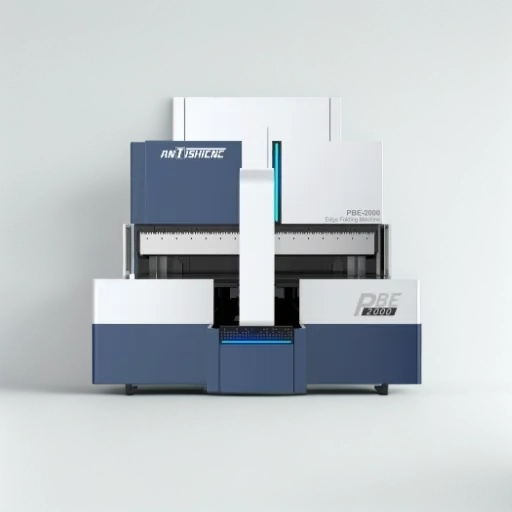
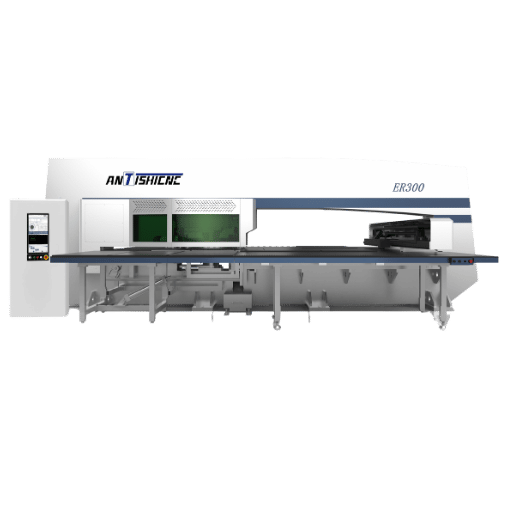
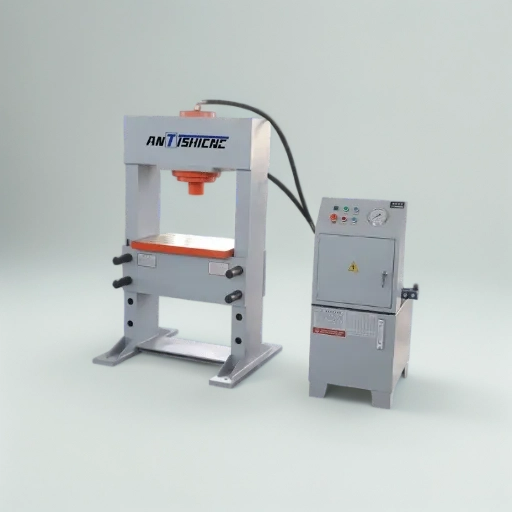


It is important to know why shapers, slotting machines, and planers work the way they do, in order that one is skilled in manufacturing or machining, or metalworking. These machines do this for a reason; each of them has different strengths and purposesfor material removal. This detailed paper will look further into what each one of them is good for and why different machines are used.
The Shaper Machine

A shaper is an instrument that helps to machine surfaces and shapes by removing metal from the workpiece. It does so by using a single-point cutting tool that moves linearly in a linear path, where the workpiece is held in a fixed position. Shaper machines are extremely efficient in shaping flat surfaces, fabricating grooves and slots with high and cost-efficient accuracy, and are especially useful in workshops where the intended part does not need to be produced in large numbers.
🔧 Shaper Machine Operations
Machines categorised in this group of shapers have the function of changing the rotary motion into a linear motion through a ram. This gives a cutting action during the forward stroke of the tool while the return stroke is idle. The workpiece does not move and it remains on an adjustable table that is elevated or lowered.
⚙️ Design Features of the Shaper Machine
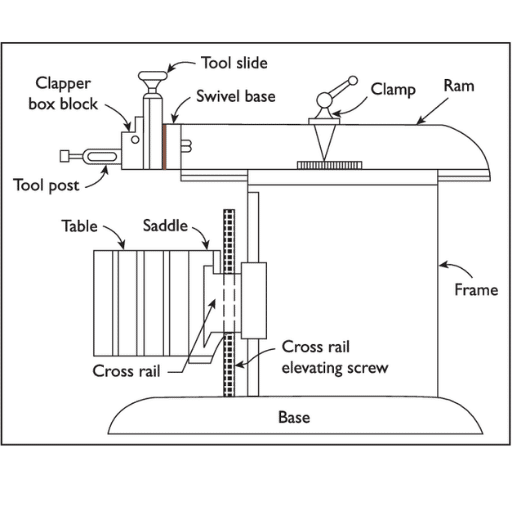
- The Ram: Secures and operates the cutting tool, applying cutting action during consolidation movement
- Tool Head: Provides precise tool angling for various surface orientations
- Worktable: Strong, adjustable platform for holding and aligning workpieces
- Clapper Box: Permits cutting edge lift during return stroke, preventing tool/workpiece damage
- Base: Supports the entire machinery structure
- Feeding Mechanism: Controls progressive workpiece movement for continuous material removal
- Adjustable Ram Stroke: Allows stroke adjustment to match workpiece size requirements
- Ram Drive: Converts rotary motion to linear reciprocation through crank and slotted link mechanisms
🎯 Applications of the Shaper Machine
Surface Operations
- Flat surface shaping
- Angular face machining
- Complex surface shaping
Specialized Cutting
- Keyway cutting
- Gear tooth cutting
- Groove and slot cutting
Maintenance & Prototyping
- Tool sharpening
- Prototyping
- Repair work
The Planer Machine
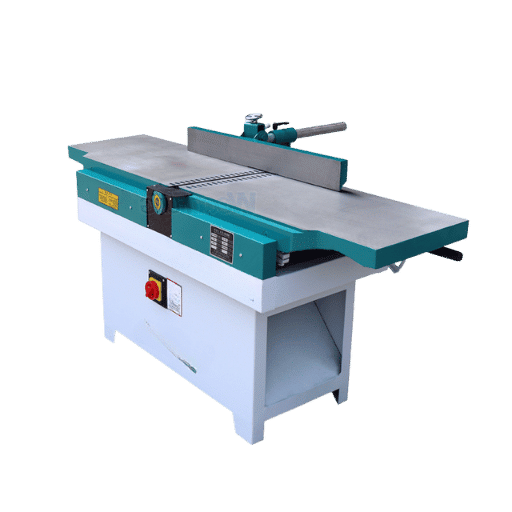
🏗️ Functionality of the Planer Machine
Planing machines are those types of machines that support the workpiece below the stationary cutting tool. Since the woodwork has to offer resistance lists, give and take those forces, the work-state’s work-state moves back and forwards along a line; linear work-table movements make planes; and engines in such cases can build lines of larger lengths that are smooth, patterning the surface with an undulating thin layer of varying width.
⚙️ Design Features of the Planer Machine
- Base and Table: Supports the machine and provides reciprocating motion capability
- Column and Cross Rail: Structural support with cross rail for tool positioning
- Tool Heads: Enable surgical and linear adjustments for precise angular cutting
- Drive System: Motor-powered system with belts, hydraulics, and mechanical connections
- Rails: Hardened rails providing smooth motion and precision
- Fastening System: Secure workpiece clamping during machining
- Lubrication & Control: Advanced lubrication and modern control features including numerical control
🎯 Applications of the Planer Machine
✓ Primary Operations
- Precision flat surface machining
- Angled surface cutting
- Large component machining
✓ Specialized Tasks
- Groove and keyway machining
- T-slot creation
- Material maximizing
The Slotting Machine
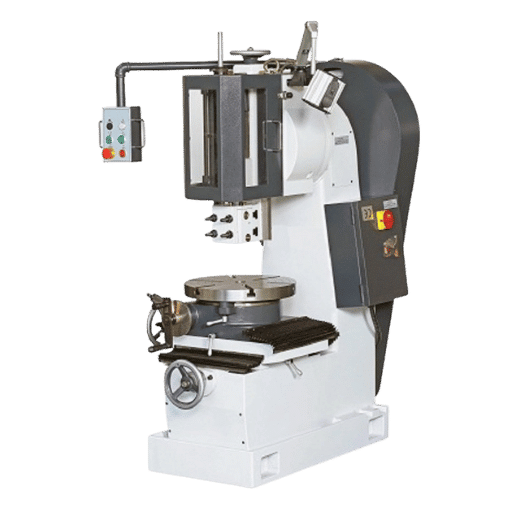
🔨 Mechanism of the Slotting Machine
The slotting machine specializes in creating slots, keyways, and hollow areas in workpieces. It employs a vertical, linear, reciprocating tool to create precisely shaped grooves. The machine’s accuracy stems from reciprocal movements along the worktable, enabling detailed and repeatable cuts where precision is crucial.
⚙️ Design Features of the Slotting Machine
- Base: Supports the entire structure and absorbs vibrations during operation
- Column: Vertical frame housing moving parts including ram and essential components
- Ram: Responsible for vertical motion and material cutting
- Worktable: Reliable surface with positional adjustment capability
- Cross-Slide Mechanism: Enables bi-directional table movement
- Toolhead: Houses multiple cutting tools with movable positioning
- Feed & Control Systems: Ensures equal cutting with progressive material movement and simplified process control
🎯 Applications of the Slotting Machine
Industrial Applications
- Keyway cutting in gears and pulleys
- Internal gear cutting for automotive
- Die making for manufacturing
Precision Work
- Spline cutting for shaft assemblies
- Flat surface machining
- Irregular profile shaping
Maintenance & Repair
- Slot and groove cutting
- Repair and maintenance tasks
- Automotive industry applications
Comparative Analysis: Key Features
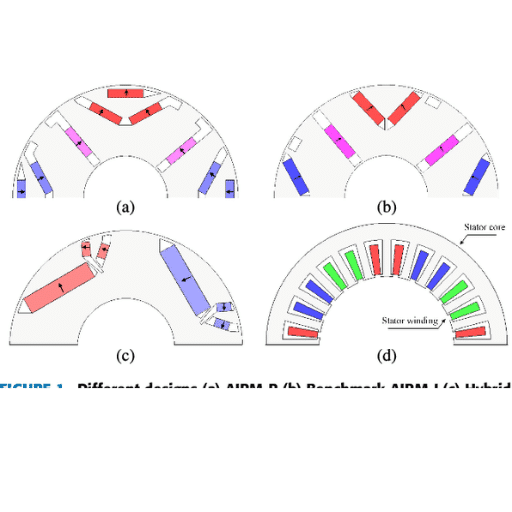
📊 Cutting Mechanism Differences
📏 Size and Capacity Differences
Shapers and slotters are designed for smaller workshops and targeted operations, excelling in precision work on light-to-moderate workpieces. These machines are compact and ideal for detailed machining in limited spaces. Planers, conversely, feature heavy-duty construction capable of handling large, bulky components and extensive surface areas, making them essential for industrial-scale operations.
Advantages and Limitations Analysis
🔧 Shaper Machine
✅ Benefits
- Suitable for smaller workshops with intelligent, detailed construction
- Creates angular surfaces, keyways, and intricate grooves
- Cost-effective operation and maintenance
- Slower process ideal for precision small machining
❌ Limitations
- Cannot handle large and heavy workpieces
- Limited workload capacity
- Slower than modern CNC alternatives
🔨 Slotter Machine
✅ Benefits
- Excellent for internal operations and slot machining
- Precision in gears, pulleys, and intricate parts
- Compact design for small workshops
- Cost-effective for specialized operations
❌ Limitations
- Limited to specific operations (internal slots/grooves)
- Slow operation with size restrictions
- Narrow application scope
🏗️ Planer Machine
✅ Benefits
- Handles large and heavy workpieces efficiently
- Creates large, smooth surfaces with precision
- Supports high-volume industrial production
- Excellent for massive operations and components
❌ Limitations
- Requires extensive space due to size
- High setup and replacement costs
- Limited to specific work types
- Significant power consumption
Modern Technological Advancements
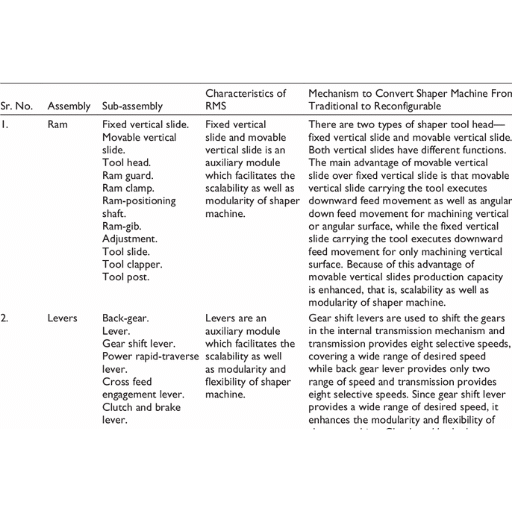
🤖 Automation and CNC Integration
CNC and automation have revolutionized shaper, planer, and slotting machinery. Modern systems have transitioned from manual operation to sophisticated automated processes, offering:
🎯 Better Accuracy
CNC ensures precise cuts, reducing errors and material waste
⚡ Improved Efficiency
Faster operations with simultaneous multi-workpiece capability
🔄 Complex Patterns
Automation enables complex geometrical patterns with CAD integration
🛡️ Enhanced Safety
Reduced human interaction minimizes safety risks
🔬 Material Science Influence
Advanced materials have significantly enhanced machine performance, durability, and versatility. Modern innovations include:
- High-Strength Materials: Titanium and tungsten carbide for extreme durability and longevity
- Composite Materials: Lightweight, corrosion-resistant components improving energy efficiency
- Advanced Coatings: Diamond-like carbon (DLC) and ceramic solutions reducing wear and friction
🌱 Sustainable Machining Technologies
Modern machining embraces sustainability through:
- AI-Optimized CNC Systems: Real-time production optimization
- 3D Printing Integration: Rapid prototyping and custom component creation
- Multi-Tasking Machines: Consolidated operations, reducing energy consumption
- Automated Lubrication: Improved efficiency and reduced waste
Frequently Asked Questions
Conclusion
It is important to understand the differences in the applications of shapers, planers, and slotting machines if one is to perform manufacturing and machining operations to satisfaction. These three types of machines are:
🔧 Shapers
Ideal for small workshops, precision flat surfaces, and cost-effective operations
🏗️ Planers
Essential for large-scale industrial operations and heavy workpiece machining
🔨 Slotters
Perfect for specialized internal operations, keyways, and precision groove cutting
With advancing CNC integration, material science improvements, and sustainable practices, these traditional machines continue evolving to meet modern manufacturing demands. The choice between these machines depends on specific project requirements, workspace limitations, budget considerations, and desired precision levels.
📚 Reference Sources
1. Shaper
2. Devising a Modular Shaper Machine: Slotter System Incorporating Shaper
- Article by A. Singh et al.
- South Asian Journal of Business and Management Cases published in 2019
- Citation: (Singh et al., 2019, pp. 195–206)
Overview:
- Selecting the reorganized reconfiguration mechanism of the shaper machines to give it the latest modular shaper suits slotter system. They are aimed at curbing the latest generation operating costs and increasing flexibility.
Methodology:
- They have showcased the system utility—developing various design approaches through the addition of modern mechanisms like the Scott-Russell mechanism, creation of auxiliary machines, and application of basic modules. The destroyed framework has been created and demonstrated with a 3D design tool, in this case, SolidWorks.
- The main result of the research is the introduction of the reconfigurable universal machine. This is designed to reduce comprehensive costs and enable manufacturers to serve various markets.
3. Design and Analysis of an Asymmetric Spoke and Delta-Shape Interior Permanent Magnet Synchronous Machine
- Written by: Niaz Muhammad et al.
- Appeared in: IEEE Access, 2023
- Citation: (Muhammad et al., 2023, pp. 54849–54858)
Abstract:
- While the main focus of the article is on a different kind of synchronous machine, the discussion about the designing and development of certain machine tools can be relatable to tools like shapers and slotters.
- Technical Approach: The authors applied the methods of design synthesis, as well as methods of comparative studies of the proposed design and the analogue to benchmark performance against energy consumption and torque parameters.
Results: The proposed motor exhibited significantly higher performance on the efficiency as well as torque metrics with respect to its conventional counterparts, and this is substantial considering the efficiency of operations used in the context of shapers and slotters.