







Cutting tools form the foundation of various industries and have an indispensable role in shaping, carving, and actually building the world around us. Be it milling machines that need to move with precision or vehement blades of saws, each cutter tool is made to carry out specific and critical tasks. We will go into the mesmerizing world of cutter tools, mills, and saws: to understand their functions and features, and how these features are further applied in various applications. For the professional looking to enhance knowledge or curious hobbyist wanting to understand their instrument better behind complicated designs, this will serve as an excellent article for them.
Table of Contents
Introduction to Cutting Tools

What are Cutting Tools?
The cutting tool is a tool that essentially applies material in the form of shear deformation to the workpiece. These instruments and their operations cut, shape, and finish materials such as metals, wood, or plastics through milling and turning operations: drilling, grinding, etc. The cutting tools are made based on their particular working geometry and material for precision depending on the use of HSS, carbide, diamond, etc. And again, it has been found through some recent searches that the cutting tool is a necessity in industries like manufacturing, automobiles, and aerospace wherein accuracy and efficiency in making highly complex components are paramount in any mass production processes while maintain consistency and quality.
Importance of Cutter Tools in Different Industries
Cutter tools are very important in this regard to knowledge and innovation across different industries. Recent searches on Web indicate that sectors such as manufacturing, automotive, and aerospace characterize the activities supported by the use of cutter tools. Cutter tools ensure the machining of precision to produce intricate components and of the highest quality. For instance, in the automotive industry, cutter tools are required for machining engine parts with very precise specifications affecting the performance of the vehicle. In a manner, the aerospace sector, a device for cutting that is advanced is crucial in the manufacture of lightweight materials of great durability.
The usage of new materials and geometries in these cutter tools improves operational efficiency, reduces wastage, and promotes sustainability. In the very least, cutter tools are necessary for modern industries that need accuracy, speed, and consistency.
Overview of Different Types of Cutter Tools
Cutter tools come in many different forms, with each designed for specific tasks across industries. Some common variants include end mills, drill bits, reamers, and inserts. End mills are all-rounders capable of shaping metals into very complex forms, while drill bits are used to create very specific holes. Reamers are then used to refine these holes to exact dimensions with a smooth finish. Inserts, in the modern CNC machining realm, are replaceable cutting edges designed to maximize efficiency and minimize downtime.
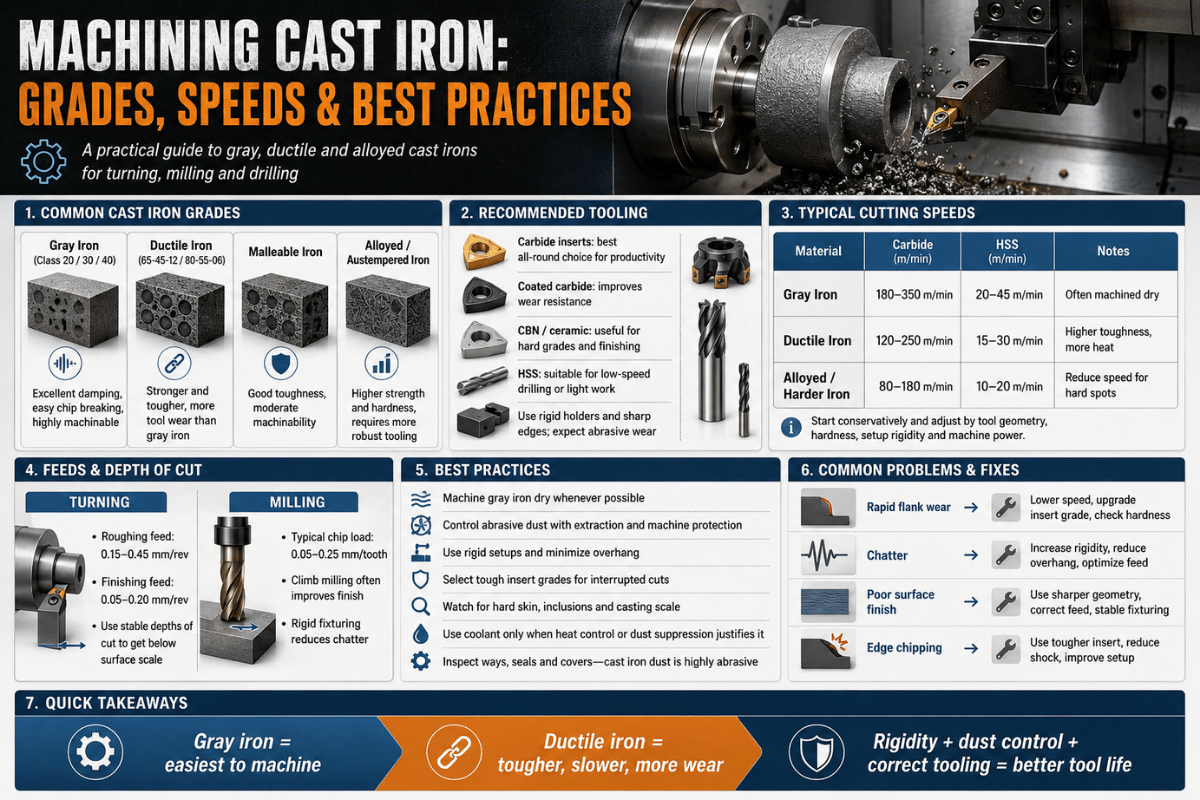
Recent data reveals the upward trend of adoption of coated cutter tools. These advanced machines apply coatings such as titanium nitride (TiN) or diamond coatings to extend life, reduce friction, and increase heat resistance. In addition, there is an increasing demand for tools made from carbides and ceramics as they offer the best high-speed machining properties.
With sustainability now assuming a very vital role in the modern manufacturing scenario, there is a high demand for tools that contribute toward less material waste and more energy efficiency. Cryogenic machining and hybrid cutter tools merging the properties of two or more materials are the obvious candidates in this regard.
Types of Milling Cutters
Introduction to Milling Cutters
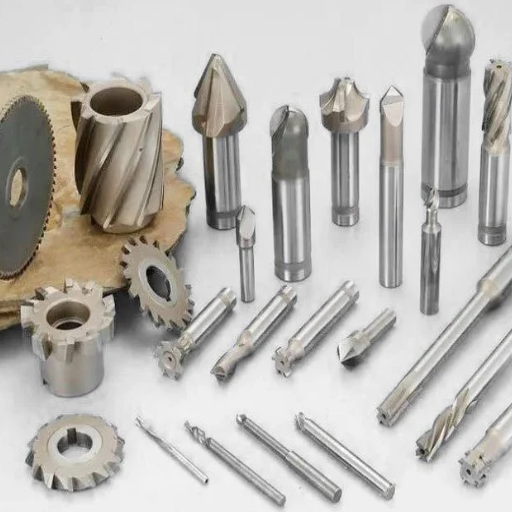
Milling cutters are the foremost tooling processes utilized to efficiently and accurately remove material from the workpiece. Milling cutters come in different shapes and sizes depending on the particular application-Milling cutters for face milling, end milling, slot cutting, and so on. The modern-day milling cutters of the 20th century are forged out of high-speed steel, carbide, and ceramics, so as to provide durability and high-service life in harsher working conditions. They are surface-treated with coatings like titanium nitride (TiN) or aluminum titanium nitride (AlTiN), which gives increased tool life and heat resistance.
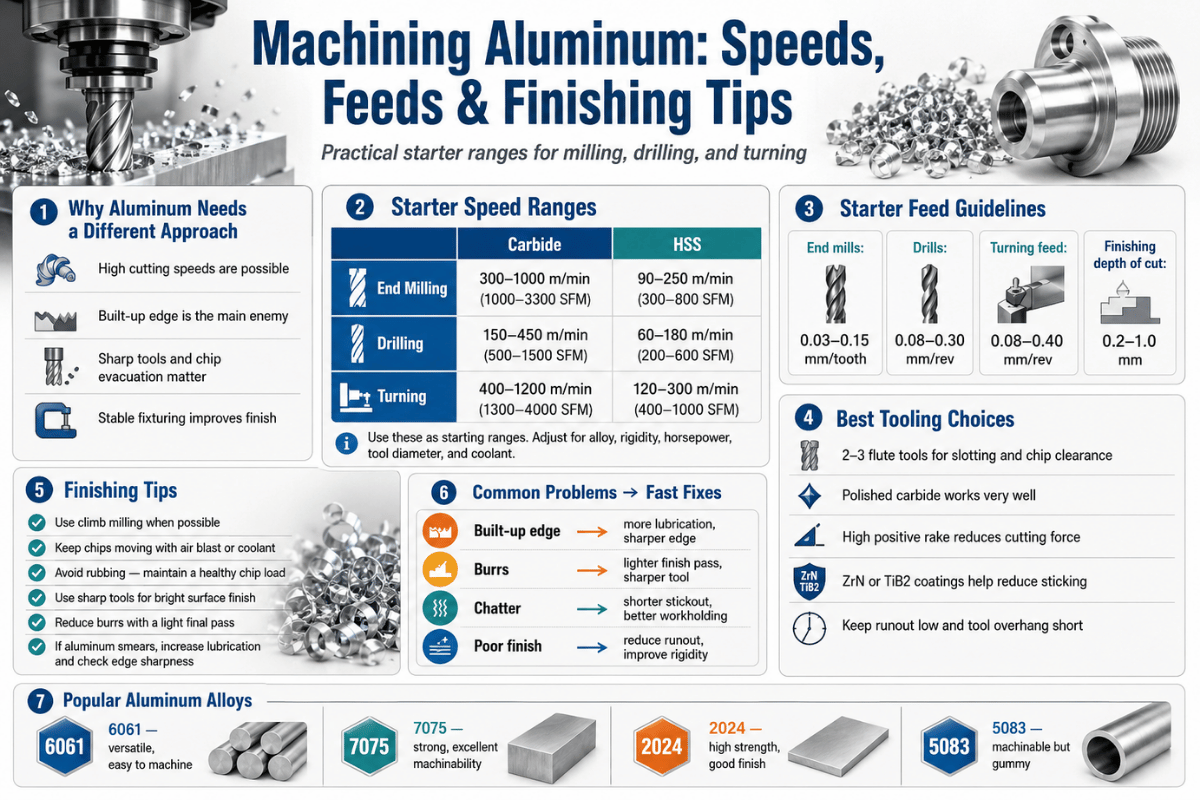
Recent search demands show a common question: Which milling cutter is said to be the best for a particular material? Present-day literature shows carbide end mills for hard metals due to their toughness and extraordinary wear resistance. Uncoated and polished cutters are usually preferred for soft materials such as aluminum so that it does not build up on the cutter, thus ensuring a clean cut. Also, giving the right milling cutter to a proposal will give manufacturers the best performance and keep costs down and the turnaround time up in the machining processes.
Common Types Used in Milling Machines
A wide variety of cutter types are used in milling machines, each suited to a particular application and material. Some of the most common types are:
- End Mills: These are widely used for all types of machining operations from slotting to contouring. They are made in all needed shapes, e.g., square, ball-nose, or corner-radius, to serve all machining needs. With recent improvements in coatings and geometry, modern end mills are the best tools for precision machining on both hard and soft materials.
- Face Mills: These are designed for surface finishing and are good at achieving smooth flat surfaces on workpieces. They are usually used in larger operations where production goes before tool wear.
- Slot Drills: They are considered perfect for producing close-tolerance slots and keyways as well as plunging straight down into materials.
- Chamfer Mills: It is generally employed for deburring or straight-edge beveling on parts that provide them with a clean look.
- Roughing Mills (or Hogging End Mills): With serrated cutting edges, these mills can quickly perform rough cuts and are ideal heavy-cutting mills.
By combining these cutters and keeping abreast of new tooling developments, producers stand to benefit with improved machined results, high precision, and considerable cost savings.
Applications of Milling Cutters
Milling cutters find applications in almost all fields, more or less, depending upon the character of the work. They enable handling numerous pieces and performing a host of tasks with extreme precision and efficiency. Milling cutters enable manufacturers to perform delicate works such as slotting and contouring and cutting complex geometries. For instance, in the aerospace industry, milling cutters make lightweight yet sturdy parts for optimum performance under extreme conditions.
Likewise, in the automobile industry, milling cutters are used to manufacture engine parts, gears, and other essential elements on a large scale with absolute precision. In medical industries, they are used to manufacture instruments and prosthetics where very tight tolerances are required. With the advancement in technology and materials, more robust and efficient milling cutters are available today that perform well in terms of productivity and efficiency in these industries.
It is evident from the search index that the scope of their applications continues to grow all over the world, fueled by accuracy and speed demanded by the manufacturing unit.
Understanding Saws as Cutter Tools
Varieties of Saws and Their Applications
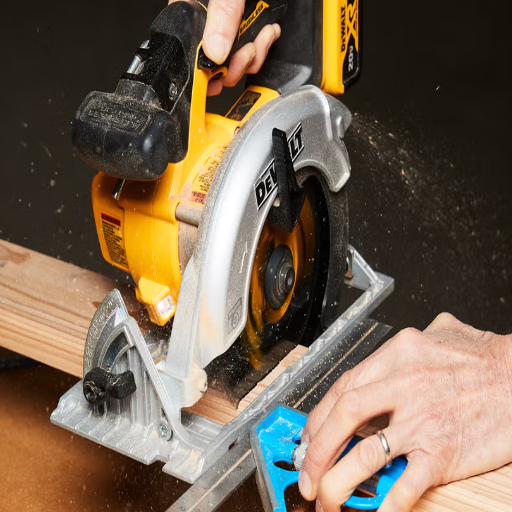
Knives are versatile cutting tools and can be divided into various categories depending on their purpose. Common types are: All-purpose hand saw, circular saw, band saw, and jigsaw, among woodworking and metalworking applications. Hand saws tend to be used for simple wood cutting, giving precision and ease of use for smaller projects. Circular saws are electrified equipment that ensures neat and straight cuts on wood, plastic and even thin metal sheets, thus standing as indispensable tools in construction jobs and DIY projects.
Band saws find their most appreciated use in woodworking and metalworking, given their ability to give intricate curved cuts and accommodate thicker materials. Jigsaws are good at cutting intricate patterns and therefore are used in crafts and artistic projects that require precision.
In recent search engine data, it is seen that multifunctional saws having cutting-edge technology such as laser guides and ergonomic design have become more user-friendly and more accurate. Constant innovation in the field keeps the saw tools still relevant to industries such as construction, manufacturing, and home improvement. These tools, with their adaptability and efficiency, still open gates for world-facing forefront projects.
Cutting Edge Technology in Saws
Incorporating advanced technologies marks the latest evolution in saws in response to modern-day demands. According to the latest data from search engine, there is a significant interest for saws comprising features like laser measurement systems, adaptive speed controls, and smart connectivity. These features give saws the ability to execute a task more precisely, efficiently, safe, and easy to manage.
For instance, a laser-guided cutting system would give any user the chance to cut with such precision that it rarely allows for error, whether it is a professional or a DIY. Furthermore, it provides very comfortable engineering design that’s lightweight for different applications and levels of expertise. This world of saw innovation gives a brighter future for saws working hand in hand in projects- both traditional and high-tech-from across the globe.
Use of Saws as Compared to Other Cutter Tools
Mostly dependent on the product, requirement for precision, and size of the paper, this will determine if a saw is chosen or some other cutter tool is a better alternative. Saws are usually employed with big and tough materials such as wood, metal, or plastic wherein precision cutting, either straight or complex, is required. For instance, in cutting a large wooden board, a circular saw works well; in cutting metal pipes and rods, however, a hacksaw performs best. Meanwhile, utility knives or scissors will do very well to cut paper, fabric, or thin plastics, all intricate to either very heavy or gentle handling.
An analysis of the recent search data revealed that users are increasingly searching for the “best tools for cutting precise lines” and “efficient tools for cutting metal,” indicating increasing demands for precision and efficiency. Such demands are met by saws equipped with sophisticated features such as adjustable blades and laser guides, while smaller cutting tools take care of tasks that require more detailed finesse. Understanding material type and desired end-result makes product selection an easy step in any project.
Selecting the Right Cutter Tool
Factors to Consider When Choosing
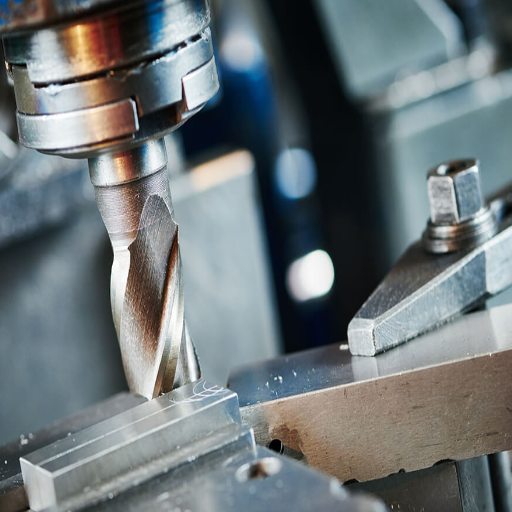
While striving for striking performance, cutters should be selected, considering many key factors. Search trends in recent years tell that people want durability, precision, and a multi-purpose usage of the cutter. The best materials to convey the durability of the tool would be tungsten carbide or high-speed steels. On the other hand, precision is required for clean cutting through sanding and fabrication jobs that need close detailing from an ergonomical standpoint or a blade that can be adjusted. Another essential consideration is indeed the versatility, as multi-purpose cutters are widely used in many cutting functions such as those of wood, metal, or plastic. With an inner consensus between these findings and one’s needs, well-informed decisions are of pleasure and euphoria.
Material Compatibility and Precision Requirements
Favorable results are most likely to be attained if material compatibility and precision requirements are considered when evaluating tools for specific tasks. According to the latest data from the search engine, there is an apparent trend leaning towards tools which work optimally across materials like composites, metals, and polymers. Such tools usually contain advanced technology, for example, variable speed control and interchangeable cutting elements that enable users to adjust to a multitude of project requirements with precision.
Precision is hugely important in wood manufacturing and manufacturing itself, as indeed slight inaccuracies might greatly disfavor the output. So selecting tools that give a perfect balance between versatility in terms of materials and accurate operation ensures the best efficiency and results.
Cost-Effective Tool Selection
Cost-effectiveness should focus more towards analyzing the benefits yielded in relation to the initial price of the tool under consideration. Cost-effective tools thus would not only be the least expensive, but they would also pay for durability and reliability and perform according to the needs of the user. The recent search data show an increased interest in expressions like “durable tools for professionals” and “best value tools for home projects,” emphasizing that buyers are so increasingly attracted to quality and low prices.
Expensive tools are constructed from higher-grade materials that possess an extended lifespan; hence choosing such tools may require fewer replacements and thereby serve to save some money. Moreover, warranties, energy conservation, and multi-functionality also play a key role in making tools cost-effective, thus rendering this search a balancing act between budget limitations and practical value.
Maintenance Tips for Cutter Tools
1
Proper Cleaning Techniques
Proper cleaning methods will ensure that cutter tools stay in optimal working condition and, actually, give them a longer life. Any visible debris or residue should be wiped down or brushed off with a soft brush so that it does not get in the way of the tool’s function. For a deeper cleaning, clean the tools with warm water combined with a mild soap or any other cleaning agent compatible with metal surfaces, with a caution that it should never cause corrosion.
The tools should now be dried to the last bit of moisture to avert the inception of rust, either with a dry cloth or simply by air drying. Once fully dried, a light oiling or preservative coating should be applied to the cutting edges for lubrication and rust prevention. These long-established techniques improve the efficiency of the tools and follow search trends that have seen increasing attention toward sustainability and cheaper maintenance alternatives.
2
Storage Best Practices
Storing your tools appropriately will go a long way in extending the life and performance of your tools. According to recent data, users are increasingly searching for “best ways to store tools in small spaces” and “how to avoid tool damage in storage.” To this end, tools should be stored in a clean and dry place, away from moisture and extremes of temperature. Use wall-mounted racks or magnetic strips for storage so that accessing them will be easy and also ensure best use of available storage space.
Where precision tools are stored and tools that rust easily, consider placing silica packs or rust-preventive liners in the storage drawer. Label your containers and group your tools according to function; this will save you time and make you much more efficient while working. Following these practices aligns with current interests for space-efficient and damage-prevention solutions and ensures that your tools stay in prime condition for much longer.
3
Sharpening for Longevity
Sharpening presents a process through which tools are maintained and beyond which they are made to perform excellently in the field. First, clean the tool under running water: dirt or grit may hamper the sharpening process. Sharpening stones or honing guides are best for producing even edges. Bearing in mind that it varies with the tool, in general, between 20 and 30 degrees, apply equal pressure while sharpening. Fine grit stones are used for sharpening thin or fine edged tools whereas coarse grit stones are for edges that have become dull due to severe usage. Lastly, make sure to grease or wet the stone with either water or oil which will lower the friction and stop it from overheating.
Recent search data show that concerns about repetitive sharpening deriving from weakening effects over time are on the rise. To counter this, experts recommend sharpening only when necessary as opposed to regular-sharpening-at-fix-intervals. Such honing should be performed at every use occasion to keep the edge with no significant material loss.
Together with storage and maintenance, these sharpening techniques will keep your tools in efficient and leveraged working manner throughout the years.
Frequently Asked Questions
Reference Sources
- ResearchGate – Types of Advanced Cutting Tool Materials and Their Properties
https://www.researchgate.net/publication/362325065_TYPES_OF_ADVANCED_CUTTING_TOOL_MATERIALS_AND_THEIR_PROPERTIES
This paper discusses the classification of cutting tools based on materials, including carbon tool steel, high-speed steel (HSS), carbides, and more. - Benchmark Abrasives – Classification and Selection of Cutting Tool Materials
https://benchmarkabrasives.com/blogs/cutting-tools/classification-and-selection-of-cutting-tool-materials
This resource provides a detailed classification of cutting tools, including single-point, double-point, and multi-point tools, along with their applications. - Suncoast Tools – Types of Cutting Tools
https://www.suncoasttools.com/types-cutting-tools
This guide explains the two main types of cutting tools—single-point and multi-point—and their uses in machining processes.
Ready to Choose the Right Cutting Tool?
Understanding the different types of cutting tools, mills, and saws is crucial for achieving precision and efficiency in your projects. Whether you’re a professional machinist or a DIY enthusiast, selecting the right tool for your specific application will ensure optimal results and cost-effectiveness.
Remember: Proper maintenance and care of your cutting tools will extend their lifespan and maintain their performance over time.
Quick Tool Comparison Guide
| Tool Type | Best For | Material | Application |
|---|---|---|---|
| End Mills | Precision machining | Hard & soft metals | Slotting, contouring |
| Face Mills | Surface finishing | Various metals | Flat surface creation |
| Band Saws | Curved cuts | Wood, metal | Intricate patterns |
| Circular Saws | Straight cuts | Wood, plastic, thin metal | Construction, DIY |
| Slot Drills | Close tolerances | Various metals | Slots, keyways |