




Best CNC Cylindrical Grinder: Precision Manufacturing for Industry Demands
Manufacturers seek tools that improve their products while possessing high degrees of precision and efficiency. CNC cylindrical grinders have successfully delivered in this regard, thanks to their high tolerance levels that have made their way particularly in the automotive and aerospace industries, and their incorporation within all manufacturing processes. This article describes some of the best CNC cylindrical grinders available on the market, enumerating their innovations that manage the specific challenges posed by today’s processes.
What is a CNC Cylindrical Grinder?
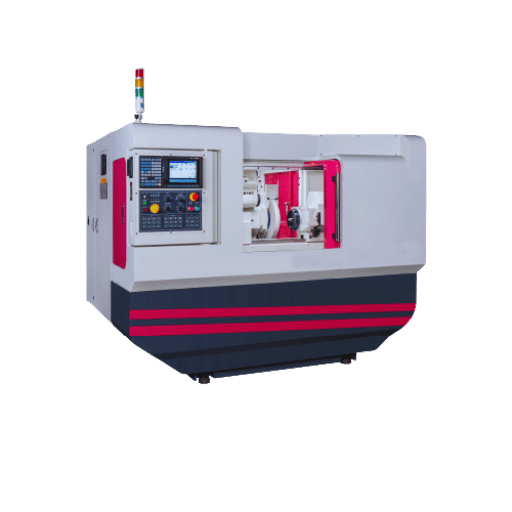
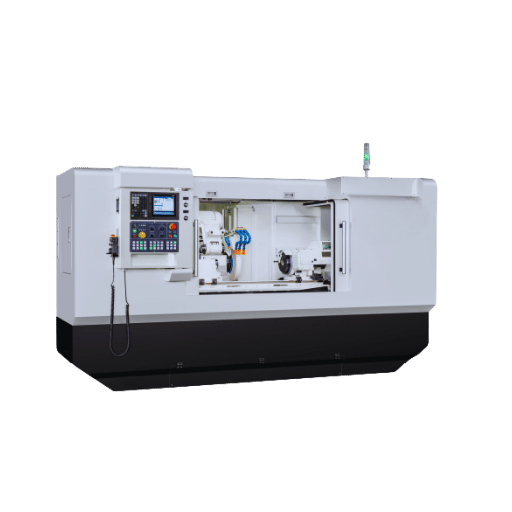
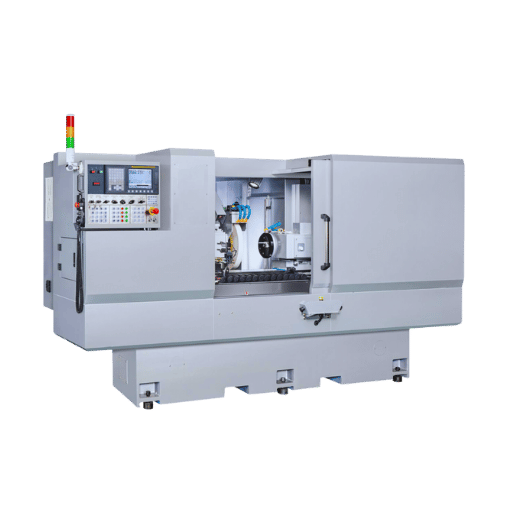
A CNC cylindrical grinder refers to a specialized machining device that is employed to grind the outer contours of the rotating workpiece accurately and consistently. This machine is operated with the help of cutting-edge technology that enables control of the dimensions, finish, and other parameters. These specifications are achieved to an optimum level due to advances in automation, and the CNC cylindrical grinder finds application in such industries as the automotive, aerospace, and tooling industries, which demand high precision and reliability.
Definition and Role in Machining
Computer numerical control cylindrical grinders are sophisticated mechanical equipment serving the purpose of manufacturing cylindrical workpieces with a high-accuracy outer profile. Their main function when machining is to ensure that the work allows precise and accurate machining of even the tightest requirements. These pieces of equipment improve the efficiency of the grinding operation by carrying out the work based on a set of predefined moves that have been programmed in advance, minimizing any variance and increasing productivity.
How CNC Technology Enhances Precision
Key Precision Enhancement Features:
- Automated Operation: With the use of pre-programmed commands, CNC grinders are capable of executing movements with precision and accurately performing tasks because human errors are completely eliminated
- High Repeatability: Ability of CNCs to duplicate the same components through different batch sizes without deviation from the original design
- Advanced Sensors: The CNC machines feature sensors inbuilt for registering and detecting parameters such as temperature, pressure, and speed, offering real-time feedback for accuracy improvement
- Adaptive Controls: Some CNCs have an adaptive controller that changes settings for grinding while on the job for varying materials or tolerances
- Complex Geometries: The CNC-enabled technology enables the manufacture of complex and finely finished components that are far beyond the reach of manual processes
Applications in Various Industries
Aerospace
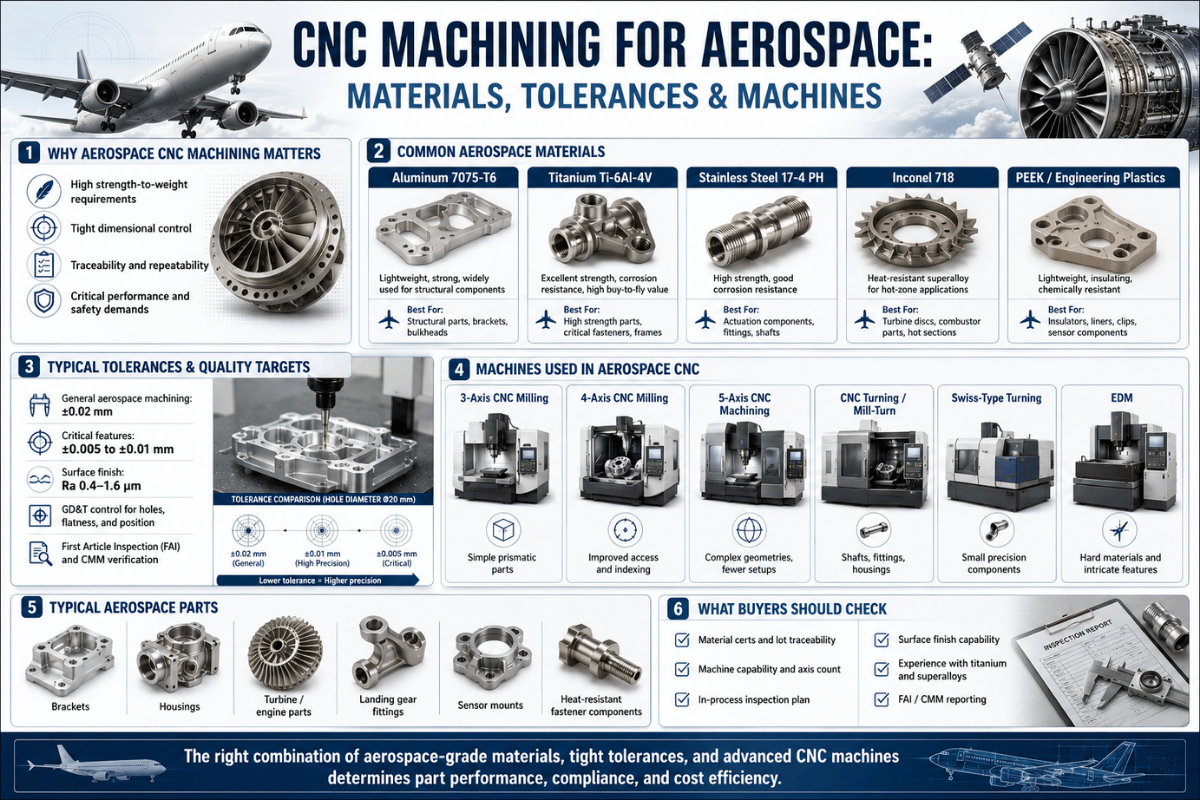
Key components such as engine sections, blades of a turbine, and structurally critical parts are manufactured using CNC machinery for enhanced safety and performance.
Automotive
Manufacturers employ CNC machines to make engine blocks, transmission system parts, and other components to guarantee mass production and uniformity.
Medical
The manufacture of high-precision surgical instruments and medical devices that require exceptional accuracy and reliability.
Electronics
CNC machining is used for small precision parts, including screws, cables, casings, and sockets for device components.
Energy
Making parts for energy production and infrastructure, including oil and gas equipment or wind turbine components.
Marine
Used in making useful and effective parts in the shipbuilding and sea equipment manufacturing industries.
Architecture
Modern architects take advantage of CNC machining to produce intricate custom fabrication elements and decorative features.
Defense
Production of weapon systems and aircraft, among other defense manufacturing equipment, minimizing production errors and defects.
Key Considerations When Choosing the Right CNC Cylindrical Grinder
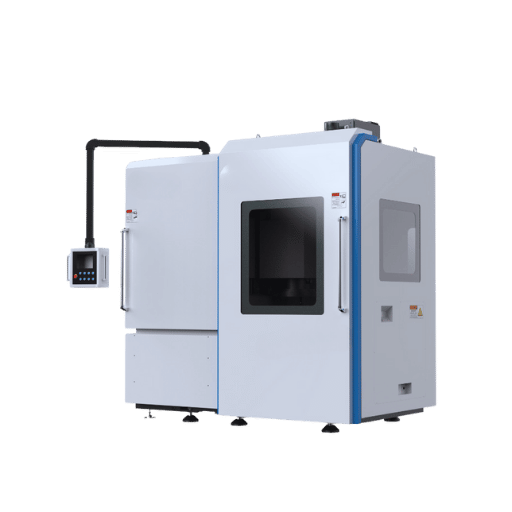
Precision and Accuracy in Tolerances
The best CNC cylindrical grinder can uphold a predetermined value of precision throughout every single application of the machine. Accuracy is about how closely the manufactured workpiece matches the given dimensions and specifications.
Selection Checklist for Precision:
- Ensure grinders are equipped with rigid spindles
- Look for sophisticated control systems
- Verify high-quality components for improved accuracy
- Check machine’s repeatability consistency
- Confirm adherence to strictest tolerance standards
Automation Capabilities and Industry 4.0 Integration
Automation with Industry 4.0 considerations promises optimization in efficiency and effectiveness of grinding works. The current advancements in grinding machines allow the use of robots and other automation devices for machining, an uninterrupted workload with minimum operator input.
Modern Technology Integration:
- IoT devices for enhanced monitoring
- Advanced sensors for real-time data collection
- Cloud computing for remote management
- Predictive maintenance capabilities
- Decreased idling time and increased production
Versatility for Different Workpiece Shapes
Cutting machines come in different types, all of which can work within different parameters for a wide range of piece shapes and dimensions. This is compensated with the aid of automation, which has programmable set-ups and tool holders as well as universal clamping devices for different sorts of jobs. This feature helps in increasing productivity and enhancing quality in both simple and complex production processes.
Durability and Build Quality Insights
Durability Factors to Consider:
- Reliable workhead and tailstock construction
- High-quality materials such as hardened steel or industrial aluminum
- Attention to detail in system development
- Proper maintenance practices adherence
- Systems developed for higher usage levels
Ease of Maintenance Features
Modern machines are structured to be user-friendly in maintenance to prevent unnecessary complications. Significant elements include changeable constructions for separation and rapid repair, easy-to-use troubleshooting instruments, and good signposting of essential mechanisms.
Top CNC Cylindrical Grinder Models in 2025
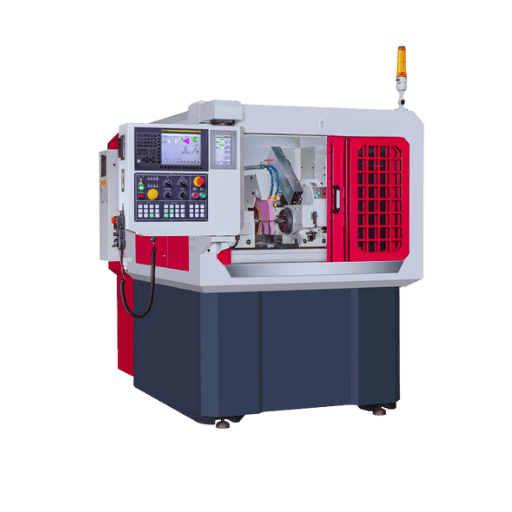
Overview of Leading Brands
By 2025, there are several top CNC cylindrical grinder models to consider based on existing industry trends. Leading manufacturers are noted for offering state-of-the-art ranges of advanced CNC product solutions suitable mainly for industrial applications. The design of their grinders has been very consistent, sharing a common theme of precision and reliability in the market.
Comparison Table of Specifications
| Model | Control | Structure | Automation | Best Use |
|---|---|---|---|---|
| Manual Grinder | None | Hydraulic | None | Small Batch Production |
| NC Grinder | NC | Servo Motor | Basic | Repetitive Tasks |
| 2NC Grinder | Dual NC | Ball Screw | Intermediate | Mid-Volume Production |
| CNC Grinder | CNC | Multi-Axis | Advanced | High Precision Applications |
Recent Trends in CNC Grinding Technology
Technology Advancement Areas:
- Automation and Smart Systems: Modern CNC grinding machines incorporate greater automation and intelligent control systems with adaptive control and in-process measurement facilities
- Advanced Materials Compatibility: Increased compatibility with different materials like composites and advanced alloys
- Energy Efficiency: Integration of components for power optimization along with performance enhancement
- High-Precision and Micro-Grinding: Advances in tooling and software integration for micro-machining in aerospace and medical manufacturing
- IoT Connectivity: Remote monitoring, predictive maintenance, and real-time data analysis capabilities
Expert Reviews and Testimonials on CNC Cylindrical Grinders
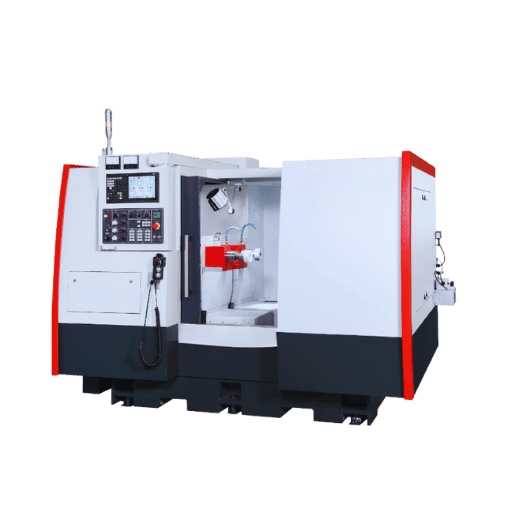
Industry Insights from Manufacturing Professionals
It is guaranteed that technicians will always pay attention to how programmed machines are built and installed when purchasing a CNC cylindrical grinder. They note that modern grinders with more modern automation and IoT capabilities boost productivity by way of real-time supervision and process waste minimization. Because of the finer machine precision in carving intricate shapes, such machines are essential in industries such as aerospace, automotive, and medical manufacturing.
Professional Recommendation: Most users suggest that regular service and updates of the installed applications will be necessary to maintain efficiency over the years.
Case Studies Highlighting Production Efficiency
Aerospace Component Manufacturing
An aerospace manufacturer experienced a drastic improvement with CNC machines and IoT monitoring systems for complex turbine components. Real-time data analytics allowed the manufacturer to cut down production time by 25% while maintaining high precision levels that complied with strict industry standards.
Automotive Part Production
Somewhere in this automotive supply company, the implantation of their machining process with automation and robotic systems must have taken place for engine components. Optimization reduced waste of materials by as much as 30%, created better consistency in production, and greatly reduced the cost of production while increasing efficiency.
Medical Device Fabrication
A medical device company employed highly accurate CNC high-tech software for processing prosthetic implants. The enhanced process met rigorous quality standards and achieved a 20% increase in production speed, enabling faster delivery of implants to healthcare institutions.
Specific Use Cases of CNC Cylindrical Grinders
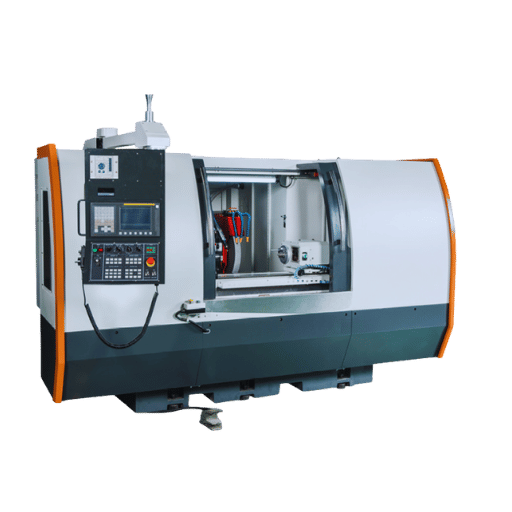
Automotive Industry Applications
Crankshaft Reconditioning
CNC cylindrical grinders excel in machining crankshafts with accurate specifications and superior surface finish for engines.
Camshaft Production
Production of highly accurate profiles required for engine effectiveness and optimal performance.
Gear Generation
Fabrication of precision mechanical components such as gears and pinions for efficient power transmission.
Axle and Shaft Machining
Precise grinding of automotive axles and drive shafts for structural longevity and functional efficiency.
Bearing Components
Precision grinding of rolling elements and bearing races to reduce friction and enhance longevity.
Turbo Components
Production of turbocharger shafts and housings with exceptional precision requirements.
Transmission Parts
Accurate grinding of transmission gears and shafts for proper clearances and enhanced durability.
Brake System Components
High-quality brake system parts like rotors and drums for safety, performance, and functionality.
Aerospace Precision Grinding
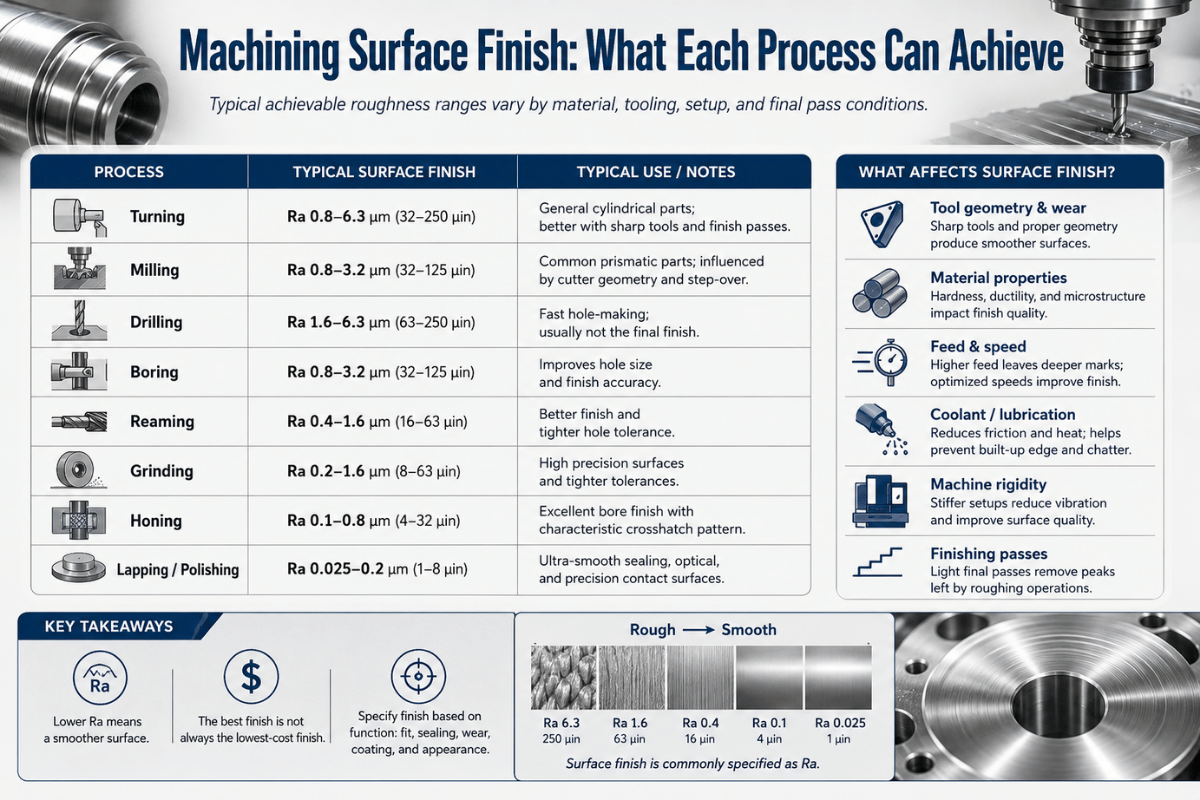
In the aerospace industry, being very precise in abrasive machining remains a very basic technological process; aerospace products ought to make the most of very stringent standards. It allows being finely ground with the specification of a fine surface finish necessary in this industry to improve the safety, functionality, and durability of the aerospace parts.
It is massively utilized in the fabrication of turbines, compressors, landing gears, and other highly stressed components due to the exotic materials employed, such as titanium and nickel-cobalt super alloys.
Medical Devices Manufacturing
Manufacture of medical devices must comply with strict rules and guidelines to avoid any health hazards. Precision-engineered components are manufactured using surgical tools, prosthetic aids, and diagnostic machines that require advanced machining and precision fabrication. These materials include stainless steel, titanium and medical polymers, due to their suitability for use in medical instruments.
Maintenance Tips for CNC Cylindrical Grinders
Routine Checks and Inspections
Essential Maintenance Checklist:
- Examine and clean the machine’s coolant system for proper flow and impurity prevention
- Check hydraulic and lubrication systems for leakages or low levels
- Assess the grinding wheel for wear, cracking, or damage that would affect precision
- Test finished dimensions against control charts to ensure tolerance compliance
- Check electrical conditions, cable joints, and physical damage prevention
- Verify centerlines are within tolerance range
Important Note: Even the best CNC cylindrical grinder can give poor results if the wheel is worn or damaged.
Importance of Software Updates
Software Update Benefits:
- Security patches that close vulnerabilities and prevent cyber attacks
- Performance and feature enhancements for improved efficiency
- Prevention of system dysfunction and operational breakdown
- Accommodation of latest technology within software confines
- Long-term protection against security compromises and lower efficiency
Stocking Spare Parts for Minimal Downtime
Maintaining a sufficient level of spare parts typically plays a crucial role in decreasing breakdown periods and guaranteeing business continuity. Because of backup key parts, it is relatively easy to have replacement components for any defective or worn parts on-site.
Spare Parts Strategy:
- Stock items that wear frequently
- Maintain parts with long lead times
- Keep components required for major processes
- Follow manufacturer’s instructions for inventory
- Base stock levels on previous usage patterns
- Prepare for emergency situations
Cost Implications of CNC Cylindrical Grinders
Initial Investment Across Different Models
Entry-Level Models ($50,000 – $100,000)
These CNC cylindrical grinders are pretty affordable but with very few features. They are provided for small industries with very little automation and very few precision requirements.
Standard Industrial Types ($100,000 – $250,000)
They have to work between cost and function for the standard industrial grinders. They serve mid-size units demanding higher skills of machining and utmost levels of precision and automation.
High-Performance Models ($250,000 – $500,000+)
High-performance grinders are used in high-precision, high-automation, and heavy industrial settings for massive manufacturing and complex machining jobs.
Custom and Specialty Models ($500,000 – $1,000,000+)
Highly customized CNC cylindrical grinding machines are constructed for highly specialized applications to meet very specific operational requirements. The investment depends on the engineering and software development required.
Operational Costs Overview
Ongoing Cost Categories:
- Energy Charges: Varying electricity demands on the basis of task complexity
- Maintenance Charges: Periodic checks and adjustments for trouble-free serviceability
- Replacement Charges: For components, pumps, seals, and belts that have become worn or spare tooling that is required
- Training Costs: Operator training and software education
- Software Costs: Updates and licensing fees
Return on Investment Analysis
ROI Calculation Factors:
- Initial financial allocation for equipment purchase and installation
- Functional expenses including energy, materials, and wages
- Service repairs and maintenance throughout equipment lifespan
- Increased performance via increased levels of productivity and quality
- Savings incurred through methods and processes with efficiency and reduced wastage of materials
- Depreciation costs with the durability and specification of equipment over time
- Operator training and technology upgrade resources
- Market influence and revenue expansion potential
Frequently Asked Questions (FAQs)
Conclusion
CNC cylindrical grinders are the ultimate precision manufacturing equipment, excelling in the domains of accuracy, productivity, and adaptability in varied industries. On one end of the spectrum, it works on aerospace components that demand utmost tolerance, and on the other end, it works for automotive parts that have to be manufactured on a large scale with repeated consistency. Thus, CNC machines have proved worthy of costs in modern manufacturing environments.
The investment in the best CNC cylindrical grinder should be carefully based on your manufacturing needs, precision tolerances, production volume, and long-term goals of operation. When selected correctly and installed and maintained well, these machines provide a high return on investment through superior productivity, less waste, and consistency in delivering good output.
Key Takeaways for Success:
- Consider machines with proper precision levels for your tolerance requirements
- Automation and Industry 4.0 integration should be chosen for maximum efficiency
- Versatility in the handling of different workpiece shapes and materials should be a high consideration
- Durability and build quality must be at the top of the list for long reliability
- Consider good maintenance programs to practically guarantee downtime reduction
- Total cost of ownership must be considered beyond just the purchasing price.
With the evolution of manufacturing riding on technology, CNC cylindrical grinders remain at the cutting edge of precision machining solutions, occasioning manufacturers to work on specifications that become more demanding with production costs and delivery schedules held competitively.
Reference Sources
Additional Reading and Resources:
- Machining – Ohio State ATI – The Ohio State University
Provides insight into the conditional operation of cylindrical grinders - Machining – Chattahoochee Technical College
Covers grinding CNC machines, cylindrical grinder setups, and grinding ferrous and nonferrous metals - Structural Design of a Special Machine Tool for Internal Cylindrical Grinding – PMC
Covers features of advanced cylindrical grinding and specific applications - New Technology in Metalworking Fluids and Grinding – OSTI
Investigations of advances in grinding technology including CNC cylindrical grinding - Cylindrical grinder
- Grinding machine
- Machine
Ready to Upgrade Your Manufacturing Precision?
Invest in the best CNC cylindrical grinder for your industry needs and experience the difference precision manufacturing makes.